Carlos Schwabe
Swiss·1866–1926
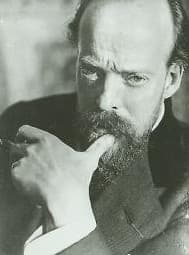
Carlos Schwabe (1866–1926) brought dreamlike visions to the Symbolist movement. Born Émile Martin Charles Schwabe in German Holstein, his family moved to Switzerland when he was four. He studied at Geneva's École des Arts Industriels before settling in Paris, where he worked initially as a wallpaper designer while joining the city's circle of Symbolist artists and writers.
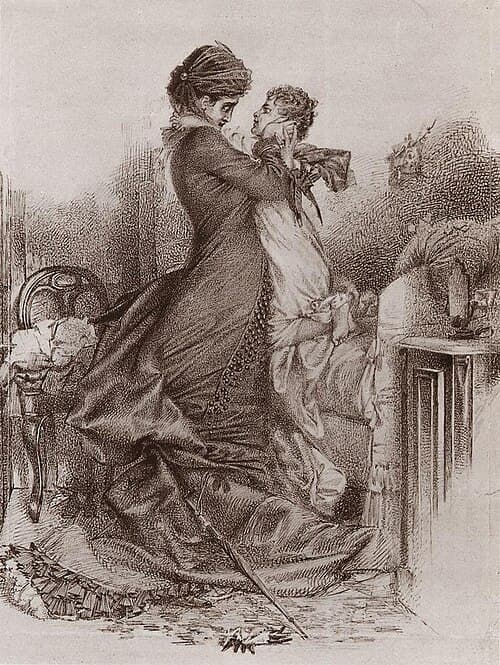
In 1892, Schwabe designed the iconic poster for the first Salon de la Rose + Croix, organized by the eccentric Joséphin Péladan. This launched his career as one of the most important Symbolist book illustrators. He created images for Émile Zola's Le rêve, Baudelaire's Les Fleurs du mal, and Maeterlinck's Pelléas et Mélisande. His paintings explored allegorical and mystical themes, often featuring ethereal women, death imagery, and religious subjects rendered with Pre-Raphaelite precision.
Schwabe exhibited at the Salon d'Automne and won the Gold Medal at the 1900 Exposition Universelle. His distinctive style bridged Symbolism and Art Nouveau. After 1908, his output diminished. He retired to Avon in the Fontainebleau Forest, producing academic portraits and landscapes until his death in 1926. Today, his most important works belong to the Musée d'Orsay in Paris, the Musée d'Art et d'Histoire in Geneva, and the Van Gogh Museum in Amsterdam.
Notable Works by Carlos Schwabe
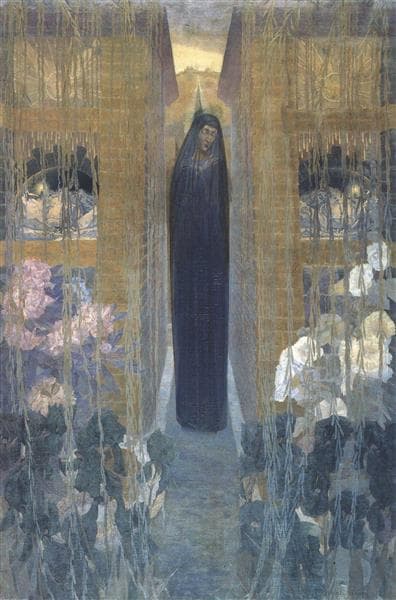
2 paintings catalogued with museum locations
Museums with Carlos Schwabe's Work
2 museums display Schwabe's works. Click any museum to see visiting info and the specific works they hold.
Related Artists
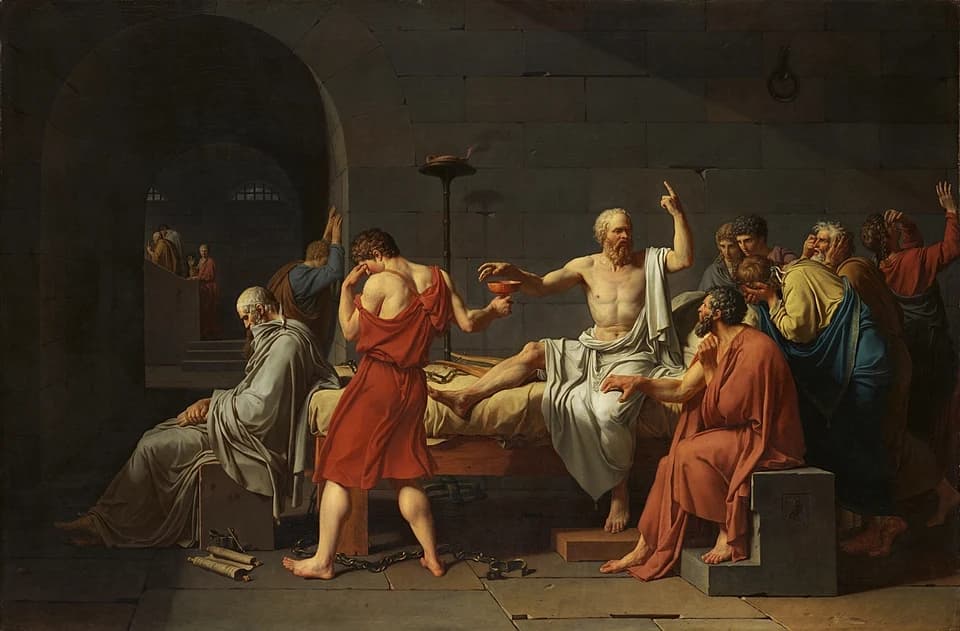
Other Symbolism artists you might like
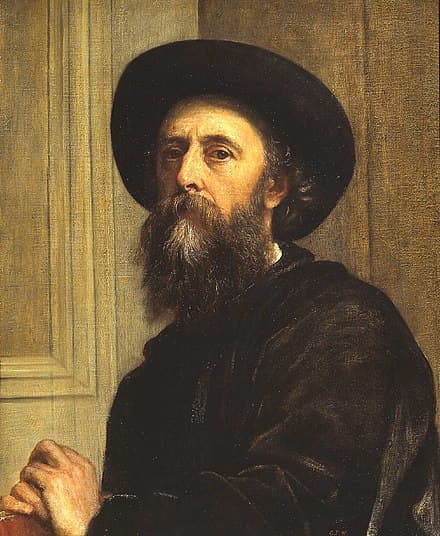
About Carlos Schwabe
Schwabe was a leading Symbolist painter and illustrator whose work bridged Symbolism and Art Nouveau. He was strongly influenced by the Pre-Raphaelites and Gustave Moreau. His 1892 poster for the first Salon de la Rose+Croix became an iconic image of the idealist art movement.
Major works are at the Musée d'Orsay in Paris, the Van Gogh Museum in Amsterdam, and the Musée d'Art et d'Histoire in Geneva. The Musées royaux des Beaux-Arts in Brussels and Museu Nacional de Belas Artes in Rio de Janeiro also hold significant works.
He illustrated Émile Zola's novel Le rêve (1892), Baudelaire's notorious poetry collection Les Fleurs du mal (1900), and Maeterlinck's Pelléas et Mélisande. Scholar Philippe Julian called his illustrations "masterpieces of Art Nouveau," praising his border designs as superior to those of Alphonse Mucha.
He was born in German Holstein in 1866 but grew up in Switzerland, gaining Swiss citizenship in 1888. He moved to Paris as a young man and spent most of his career in France, first working as a wallpaper designer before establishing himself in Symbolist circles. He died in Avon, France in 1926.
His paintings featured allegorical and mystical themes: ethereal women, death imagery, angels, the Virgin Mary, and mythological scenes. His work from the 1890s is characterized by lush floral ornamentation rendered with detailed precision, combining idealist vision with social concern.
Love Carlos Schwabe's Style?
Explore art inspired by Symbolism.
Browse Collection