Christian Krohg
Norwegian·1852–1925
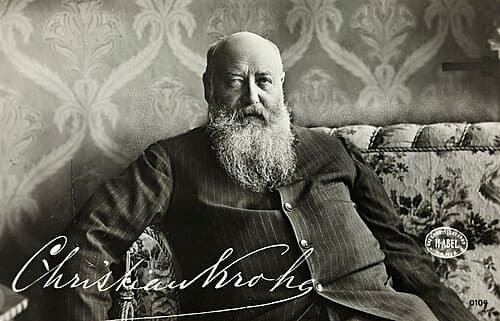
Naturalist painter Christian Krohg (1852-1925) created politically charged images of workers, prostitutes, and fishermen that shaped Scandinavian realism. Born to a prominent family (his grandfather had been a government minister), he was expected to study law. After completing his degree, he finally pursued painting, studying in Karlsruhe under the Norwegian landscape master Hans Gude, then at the Berlin Royal Academy where realism took hold of his vision.
A year in Paris in 1881 brought encounters with Manet, Courbet, and the Impressionists, along with the social realism of Jules Bastien-Lepage. Krohg applied these influences to Norwegian subjects, painting fishing communities at Skagen and the urban poor in Kristiania (Oslo). His novel Albertine, telling of a seamstress turned prostitute, caused a scandal when published with related paintings. The work was banned for its sexual content, though it galvanized support for outlawing prostitution in Norway. Krohg was fined but achieved his goal of forcing public debate.
Krohg served as mentor to Edvard Munch, encouraging the younger artist's development. He founded the Bohemian journal Impressionisten, worked as a journalist for decades, and taught at the Académie Colarossi in Paris before directing Norway's Academy of Arts from 1909 until his death. France made him a Knight of the Legion of Honour in 1889. The National Gallery of Norway in Oslo holds his most important works. The Skagens Museum in Denmark preserves paintings from the artists' colony.
Notable Works by Christian Krohg
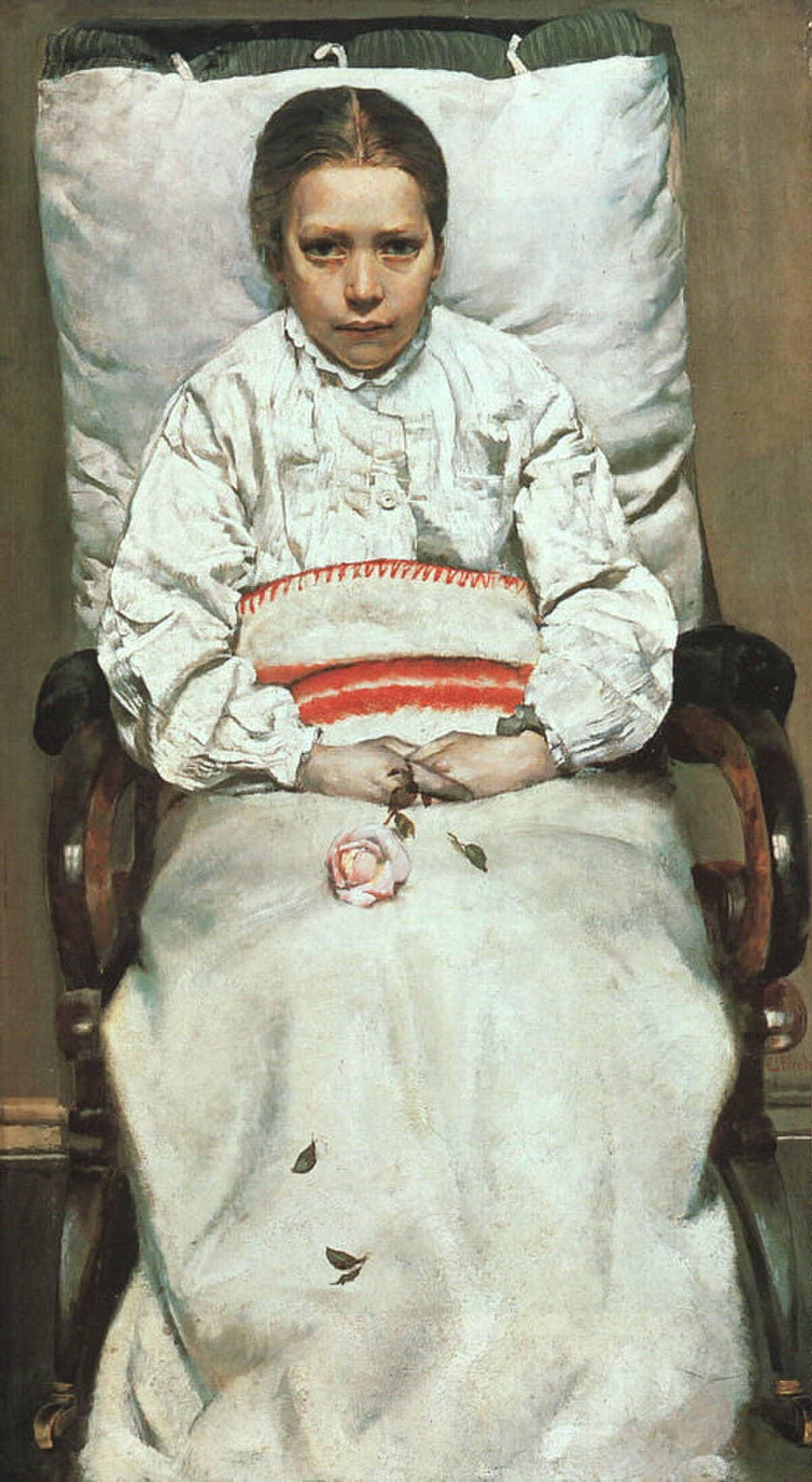
1 painting catalogued with museum locations
Museums with Christian Krohg's Work
1 museum displays Krohg's works. Click any museum to see visiting info and the specific works they hold.
Related Artists
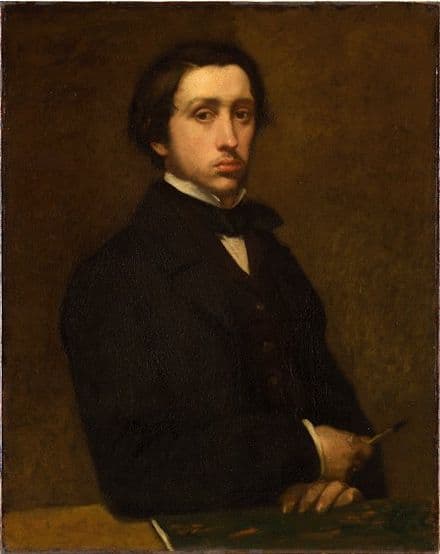
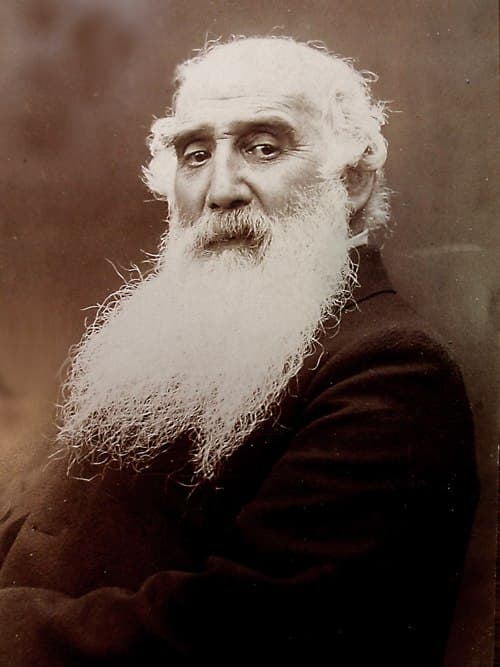
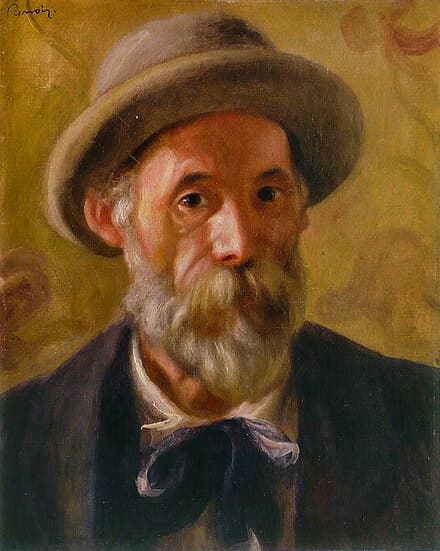
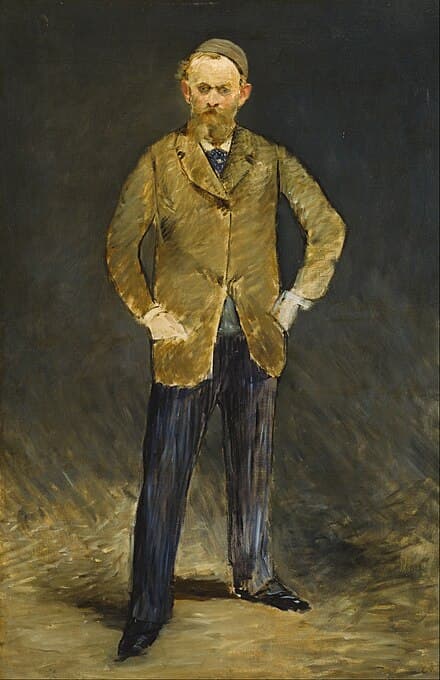
Other Impressionism artists you might like
About Christian Krohg
Krohg painted politically charged images of workers, prostitutes, and fishermen. His novel Albertine was banned but helped change Norway's prostitution laws. He also mentored Edvard Munch.
The National Gallery of Norway in Oslo holds major works. The Skagens Museum in Denmark displays paintings from the artists' colony.
Krohg was influenced by Impressionism during his Paris years. He combined French techniques with Scandinavian naturalism to create socially engaged realist paintings.
Albertine (1886) is Krohg's novel and painting series about a seamstress who becomes a prostitute. The work was banned but sparked public debate that helped change Norwegian law.
Krohg mentored young Edvard Munch and taught at the Académie Colarossi in Paris. As director of Norway's Academy from 1909 to 1925, he shaped a generation of artists.
Krohg painted working-class subjects: Skagen fishermen, urban poor, seamstresses, and prostitutes. His social realism addressed conditions others avoided depicting.
Love Christian Krohg's Style?
Explore art inspired by Impressionism.
Browse Collection