Gustave Caillebotte
French·1848–1894
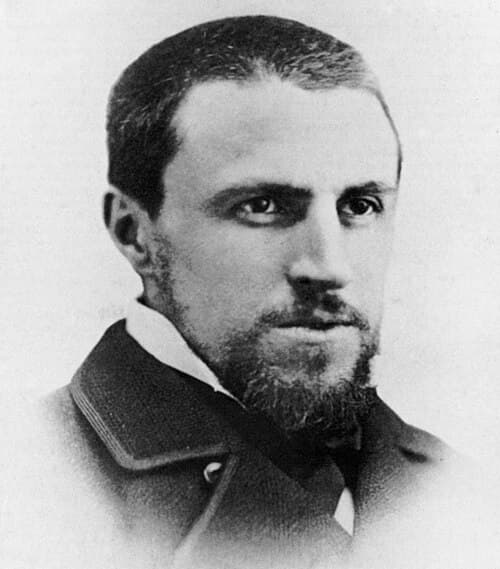
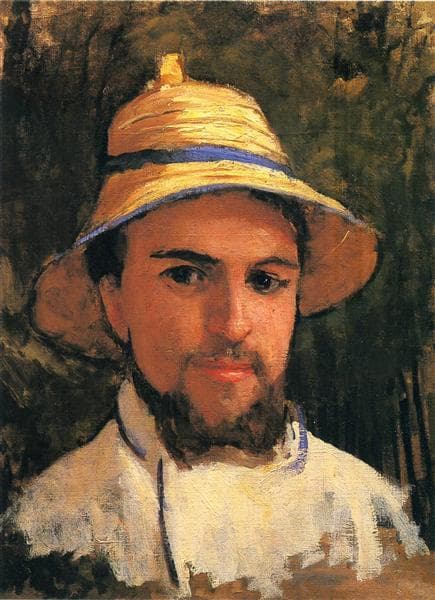
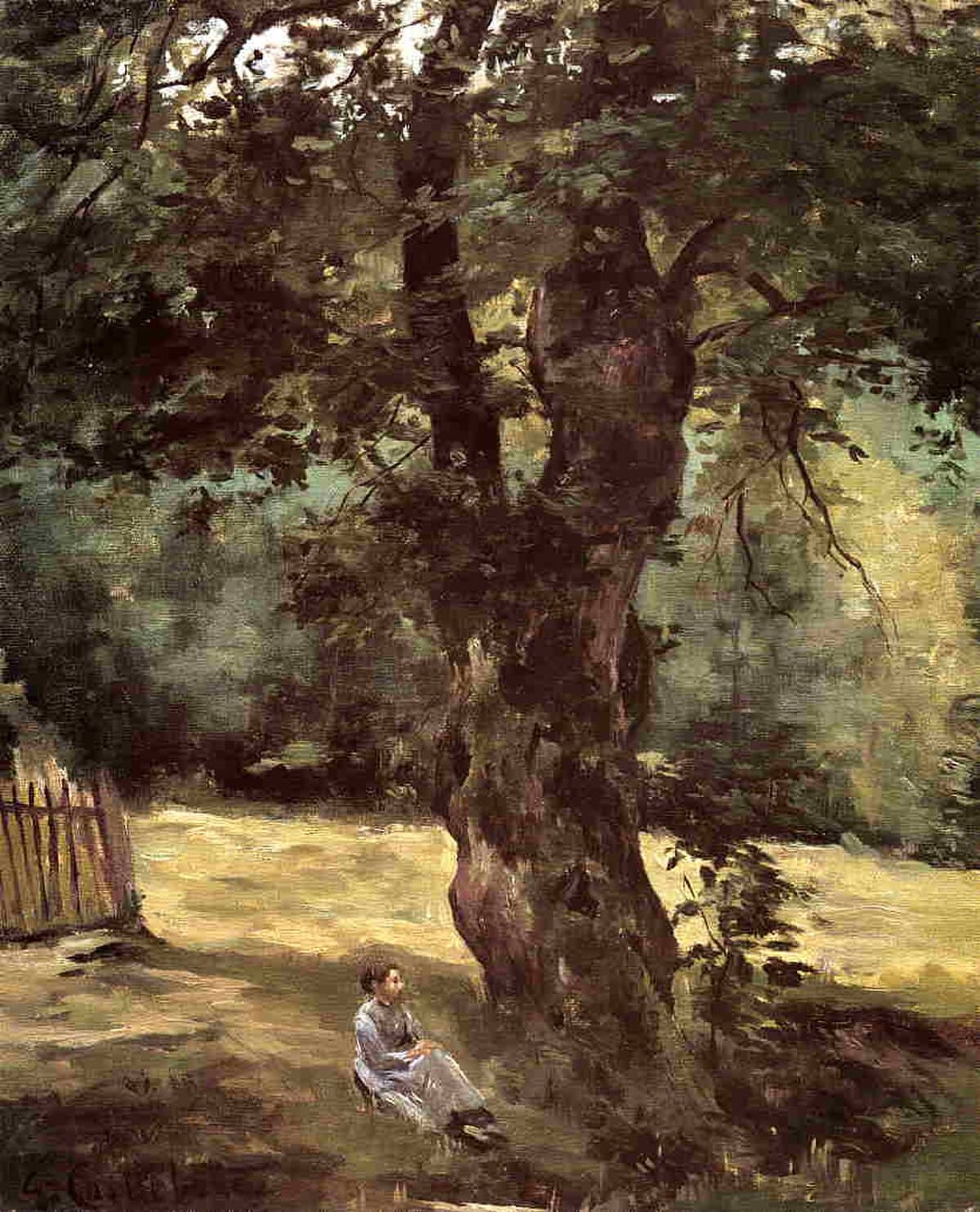
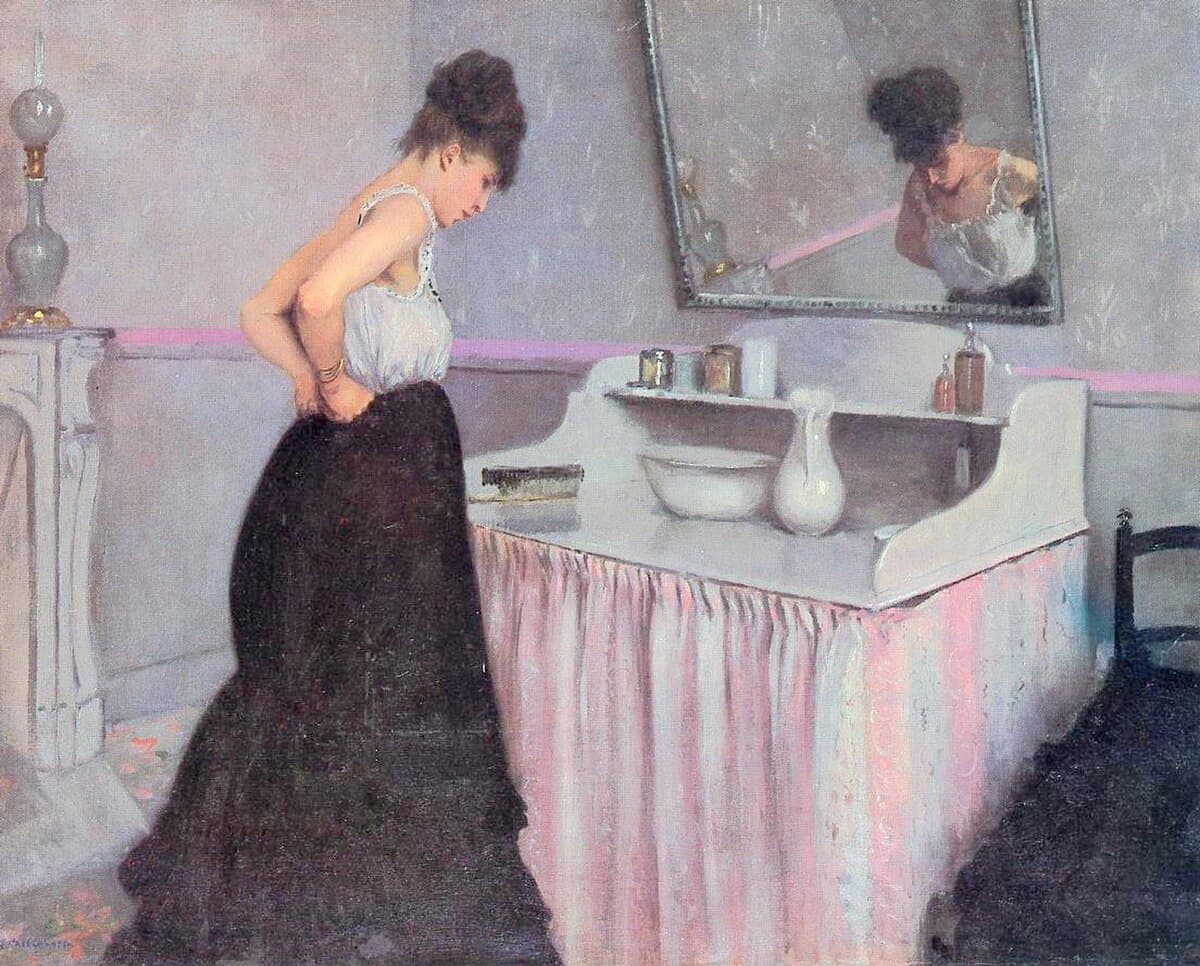
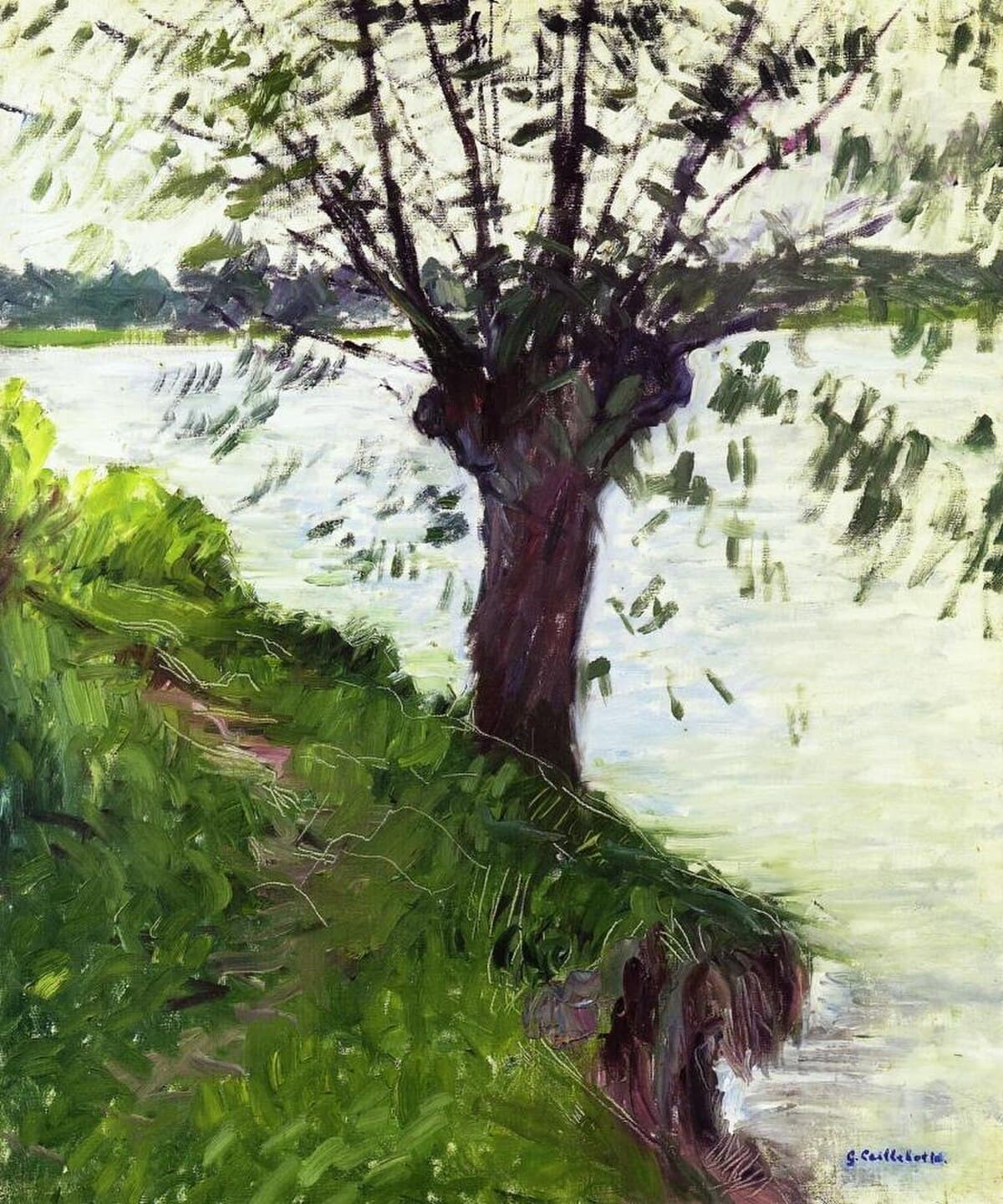
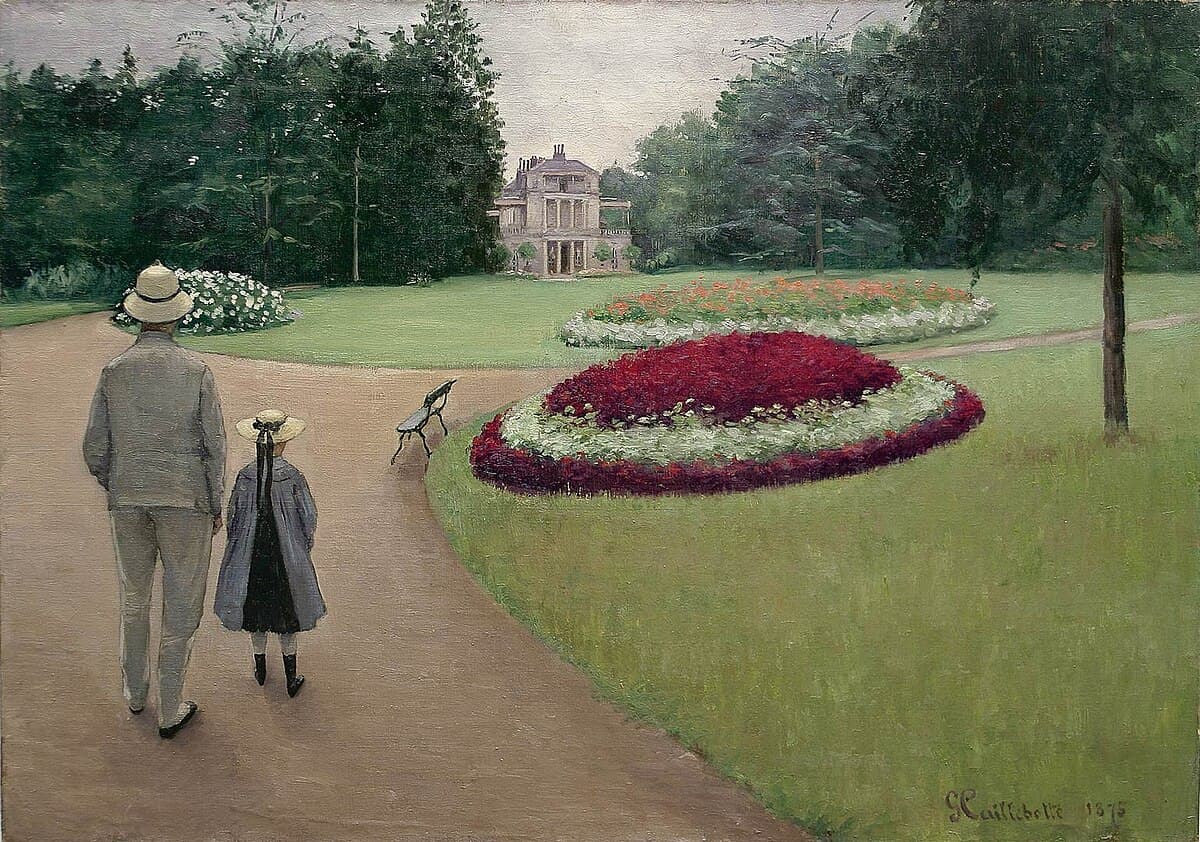
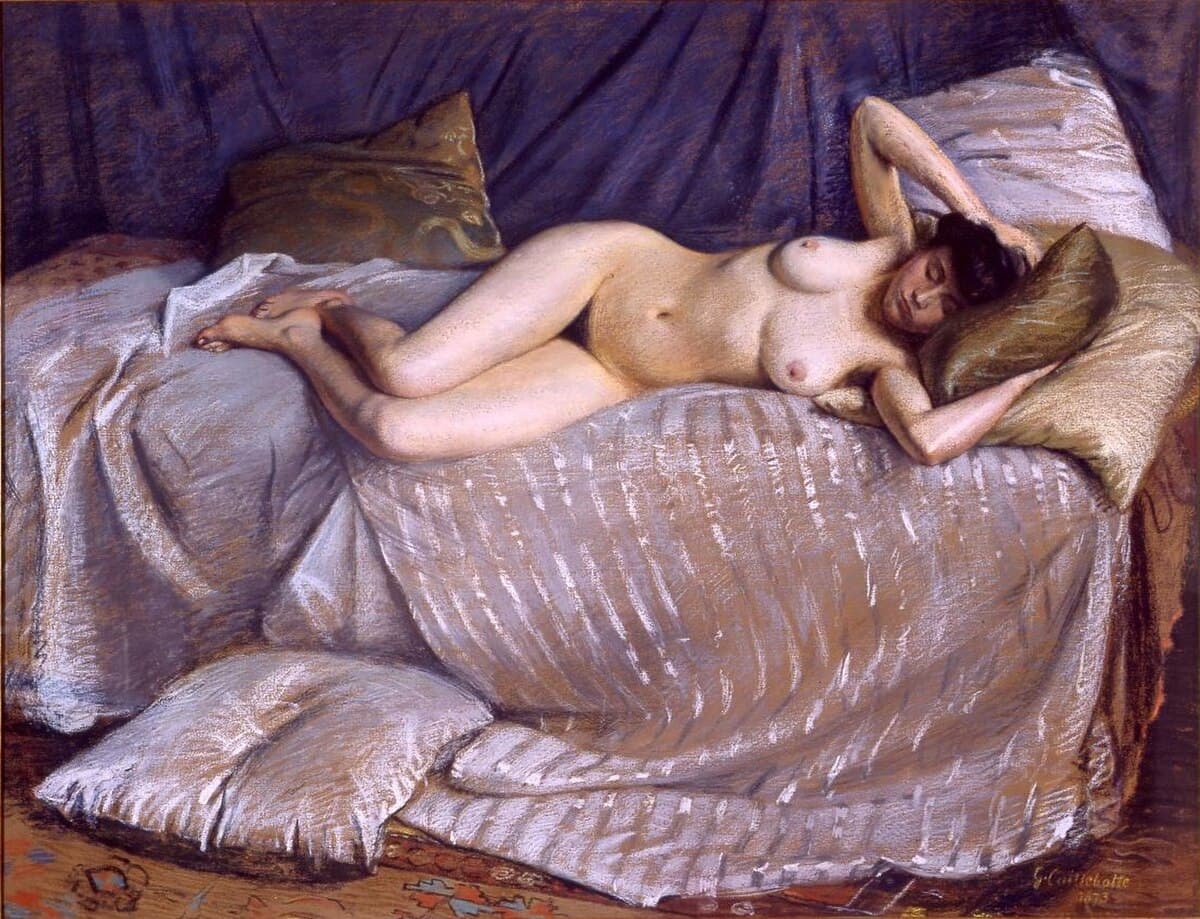
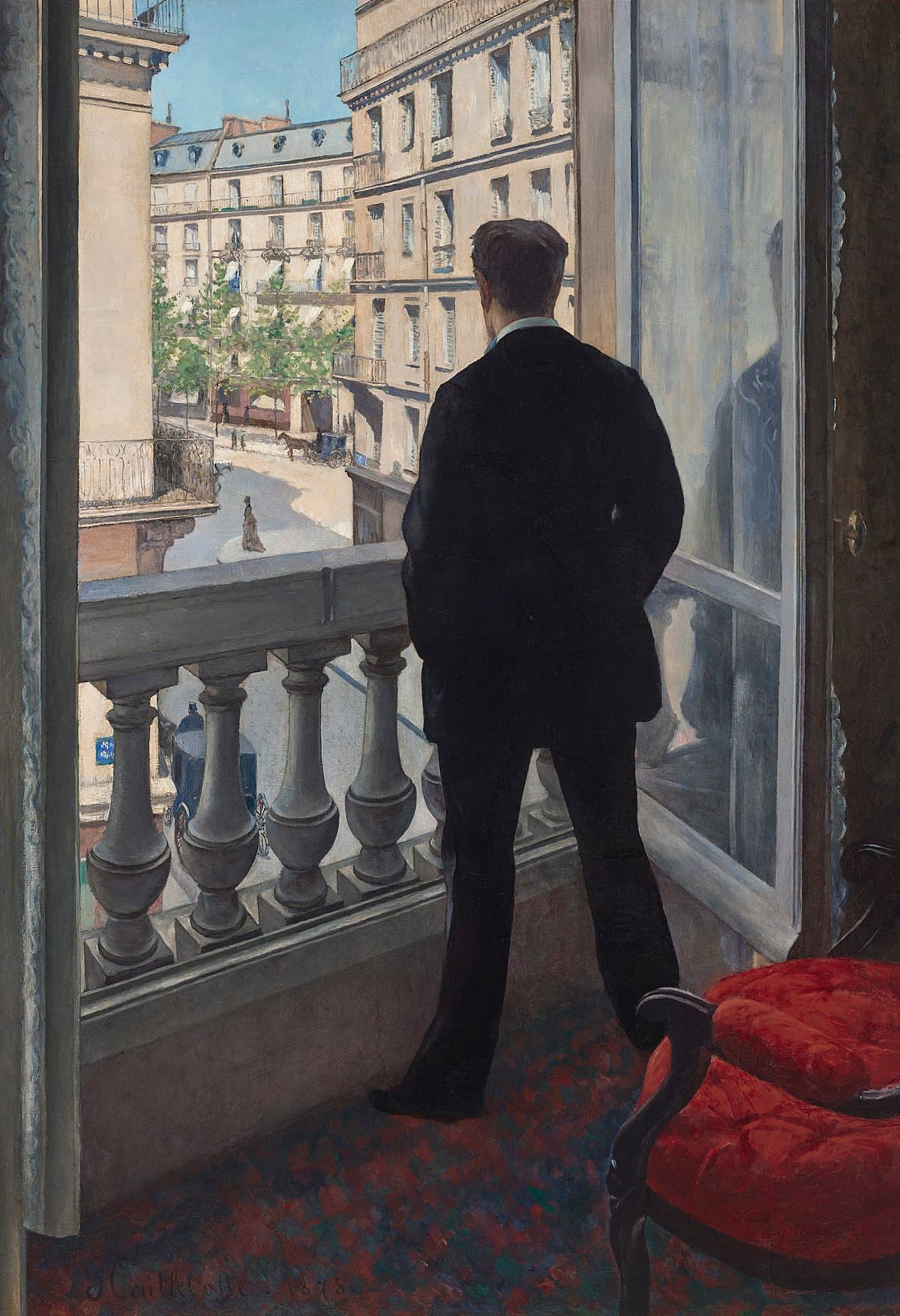
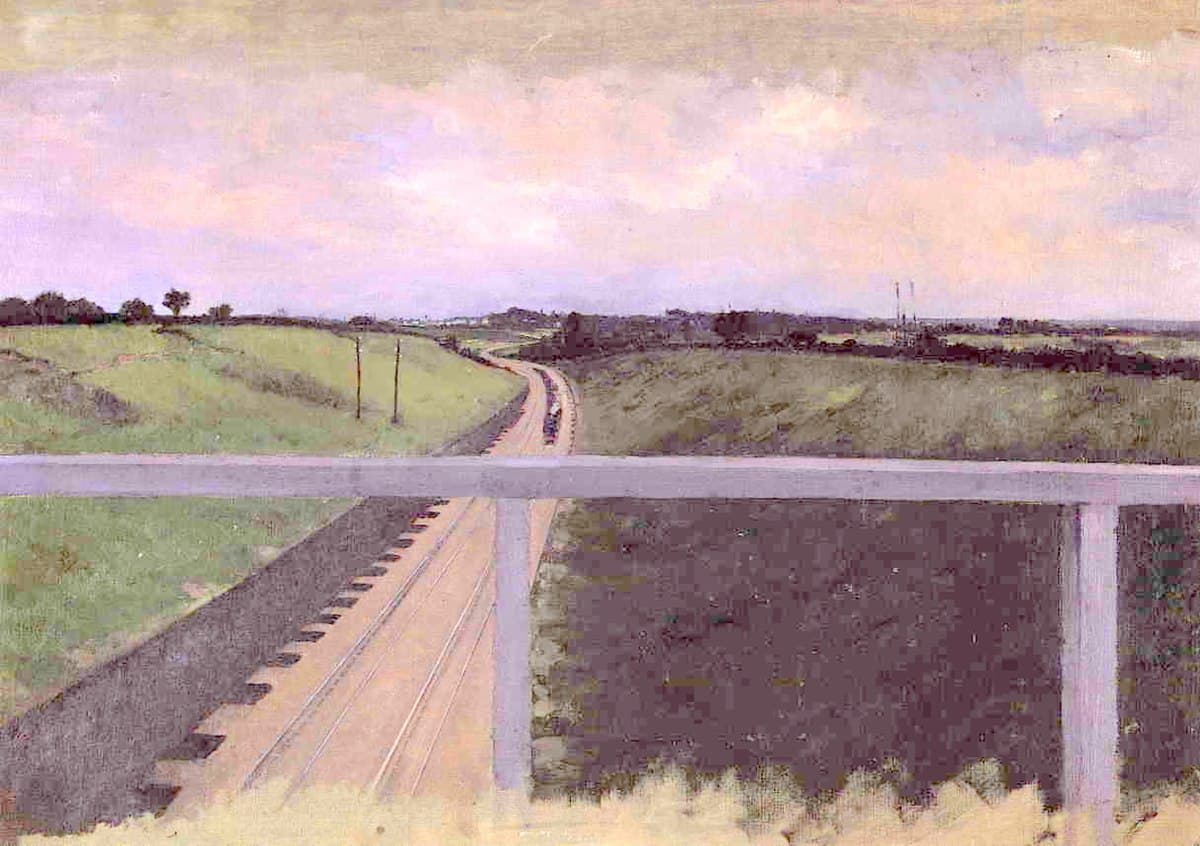
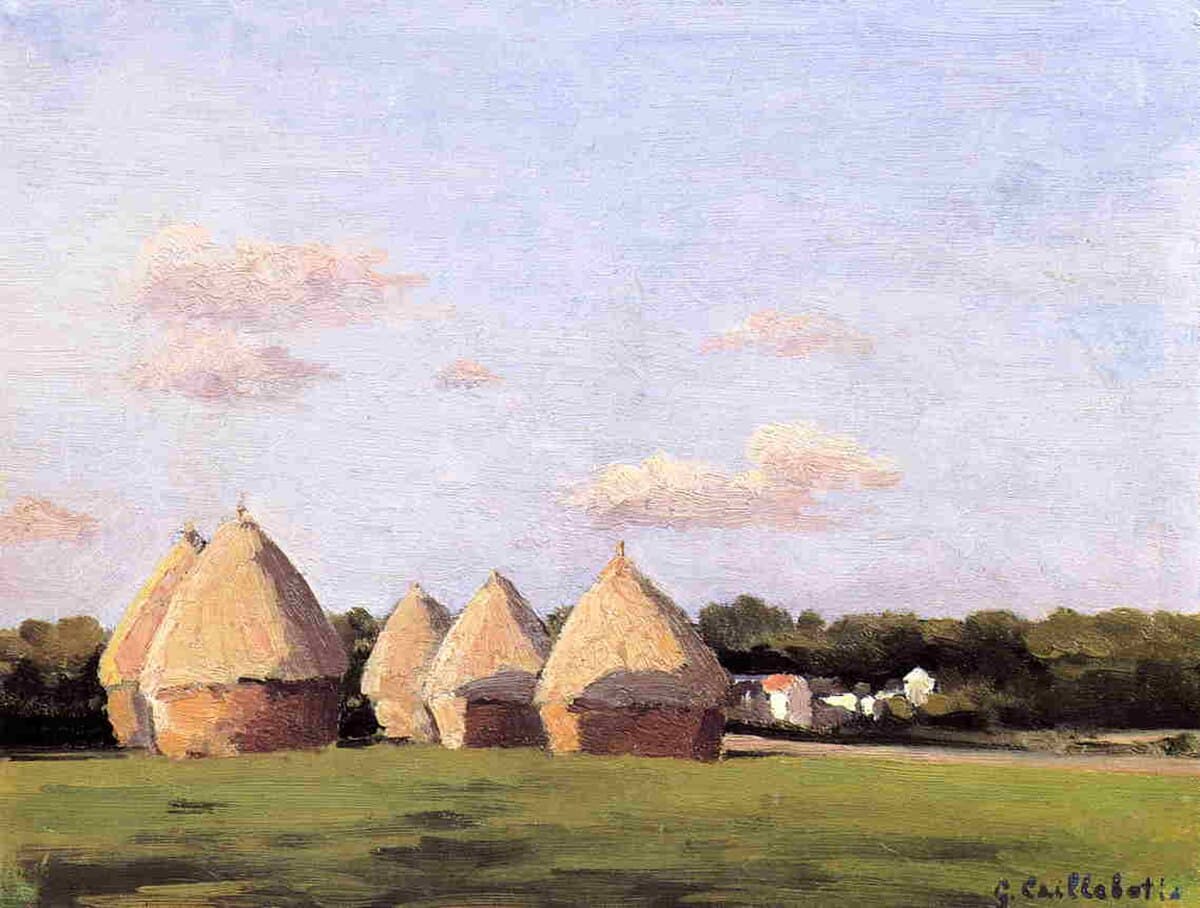
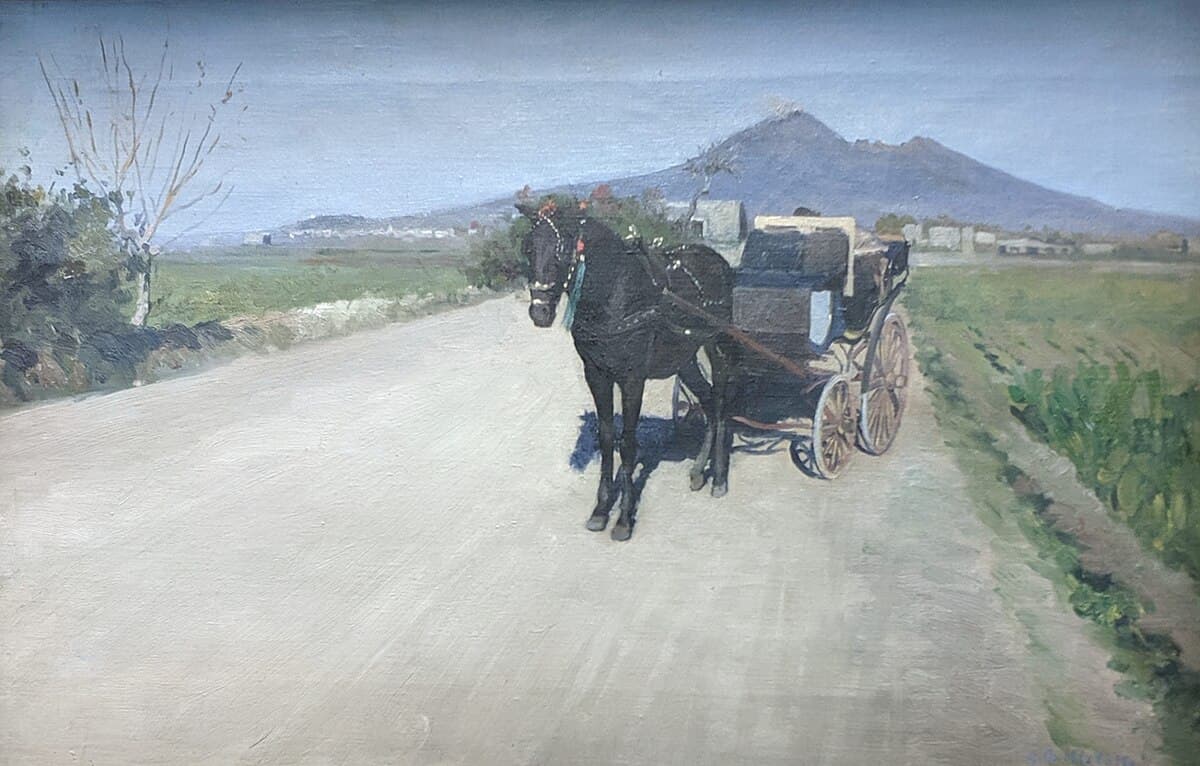
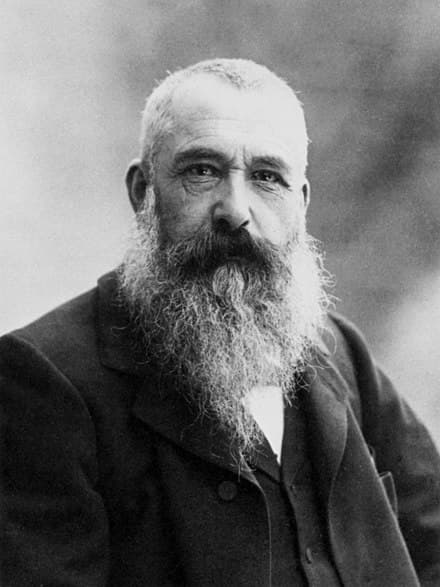
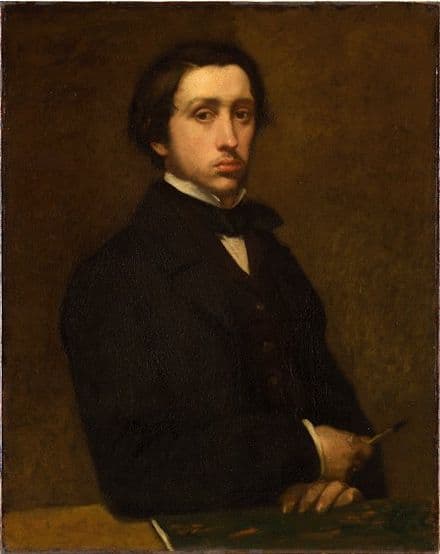
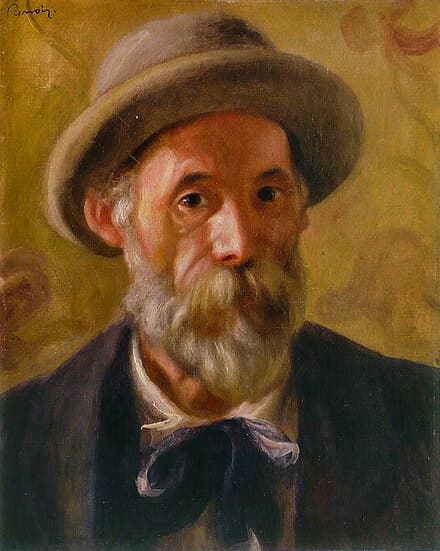
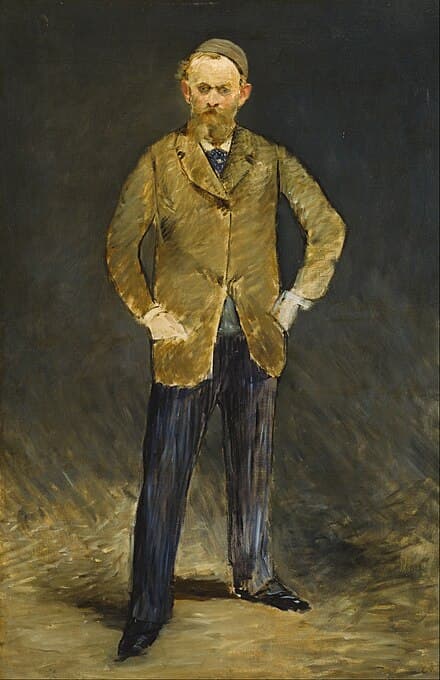
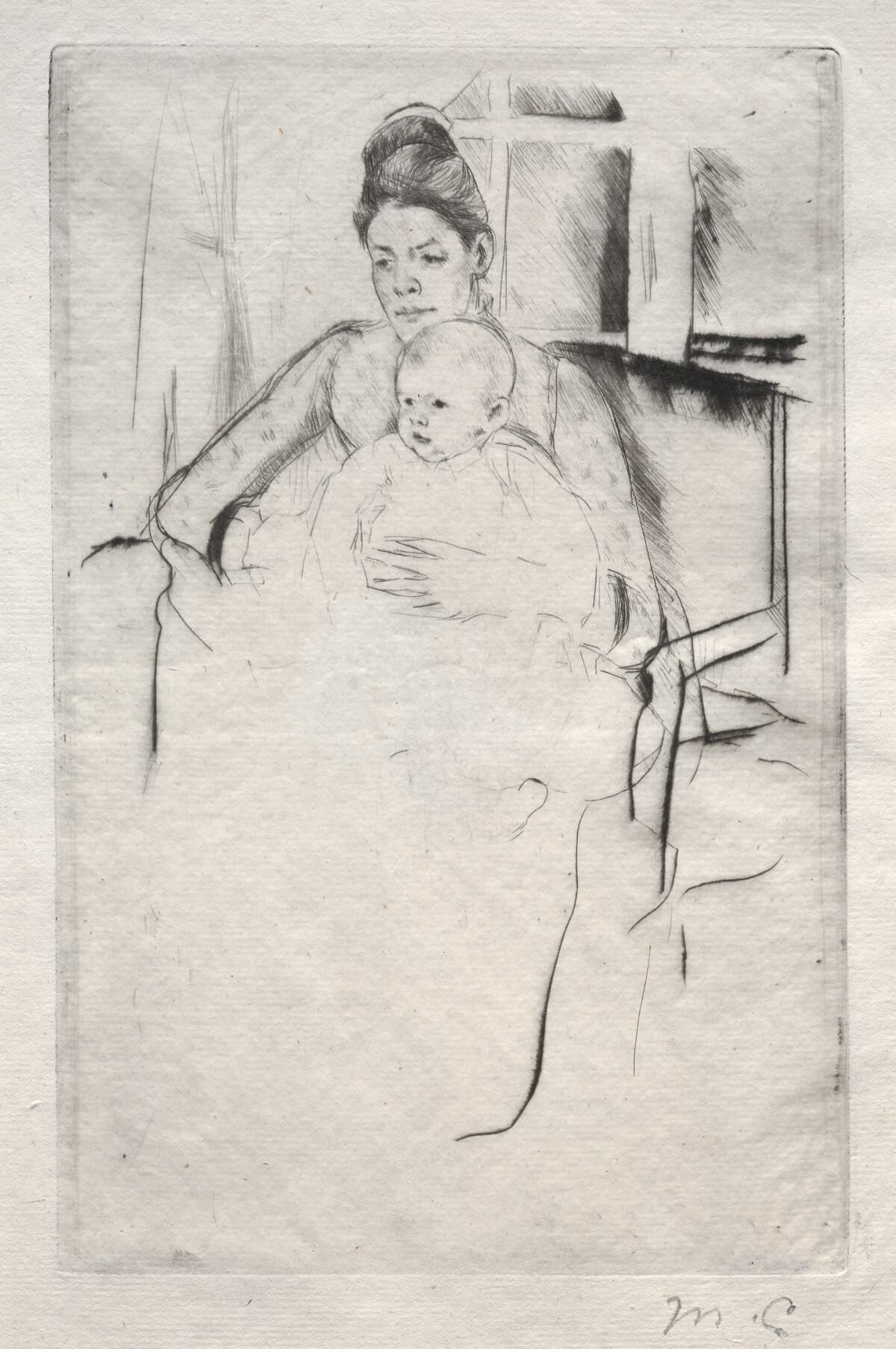
Impressionist painter and patron Gustave Caillebotte (1848-1894) combined rigorous academic drawing with Impressionist color and modern urban subjects. His bold perspectives and geometric compositions, particularly in Paris Street; Rainy Day, distinguish him from other Impressionists. Born to a wealthy family, he used his fortune to support struggling artists like Monet, Renoir, and Degas by purchasing their work, effectively keeping the Impressionist movement financially viable.
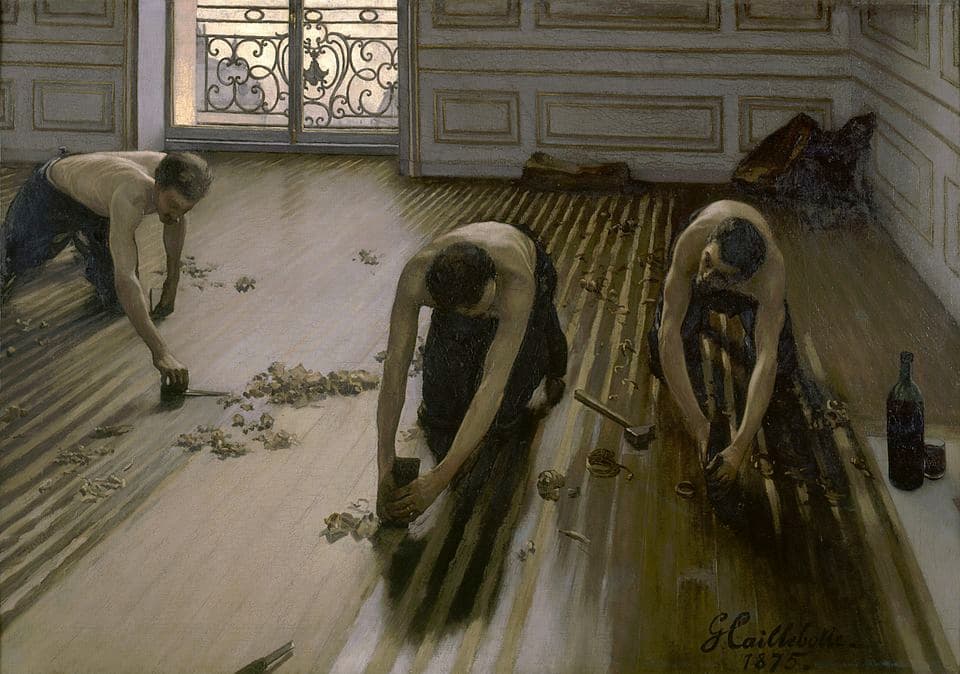
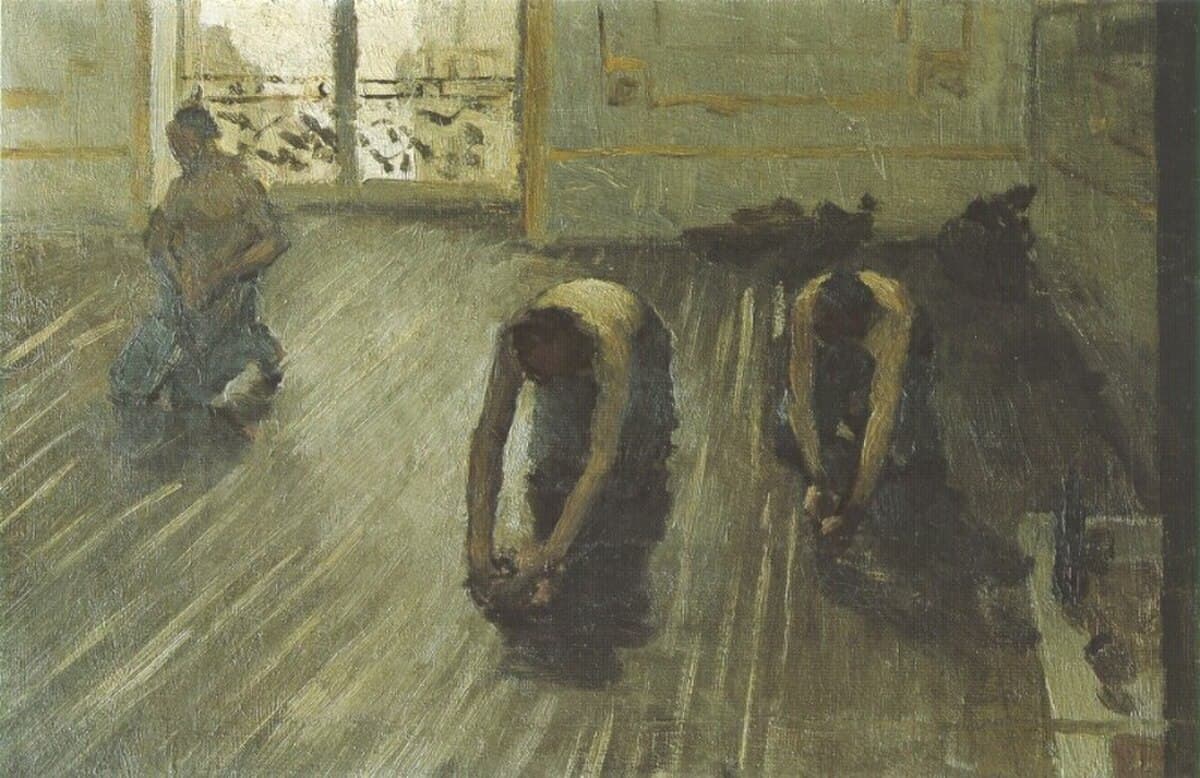
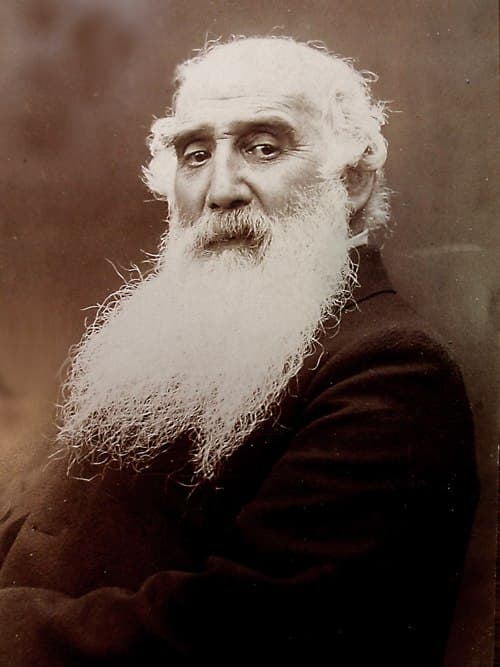
Caillebotte trained as an engineer before studying at the Ecole des Beaux-Arts under Leon Bonnat. He first showed at the Impressionist exhibition of 1876. His masterpiece The Floor Scrapers (1875) was rejected by the Salon for its "vulgar" subject of laboring workers. His bequest of 68 paintings to the French state (including works by Monet, Renoir, Degas, Pissarro, Sisley, Cezanne, and Manet) formed the foundation of the Impressionist collection at the Musee d'Orsay. Caillebotte died of cerebral hemorrhage at 45, his own reputation overshadowed for decades by the artists he collected. Paris Street; Rainy Day hangs at the Art Institute of Chicago.