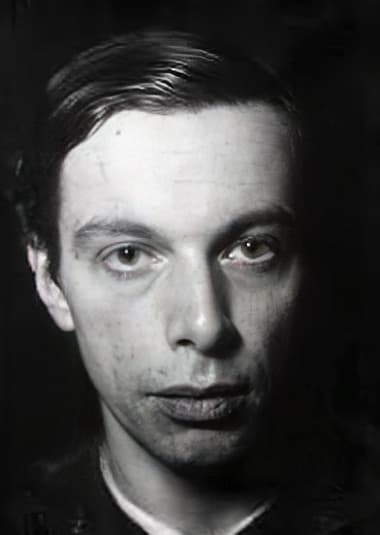
Constant Permeke
Belgian·1886–1952
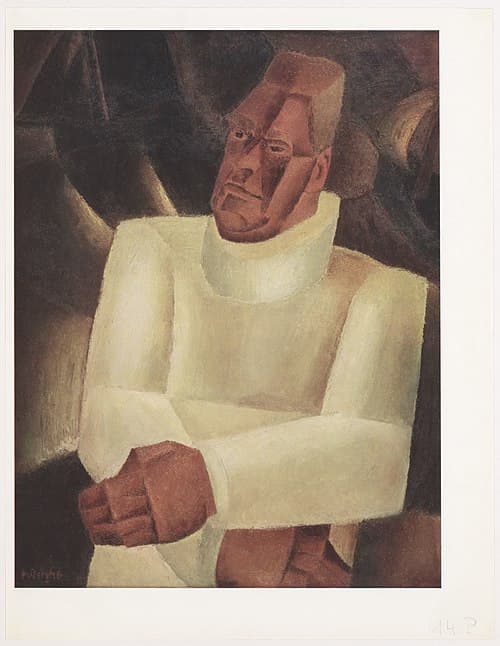
Constant Permeke (1886–1952) was the leading figure of Flemish Expressionism. Born in Antwerp to Henri Permeke, a landscape painter and museum curator, he grew up in Ostend from age six. He studied at the Bruges Academy (1903–1906) and the Ghent Academy (1906–1908), where he met Frits Van den Berghe and the De Smet brothers, lifelong artistic companions.
When World War I broke out, Permeke was wounded defending Antwerp. Evacuated to England, he convalesced in Folkestone and then moved to Devonshire, where the colorful English landscape brightened his palette. After the war, he returned to Ostend in 1919. The harsh reality of fishermen's lives turned his work somber again: monumental figures in browns and blacks, vigorously distorted forms capturing the brutal dignity of labor.
In 1929, Permeke moved to Jabbeke, building a home called "De Vier Winden" (The Four Winds), now a museum. He shifted from fishermen to farmers, painting peasant life with the same powerful intensity. During World War II, the German occupiers banned him from painting, classifying his art as "Entartete Kunst" (Degenerate Art). His son was arrested and sent to Germany as forced labor. After the war, Permeke briefly directed the Royal Academy in Antwerp but resigned after one year. He also took up sculpture, creating monumental figures like De Zaaier (The Sower). His wife's death in 1948 devastated him. He died in 1952 and was buried beside her. Belgium honored him by putting his portrait on the 1,000 franc note in 1997. His work is at the Permekemuseum in Jabbeke and the Royal Museums of Fine Arts in Brussels.
Notable Works by Constant Permeke
1 painting catalogued with museum locations
Museums with Constant Permeke's Work
1 museum displays Permeke's works. Click any museum to see visiting info and the specific works they hold.
Related Artists
Other Expressionism artists you might like
About Constant Permeke
Permeke was the leading figure of Flemish Expressionism, known for monumental, heavily distorted figures depicting fishermen, farmers, and their families. His earthy palette and rough surfaces conveyed the brutal dignity of manual labor. He became Belgium's most important 20th-century painter, representing a distinctly northern form of Expressionism.
His work is at the Permekemuseum in Jabbeke, Belgium, converted from his former home and studio where he worked from 1929 until his death. The Royal Museums of Fine Arts of Belgium in Brussels also holds major works, along with museums in Antwerp, Ghent, and Ostend.
The German occupiers banned him from painting, classifying his work as 'Degenerate Art' alongside other Expressionists. His son was arrested and sent to Germany as forced labor. Permeke turned to sculpture during the ban, producing powerful bronze and terracotta figures that continued his themes of rural working people.
He painted fishermen and farmers from the Belgian coast and countryside with monumental, heavily distorted forms that emphasized the physical weight of hard labor. His palette favored dark earth tones, and his massive figures seem carved from the land itself.
In 1997, Belgium put his portrait on the 1,000 franc banknote, recognizing him as one of the country's most important artists. The Permekemuseum in Jabbeke preserves his home and studio as a monument. His influence on Belgian art remains profound, shaping how the country sees its rural heritage.
Love Constant Permeke's Style?
Explore art inspired by Expressionism.
Browse Collection