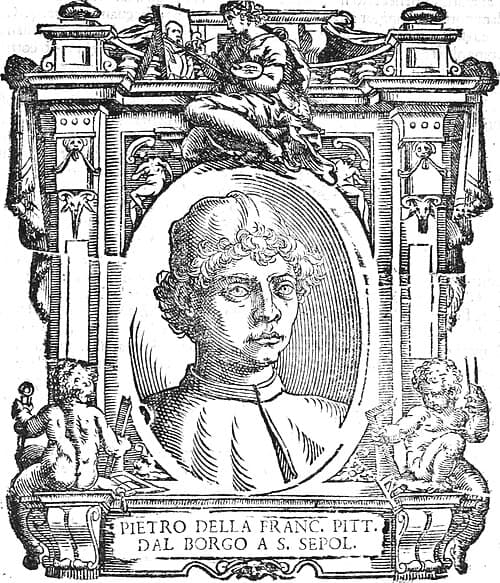
François Clouet
French·1510–1572
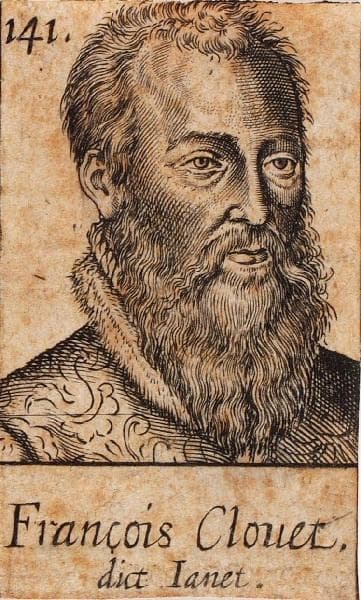
François Clouet (c. 1510–1572) was the most important French portraitist of the sixteenth century. Born in Tours to court painter Jean Clouet, he learned from his father and shared his byname "Janet," causing persistent confusion between their works. François worked alongside Jean possibly as early as 1536 and officially replaced him as court painter to Francis I in 1540.
He served four French kings: Francis I, Henry II, Francis II, and Charles IX. He directed a large workshop that included miniaturists, enamel designers, and decorators, executing his designs. Beyond portraits, he oversaw decorations for royal funerals and triumphal entries. He prepared Henry II's death-mask in 1559, just as he had taken a mask of Francis I in 1547 for the funeral effigy.
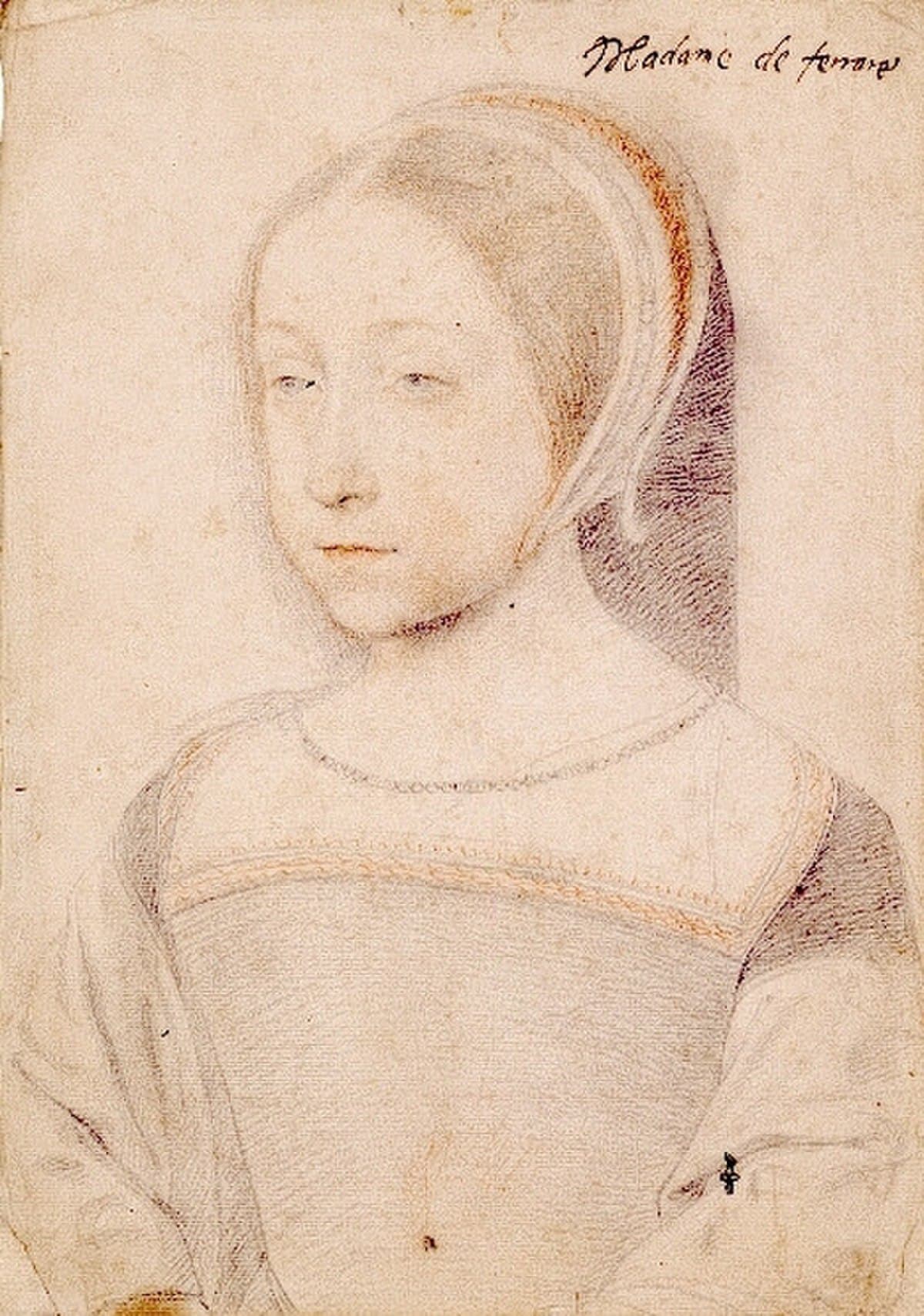
Clouet's portraits have characteristic French Renaissance precision: dry accuracy, elegant stylization, and clear-cut plasticity. He captured fleeting expressions better than his father, though with less psychological depth. Poets of his day, including Pierre de Ronsard and Joachim du Bellay, praised his work. Only three signed paintings survive: portraits of Elizabeth of Austria, Pierre Quthe, and the sensational Lady in Her Bath, which sparked a rage for bath portraits. His drawings, particularly the portrait of Mary, Queen of Scots in the Bibliothèque Nationale, show exceptional skill. Clouet lived in Paris near the Hôtel de Guise and died shortly after the St. Bartholomew's Day Massacre in December 1572. His will mentions two illegitimate daughters. Paintings attributed to him are at the Uffizi, the Louvre, and Versailles.
Primary Genres
Notable Works by François Clouet
1 painting catalogued with museum locations
Museums with François Clouet's Work
1 museum displays Clouet's works. Click any museum to see visiting info and the specific works they hold.
Related Artists
Other Renaissance artists you might like
About François Clouet
Clouet was the leading French court portrait painter of the 16th century, capturing kings, queens, and nobles with precise, elegant detail. His drawings in colored chalks documented the French aristocracy with psychological insight and technical brilliance unmatched in his era.
Clouet was a French Renaissance painter who brought Italian influences to French court portraiture. He combined Northern European attention to detail with Italian idealization, creating a distinctly French style that influenced court art for generations.
He served Francis I, Henry II, Francis II, and Charles IX as official court painter, directing a large workshop for nearly four decades. Like his father Jean Clouet before him, he documented the Valois dynasty through official portraits and intimate chalk drawings.
Lady in Her Bath, one of only three signed Clouet paintings, sparked a fashion for bath portraits among French nobles. The subject's identity remains debated, with candidates including Diane de Poitiers and Mary Queen of Scots. Several copies were commissioned by courtiers.
Love François Clouet's Style?
Explore art inspired by Renaissance.
Browse Collection