Frank Dicksee
British·1853–1928
No Portrait Available
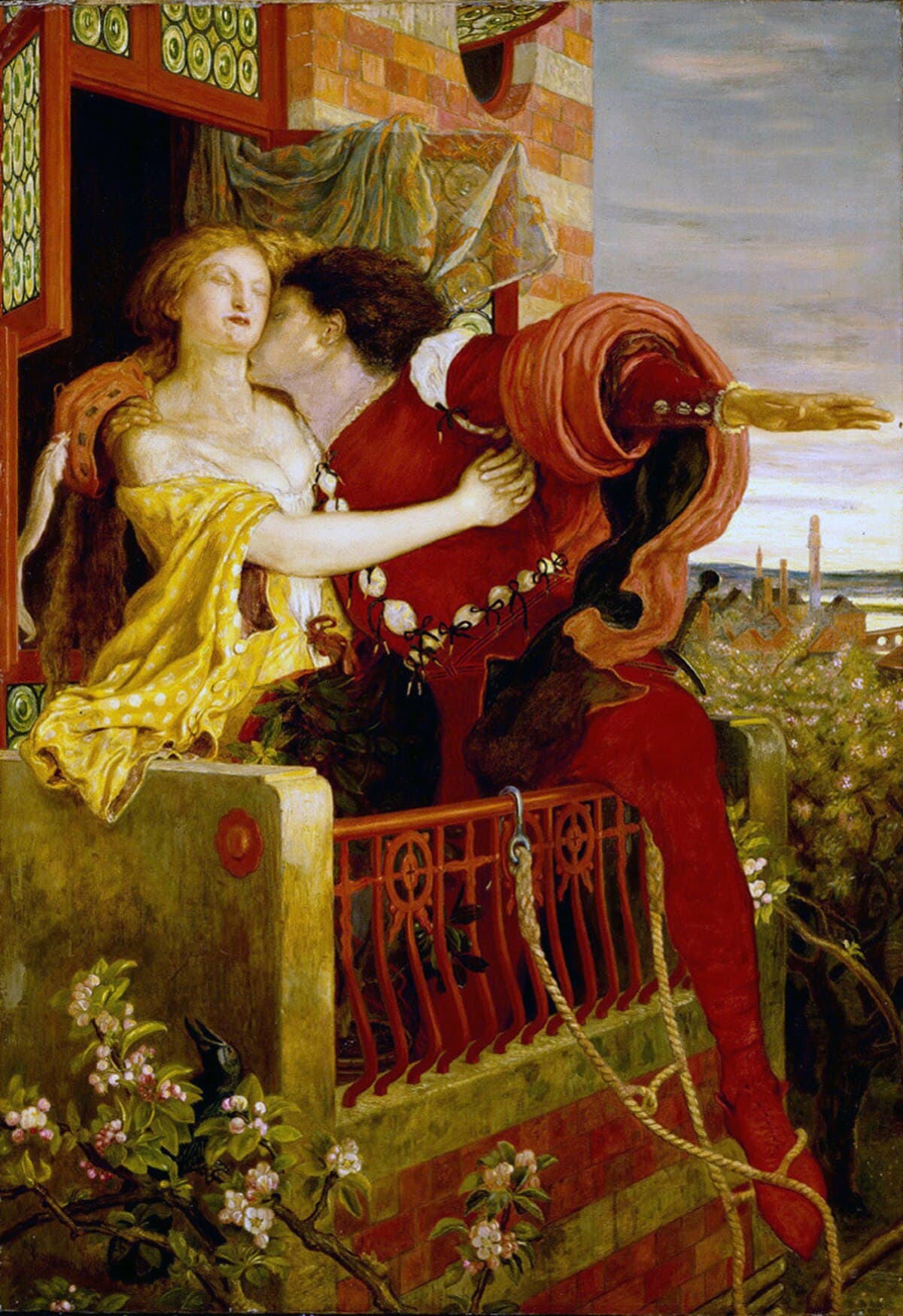
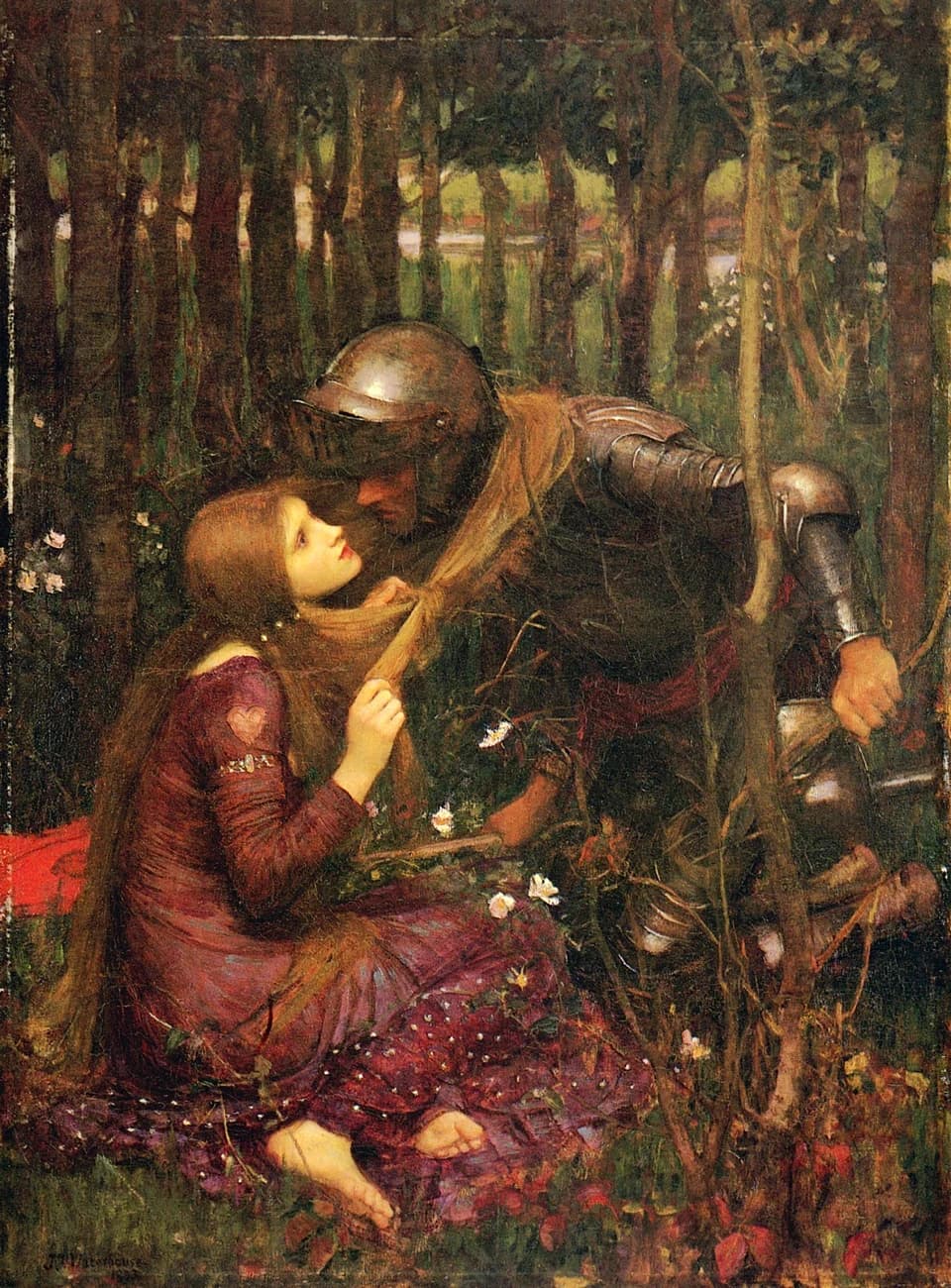
Sir Francis Bernard Dicksee (1853-1928) created dramatic scenes of medieval romance and classical beauty that made him one of Victorian England's most beloved painters. Born into a noted artistic family in London, he trained under his father Thomas Dicksee before entering the Royal Academy schools in 1870. His paintings feature pale-skinned, elegant women in alluring poses, set against classical or medieval backgrounds. Works like "Romeo and Juliet" (1884) and "La Belle Dame Sans Merci" show his gift for theatrical composition and romantic atmosphere.
Dicksee's style combined influences from Frederic Leighton, John Everett Millais, and the Pre-Raphaelite tradition, though his approach was softer and more decorative. His 1893 painting "The Funeral of a Viking" won popular acclaim, and "The Two Crowns" (1900) was voted the most popular work at the Royal Academy. Elected to the Royal Academy in 1891, he served as its President from 1924 until his death. He was knighted in 1925 and named to the Royal Victorian Order by King George V in 1927. A strong opponent of modernism, he defended traditional painting against avant-garde movements. His work hangs at the Tate in London and Manchester Art Gallery.
Notable Works by Frank Dicksee
3 paintings catalogued with museum locations
Museums with Frank Dicksee's Work
3 museums display Dicksee's works. Click any museum to see visiting info and the specific works they hold.
About Frank Dicksee
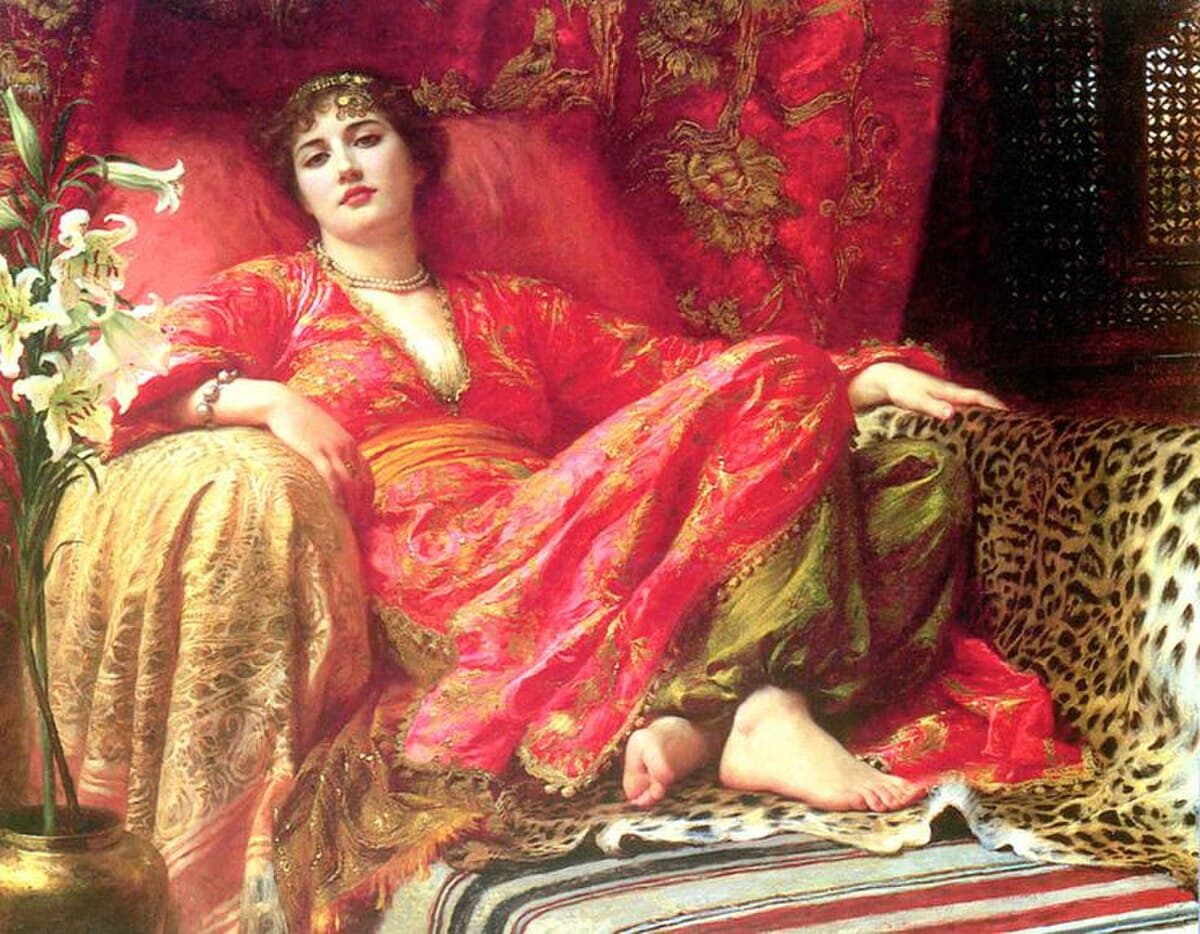
Dicksee worked in Academic Art with strong Pre-Raphaelite influences, creating dramatic scenes of medieval romance, literary subjects, and classical female beauty. His rich colors, theatrical compositions, and idealized figures made him one of the most popular painters in late Victorian and Edwardian England.
'Romeo and Juliet' (1884) captures the balcony scene with luminous moonlight. 'The Funeral of a Viking' (1893) shows a blazing ship burial. 'La Belle Dame Sans Merci' illustrates Keats's poem about a knight bewitched by a fairy. All demonstrate his gift for romantic drama and historical atmosphere.
His work hangs at the Tate in London, Manchester Art Gallery, and various British regional museums. The Funeral of a Viking is at Manchester. As a prominent Royal Academy artist, his paintings appeared regularly at their summer exhibitions and entered many public collections.
He served as President of the Royal Academy from 1924 until his death in 1928, the highest honor in British art establishment. He was knighted in 1925 and made Knight Commander of the Royal Victorian Order by King George V. His election recognized decades of popular success.
Yes, his father Thomas Dicksee was a painter who trained him from childhood, along with his brother Herbert and sister Margaret, who both became professional artists. The Dicksees represented a noted artistic dynasty in Victorian England, with three generations working as painters and illustrators.
Love Frank Dicksee's Style?
Explore art inspired by their style.
Browse Collection