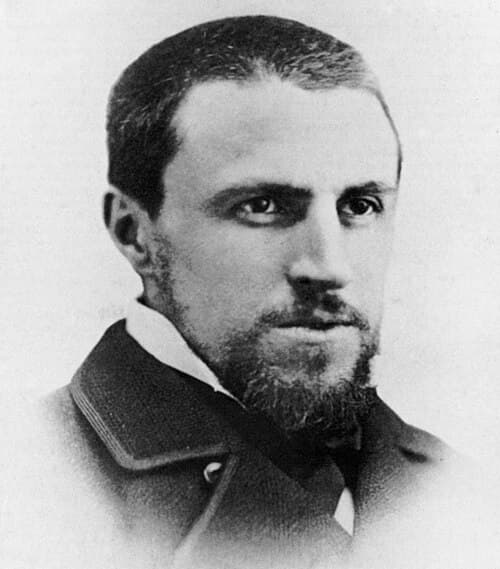
George Hendrik Breitner
Dutch·1857–1923
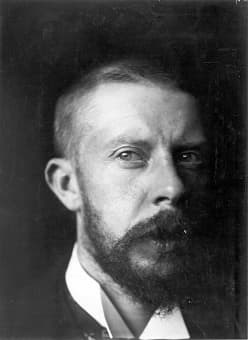
George Hendrik Breitner (1857–1923) captured Amsterdam like no other painter. A leading figure in Amsterdam Impressionism, he was born in Rotterdam and showed early drawing talent while working in his father's grain business. At seventeen, he enrolled at The Hague's Royal Academy of Art but was expelled in 1880 for destroying the regulations board. That same year, Willem Maris took him in, and he joined the artist society Pulchri Studio.
In early 1882, Breitner sketched alongside Vincent van Gogh in The Hague's working-class districts. He likely introduced Van Gogh to Émile Zola's novels and social realism. He moved to Amsterdam in 1886, where he spent the rest of his life recording the city in sketches, paintings, and photographs. Breitner saw himself as "le peintre du peuple," the people's painter, preferring working-class models: laborers, servant girls, people from poor neighborhoods.
He painted en plein air and became fascinated with photography as a tool for capturing street life and atmospheric effects, especially rainy weather. By 1890, he owned a camera and produced thousands of photographs, many serving as references for paintings. The Rijksmuseum holds 119 of his sketchbooks. He often collaborated with Isaac Israels; both are called Amsterdam Impressionists. In 1902, Breitner became the first contemporary artist given a retrospective at the artists' association Arti et Amicitiae. Despite success, financial troubles plagued him, leading friends to establish a support committee. He died of a heart attack in 1923 at sixty-five. His work fills the Rijksmuseum and the Amsterdam Museum.
Notable Works by George Hendrik Breitner
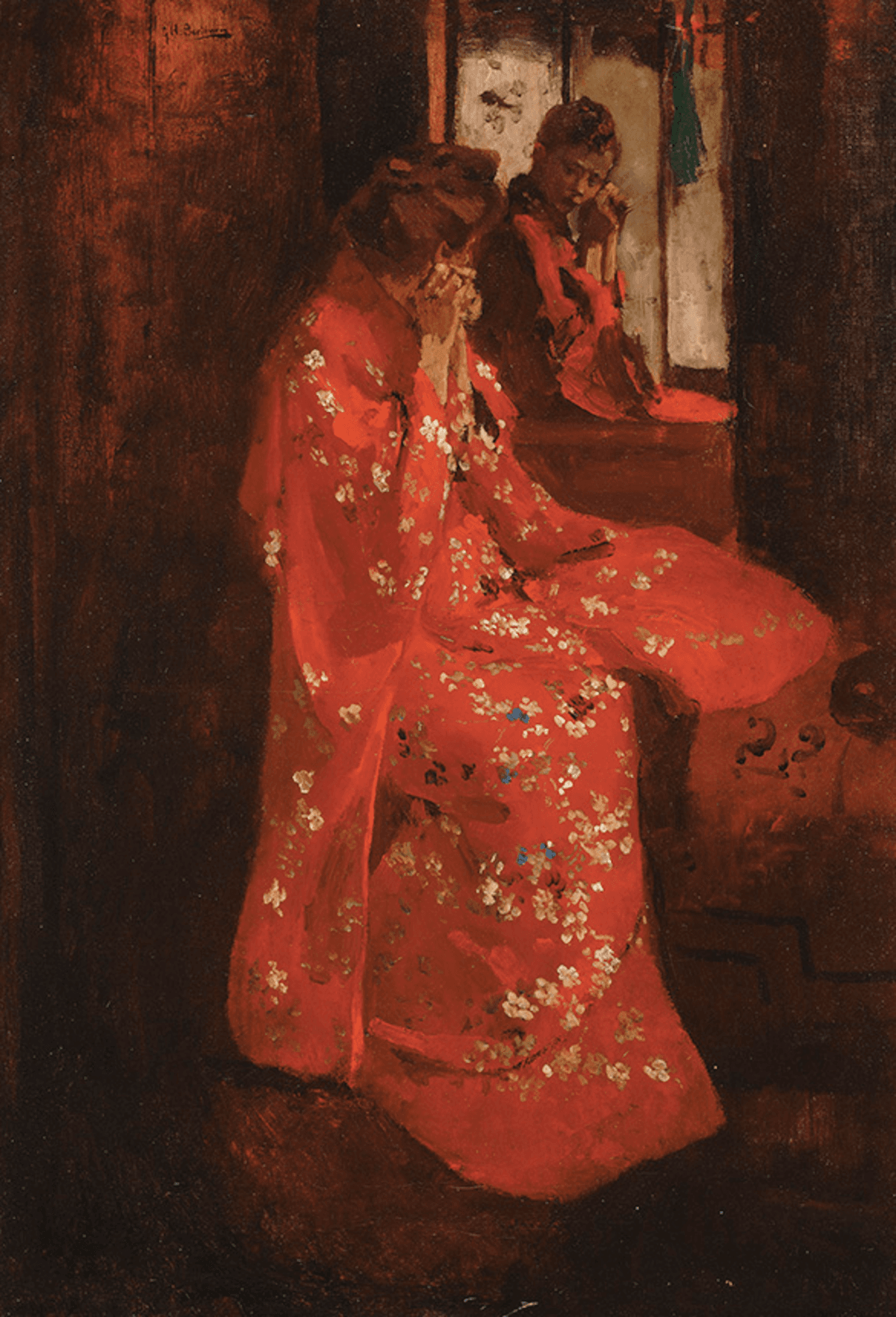
1 painting catalogued with museum locations
Museums with George Hendrik Breitner's Work
1 museum displays Breitner's works. Click any museum to see visiting info and the specific works they hold.
Related Artists
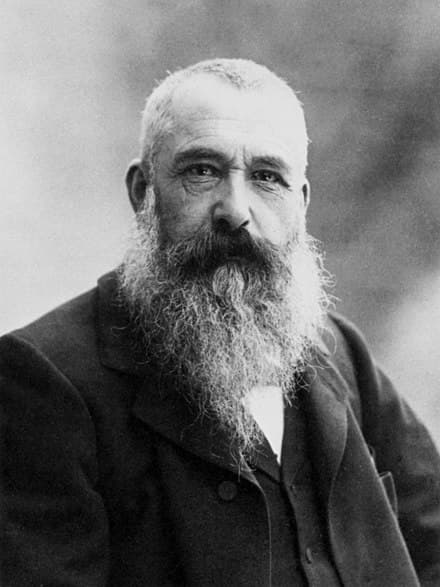
Other Impressionism artists you might like
About George Hendrik Breitner
Breitner was Amsterdam's painter, calling himself "le peintre du peuple" (the people's painter). He captured street life, harbors, construction sites, and working-class subjects in a realistic, atmospheric style. His rainy urban scenes are so characteristic that Amsterdammers call gray, wet weather "Breitnerweer" (Breitner weather).
His work is at the Rijksmuseum in Amsterdam, which holds 119 of his sketchbooks. The Amsterdam Museum has an important collection, and the Kröller-Müller Museum in Otterlo displays major works. His paintings document Amsterdam's transformation around 1900.
Breitner was a leading Amsterdam Impressionist, painting en plein air with attention to atmospheric effects and urban life. His style combined French Impressionism's loose brushwork with the social realism of Zola's naturalist novels, capturing the energy and grit of modern city life.
Yes, in 1882 they sketched together in The Hague's working-class districts, introduced by Vincent's brother Theo. Breitner likely introduced Van Gogh to Zola's novels and social realism. However, years later Breitner dismissed Van Gogh's paintings as "art for Eskimos," preferring his own urban realism.
Yes, from around 1890 he used photography extensively to document street life and atmospheric effects, producing approximately 2,500 photographs as painting references. A large collection of his prints and negatives was discovered in 1996, revealing his pioneering integration of photography into Impressionist painting practice.
The Yellow Riders (1885–86), showing hussars on horseback in the yellow dunes, was the Rijksmuseum's first modern painting purchase in 1886. It immediately established his reputation. His Girl in White Kimono series is also widely celebrated for its bold brushwork.
Love George Hendrik Breitner's Style?
Explore art inspired by Impressionism.
Browse Collection