Gian Lorenzo Bernini
Italian·1598–1680
No Portrait Available
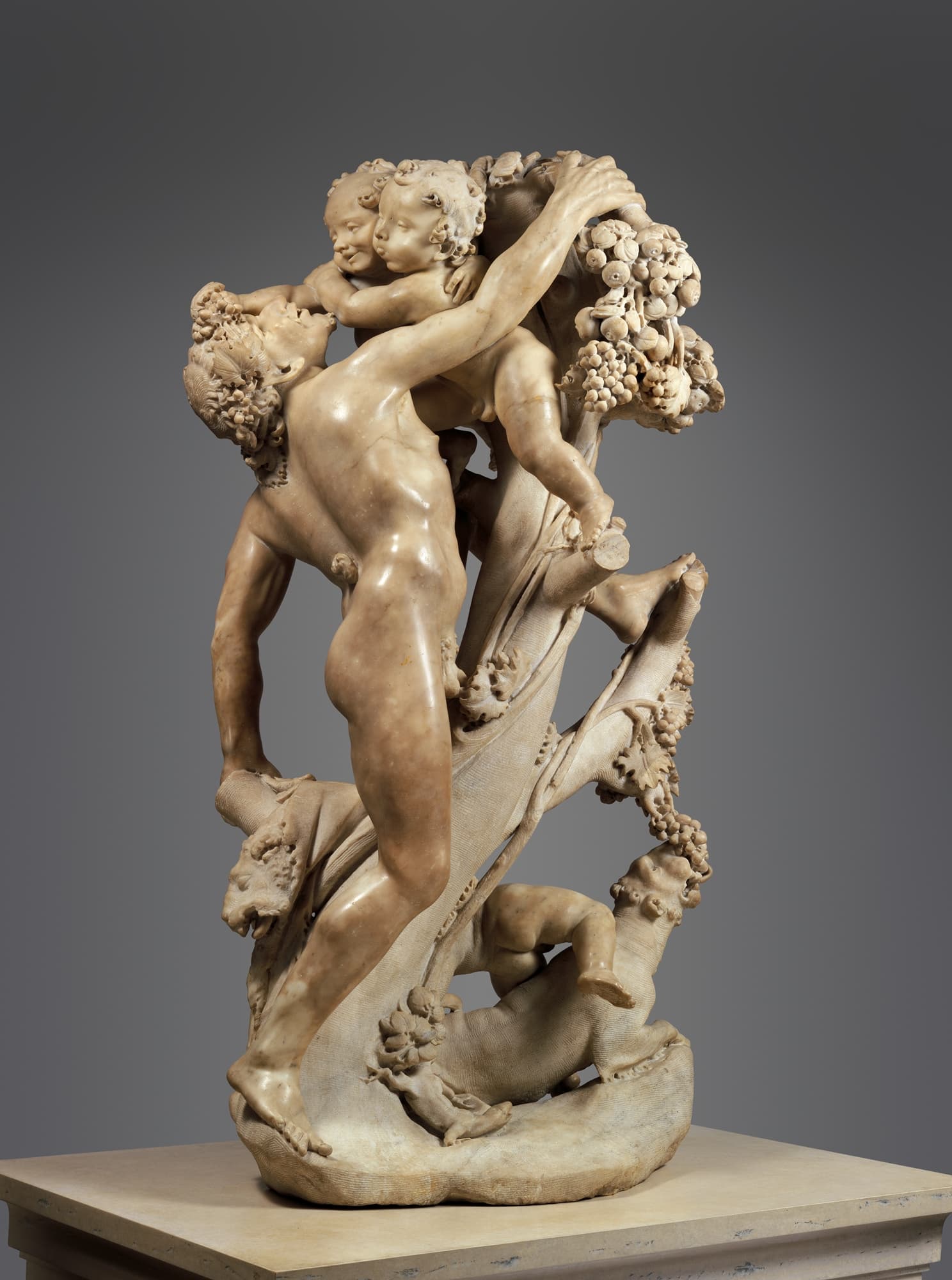
Baroque sculptor Gian Lorenzo Bernini (1598–1680) essentially invented the style. Born in Naples to a sculptor father, he was carving marble heads by age eight. By ten, he'd caught the eye of Pope Paul V. That kind of precocity set the pace for a career that dominated European sculpture for over half a century.
Four early masterpieces at the Borghese Gallery in Rome established his genius before he turned 27: Aeneas and Anchises, The Rape of Proserpina, Apollo and Daphne, and David. His David, captured mid-throw with muscles tensed, was a deliberate challenge to Michelangelo's static version. Where Michelangelo showed the moment before, Bernini chose the moment during.
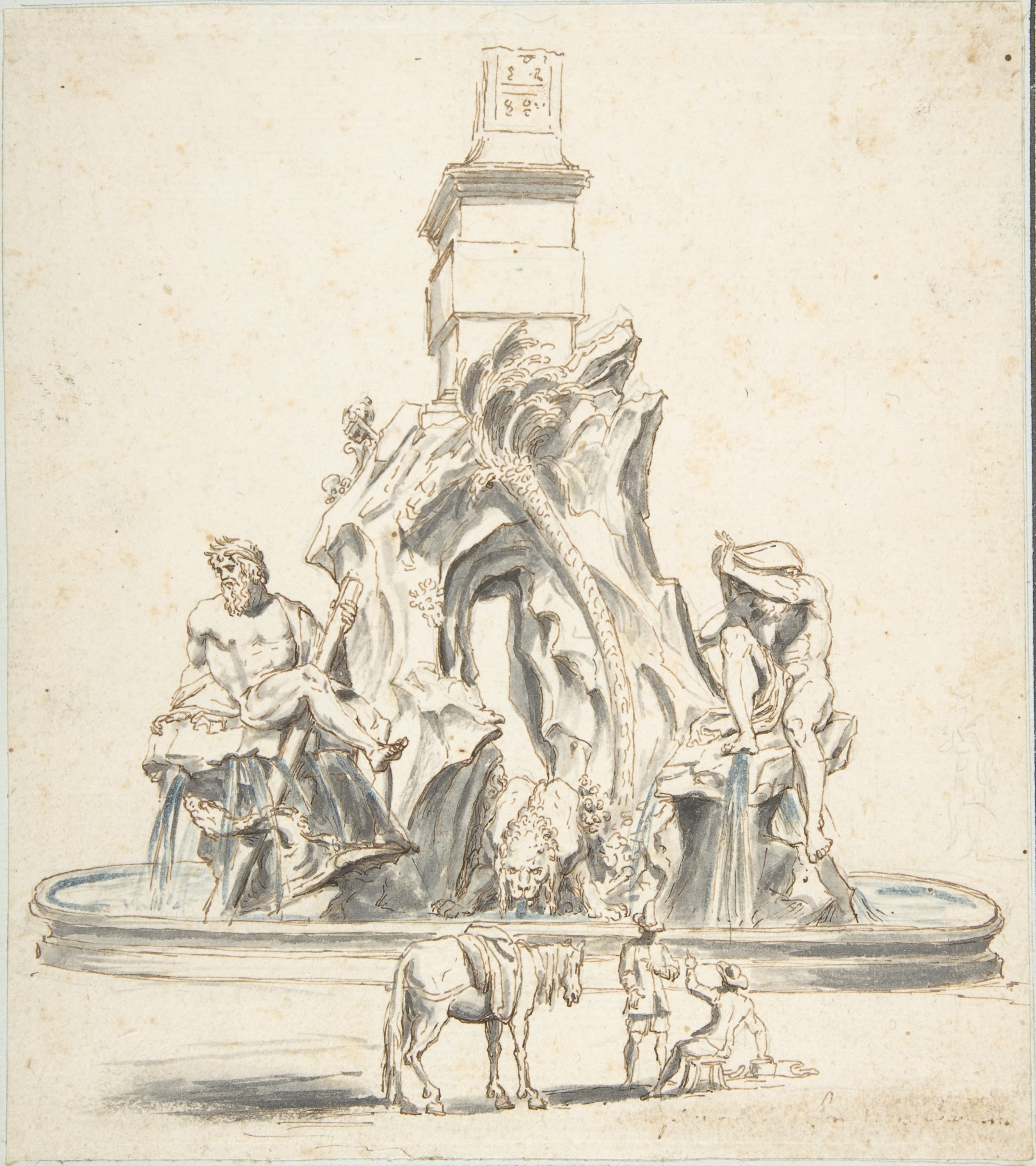
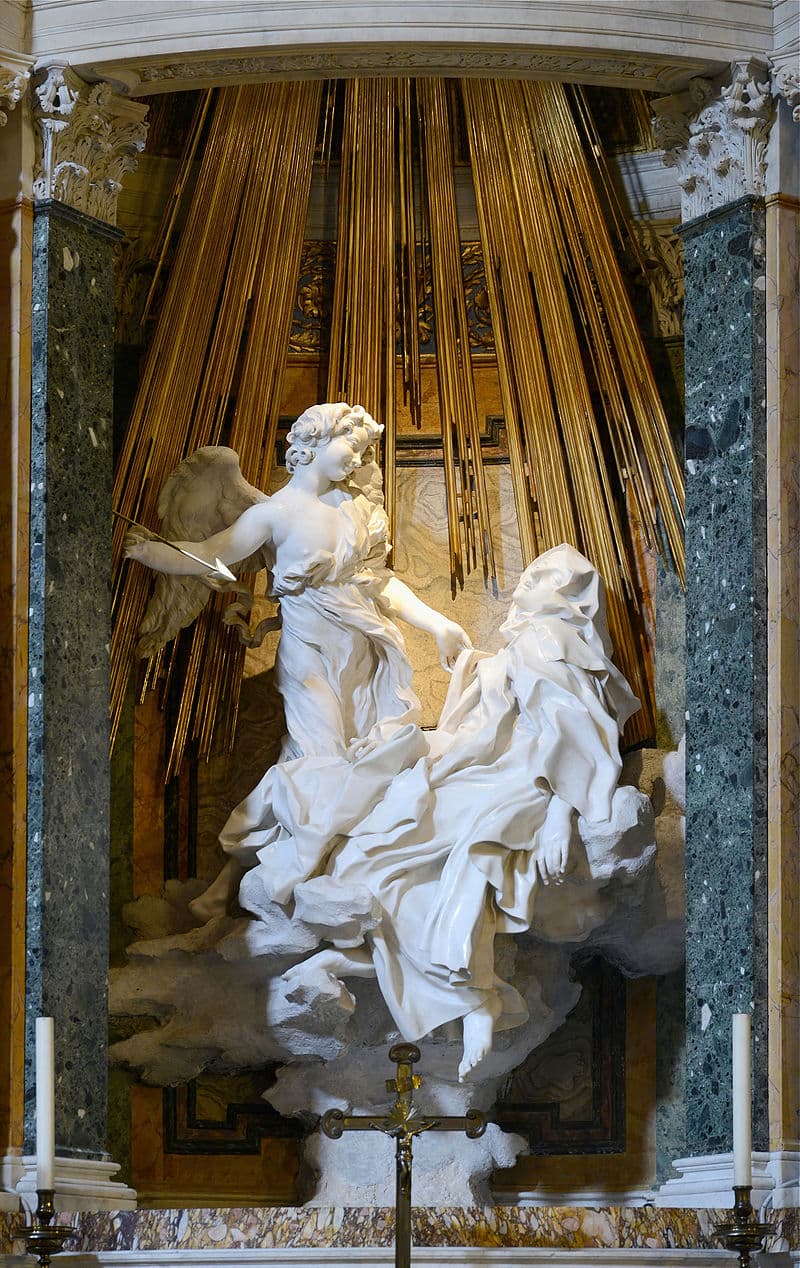
He served eight popes, reshaping Rome's skyline with St. Peter's baldachin, the Fountain of the Four Rivers in Piazza Navona, and the colonnade of St. Peter's Square. His Ecstasy of Saint Teresa (1652) in Santa Maria della Vittoria remains one of the most emotionally charged sculptures ever created. Bernini could make marble look like flesh, fabric, even tears. His ability to capture motion and emotion in stone was, and remains, unmatched. Works fill Rome's churches and the Vatican Museums.
Signature Palette