Giovanni Segantini
Italian·1858–1899
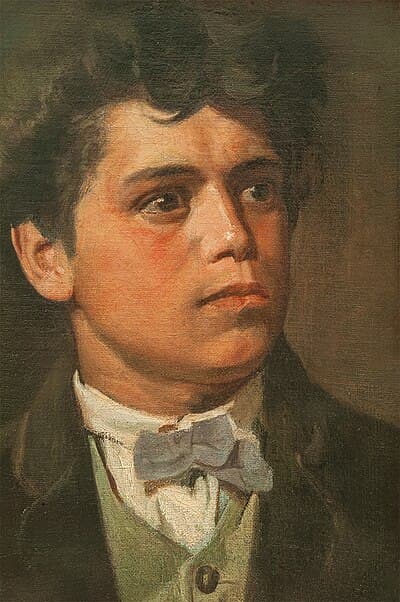
Giovanni Segantini (1858-1899) developed Divisionism into a personal style that captured the Alpine landscape with unparalleled luminosity and spiritual intensity. Born in Arco, Trentino (then part of the Austro-Hungarian Empire), he overcame a difficult childhood marked by poverty, parental loss, and reformatory commitment to become one of the most famous artists in Europe by the 1890s. His technique used long, parallel brushstrokes rather than the dots of Pointillism, creating surfaces that shimmer with light and saturated color.
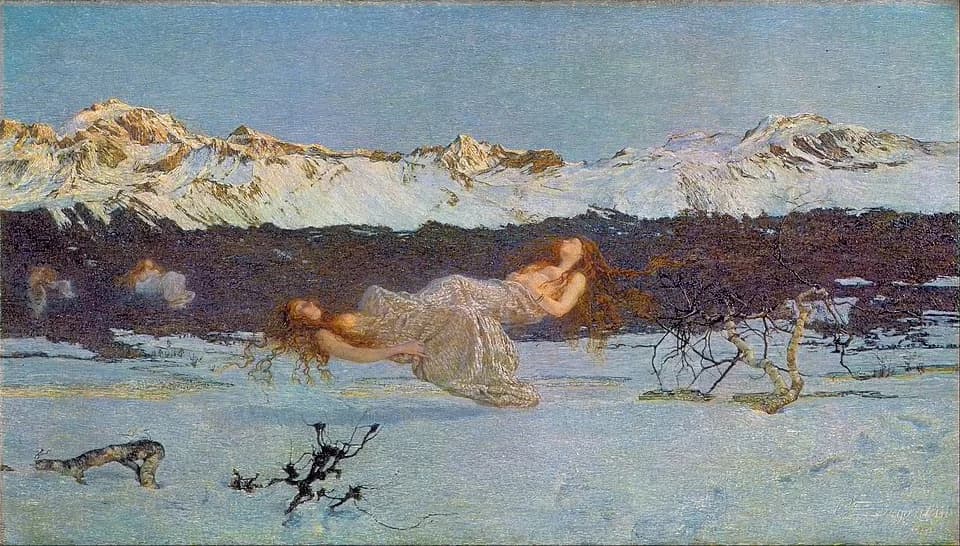
Segantini studied at Milan's Brera Academy and befriended Carlo Bugatti and Emilio Longoni. Dealer Vittore Grubicy introduced him to the work of Anton Mauve and Jean-François Millet, shaping his approach to rural subjects. He remained stateless his entire life after his citizenship was revoked, never obtaining new nationality. His paintings evolved from naturalistic pastoral scenes to Symbolist imagery in works like "The Punishment of Lust" (1891) and "Love at the Fountain of Life" (1896). He illustrated the first Italian translation of Nietzsche's "Thus Spoke Zarathustra." Tragically, he died at 41 from acute peritonitis while painting in the high Alps near Pontresina. The Segantini Museum in St. Moritz and the Walker Art Gallery in Liverpool hold significant collections of his work.
Primary Genres
Notable Works by Giovanni Segantini
3 paintings catalogued with museum locations

Museums with Giovanni Segantini's Work
3 museums display Segantini's works. Click any museum to see visiting info and the specific works they hold.
About Giovanni Segantini
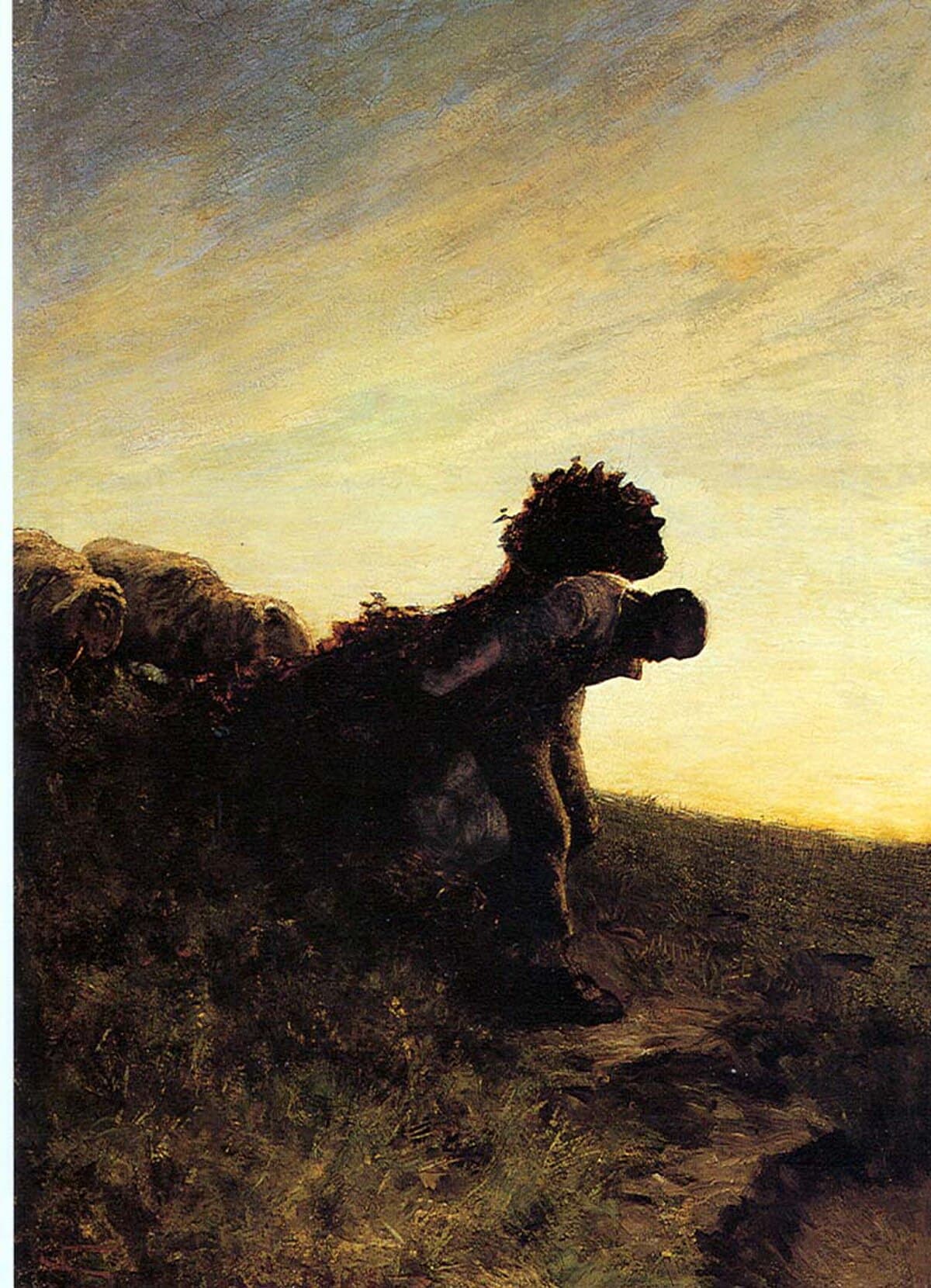
Segantini was a leading Divisionist painter who also engaged deeply with Symbolism. His technique used long parallel brushstrokes of pure color creating luminous Alpine scenes that vibrate with light at high altitude.
"The Punishment of Lust" (1891), depicting tormented women floating over frozen landscapes, "Love at the Fountain of Life" (1896), and his vast Alpine Triptych of Life, Nature, and Death rank among his most powerful works.
The Segantini Museum in St. Moritz holds a significant collection including his Alpine Triptych. Additional works hang at the Walker Art Gallery in Liverpool, the Kunsthaus Zürich, and various European museums.
Born in Austrian territory that became Italian, his citizenship was revoked and he never obtained new nationality, remaining stateless his entire life. This rootlessness contributed to his outsider status and perhaps his attraction to the high Alpine wilderness.
He died at 41 from acute peritonitis while painting his Alpine Triptych at 9,000 feet near Pontresina, Switzerland. He had insisted on working at extreme altitude to capture the quality of mountain light that defined his late paintings.
Love Giovanni Segantini's Style?
Explore art inspired by their style.
Browse Collection