Gustave Doré
French·1832–1883
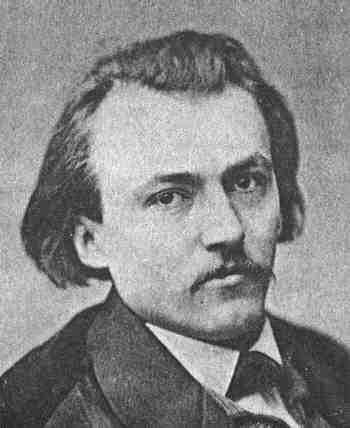
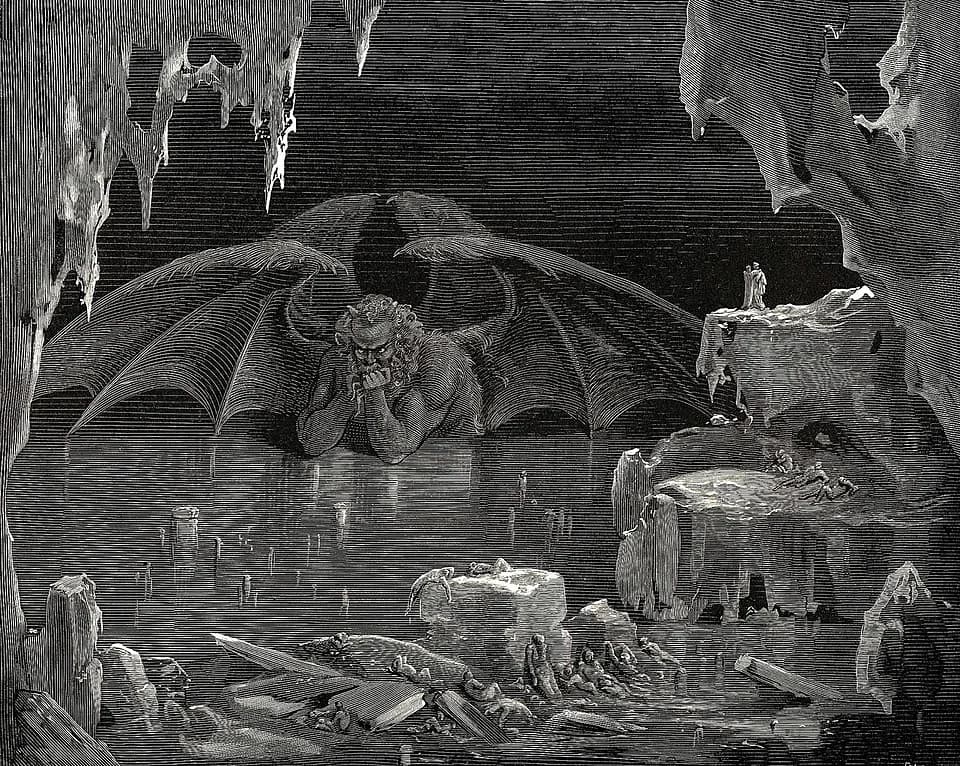
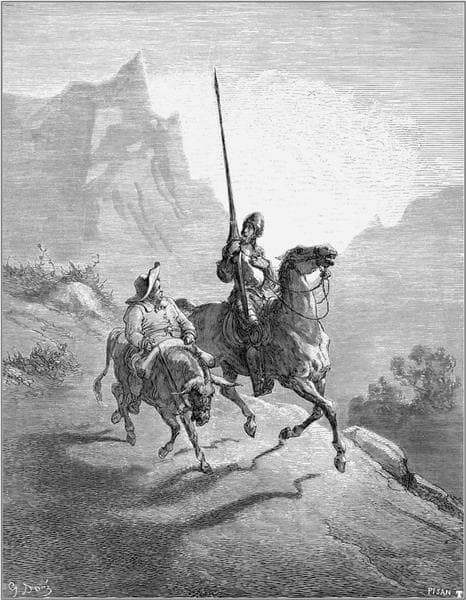
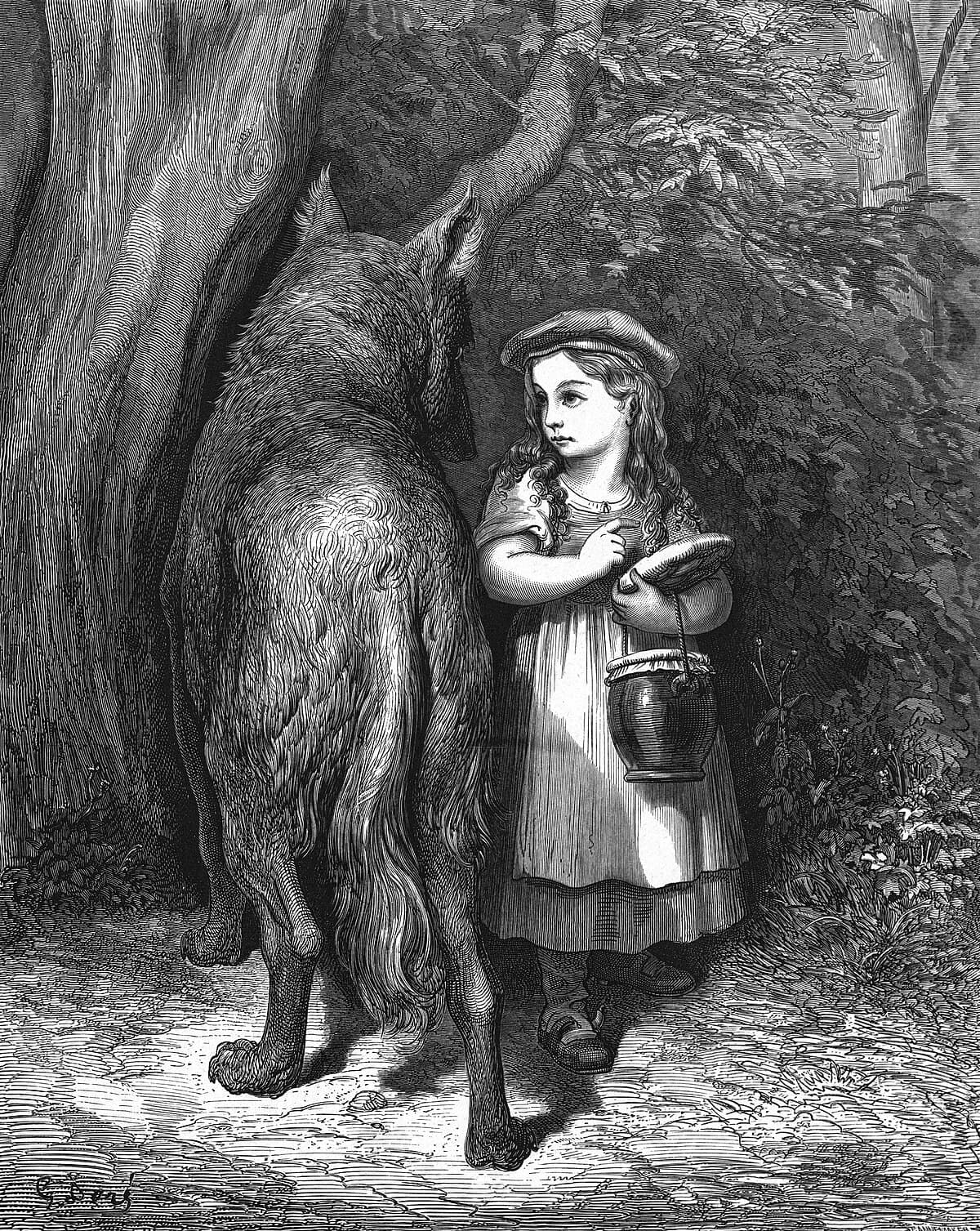
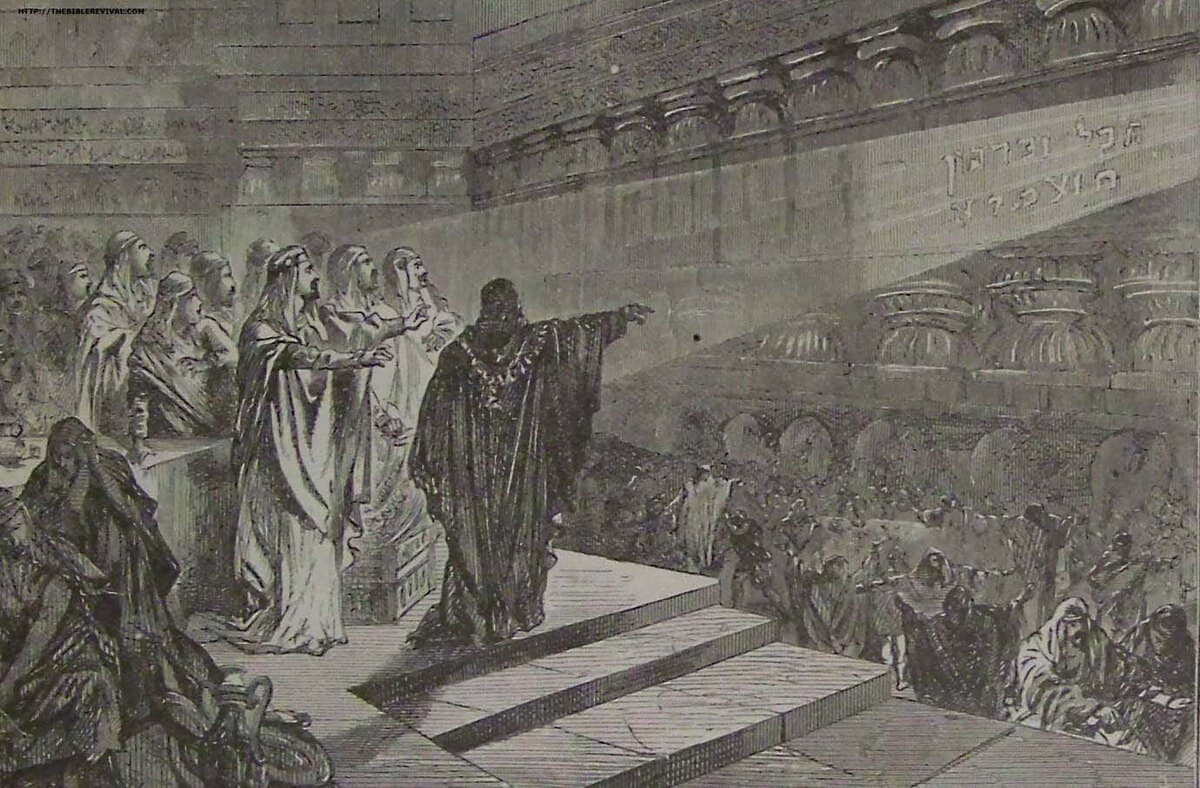
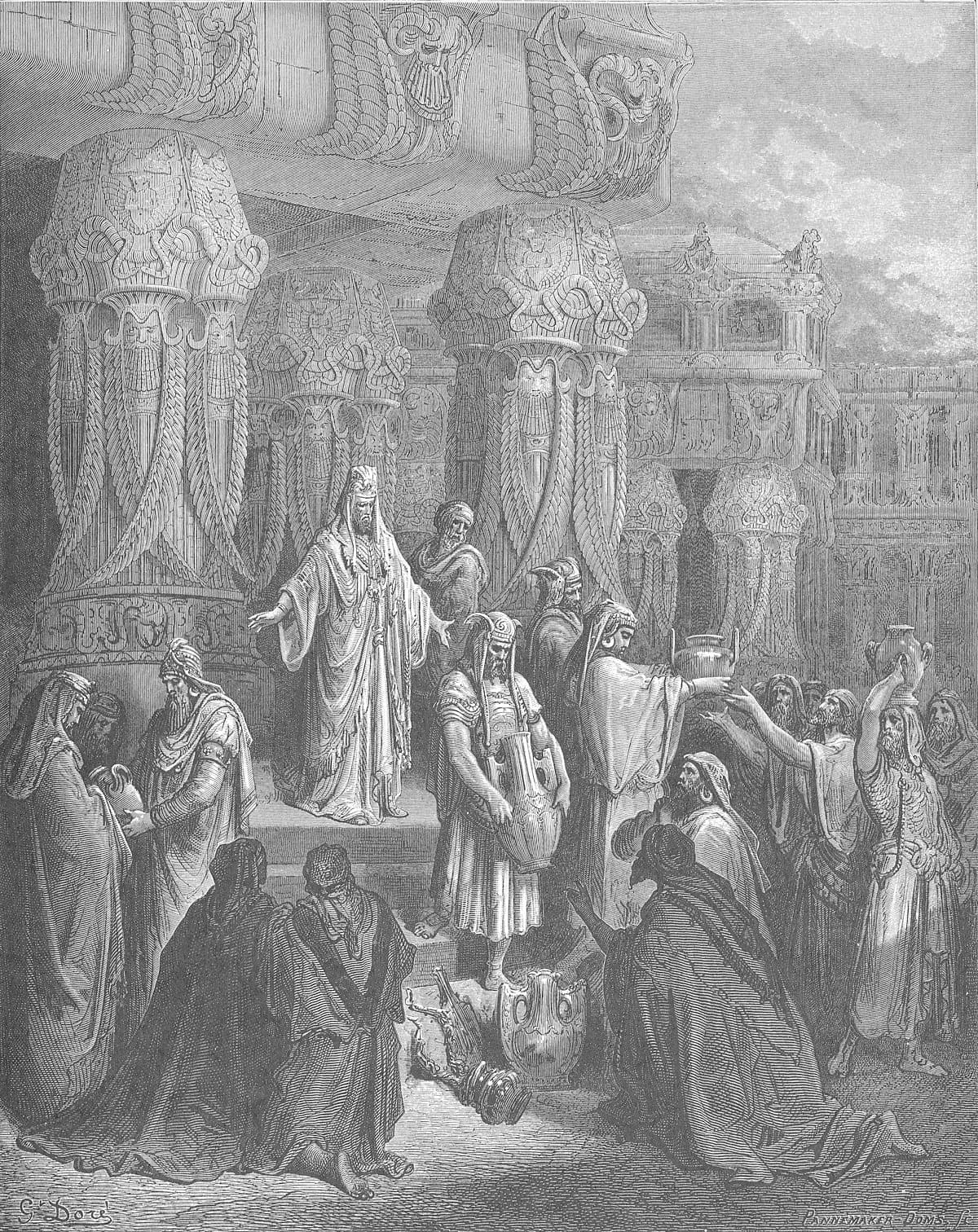
Gustave Doré (1832–1883) became the most influential book illustrator of the nineteenth century before turning his ambitions to painting. Born in Strasbourg, he showed prodigious talent from age five. At fifteen, he was already working professionally as a caricaturist for the Parisian satirical magazine Le Journal pour rire. Over the next three decades, he illustrated more than 200 books with over 10,000 engravings. His wood-engraved images for Dante's Divine Comedy, Cervantes' Don Quixote, Milton's Paradise Lost, and the illustrated Bible defined how generations of readers pictured these texts.
Doré's style combined Romantic drama with dense, crosshatched textures and vast spatial depth. At the height of his career, some forty block-cutters worked to transfer his drawings onto printing blocks. The French government made him a Knight of the Legion of Honour in 1861. His 1867 London exhibition led to the founding of the Doré Gallery on Bond Street, which displayed his large-scale paintings for decades. He also produced bronze and plaster sculptures, including the Alexandre Dumas monument in Paris. Despite his fame as an illustrator, Doré yearned for recognition as a serious painter, though critics often dismissed his canvases. He never married and lived with his mother until her death. He died of a heart attack in 1883, aged fifty, while working on illustrations for Shakespeare. His original drawings and prints are held by the National Gallery of Art in Washington, the British Museum, and the Musée d'Art Moderne in Strasbourg.
Notable Works by Gustave Doré
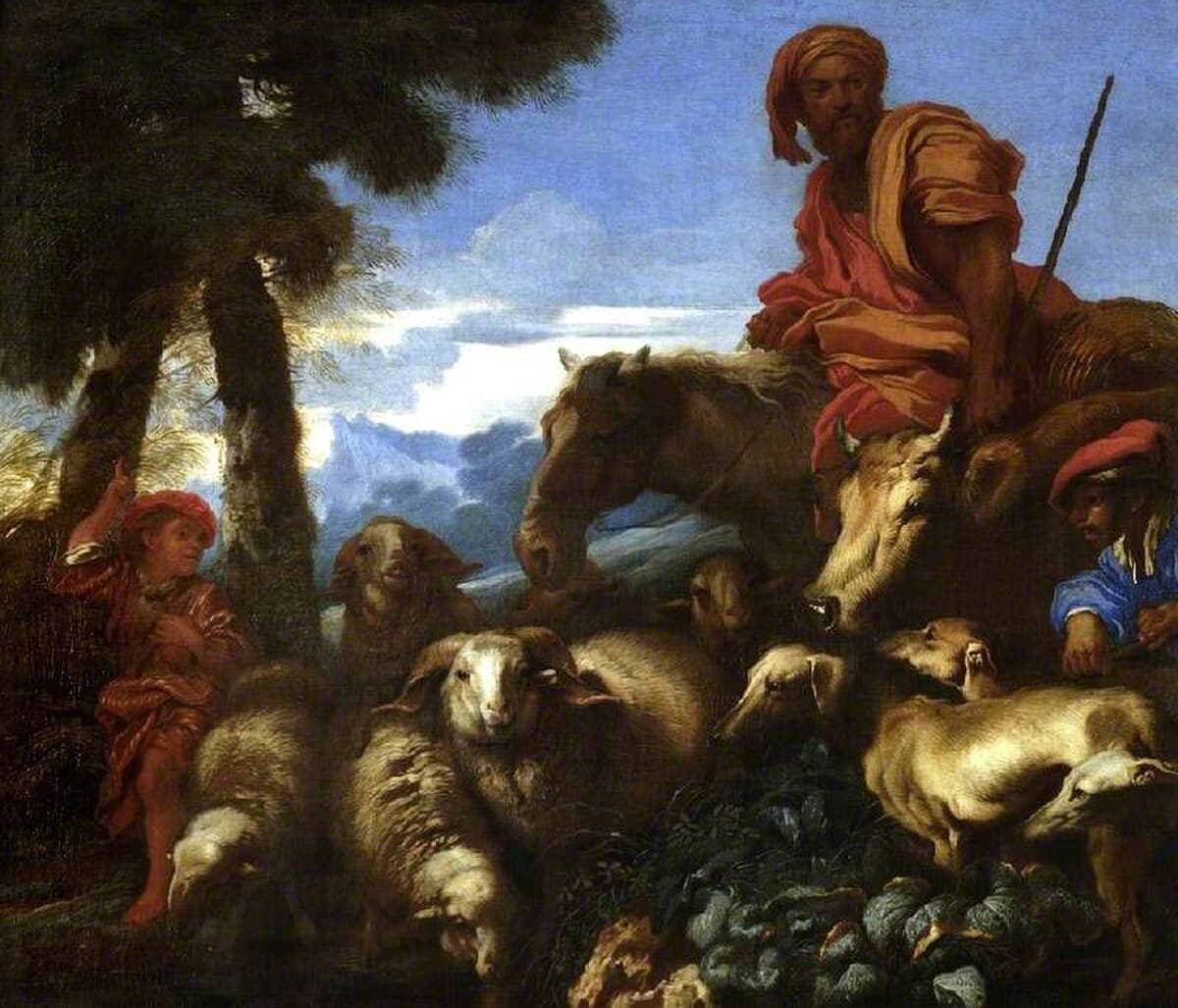
6 paintings catalogued with museum locations