Jan van Goyen
Dutch·1596–1656
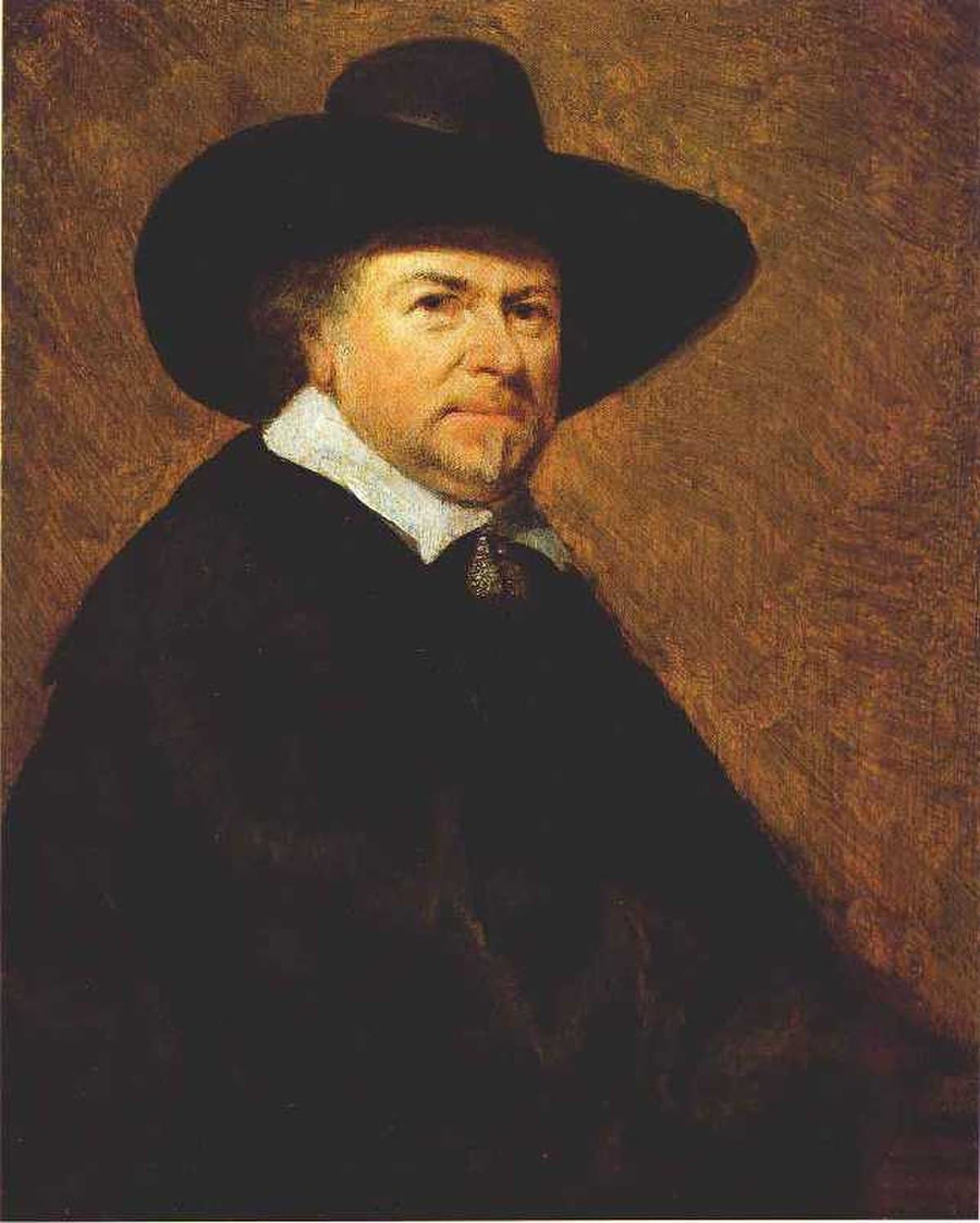
No Portrait Available
Dutch Golden Age painter Jan van Goyen (1596-1656) pioneered the tonal landscape, creating atmospheric views of Dutch rivers and coastlines that influenced generations of artists. Born in Leiden to a shoemaker, he began art training at age ten and later studied under Esaias van de Velde in Haarlem. Van Goyen developed a distinctive approach using monochrome palettes of browns and grays with occasional touches of vivid blue or red. His low horizons and sweeping skies captured the quality of Dutch light in ways that felt revolutionary to his contemporaries.
Van Goyen established a permanent studio in The Hague at age 35, painting the reaches of the Rhine, Waal, and Maas rivers, the dunes of Scheveningen, and panoramas of Dutch cities. His work was highly respected during his lifetime; he served as president of The Hague painters' guild in 1638 and 1640, and received a commission to paint a panoramic view for the burgomaster's room in 1651. His daughter married his pupil Jan Steen, the famous genre painter. Despite his prolific output and market innovations, Van Goyen struggled financially, falling victim to tulip mania in the 1630s and dying 18,000 guilders in debt. His paintings now hang at the Rijksmuseum, the National Gallery in London, and the National Gallery of Art.
Primary Genres
Notable Works by Jan van Goyen
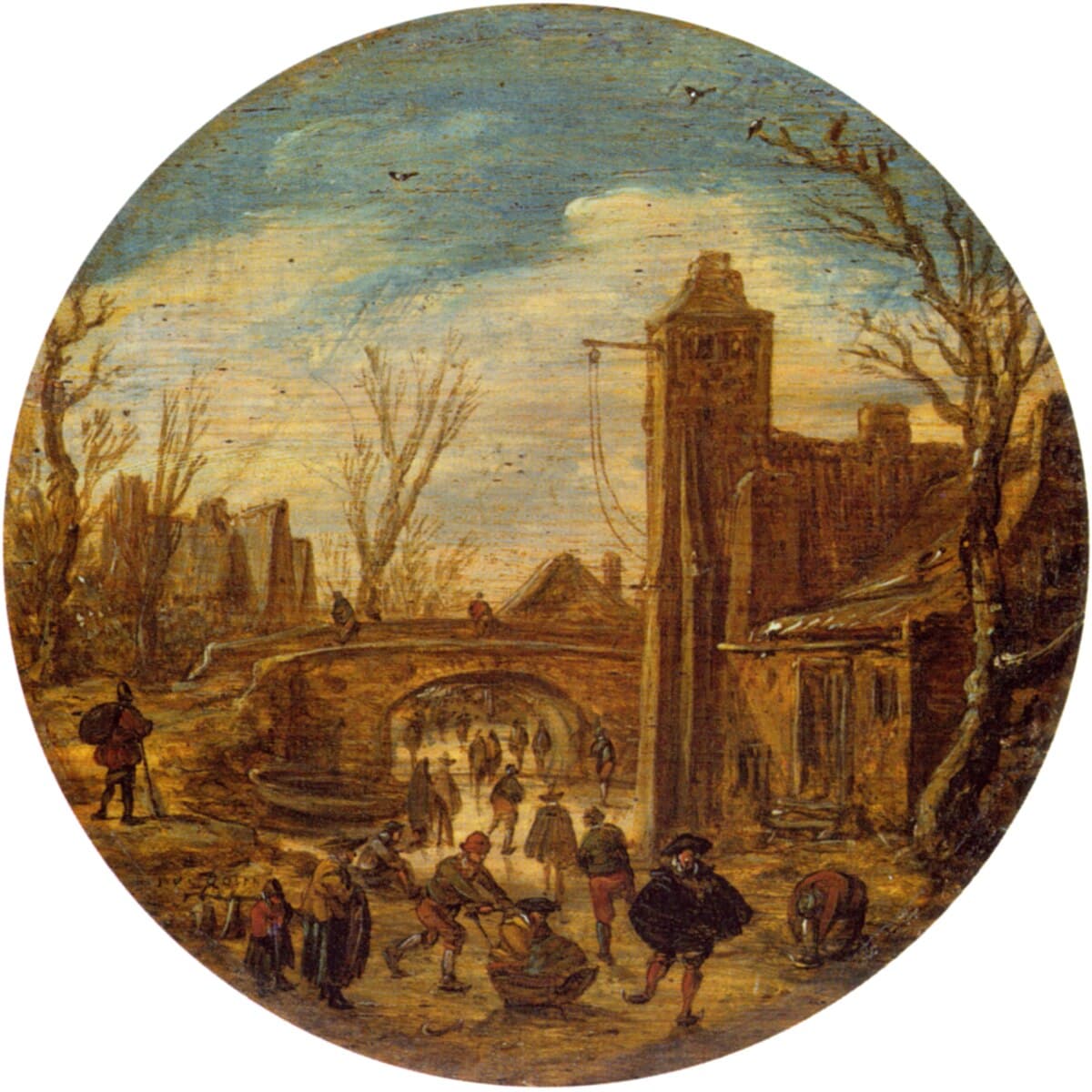
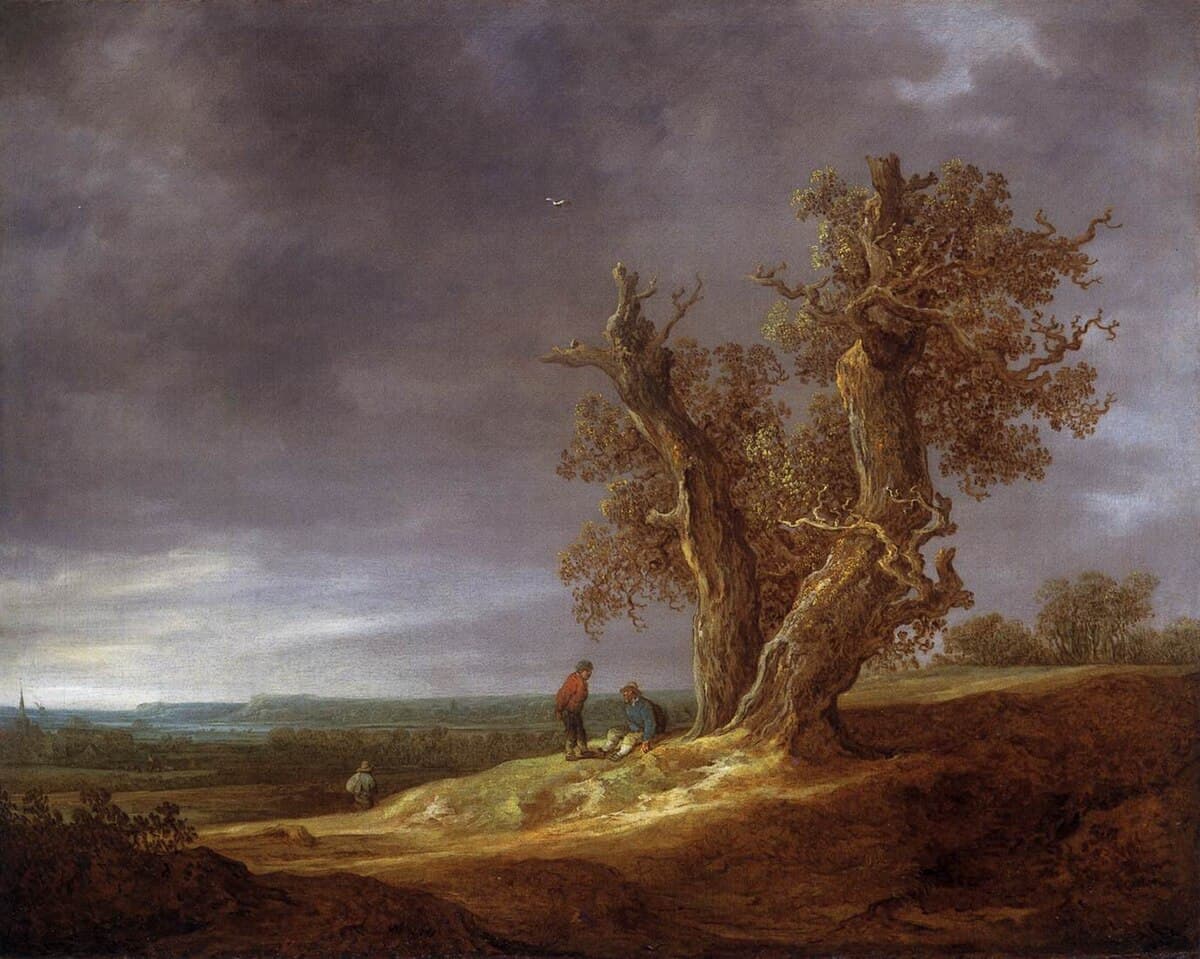
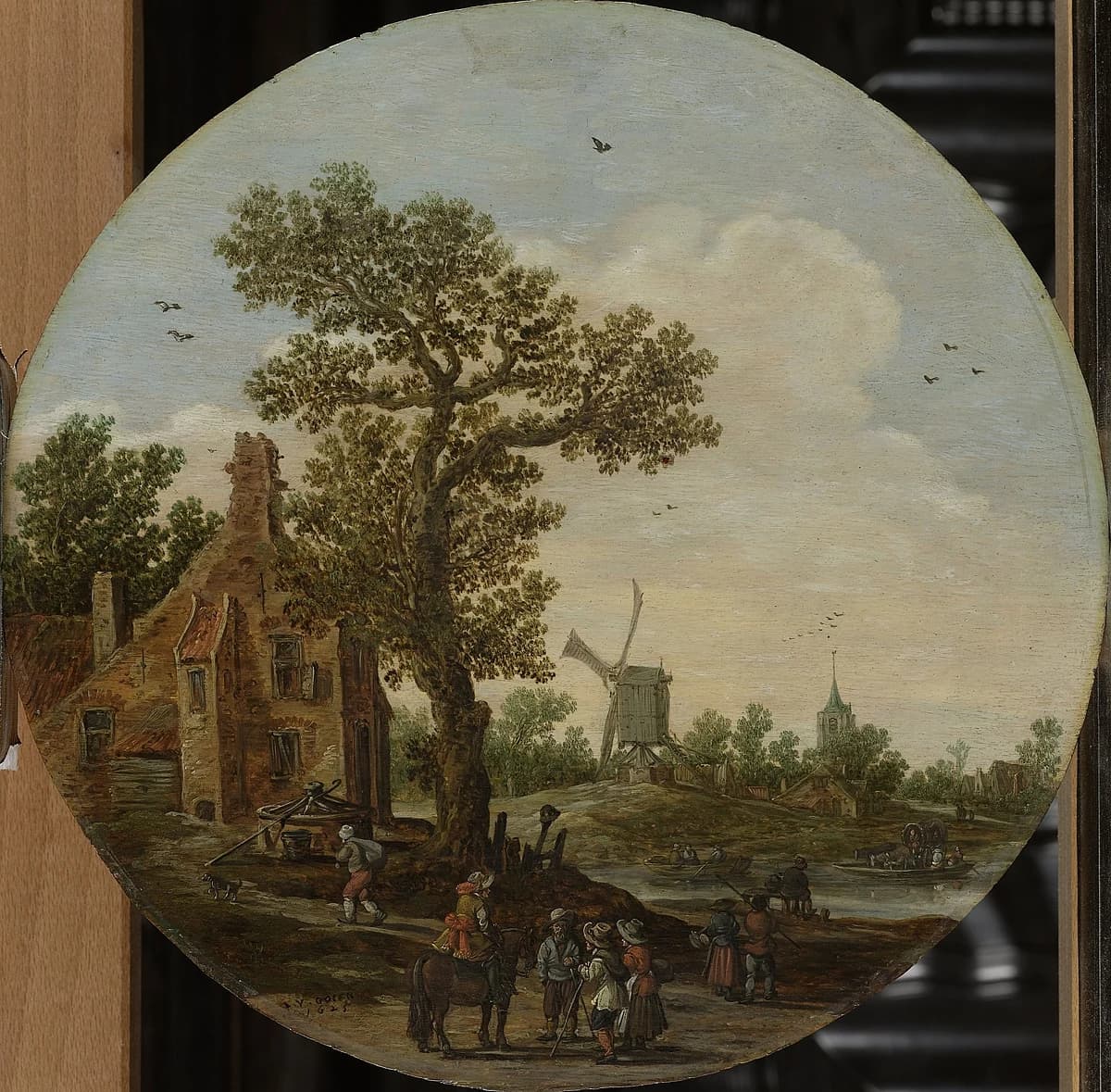
4 paintings catalogued with museum locations
Museums with Jan van Goyen's Work
2 museums display Goyen's works. Click any museum to see visiting info and the specific works they hold.
About Jan van Goyen
Van Goyen was a major Dutch Golden Age painter who pioneered the tonal landscape style using monochrome palettes and atmospheric effects. His muted browns, grays, and blues captured the low skies and flat horizons of the Netherlands with unprecedented subtlety.
He painted Dutch landscapes, river scenes, and city panoramas along the Rhine, Waal, and Maas rivers. His coastal views and views of towns like Dordrecht and Leiden documented the ordinary beauty of Dutch geography that earlier artists had ignored.
His work hangs at the Rijksmuseum in Amsterdam, the National Gallery in London, and the National Gallery of Art in Washington. His enormous output means smaller examples appear in museums and auction houses regularly.
He used monochrome palettes of browns and grays with occasional touches of pale blue or red. His compositions feature low horizons, vast skies filled with clouds, and tiny figures that emphasize the expansiveness of Dutch nature and atmosphere.
His pupils included Jan Steen, who married his daughter Margaretha in 1649, and Nicolaes Berchem. Many Dutch landscape painters adopted his tonal approach, though the style fell from fashion by the 1650s as collectors preferred more colorful Italianate scenes.
Love Jan van Goyen's Style?
Explore art inspired by their style.
Browse Collection