Lovis Corinth
German·1858–1925
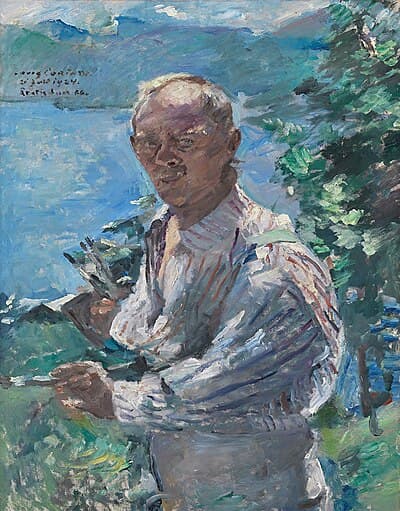
German painter Lovis Corinth (1858-1925) created work that evolved from academic naturalism to vibrant Expressionism, his late style transformed by a stroke that paradoxically unleashed his most powerful paintings. Born in Tapiau, Prussia (now Russia), he studied at Königsberg Academy, Munich, and the Académie Julian in Paris under Bouguereau. His early work shows the influence of Rubens, Frans Hals, and Rembrandt in its rich handling of flesh and fabric. He painted mythological subjects, portraits, landscapes, and still lifes with equal facility.
Corinth became a leading figure of the Berlin Secession, serving as president from 1915 until his death. In 1902, he married his first painting student, Charlotte Berend, 20 years his junior, who became his frequent model. A stroke in December 1911 partially paralyzed his left side and initially seemed to end his career. Instead, his painting transformed dramatically, becoming looser, more expressive, and more psychologically intense. His annual birthday self-portraits document both physical decline and artistic liberation. Works like the Walchensee landscape series show extraordinary vitality despite his chronic tremor. He died of pneumonia while visiting Dutch masters in the Netherlands. His paintings hang at the Museum of Modern Art, the Tate, and the National Gallery of Art.
Primary Genres
Notable Works by Lovis Corinth
3 paintings catalogued with museum locations
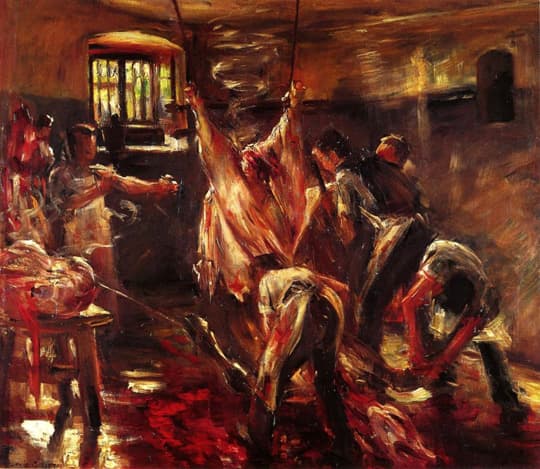
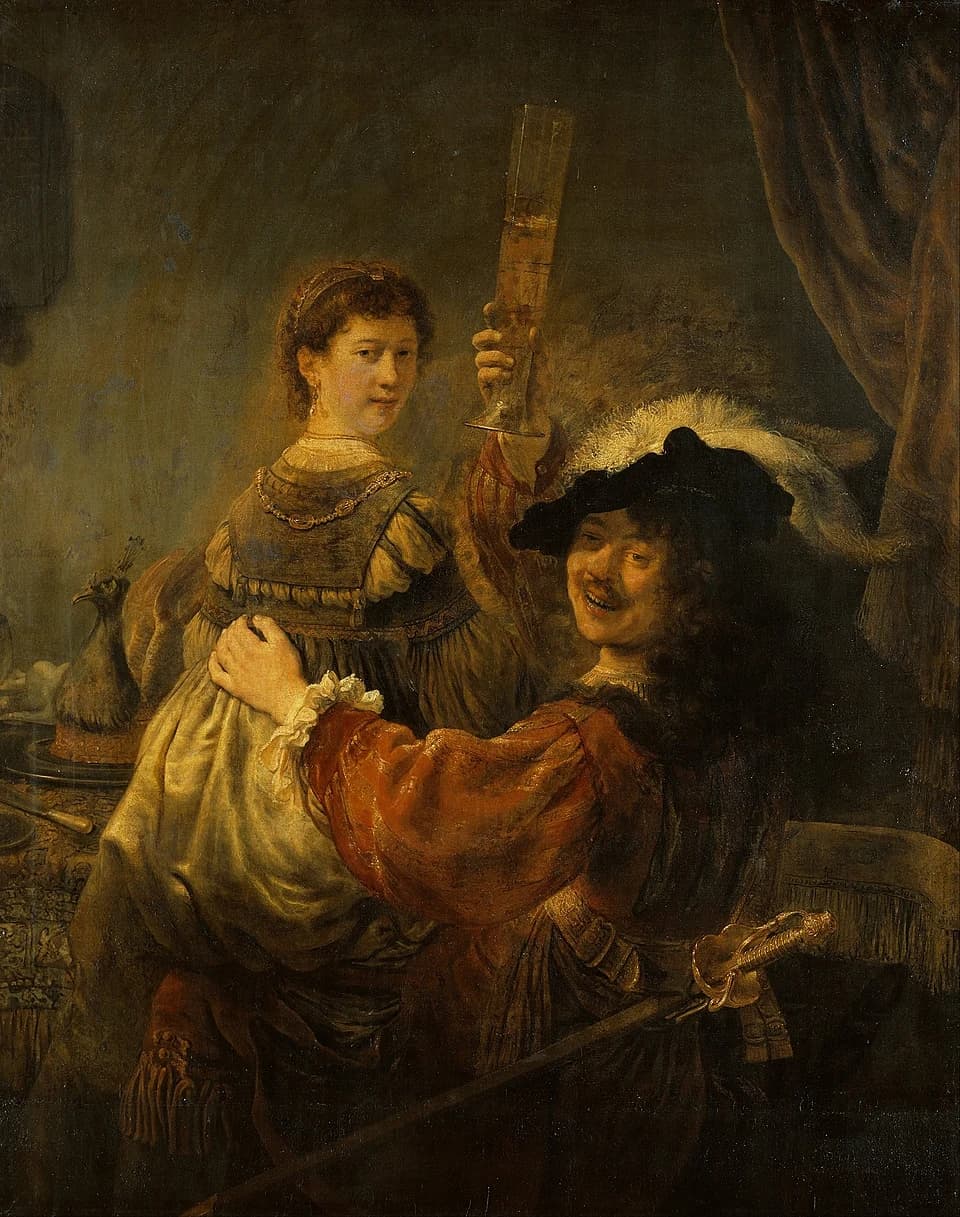
Museums with Lovis Corinth's Work
2 museums display Corinth's works. Click any museum to see visiting info and the specific works they hold.
About Lovis Corinth
Corinth bridged German Impressionism and Expressionism, evolving dramatically over his career. He joined the triumvirate of German Impressionism alongside Max Liebermann and Max Slevogt, and later served as president of the Berlin Secession from 1915 until his death. His late work embraced expressionistic intensity.
His annual birthday self-portraits document his aging and artistic evolution with unflinching honesty. The Walchensee landscape series, painted at his Bavarian retreat from 1918 onward, shows his late expressionistic style at its most vibrant. His painting of himself as blinded Samson after his 1911 stroke is particularly powerful.
His work hangs at the Museum of Modern Art in New York, the Tate in London, and the National Gallery of Art in Washington. German museums, particularly Munich's Neue Pinakothek, hold major collections of his portraits and landscapes.
A stroke in December 1911 left him partially paralyzed with a permanent tremor in his right hand. Rather than diminishing his output, the years following were his most prolific: nearly 500 paintings, over 800 prints, and hundreds of drawings. The forced looseness gave his late work extraordinary emotional power.
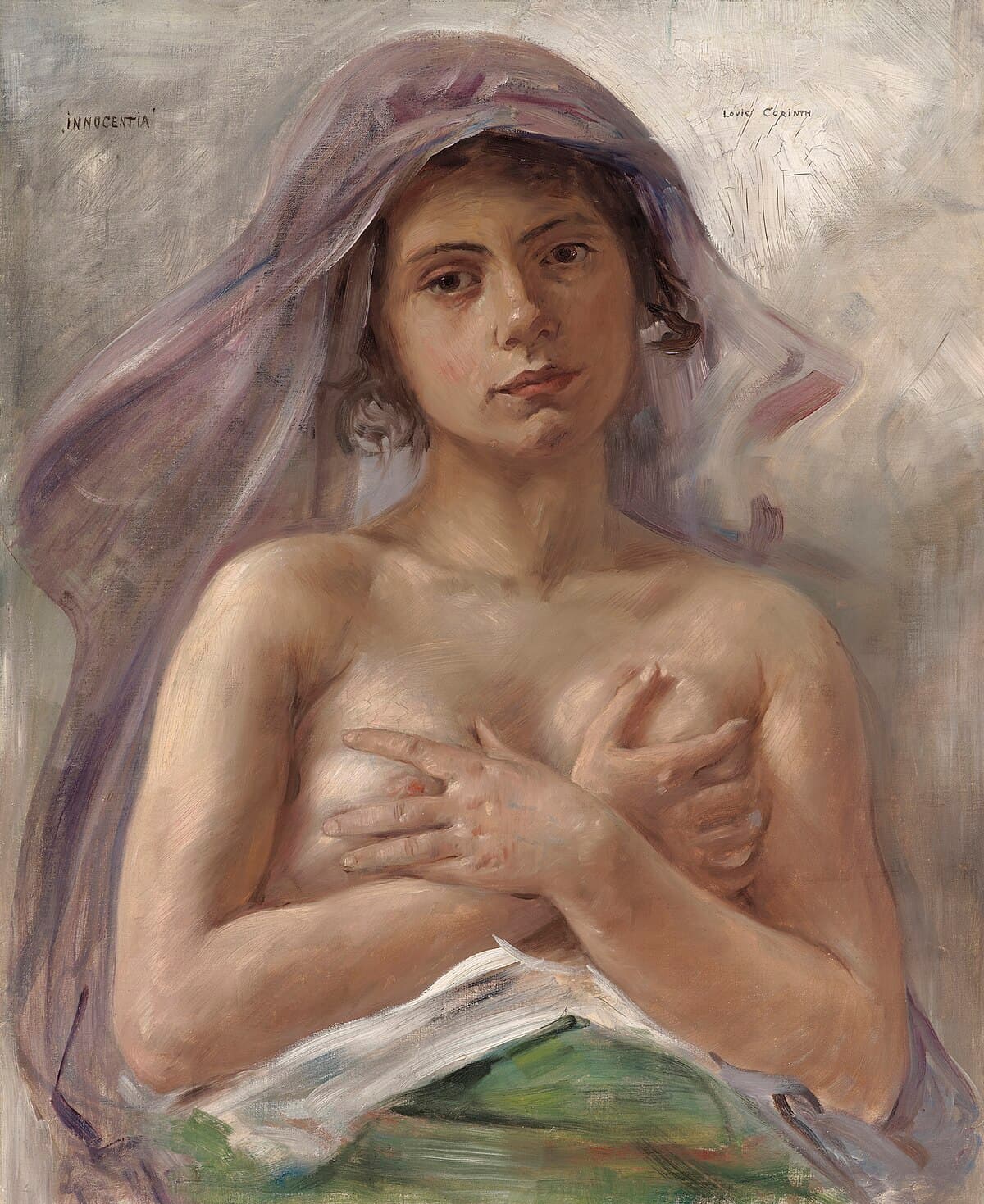
Charlotte Berend-Corinth was his first painting student who became his wife in 1903 when she was 23 and he was 44. She modeled frequently for his portraits and nudes, and later became a successful painter in her own right, documenting their life together.
Love Lovis Corinth's Style?
Explore art inspired by their style.
Browse Collection