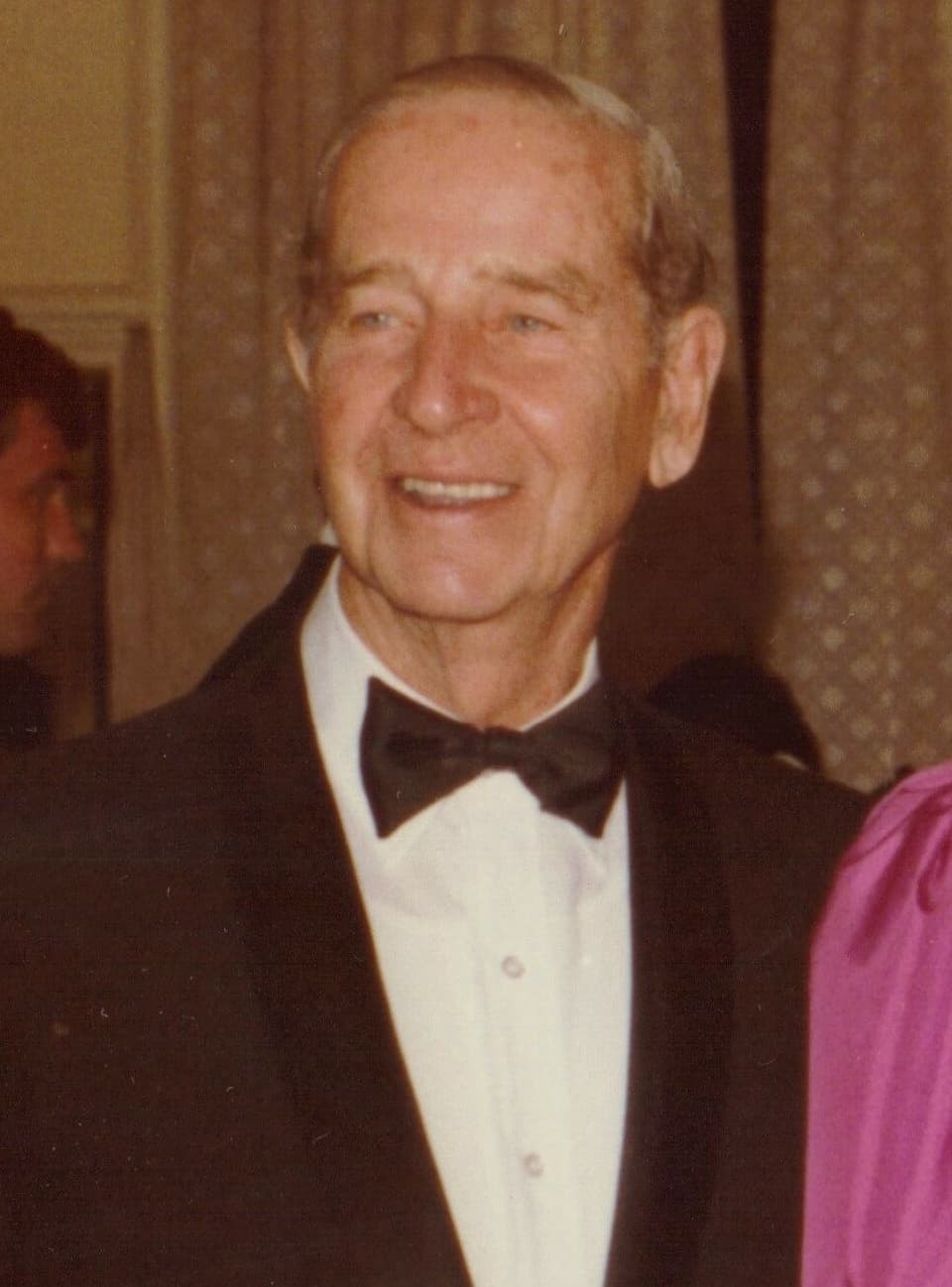
Thomas Eakins
American·1844–1916
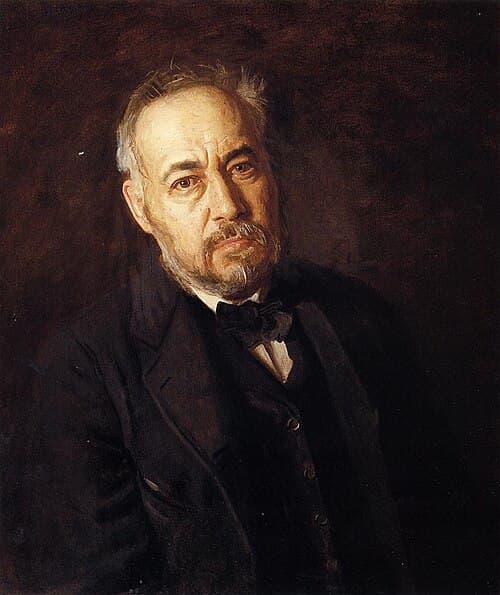
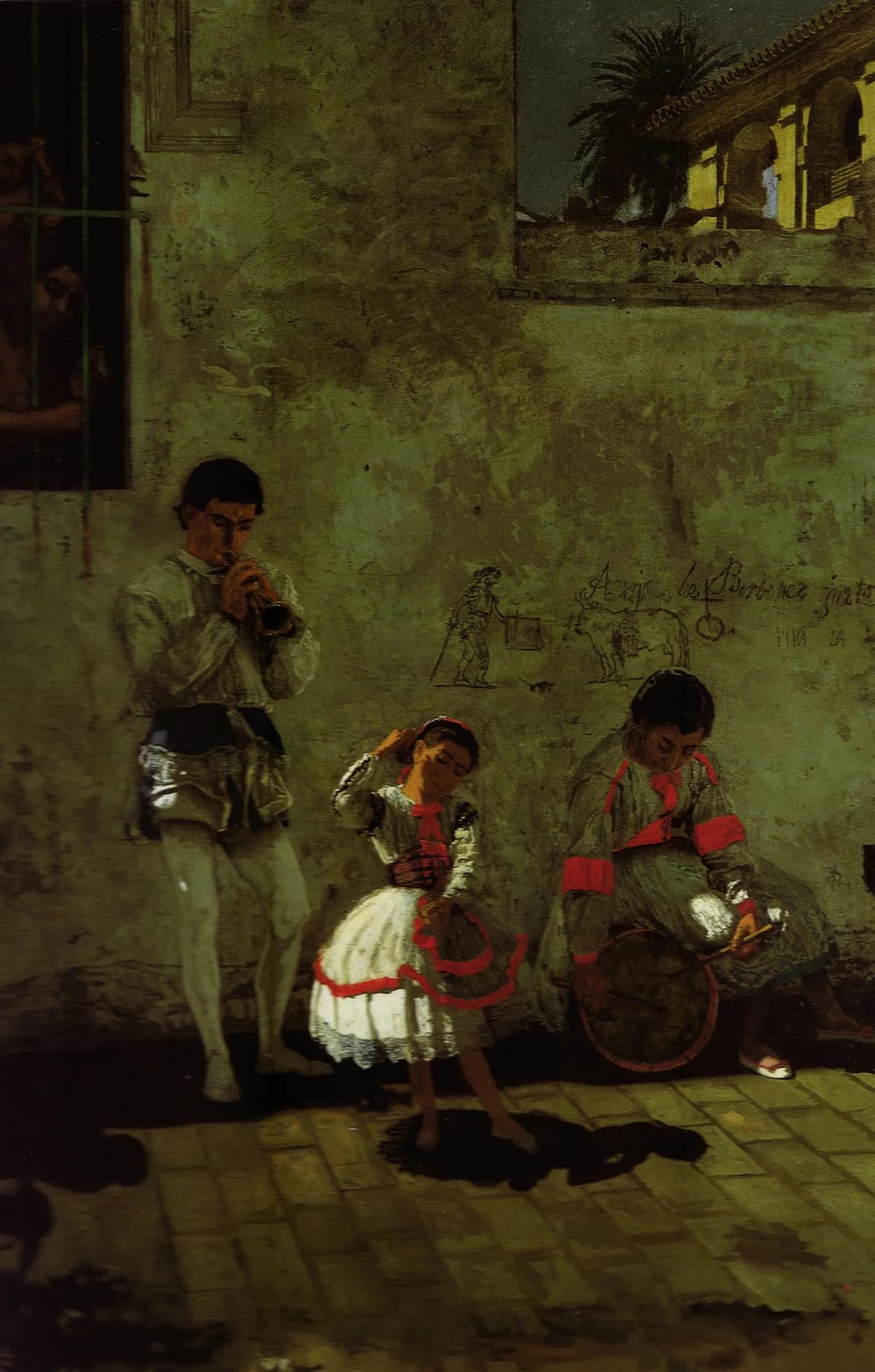
Thomas Eakins (1844–1916) pushed American Realism to its most unflinching heights. Born in Philadelphia, the son of a calligraphy teacher, he studied at the Pennsylvania Academy of the Fine Arts before training in Paris under Jean-Léon Gérôme at the École des Beaux-Arts. A six-month tour of Spain deepened his admiration for Velázquez and Ribera. He returned to Philadelphia in 1870 and rarely left again, spending four decades painting the people of his hometown with rigorous honesty.
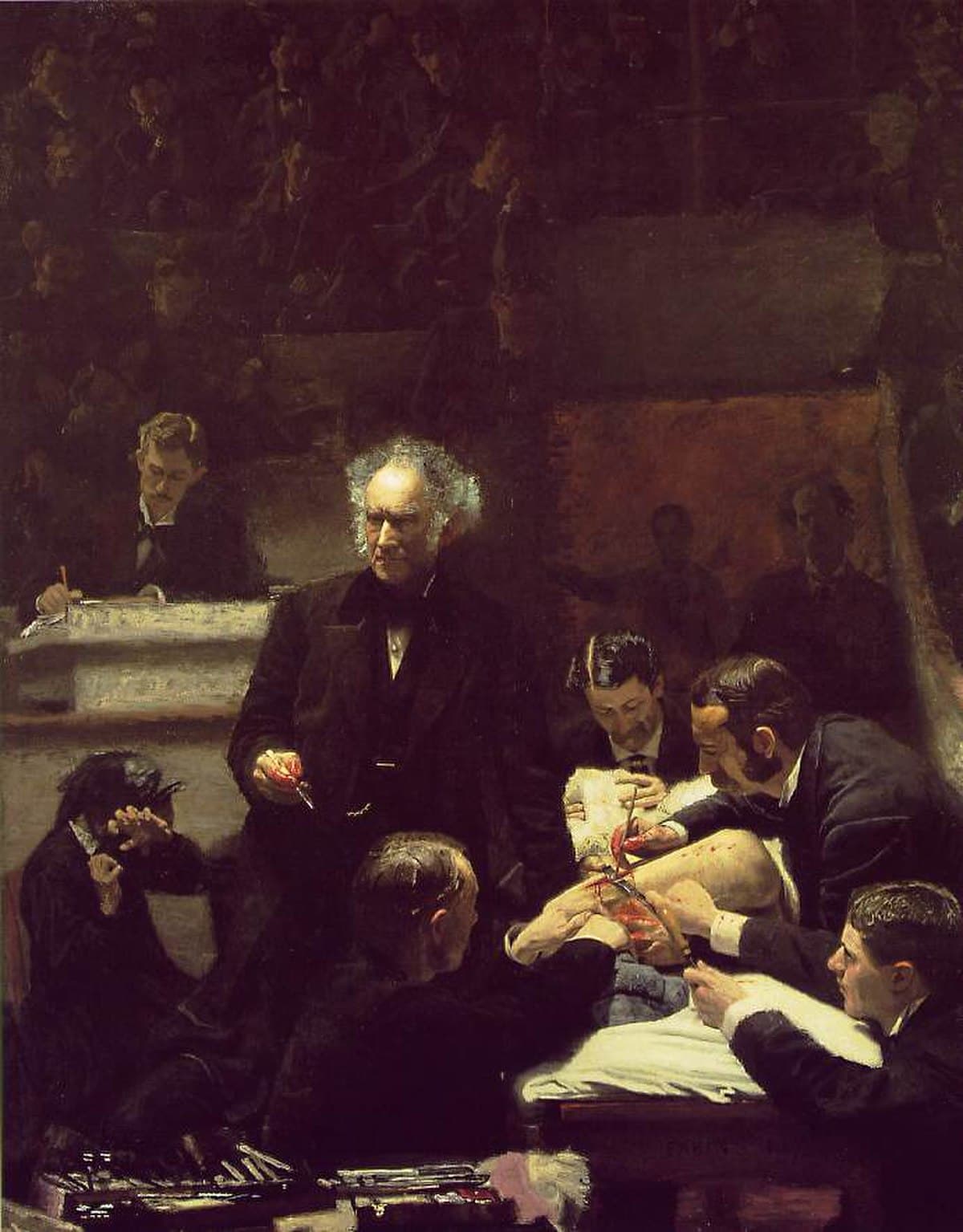
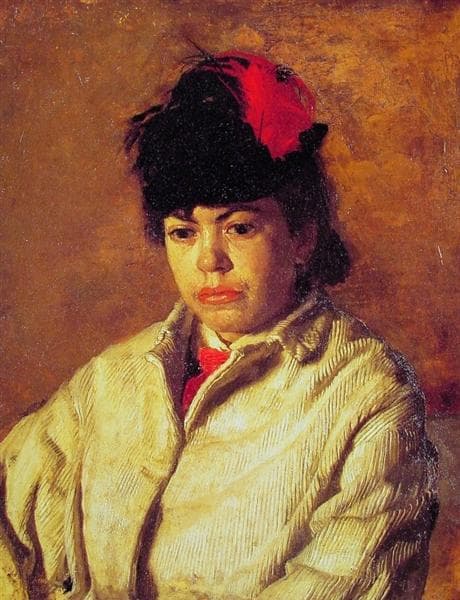
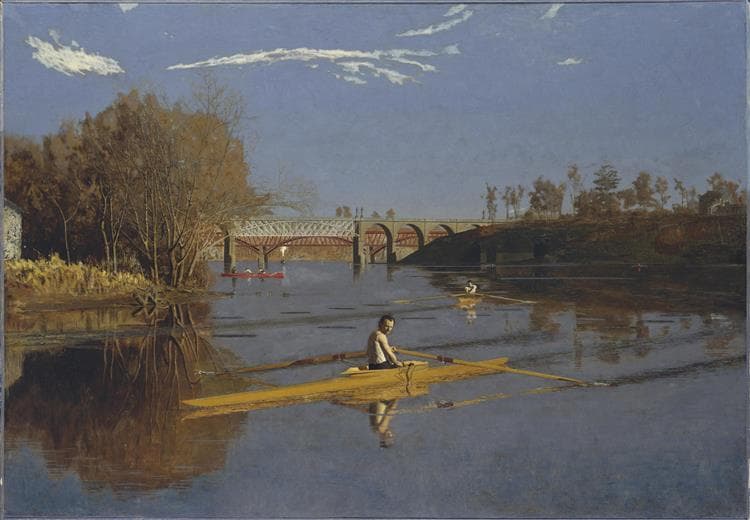
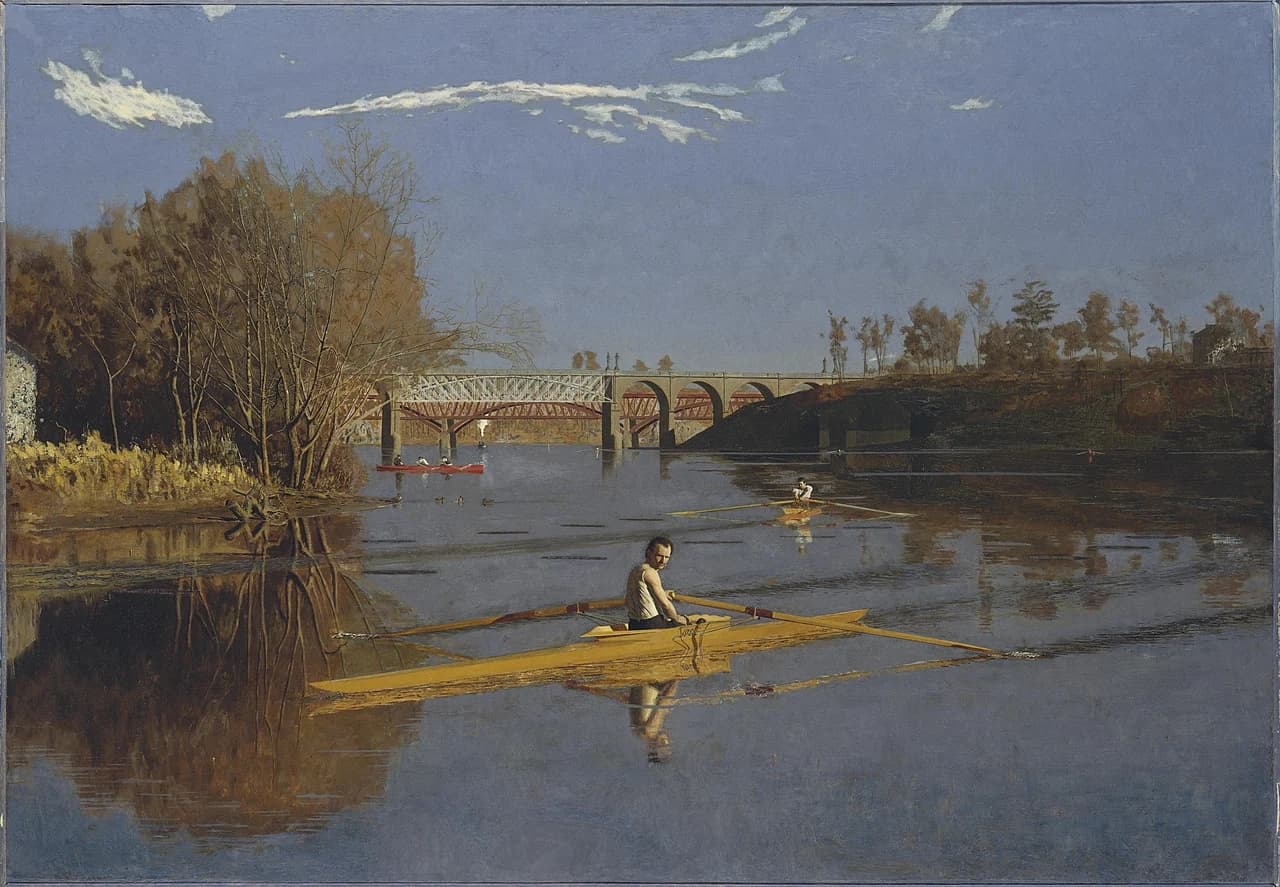
Eakins painted several hundred portraits of friends, family, doctors, scientists, and clergymen. His most famous works are The Gross Clinic (1875) and The Agnew Clinic (1889), which show surgeons operating in graphic detail. Rowing scenes like Max Schmitt in a Single Scull demonstrate his obsession with anatomy and perspective. He began teaching at the Pennsylvania Academy in 1876 and transformed it into America's leading art school. In 1886, he was forced to resign after removing a male model's loincloth during a lecture to female students. This scandal damaged his reputation, and he sold few paintings during his lifetime. He married his former student Susan Hannah Macdowell in 1884. Eakins also worked as a photographer and sculptor. He died in 1916, still largely unrecognized. Since then, historians have called him "the strongest, most profound realist in nineteenth- and early-twentieth-century American art." His work hangs at the Metropolitan Museum of Art, the Art Institute of Chicago, and the Musée d'Orsay.
Paintings by Thomas Eakins
7 paintings catalogued with museum locations
Museums with Thomas Eakins's Work
6 museums display Eakins's works. Click any museum to see visiting info and the specific works they hold.


About Thomas Eakins
Eakins was a leading figure in American Realism, known for painting people and scenes with unflinching honesty and scientific precision.
Major works are at the Metropolitan Museum of Art, the Art Institute of Chicago, and the Philadelphia Museum of Art.
The Gross Clinic (1875) and The Agnew Clinic (1889), showing surgeons operating in graphic detail, are his most celebrated works.
In 1886, Eakins removed a male model's loincloth during a lecture attended by female students. The resulting scandal forced his resignation from the Pennsylvania Academy.
No, Eakins sold few paintings and remained largely unrecognized until after his death. Historians now consider him America's greatest realist painter.
Eakins painted portraits, surgical scenes, rowing, boxing, and everyday Philadelphia life with scientific attention to anatomy and perspective.
Love Thomas Eakins's Style?
Explore art inspired by their style.
Browse Collection