Follow in the footsteps of Vincent van Gogh across Europe
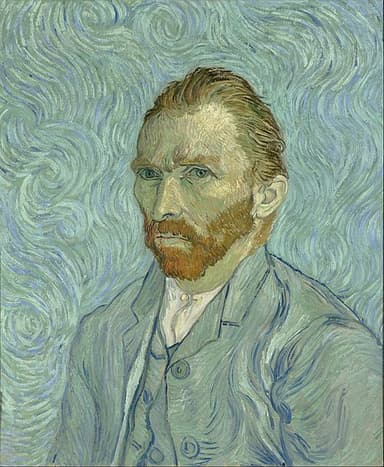
Vincent van Gogh's short but intense artistic life took him from the Netherlands through Belgium and France. In just 10 years, he created over 900 paintings, many inspired by the specific places he lived. Today, you can follow his journey and see where masterpieces like Starry Night, Sunflowers, and Cafe Terrace at Night were created.
Vincent Willem van Gogh was born on March 30, 1853, in this small village in the southern Netherlands. His father was a Protestant minister. The family home no longer exists, but a reconstruction stands on the original site.
Why it matters: Birthplace and childhood home. Vincent's early exposure to the Dutch countryside would influence his later landscape paintings.
Reconstruction of Van Gogh's birthplace with exhibitions about his early life
Markt 26-27, Groot-Zundert
Get ticketsThe Protestant church where Vincent's father preached
Vincent first came to The Hague at 16 to work for Goupil & Cie, an art dealership. He returned years later to study art seriously, living with a woman named Sien and her children while developing his drawing skills.
Why it matters: Vincent's first exposure to the art world as a dealer. His second stay marked his serious commitment to becoming an artist.
Where teenage Vincent worked as an art dealer
Plaats 14
Vincent moved to Paris to live with his brother Theo, an art dealer. Here he encountered Impressionism for the first time, met Toulouse-Lautrec, Gauguin, and Pissarro, and his palette transformed from dark Dutch tones to vibrant colors.
Why it matters: A pivotal transformation. Vincent created over 200 paintings here and developed the bold, colorful style we know today.
Where Vincent lived with Theo and painted the windmills and cabarets
The apartment building where Vincent and Theo lived (plaque on building)
The windmill Vincent painted multiple times, still standing
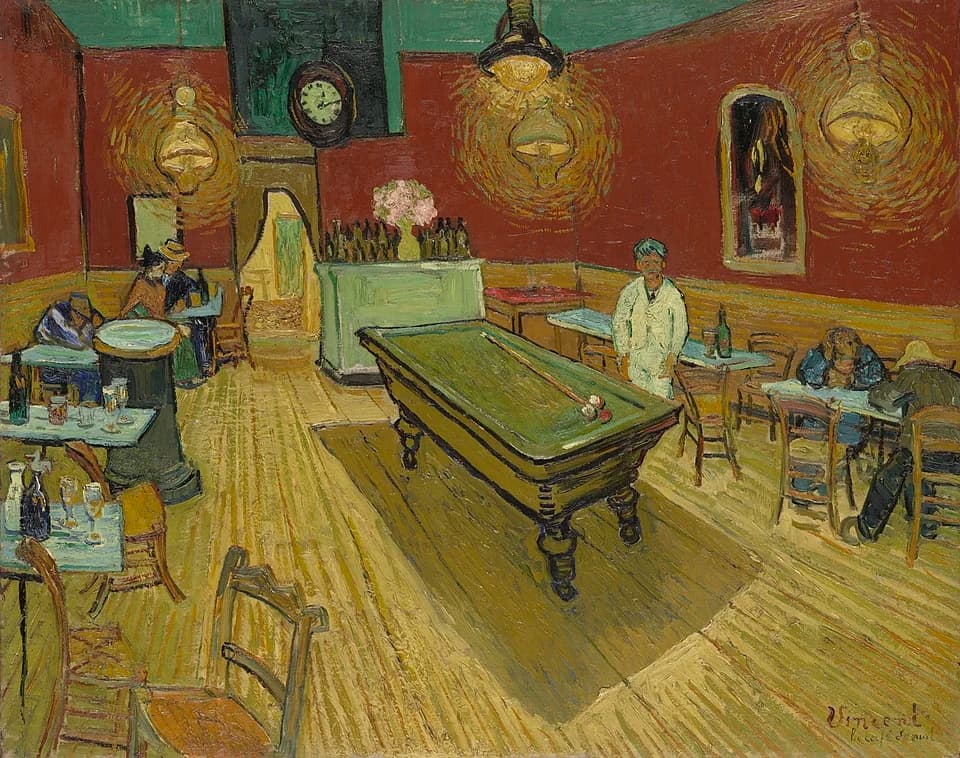
Seeking stronger light and color, Vincent moved south to Arles in February 1888. In just 15 months, he created over 300 paintings including some of his most famous works. He rented the Yellow House, dreaming of an artists' colony. Paul Gauguin's visit ended with Vincent's mental breakdown and the infamous ear incident.
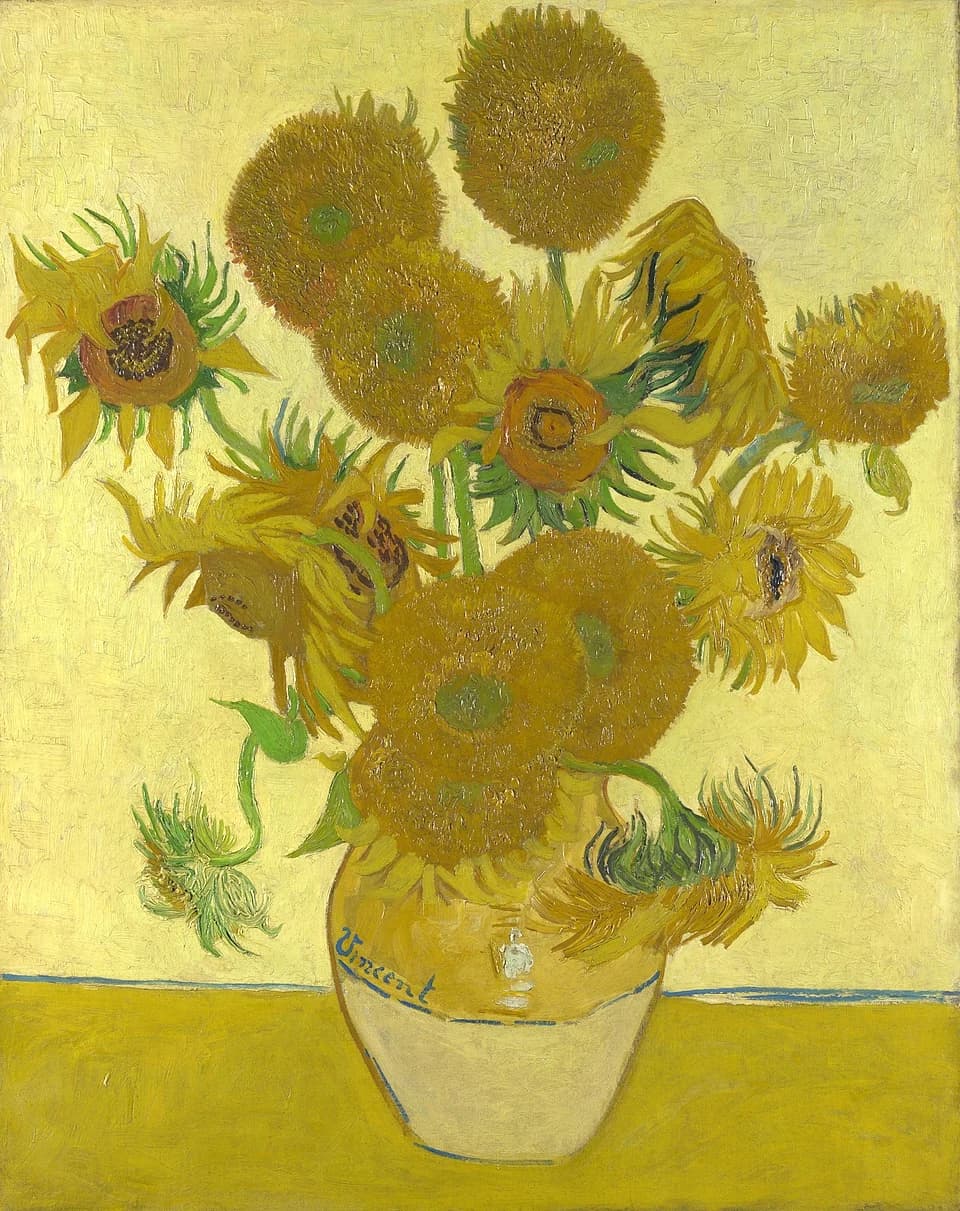
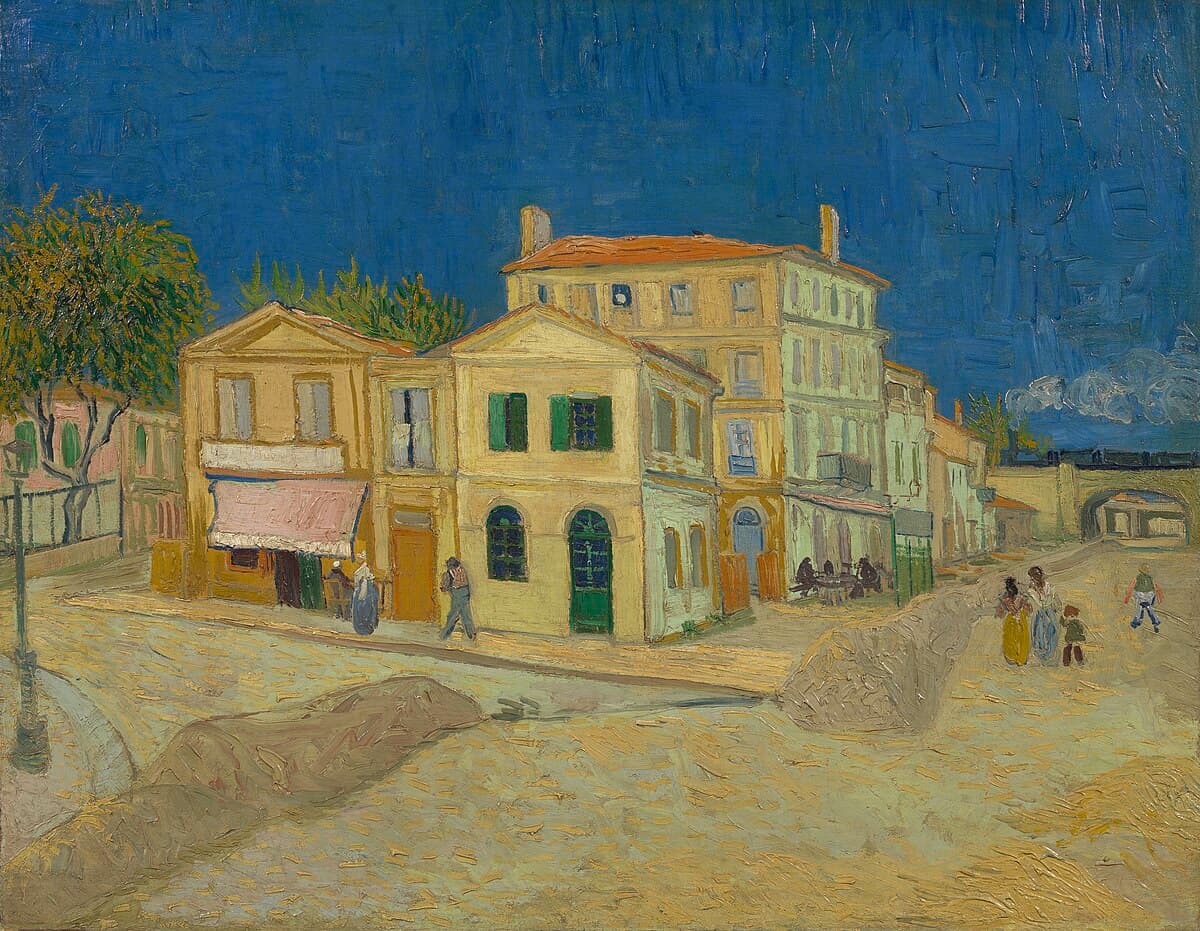
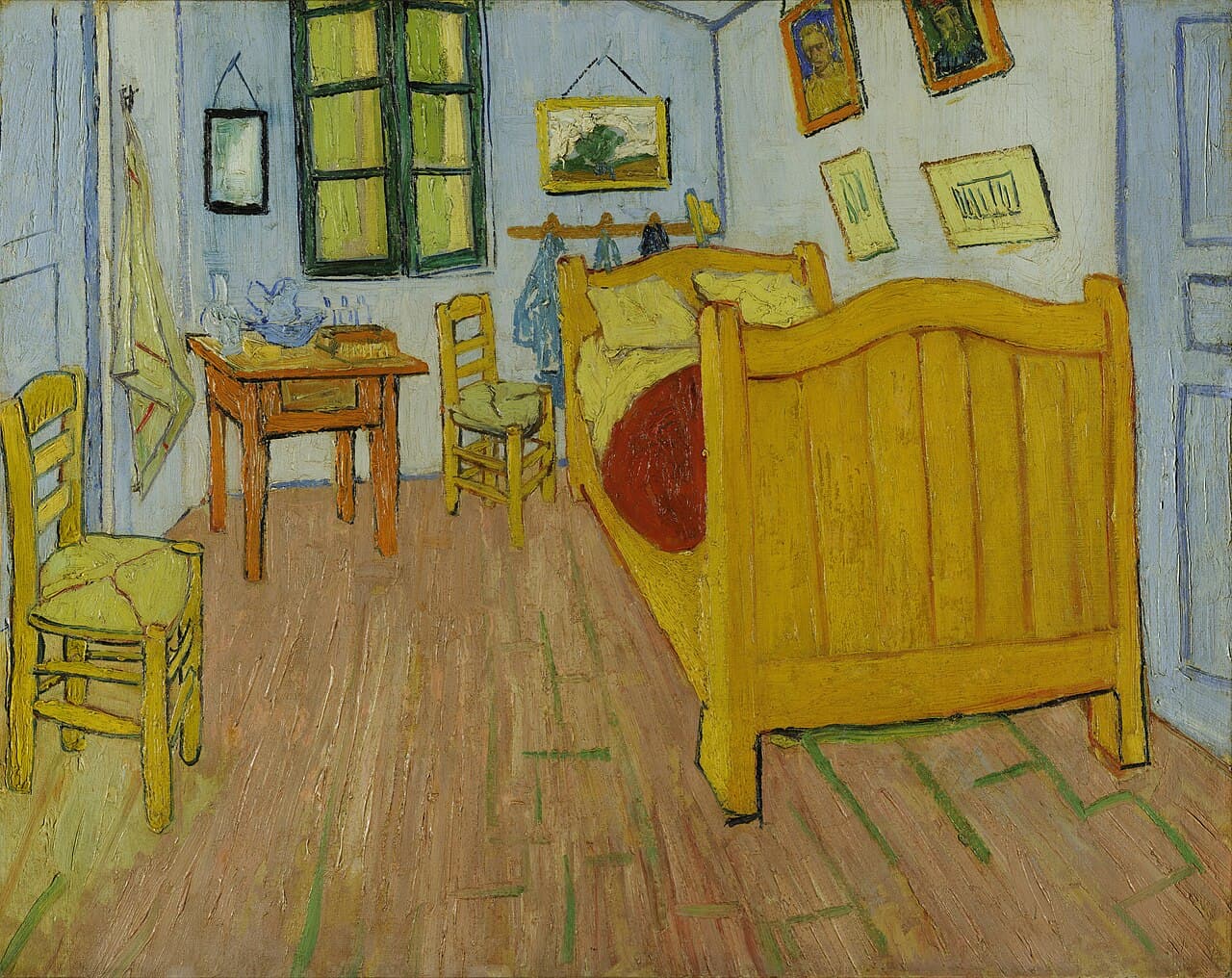
Why it matters: His most prolific and iconic period. The Sunflowers, Cafe Terrace at Night, The Bedroom, and The Yellow House were all painted here.
Contemporary art museum dedicated to Van Gogh's legacy in Arles
35 Rue du Docteur Fanton
Get ticketsThe actual cafe from Cafe Terrace at Night. Still operating, painted yellow
Place du Forum
The cafe still looks remarkably like the painting. Best visited at night.
The Yellow House was destroyed in WWII, but a plaque marks the location
Place Lamartine
Where Vincent was treated after cutting his ear. The courtyard garden he painted is preserved.
A reconstruction of the drawbridge Vincent painted multiple times
Sadly, no original Van Gogh paintings remain in Arles. They are spread across museums worldwide.
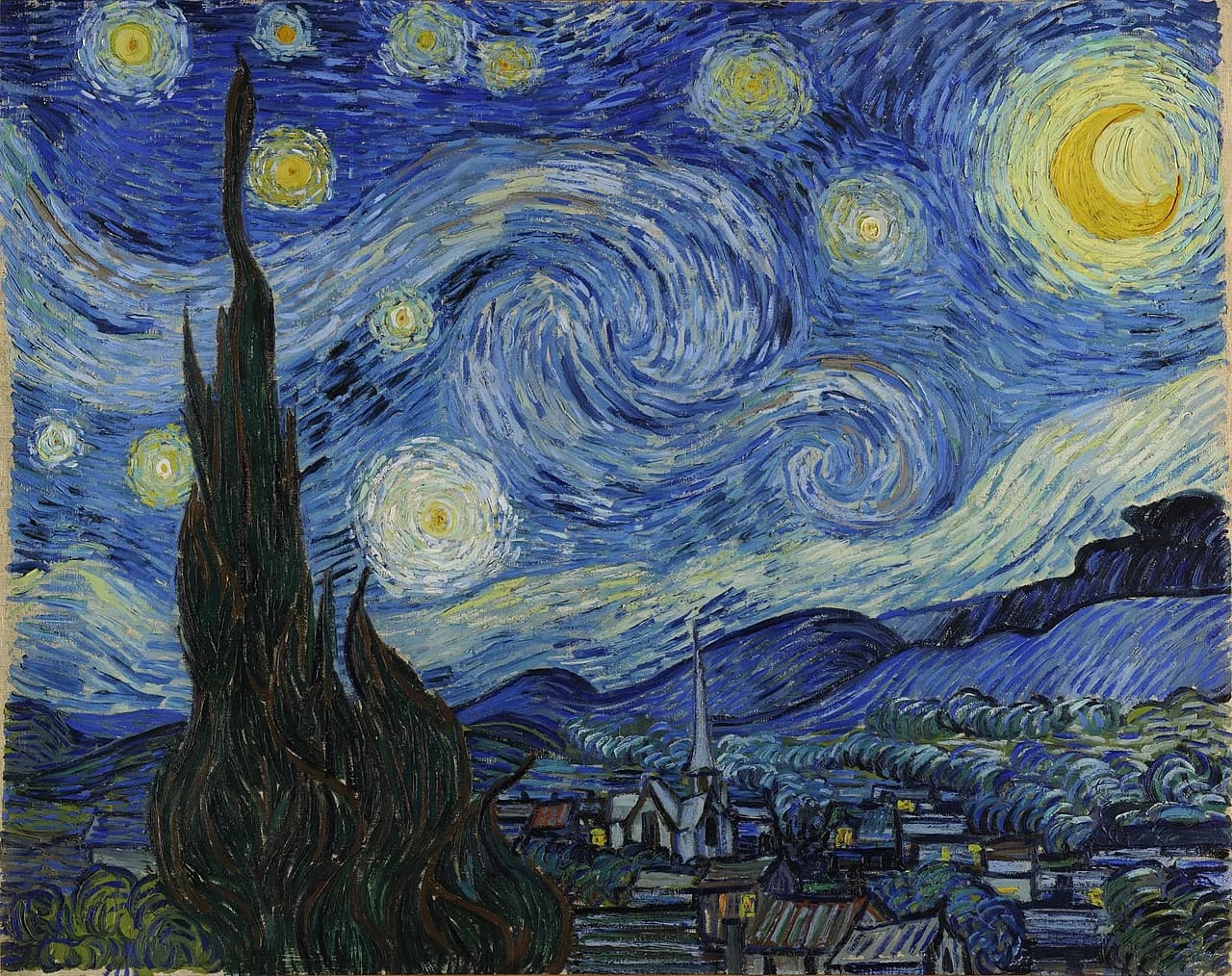
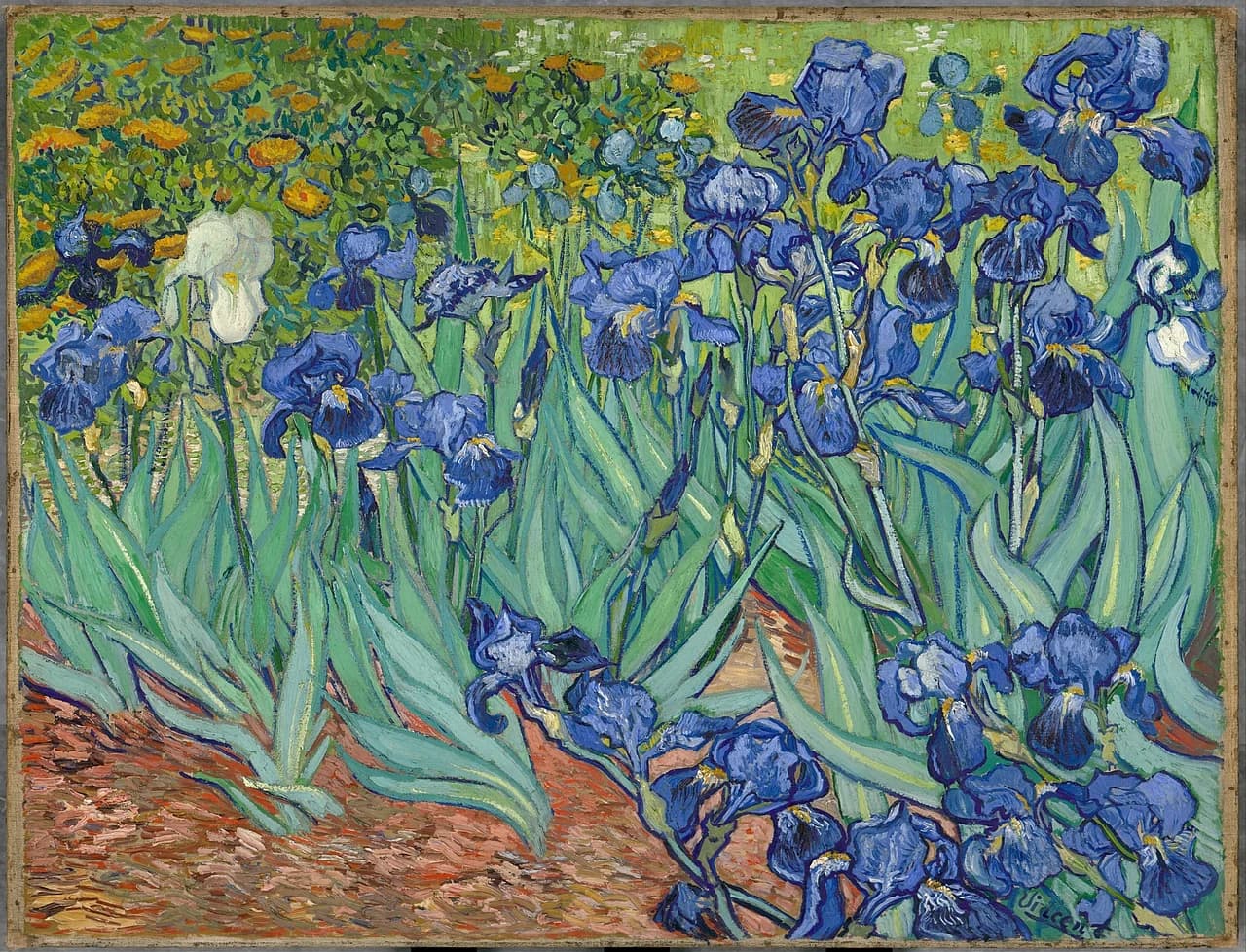
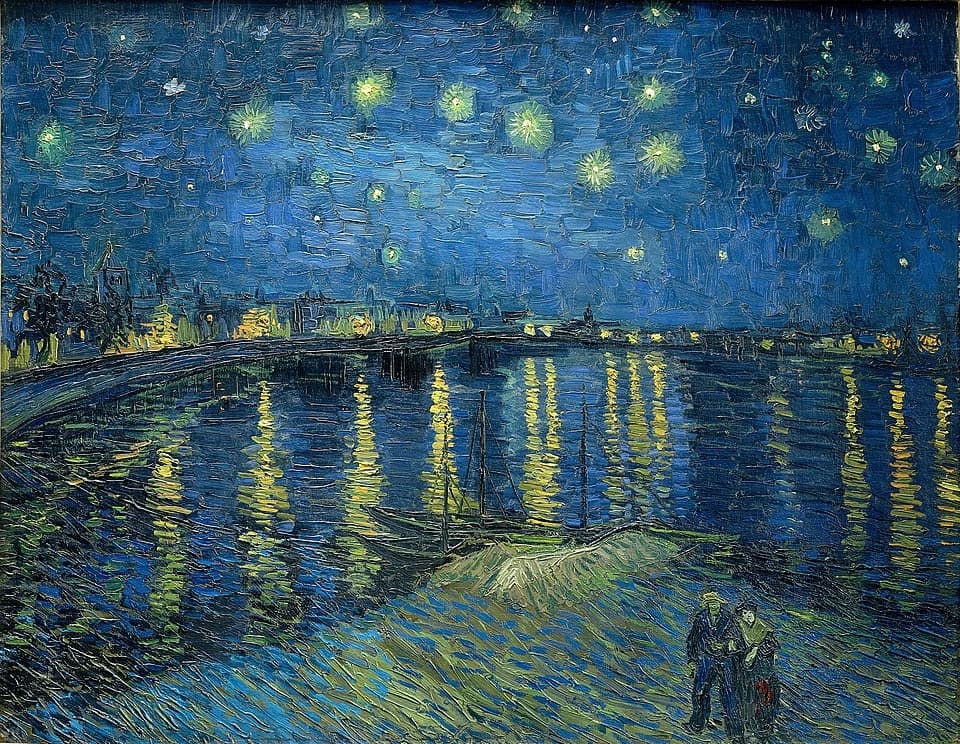
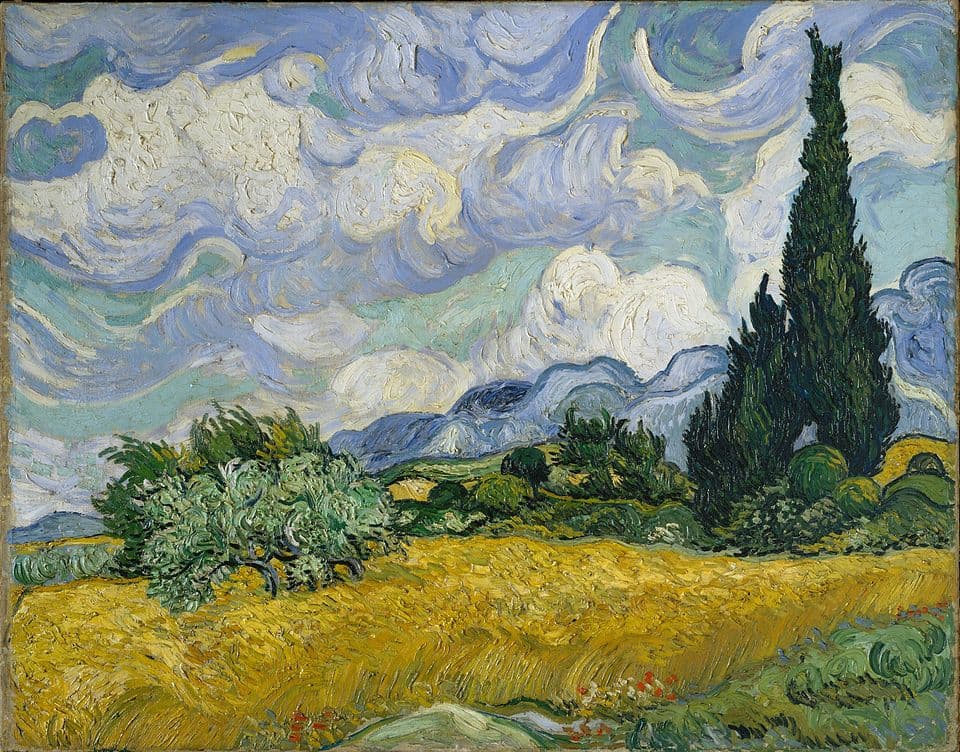
After his breakdown in Arles, Vincent voluntarily admitted himself to the Saint-Paul-de-Mausole asylum. Despite his mental struggles, he created 150 paintings here including The Starry Night, his most famous work. He painted the view from his window, the asylum garden, and the surrounding olive groves.
Why it matters: Created The Starry Night and some of his most emotionally intense works. A period of incredible productivity despite severe mental illness.
The asylum where Vincent stayed. His room is recreated, and you can see the exact view he painted in Starry Night.
Chemin de Saint-Paul
The monastery is still a psychiatric facility, with part open as a museum.
Get ticketsSelf-guided walk through Saint-Remy with 21 stops showing reproductions of Van Gogh's paintings at the locations where they were painted.
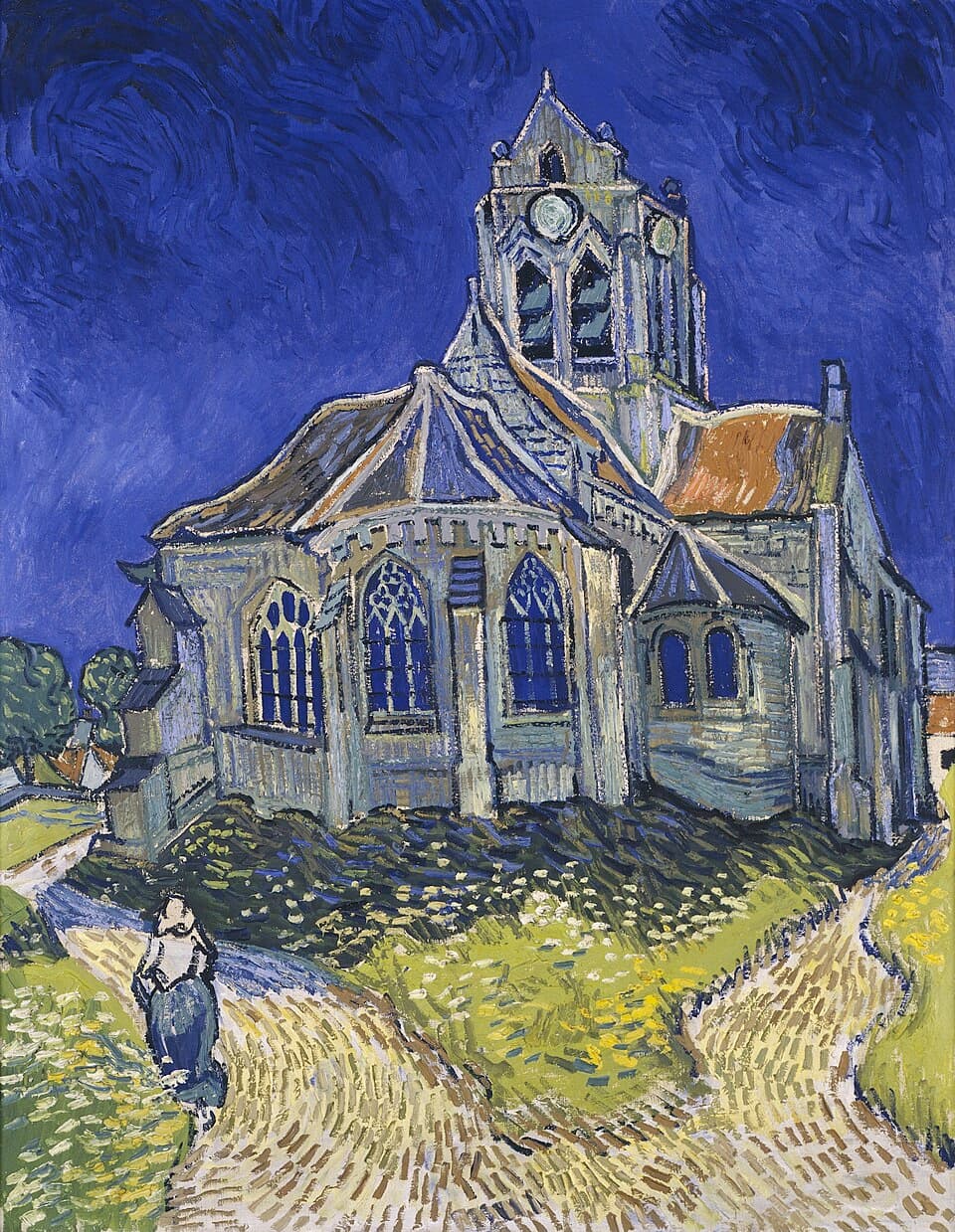
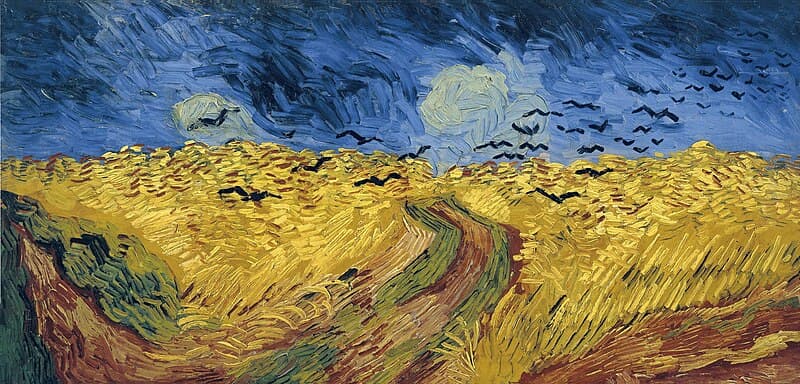
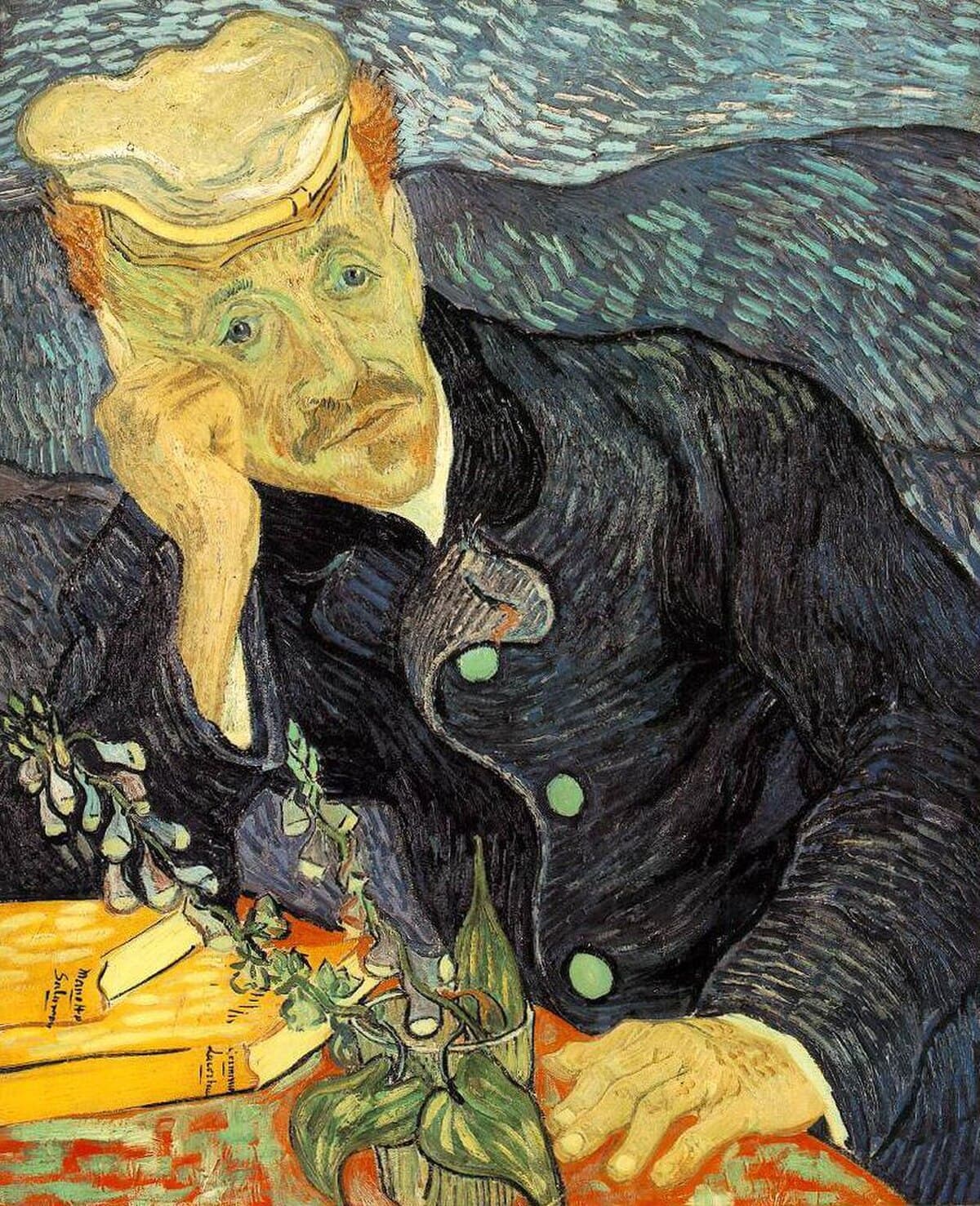
Vincent spent his final 70 days in this village north of Paris, under the care of Dr. Gachet. Despite his deteriorating mental state, he painted at a furious pace, roughly one painting per day, creating 80 works including Wheatfield with Crows and Church at Auvers. On July 27, 1890, he shot himself in a wheat field and died two days later. He is buried here alongside his brother Theo.
Why it matters: His final and most poignant chapter. The church, wheat fields, and Dr. Gachet's house remain much as Vincent painted them.
The inn where Vincent rented a tiny attic room for 3.50 francs a day. The room where he died is preserved exactly as it was.
Place de la Mairie
The room is tiny and deeply moving. Advance booking recommended.
Get ticketsThe church Vincent painted, instantly recognizable. The painting is at the Musee d'Orsay; the church looks nearly identical today.
Rue Daubigny
Vincent and Theo are buried side by side. The graves are covered with ivy, as Vincent often painted.
Cimetiere d'Auvers-sur-Oise
The fields above the town where Vincent painted his final works and where he shot himself. Walking trails available.
Home of the doctor who cared for Vincent. Now a museum.
Limited opening hours, check before visiting.
Explore Van Gogh's birthplace and the world's best collection of his work
Follow Van Gogh through the south of France where he created his most famous works
A comprehensive trip through Van Gogh's entire life journey
Van Gogh's 900+ paintings are now spread across the world. Here are the top museums:
Amsterdam, Netherlands
The world's largest Van Gogh collection
Otterlo, Netherlands
Second largest collection, in a beautiful sculpture garden
Paris, France
New York, USA
New York, USA
Born in Groot-Zundert, Netherlands
Begins work at Goupil & Cie art dealers, The Hague
Decides to become an artist at age 27
Moves to Paris, discovers Impressionism
Arrives in Arles, begins most prolific period
Gauguin visits; Vincent cuts his ear
Enters Saint-Paul-de-Mausole asylum; paints Starry Night
Moves to Auvers-sur-Oise
Dies July 29 at age 37
Browse our database of Vincent van Gogh's paintings and discover where each masterpiece is displayed today.

1889
1890