Agnus Dei (Lamb of God)
by Francisco de Zurbarán, 1640
Artwork Details
Details
- Year
- 1640
- Medium
- Oil on canvas
- Size
- 38 cm × 62 cm (15 × 24.4 in)
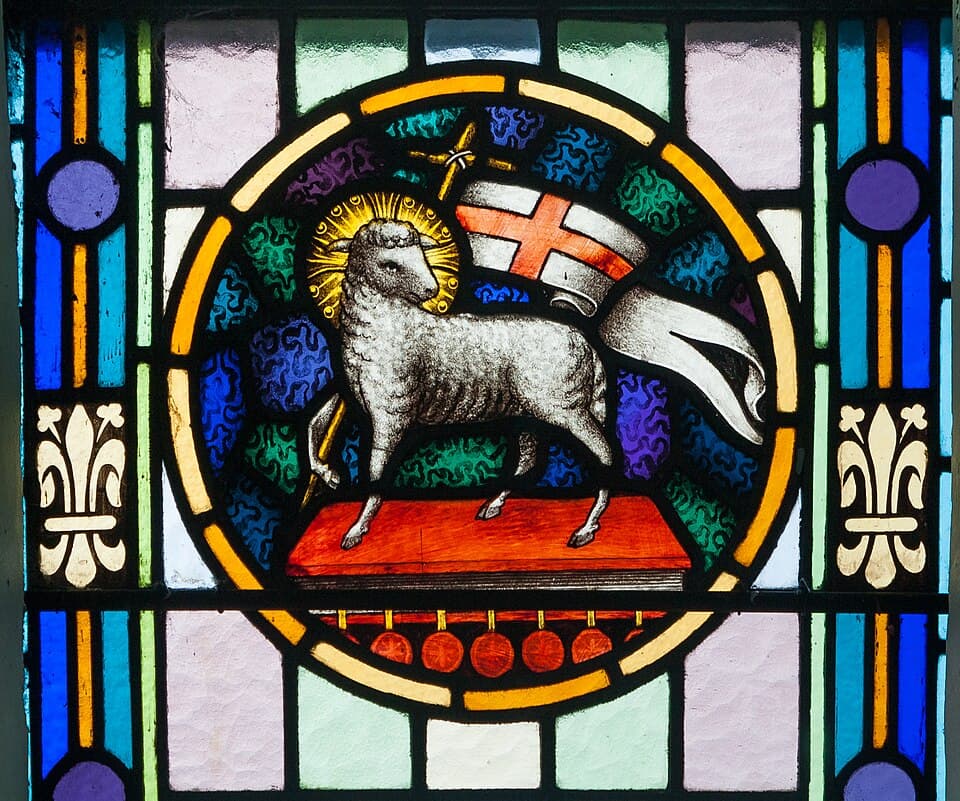
Francisco de Zurbarán painted this Agnus Dei (Lamb of God) around 1635-1640. A young lamb lies on a dark surface, its feet bound, awaiting sacrifice. The animal looks directly at the viewer with an expression that seems almost human in its patience. Nothing else appears: no landscape, no altar, no symbols beyond the lamb itself.
The painting's power comes from its austere simplicity. The lamb represents Christ as the sacrificial victim, yet Zurbarán avoided obvious religious imagery. The fine rendering of wool, the soft ears, the trusting gaze create empathy before theology. This is a portrait of innocence about to be destroyed.
Zurbarán painted several versions of this subject. The Prado version demonstrates his mastery of still-life painting within a devotional context.