Wikimedia Commons • Public Domain
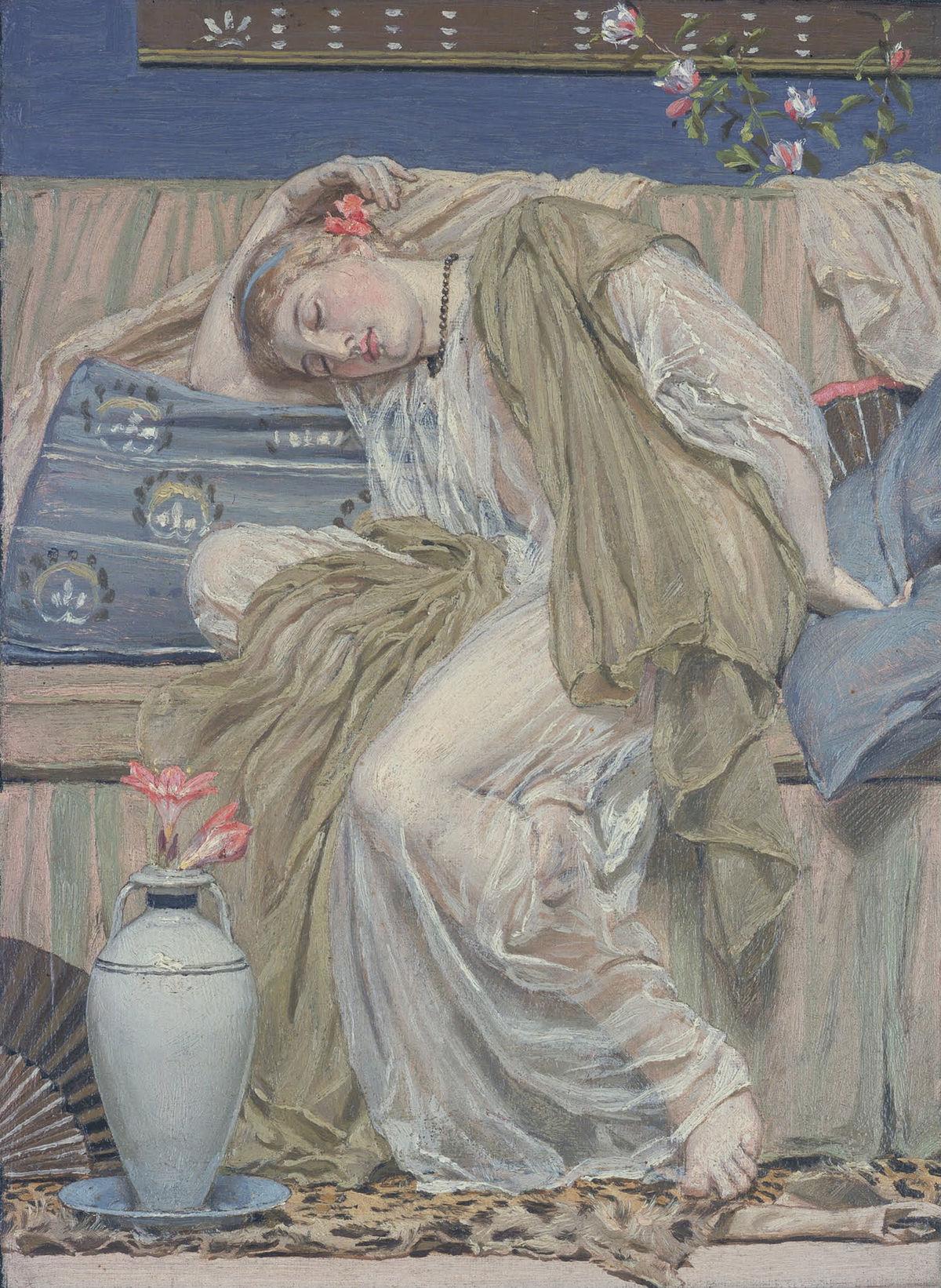
A Sleeping Girl
StyleAcademic Art
Artwork Details
Cite or Embed This Work
APA · MLA · Chicago1-click academic citation and embeddable “On View” museum badge for articles, syllabi, and research.
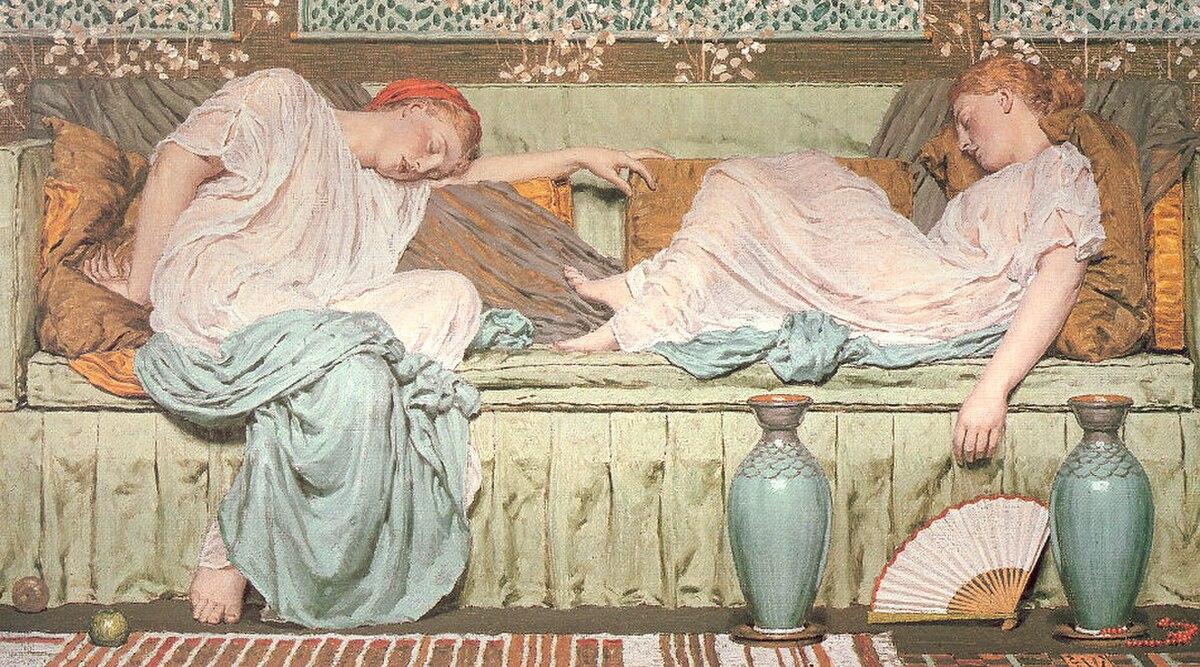
Albert Joseph Moore painted A Sleeping Girl around 1875, depicting a young woman in peaceful repose on a daybed. Her closed eyes and relaxed posture convey deep tranquility. A red flower in her hair matches blossoms in a nearby vase, while her flowing garments in white and olive suggest a timeless, classical quality.
Moore was a leading figure in the Aesthetic Movement, which prioritized beauty and visual harmony over narrative content. His paintings typically feature single female figures with neo-classical drapery and floral accessories. "Art for art's sake" was the movement's guiding principle, and Moore firmly believed visual pleasure mattered more than storytelling.
The painting measures 308 x 225 cm and hangs at Tate Britain in London. Moore's contemporaries sometimes misunderstood his lack of narrative, but his focus on color harmony and decorative beauty influenced artists for decades.
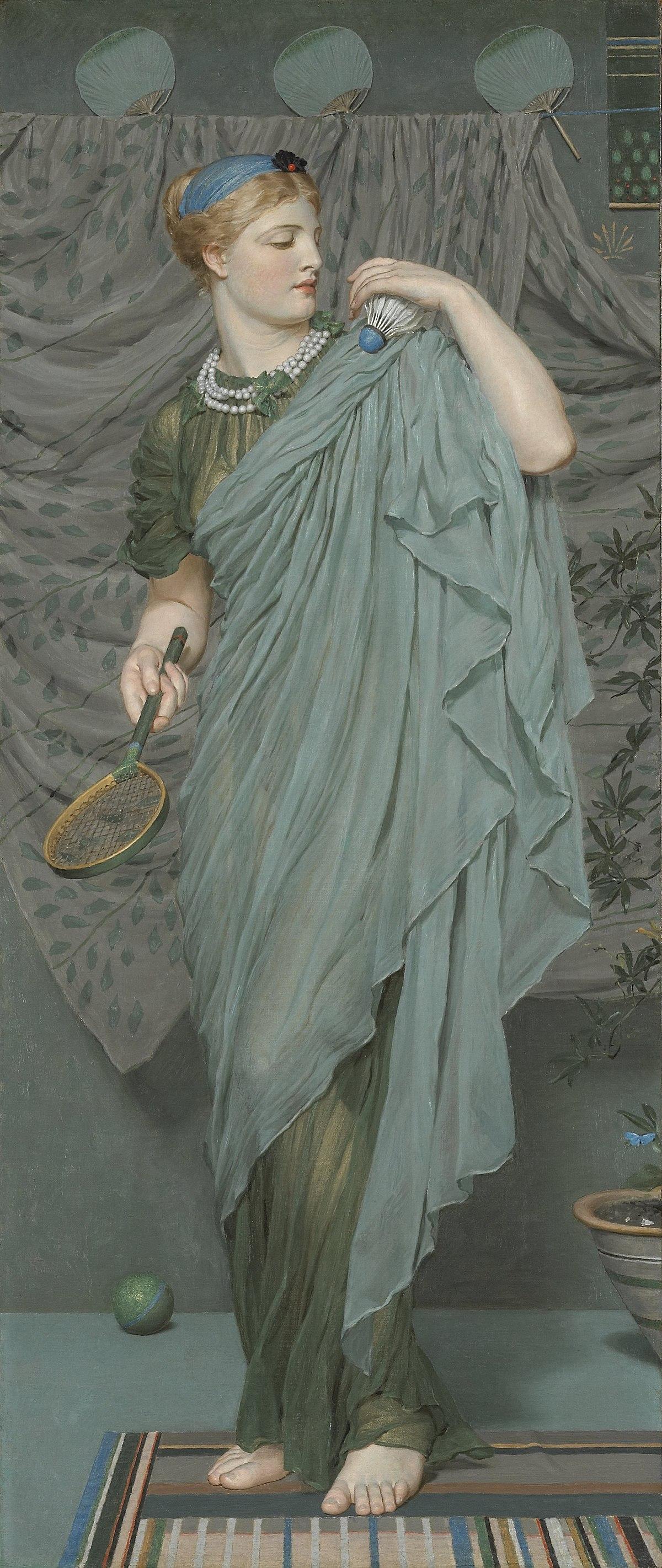
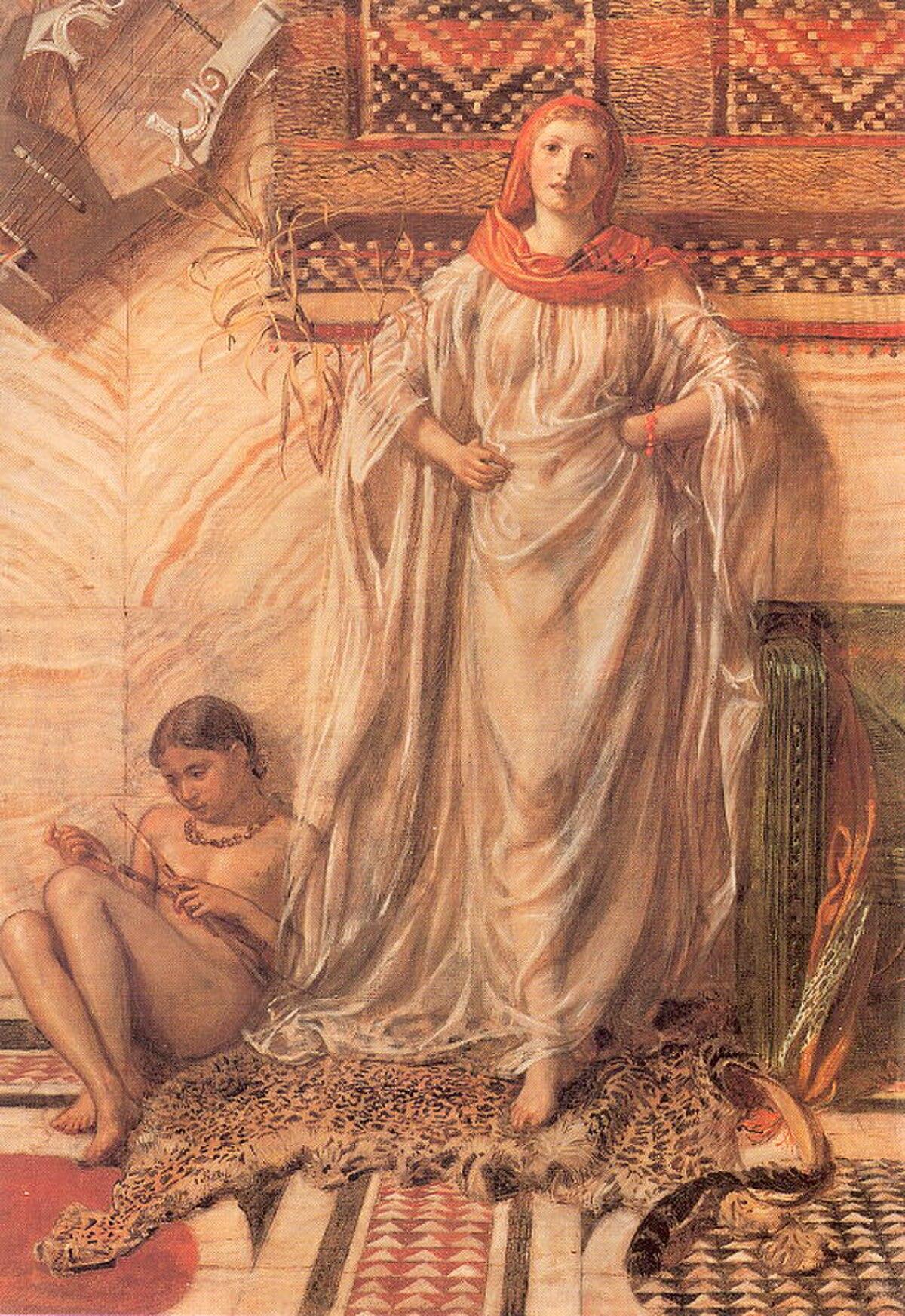
More by Albert Joseph Moore
View all →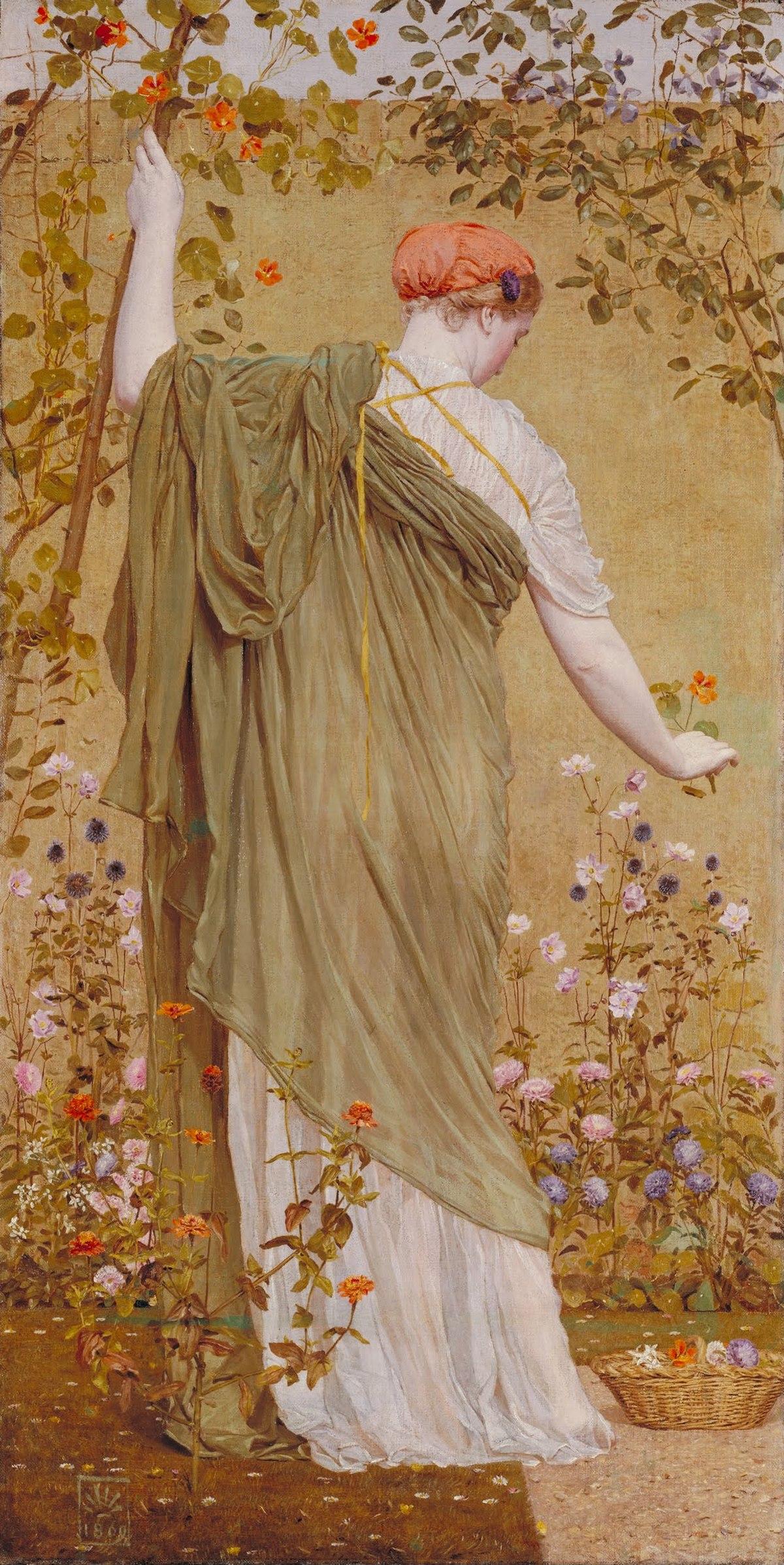
Also at Tate Modern, London
View all →M
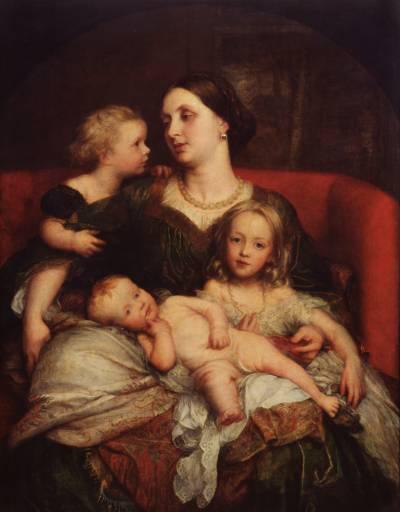
Mrs George Augustus Frederick Cavendish Bentinck and her Children
George Frederick Watts
Tate Modern, London, London
Sculpture
L
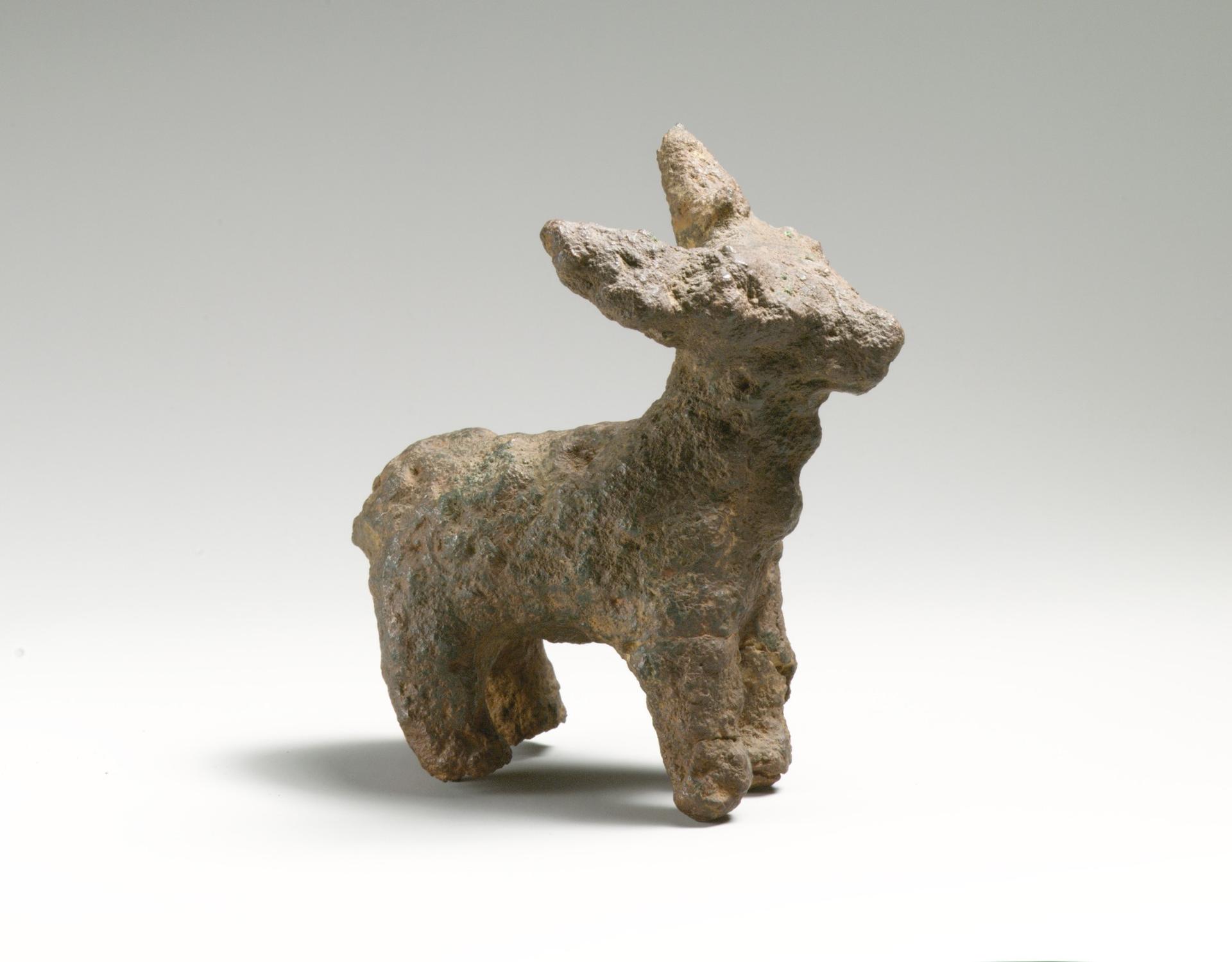
Lightning with Stag in its Glare
Joseph Beuys, 1985
Tate Modern, London, London
Sculpture
L

Lobster Telephone
Salvador Dalí, 1936
Tate Modern, London, London
N
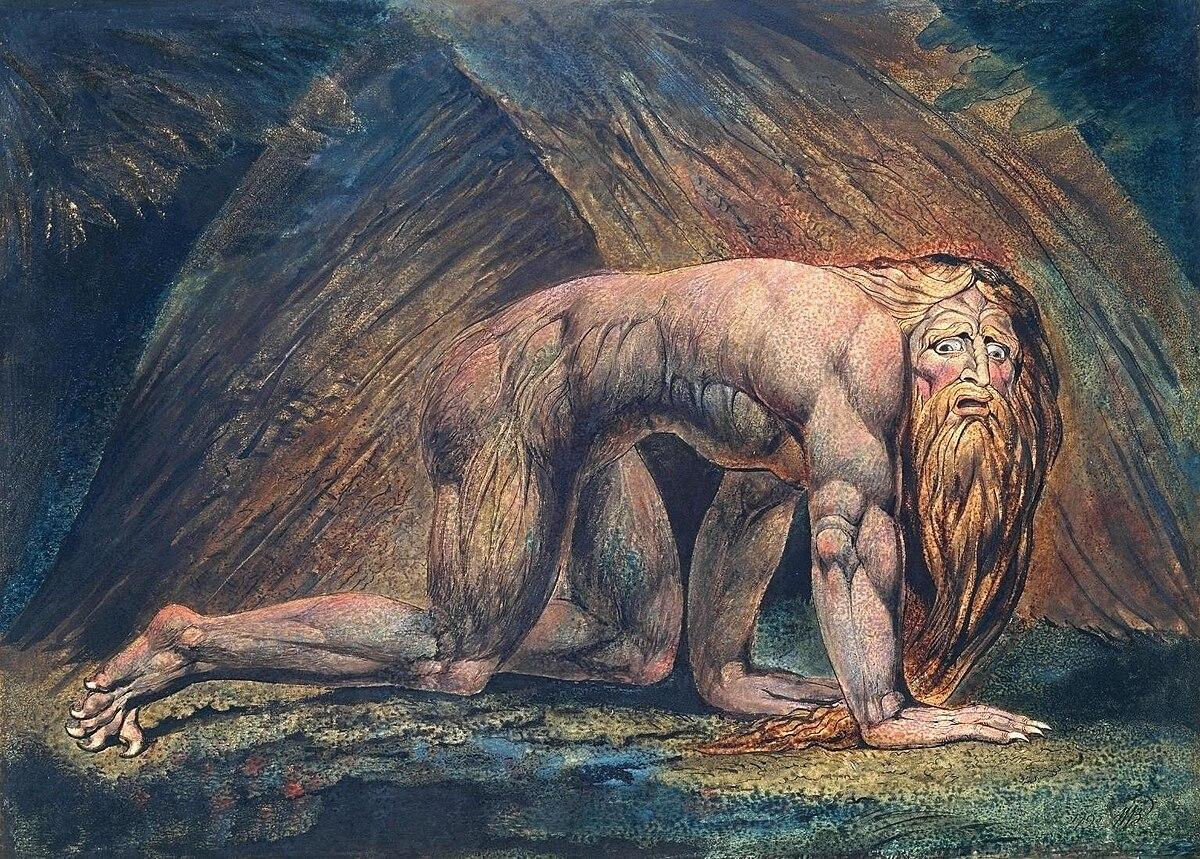
Nebuchadnezzar
William Blake
Tate Modern, London, London
Related Works
Works that share an artist, movement, museum, genre, palette or theme with A Sleeping Girl.
- Same artist
- Same movement
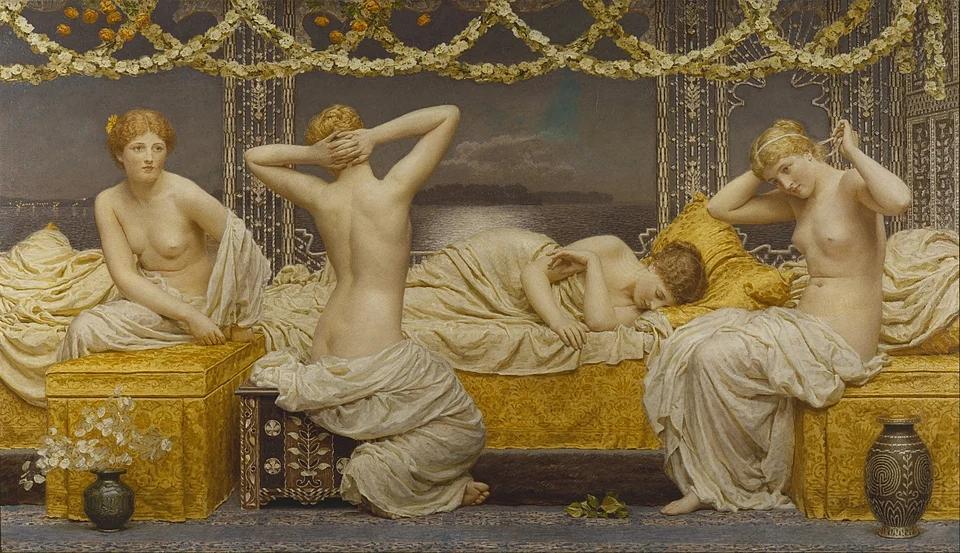
A Summer Night
Albert Joseph Moore, 1890
- Same artist
- Same movement
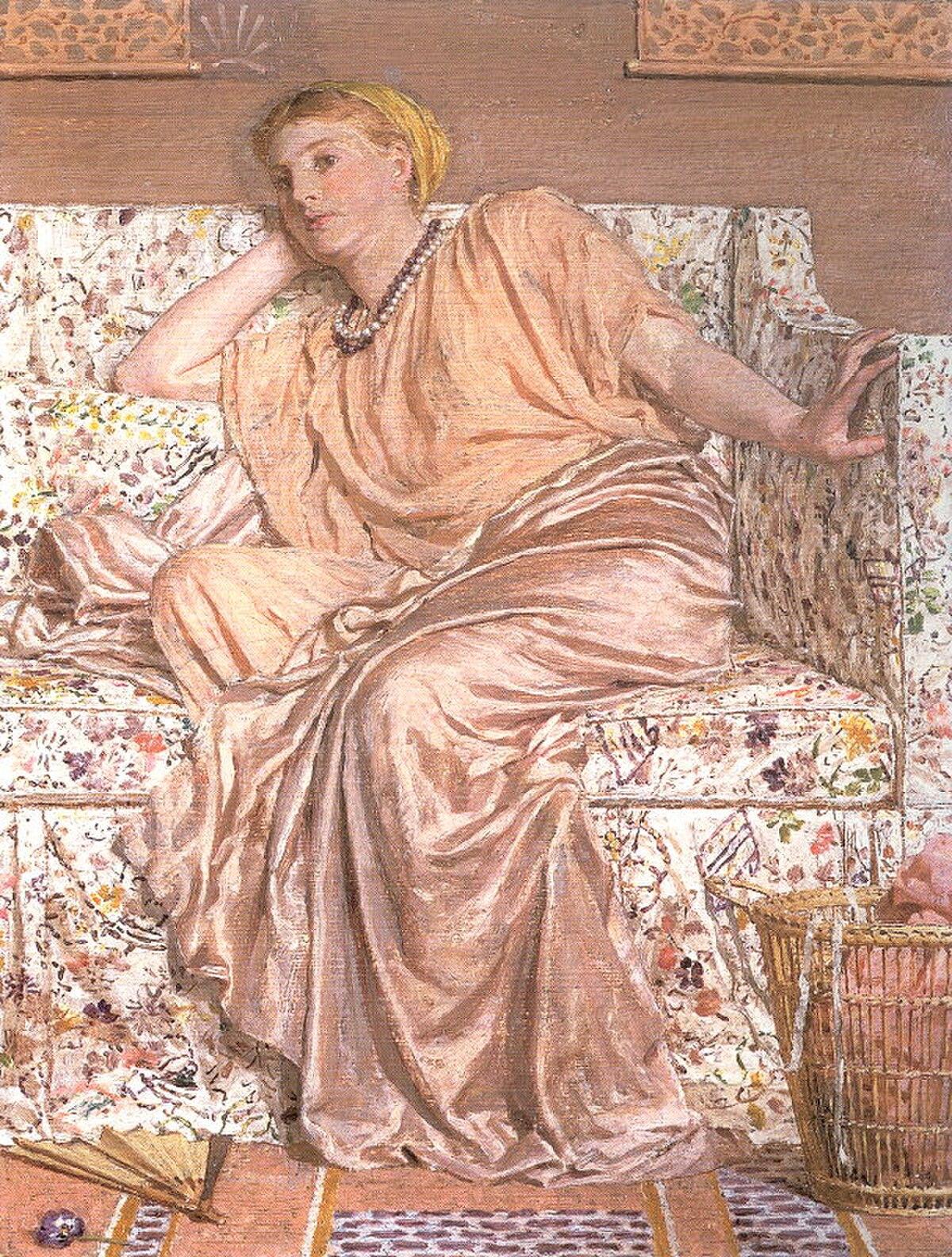
Pansies
Albert Joseph Moore
- Same artist
- Same movement
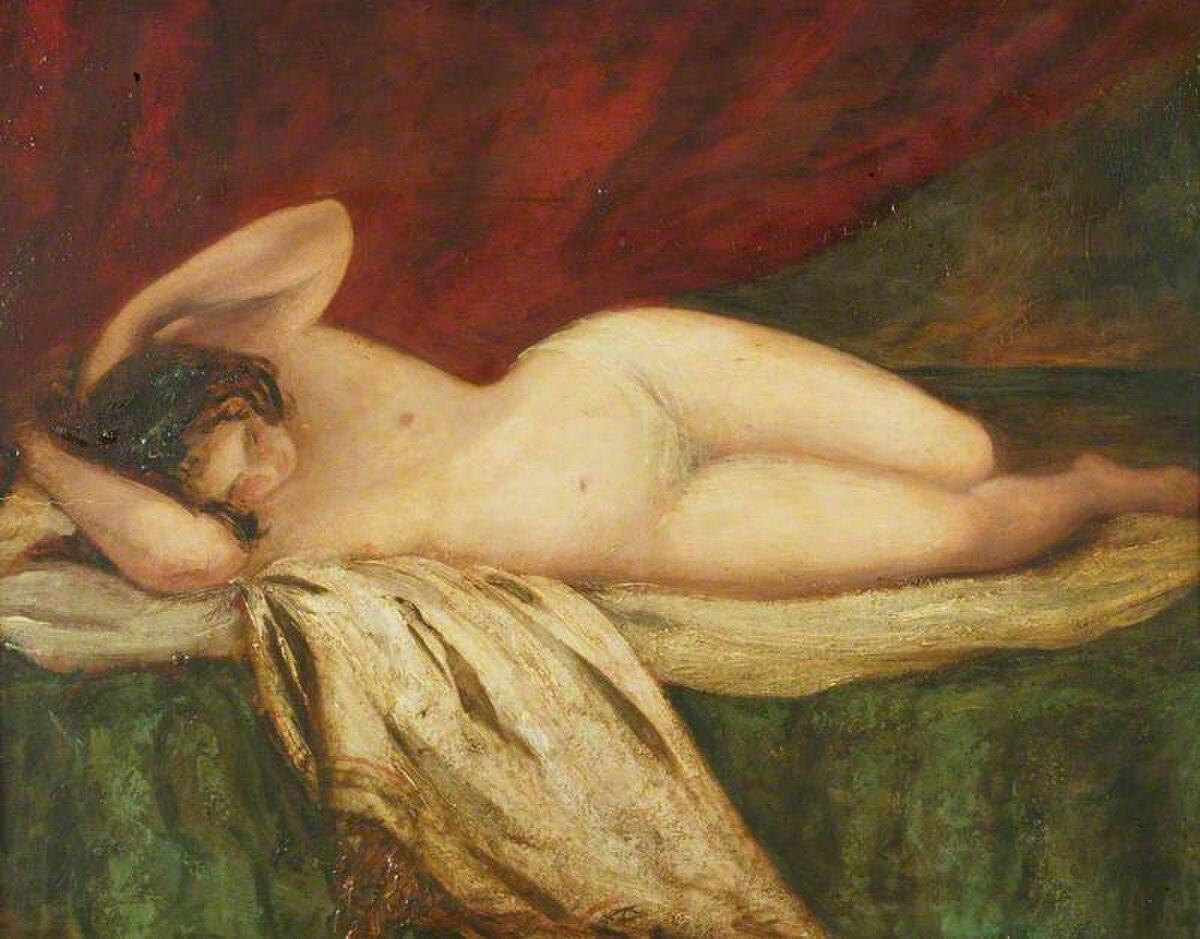
Reclining Model
Albert Joseph Moore
- Same movement
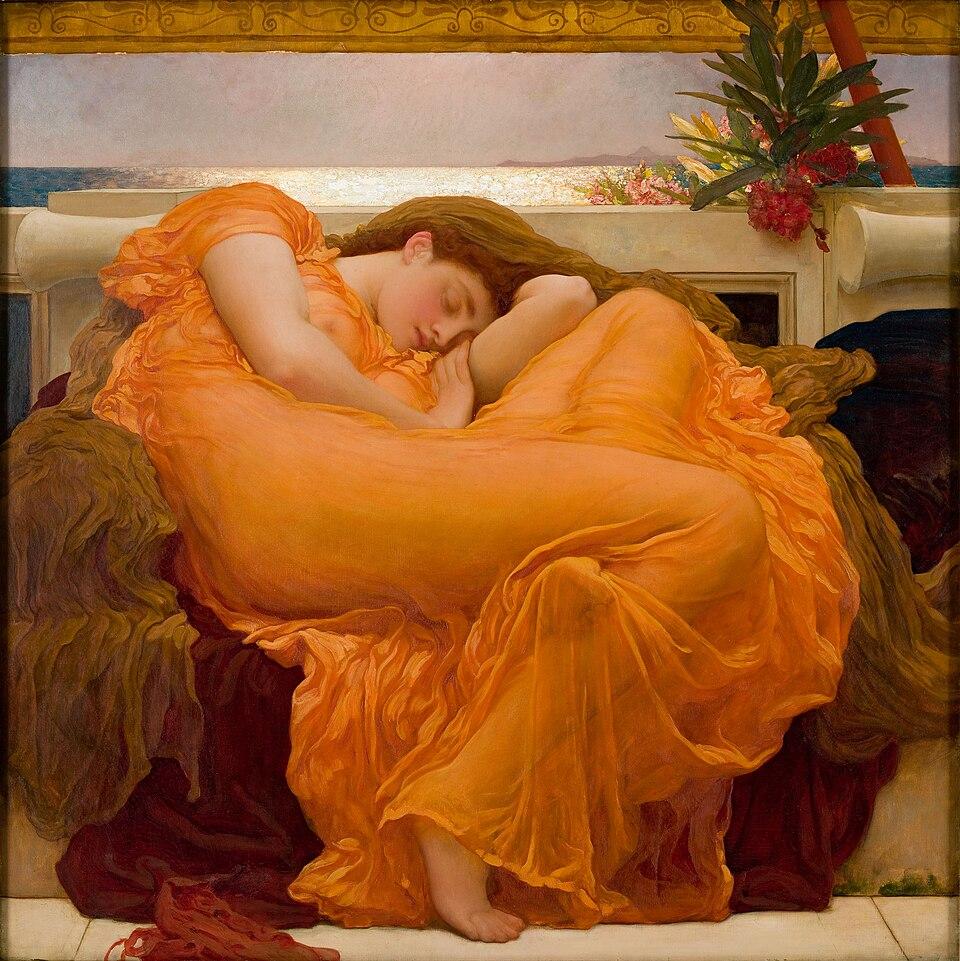
Flaming June
Frederic Leighton, 1895
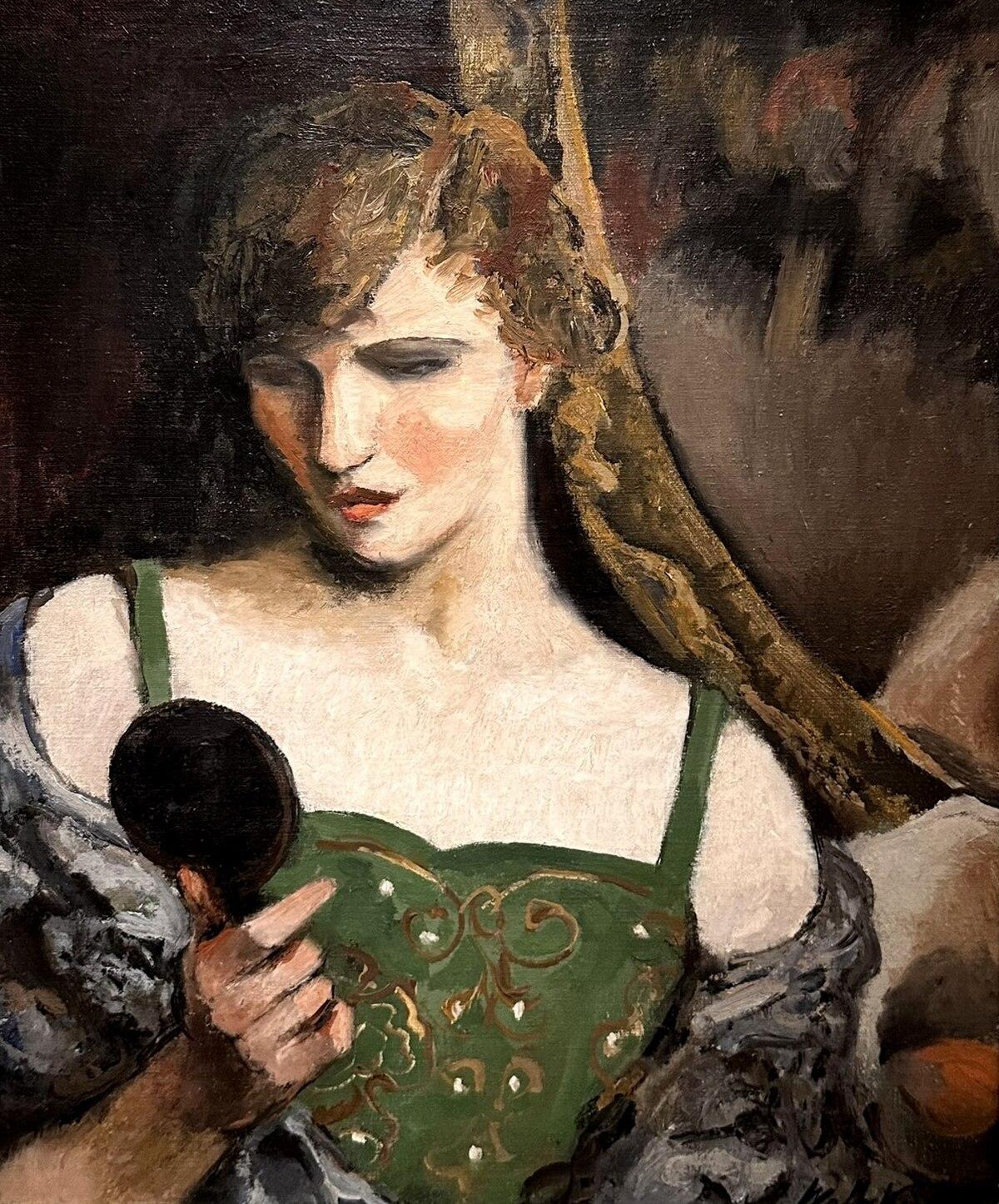
- Same movement
Girl with a Mirror
John William Godward
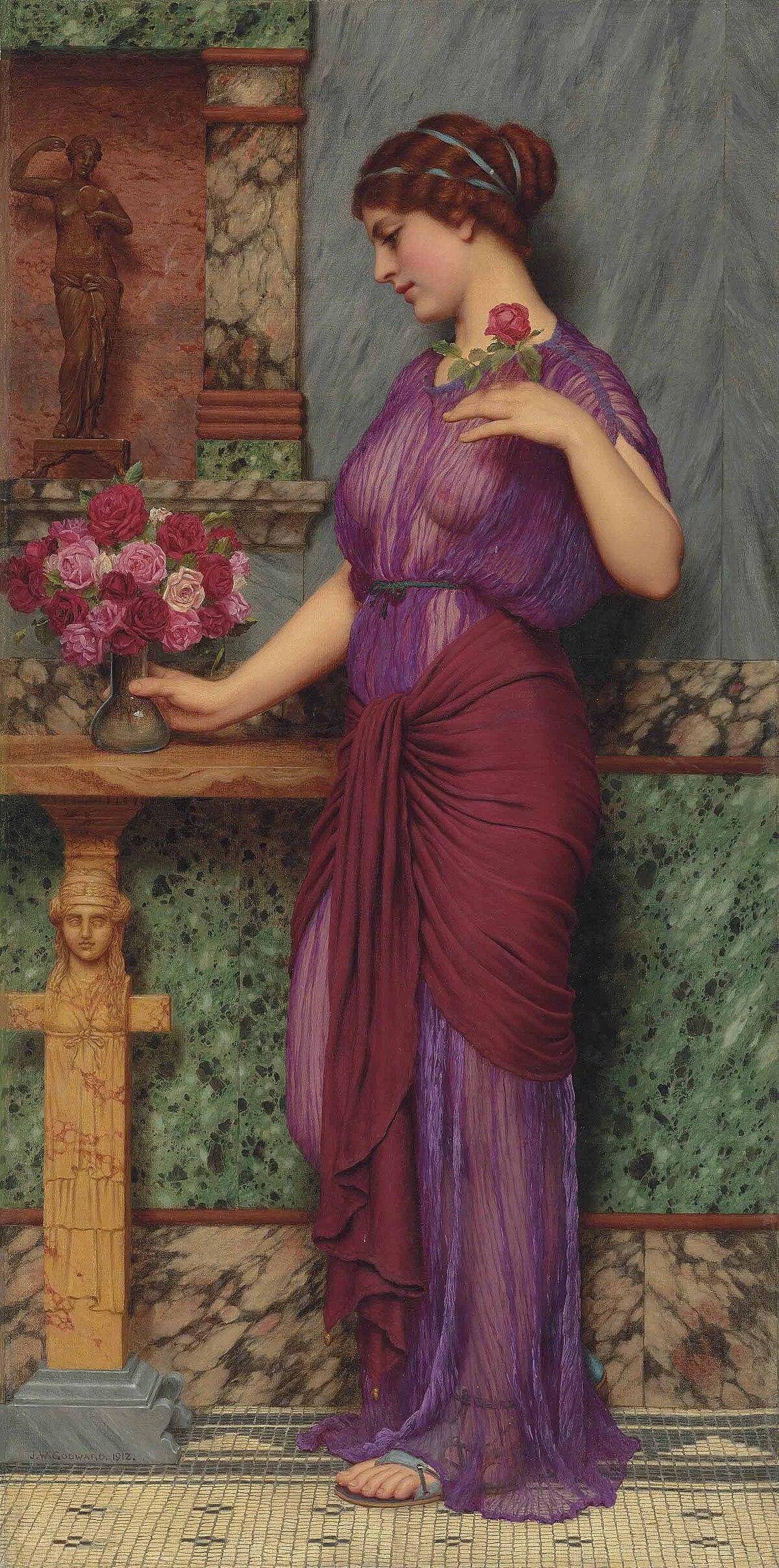
- Same movement
The Flowers of Venus
John William Godward
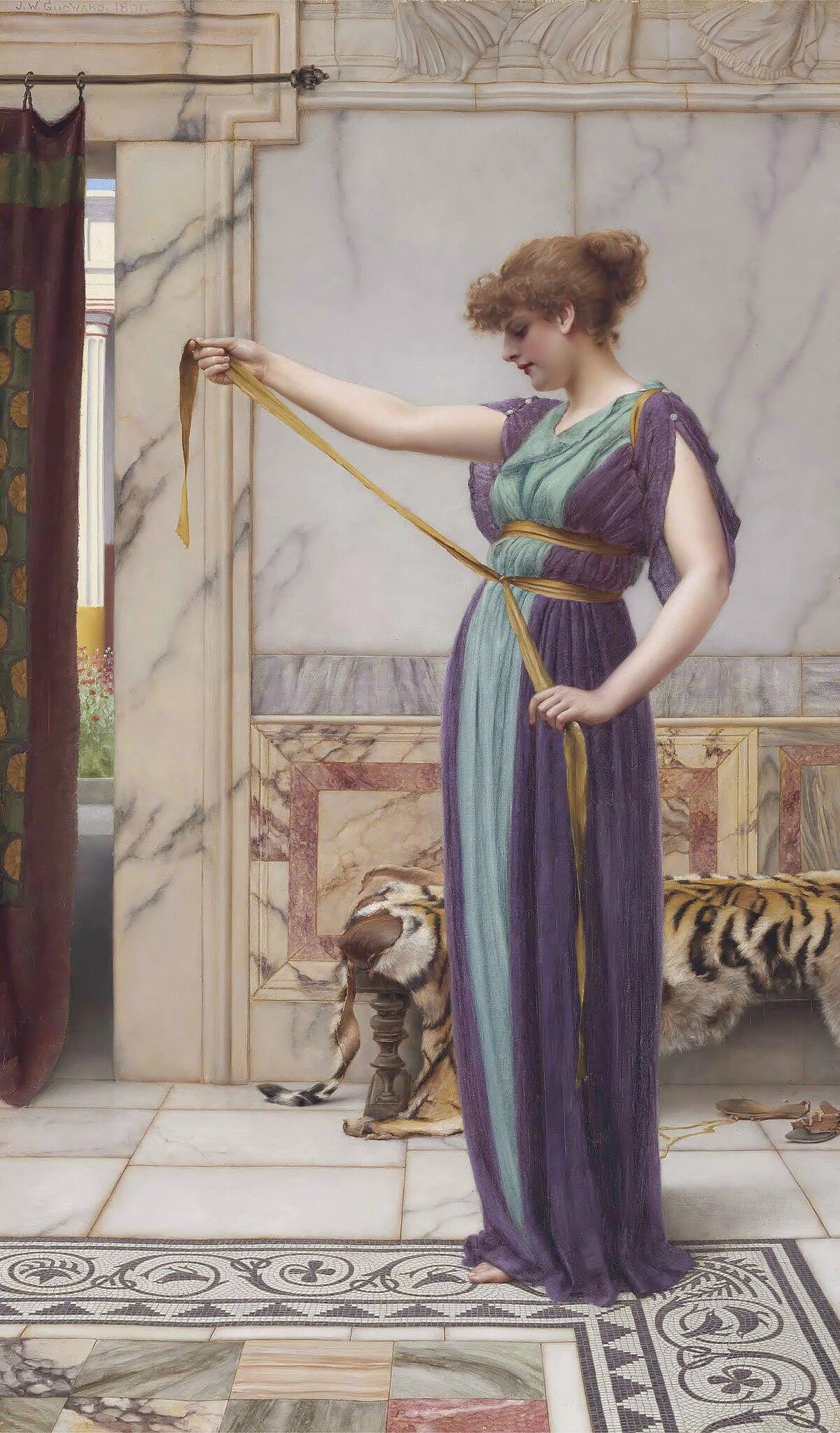
- Same movement
A Pompeian Lady
John William Godward
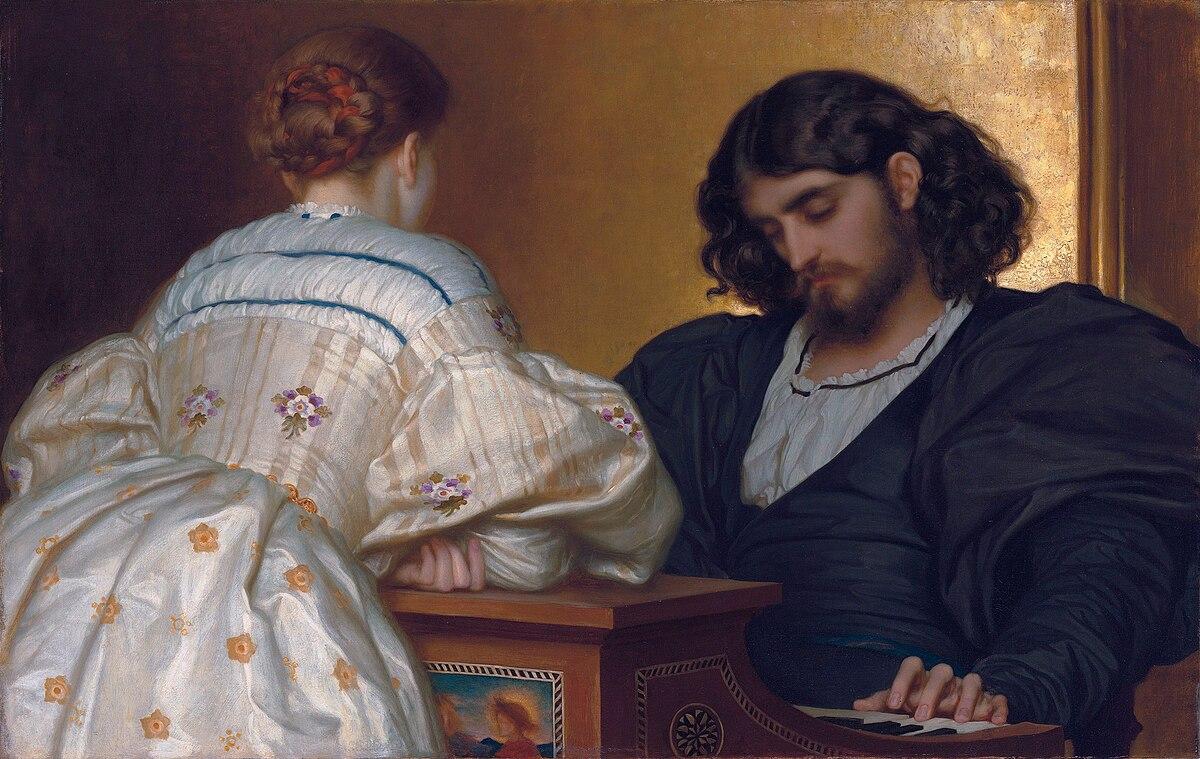
- Same movement
The Golden Hours
Frederic Leighton
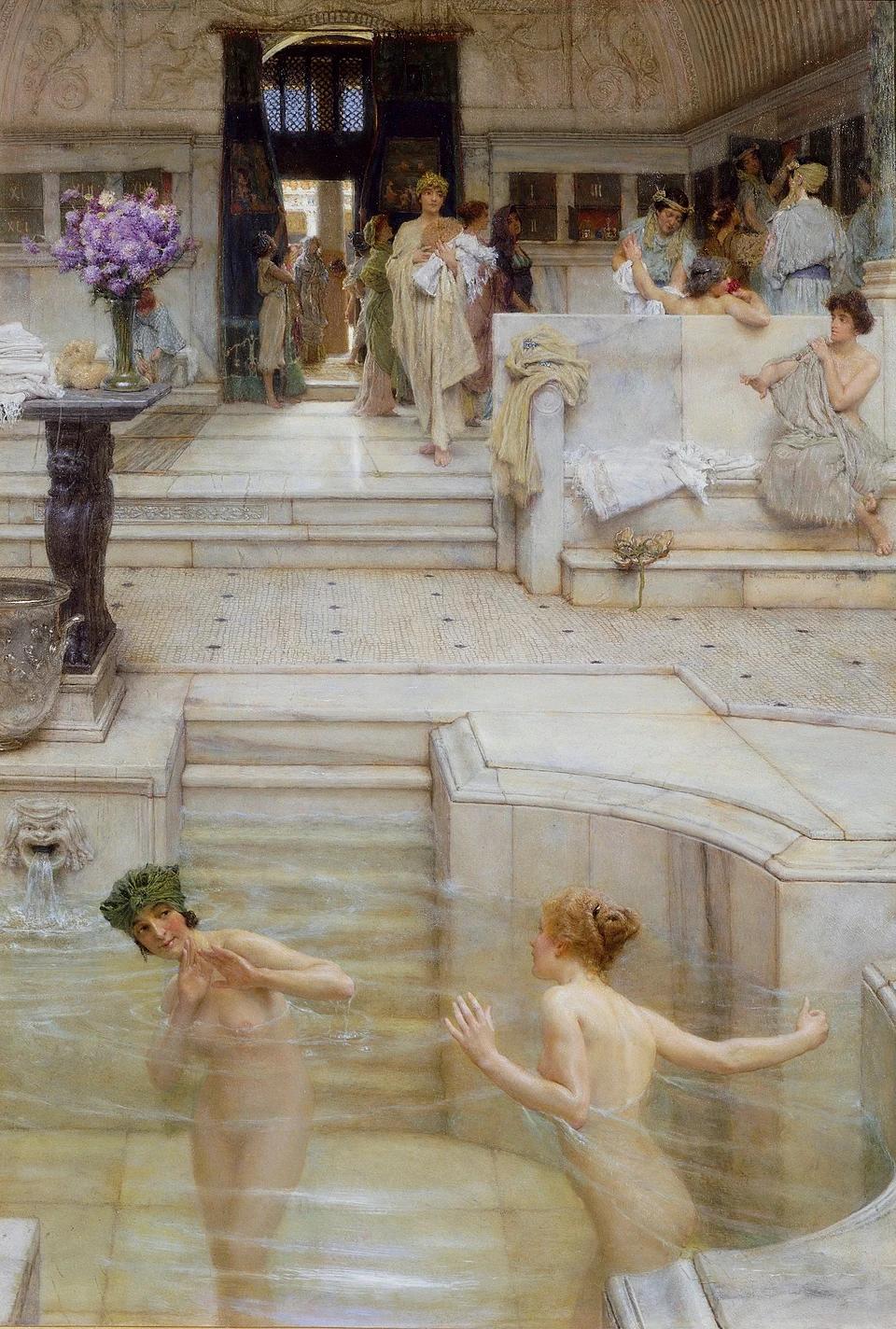
- Same movement
A Favorite Custom
Lawrence Alma-Tadema, 1909
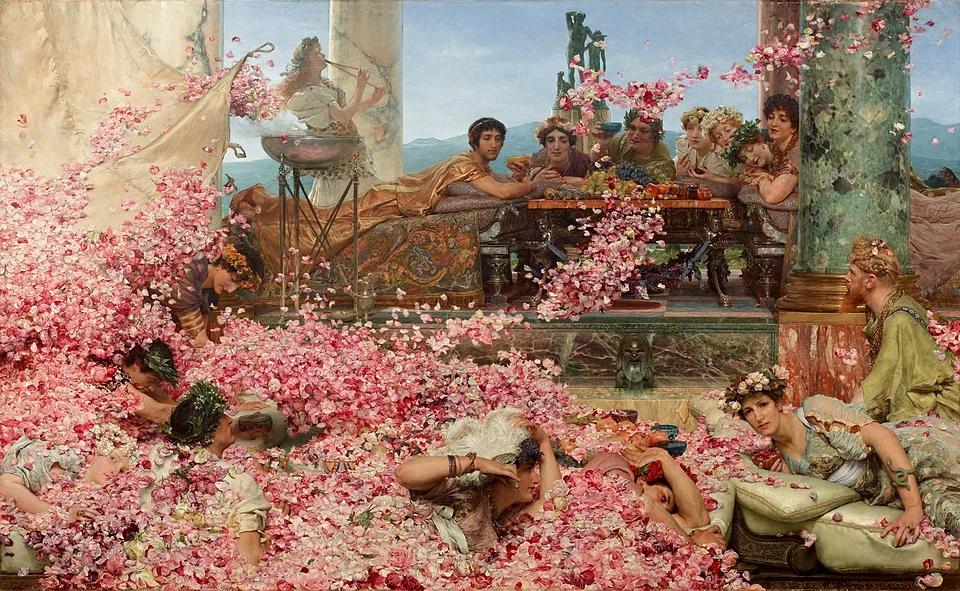
- Same movement
The Roses of Heliogabalus
Lawrence Alma-Tadema, 1888
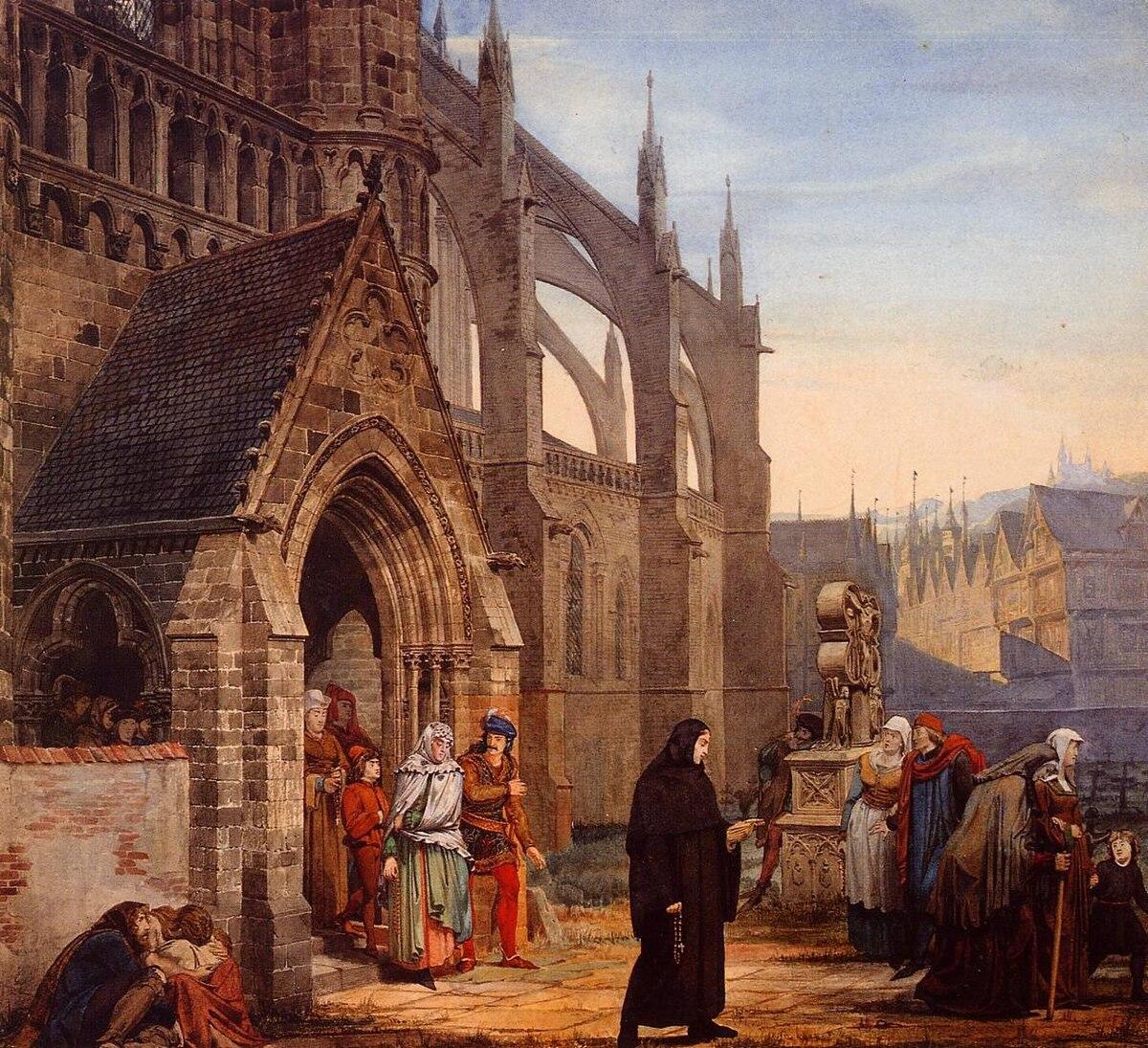
- Same movement
Faust and Marguerite
Lawrence Alma-Tadema
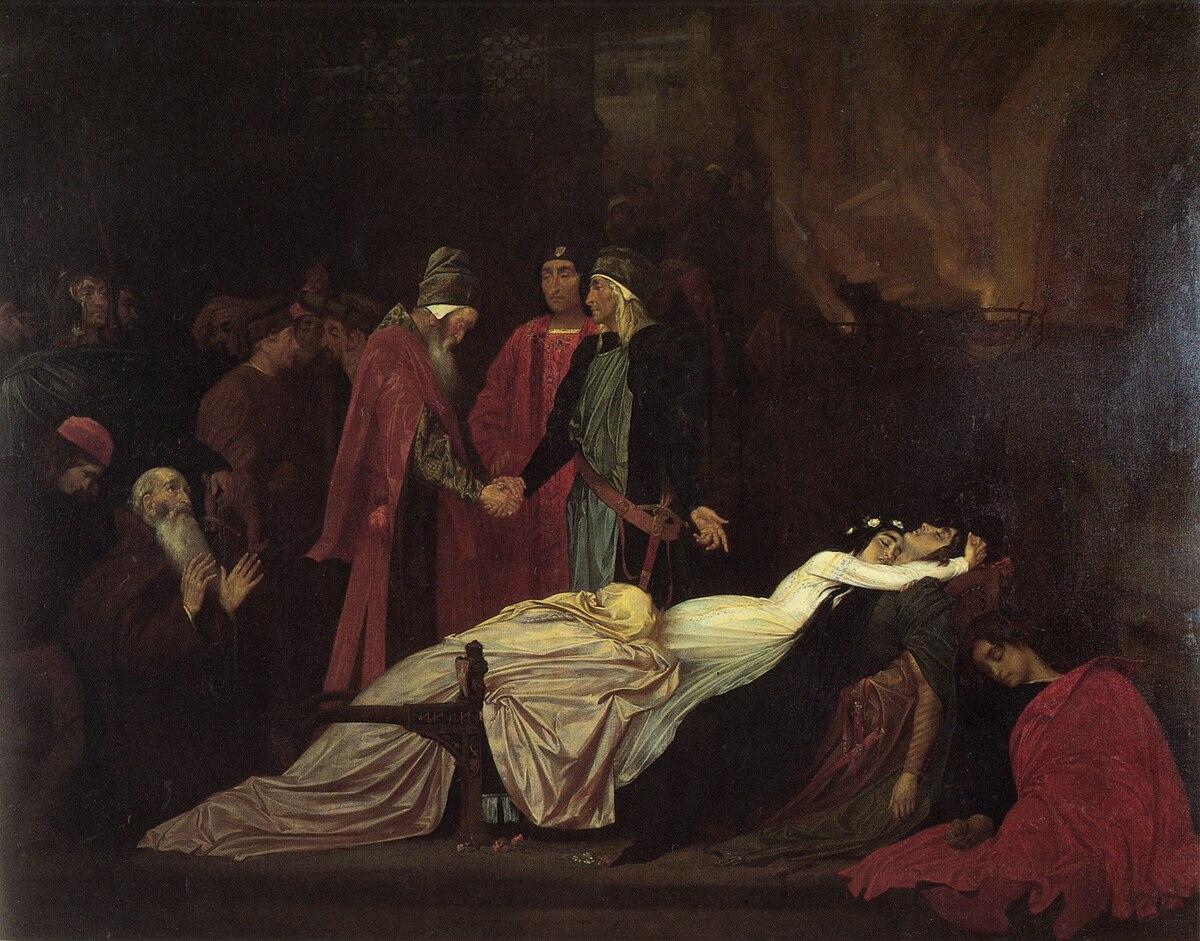
- Same movement
The Reconciliation of the Montagues and Capulets
Frederic Leighton
About A Sleeping Girl
The work at Tate Britain in London. It measures 308 x 225 cm and dates to around 1875. Albert Joseph Moore painted A Sleeping Girl around 1875, depicting a young woman in peaceful repose on a daybed.
Moore was a leader of the Aesthetic Movement, which valued beauty and visual harmony over subject matter or moral lessons It's held at Tate Modern, London.
A young woman sleeps peacefully on a daybed. Moore emphasized color harmony and classical drapery rather than telling a story You can see it at Tate Modern, London.
Own Art Like This
Luxury wall art with the same mood and energy. Gallery-quality canvas, no museum crowds.
Browse Collection