Wikimedia Commons • Public Domain
Polyptych of St. Luke
Artwork Details
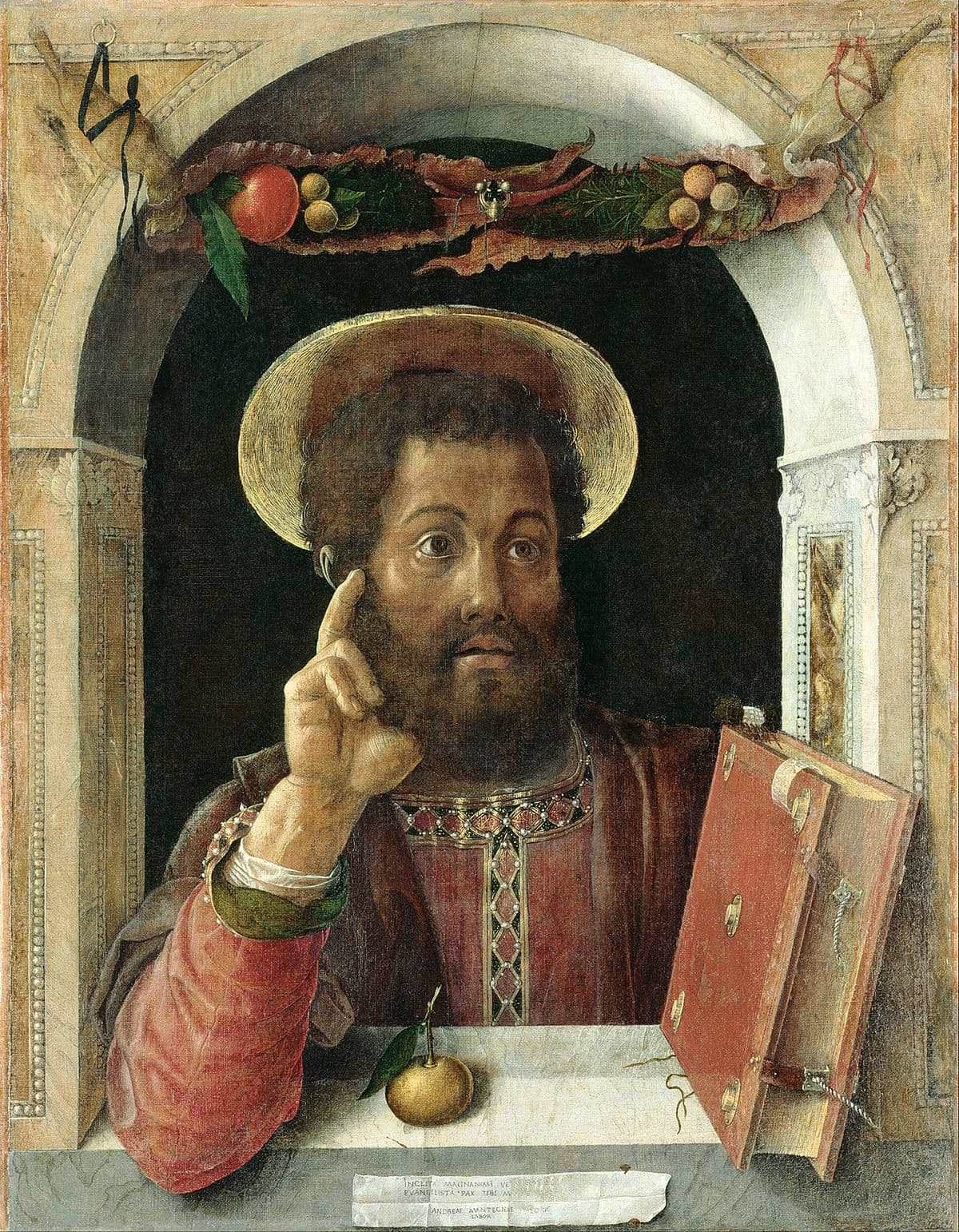
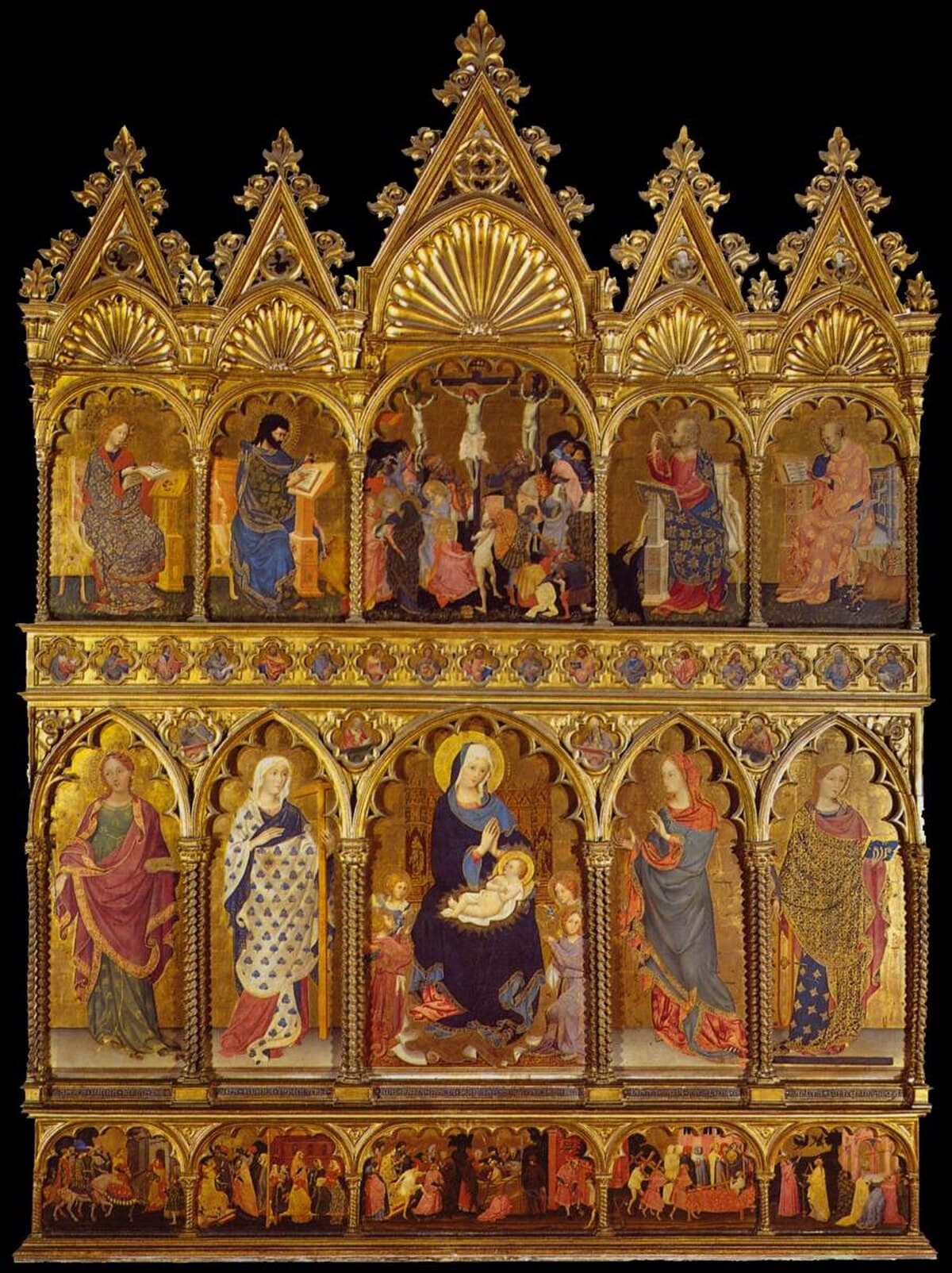
Andrea Mantegna rendered this altarpiece between 1453 and 1455 for the chapel dedicated to Saint Luke in the Benedictine Church of Santa Giustina in Padua. He was about twenty-two years old and newly married to Nicolosia Bellini, sister of Giovanni Bellini. The commission came during a period of intense artistic dialogue between the two brothers-in-law.
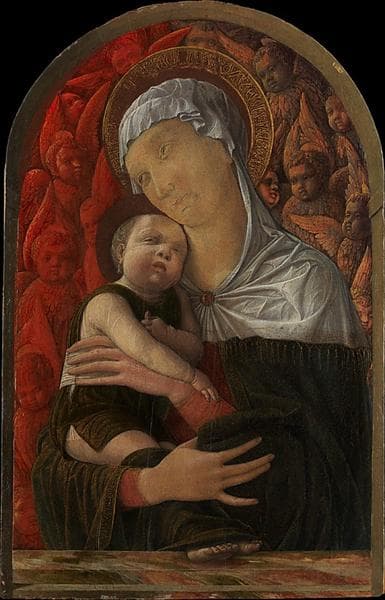
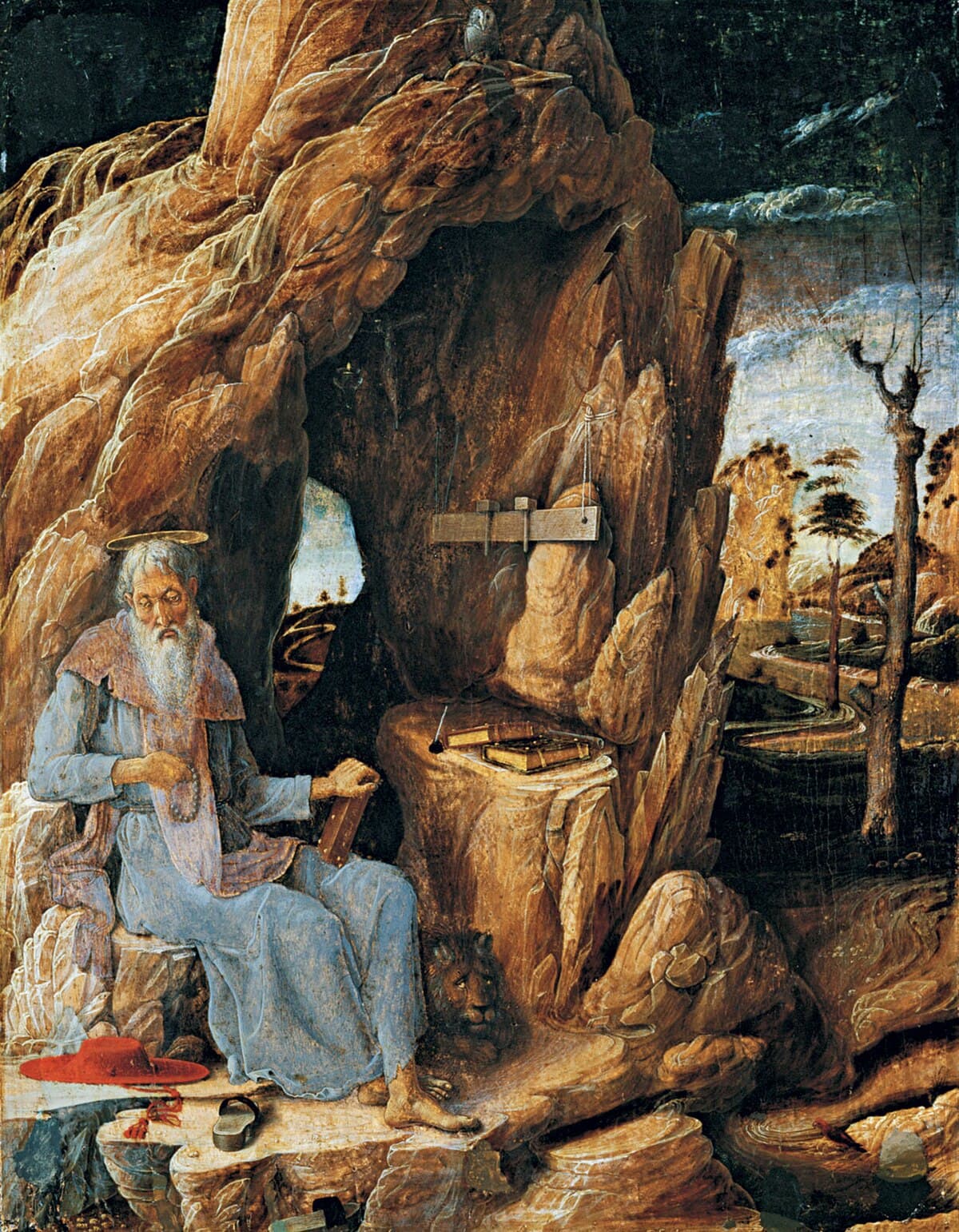
The polyptych consists of twelve panels depicting saints arranged in two registers. The main compartment shows Saint Luke in a "heroic" manner, portrayed as a modern intellectual absorbed in his work. The upper tier features Christ, the Virgin Mary, and key saints including Jerome, Augustine, and Sebastian. The gold backgrounds reflect Byzantine influence while the precise anatomical modeling shows emerging Renaissance naturalism.
A lightning strike in the 17th century destroyed the original wooden frame bearing Mantegna's signature. The altarpiece was removed during Napoleonic suppressions in 1797 and transferred to the Pinacoteca di Brera in Milan, where it measures approximately 177 by 230 cm overall.