Wikimedia Commons • Public Domain
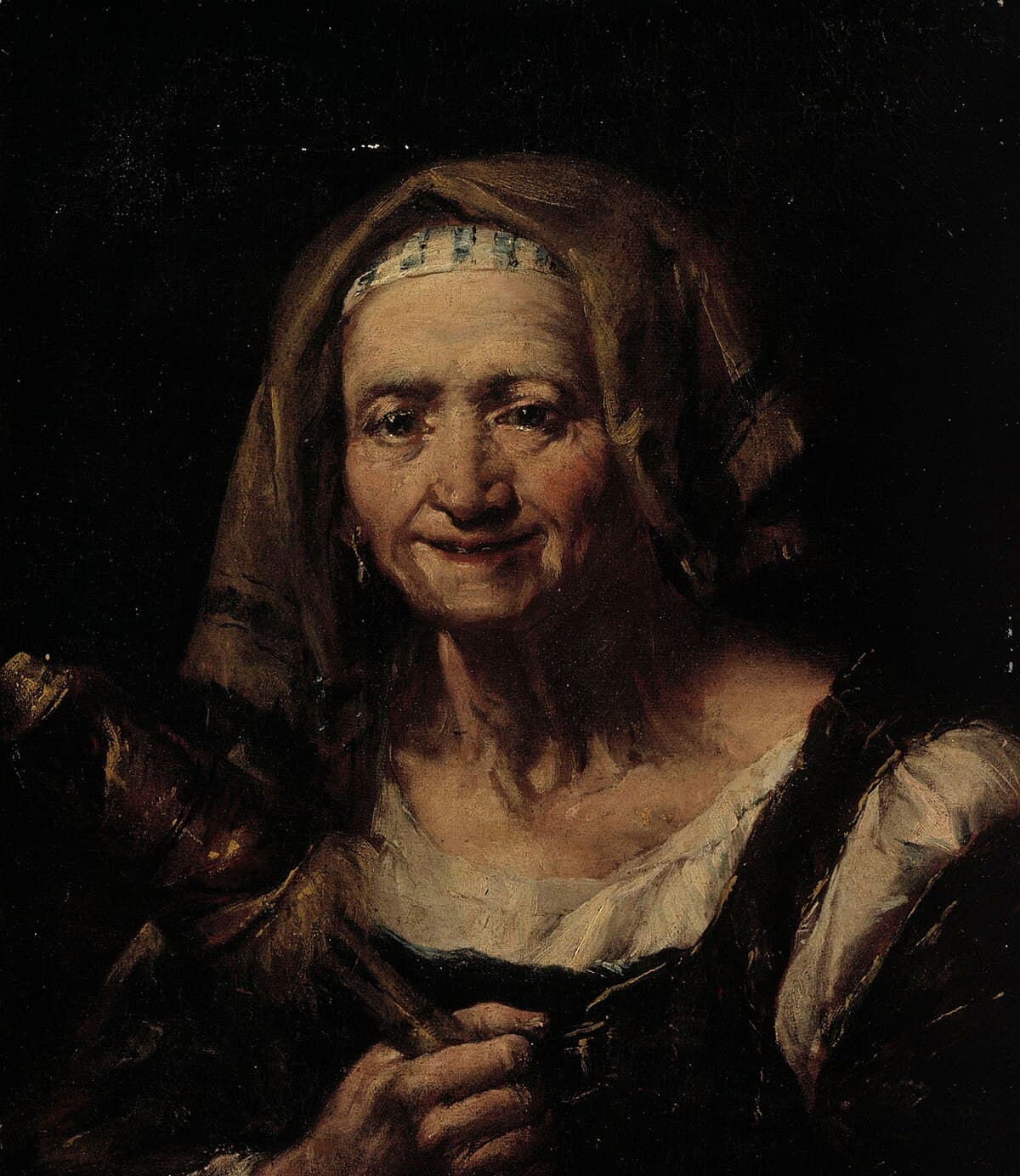
Old Woman with Distaff
Artwork Details
Cite or Embed This Work
APA · MLA · Chicago1-click academic citation and embeddable “On View” museum badge for articles, syllabi, and research.
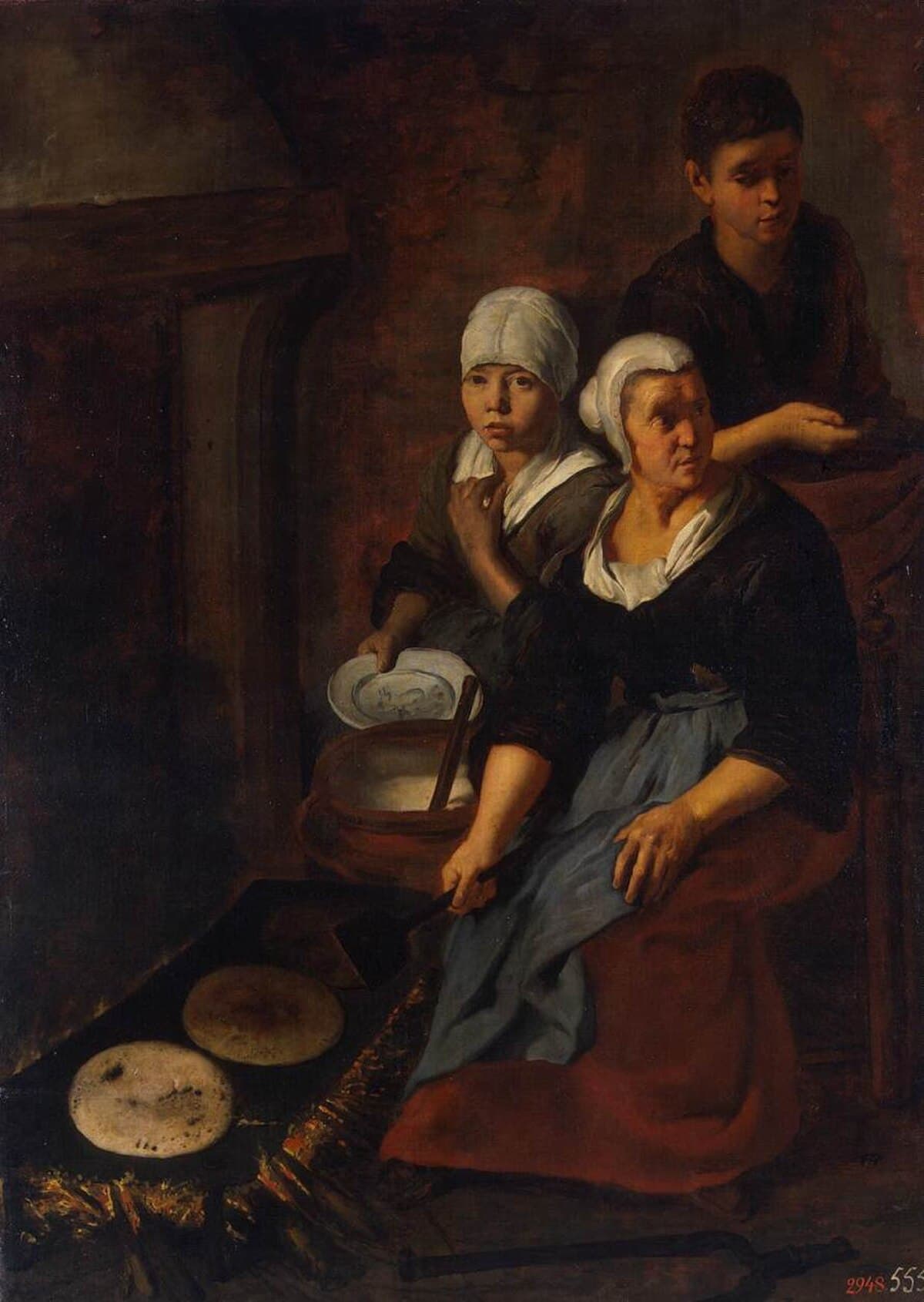
Bartolomé Esteban Murillo rendered this Old Woman with Distaff around 1642, depicting an elderly woman holding the tool used to spin fibers into thread. This early work shows Murillo exploring genre subjects before he became primarily known for his religious paintings. The distaff was a common household implement, representing domestic labor and humble daily life in 17th-century Seville.
Murillo (1617-1682) became the most celebrated Spanish painter of his generation, famous for his soft style and religious subjects. But his early career included genre scenes depicting the lower classes of his native Seville. These paintings captured street children, vendors, and working people with a sympathetic eye that set them apart from purely religious work.
The painting demonstrates Murillo's early command of Baroque technique, with warm lighting and careful attention to texture. It's executed in oil on canvas and hangs today at the Museo del Prado in Madrid, alongside the artist's more famous religious major works. The work represents the tradition of Spanish genre painting that Murillo helped establish alongside Diego Velázquez, capturing ordinary people with dignity and skill.