Wikimedia Commons • Public Domain
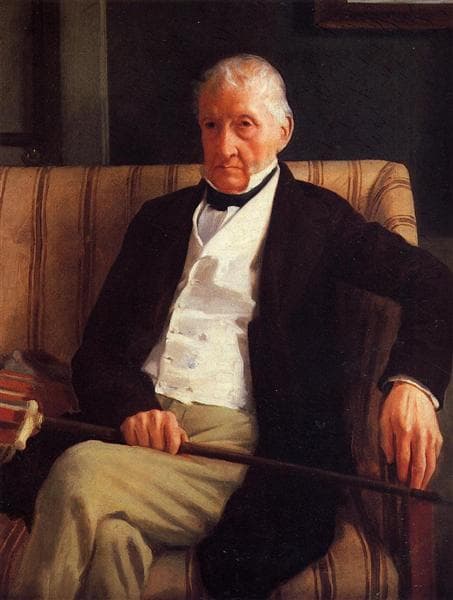
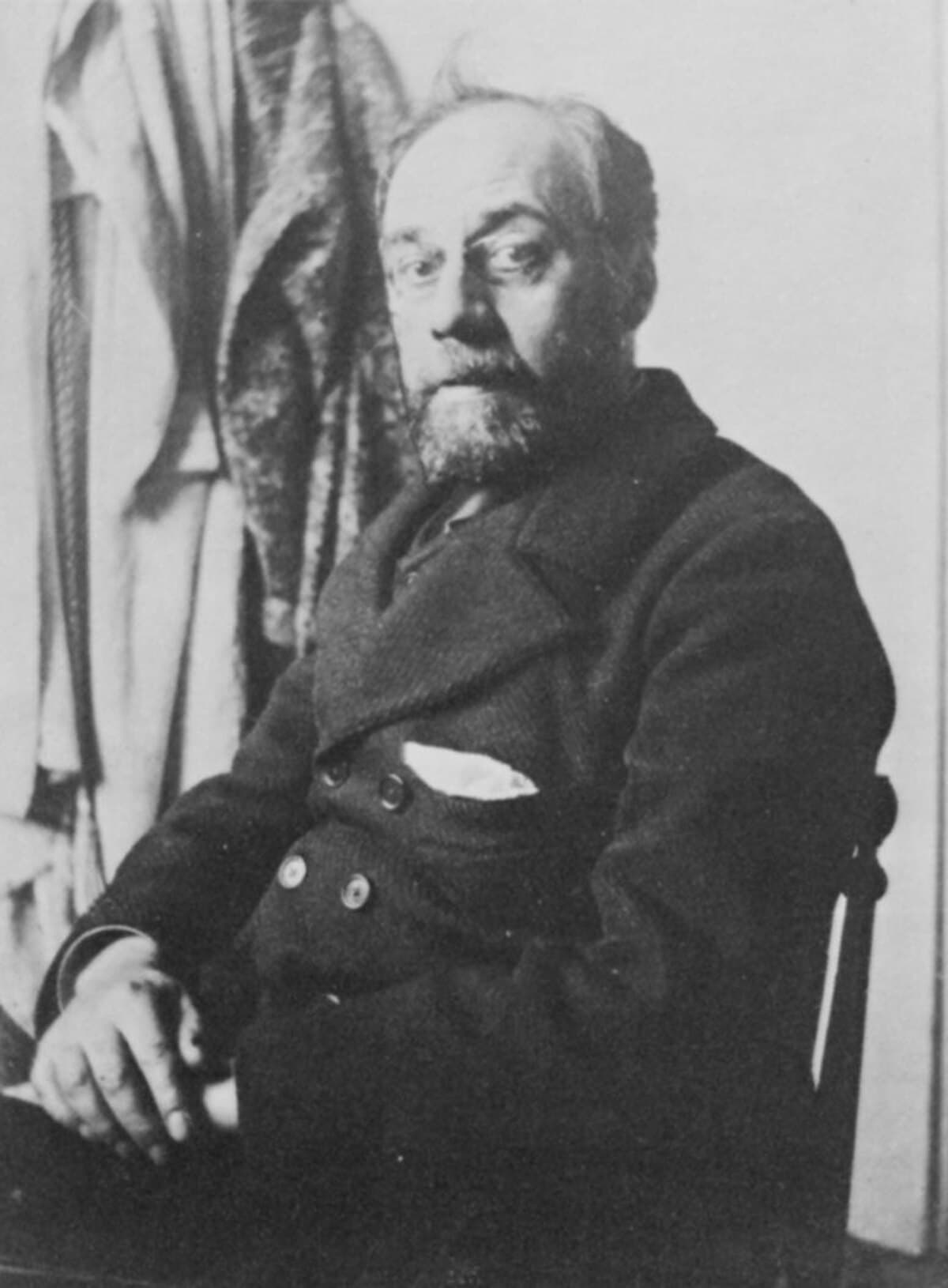
Portrait of Rene De Gas
by Edgar Degas
GenrePortrait
Artwork Details
Cite or Embed This Work
APA · MLA · Chicago1-click academic citation and embeddable “On View” museum badge for articles, syllabi, and research.
French artist Edgar Degas painted and drew his younger brother René many times throughout their lives. René was the youngest of five siblings, born in 1845, ten years after Edgar. In 1855, Degas painted one of his earliest major works showing René with an inkwell, a composition now at the Smith College Museum.
The brothers had a complicated relationship. After their father Augustin died in 1874, Edgar discovered that René had accumulated enormous business debts. To preserve the family's reputation, Edgar sold his house and an inherited art collection to pay off his brother's obligations. This sacrifice forced him to depend on selling his own work for the first time.
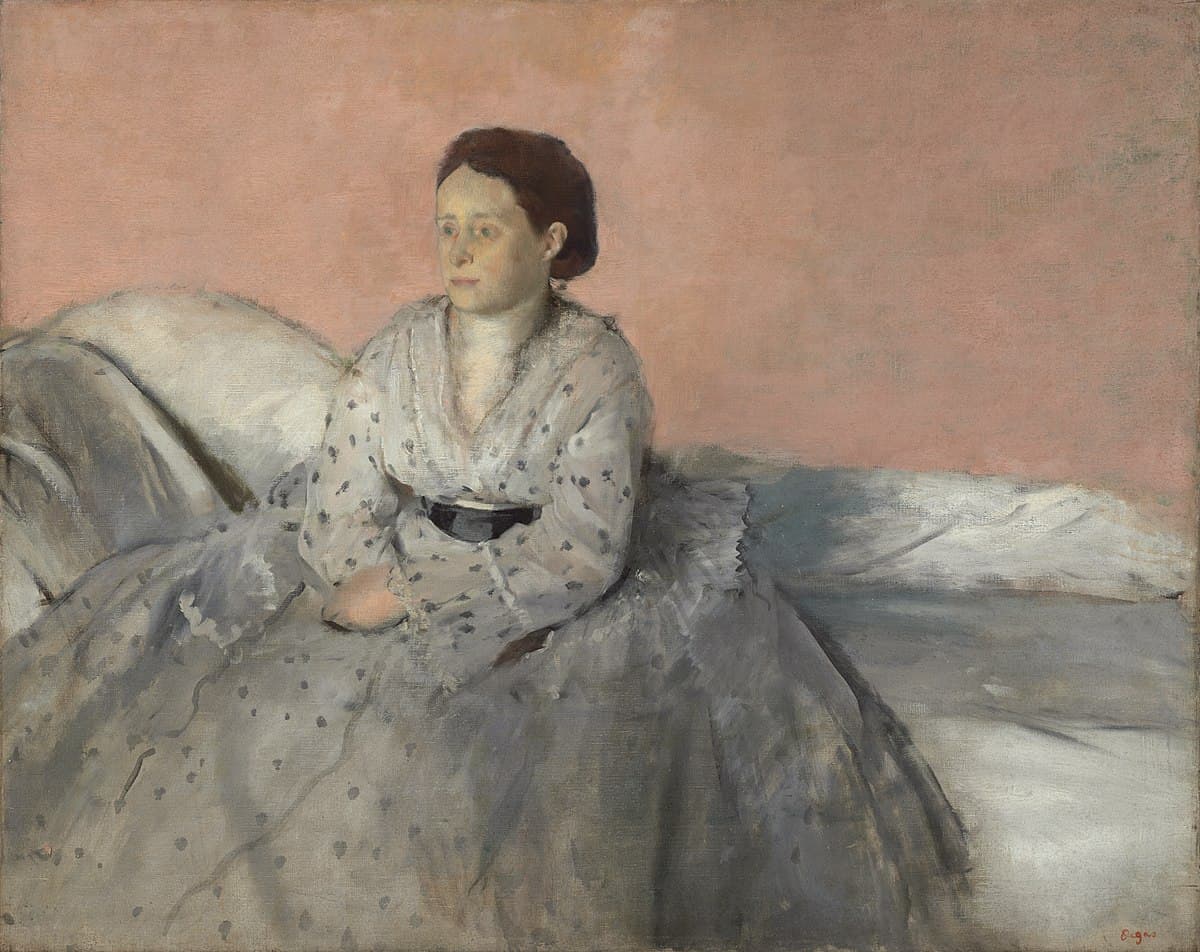
René moved to New Orleans, where he married their cousin Estelle Musson. Degas visited them there in 1872, producing some of his finest family portraits during the stay. But in 1878, René abandoned his blind wife and children to follow a mistress. Edgar could never forgive this betrayal, and the brothers remained estranged.
Despite the later falling out, Degas's early portraits of René show genuine affection. The drawings and paintings from the 1850s and early 1860s capture a beloved younger sibling during more innocent times. Creating portraits of friends and family remained central to Degas's artistic practice throughout his career.