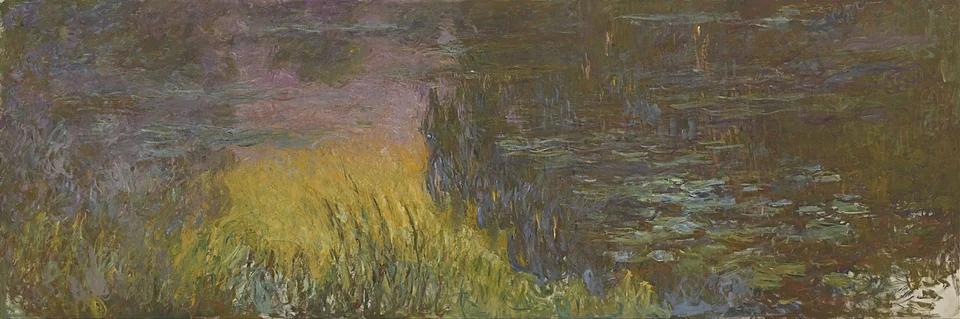
Water Lilies (Nymphéas)
by Claude Monet, 1926
Artwork Details
Details
- Year
- 1926
- Medium
- Oil on canvas
- Size
- Various panels
Cite or Embed This Work
APA · MLA · Chicago1-click academic citation and embeddable “On View” museum badge for articles, syllabi, and research.
Claude Monet spent three decades, from the 1890s until his death in 1926, creating his Water Lilies series. The eight monumental panels at the Musée de l'Orangerie in Paris represent the culmination of this obsessive project. Each panel stands 2 meters tall, and together they span 91 meters across two oval rooms.
Monet donated these works to France as a symbol of peace the day after the Armistice of November 11, 1918. He worked closely with architect Camille Lefèvre to design the display space, which forms the shape of an infinity symbol. Natural skylights illuminate the paintings as Monet intended, with sunrise scenes facing east and sunset scenes facing west.
The installation covers 200 square meters of painted surface. André Masson called it the "Sistine Chapel of Impressionism" in 1952. Monet drew inspiration from his water garden at Giverny, where he cultivated water lilies specifically for his paintings.
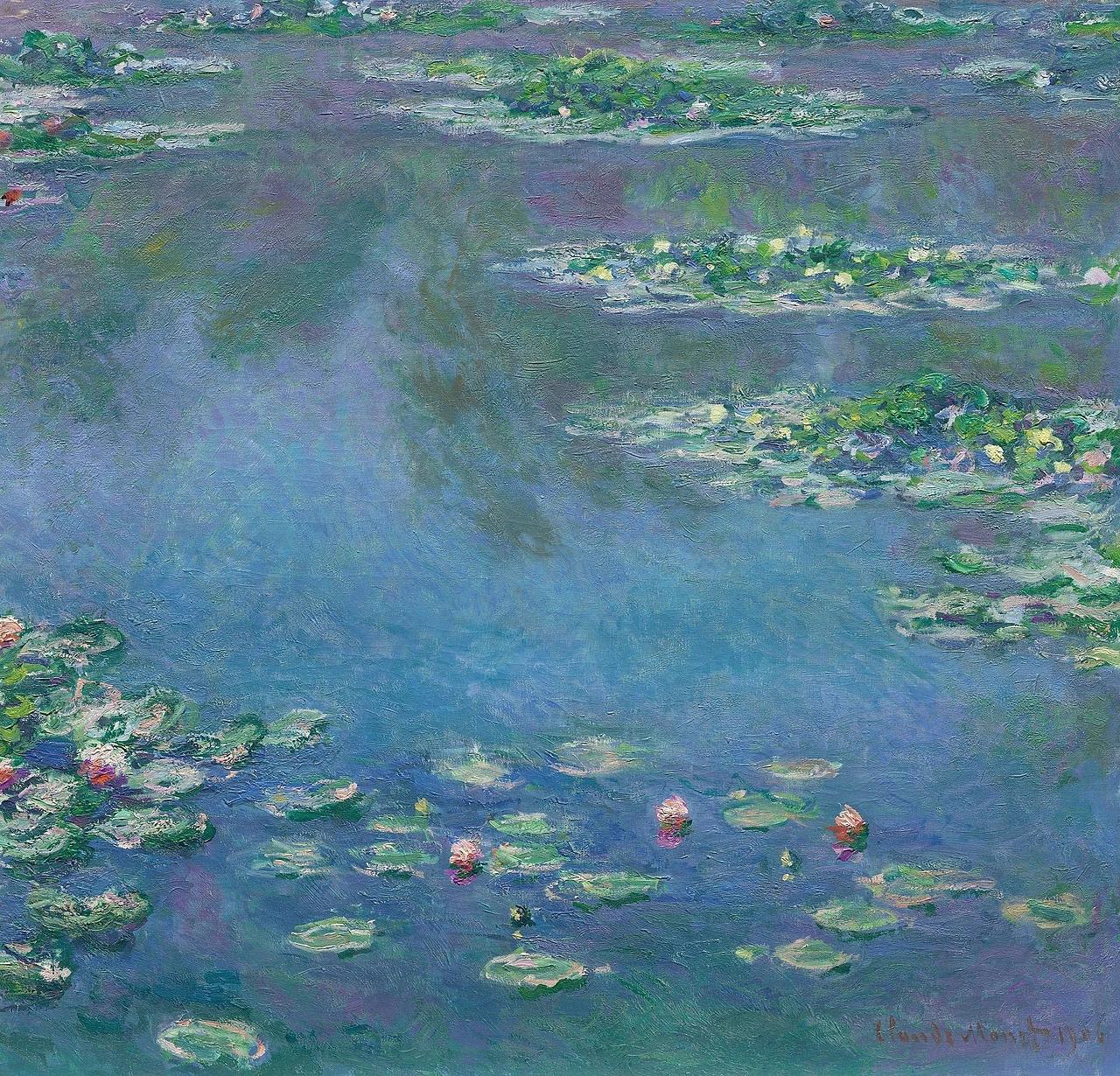
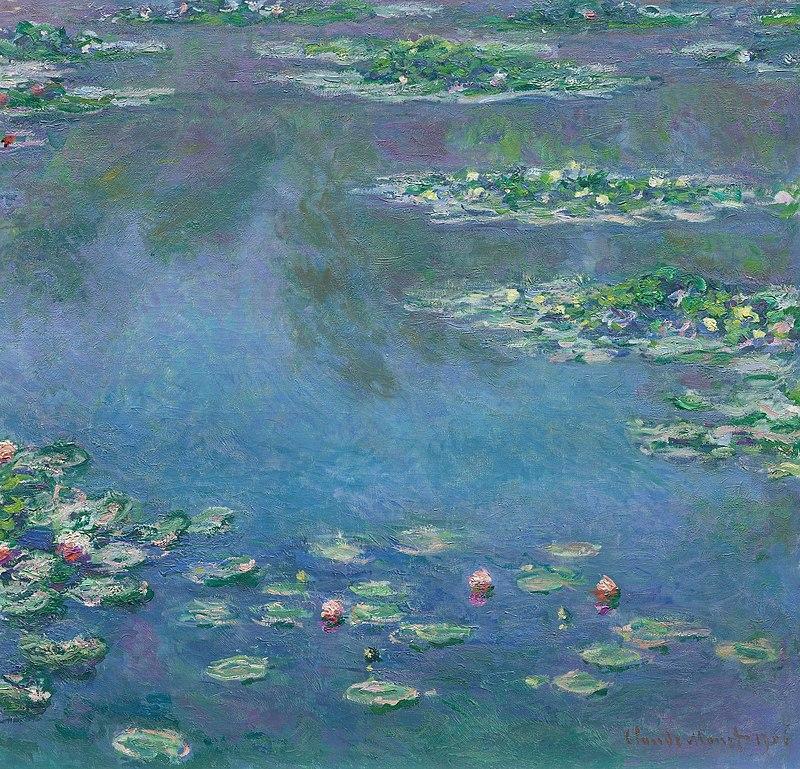
Water Lilies Series by Claude Monet

More by Claude Monet
View all →
Also at Musée de l'Orangerie
View all →
Related Works
Works that share an artist, movement, museum, genre, palette or theme with Water Lilies (Nymphéas).
- Same artist
- Same movement
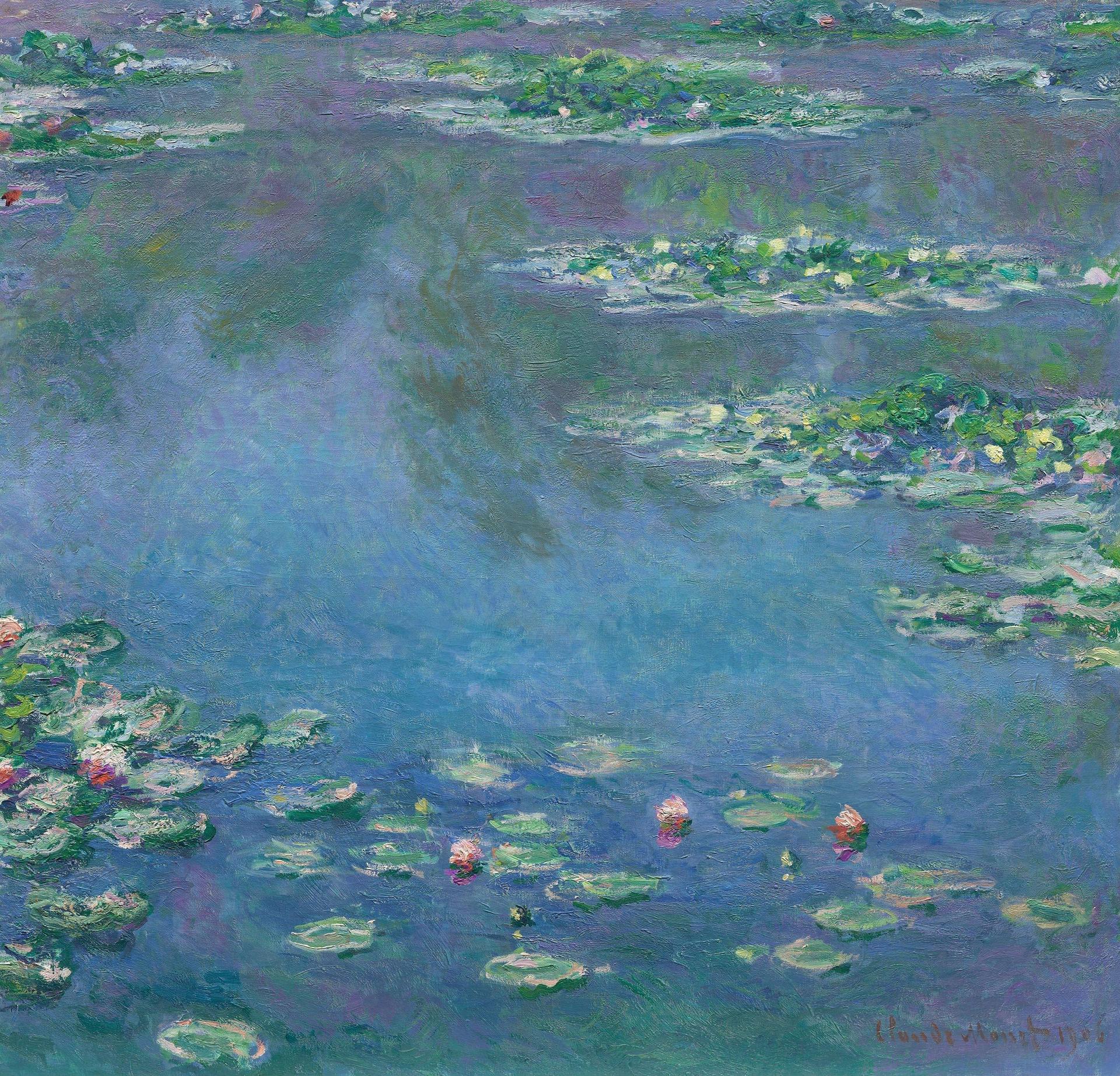
Le bassin aux nymphéas
Claude Monet, 1919
- Same artist
- Same movement
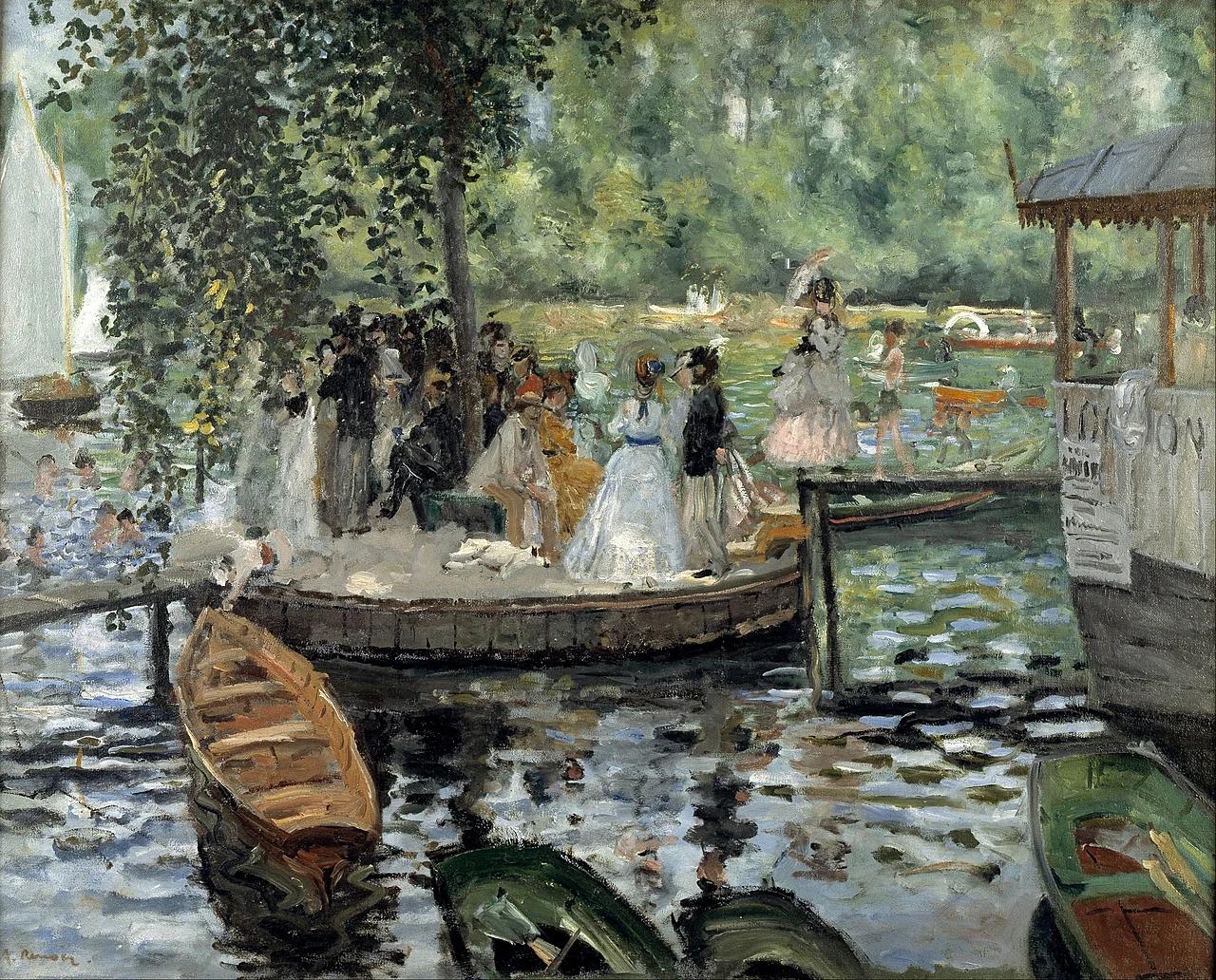
La Grenouillère
Claude Monet, 1869
- Same artist
- Same movement
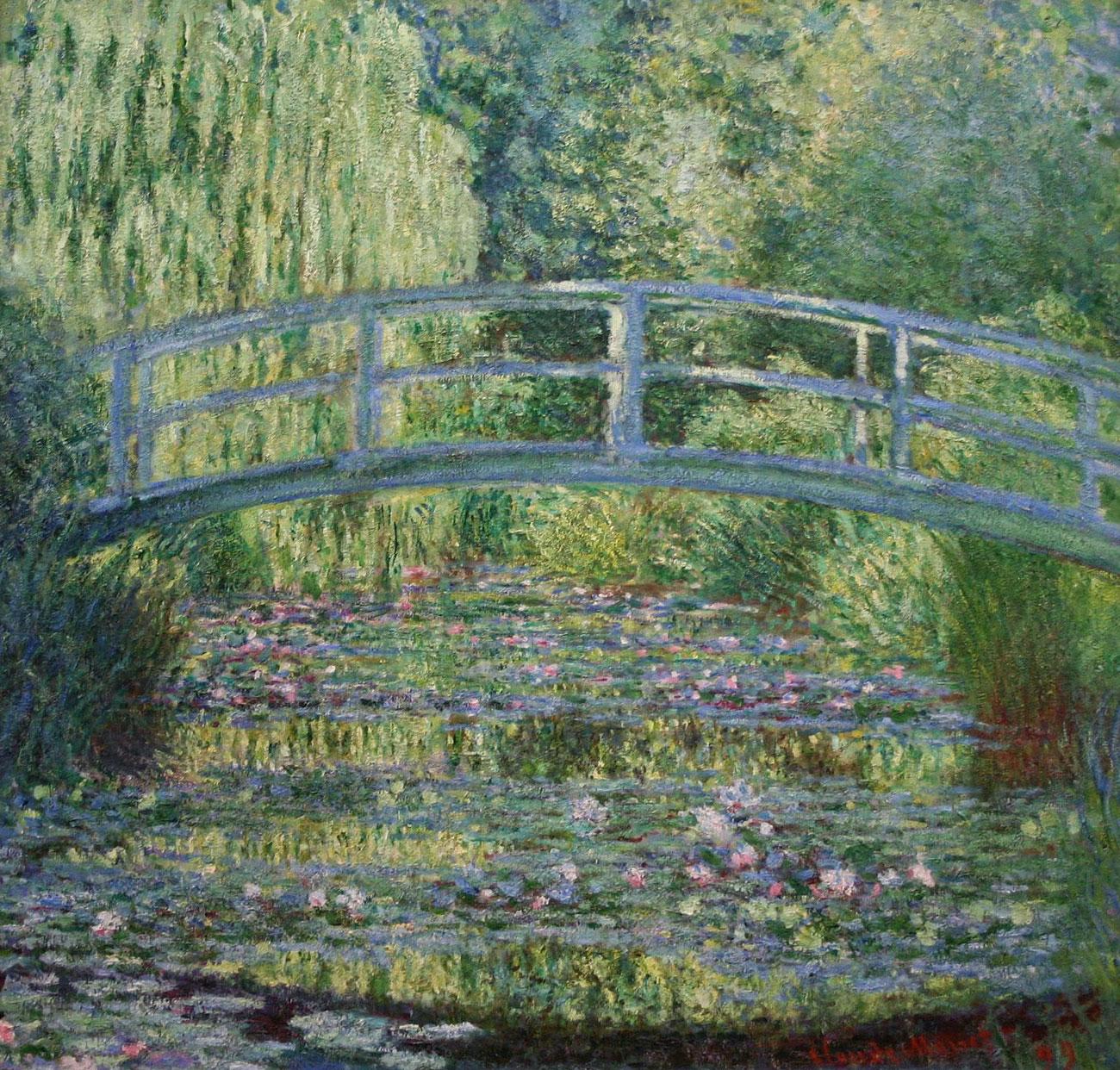
The Japanese Footbridge
Claude Monet, 1899
- Same movement
- Similar palette
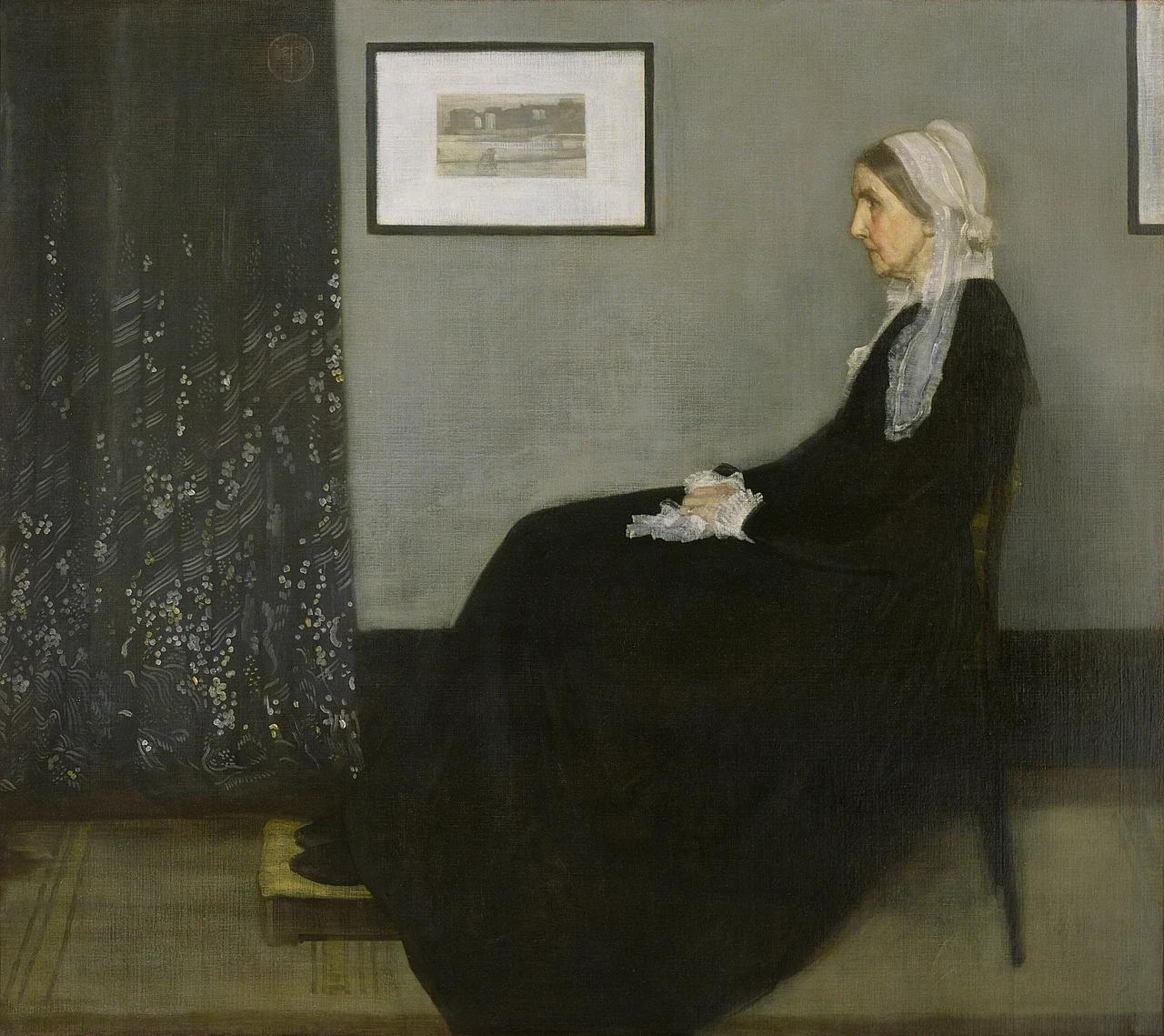
Arrangement in Grey and Black No.1
James McNeill Whistler, 1871
- Same movement
- Similar palette
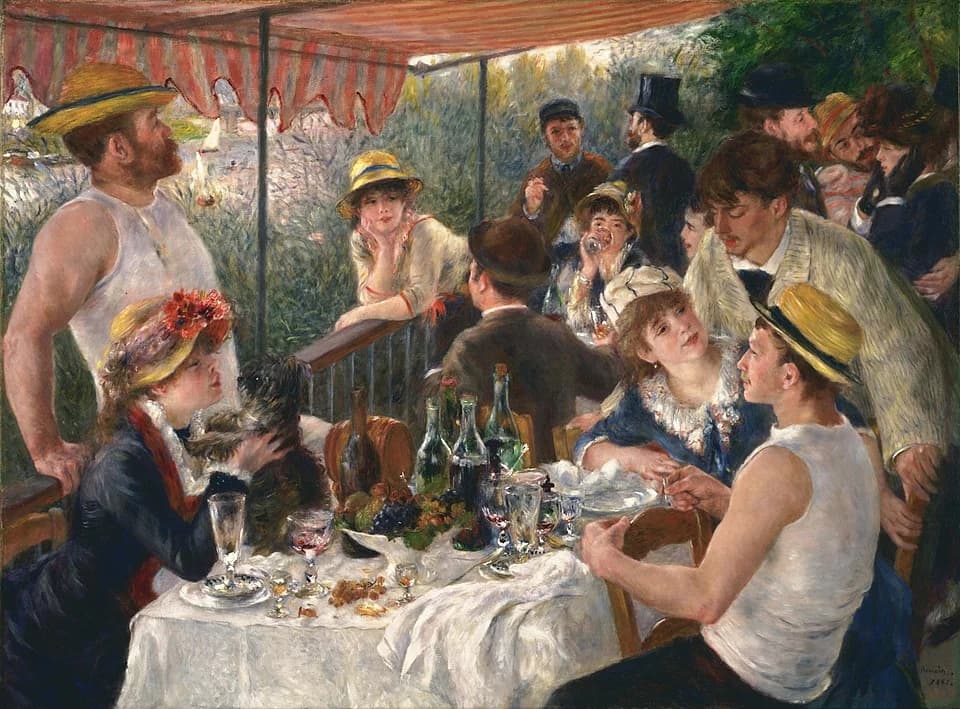
Luncheon of the Boating Party
Pierre-Auguste Renoir, 1881
- Same movement
- Similar palette
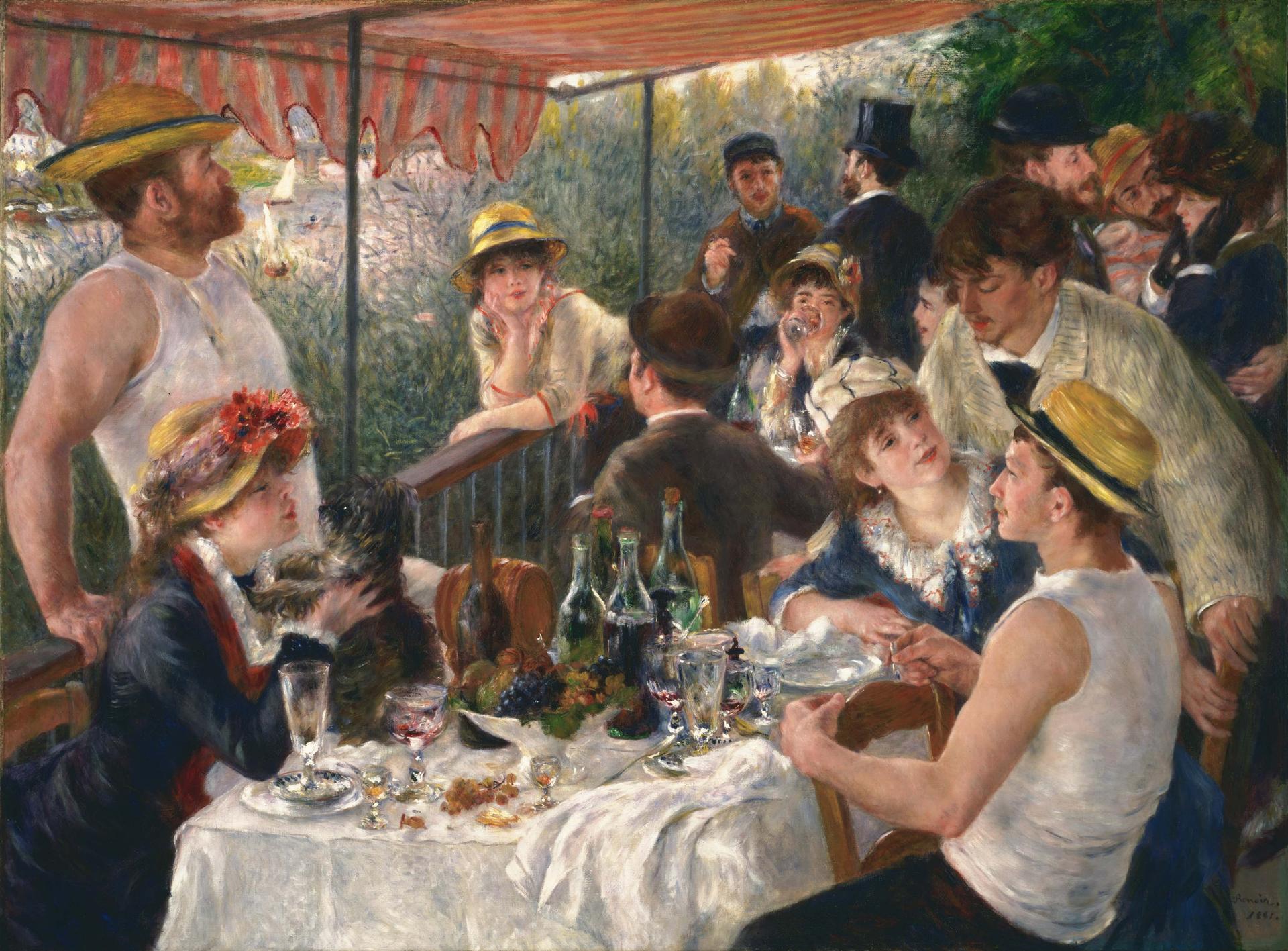
Luncheon of the Boating Party
Pierre-Auguste Renoir, 1881
- Same movement
- Similar palette
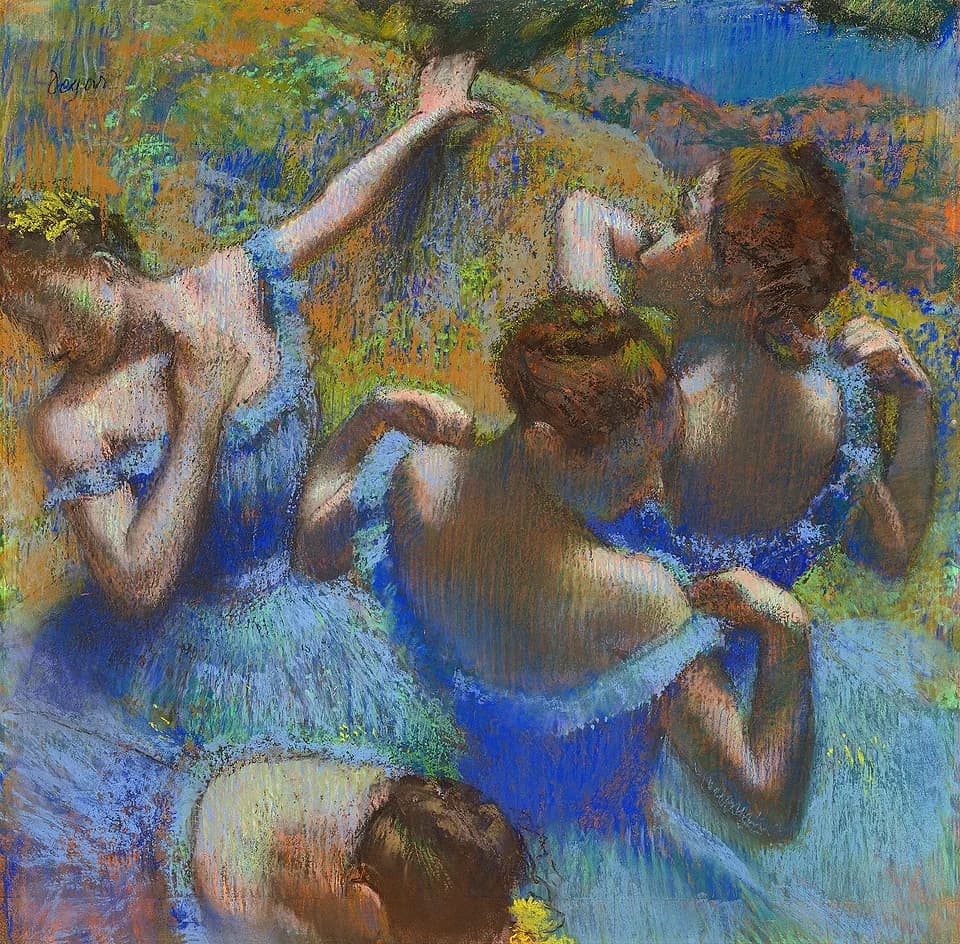
Dancers in Blue
Edgar Degas, 1890
- Same movement
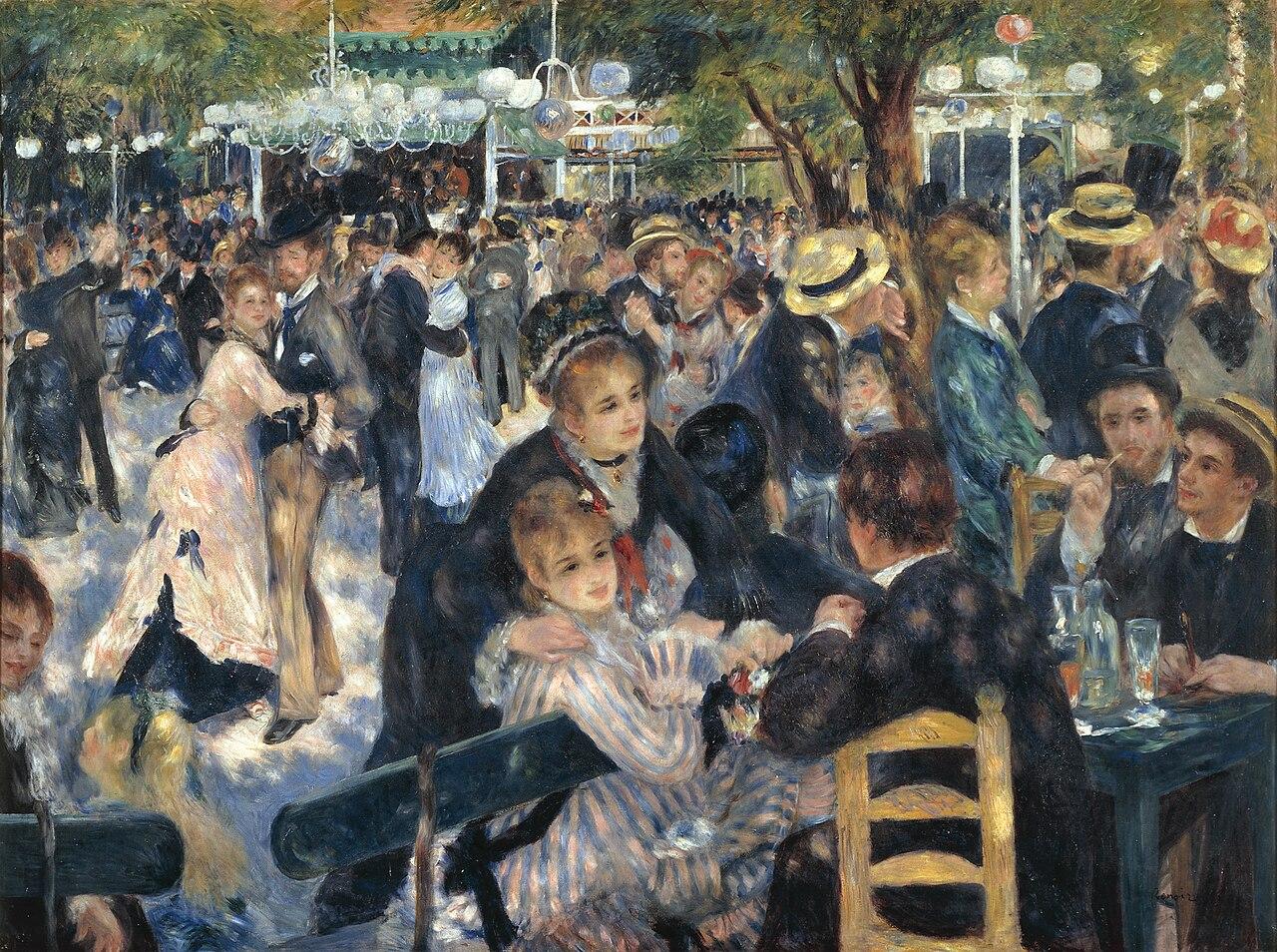
Dance at Le Moulin de la Galette
Pierre-Auguste Renoir, 1876
- Same movement
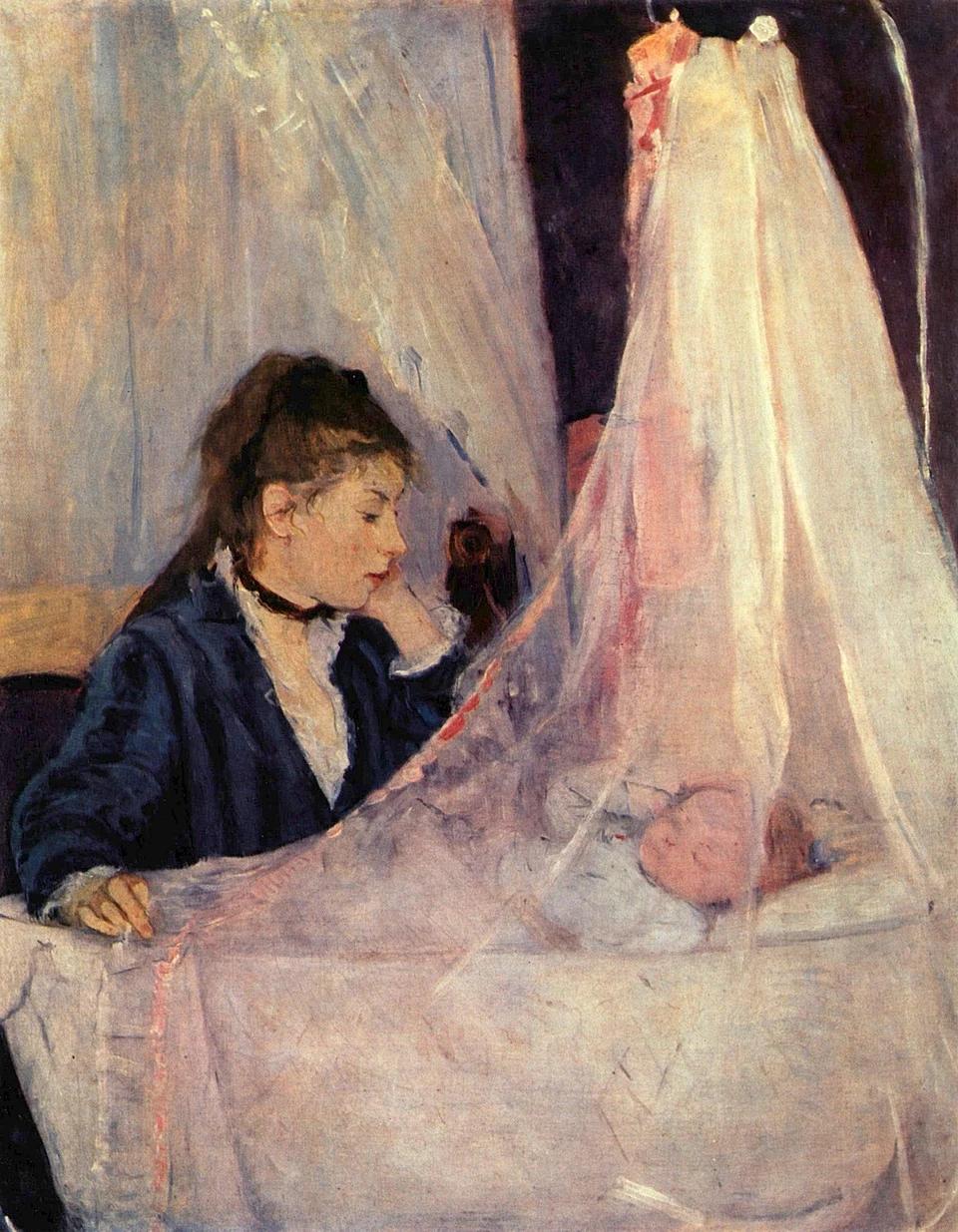
The Cradle
Berthe Morisot, 1872
- Same movement
- Similar palette
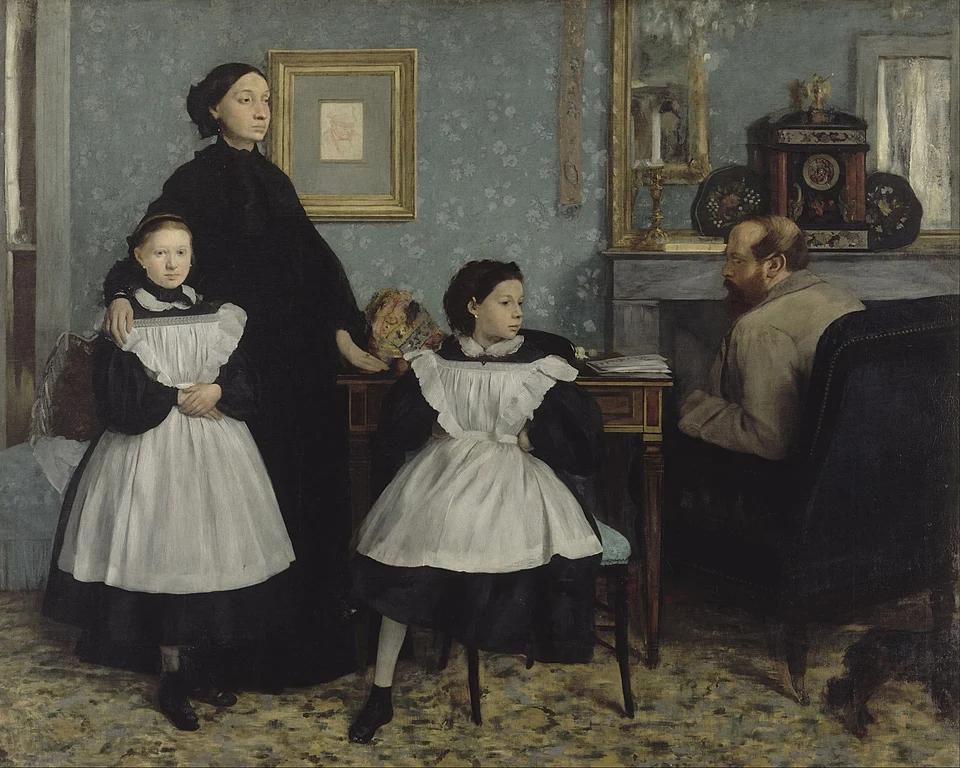
The Bellelli Family
Edgar Degas, 1867
- Same movement
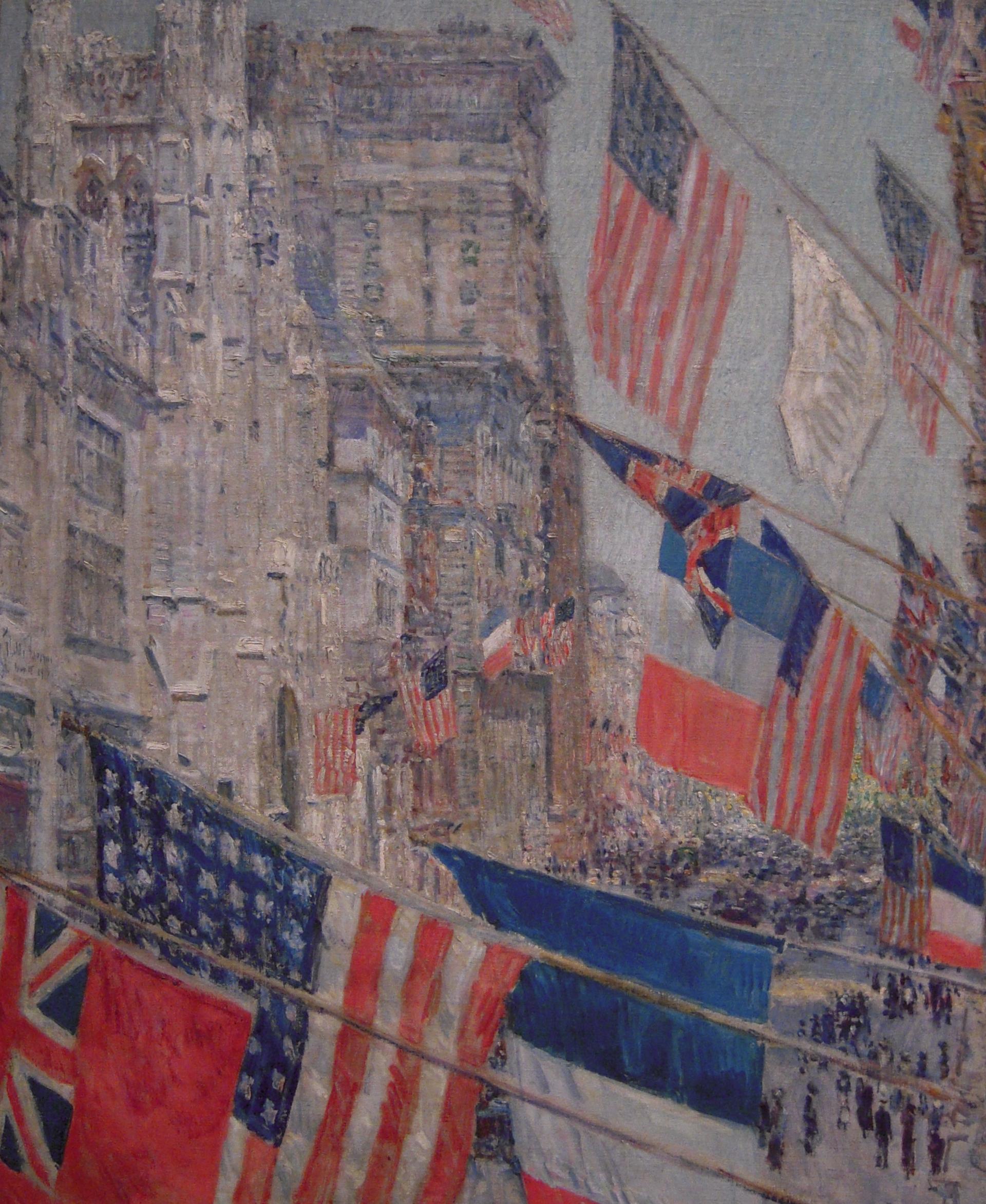
Allies Day, May 1917
Childe Hassam, 1917
- Same movement
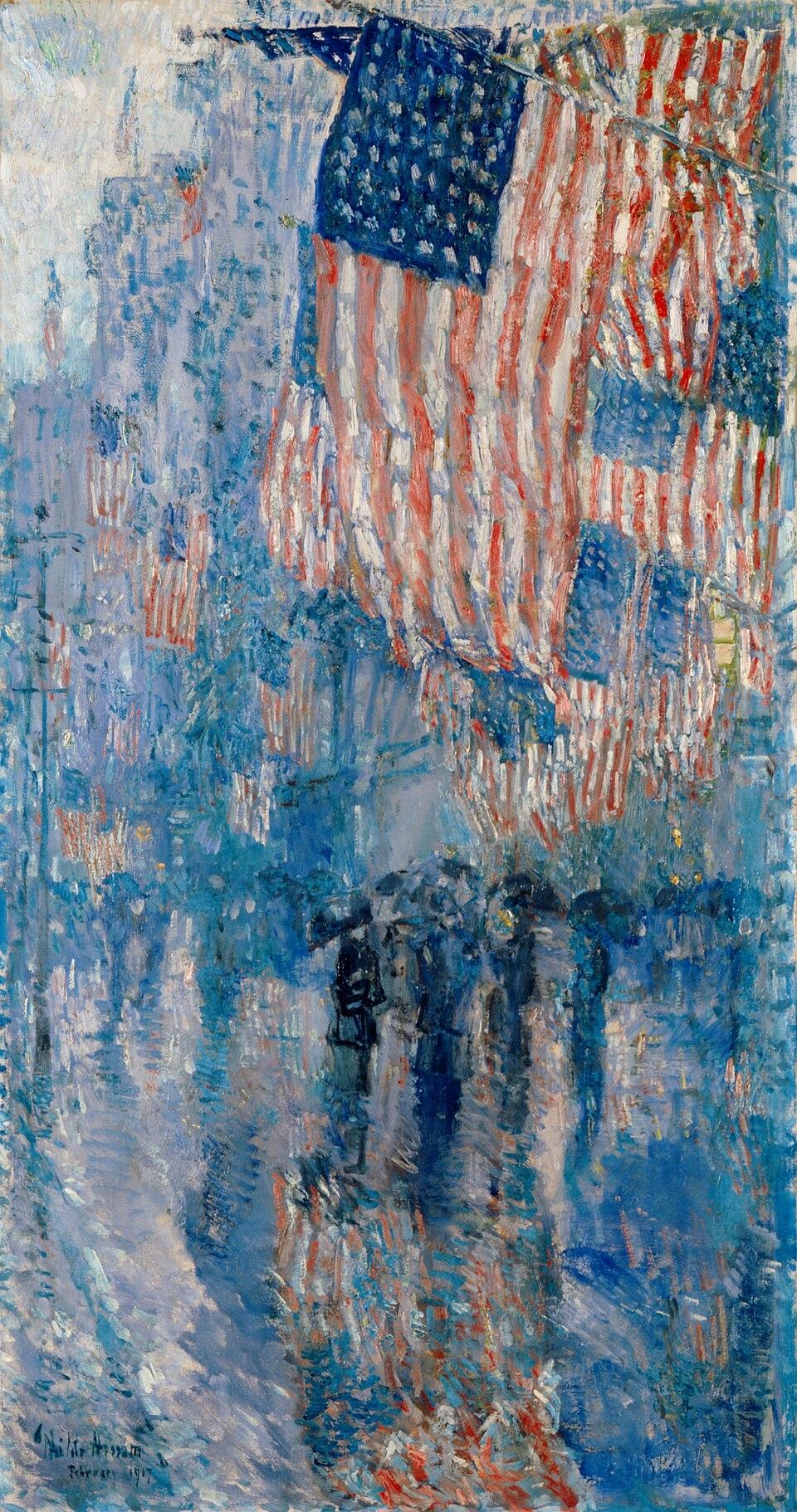
The Avenue in the Rain
Childe Hassam, 1917
About Water Lilies (Nymphéas)
They're at the Musée de l'Orangerie in the Tuileries Gardens, Paris. Monet donated eight monumental panels to France in 1922, with the condition that they be displayed in a purpose-built space.
The eight panels span approximately 100 linear meters (328 feet) of canvas across two oval rooms. Each panel is about 2 meters (6.5 feet) tall. The largest individual canvas stretches over 17 meters. Monet worked on them for years in a specially built studio at Giverny.
Monet specified the oval shape to create an immersive, continuous experience, surrounding viewers with water, light, and reflections. He called it his 'decorative whole.' The curved walls eliminate corners, making the paintings flow seamlessly. The effect is meditative, almost like being inside the water garden itself.
Monet worked on them from about 1914 until his death in 1926. The panels were installed at the Orangerie in 1927, the year after he died. He repainted sections obsessively, sometimes destroying months of work. His cataracts affected his color perception, but he continued painting with fierce determination.
They're late Impressionism at its most ambitious. The sheer scale and immersive quality anticipate Color Field painting and installation art by decades. Clement Greenberg and other critics later cited these panels as a direct precursor to Abstract Expressionism.
Own Art Like This
Luxury wall art with the same mood and energy. Gallery-quality canvas, no museum crowds.
Browse Collection