Wikimedia Commons • Public Domain
Lola de Valence
Artwork Details
Cite or Embed This Work
APA · MLA · Chicago1-click academic citation and embeddable “On View” museum badge for articles, syllabi, and research.
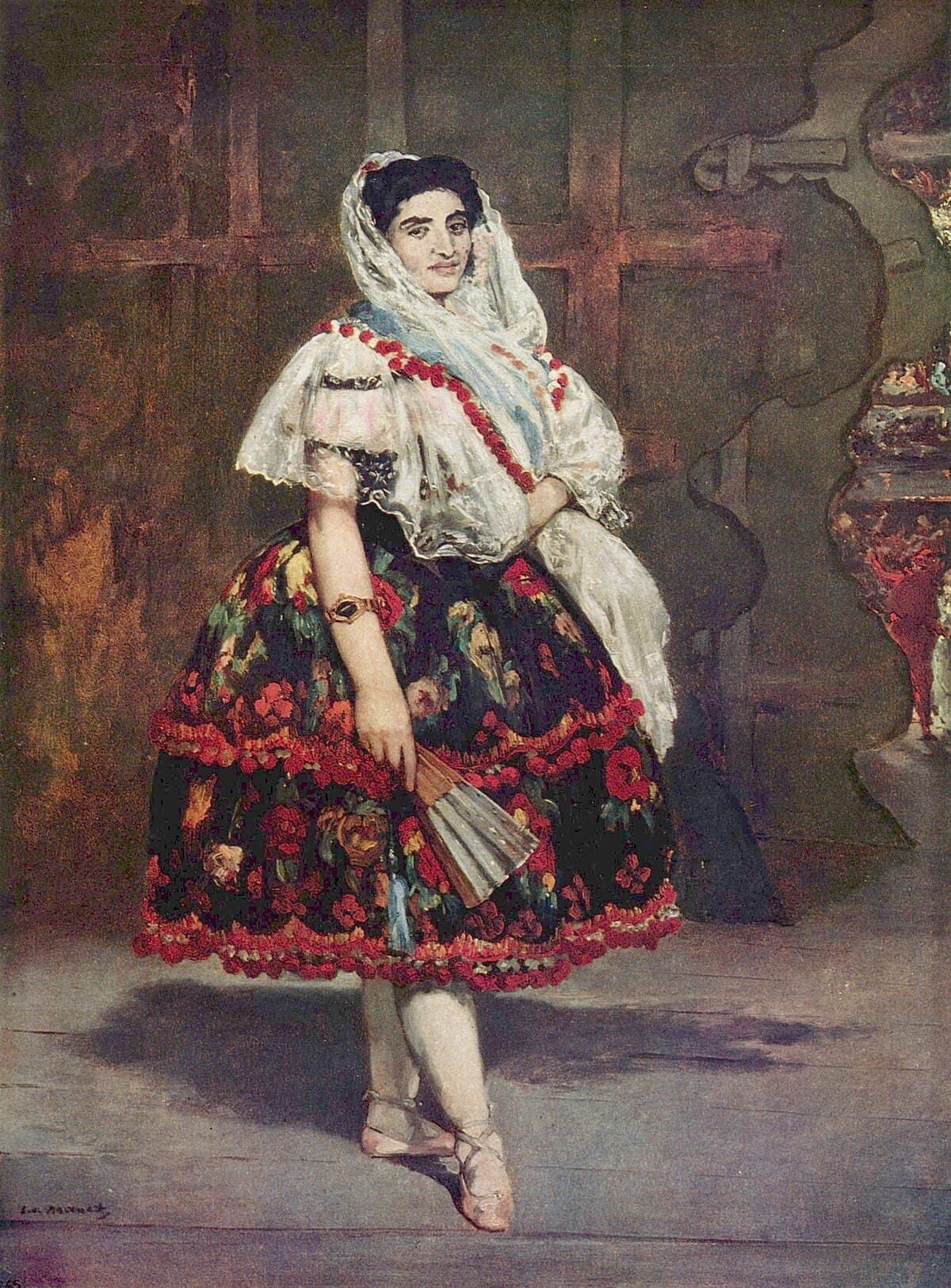
Édouard Manet painted this portrait of the Spanish dancer Lola Meléa in 1862, capturing her during performances with the Royal Spanish Ballet troupe that visited Paris that year. She stands in full costume with her fan, poised between movements, the stage scenery visible behind her. The painting combines portrait and theatrical performance in a composition that feels both posed and spontaneous.
The poet Charles Baudelaire was so taken with the painting that he wrote a quatrain for it, describing Lola as possessing "the unexpected charm of a pink and black jewel." When Manet included this poem on the frame, the combination of sensuous image and provocative verse caused scandal. The work appeared at the Salon des Refusés in 1863, the famous exhibition of rejected paintings that marked a turning point in French art.
Lola de Valence captures Manet's ongoing fascination with Spanish culture and his ability to transform contemporary subjects into striking artistic statements. The bold contrasts and visible brushwork anticipate his mature style. The painting now hangs at the Musée d'Orsay in Paris, where it represents both Manet's Spanish period and his friendship with Baudelaire.
More by Édouard Manet
View all →T
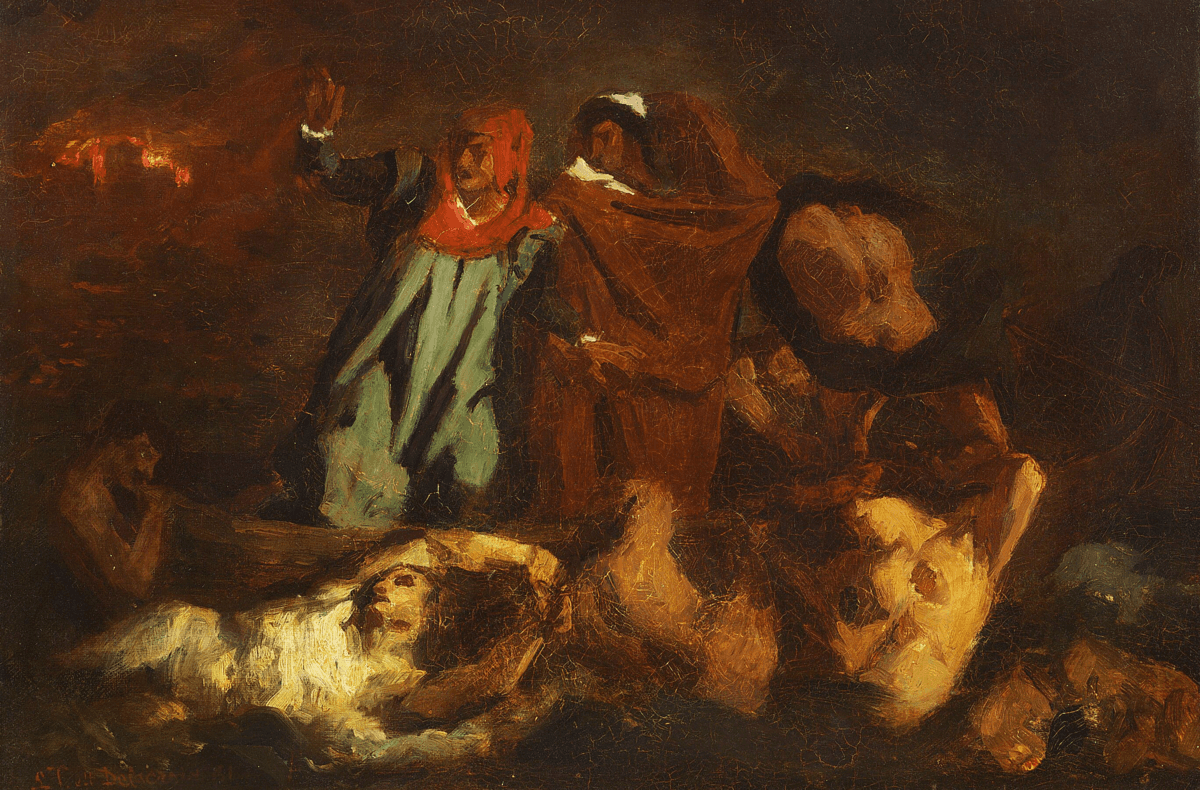
The barque of Dante (Copy after Delacroix)
Édouard Manet
Musée des Beaux-Arts de Lyon, Lyon, Lyon
P
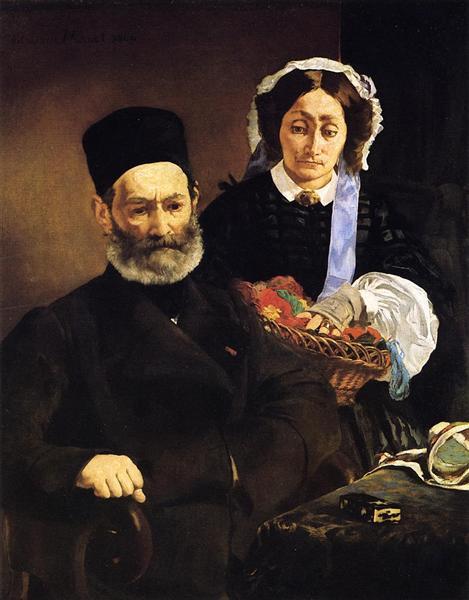
Portrait of Monsieur and Madame Auguste Manet
Édouard Manet
Musée d'Orsay, Paris
T
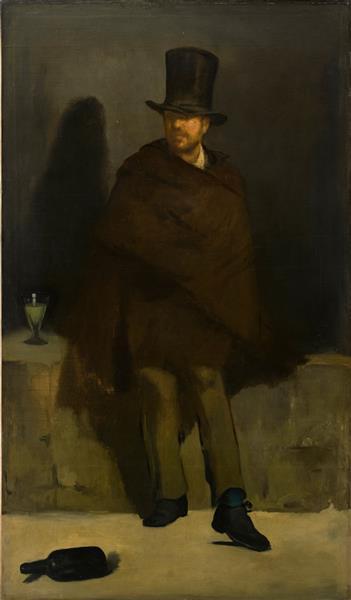
The absinthe drinker
Édouard Manet
Ny Carlsberg Glyptotek, Copenhagen
T
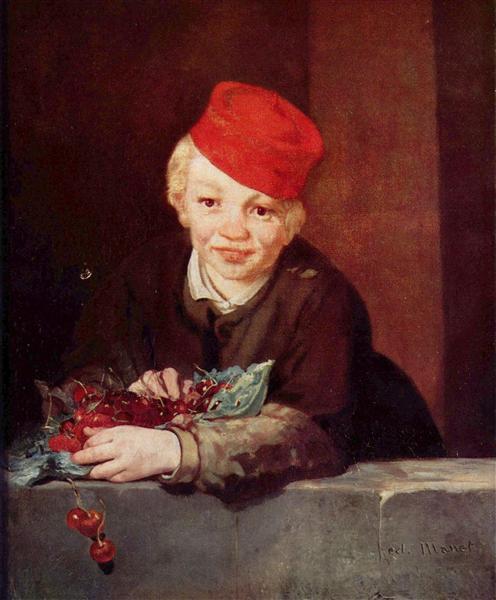
The Boy with Cherries
Édouard Manet
Calouste Gulbenkian Museum, Lisbon, Lisbon
Also at Musée d'Orsay
View all →
Related Works
Works that share an artist, movement, museum, genre, palette or theme with Lola de Valence.
- Same artist
- Same movement
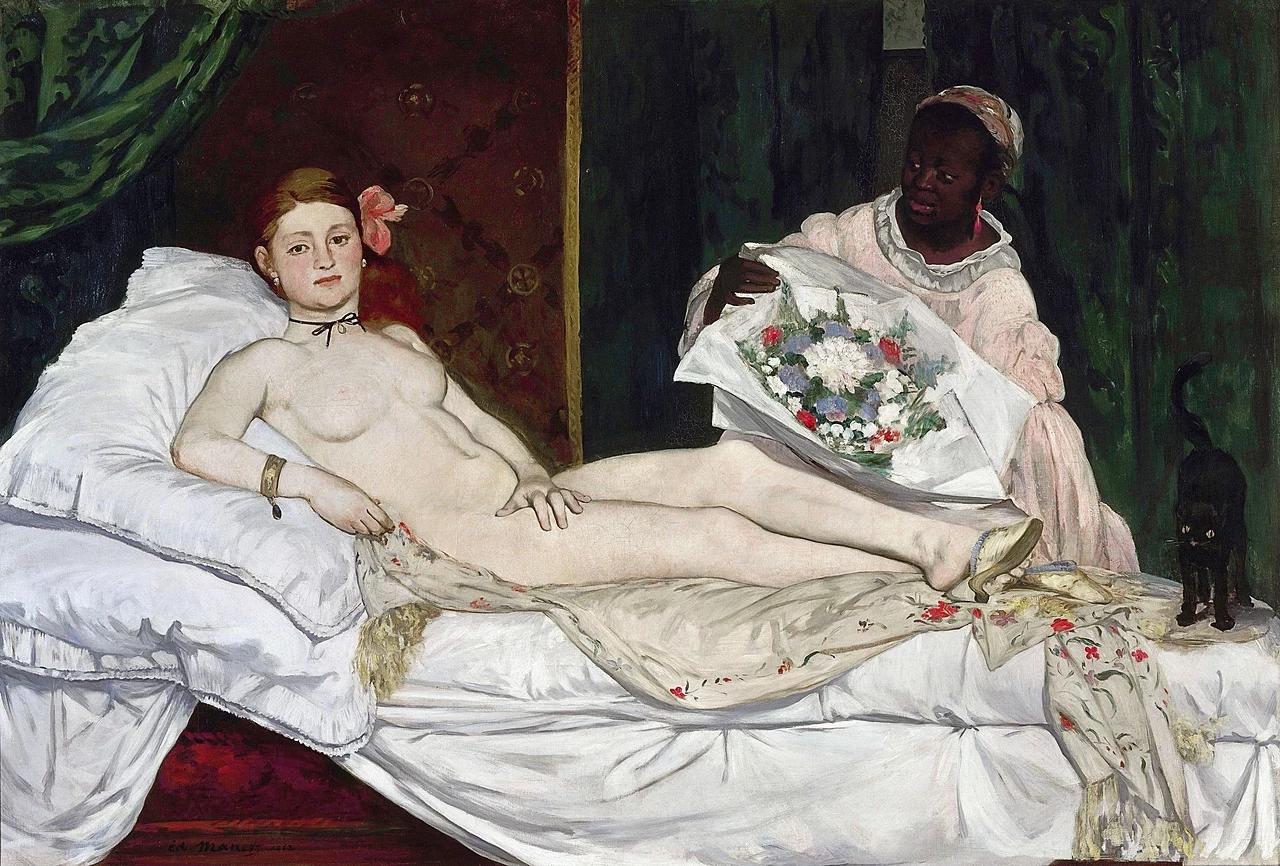
Olympia
Édouard Manet, 1863
- Same artist
- Same movement
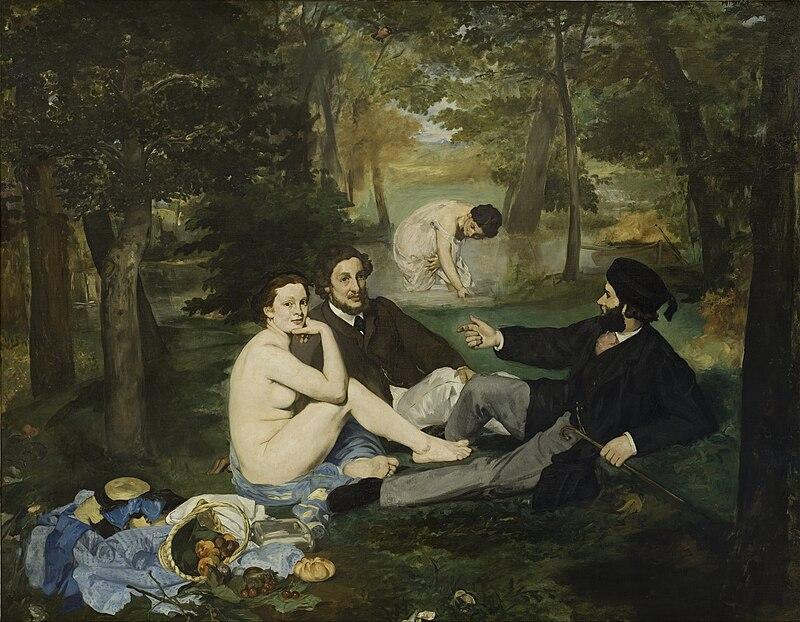
Le Déjeuner sur l'herbe
Édouard Manet, 1863
- Same artist
- Same movement
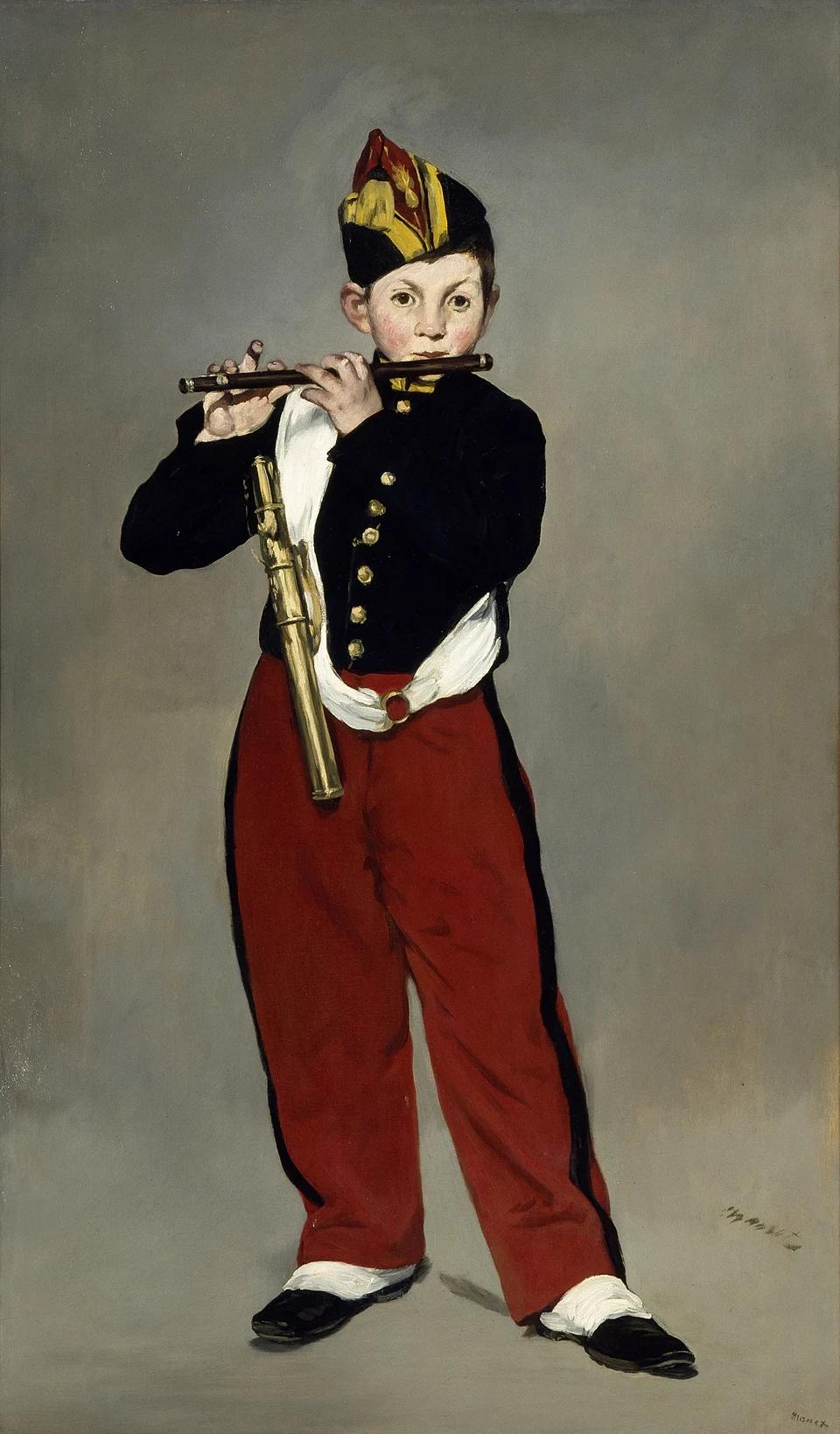
The Fifer
Édouard Manet, 1866
- Same movement
- Same museum
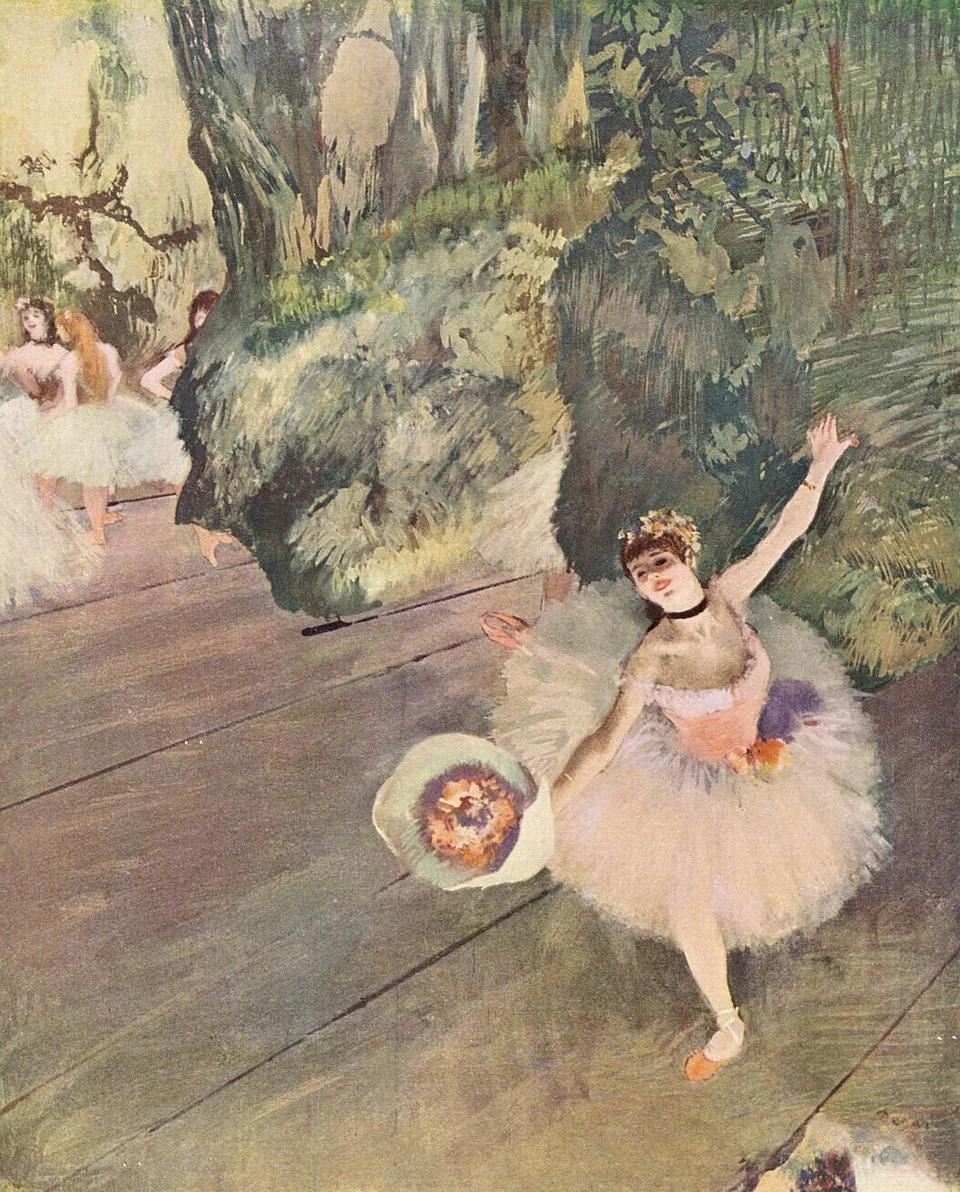
The Star (Dancer on Stage)
Edgar Degas, 1878
- Same movement
- Same museum
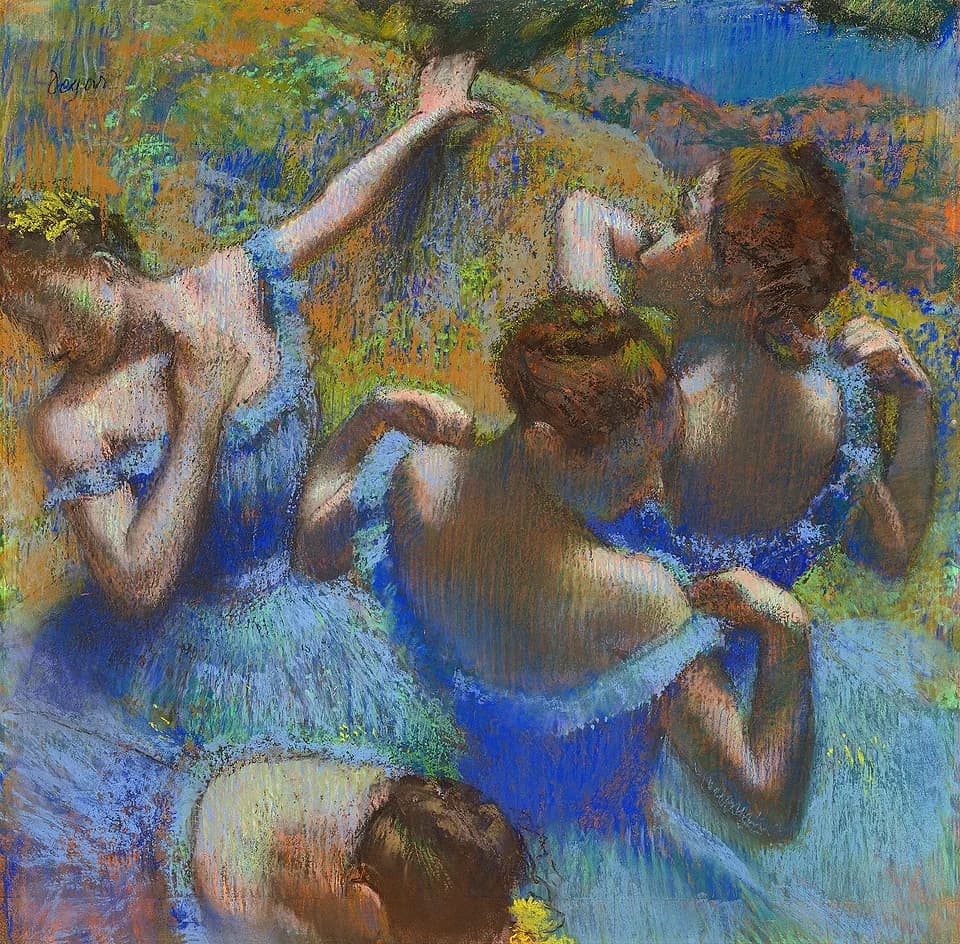
Dancers in Blue
Edgar Degas, 1890
- Same movement
- Same museum
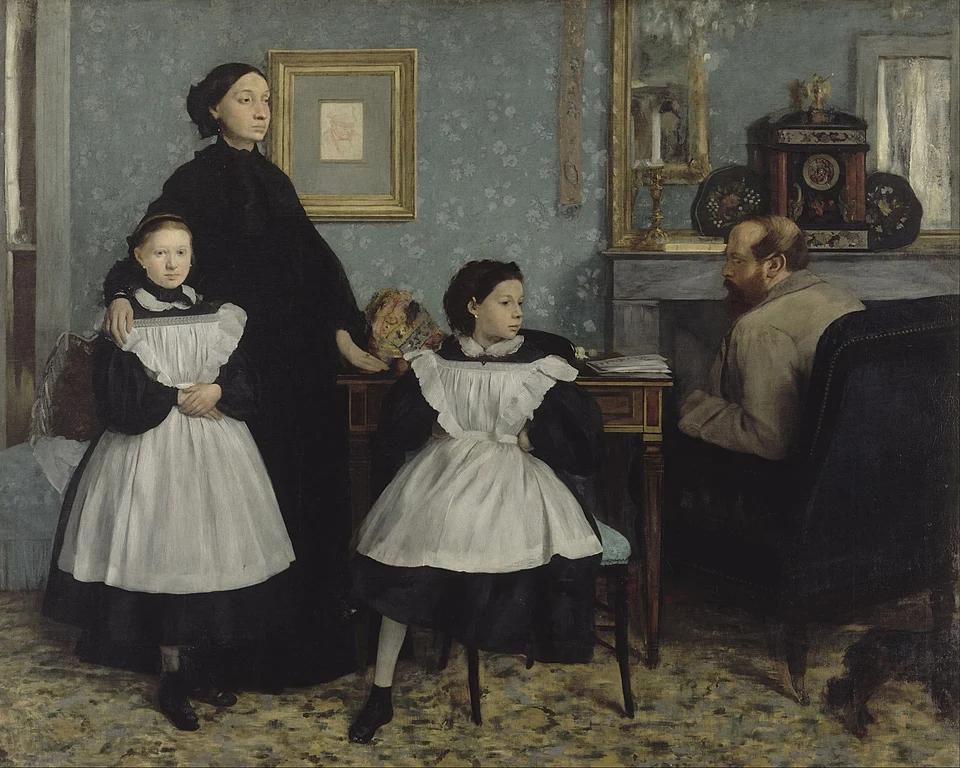
The Bellelli Family
Edgar Degas, 1867
- Same movement
- Same museum
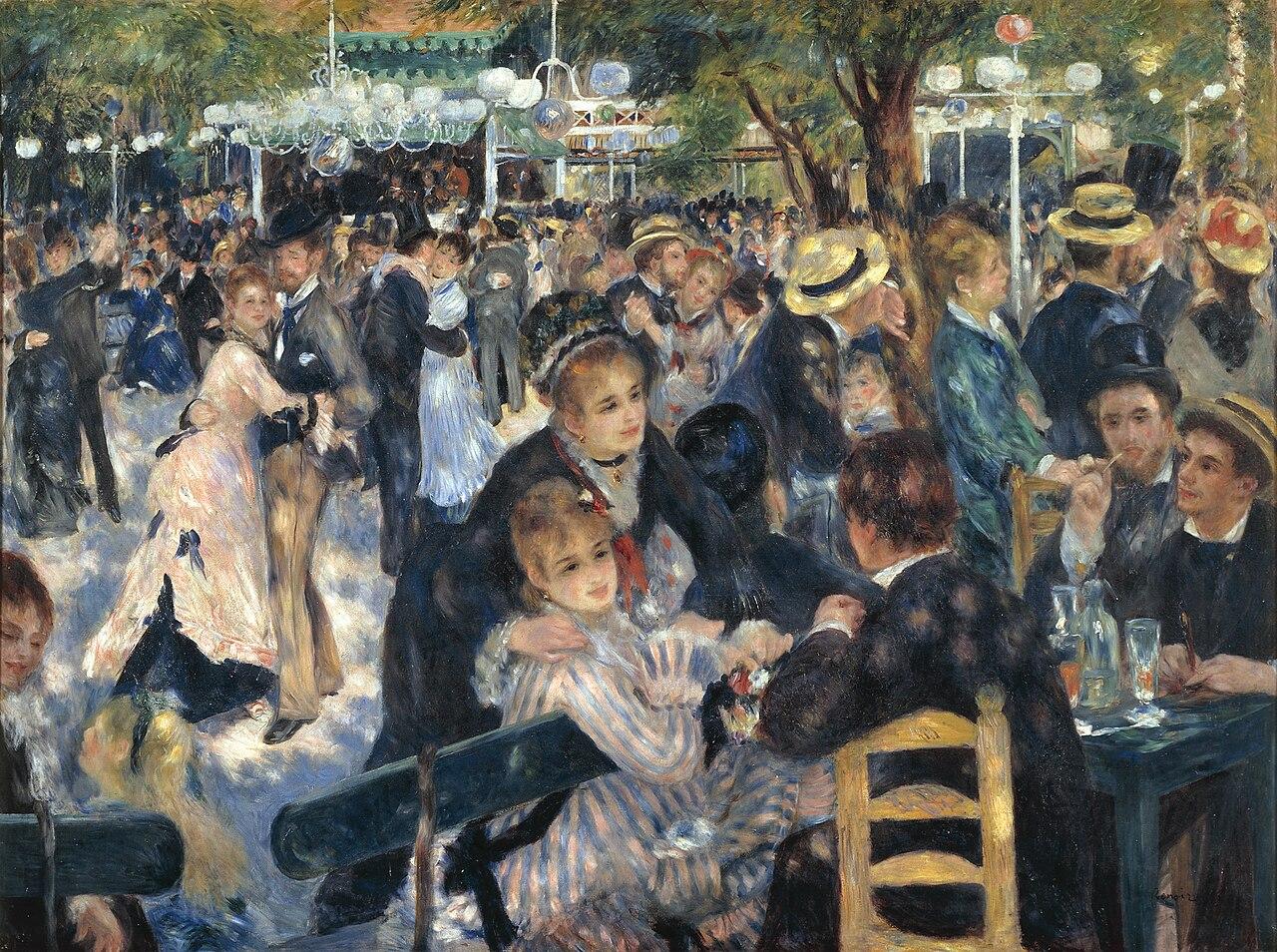
Dance at Le Moulin de la Galette
Pierre-Auguste Renoir, 1876
- Same movement
- Same museum
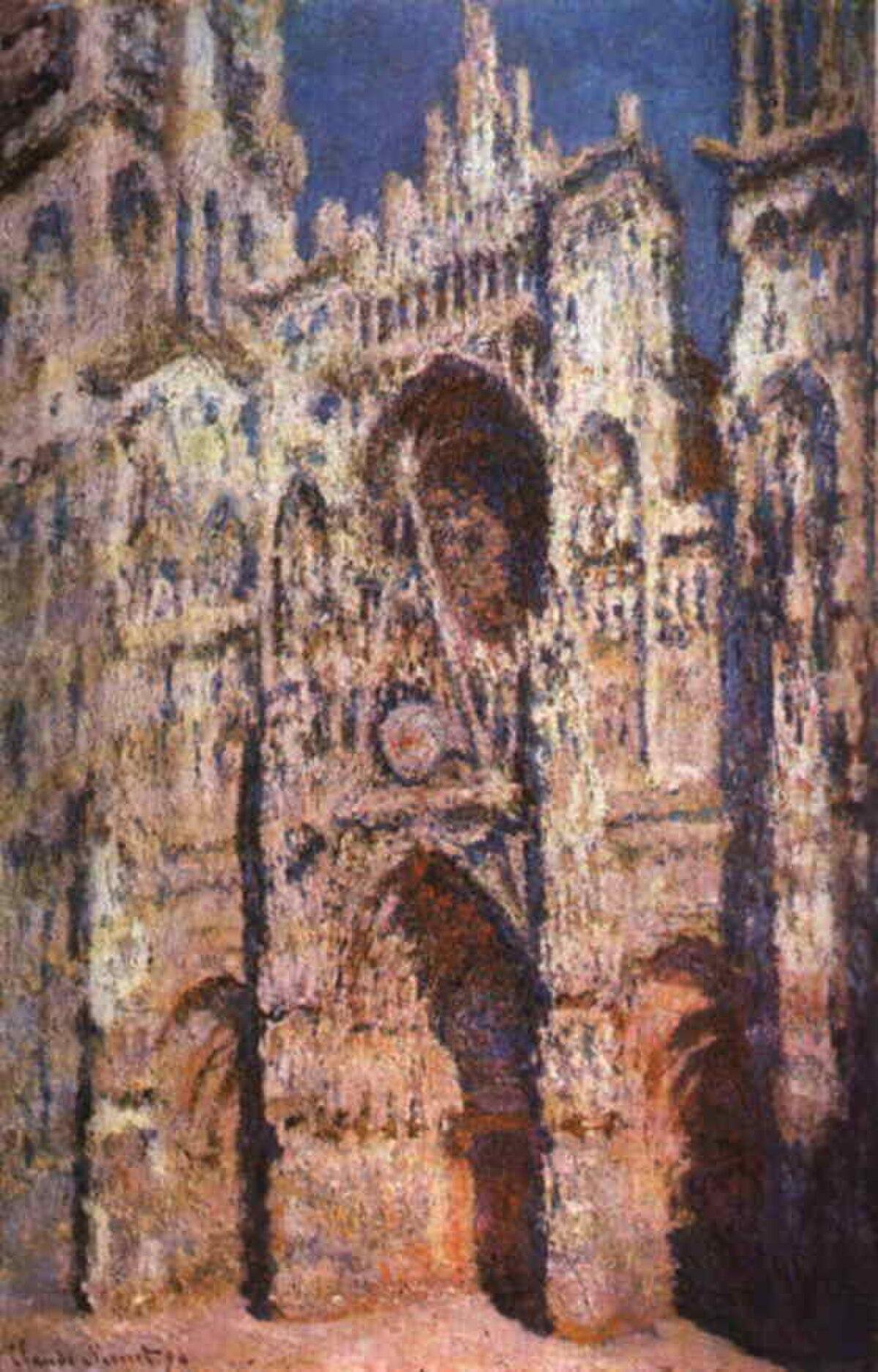
Rouen Cathedral (Sunset)
Claude Monet, 1894
- Same movement
- Same museum
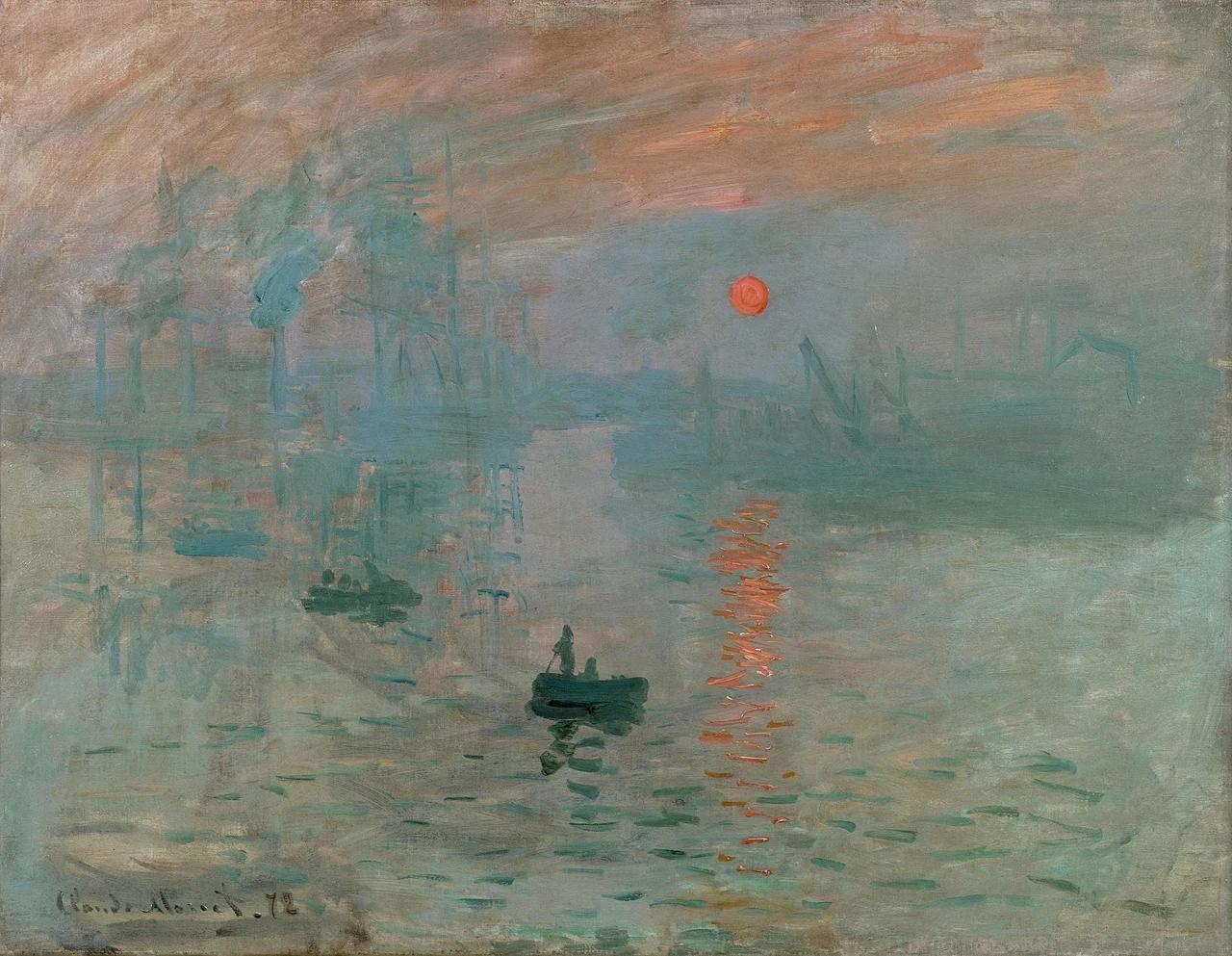
Impression, Sunrise
Claude Monet, 1872
- Same movement
- Same museum
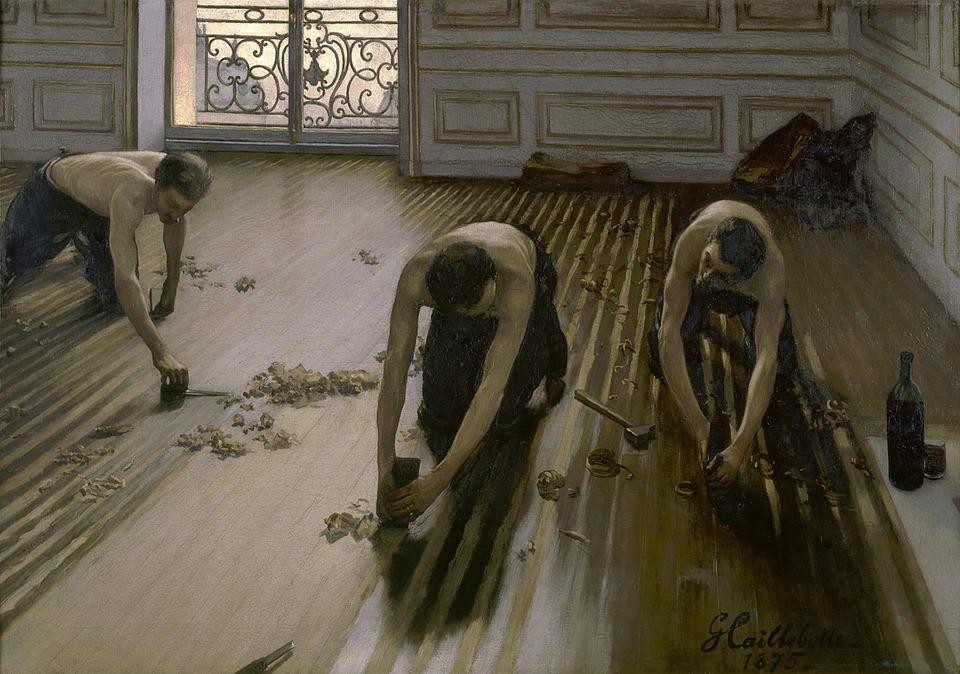
The Floor Scrapers
Gustave Caillebotte, 1875
- Same movement
- Same museum
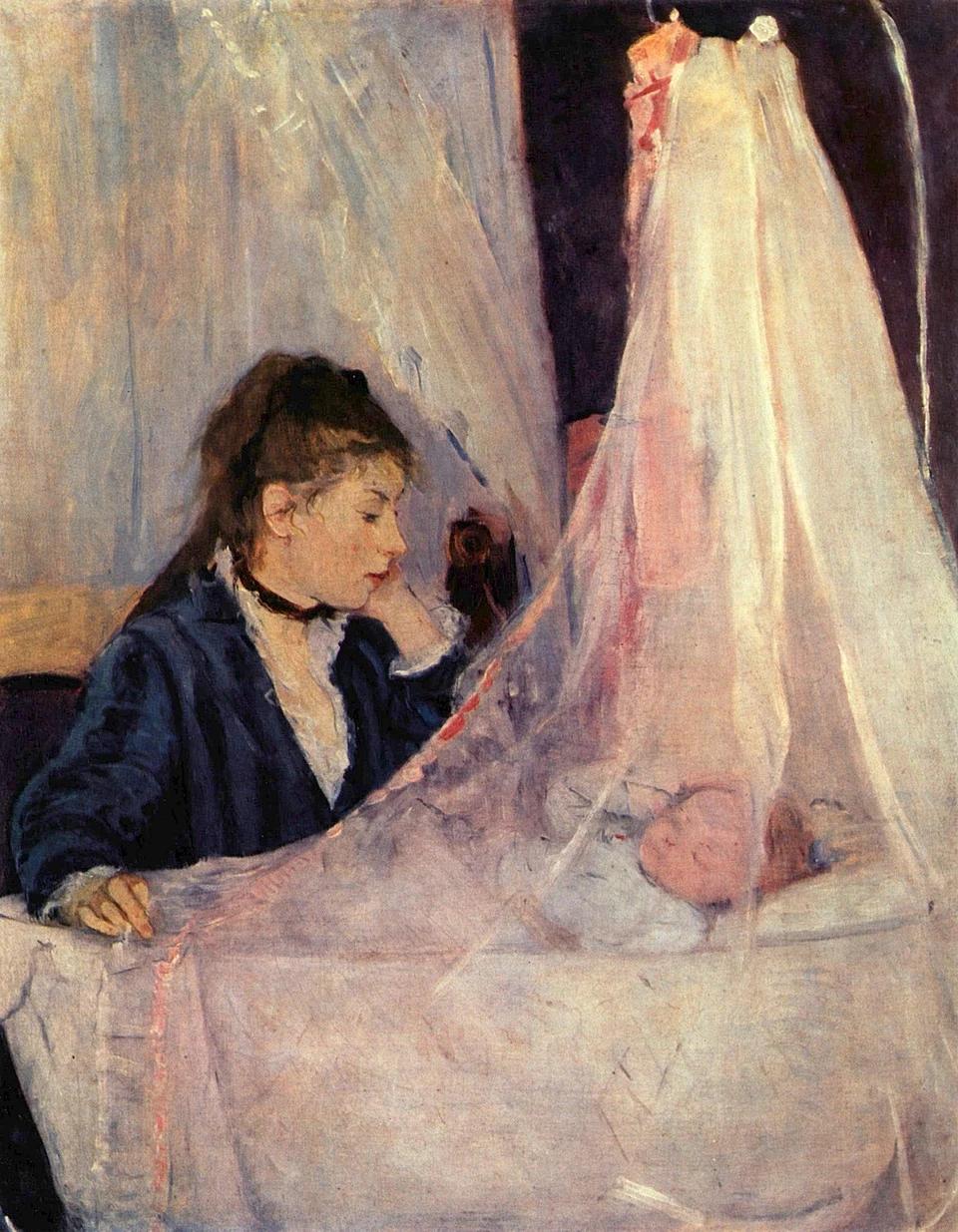
The Cradle
Berthe Morisot, 1872
- Same movement
- Same museum
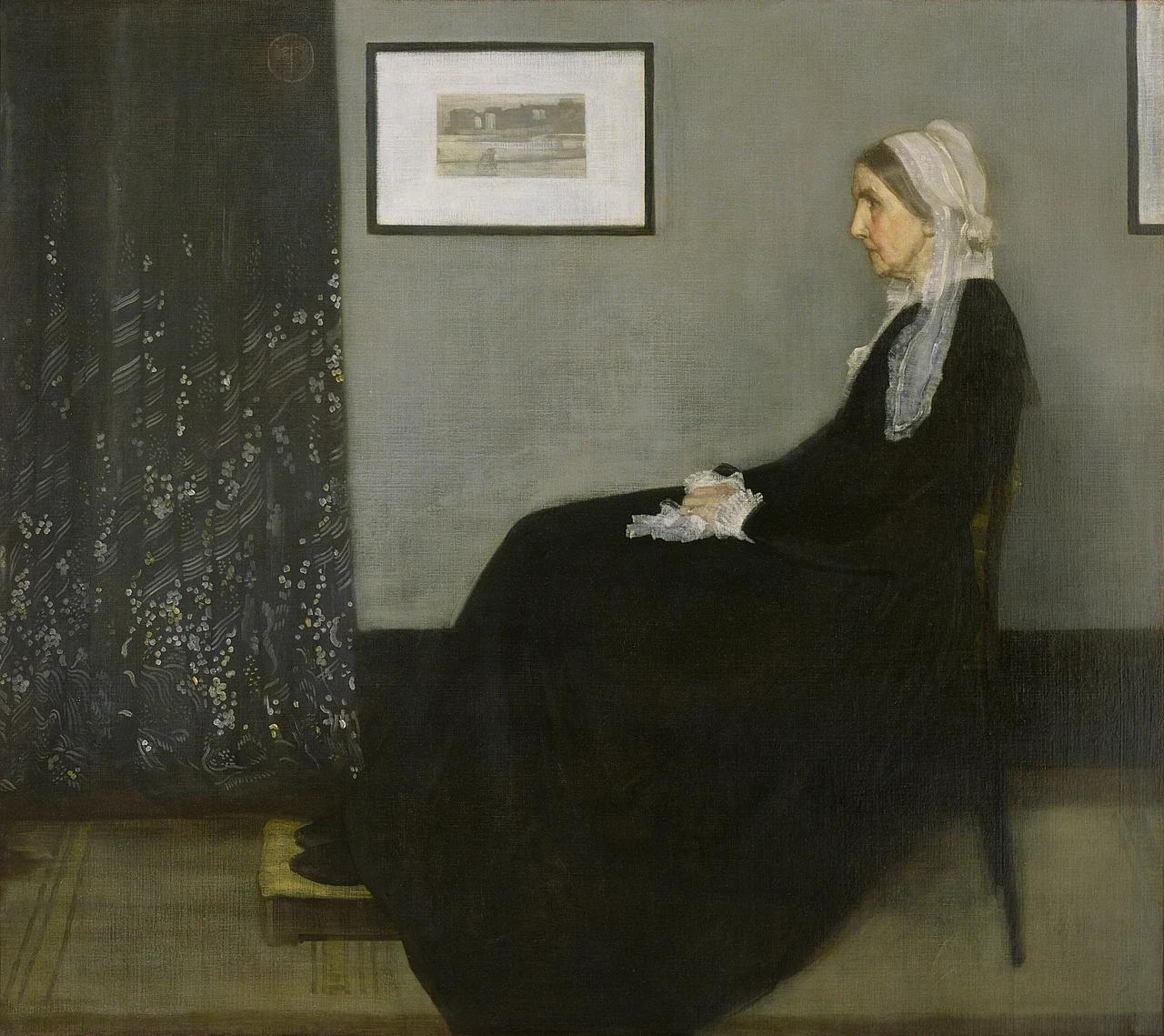
Arrangement in Grey and Black No.1
James McNeill Whistler, 1871
About Lola de Valence
This painting hangs at the Musée d'Orsay in Paris, France. The museum holds an extensive collection of Manet's work spanning his entire career.
Lola Meléa, known as Lola de Valence, was a lead dancer with the Royal Spanish Ballet troupe that performed in Paris in 1862. Manet painted her during this engagement, captivated by her stage presence.
The poet Charles Baudelaire wrote a quatrain describing Lola as having "the unexpected charm of a pink and black jewel." When Manet added this verse to the frame, the sensuous combination caused scandal among viewers.
The painting appeared at the Salon des Refusés in 1863, the famous exhibition of works rejected by the official Salon. This show, which also included Manet's Déjeuner sur l'herbe, marked a turning point in French art history.
Own Art Like This
Luxury wall art with the same mood and energy. Gallery-quality canvas, no museum crowds.
Browse Collection