Public Domain
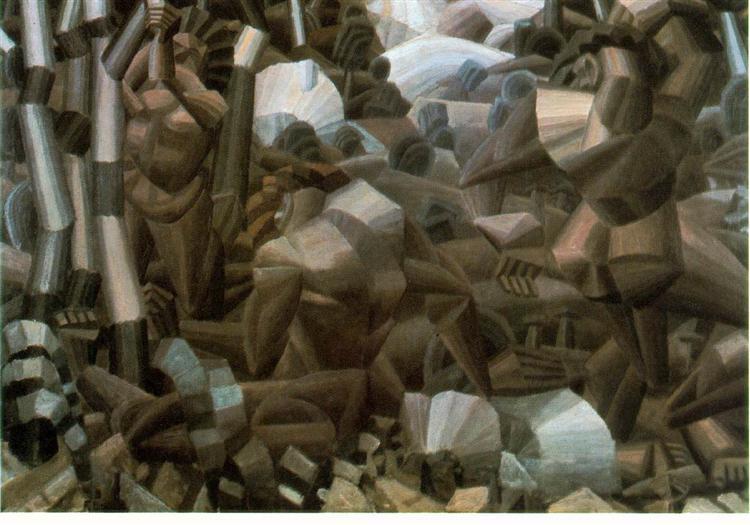
Nudes in the Forest
Artwork Details
Cite or Embed This Work
APA · MLA · Chicago1-click academic citation and embeddable “On View” museum badge for articles, syllabi, and research.
Fernand Léger completed this Nudes in the Forest between 1909 and 1910, an oil on canvas measuring roughly 120 x 170 cm. The work shows human figures broken into geometric shapes and blended with their surroundings. Bodies become cylinders, cones, and tubes, earning Léger's style the nickname "Tubism" from critics.
This painting marked Léger's break from Impressionism and his alliance with Cubism. He exhibited it at the Salon des Indépendants in 1911, where it established his reputation. His approach differed from Picasso and Braque. While they flattened space, Léger maintained three-dimensional volume. His cylindrical forms reflected the period's fascination with machinery and industrialization.
The neutral palette of grays, greens, and browns creates a monochromatic effect. Light and shadow play across geometric surfaces, building depth without traditional perspective. The painting hangs at the Kröller-Müller Museum in Otterlo, Netherlands.
More by Fernand Léger
View all →P
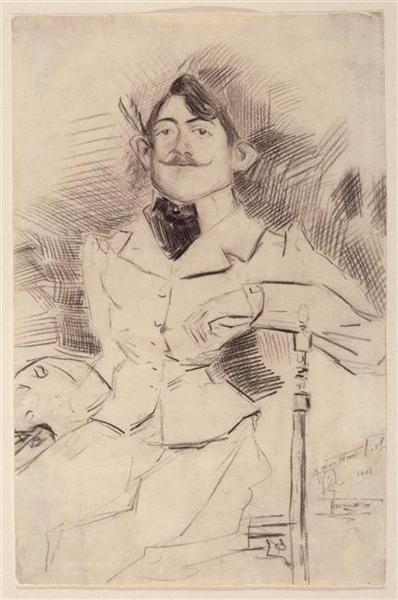
Portrait of Henry Viel, a friend of painter Fernand Leger
Fernand Léger
Musee National Fernand Leger, Biot, Biot
C
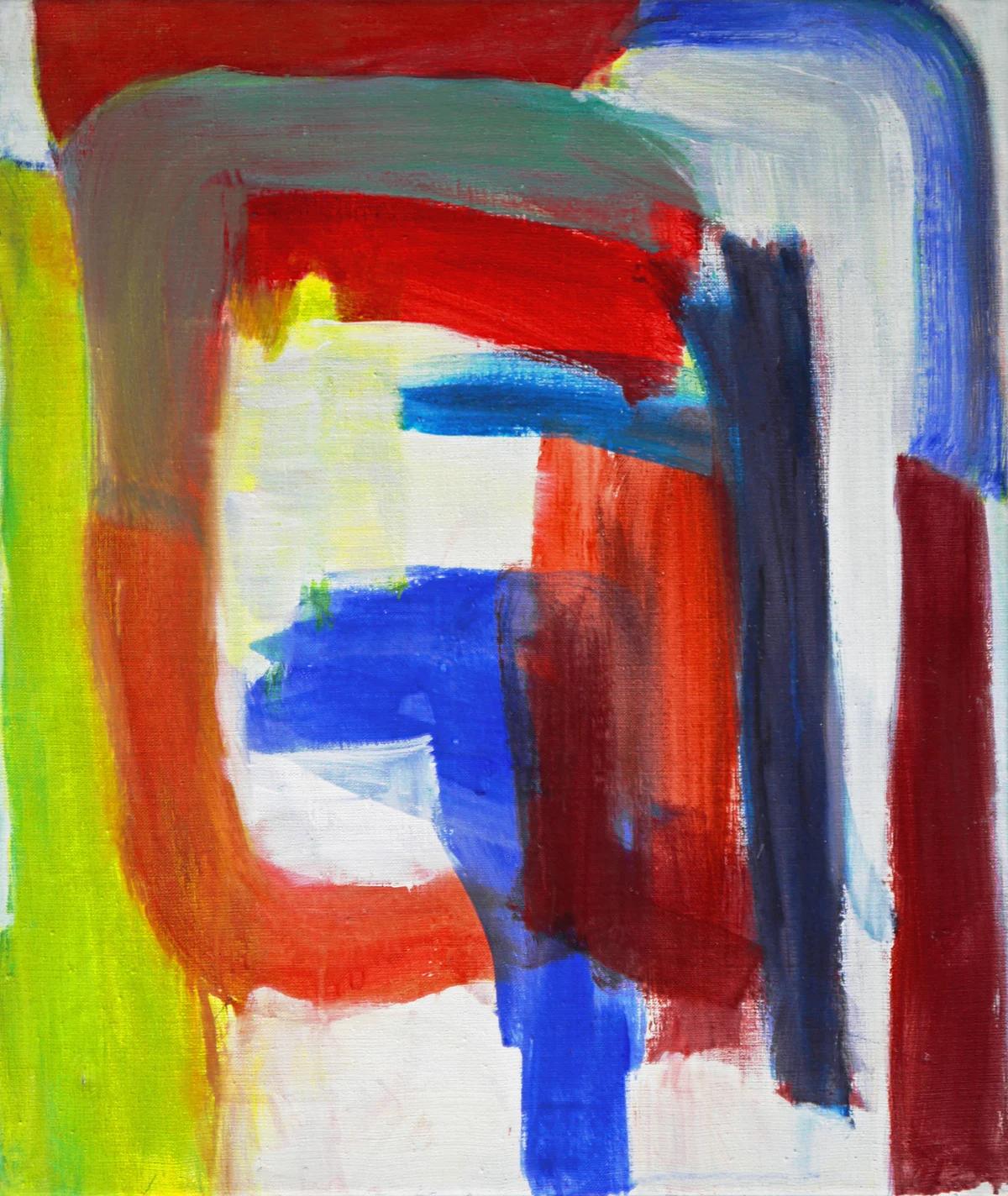
Contrasts of Forms
Fernand Léger
Musee National Fernand Leger, Biot, Biot
P
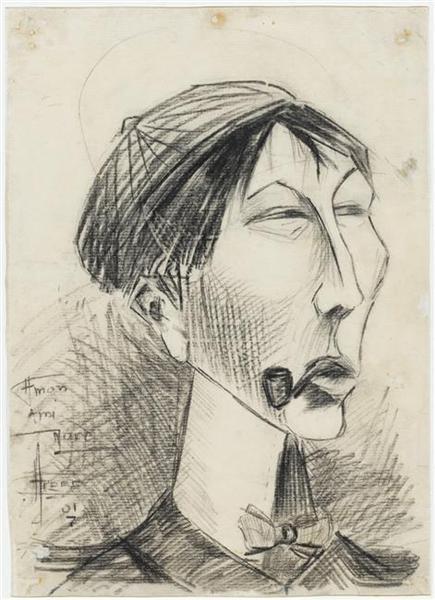
Portrait of Andre Mare
Fernand Léger
Musee National Fernand Leger, Biot, Biot
T
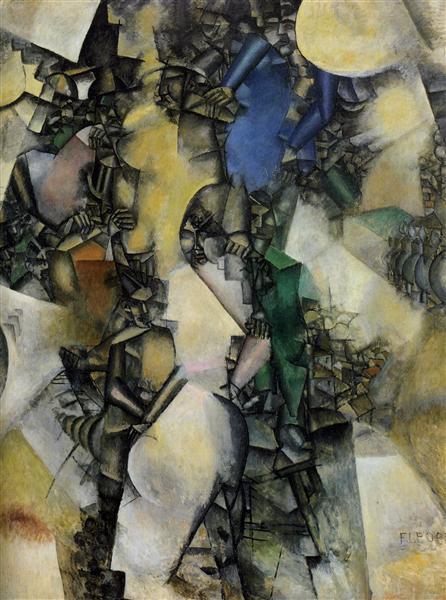
The Wedding
Fernand Léger
Georges Pompidou Center, Paris, Paris
Also at Kröller-Müller Museum
View all →
Related Works
Works that share an artist, movement, museum, genre, palette or theme with Nudes in the Forest.

- Same artist
- Same movement
Contrast of Forms
Fernand Léger, 1913
- Same artist
- Same movement
Chimneys on Rooftops
Fernand Léger
- Same artist
- Same movement
The Woman in Blue
Fernand Léger
- Same movement
- Same genre
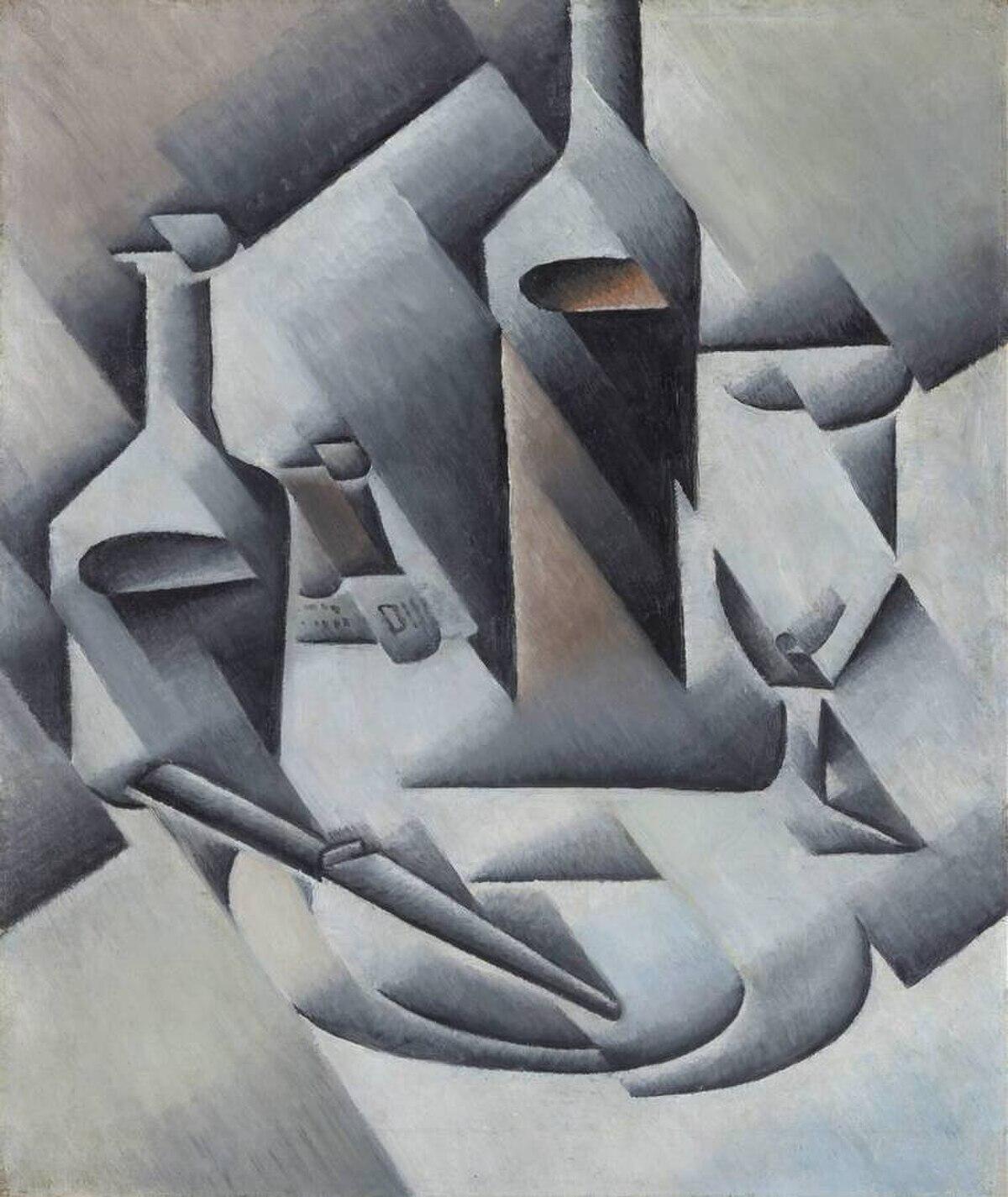
Landscape with House at Ceret
Juan Gris
- Same movement
- Same museum
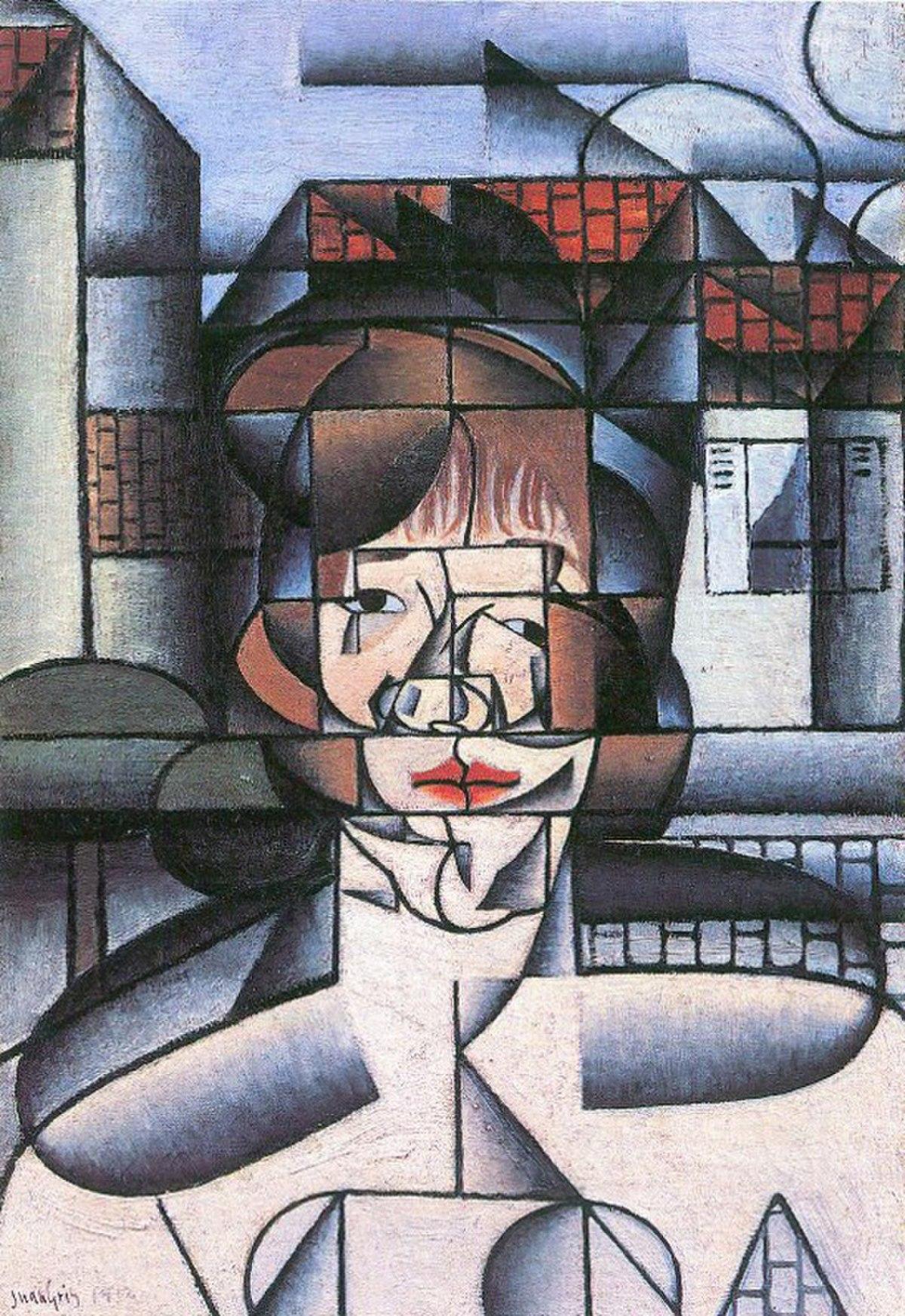
Bottles and Knife
Juan Gris
- Same movement
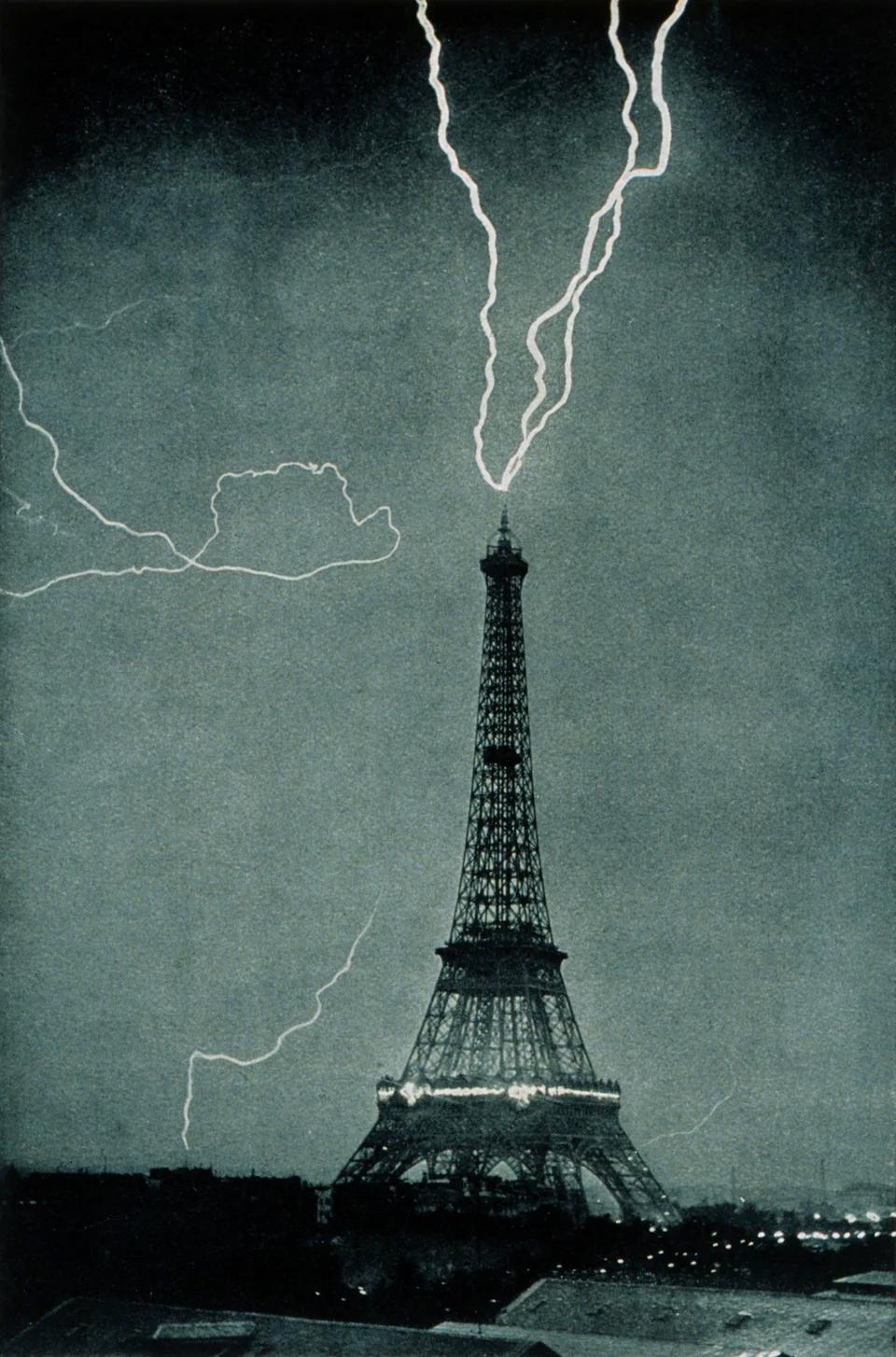
Portrait of Germaine Raynal
Juan Gris
- Same movement
Eiffel Tower
Robert Delaunay, 1911
- Same movement
Homage to Bleriot
Robert Delaunay
- Same movement
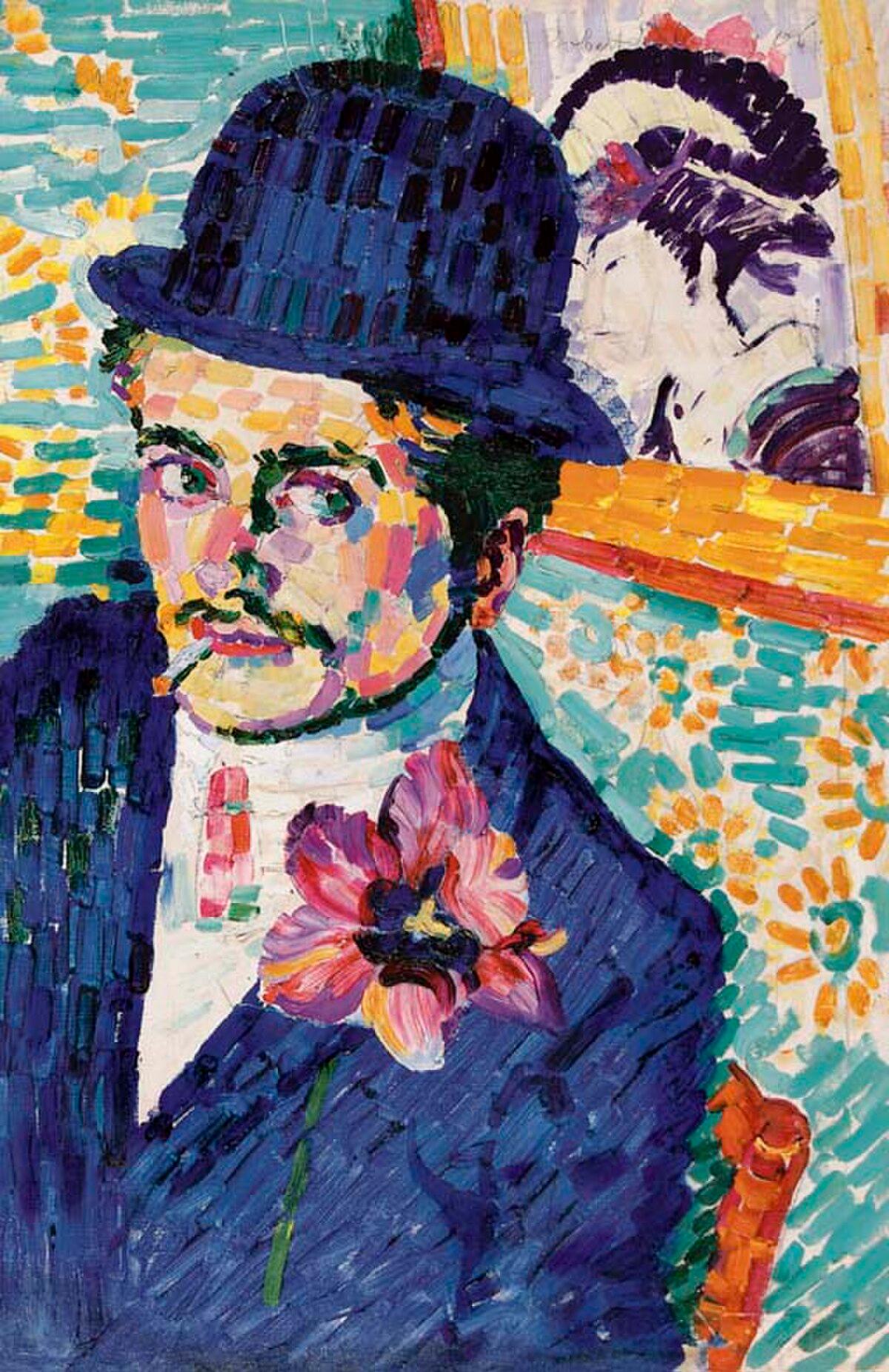
Man with a Tulip (also known as Portrait of Jean Metzinger)
Robert Delaunay
- Same movement
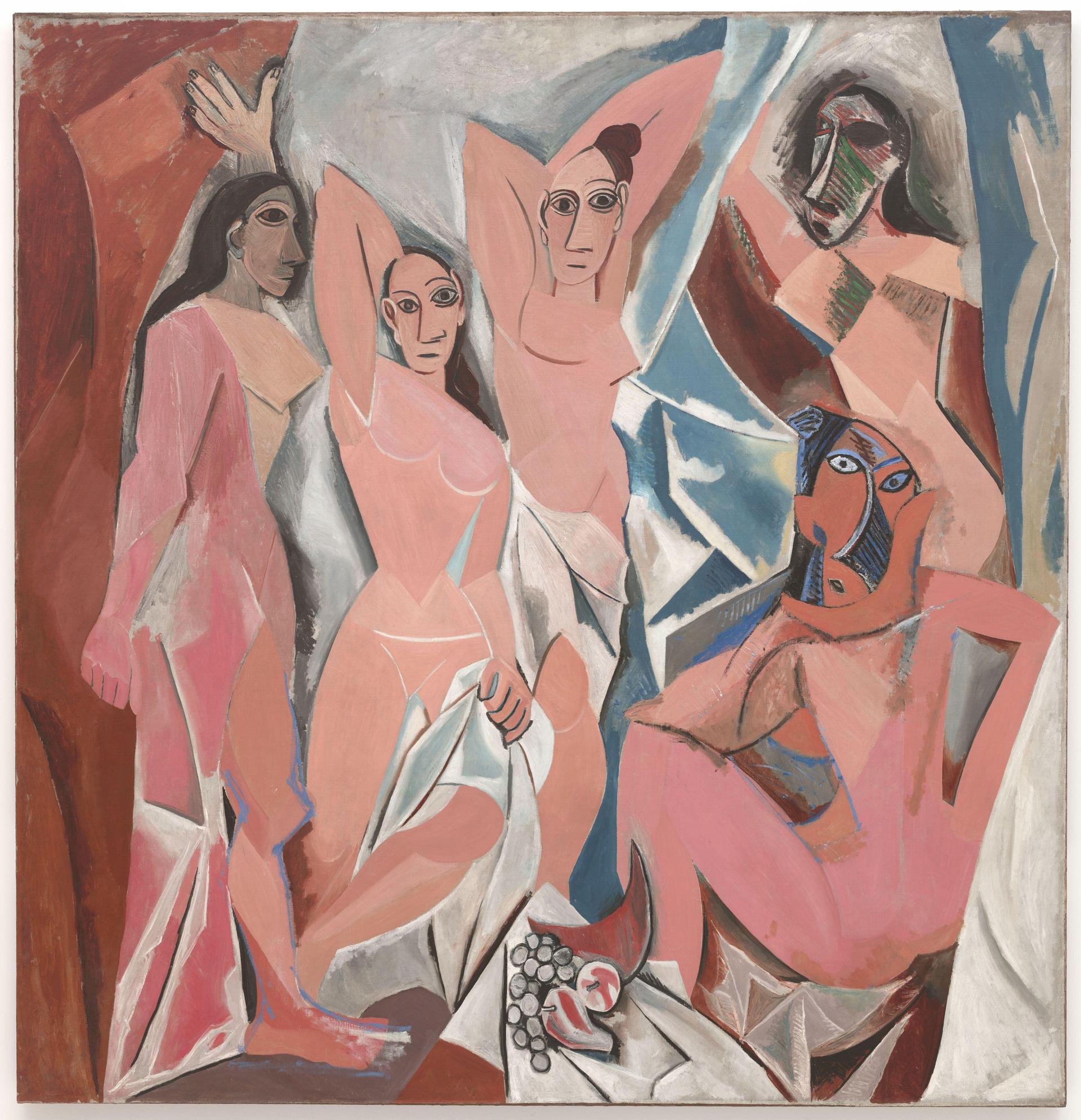
Les Demoiselles d'Avignon
Pablo Picasso, 1907
- Same genre
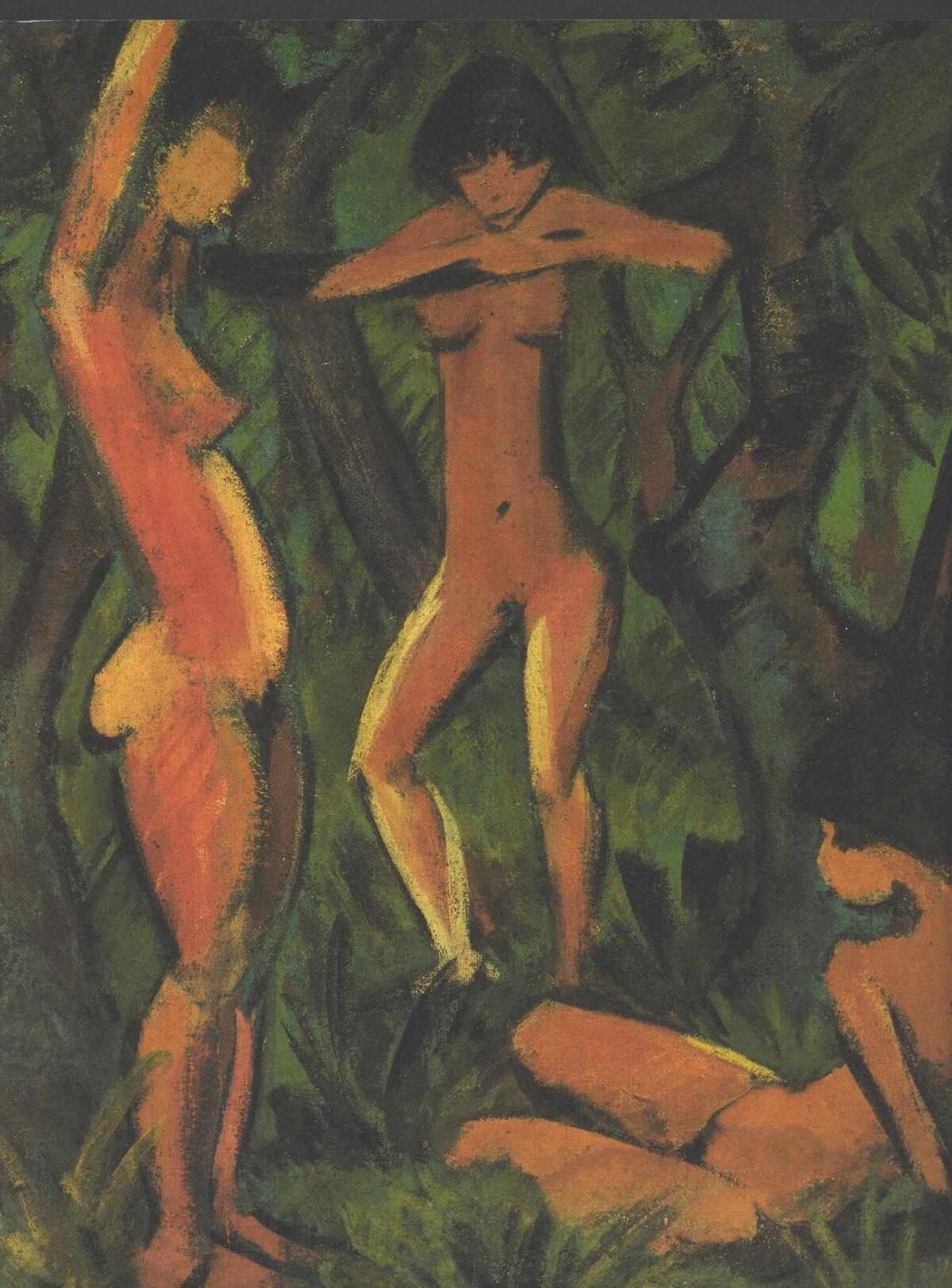
Three Nudes in the Forest
Otto Mueller
- Same movement
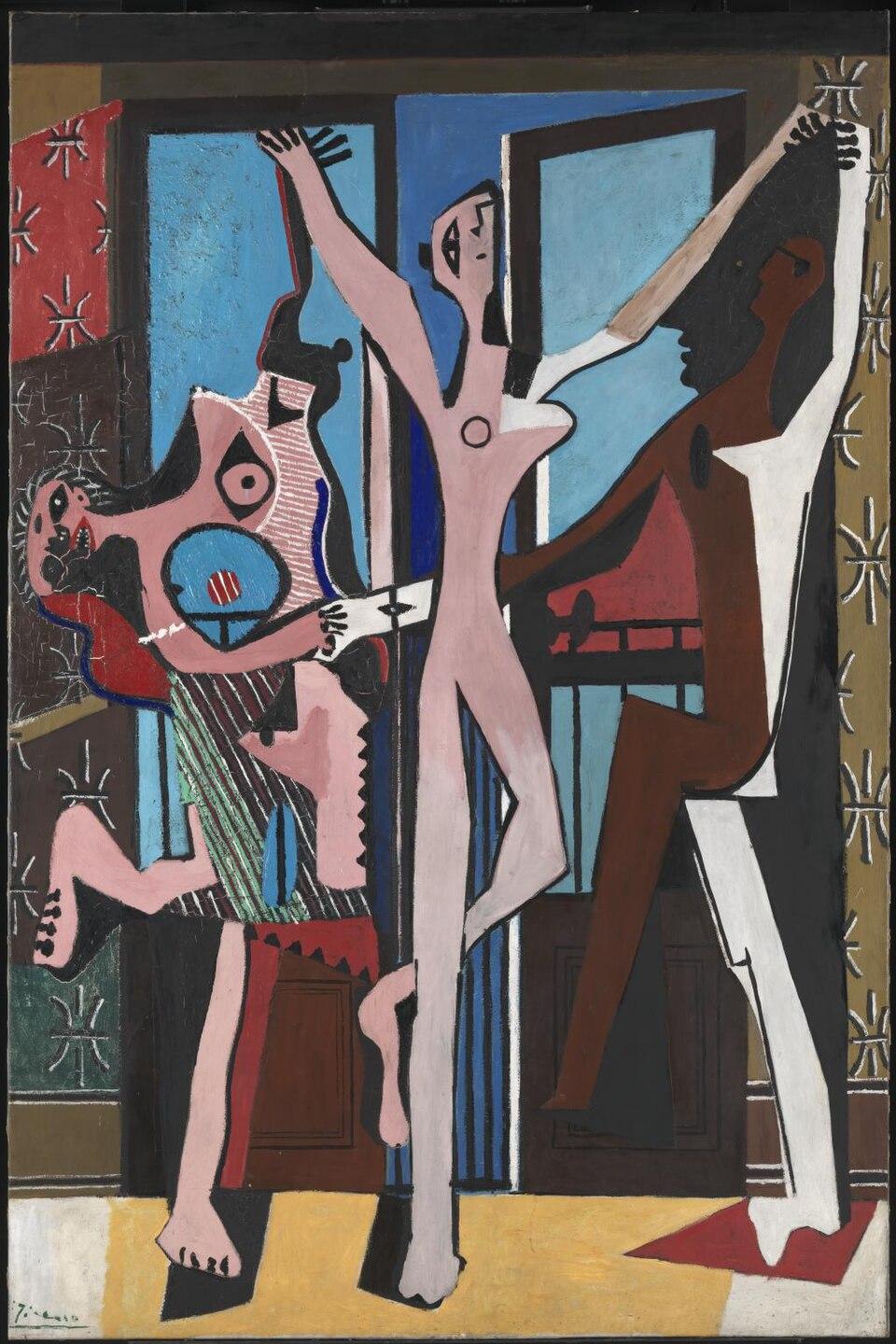
The Three Dancers
Pablo Picasso, 1925
About Nudes in the Forest
Nudes in the Forest is displayed at the Kröller-Müller Museum in Otterlo, Netherlands.
Tubism was a nickname critics gave Léger's style for its emphasis on cylindrical forms. It distinguished his work from other Cubists.
Léger showed Nudes in the Forest at the Salon des Indépendants in 1911, where it helped establish him as a major Cubist artist Fernand Léger created it as part of the French artistic tradition.
Own Art Like This
Luxury wall art with the same mood and energy. Gallery-quality canvas, no museum crowds.
Browse Collection