Public Domain
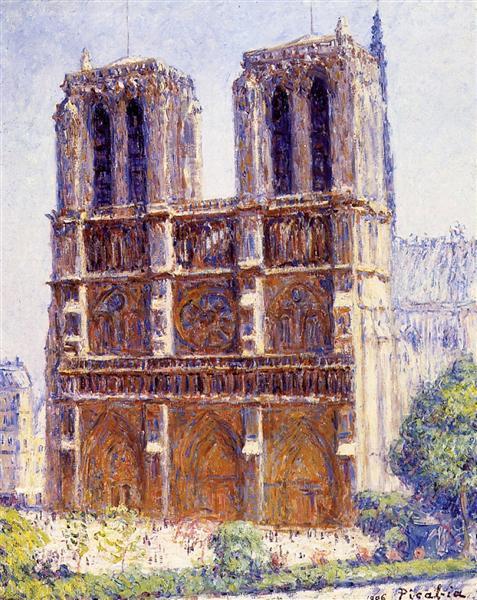
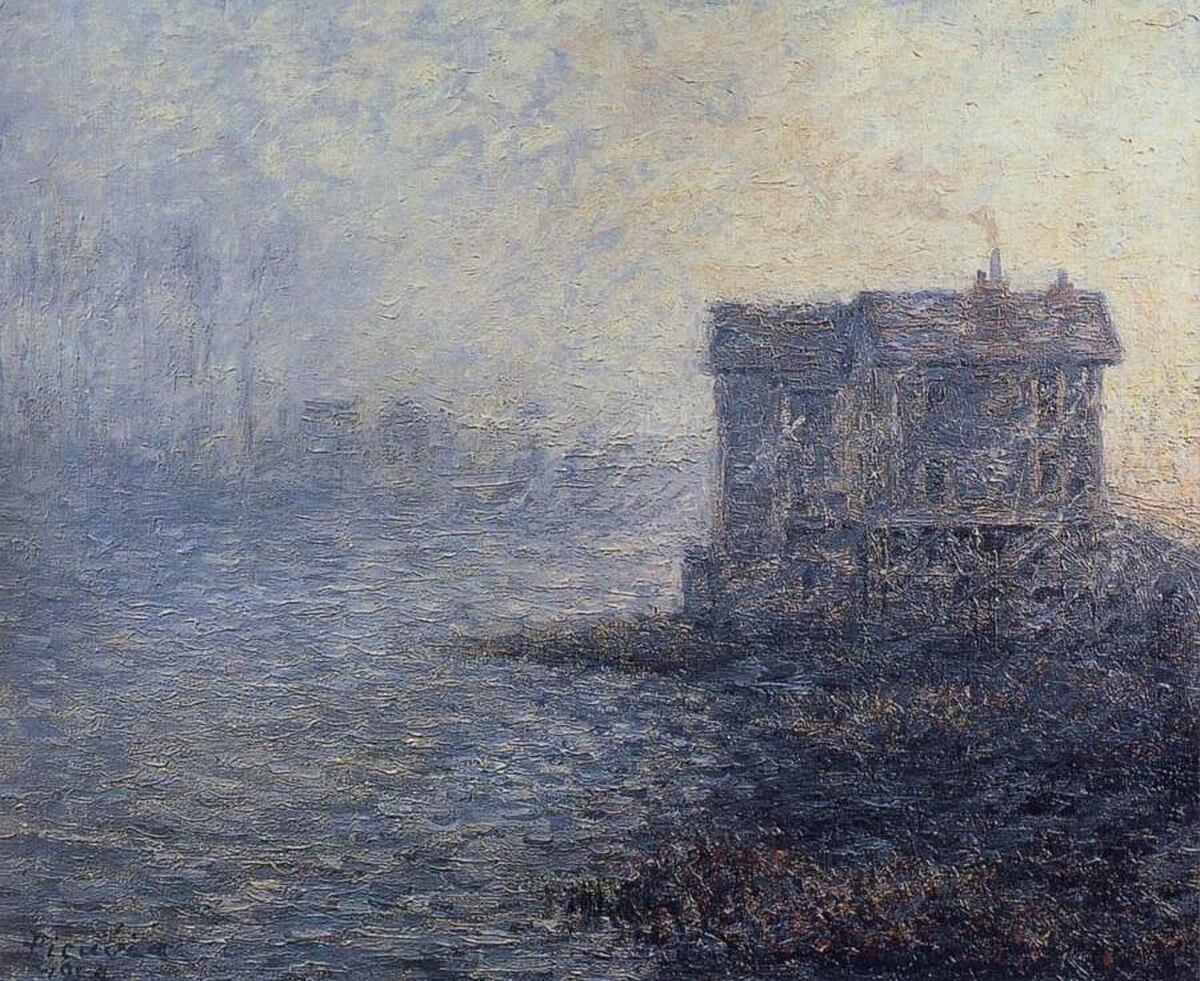
Notre Dame, the Effect of Sunlight
Artwork Details
Cite or Embed This Work
APA · MLA · Chicago1-click academic citation and embeddable “On View” museum badge for articles, syllabi, and research.
Francis Picabia rendered this Notre Dame, the Effect of Sunlight in 1906, years before he became a leader of the Dada movement. The oil on canvas measures approximately 67 x 74 cm and depicts the cathedral's facade bathed in warm light. The brushwork is loose and atmospheric, showing clear Impressionist influence.
Picabia met the sons of Camille Pissarro in 1902 and began experimenting with Impressionism. By 1905, he'd signed a three-year contract with a dealer. But critics noticed something odd about his sunlit haystacks and cathedral views. They "practically shout Monet." In fact, Picabia often copied photographic postcards rather than painting en plein air. His Notre Dame facade shows this borrowed approach.
This early success wouldn't last. Picabia grew restless with Impressionism and moved through Cubism to become a founding figure of Dada in both America and France. The cathedral he painted in golden yellow light represented everything the later Picabia would reject. The painting remains in a private collection.
More by Francis Picabia
View all →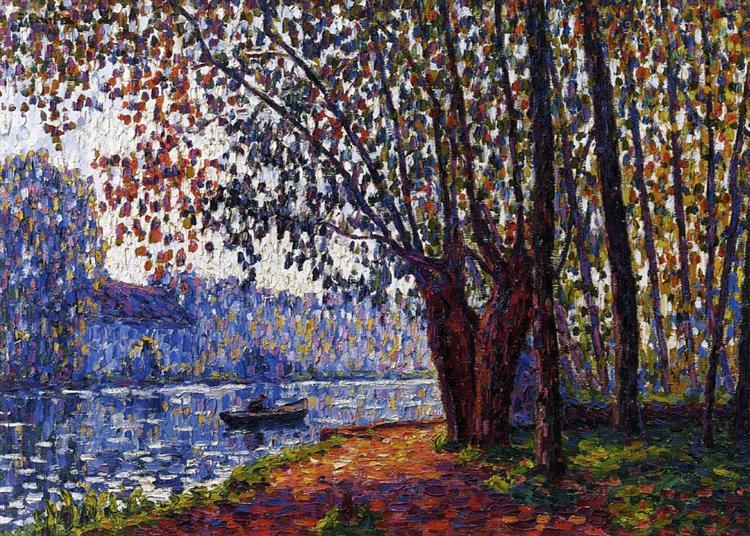
Also at Private Collection
View all →
Related Works
Works that share an artist, movement, museum, genre, palette or theme with Notre Dame, the Effect of Sunlight.
- Same artist
- Same museum
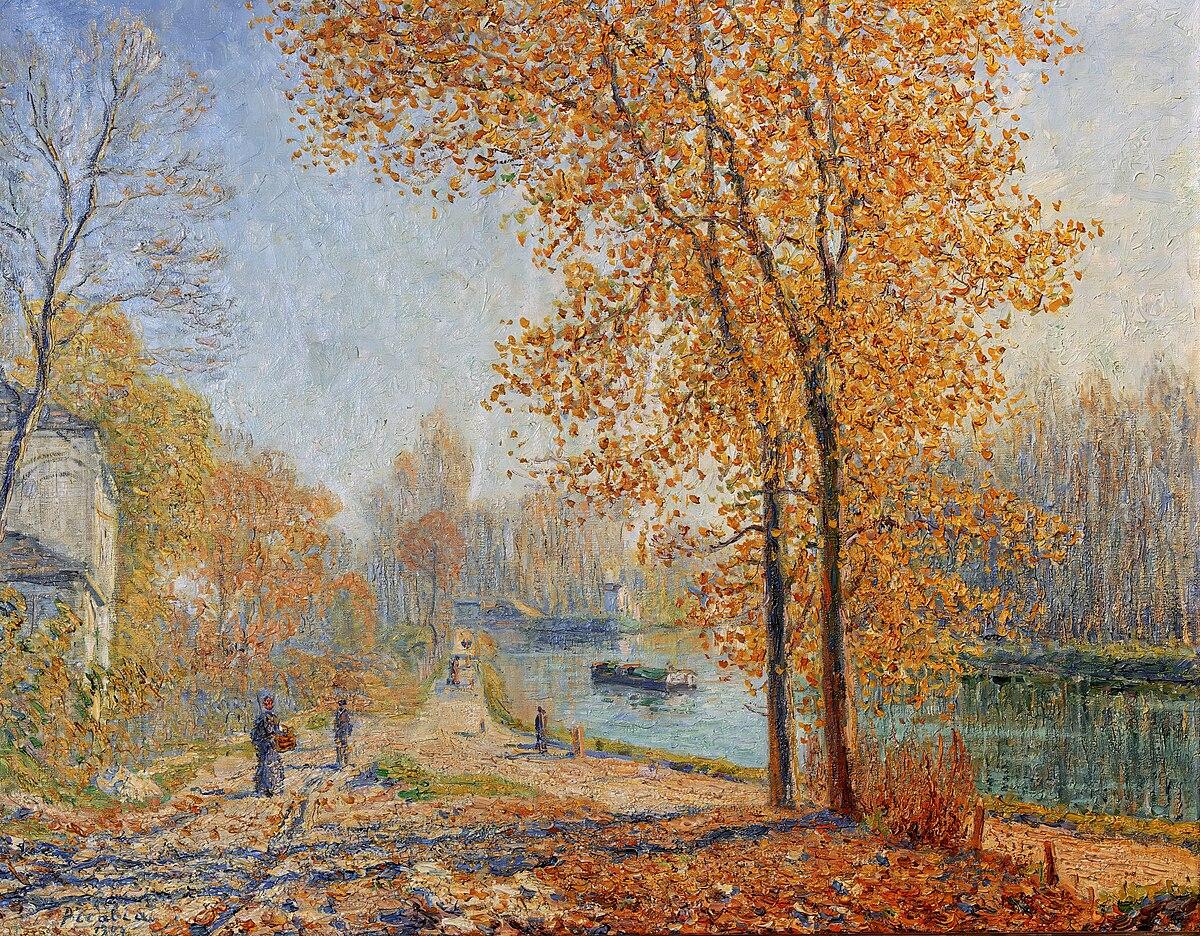
Autumn Effect
Francis Picabia
- Same artist
- Same museum
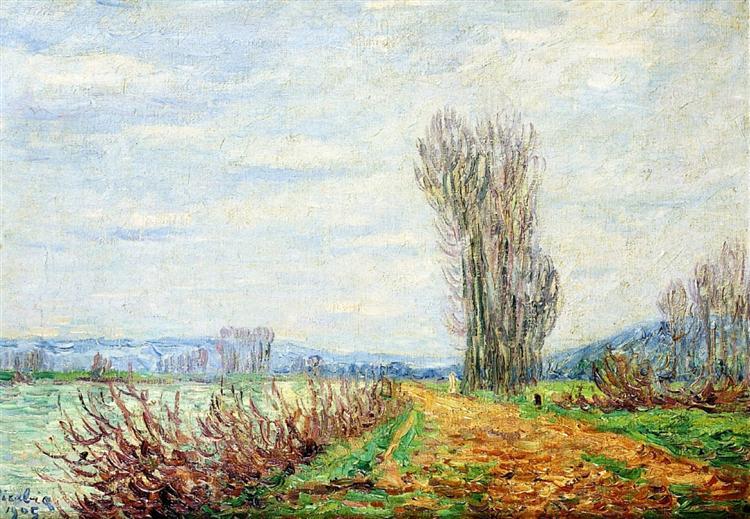
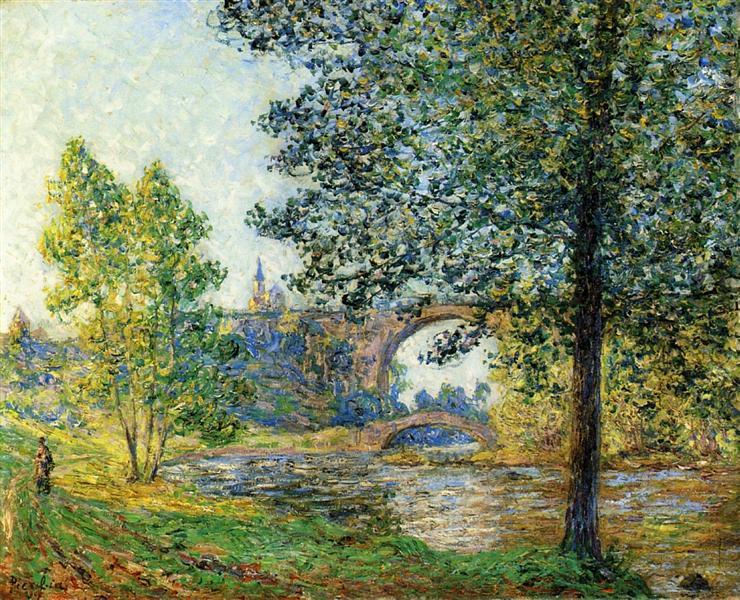
The Eure in the Twilight Sun
Francis Picabia
- Same artist
- Same museum
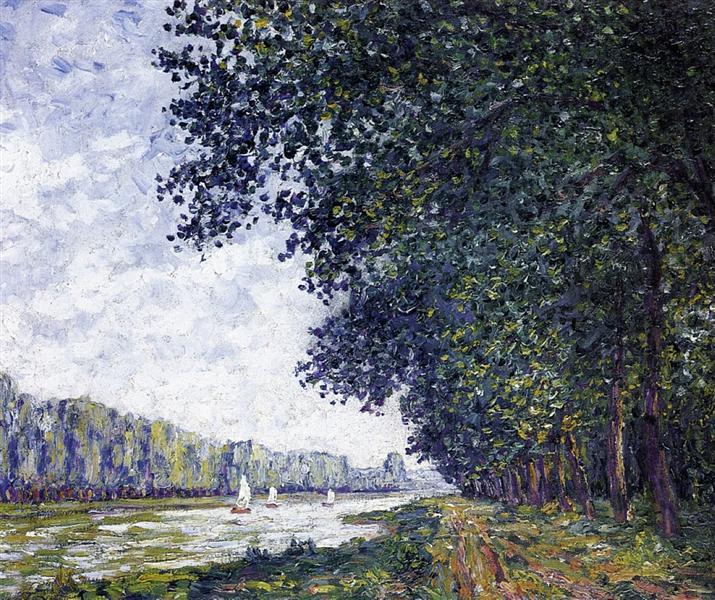
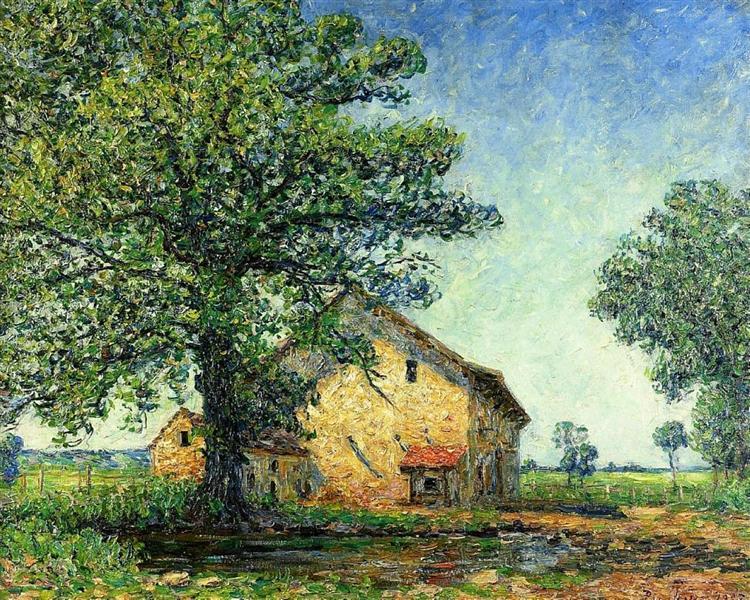
Farm at La Petite Mare
Francis Picabia
- Same museum
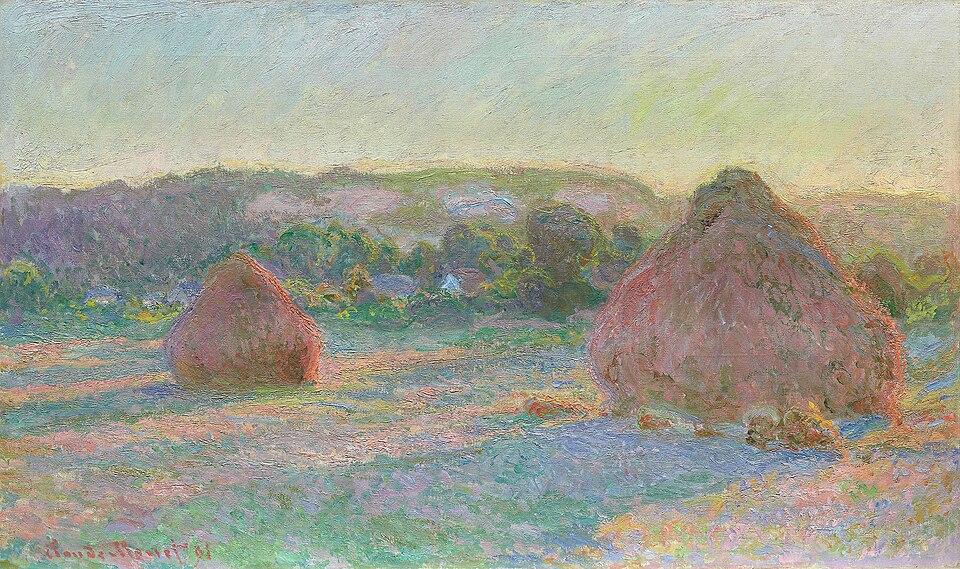
Meules (Haystacks)
Claude Monet, 1890
- Same museum
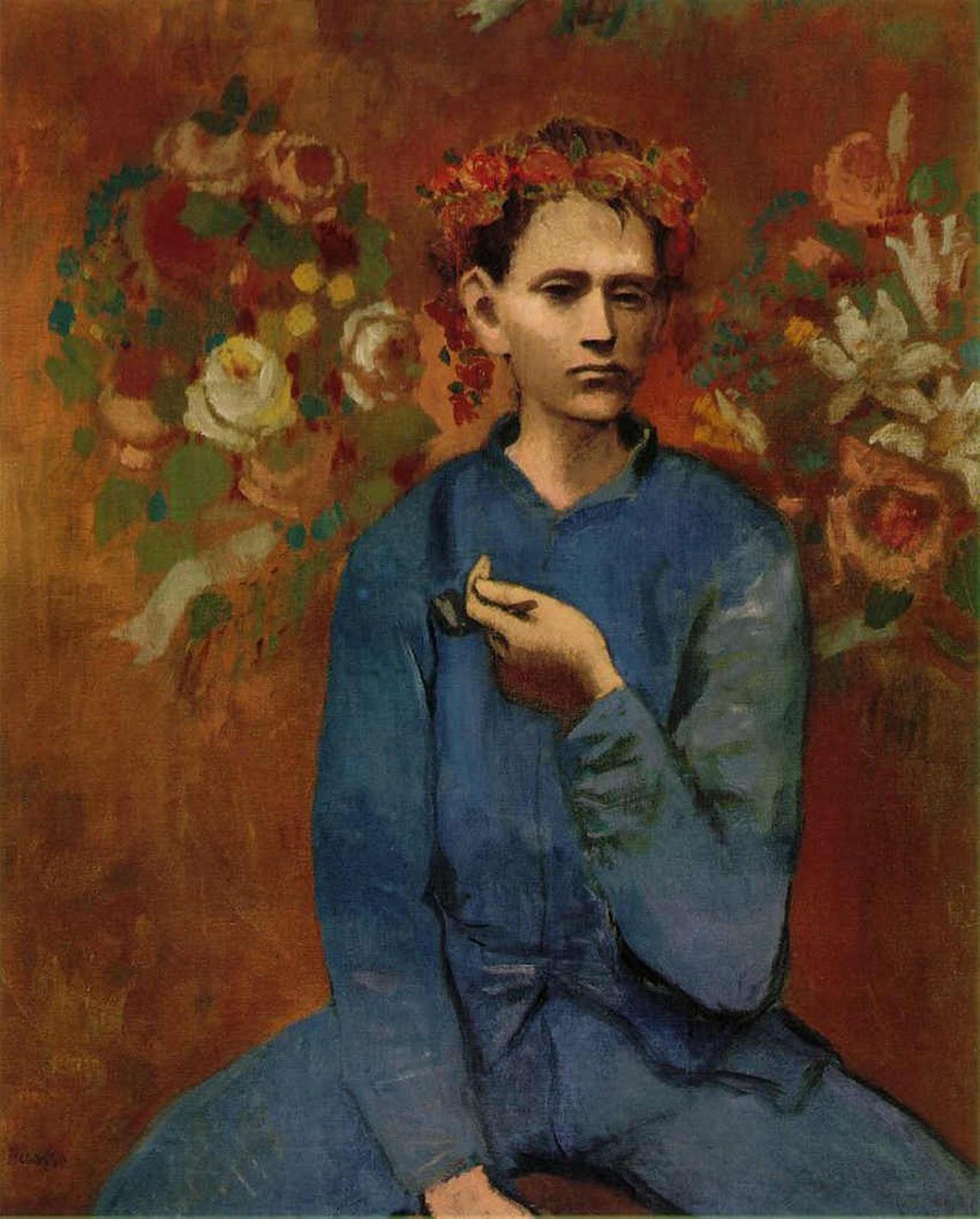
Garçon à la pipe (Boy with a Pipe)
Pablo Picasso, 1905
- Same museum
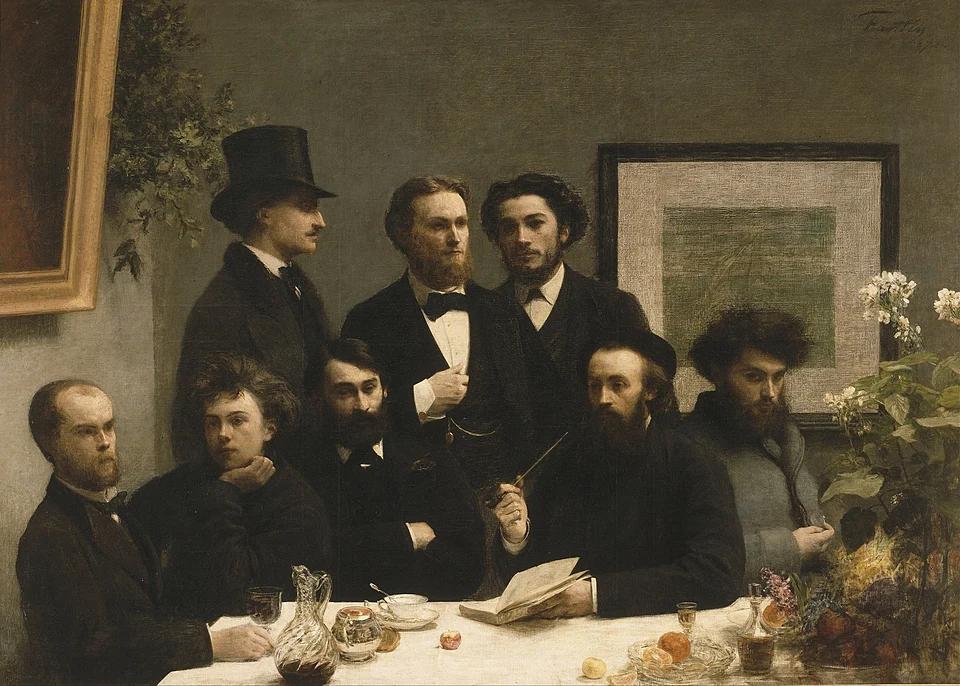
White Roses
Henri Fantin-Latour, 1875
- Same museum
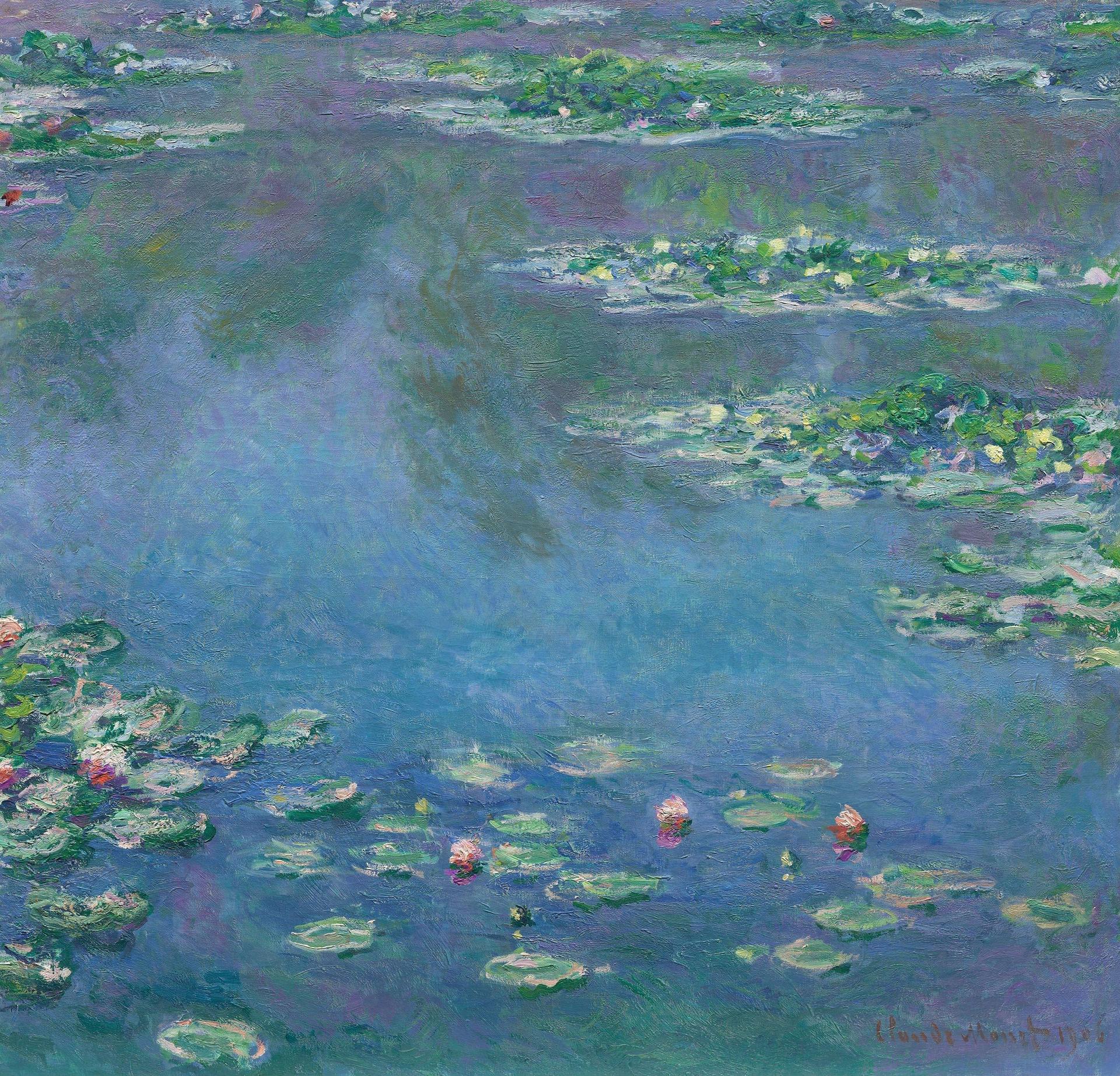
Le bassin aux nymphéas
Claude Monet, 1919
- Same museum
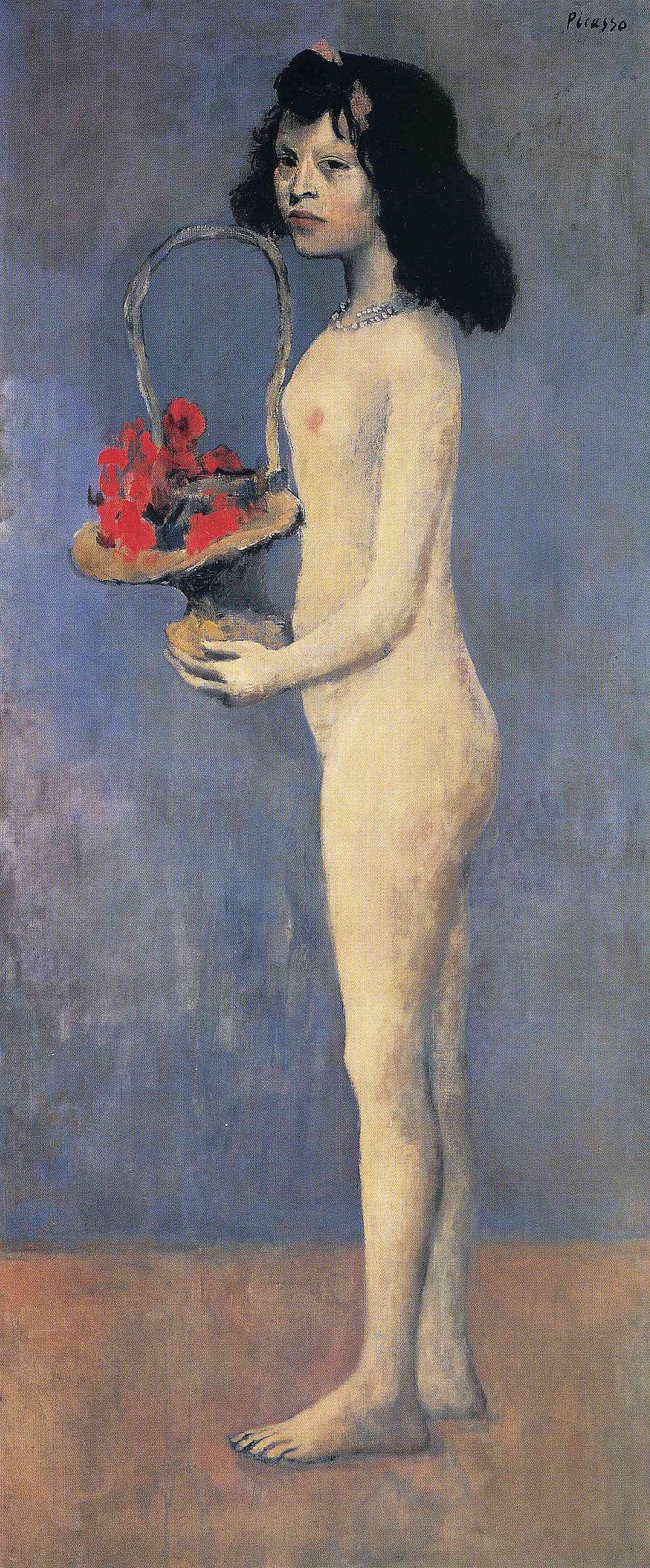
Fillette à la corbeille fleurie
Pablo Picasso, 1905
- Same museum
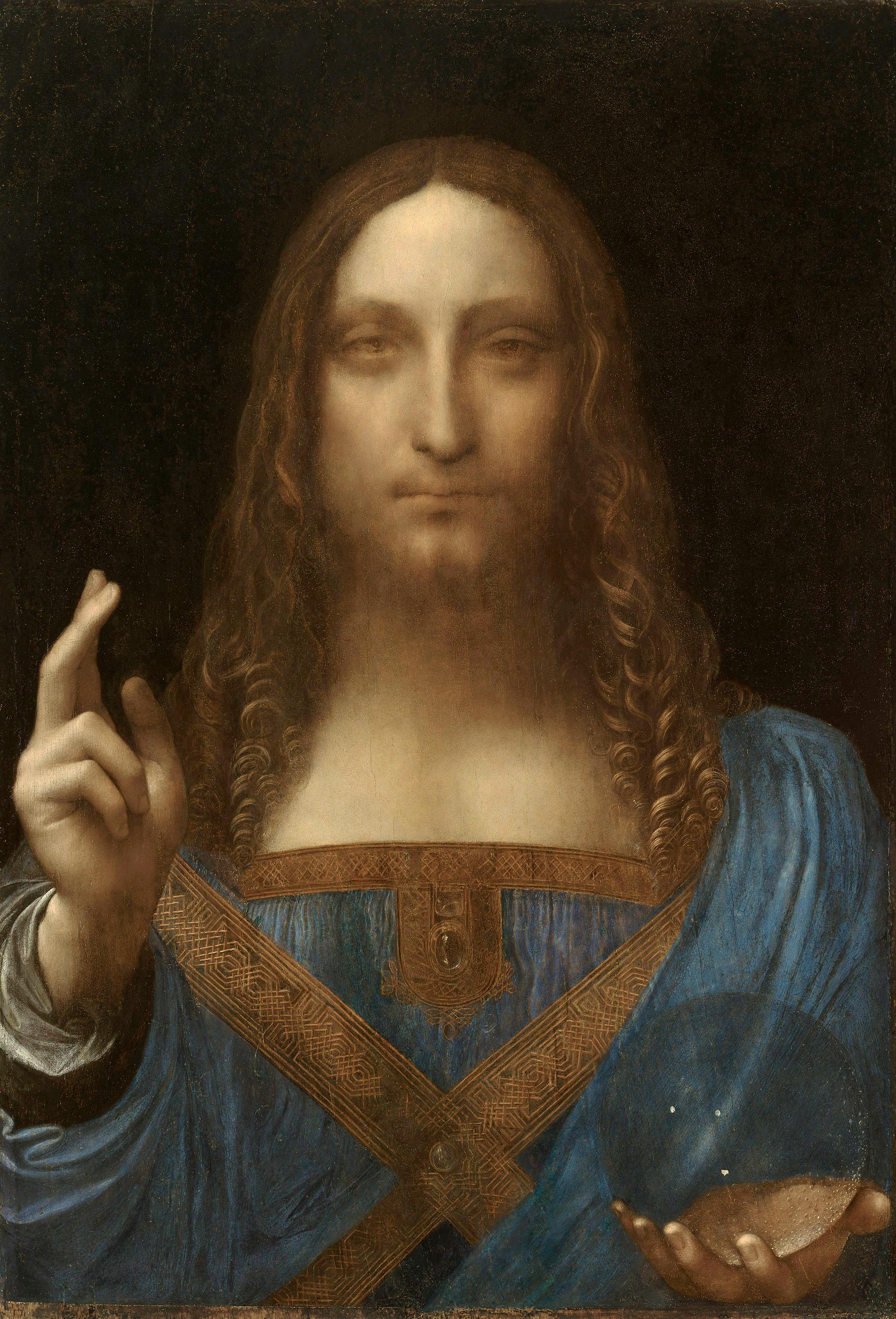
Salvator Mundi
Leonardo da Vinci, 1500
- Same museum
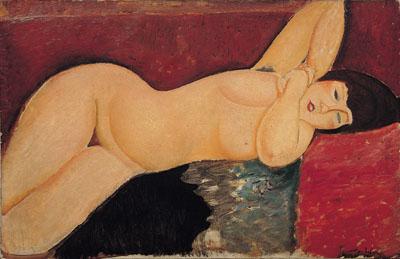
Nu Couché
Amedeo Modigliani, 1917
- Same museum
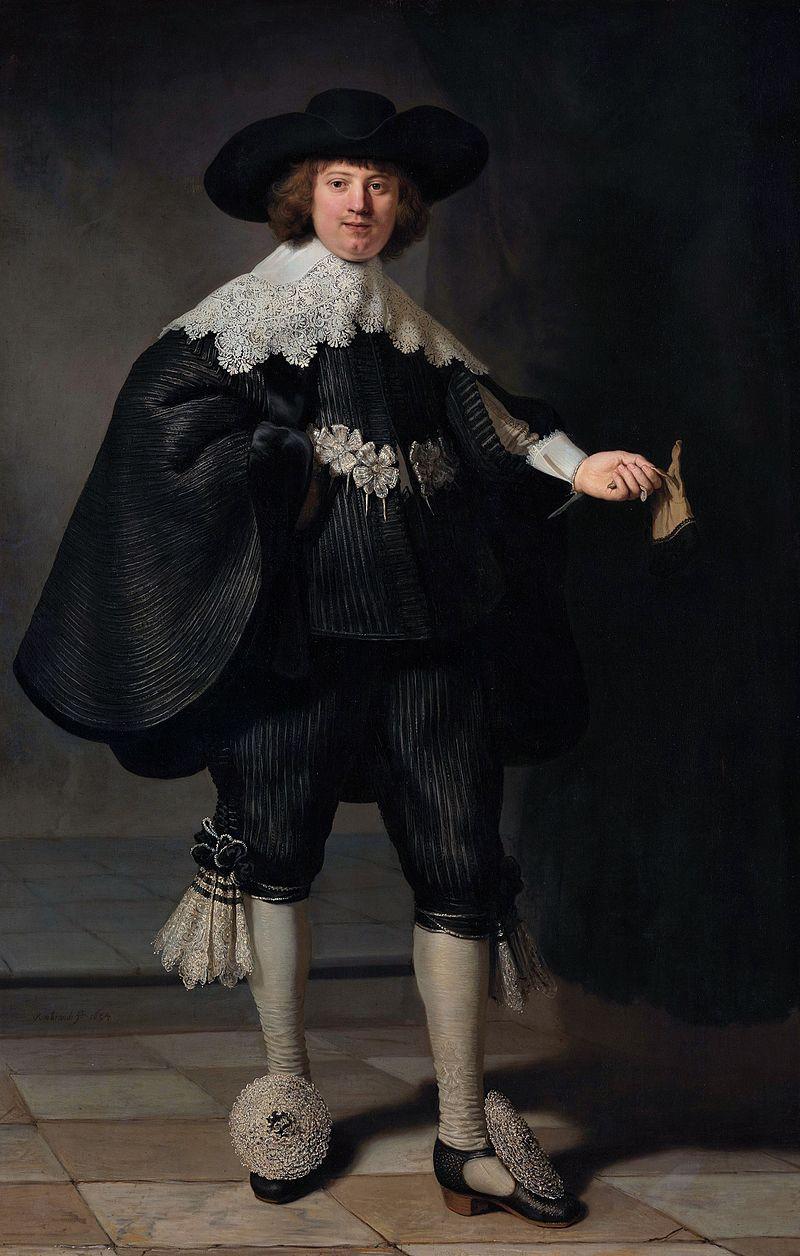
Pendant Portraits of Maerten Soolmans and Oopjen Coppit
Rembrandt van Rijn, 1634
- Same museum
The Roses of Heliogabalus
Lawrence Alma-Tadema, 1888
About Notre Dame, the Effect of Sunlight
Notre Dame, the Effect of Sunlight is painted in an Impressionist style, before Picabia became famous for Dada and Surrealism.
Picabia created this work in 1906, during his Impressionist period. He would later abandon this style for radical abstraction Francis Picabia created it as part of the French artistic tradition.
Notre Dame, the Effect of Sunlight is currently in a private collection and not on public display, located in Unknown, Unknown.
Own Art Like This
Luxury wall art with the same mood and energy. Gallery-quality canvas, no museum crowds.
Browse Collection