Francis Picabia
French·1879–1953
No Portrait Available
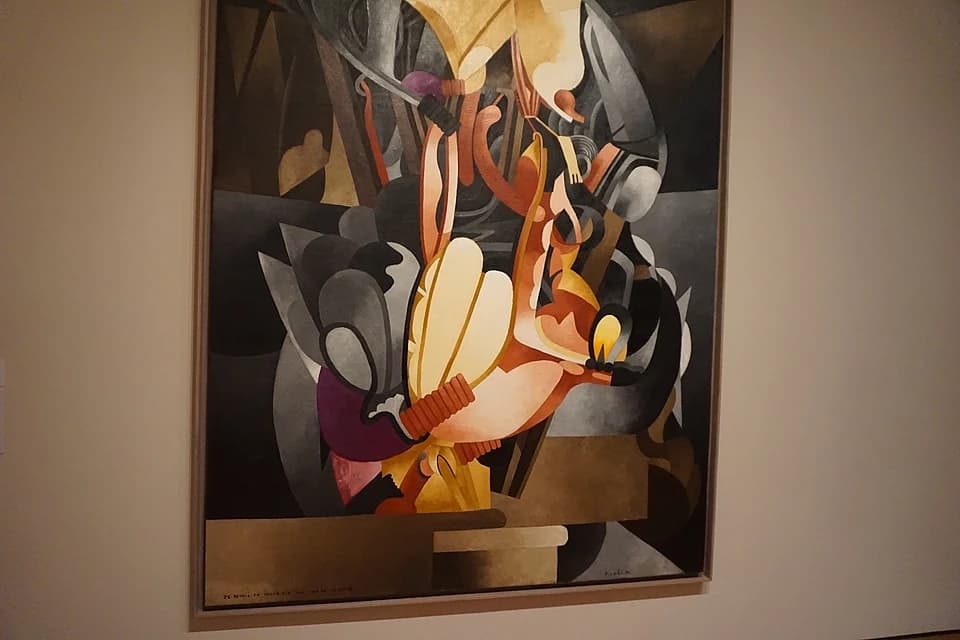
French avant-garde artist Francis Picabia (1879-1953) was one of the principal figures of Cubism, Dada, and Surrealism, known as "Papa Dada" for his founding role in the movement. His inventiveness, absurdist humor, and constant stylistic changes made him impossible to categorize. From Orphic Cubism to "mechanomorphic" drawings satirizing human relationships through machine imagery, Picabia constantly reinvented himself, eventually abandoning the art establishment entirely.
Born to a French mother and Cuban-Spanish father, Picabia grew up wealthy and studied at the Ecole des Arts Decoratifs alongside Marie Laurencin and Georges Braque. Guillaume Apollinaire included him in The Cubist Painters (1913) as representing "Orphism." He traveled to New York in 1915, developing American Dada with Duchamp and Man Ray. From 1917-1924, he edited the journal 391, publishing Dadaist work. In 1921, he renounced Dada, claiming it had "lost its capacity to shock." His Transparency paintings layered disparate imagery. The Museum of Modern Art, Guggenheim, and Tate hold major collections.
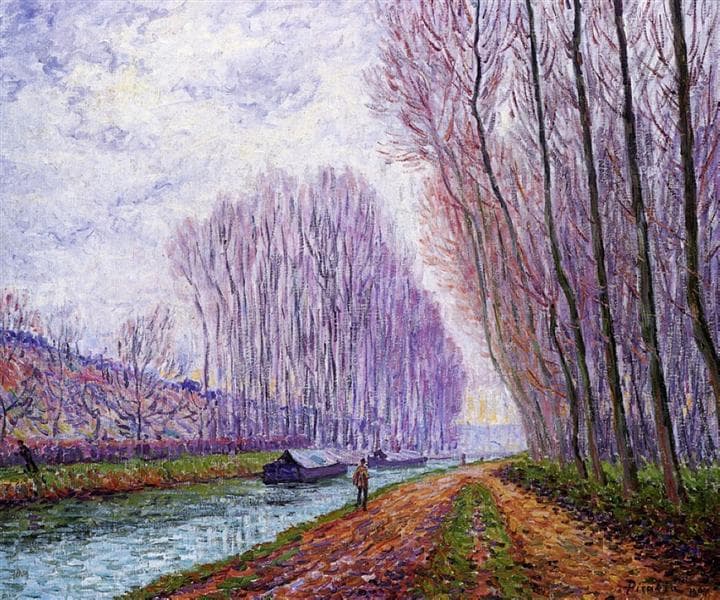
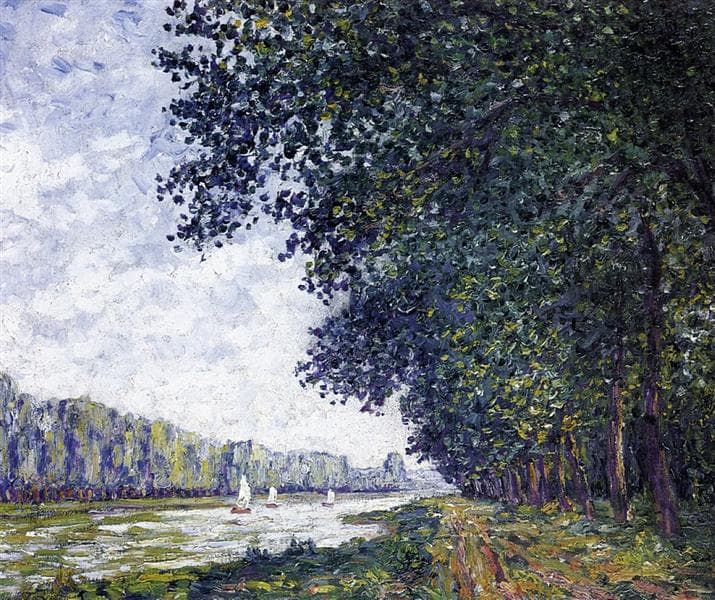
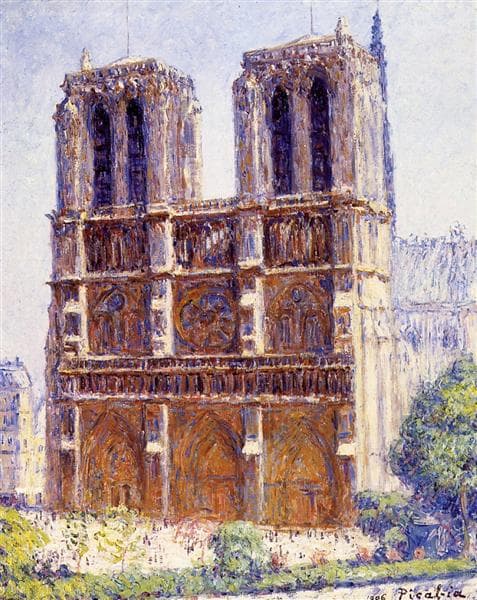
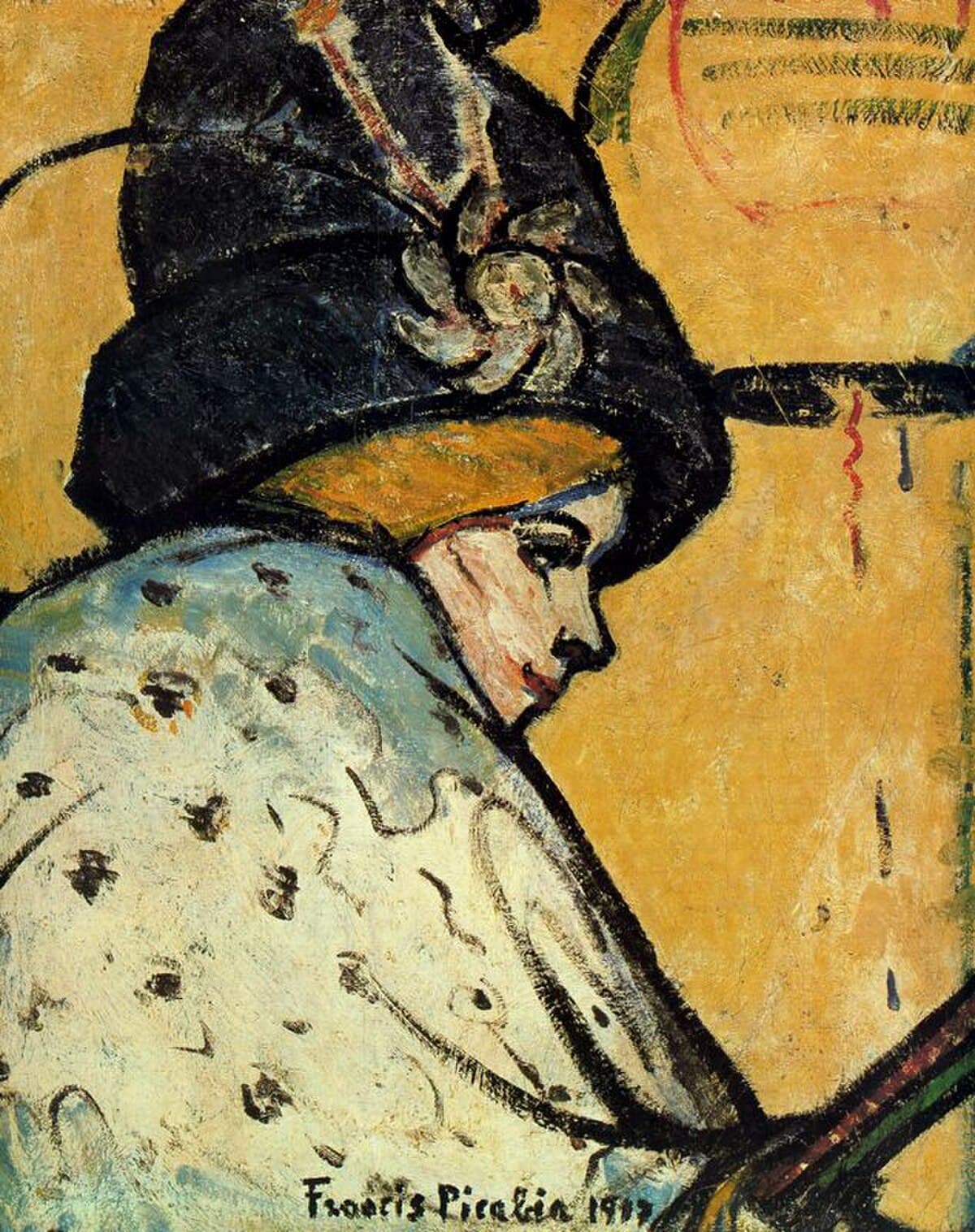
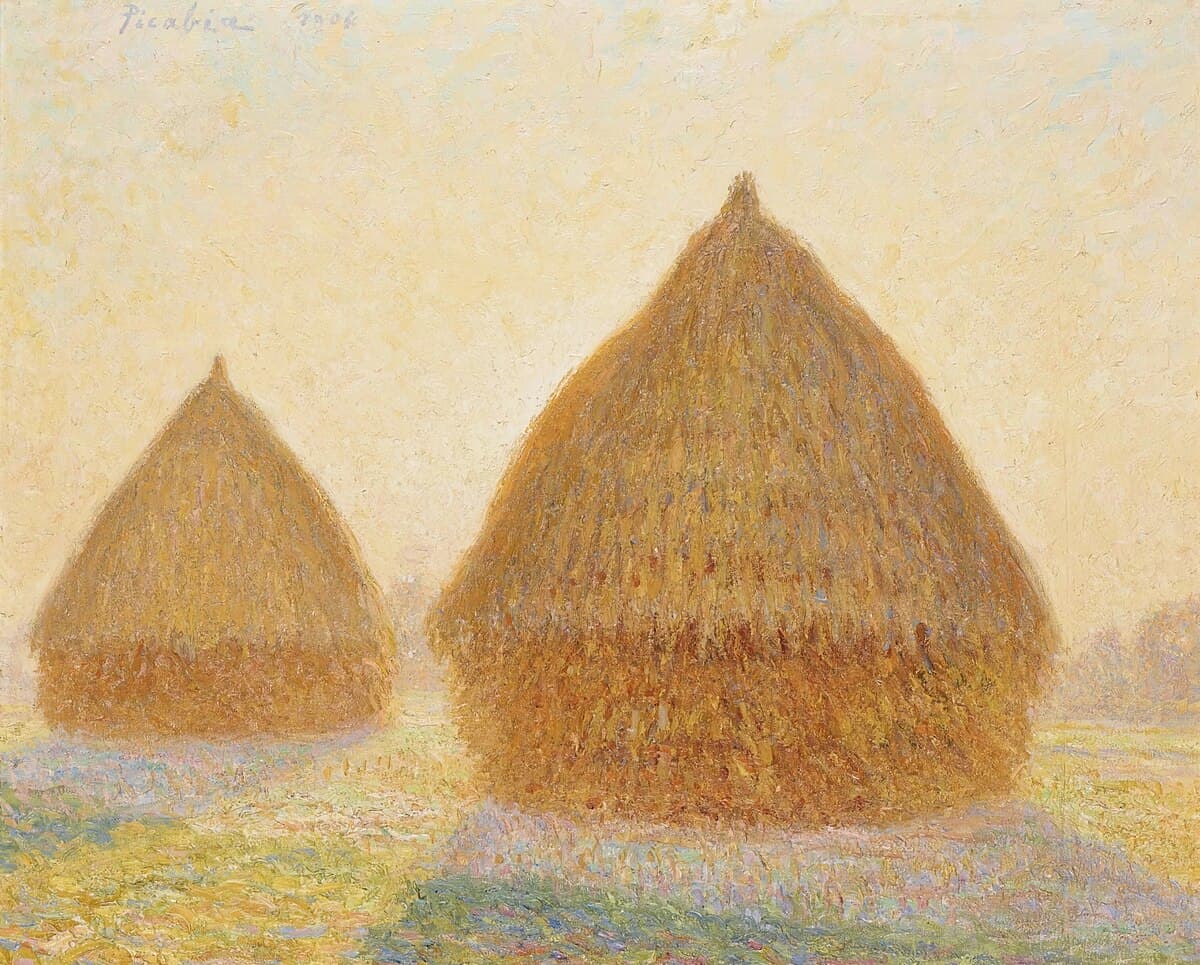
Notable Works by Francis Picabia
21 paintings catalogued with museum locations