
Michelangelo, CC BY-SA 4.0, via Wikimedia Commons.
Genius of Victory
by Michelangelo, 1534
StyleRenaissance
Artwork Details
Details
- Year
- 1534
- Medium
- Marble
- Size
- 261 cm height
Cite or Embed This Work
APA · MLA · Chicago1-click academic citation and embeddable “On View” museum badge for articles, syllabi, and research.
Michelangelo carved this marble sculpture between 1532 and 1534, originally intending it for Pope Julius II's tomb. Standing 2.61 meters tall, the work now resides in the Salone dei Cinquecento at Palazzo Vecchio. Duke Cosimo I de' Medici received it as a gift in 1564, the year of Michelangelo's death.
The sculpture depicts a young victor standing triumphantly over a crouching, bearded captive. One leg presses down on the older man's back while the victor's body twists in a spiraling pose. This figura serpentinata, or serpentine figure, became influential in Mannerist art. Rather than showing combat, Michelangelo created an allegory of triumph. The victor's youthful beauty contrasts with the aged prisoner's weathered features, suggesting virtue overcoming vice or perhaps the soul conquering earthly bondage.
More by Michelangelo
View all →

Also at Palazzo Vecchio
View all →
Related Works
Works that share an artist, movement, museum, genre, palette or theme with Genius of Victory.
- Same artist
- Same movement
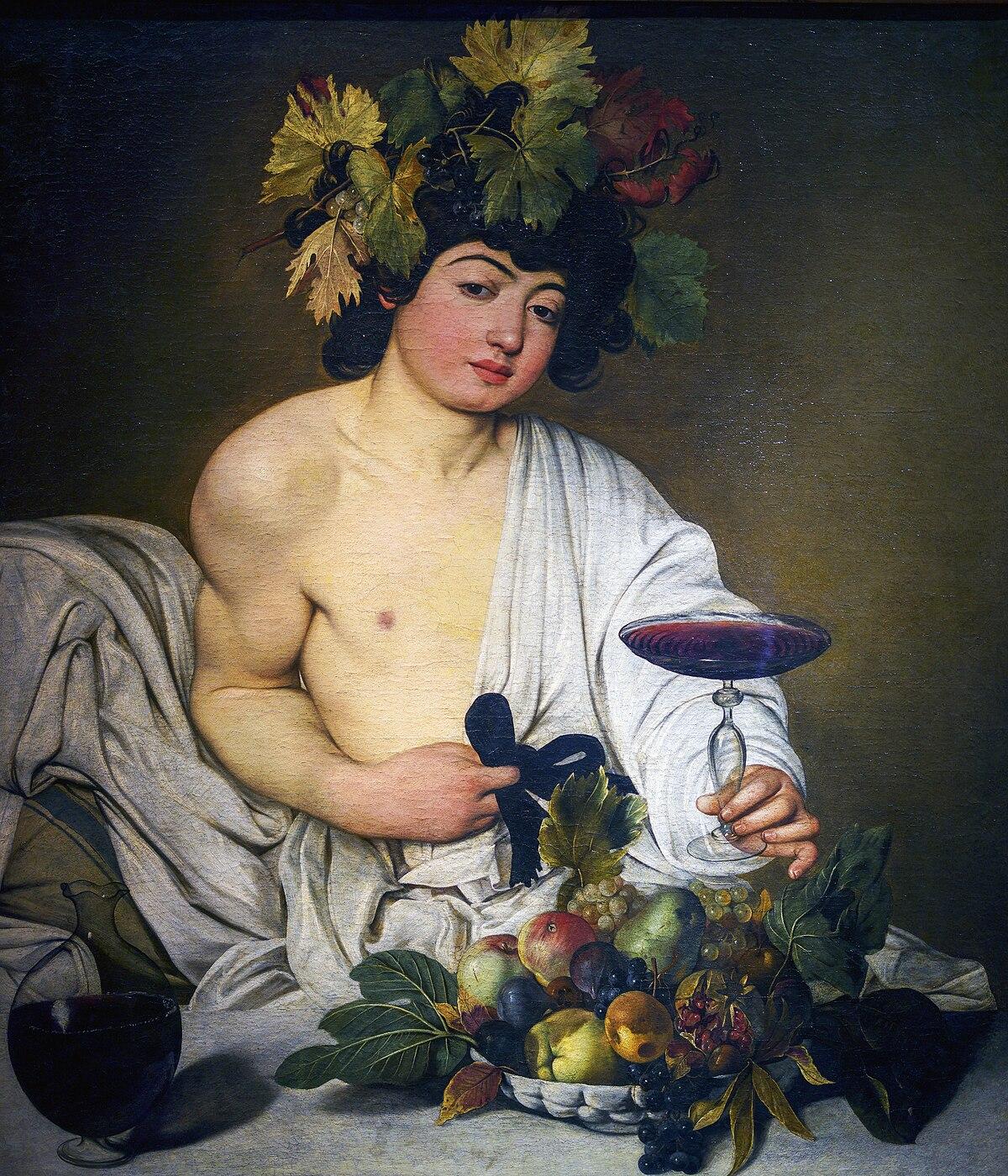
David
Michelangelo
- Same artist
- Same movement
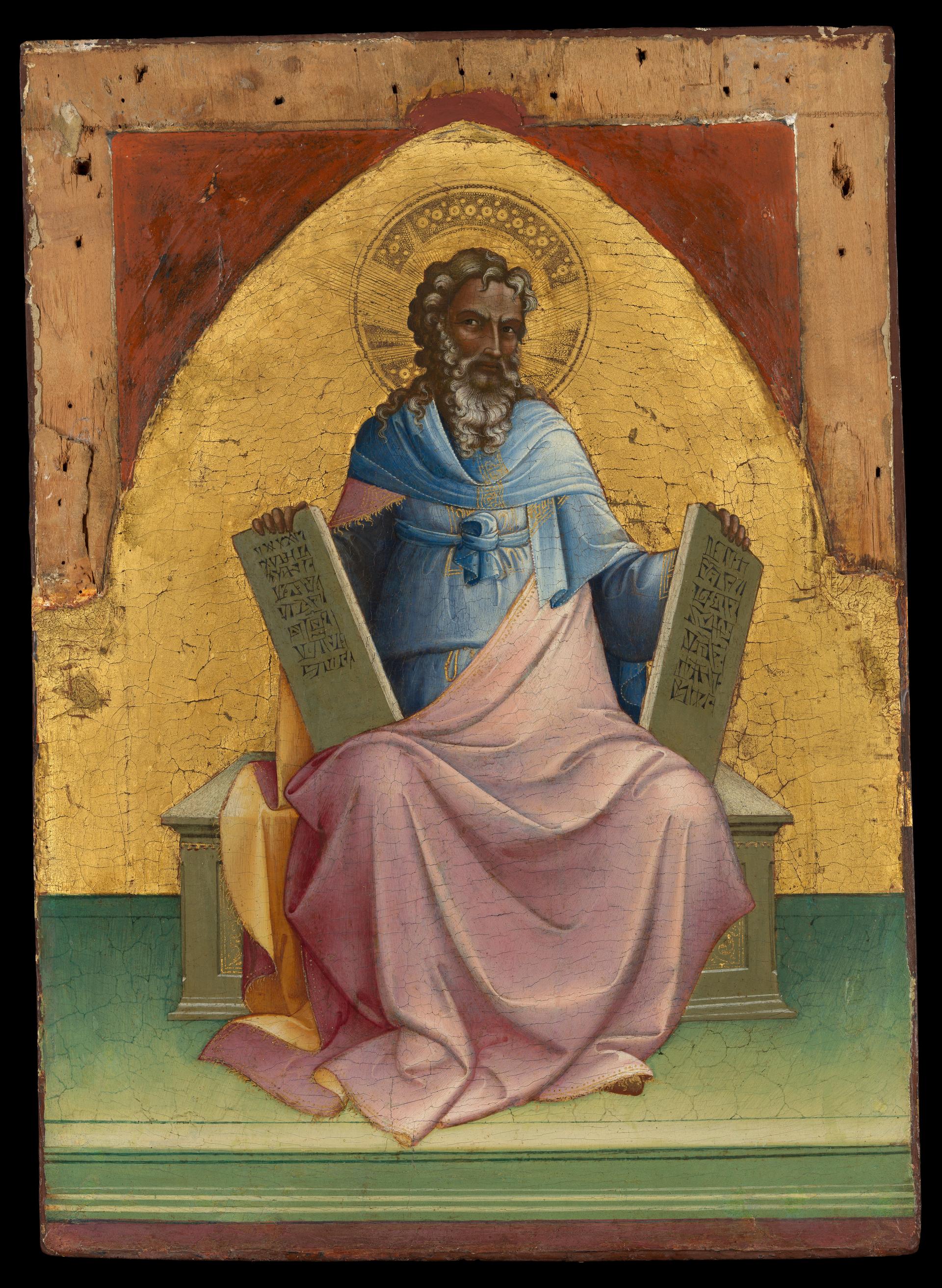
Bacchus
Michelangelo
- Same artist
- Same movement
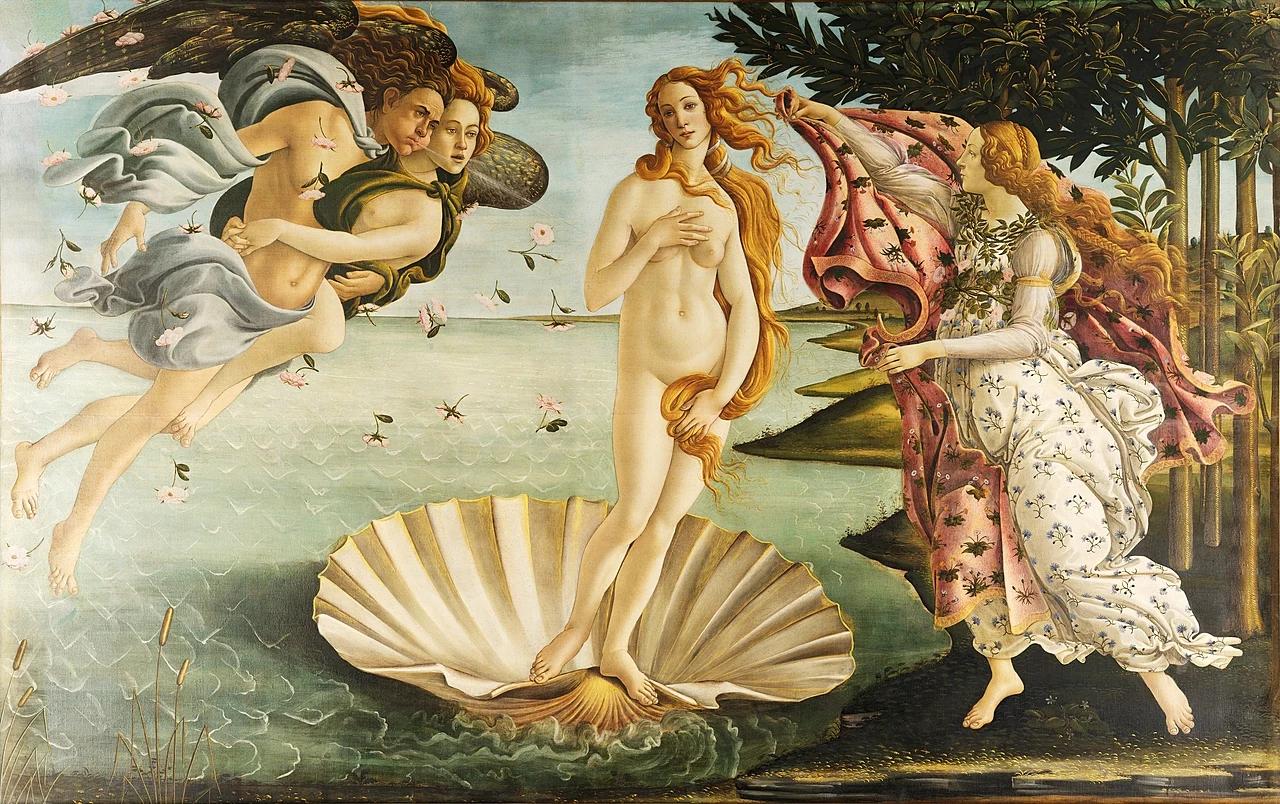
Moses
Michelangelo, 1515
- Same movement
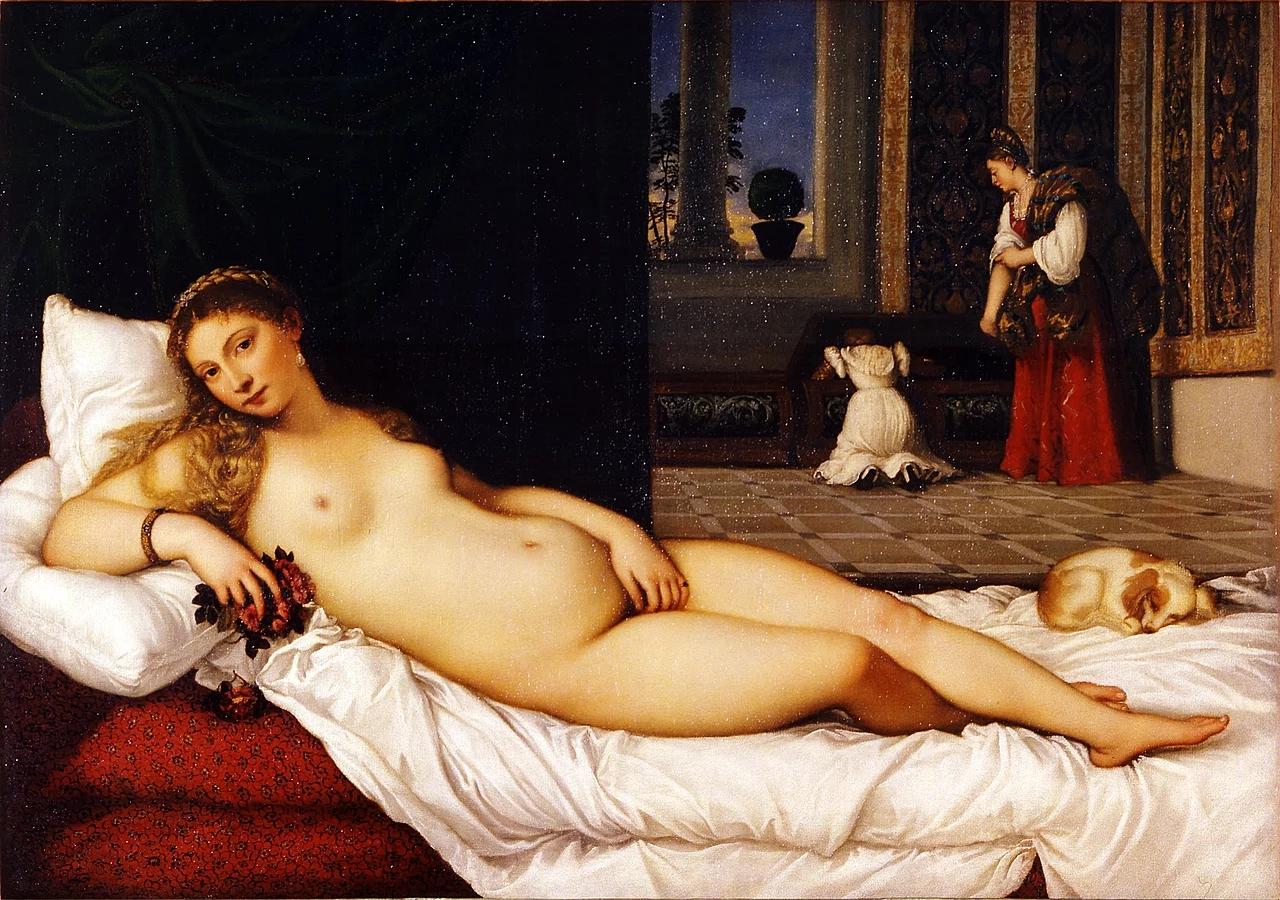
The Birth of Venus
Sandro Botticelli, 1485
- Same movement
Venus of Urbino
Titian, 1538
- Same movement
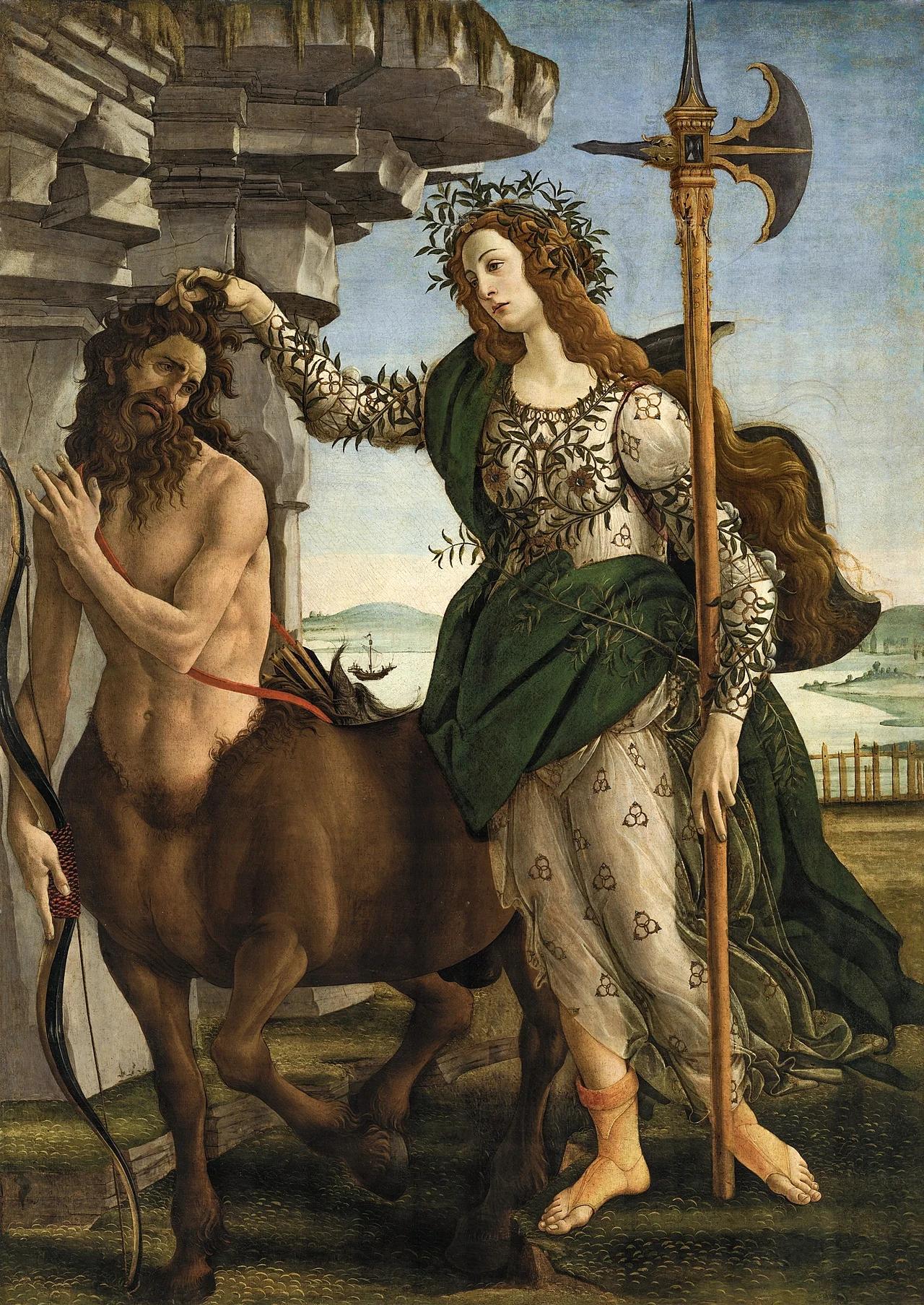
Pallas and the Centaur
Sandro Botticelli, 1482
- Same movement
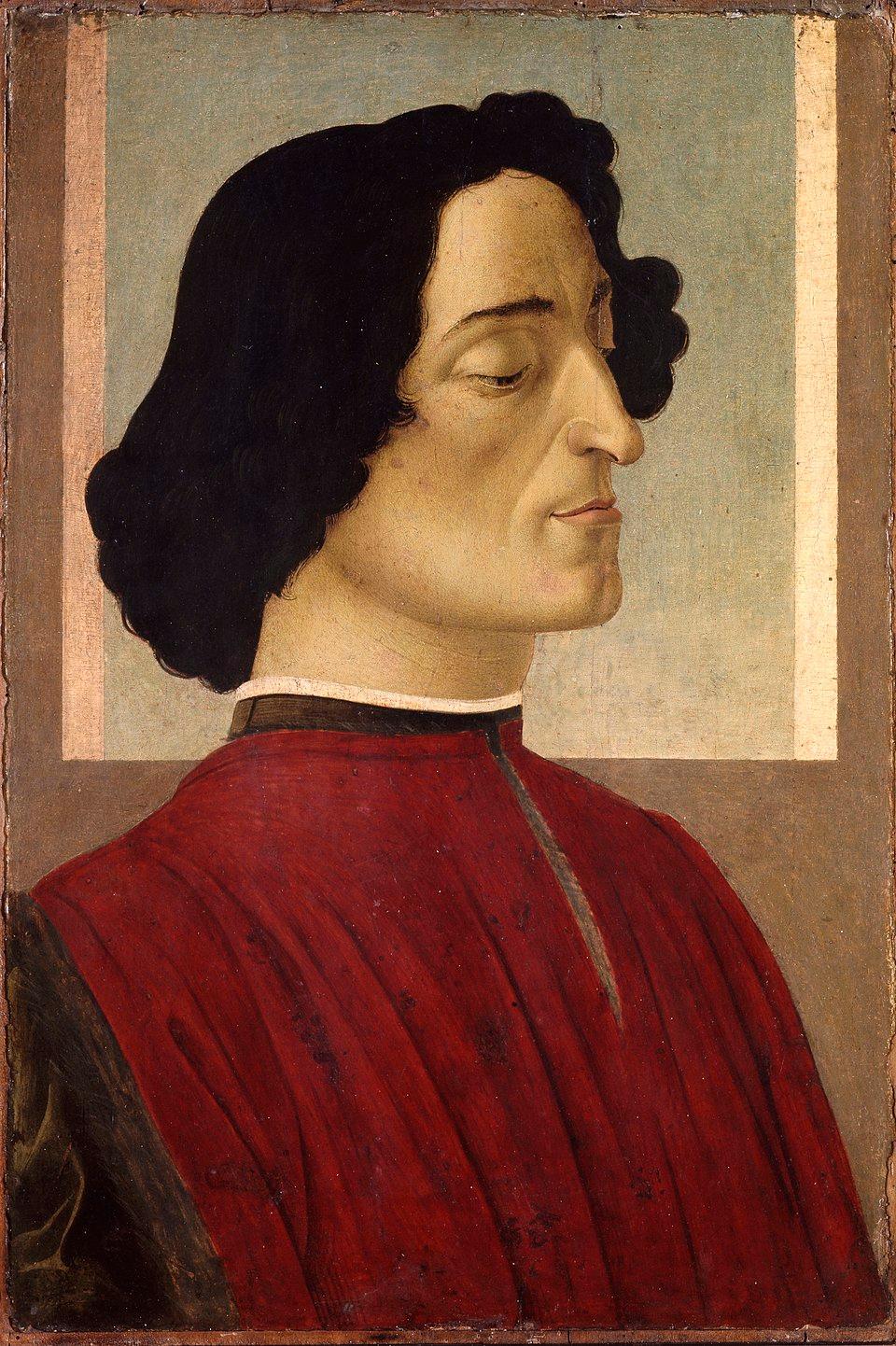
Giuliano de' Medici
Sandro Botticelli, 1478
- Same movement
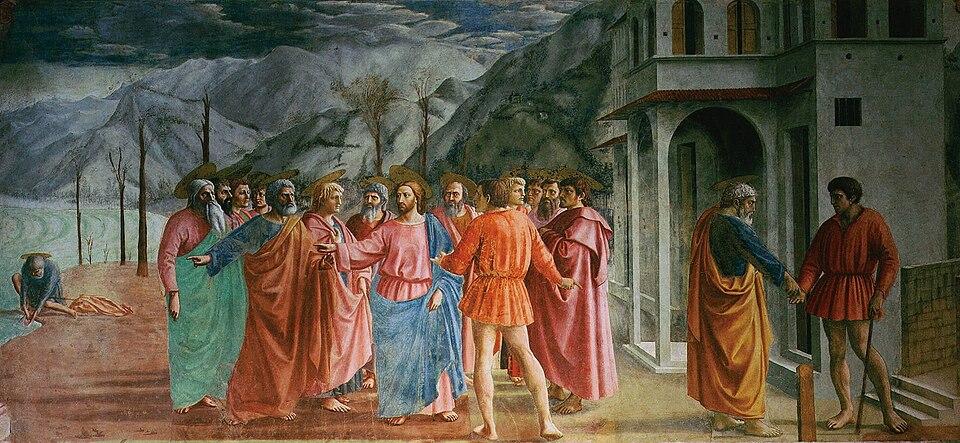
The Tribute Money
Masaccio, 1425
- Same movement
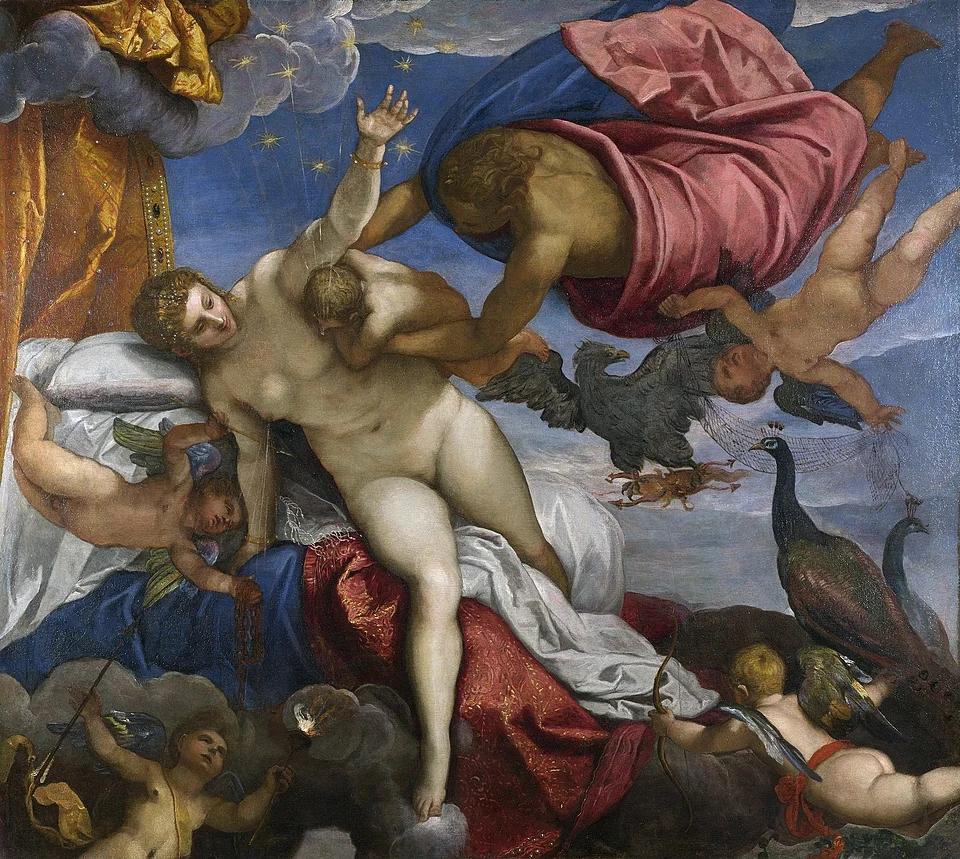
The Origin of the Milky Way
Tintoretto, 1575
- Same movement
Lamentation (The Mourning of Christ)
Giotto di Bondone, 1305
- Same movement
The Duke and Duchess of Urbino
Piero della Francesca, 1472
- Same movement
Adoration of the Magi
Gentile da Fabriano, 1423
About Genius of Victory
The tomb project kept changing over decades, and this sculpture was never installed. After Michelangelo died, his nephew gave it to Duke Cosimo I de' Medici.
It describes a spiraling, twisting pose seen from multiple angles. Palazzo Vecchio displays this influential technique that shaped Mannerist sculpture.
Scholars interpret it as virtue triumphing over vice, or the soul conquering physical bondage. Michelangelo left no documentation explaining his allegorical intent.
Own Art Like This
Luxury wall art with the same mood and energy. Gallery-quality canvas, no museum crowds.
Browse Collection