Wikimedia Commons • Public Domain
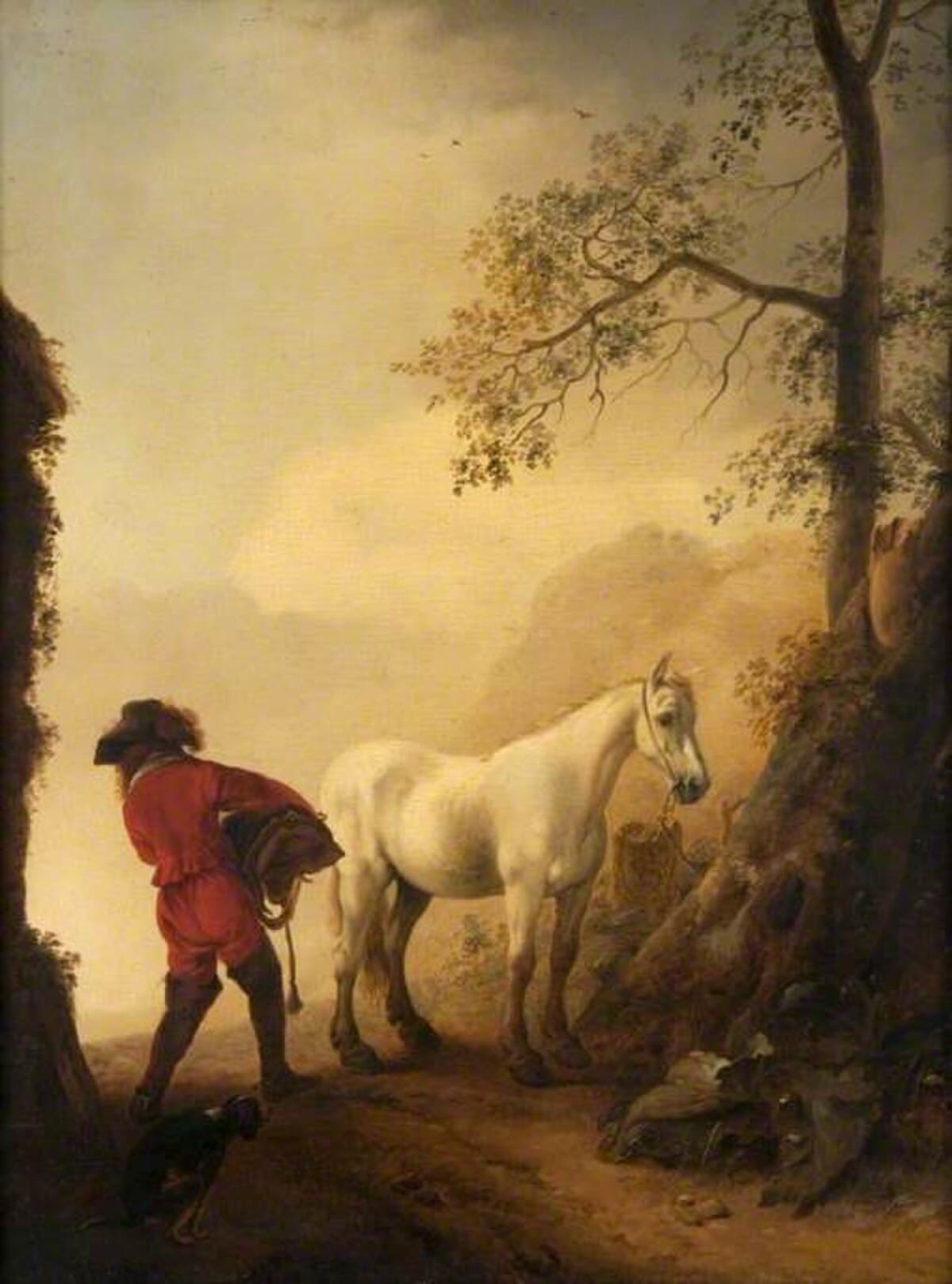
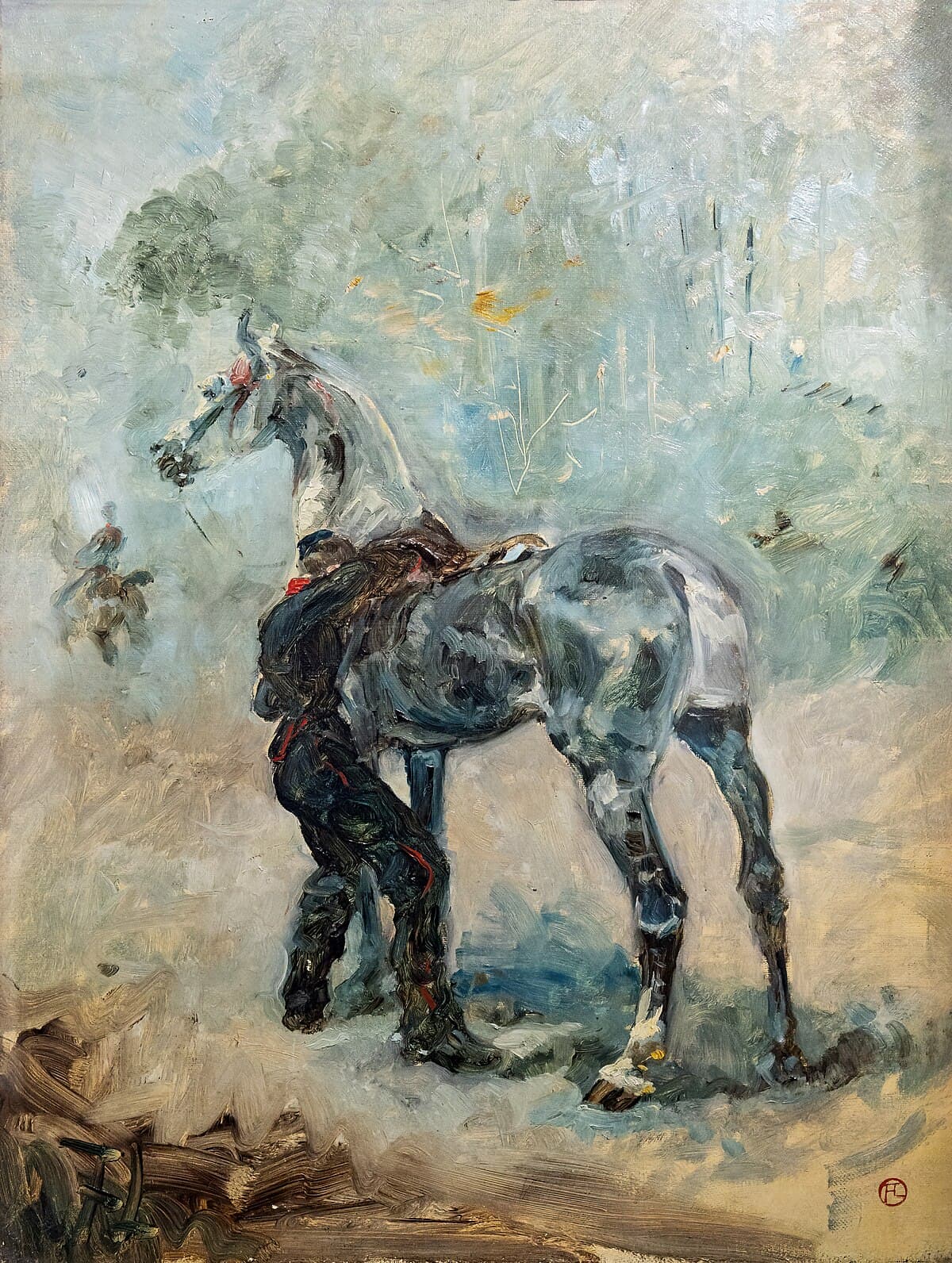
Artilleryman Saddling His Horse
StylePost-Impressionism
GenreAnimal
Artwork Details
Cite or Embed This Work
APA · MLA · Chicago1-click academic citation and embeddable “On View” museum badge for articles, syllabi, and research.
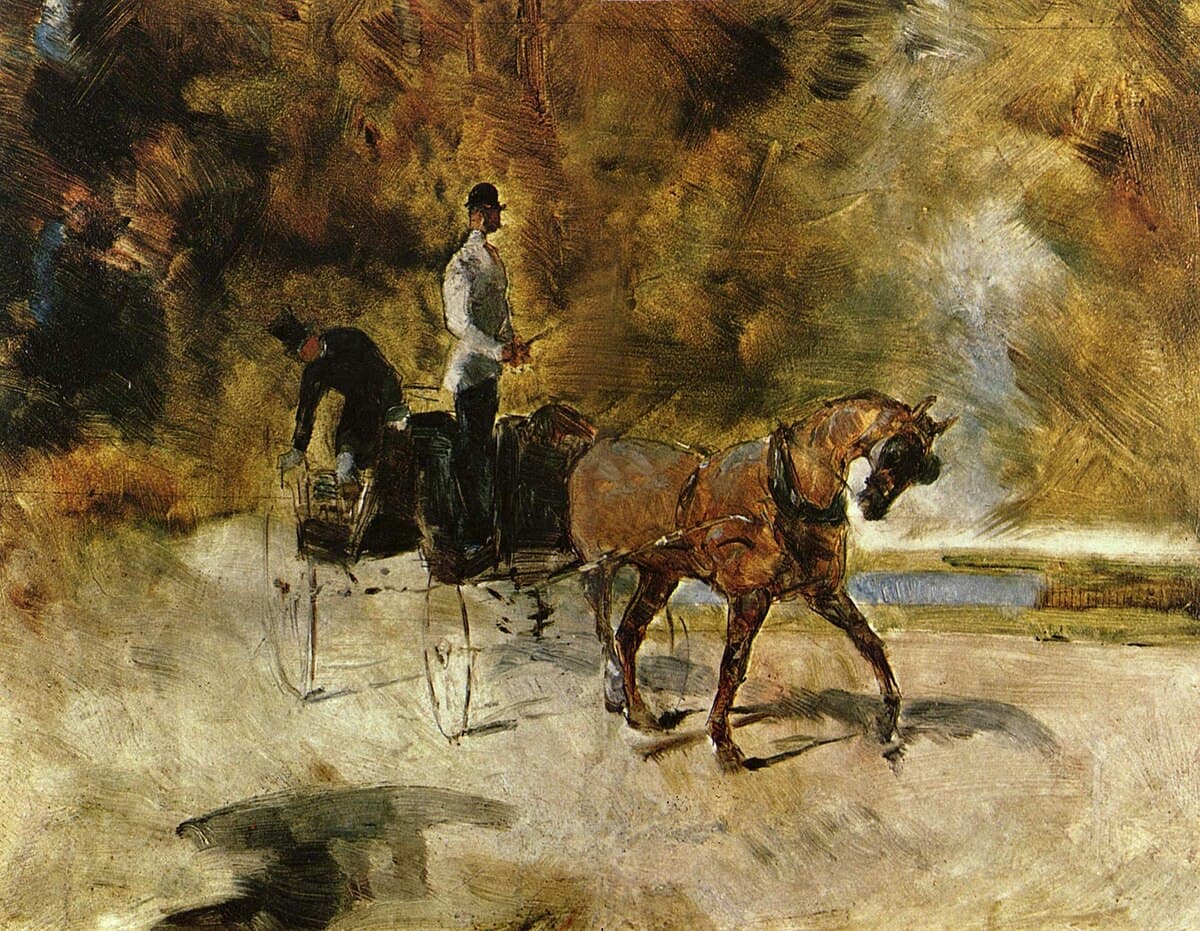
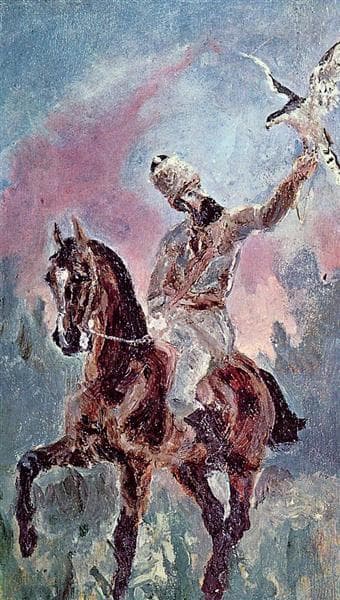
Henri de Toulouse-Lautrec composed this soldier preparing his horse in 1879, when he was just 15 years old. The work shows notable skill for such a young artist, with expressive brushstrokes and vibrant color suggesting his later trademark fluid line work. Horses were Toulouse-Lautrec's favorite subject as a teenager.
The painting came shortly after two accidents that broke his thighbones and left him with a degenerative bone condition. Unable to pursue riding and hunting like his aristocratic father, Toulouse-Lautrec channeled his passion for horses into art. His early mentor Rene Princeteau, a friend of his father, specialized in equestrian subjects.
The canvas measures 50.5 by 37.5 centimeters and hangs at the Musee Toulouse-Lautrec in Albi, the artist's birthplace. The museum, housed in the medieval Palais de la Berbie, contains over a thousand works documenting his development from these early horse paintings to his famous Parisian scenes.