Wikimedia Commons • Public Domain
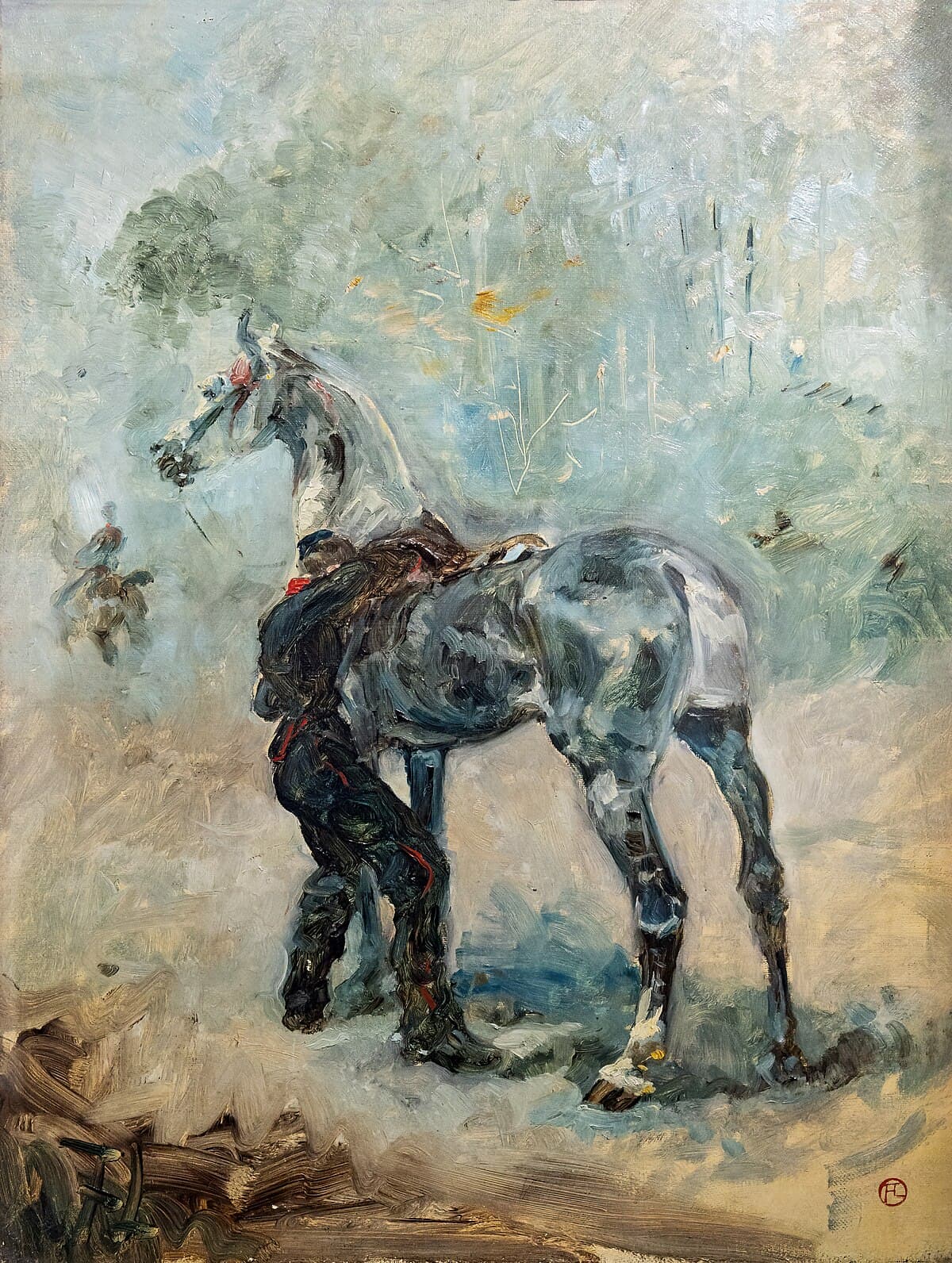
Horse Fighting His Groom
StylePost-Impressionism
GenreAnimal
Artwork Details
Cite or Embed This Work
APA · MLA · Chicago1-click academic citation and embeddable “On View” museum badge for articles, syllabi, and research.
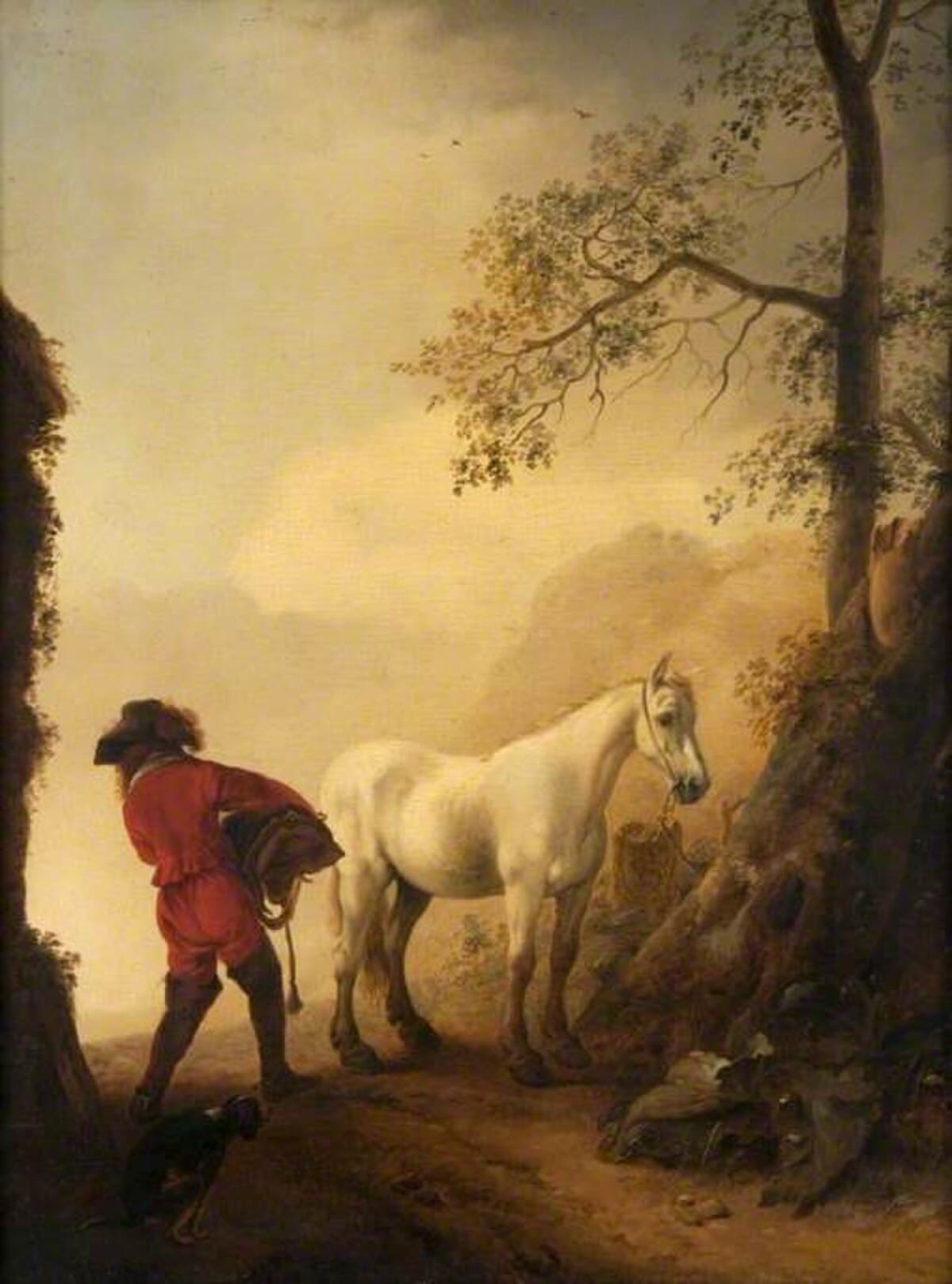
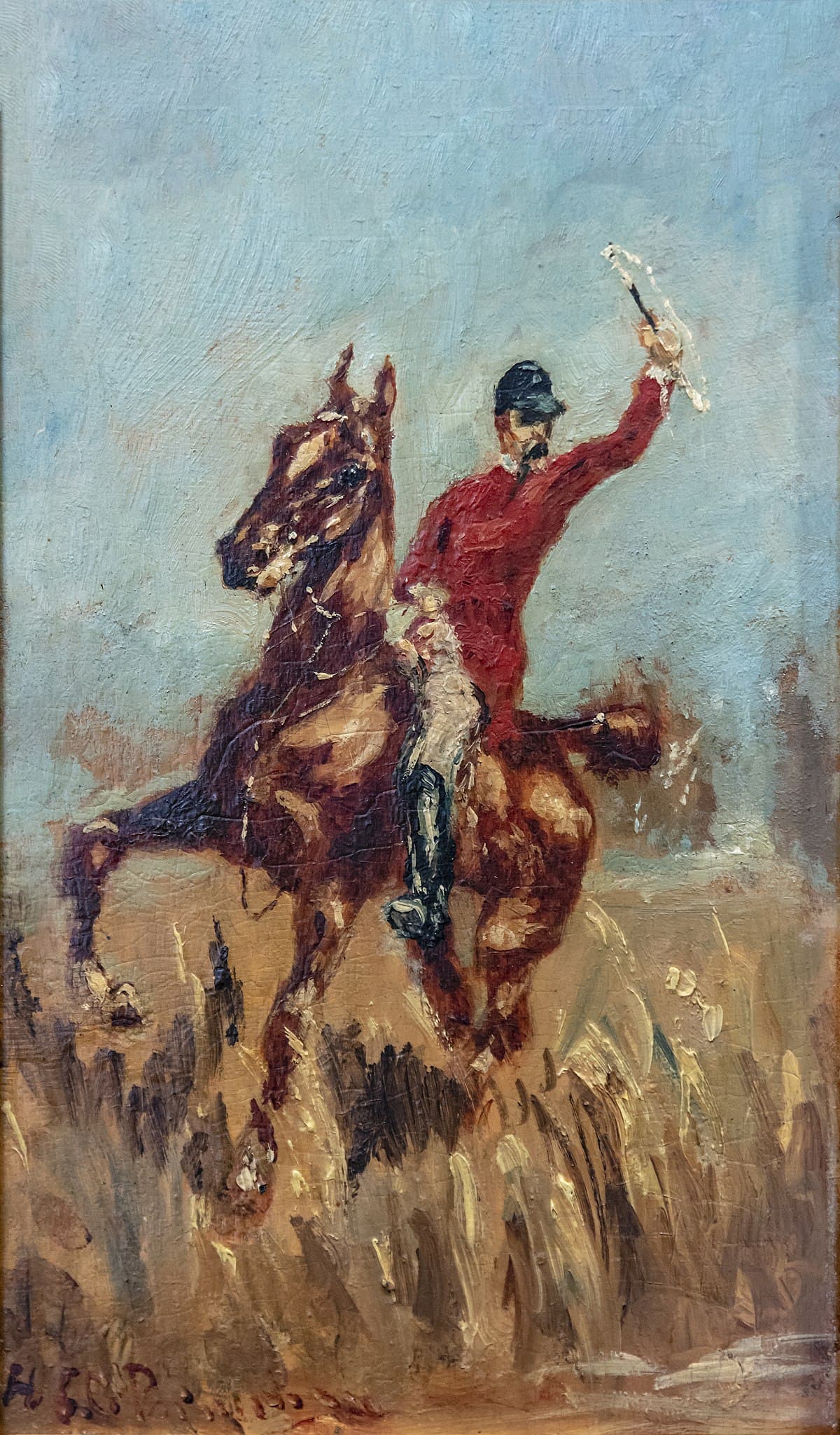
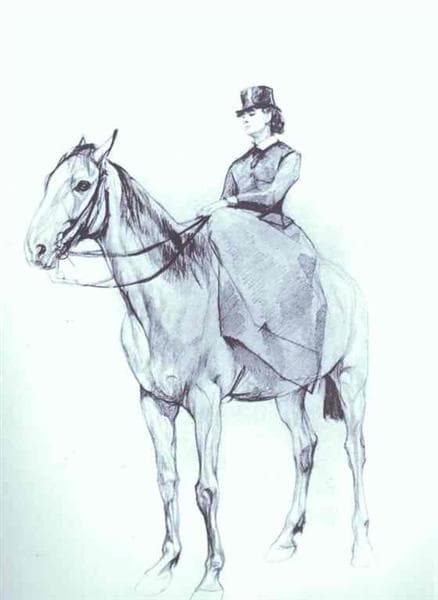
Henri de Toulouse-Lautrec captured this tense moment of a horse resisting its handler. The scene showcases the dynamic tension between animal power and human control. Such equestrian subjects dominated his early artistic output between ages fourteen and eighteen.
Toulouse-Lautrec's family lived and breathed horses. "In our family, once baptised, one is in the saddle," he once quipped. His father was a fanatical rider and hunter who expected his son to follow suit. When bone disease ended those ambitions, the young artist found another way to engage with horses through his brush.
Under teacher Rene Princeteau's guidance, Toulouse-Lautrec learned to masterfully convey animal movement. This painting demonstrates his ability to capture split-second action and the raw energy between horse and handler. Currently in a private collection, it reflects the formative period before he turned to Montmartre nightlife.