Wikimedia Commons • Public Domain
Hunting
StylePost-Impressionism
Artwork Details
Cite or Embed This Work
APA · MLA · Chicago1-click academic citation and embeddable “On View” museum badge for articles, syllabi, and research.
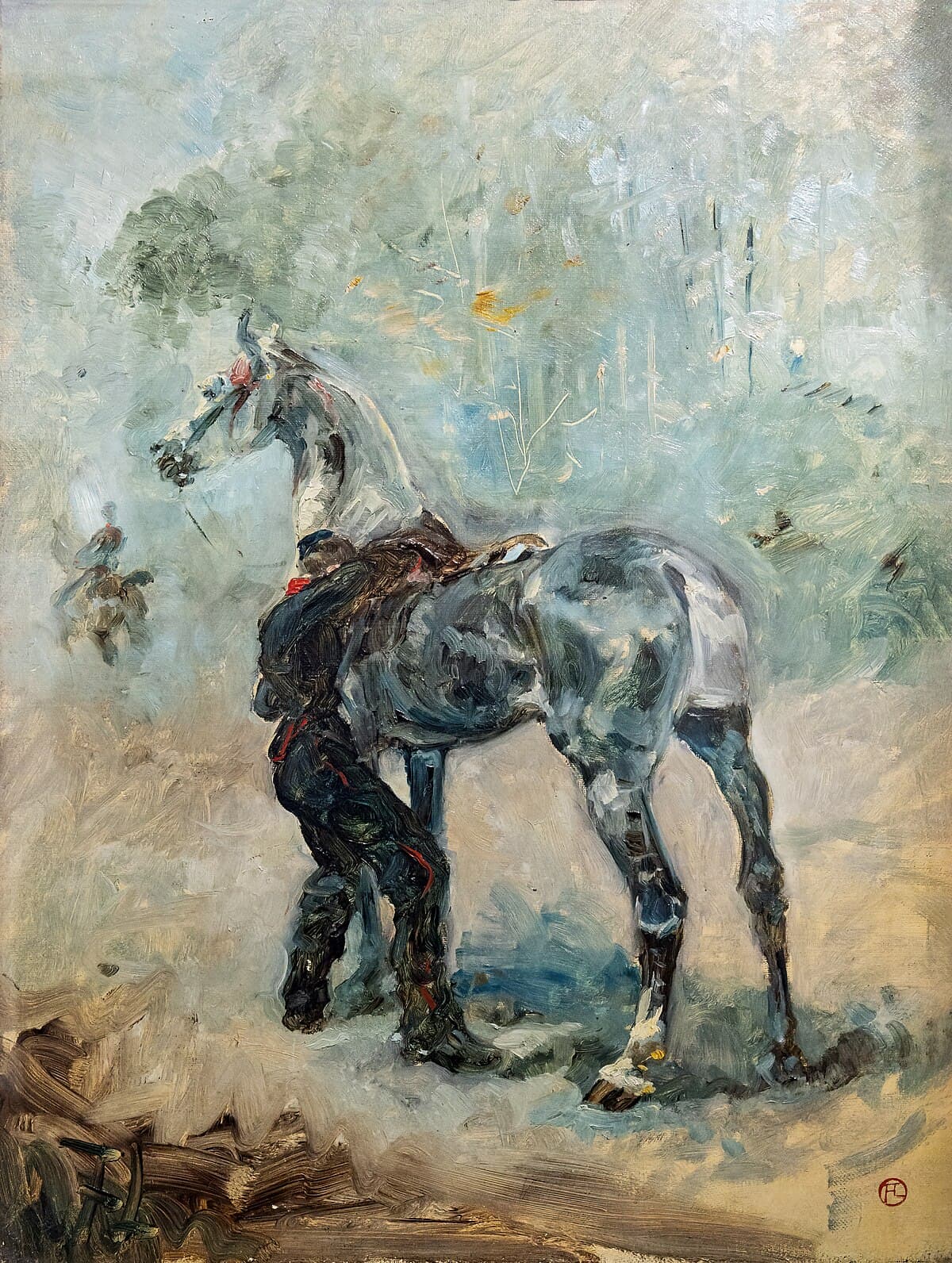
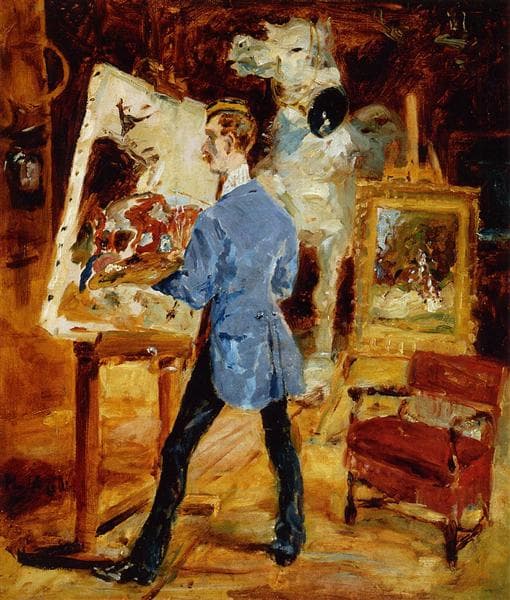
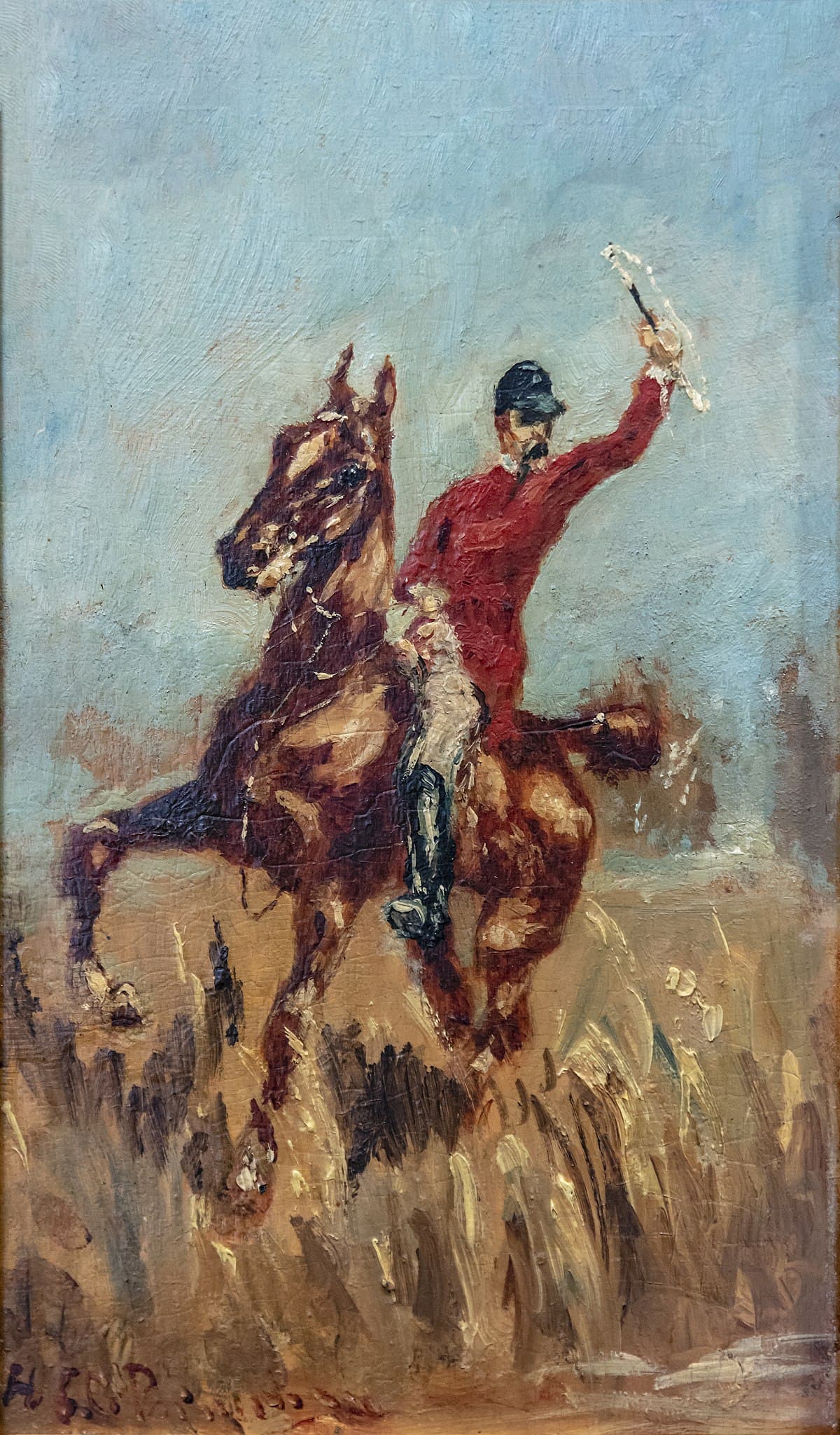
Henri de Toulouse-Lautrec completed this hunting and equestrian subjects extensively during his youth, before his famous Montmartre period. Born into aristocracy, Lautrec once quipped, "In our family, once baptised, one is in the saddle." His father was a Count who lived for hunting and riding, passions the young artist absorbed before leg injuries ended his own riding career.
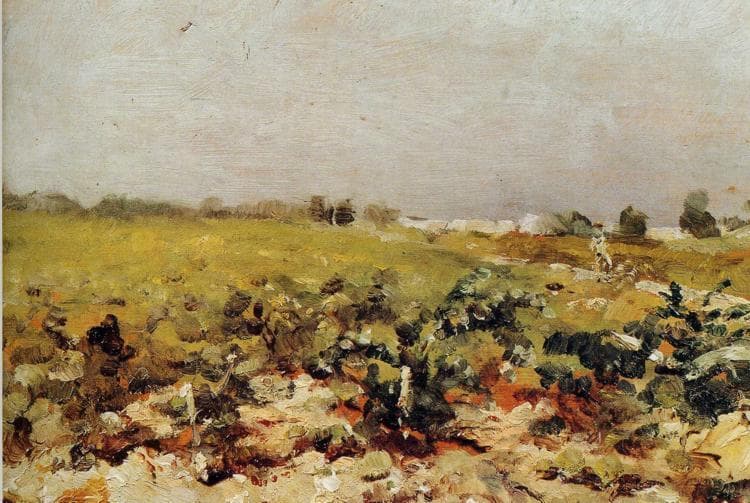
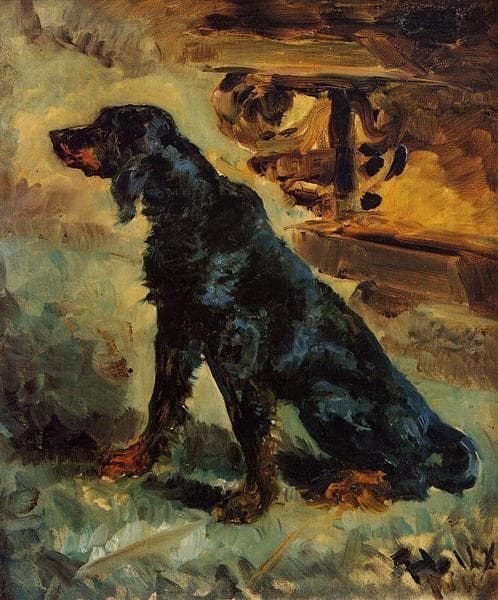
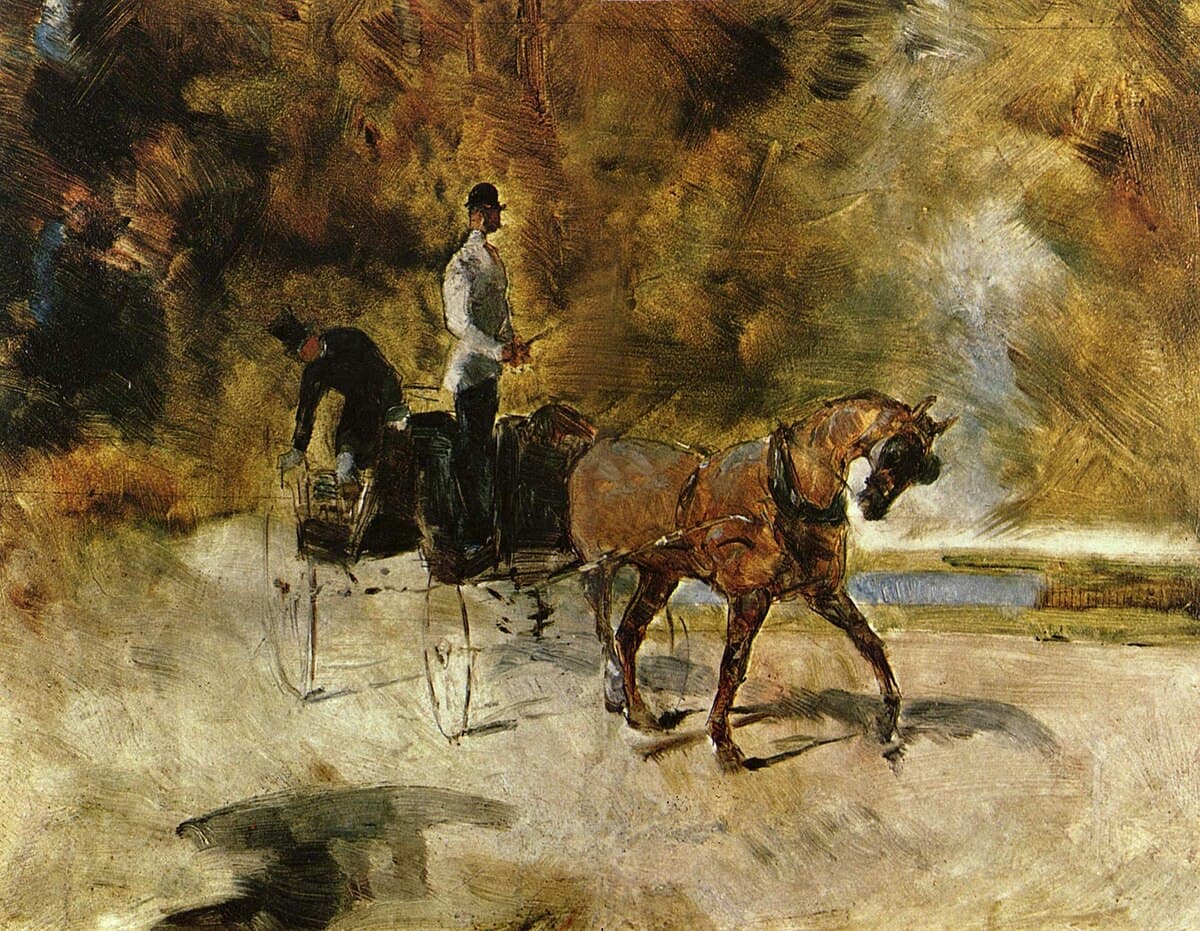
Before entering formal artistic training in 1882, Lautrec painted equestrian and hunting scenes almost exclusively. He studied under René Princeteau, a successful sporting artist and family friend, learning to capture the movement of horses and hounds. These early works show notable skill at depicting action, a gift that would later serve him in capturing the dynamism of Parisian nightlife.
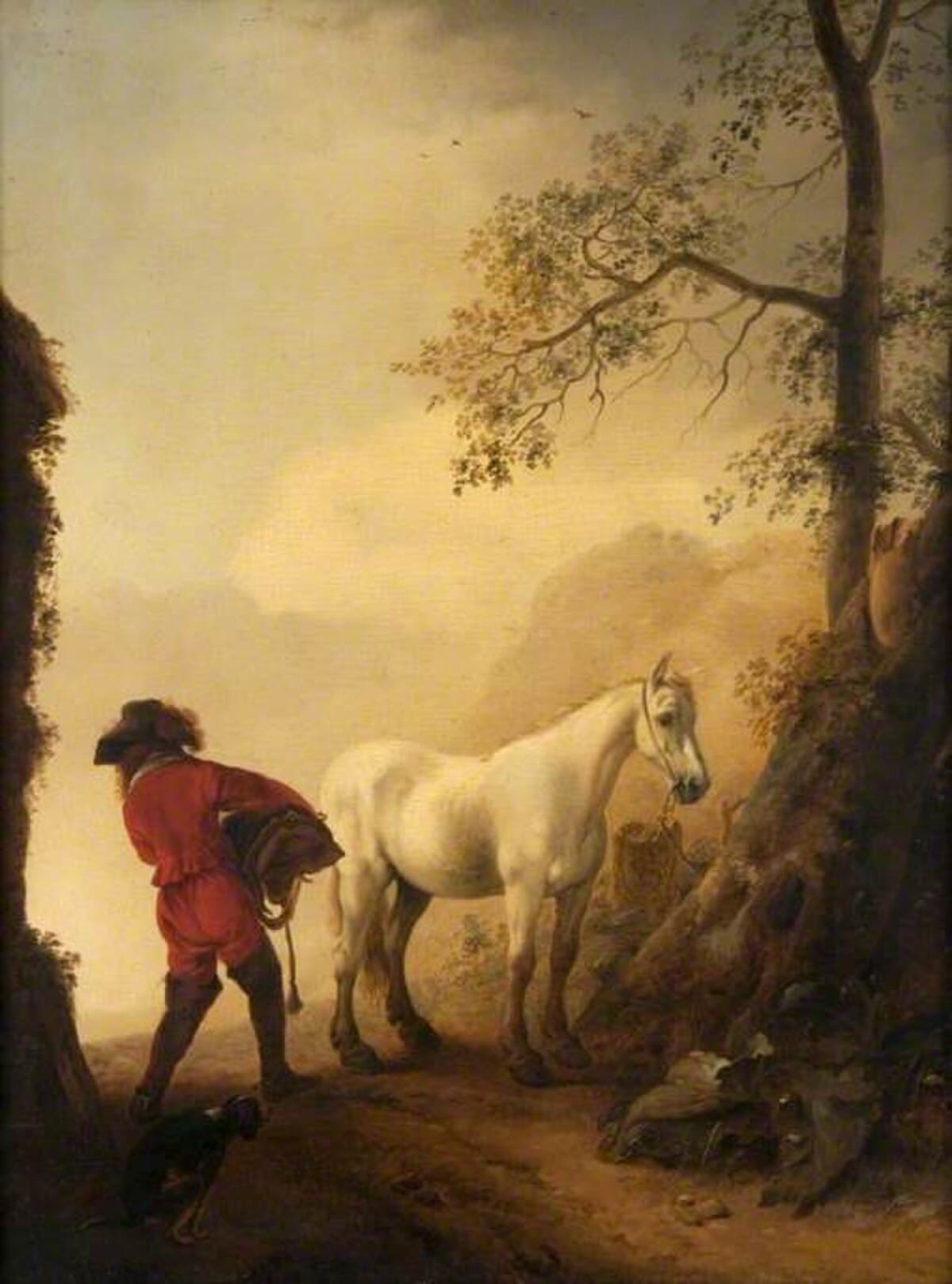
This hunting scene reflects the traditional subjects valued by the French aristocracy. Lautrec would later acknowledge these early paintings to friends, noting that his subjects were limited to "horses and sailors." The painting remains in a private collection, representative of a period before the artist found his distinctive voice in the cabarets of Post-Impressionism.