Wikimedia Commons • Public Domain
Landscape with Charon Crossing the Styx
GenreLandscape
Artwork Details
Cite or Embed This Work
APA · MLA · Chicago1-click academic citation and embeddable “On View” museum badge for articles, syllabi, and research.
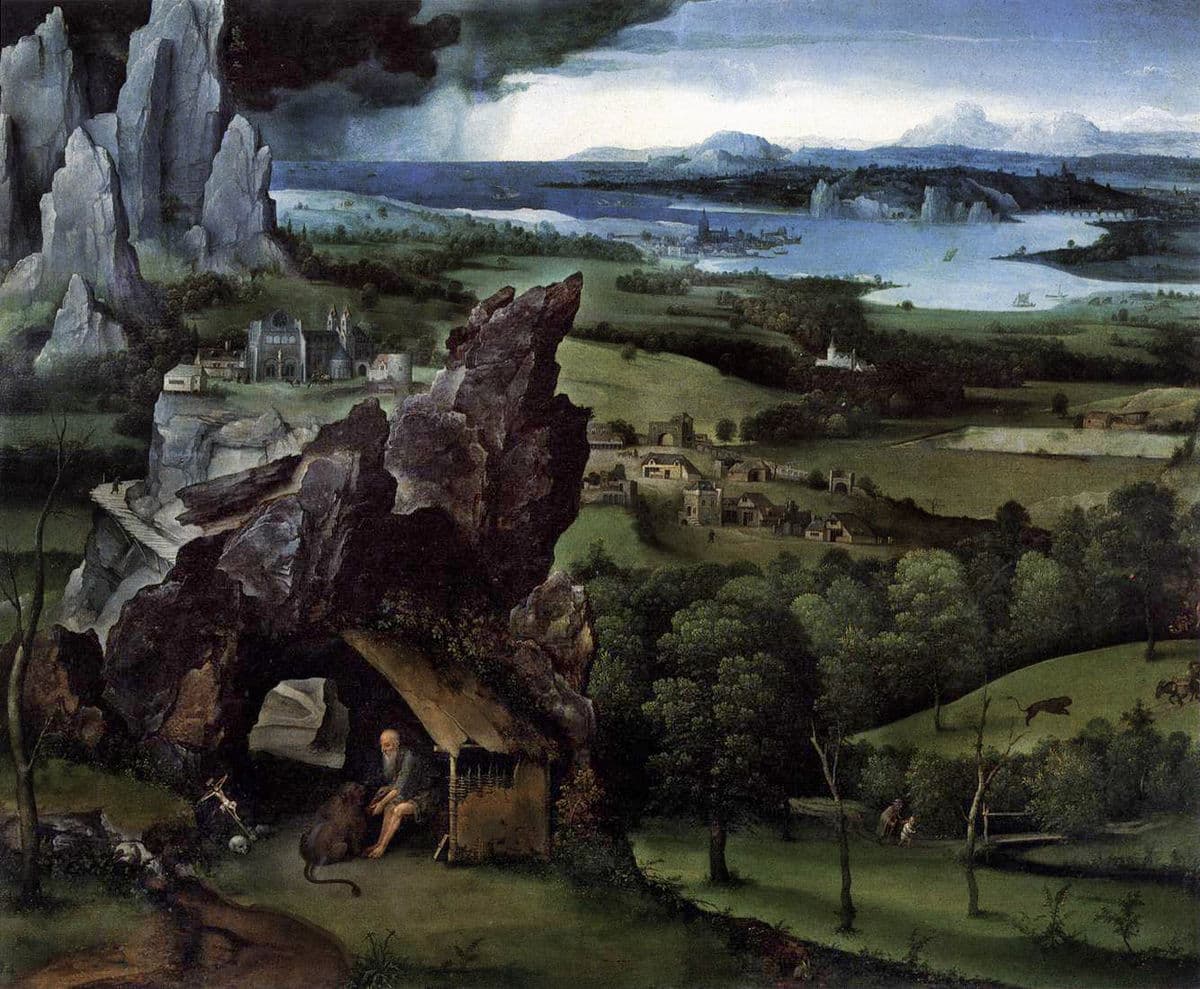
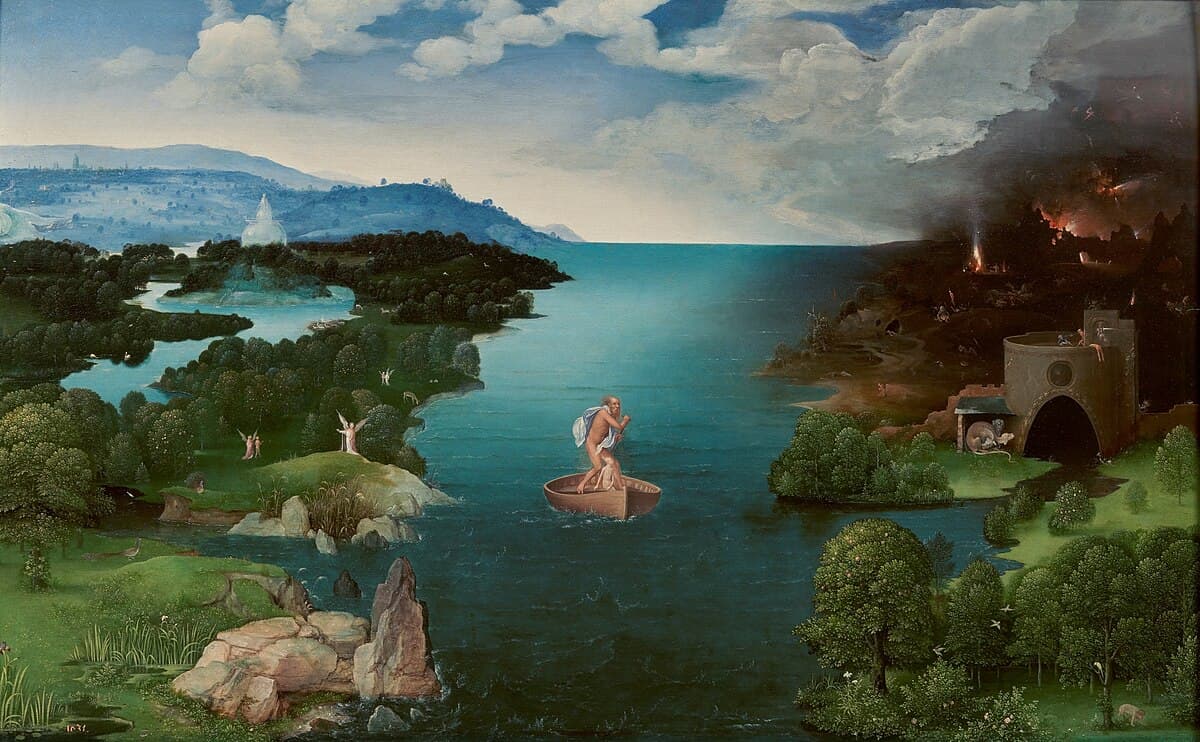
Joachim Patinir rendered this panoramic vision of the afterlife around 1520-1524, showing the mythological ferryman Charon guiding a soul across the River Styx. The composition divides the world into three worlds: Paradise glows green and welcoming on the left, Hell burns orange and threatening on the right, and the dark waters of the underworld river flow between them.
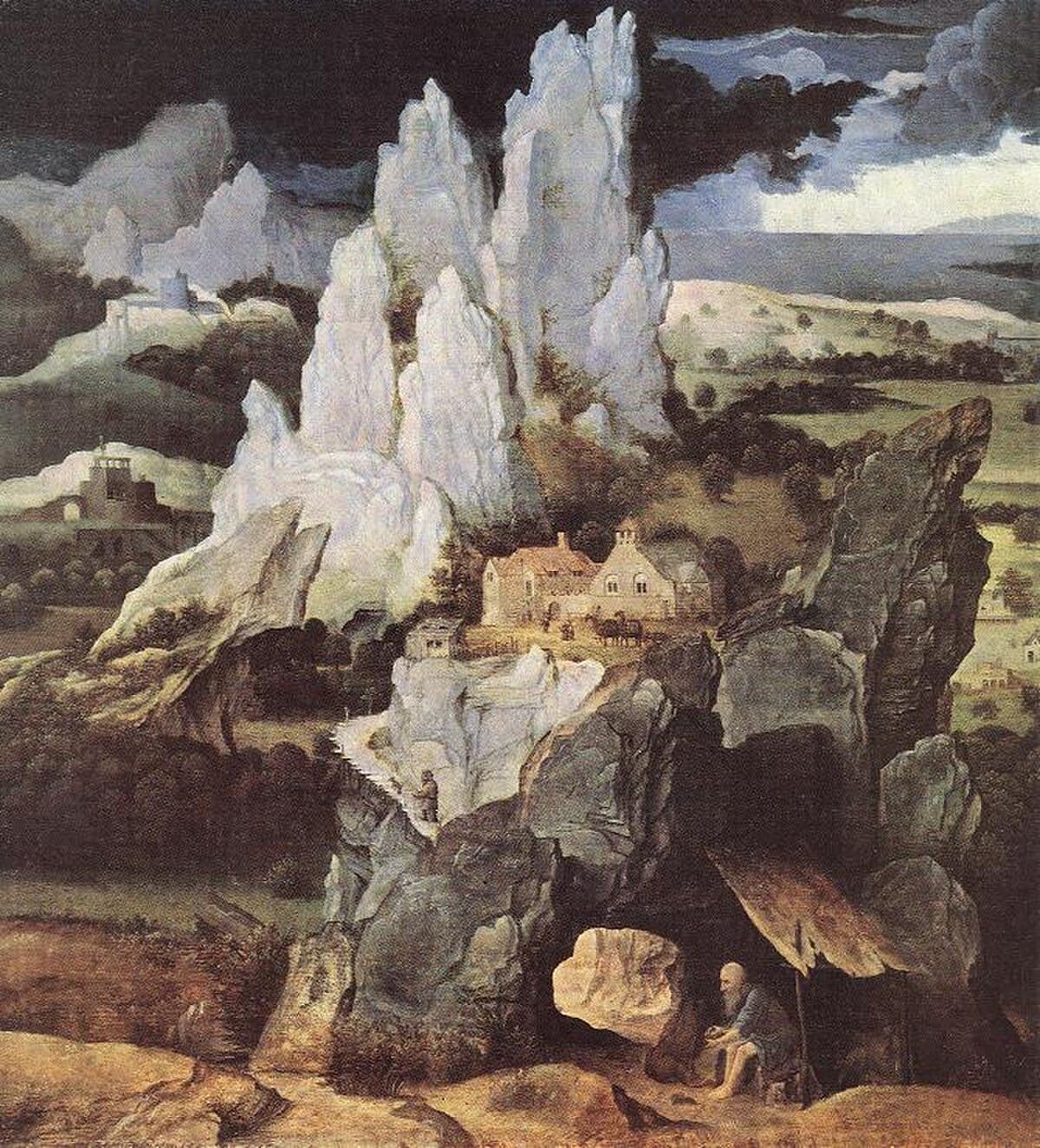
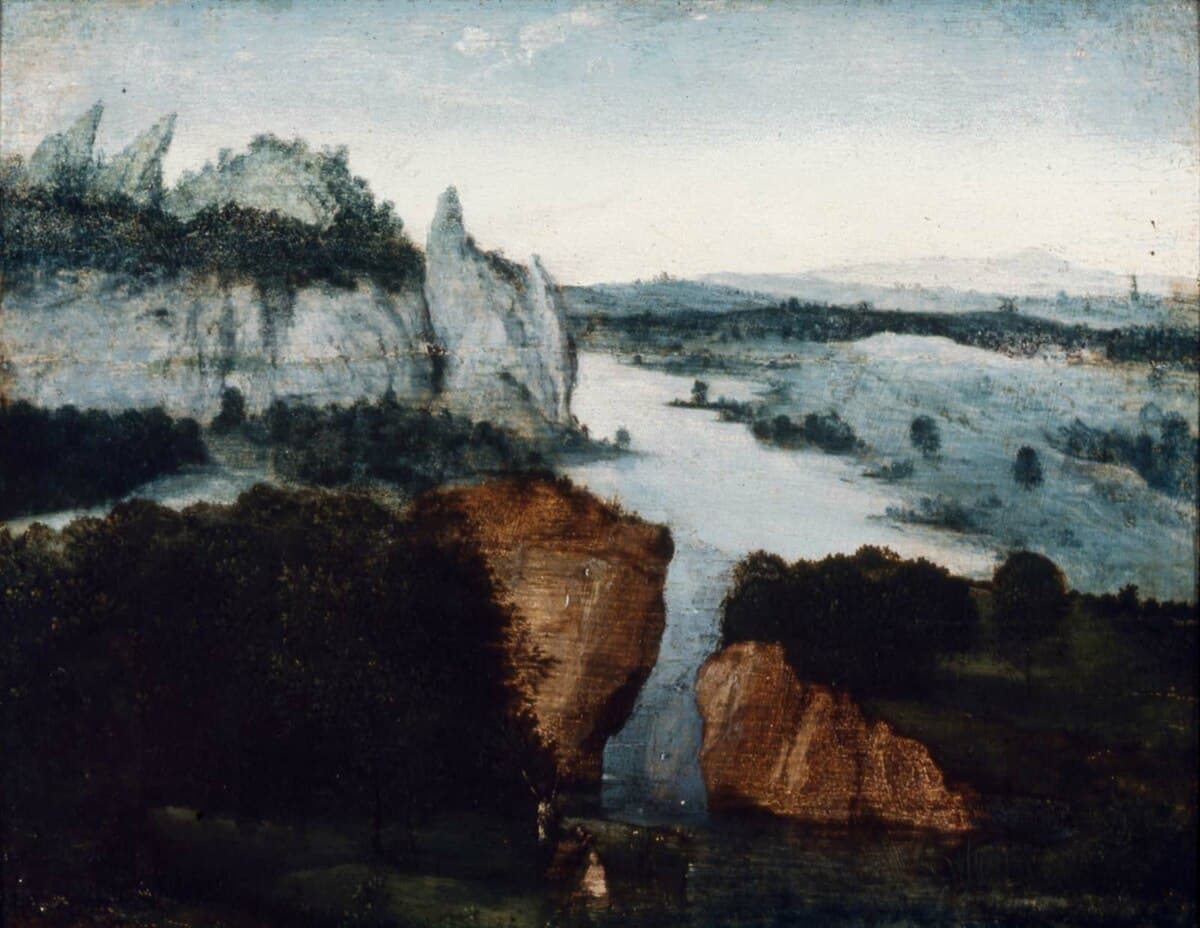
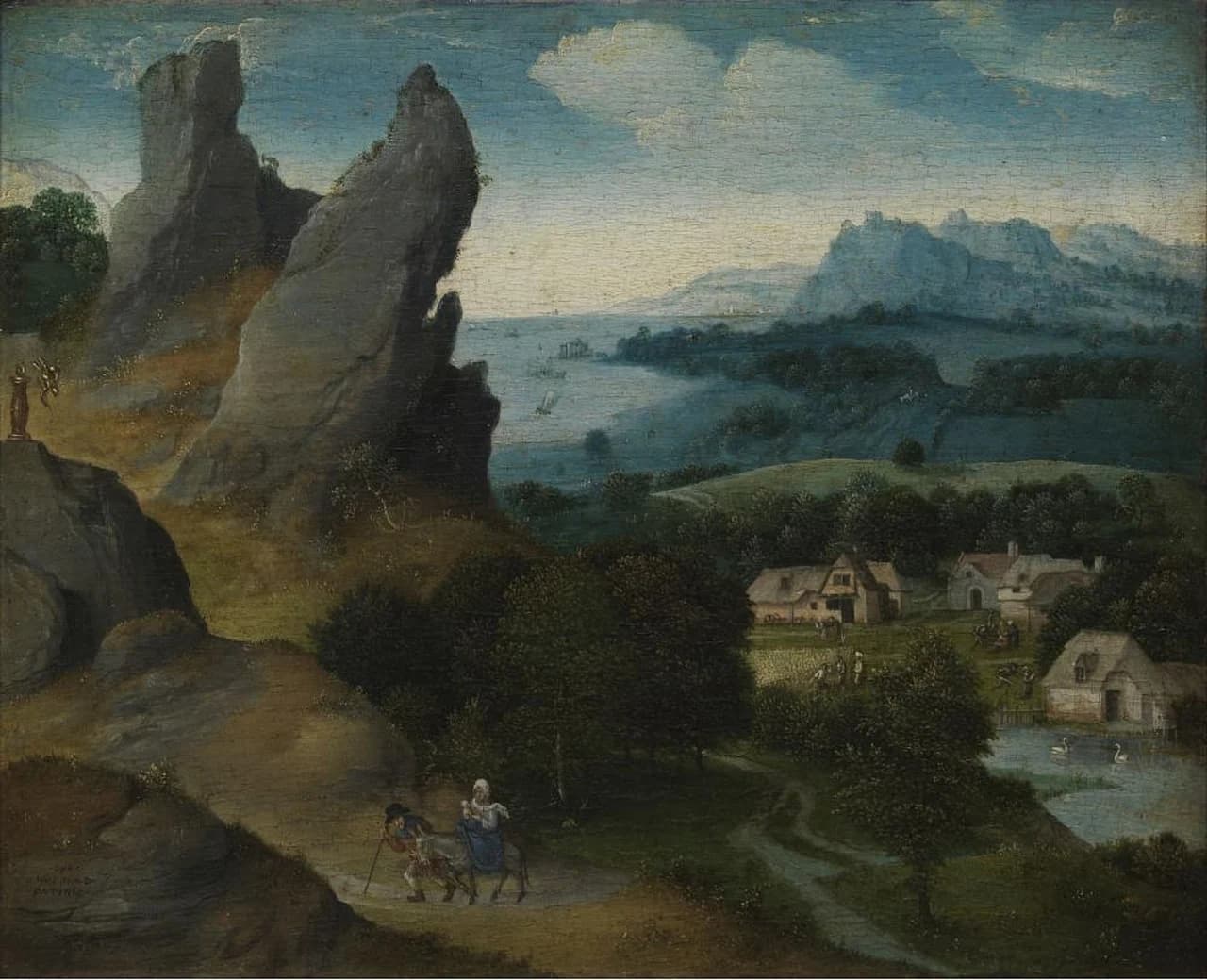
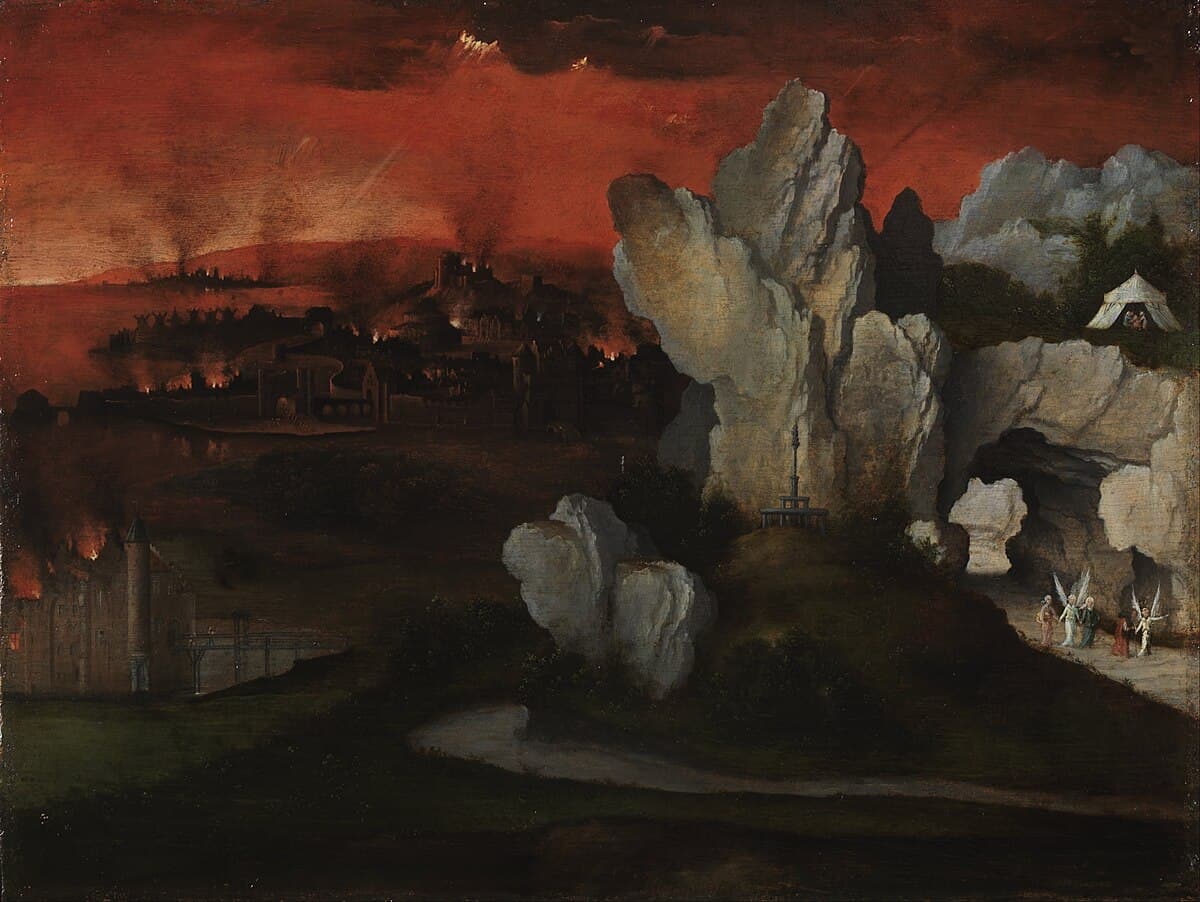
Patinir was the first painter to specialize primarily in landscapes, and this work shows why he earned that distinction. The "world landscape" format presents an impossibly vast panorama seen from above, stretching from foreground details to distant horizons. Mountains, rivers, cities, and fantastical architecture fill the scene. The small figure of Charon and his passenger almost disappear within this cosmic geography.
The soul in Charon's boat turns toward Paradise but must choose its path. Angels tend the gardens on the left while demons torment the damned on the right. Patinir transforms classical mythology into a Christian moral landscape, visualizing the choice between salvation and damnation. The painting now hangs at the Museo del Prado in Madrid, a key example of how landscape painting emerged as an independent genre in Northern Renaissance art.