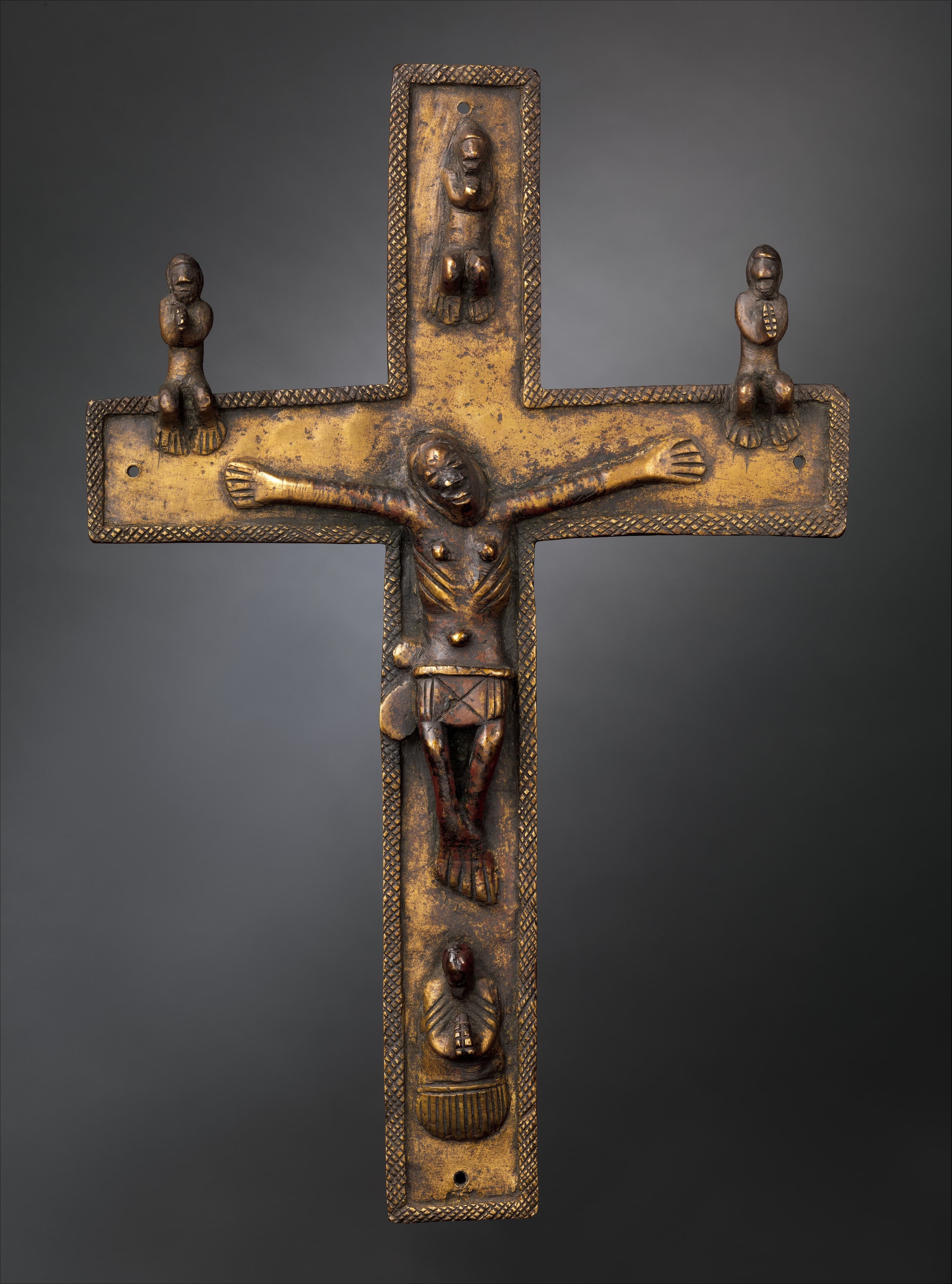
Kongo Crucifix
by Ancient Kongo (Unknown), 1600
Artwork Details
Details
- Year
- 1600
- Medium
- Brass
- Size
- 27 cm (11 in) tall
Cite or Embed This Work
APA · MLA · Chicago1-click academic citation and embeddable “On View” museum badge for articles, syllabi, and research.
This Kongo crucifix demonstrates how African artists transformed Christian imagery after Portuguese missionaries arrived in the late 15th century. Cast in brass around 1600, the crucified figure shows African features and proportions, adapting the European symbol to Kongo aesthetics. The Kongo Kingdom was among the first African states to adopt Christianity, with kings embracing the faith while maintaining traditional practices.
Kongo artists reinterpreted the crucifix through their own artistic traditions, creating a distinctive hybrid form. The figure's features, posture, and ornamentation differ from European models while remaining recognizably Christian. These crosses served both as devotional objects and as symbols of royal power, since the Kongo kings promoted Christianity.
This crucifix is at the Metropolitan Museum of Art.
More by Ancient Kongo (Unknown)
View all →

Also at The Metropolitan Museum of Art
View all →Sculpture
R

Rolltop desk
David Roentgen, 1776
The Metropolitan Museum of Art, New York
Sculpture
L
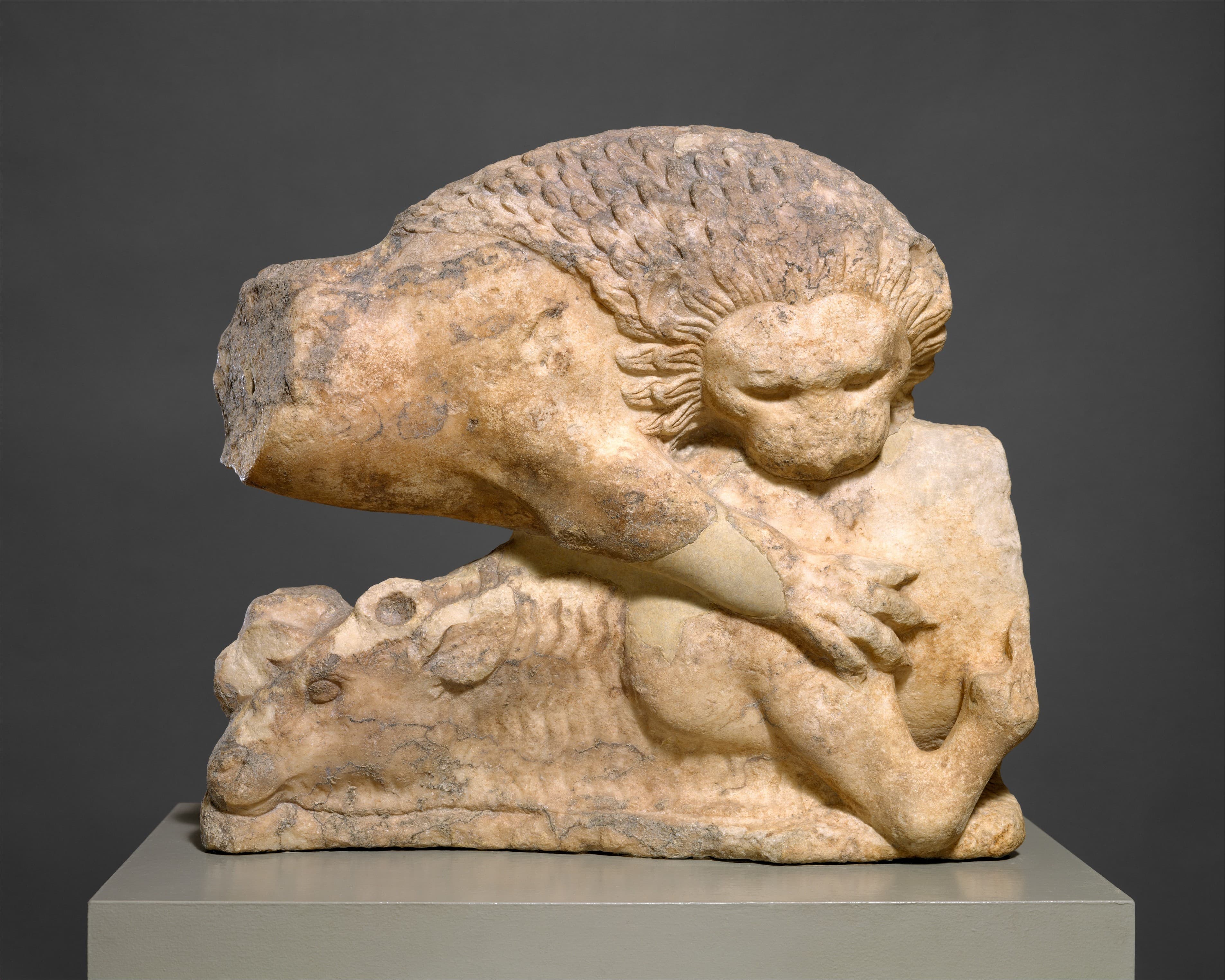
Lion felling a bull, from a marble pediment
Ancient Greek (Unknown), -500
The Metropolitan Museum of Art, New York
Sculpture
M
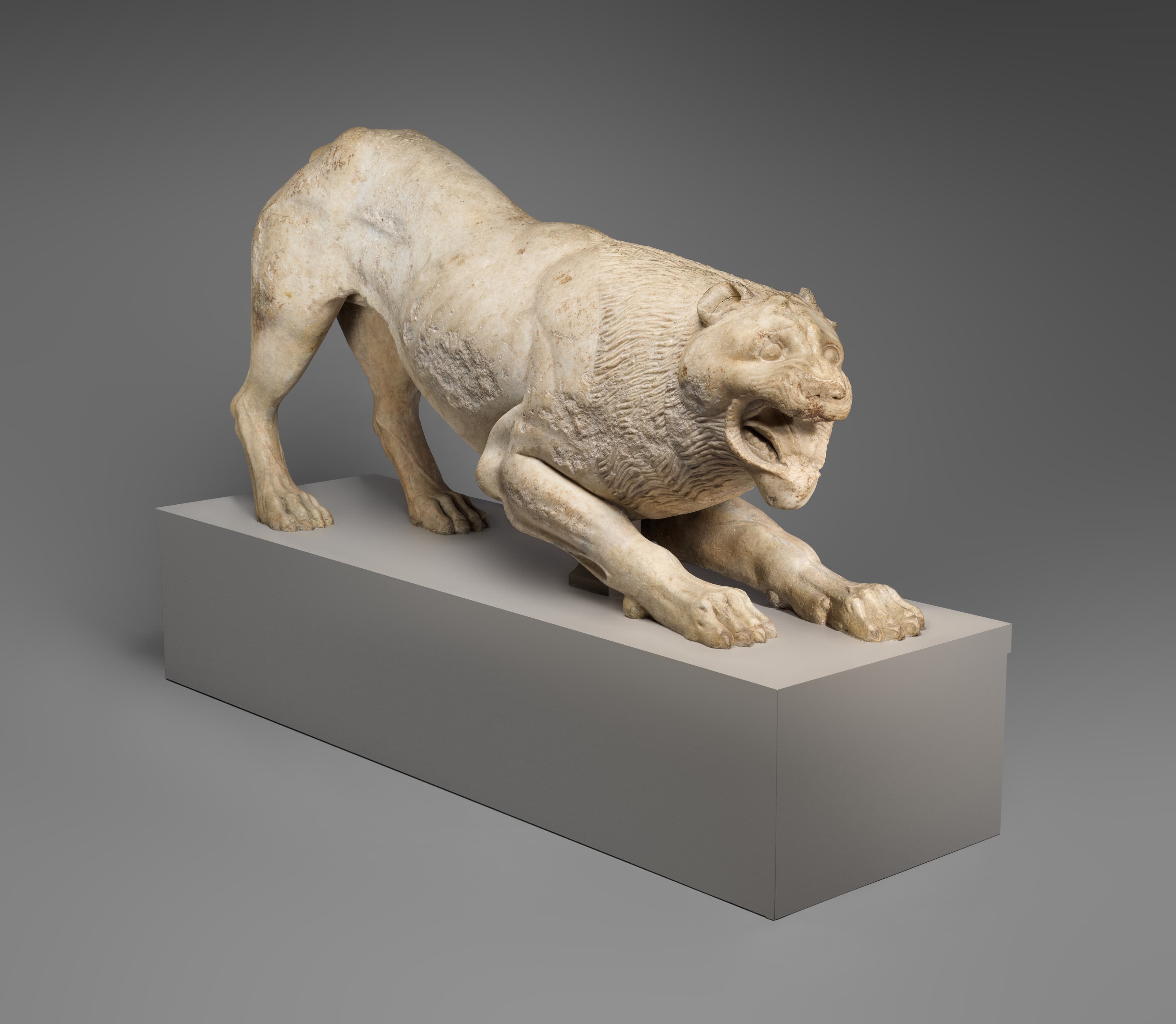
Marble statue of a lion
Ancient Greek (Unknown), -390
The Metropolitan Museum of Art, New York
S
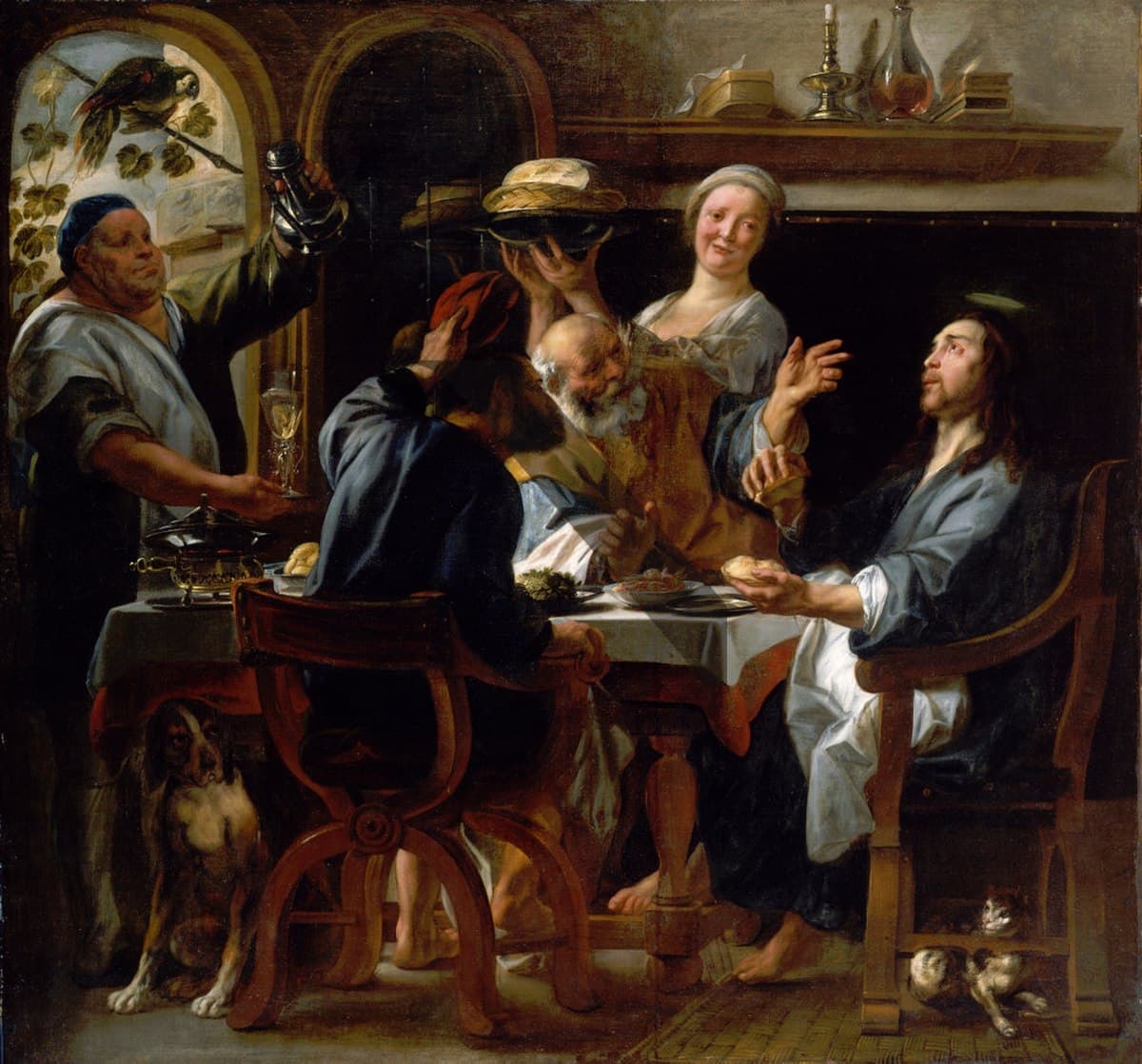
Supper at Emmaus
Diego Velázquez
The Metropolitan Museum of Art, New York
Related Works
Works that share an artist, movement, museum, genre, palette or theme with Kongo Crucifix.
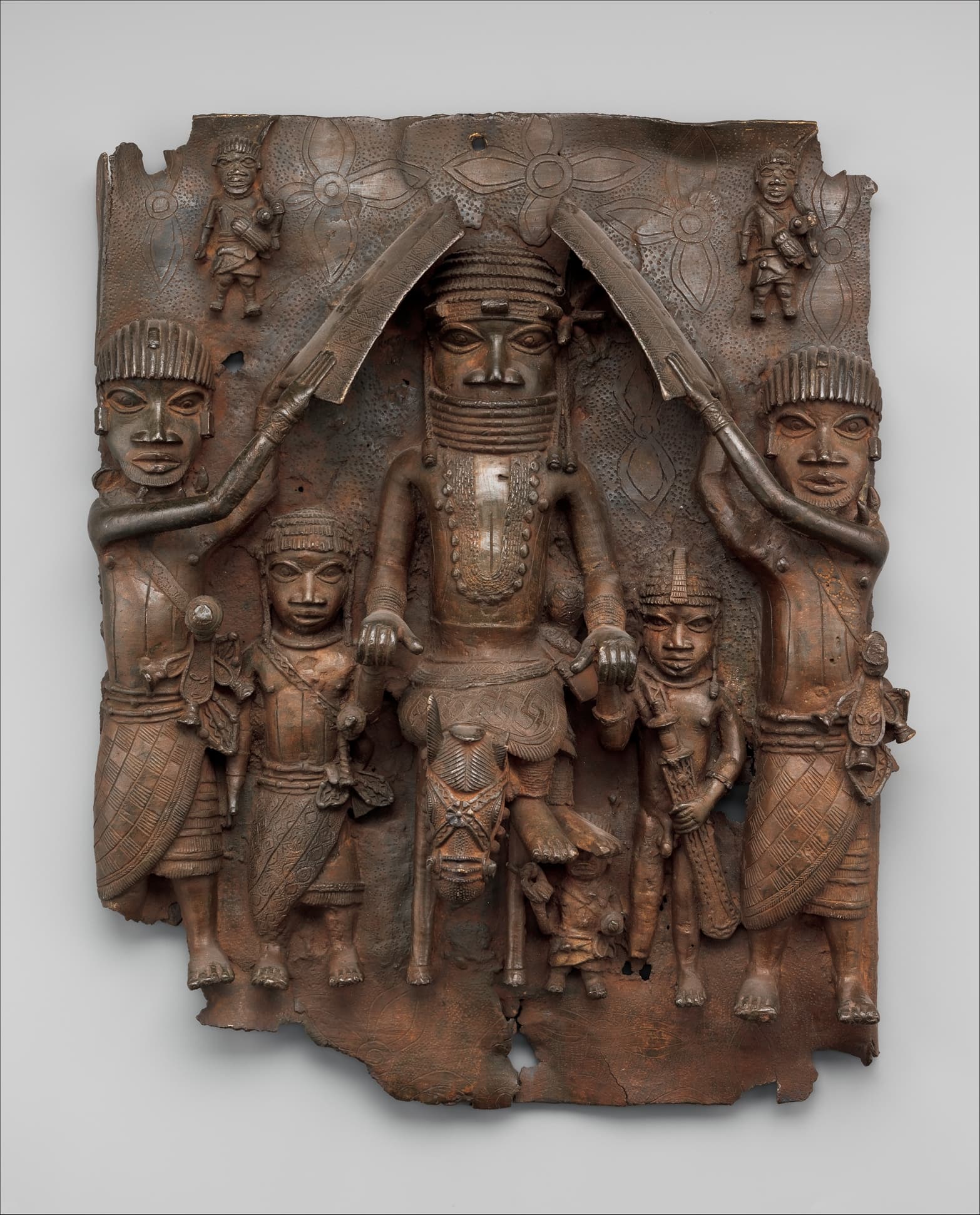
- Same museum
Benin Bronze: Oba (King) Head
Ancient Benin (Unknown), 1550
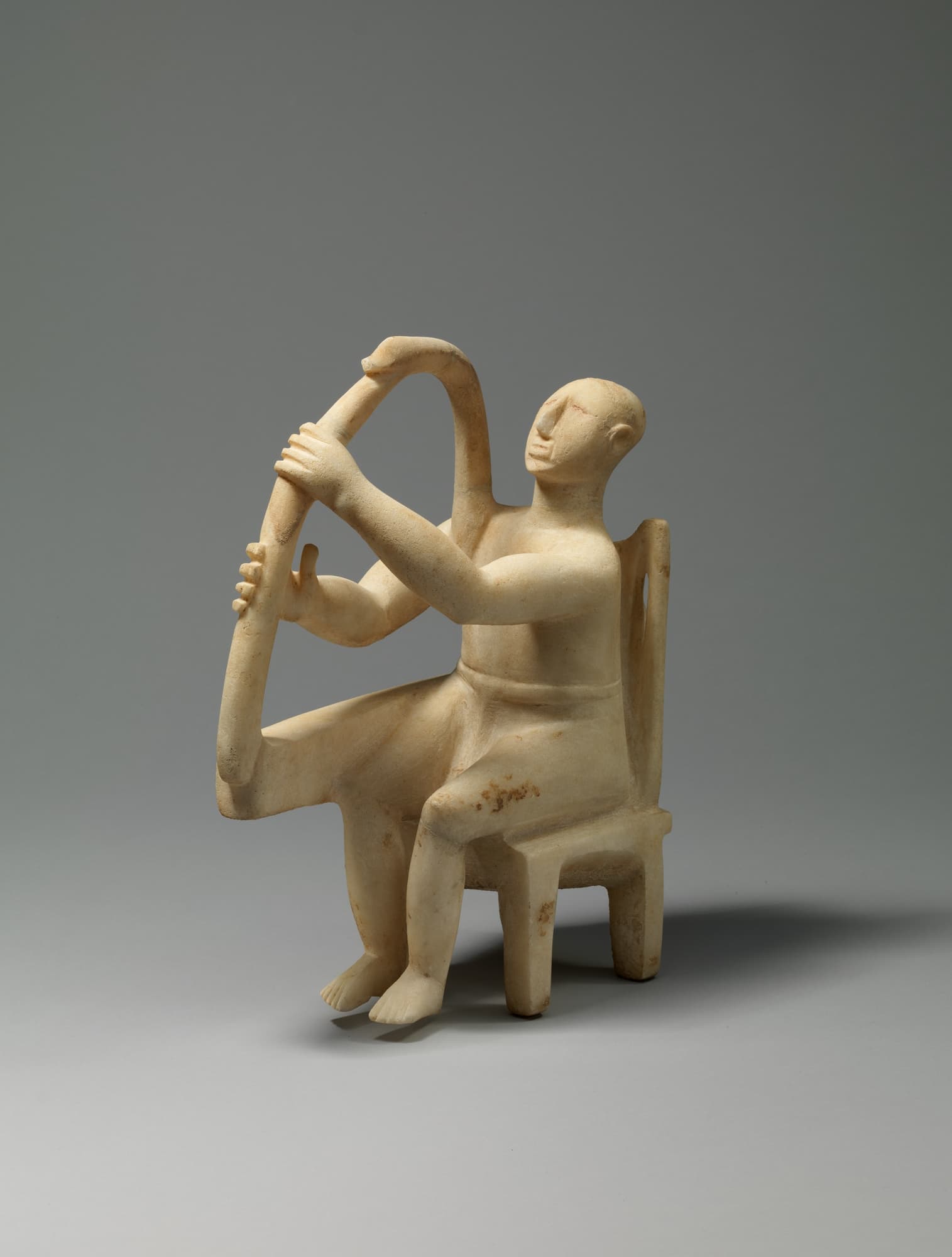
- Same museum
Seated Figure (Djenne)
Ancient Ife (Unknown), 1300
- Same museum
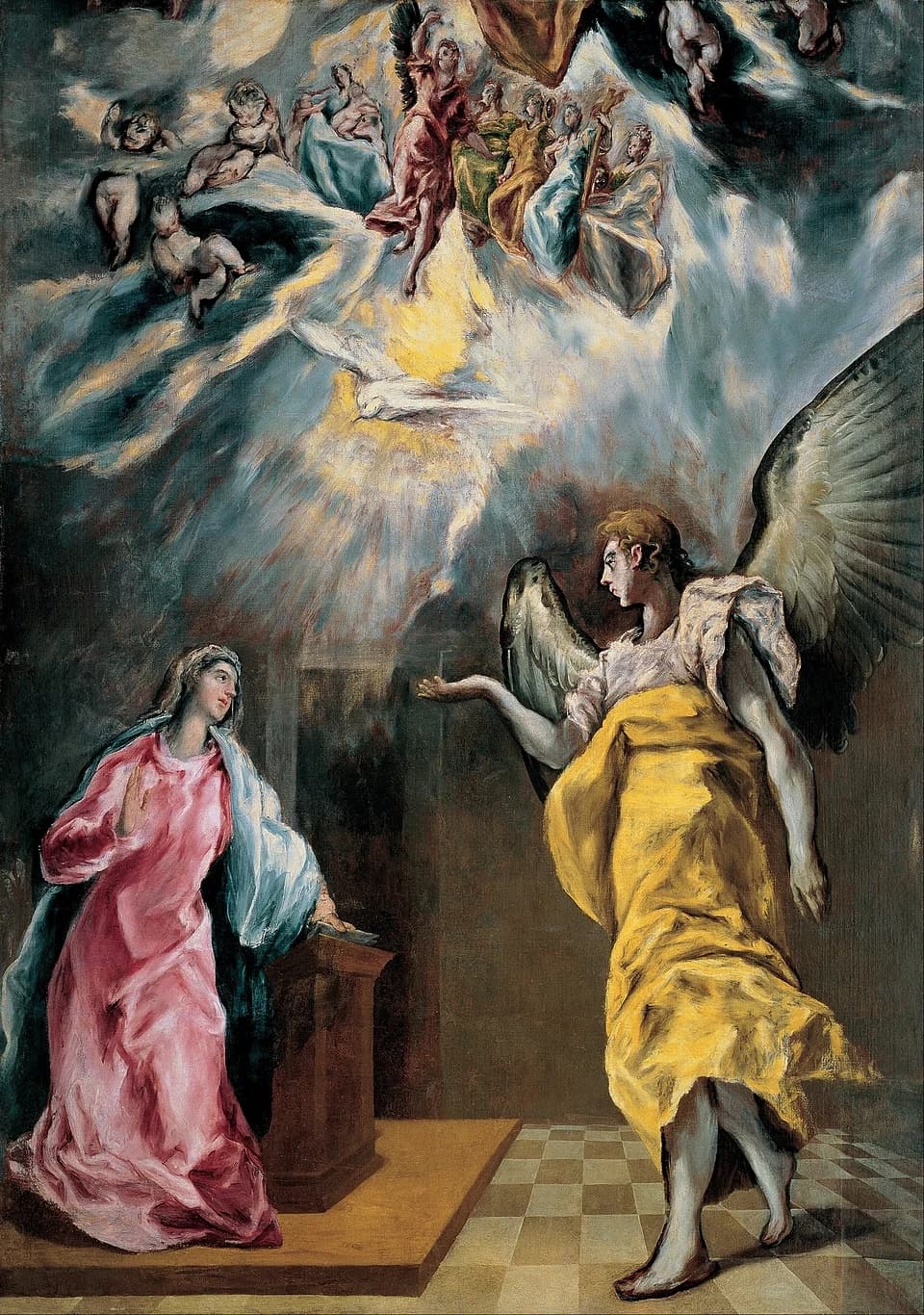
View of Toledo
El Greco, 1600

- Same museum
Bridge over a Pond of Water Lilies
Claude Monet, 1899
- Same museum
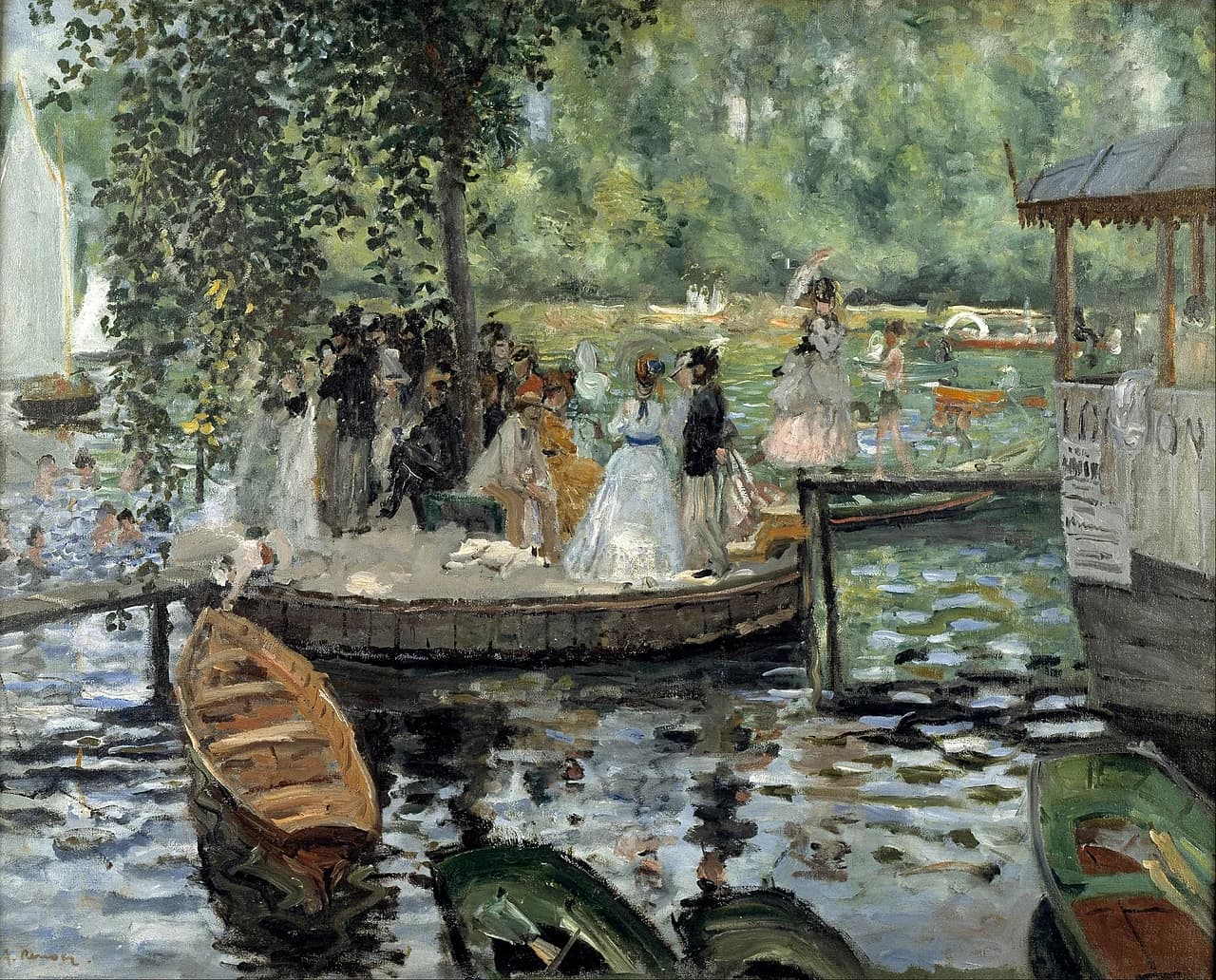
La Grenouillère
Claude Monet, 1869
- Same museum
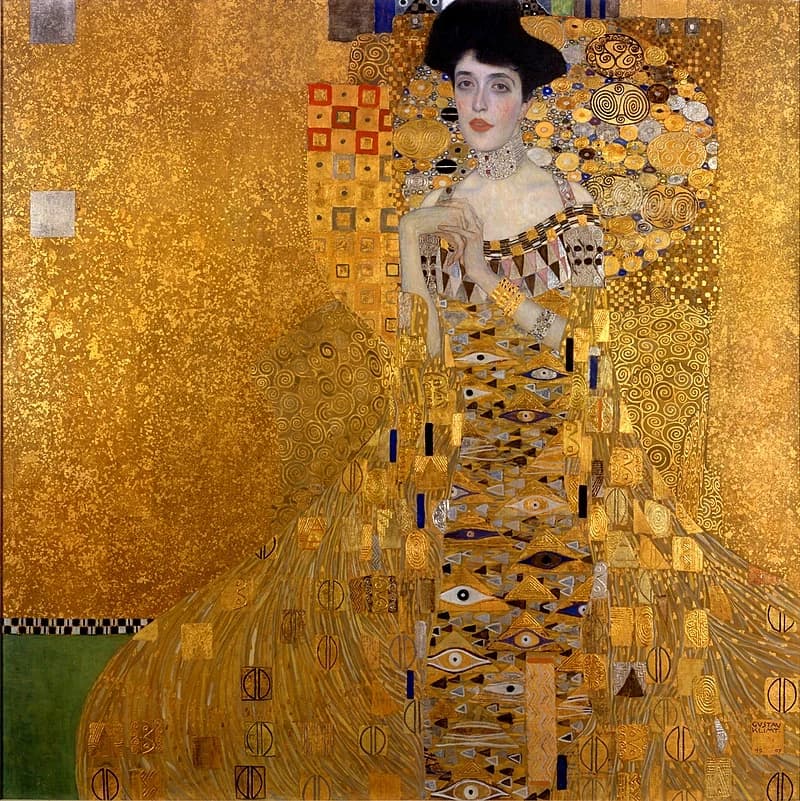
Portrait of Adele Bloch-Bauer I
Gustav Klimt, 1907
- Same museum
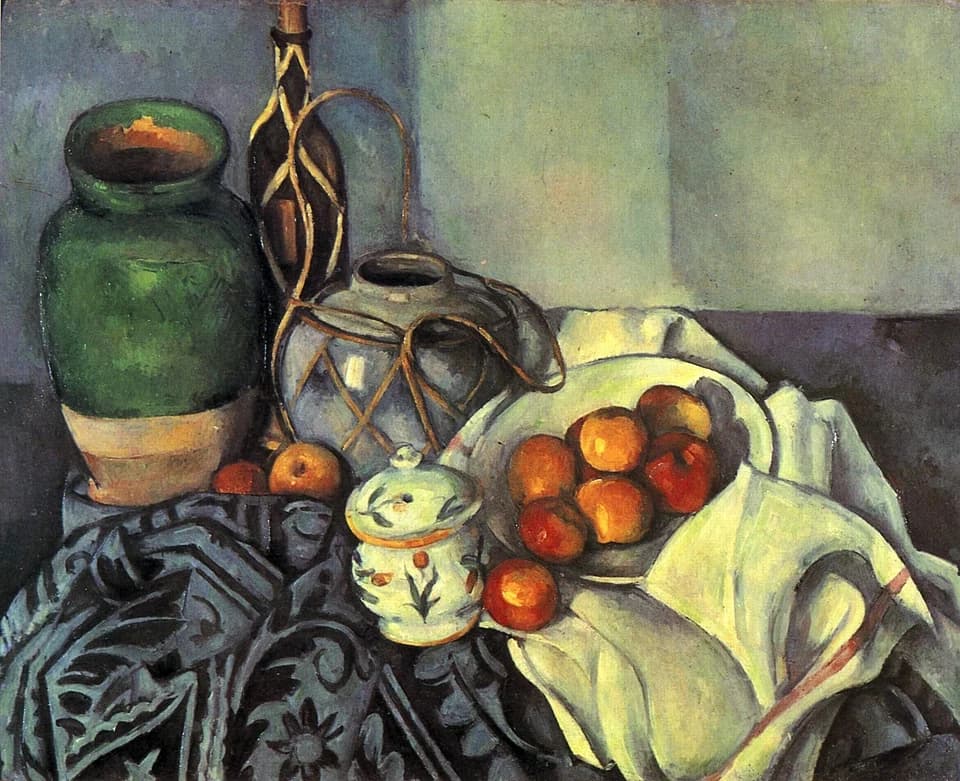
Still Life with Apples
Paul Cézanne, 1898
- Same museum
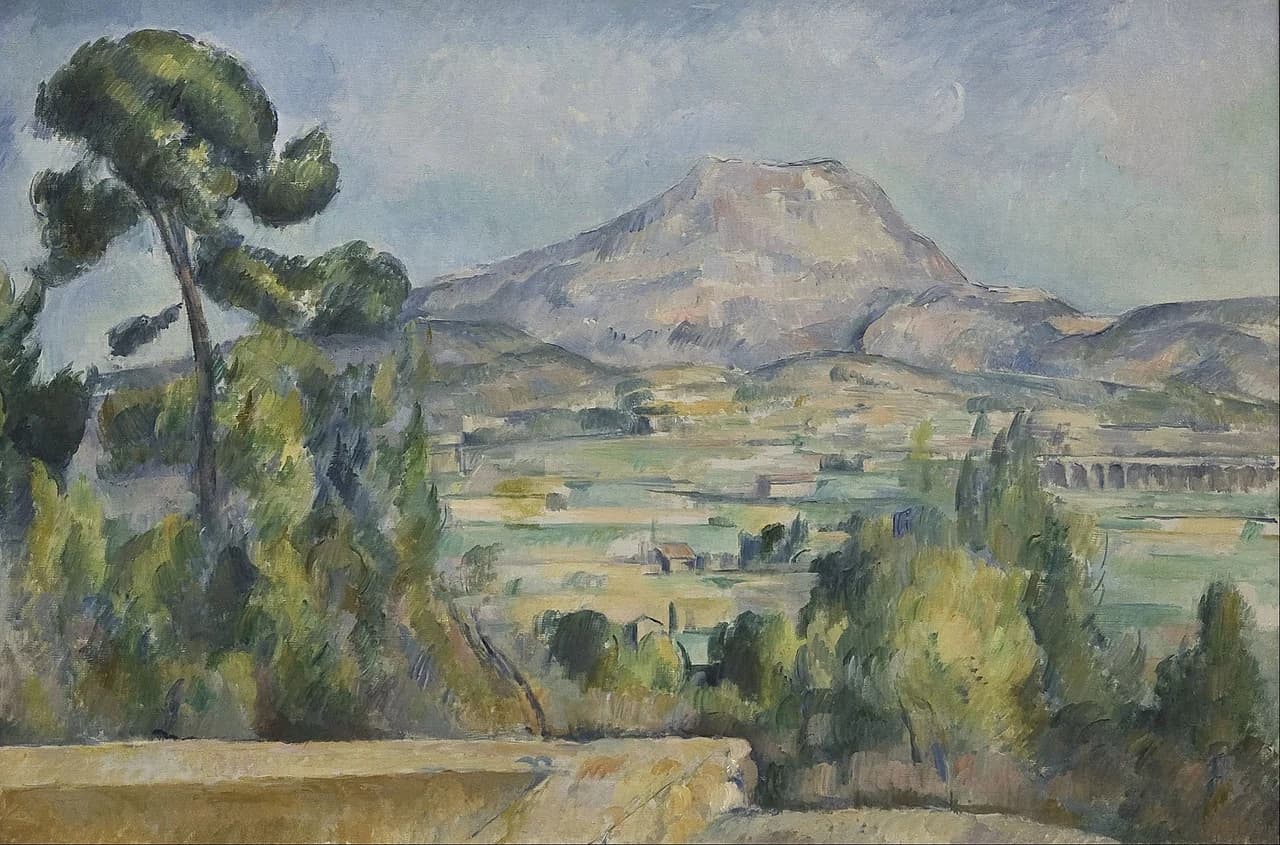
Mont Sainte-Victoire
Paul Cézanne, 1904
- Same museum
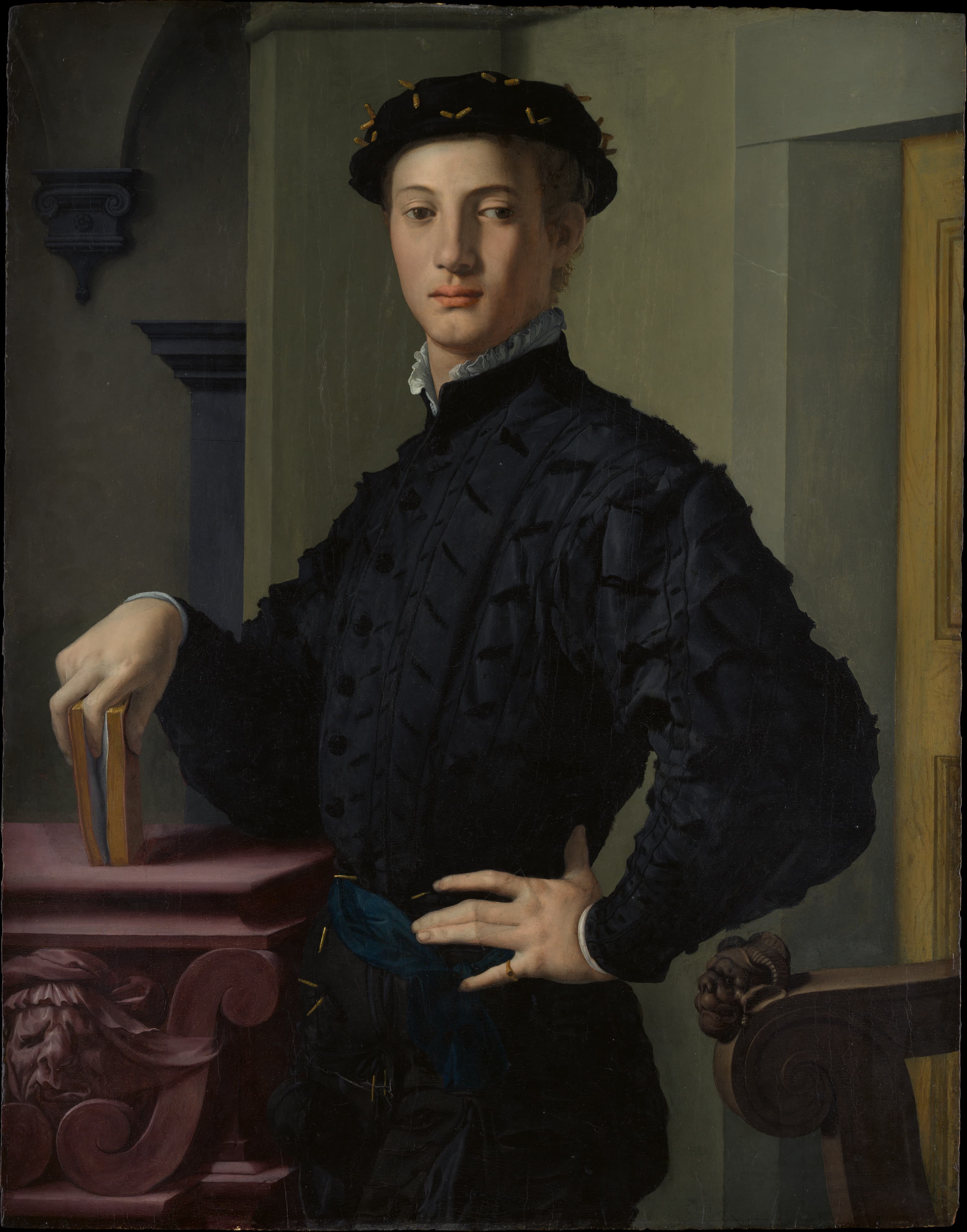
Portrait of a Young Man
Bronzino (Agnolo di Cosimo di Mariano), 1530
- Same museum
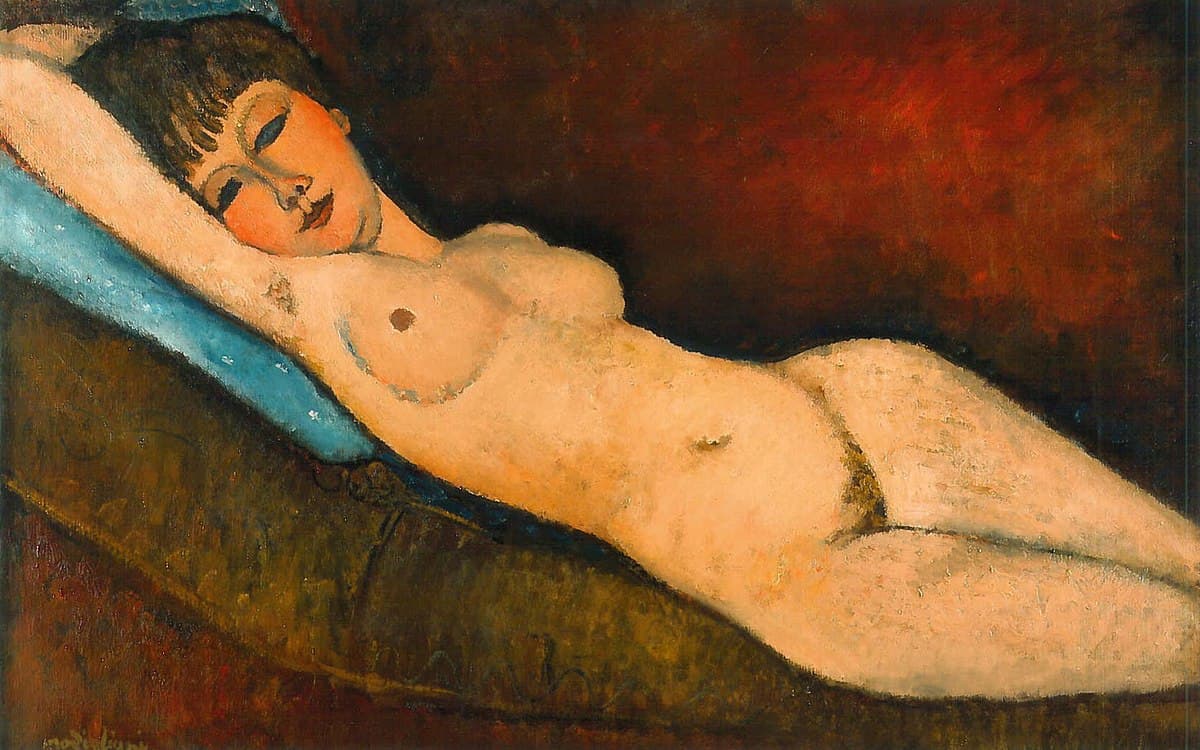
Reclining Nude (Le Grand Nu)
Amedeo Modigliani, 1917
- Same museum
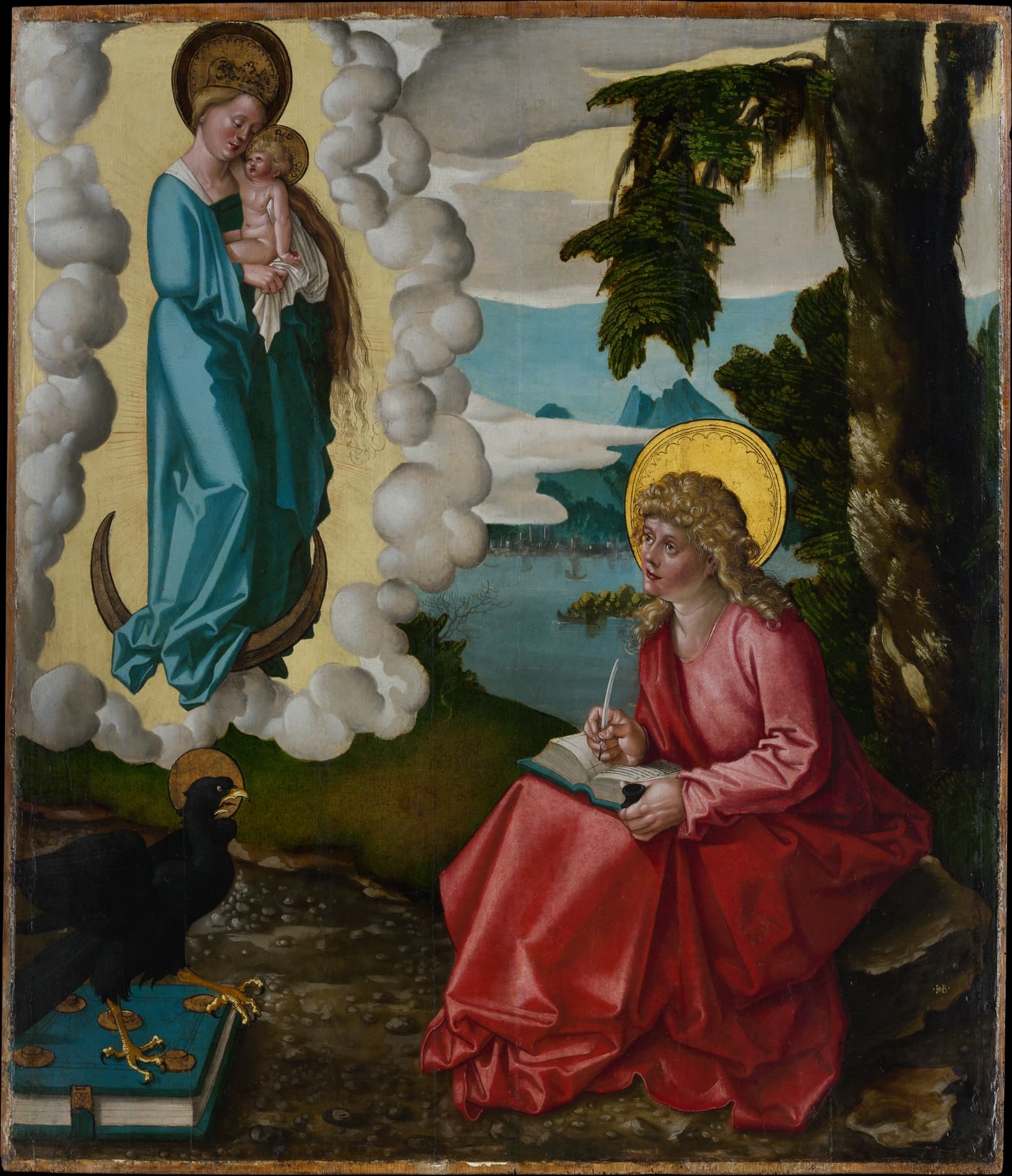
Saint John on Patmos
Hans Baldung (called Hans Baldung Grien), 1506
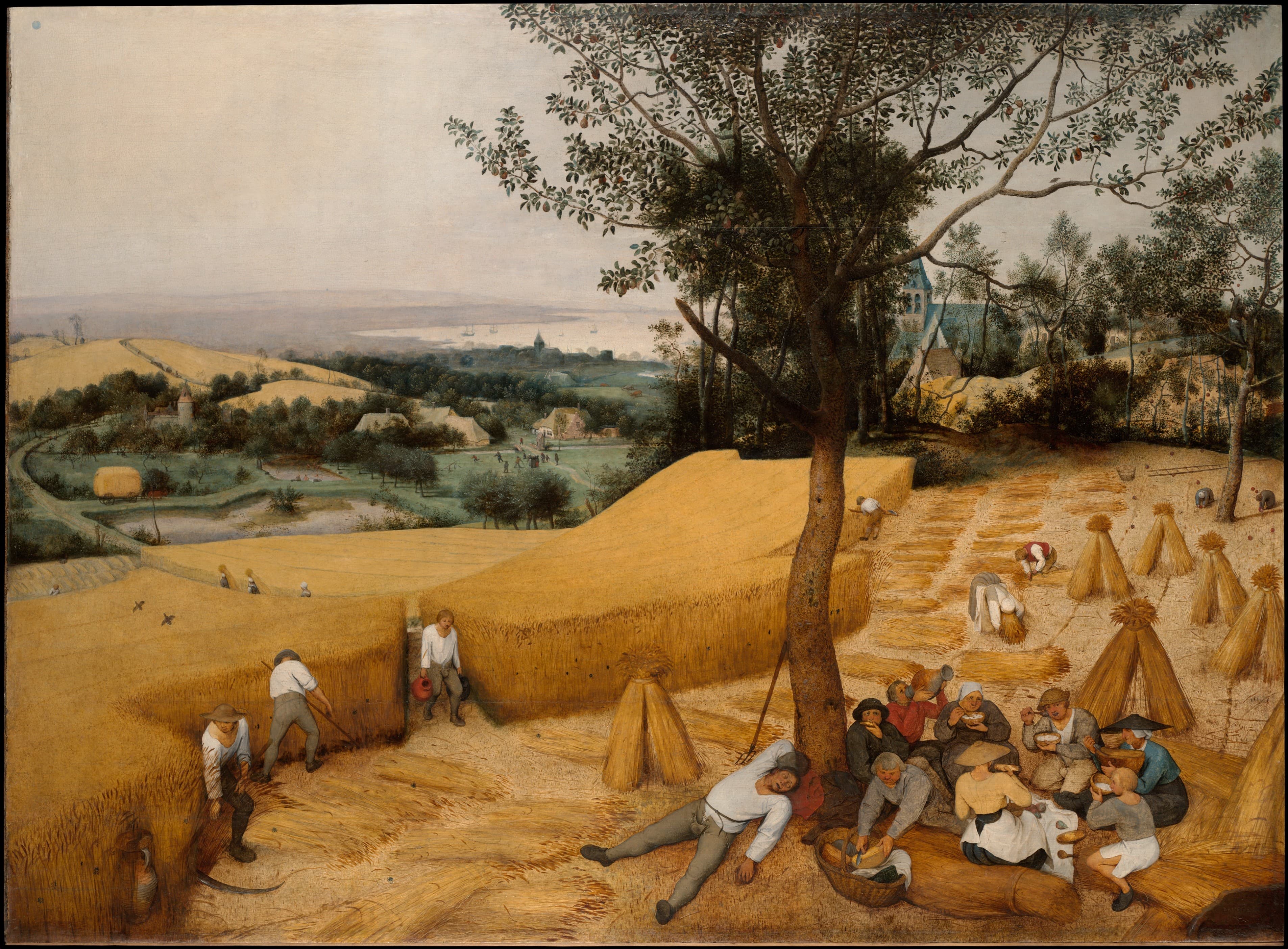
- Same museum
The Harvesters
Pieter Bruegel the Elder, 1565
About Kongo Crucifix
This crucifix is at the Metropolitan Museum of Art in New York. Similar crucifixes exist in collections worldwide.
Portuguese missionaries arrived in the late 15th century. Kongo kings embraced Christianity, seeing it as a source of spiritual and political power.
Kongo artists gave the figure African features and proportions, creating a hybrid form that merged Christian imagery with local aesthetic traditions.
The crucifix dates to approximately 1600 CE, about a century after Portuguese contact began the transformation of Kongo religious art.
Own Art Like This
Luxury wall art with the same mood and energy. Gallery-quality canvas, no museum crowds.
Browse Collection