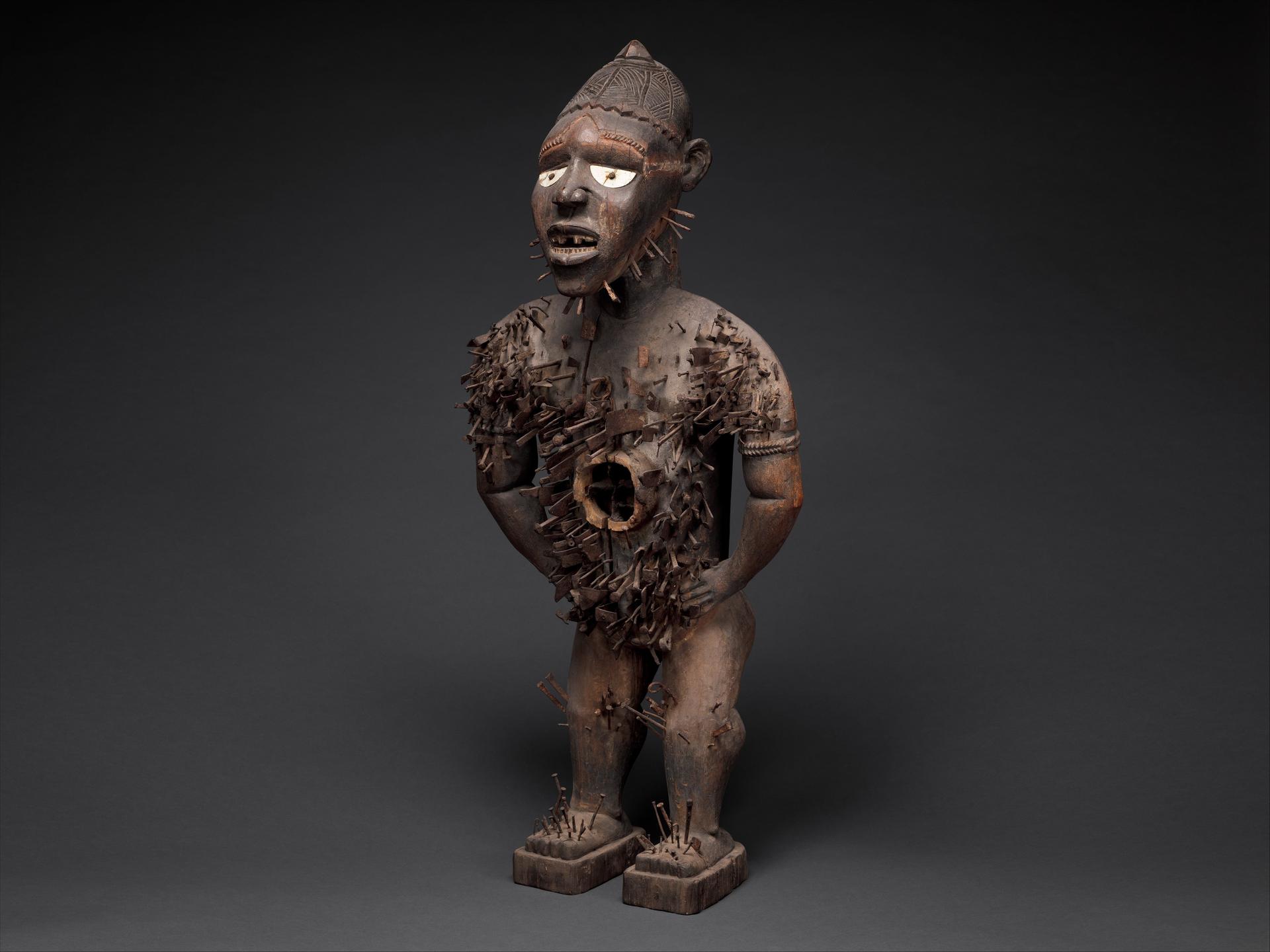
Kongo Power Figure (Nkisi)
by Ancient Kongo (Unknown), 1880
Artwork Details
Details
- Year
- 1880
- Medium
- Wood, iron, glass, fabric
- Size
- 117 cm (46 in) tall
Cite or Embed This Work
APA · MLA · Chicago1-click academic citation and embeddable “On View” museum badge for articles, syllabi, and research.
This Kongo power figure (nkisi nkondi) bristles with iron nails and blades driven into its wooden body, each marking an oath, agreement, or appeal to spiritual forces. Created around 1880 in the Kongo Kingdom (modern Democratic Republic of Congo and Angola), the figure housed powerful spiritual substances in its abdominal cavity, activated by a ritual specialist called a nganga.
Nails were driven in to awaken the spirit and bind agreements, with each blade recording a specific transaction. The accumulation of metal created an increasingly powerful object over time. European missionaries and colonial administrators collected (and sometimes destroyed) these figures, viewing them as threatening "fetishes" rather than complex spiritual technologies.
This imposing figure is at the Metropolitan Museum of Art.
More by Ancient Kongo (Unknown)
View all →

Also at The Metropolitan Museum of Art
View all →Sculpture
R

Rolltop desk
David Roentgen, 1776
The Metropolitan Museum of Art, New York
Sculpture
L
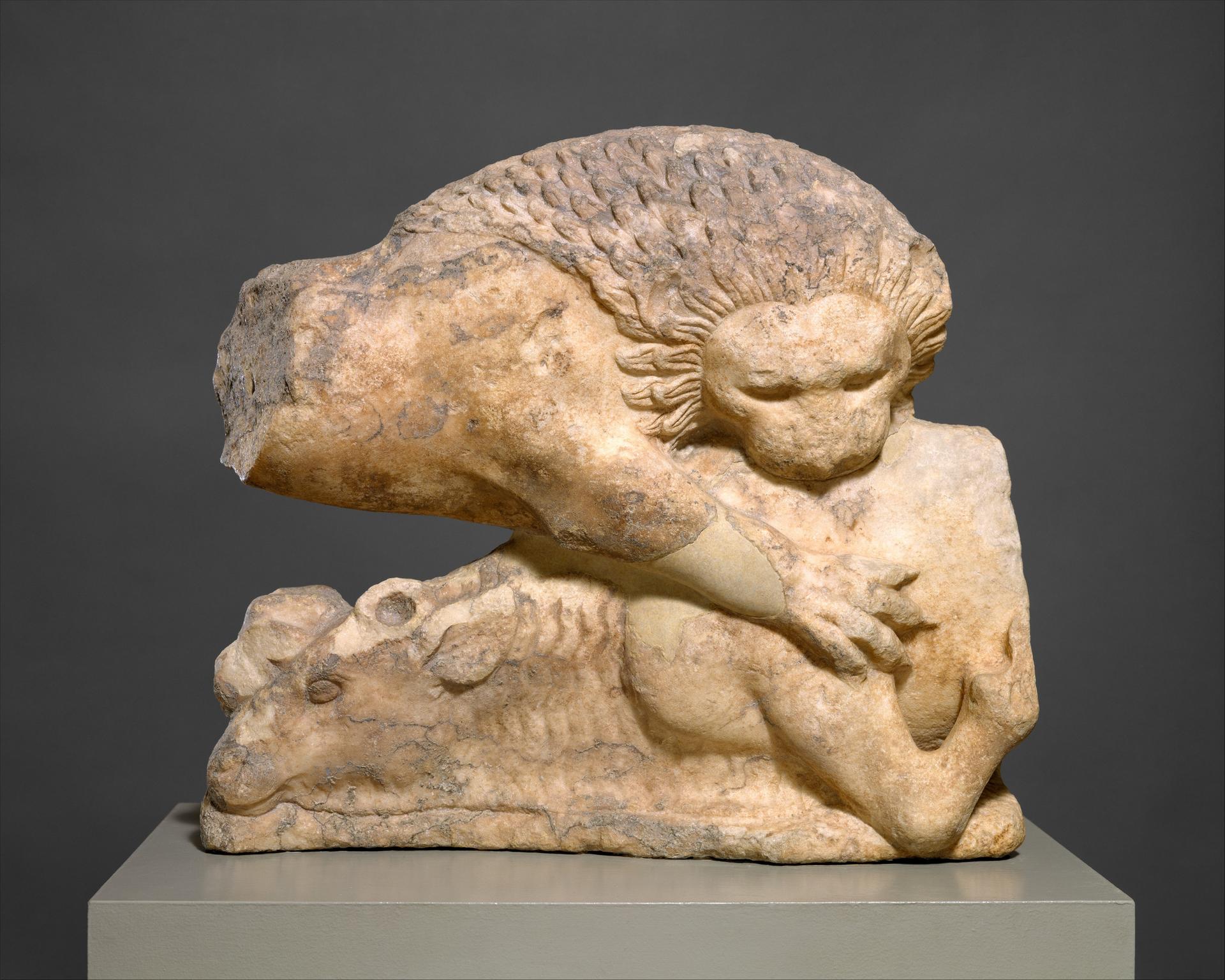
Lion felling a bull, from a marble pediment
Ancient Greek (Unknown), -500
The Metropolitan Museum of Art, New York
Sculpture
M
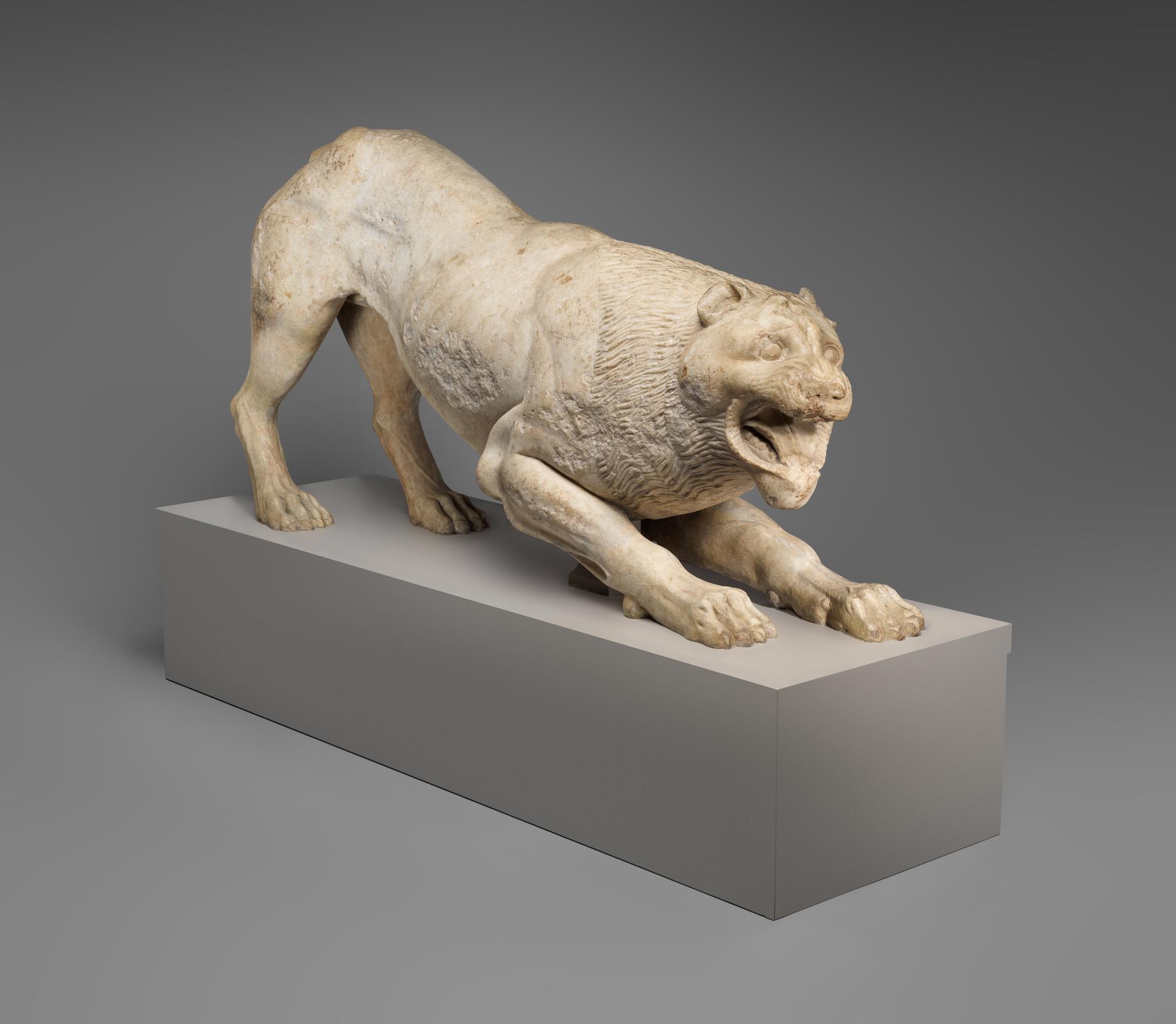
Marble statue of a lion
Ancient Greek (Unknown), -390
The Metropolitan Museum of Art, New York
S
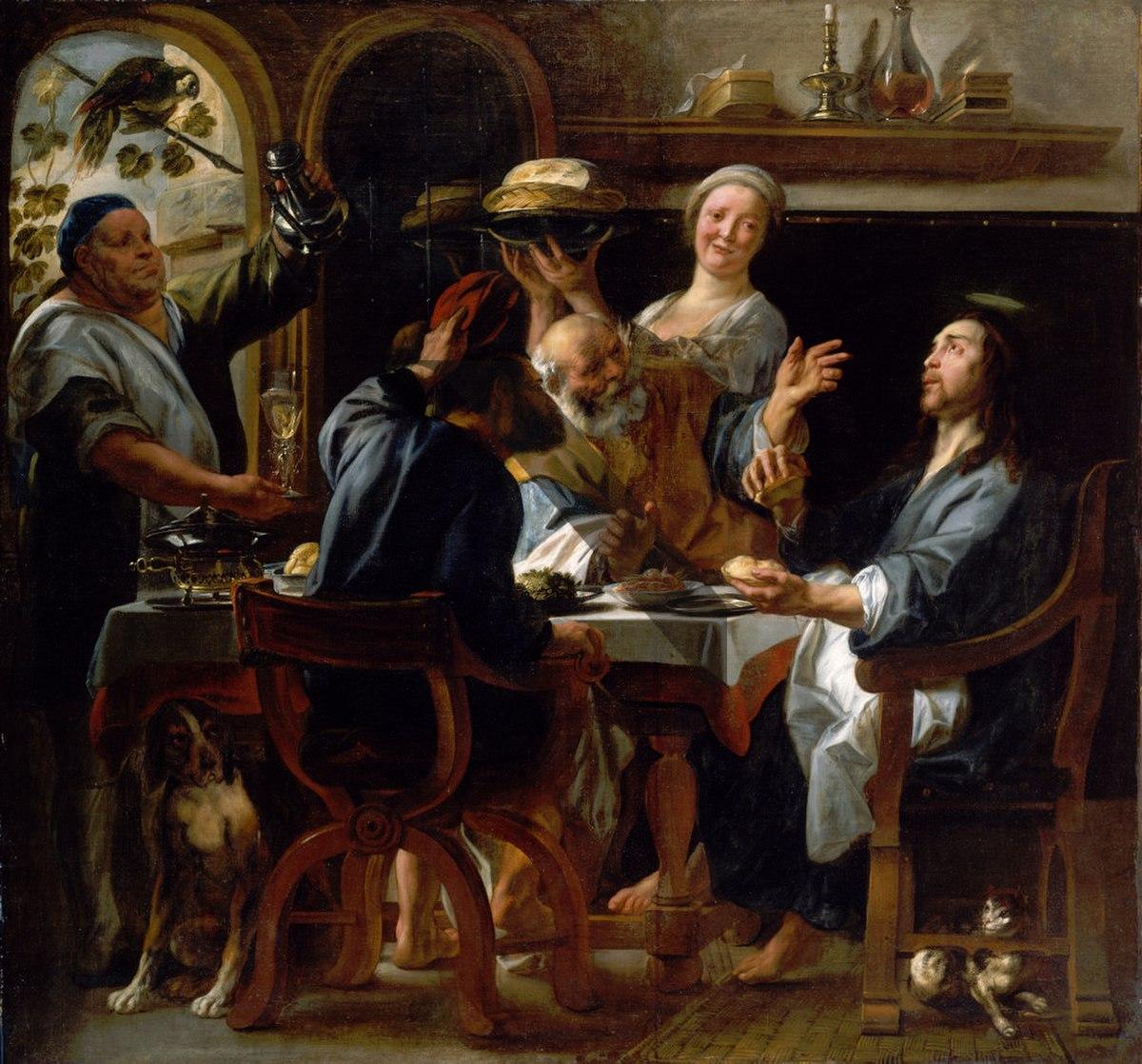
Supper at Emmaus
Diego Velázquez
The Metropolitan Museum of Art, New York
Related Works
Works that share an artist, movement, museum, genre, palette or theme with Kongo Power Figure (Nkisi).
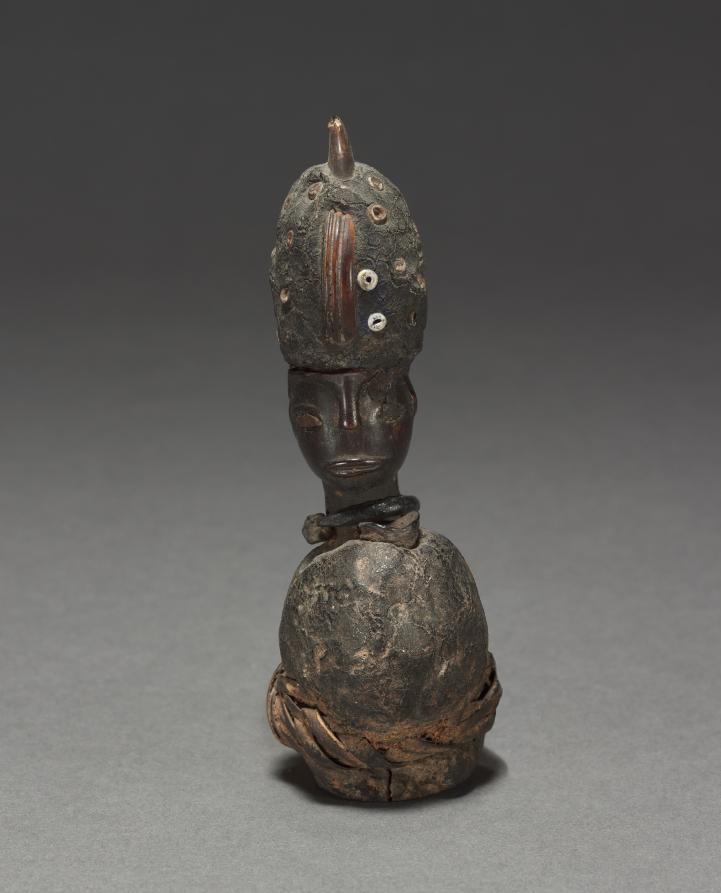
- Similar themes
Power figure (nkisi)
1880

- Same museum
Bridge over a Pond of Water Lilies
Claude Monet, 1899
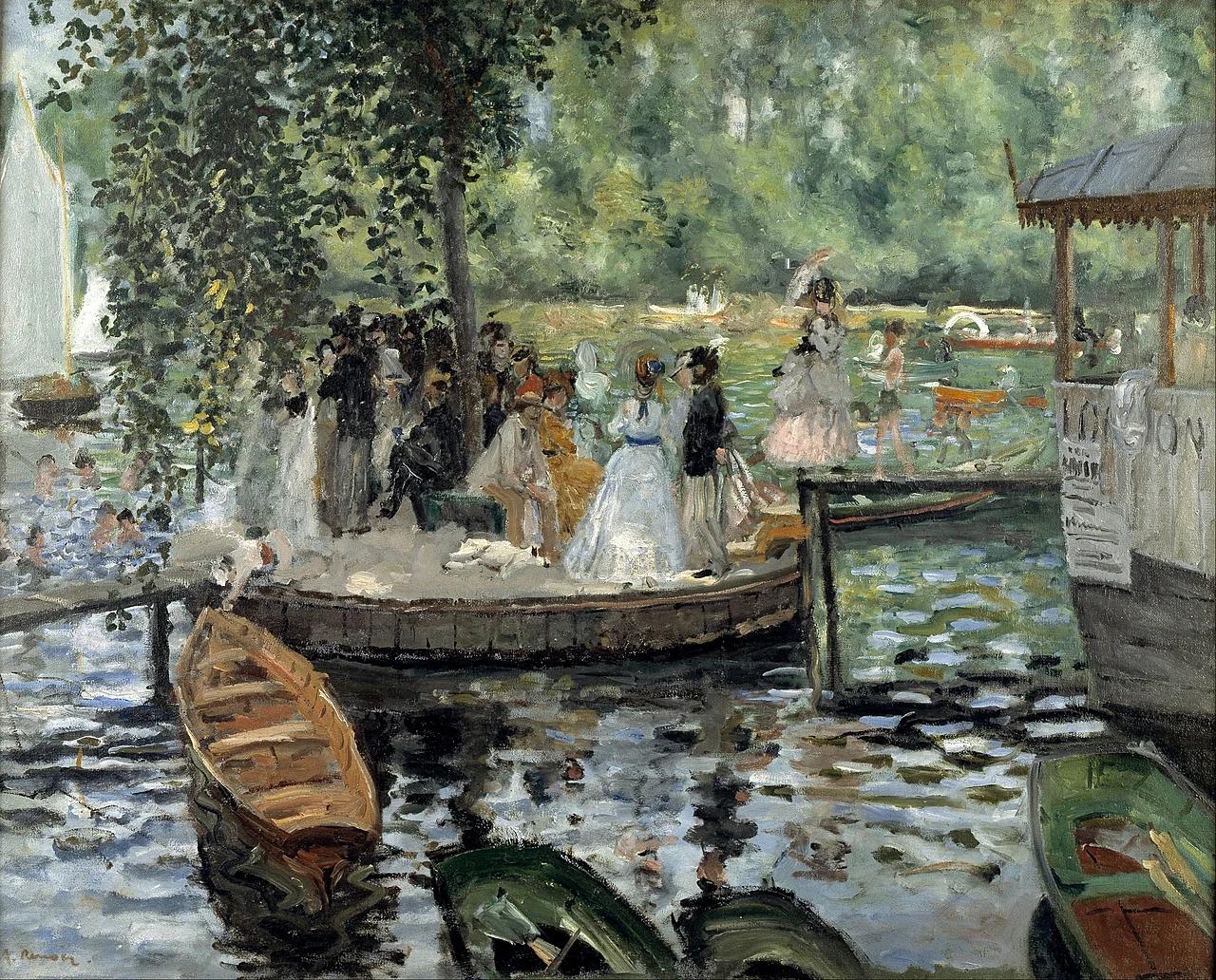
- Same museum
La Grenouillère
Claude Monet, 1869
- Same museum
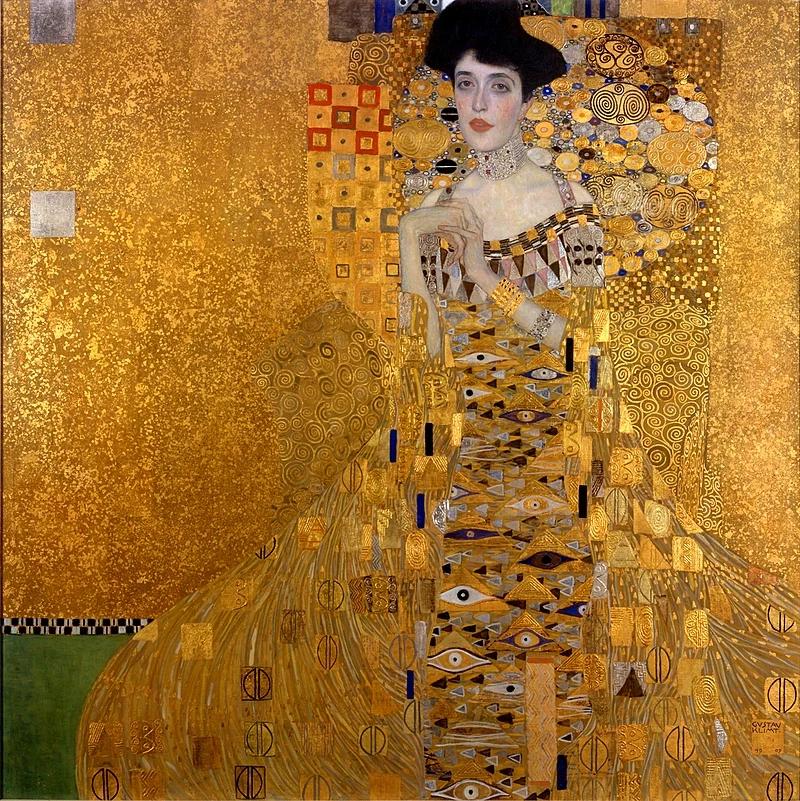
Portrait of Adele Bloch-Bauer I
Gustav Klimt, 1907
- Same museum
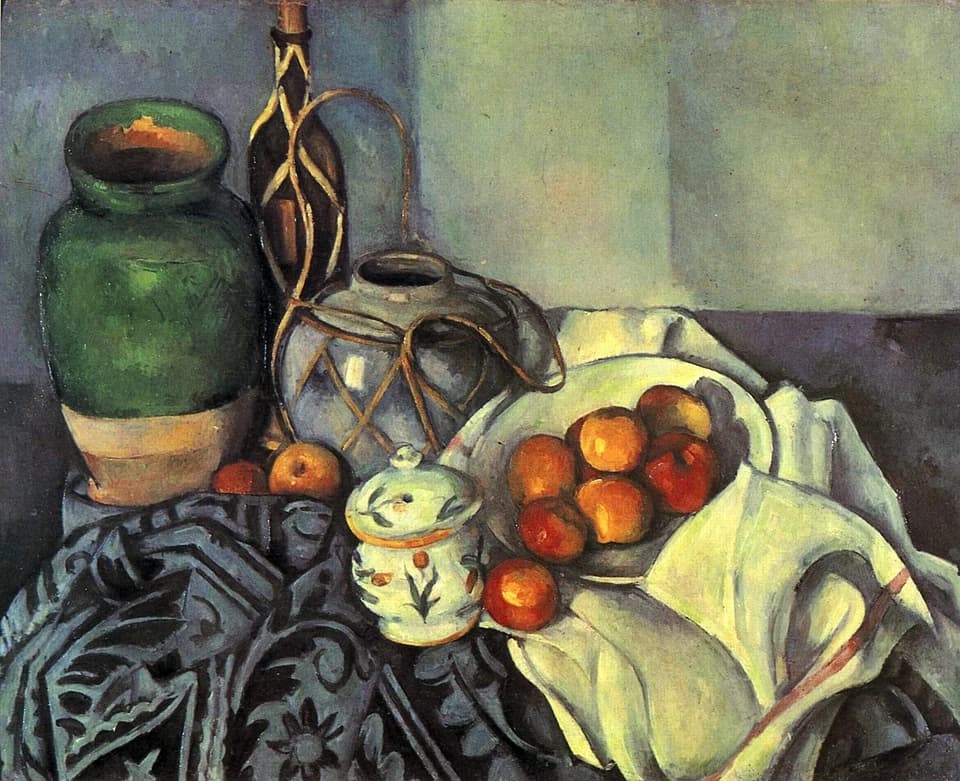
Still Life with Apples
Paul Cézanne, 1898
- Same museum
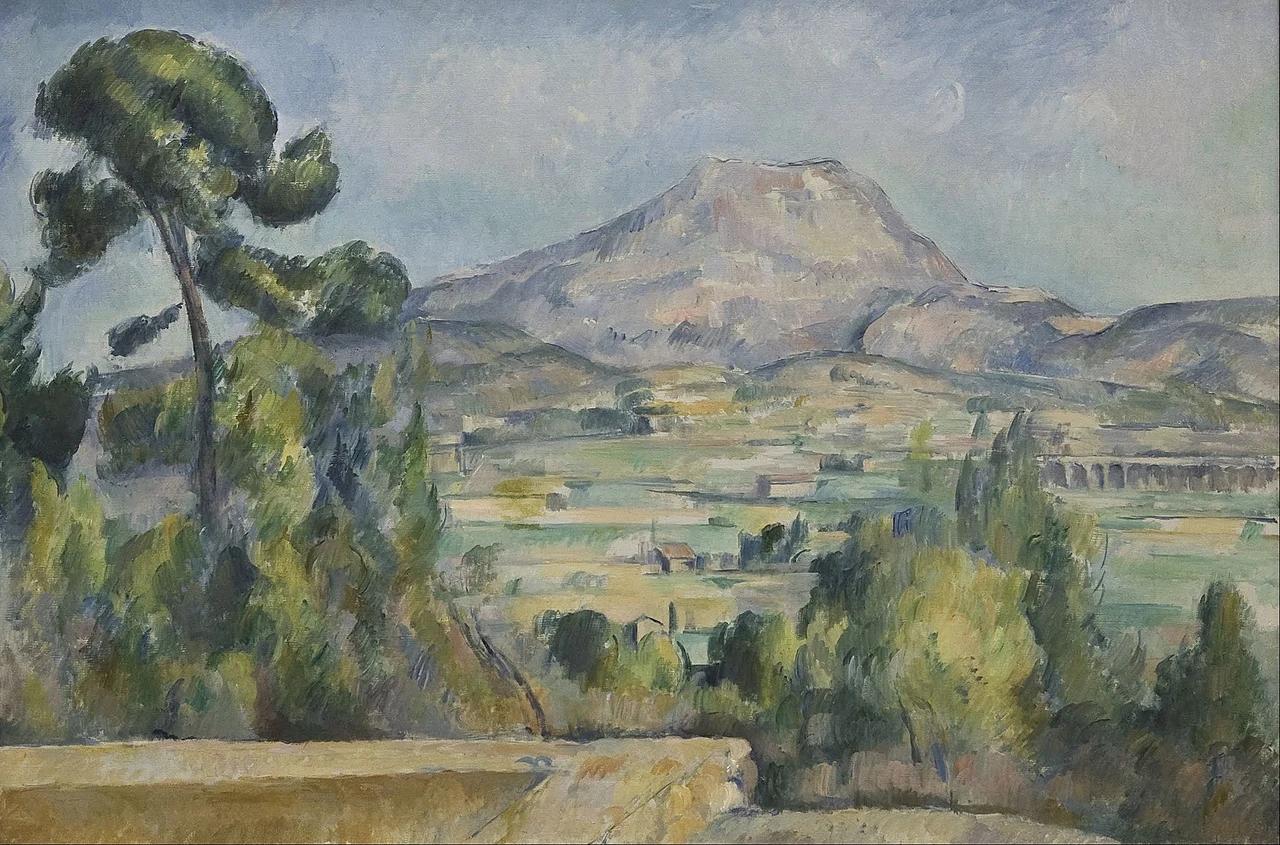
Mont Sainte-Victoire
Paul Cézanne, 1904
- Same museum
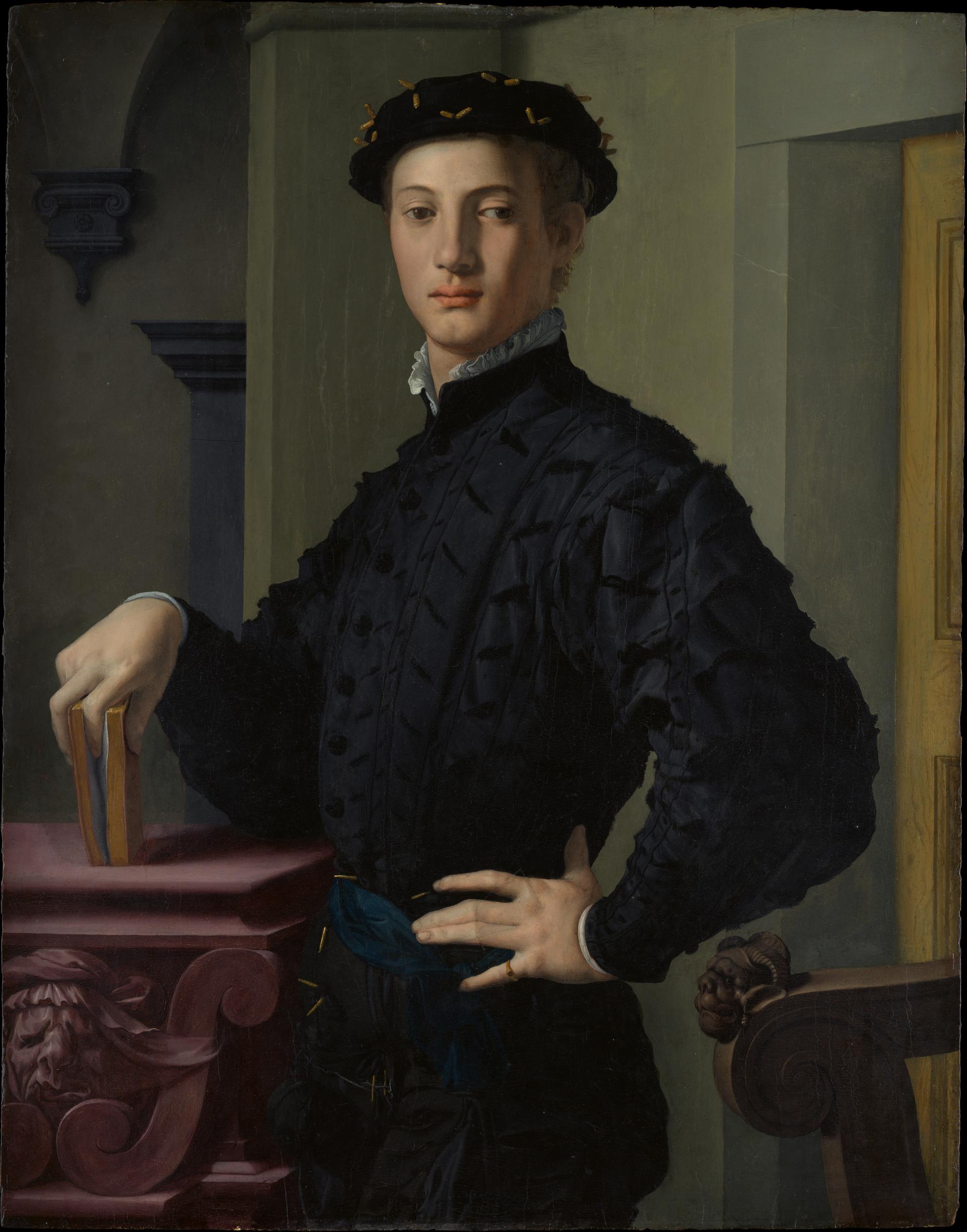
Portrait of a Young Man
Bronzino (Agnolo di Cosimo di Mariano), 1530
- Same museum
Reclining Nude (Le Grand Nu)
Amedeo Modigliani, 1917
- Same museum
Saint John on Patmos
Hans Baldung (called Hans Baldung Grien), 1506
- Same museum
The Harvesters
Pieter Bruegel the Elder, 1565
- Same museum
The Last Communion of Saint Jerome
Botticelli (Alessandro di Mariano Filipepi), 1490
- Same museum
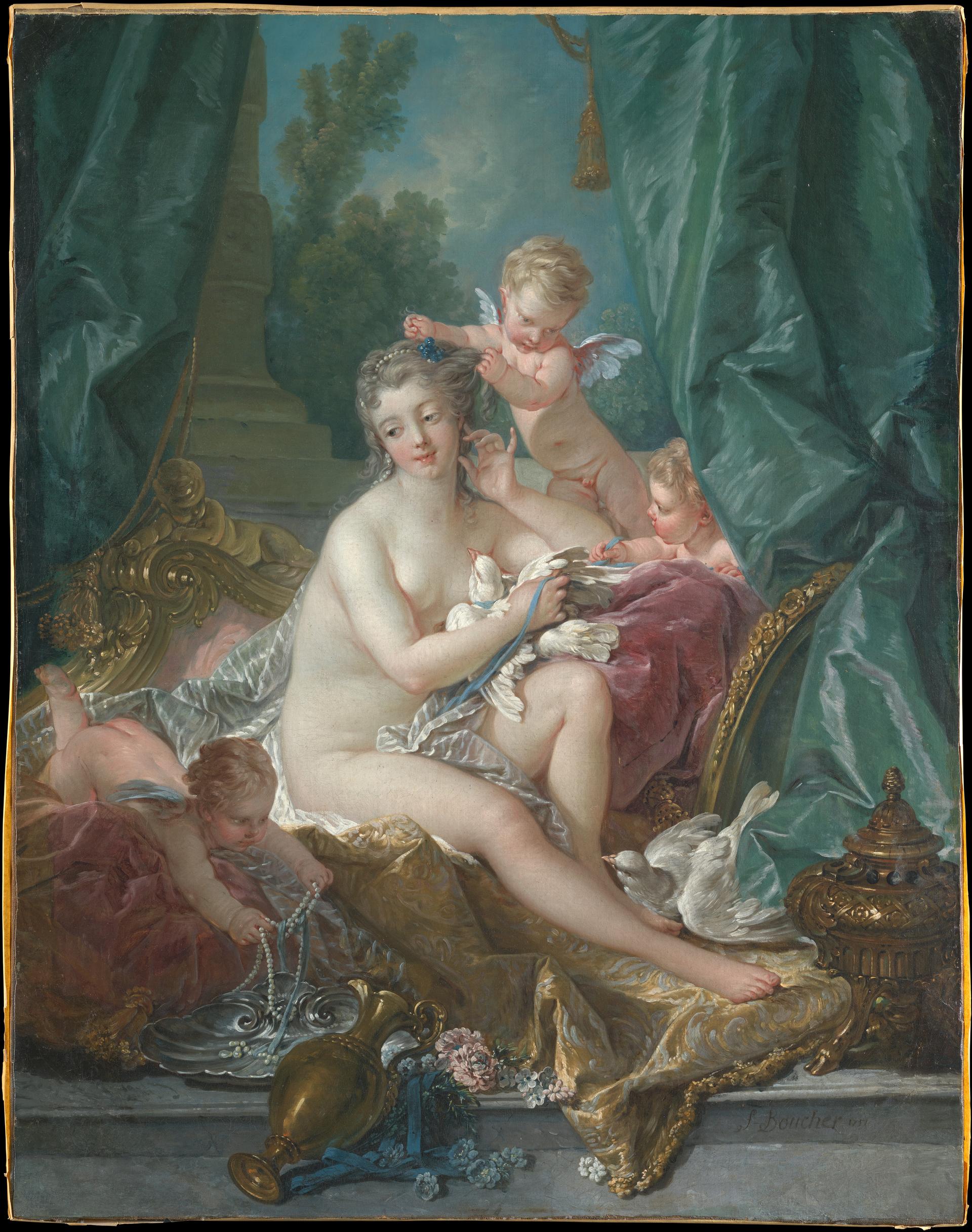
The Toilette of Venus
François Boucher, 1751
About Kongo Power Figure (Nkisi)
This figure is at the Metropolitan Museum of Art in New York. Major Kongo power figures are held in museums worldwide.
Each nail marks an oath, agreement, or appeal to the spiritual forces housed within. Driving the nail "woke up" the spirit to enforce the commitment.
A cavity (usually in the abdomen) contained powerful spiritual substances assembled by a ritual specialist. These materials gave the figure its power.
This figure stands 117 cm (46 in) tall, unusually large for nkisi figures. Its size indicates it served an important community function.
Own Art Like This
Luxury wall art with the same mood and energy. Gallery-quality canvas, no museum crowds.
Browse Collection