
Auguste Rodin, CC BY-SA 2.0, via Wikimedia Commons.
Monument to Balzac
by Auguste Rodin, 1898
Artwork Details
Details
- Year
- 1898
- Medium
- Bronze
- Size
- 270 cm × 120 cm × 128 cm
Cite or Embed This Work
APA · MLA · Chicago1-click academic citation and embeddable “On View” museum badge for articles, syllabi, and research.
Auguste Rodin received the commission for a monument to novelist Honoré de Balzac in 1891 from the Société des Gens de Lettres. Émile Zola championed Rodin for the project. After years of study, Rodin presented his plaster model at the 1898 Salon. The unconventional portrait showed Balzac wrapped in his famous dressing gown, a massive figure rising like a monolith rather than a traditional commemorative statue.
Critics savaged the work, comparing it to a toad in a sack, a snowman, and a block of salt. The commissioners rejected it as a crude sketch that failed to capture Balzac's likeness. Wounded by this rejection, Rodin withdrew the monument and kept it at his home in Meudon for the rest of his life. Supporters including Monet and Cézanne defended his vision. The 282-centimeter bronze was finally cast and installed on Boulevard du Montparnasse in 1939, 22 years after Rodin's death. Today it is considered one of the first truly modern sculptures. A cast is displayed at the Musée Rodin.
More by Auguste Rodin
View all →Sculpture
T
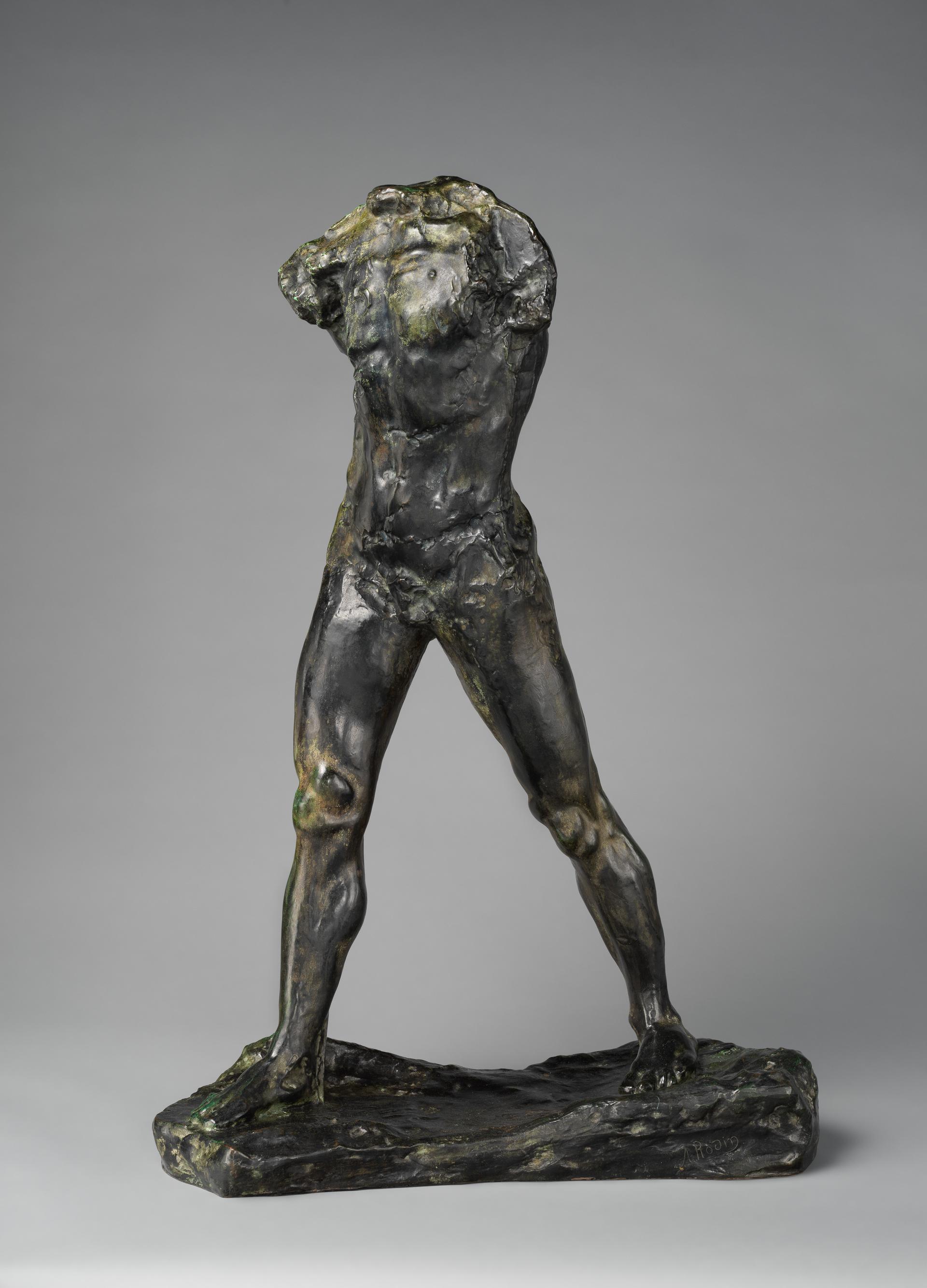
The Walking Man
Auguste Rodin, 1907
Sculpture
V
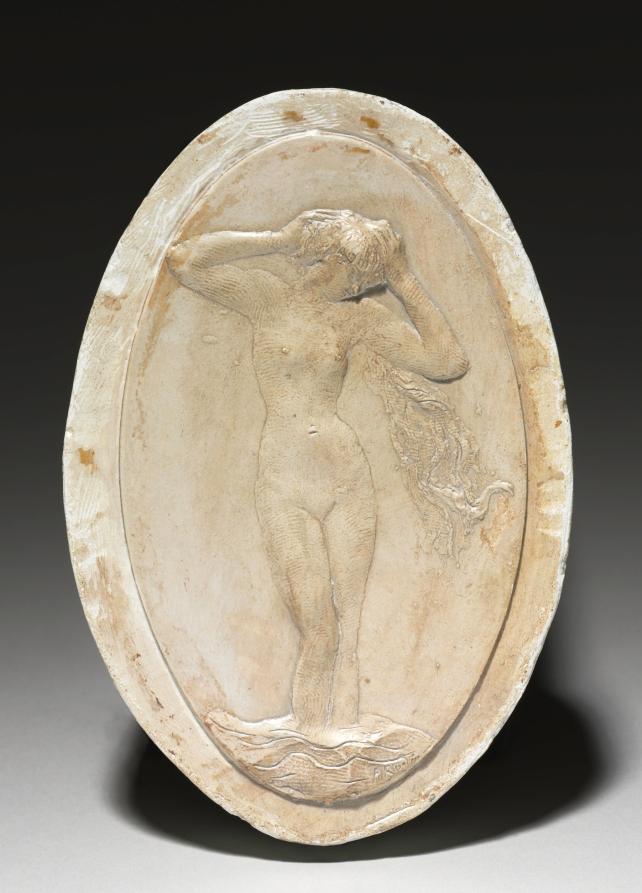
Vénus Astarté (Semitic goddess of fertility and love)
Auguste Rodin, 1895
Cleveland Museum of Art, Cleveland
Sculpture
T
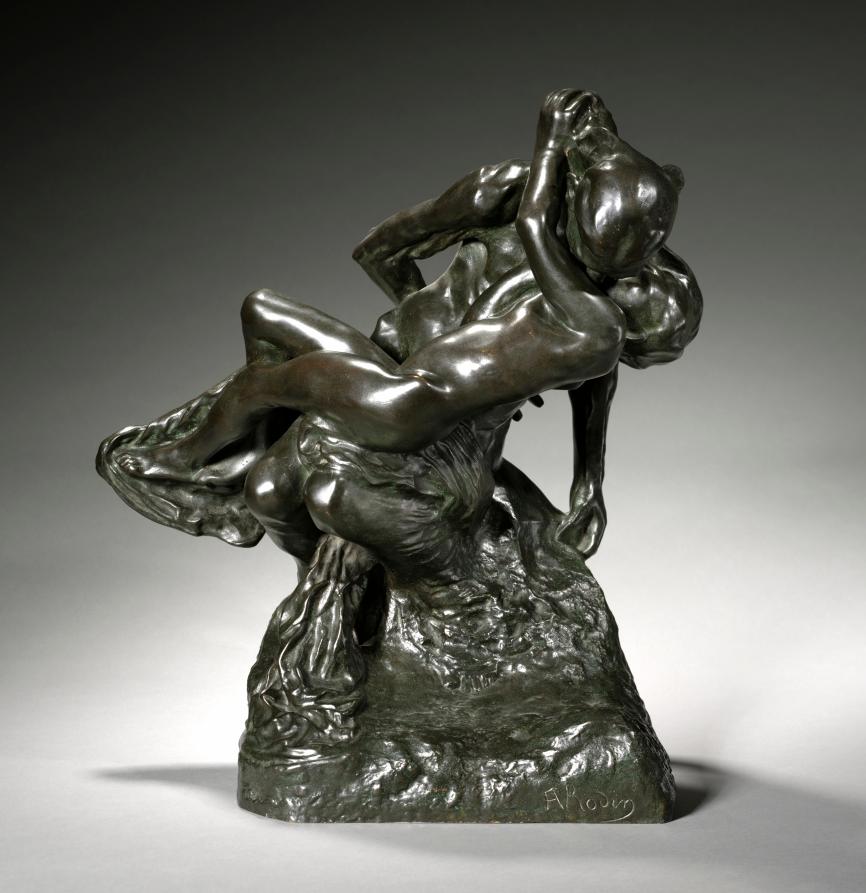
Triumphant Youth
Auguste Rodin, 1889
Cleveland Museum of Art, Cleveland
Sculpture
T

The Fallen Caryatid Carrying Her Stone
Auguste Rodin, 1886
Art Institute of Chicago, Chicago
Also at Musée Rodin
View all →


Related Works
Works that share an artist, movement, museum, genre, palette or theme with Monument to Balzac.
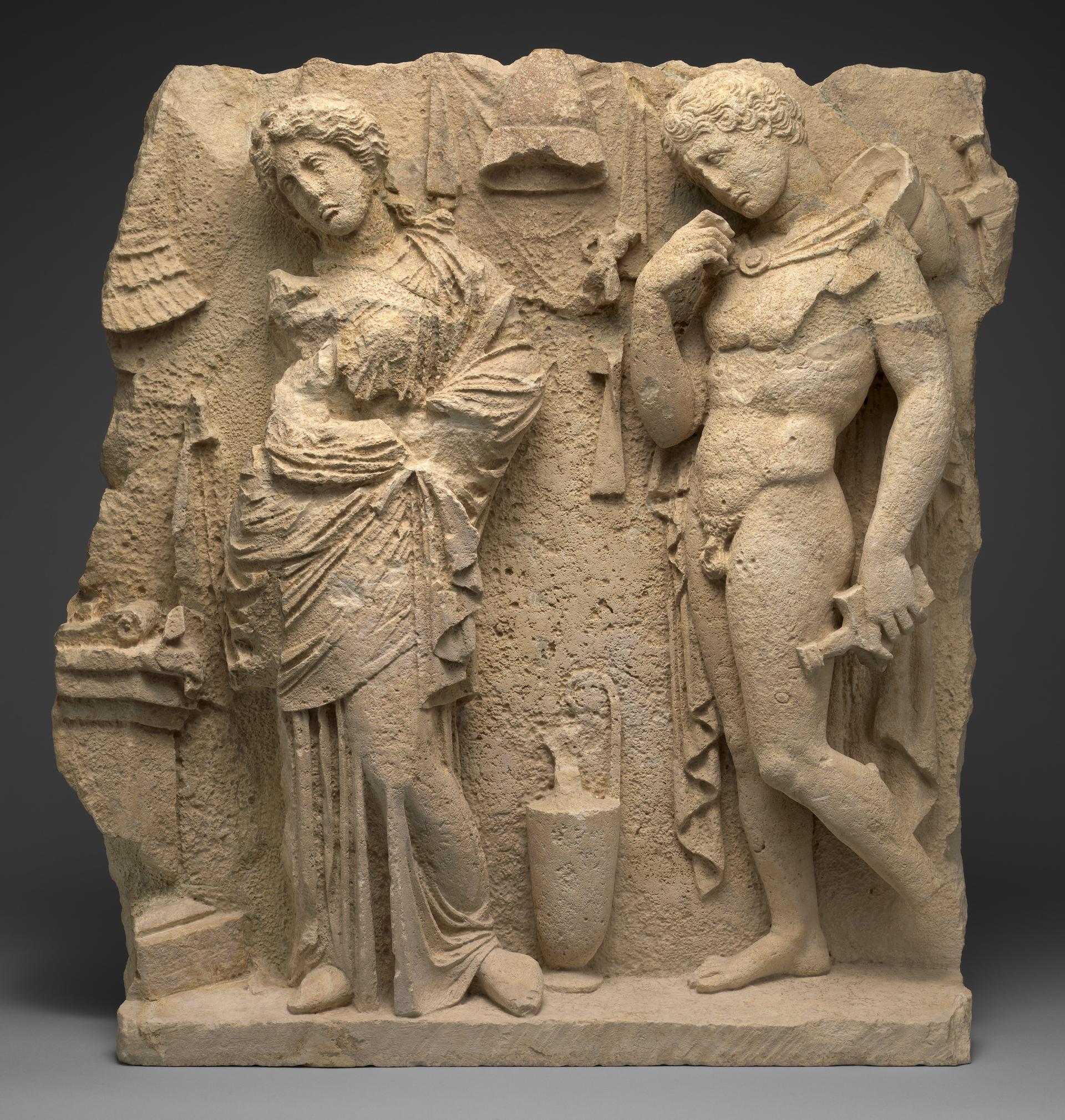


About Monument to Balzac
The Société des Gens de Lettres rejected it in 1898 as a crude sketch that didn't resemble Balzac. Critics mocked its unconventional form. Rodin withdrew the work and kept it private until his death.
The bronze stands at the intersection of Boulevard du Montparnasse and Boulevard Raspail in Paris, installed in 1939. A cast is also displayed at the Musée Rodin.
Rodin created the plaster in 1898, but the bronze was not cast until 1939, 22 years after his death. Today it is considered a pioneering work of modern sculpture.
Own Art Like This
Luxury wall art with the same mood and energy. Gallery-quality canvas, no museum crowds.
Browse Collection