Wikimedia Commons • Public Domain
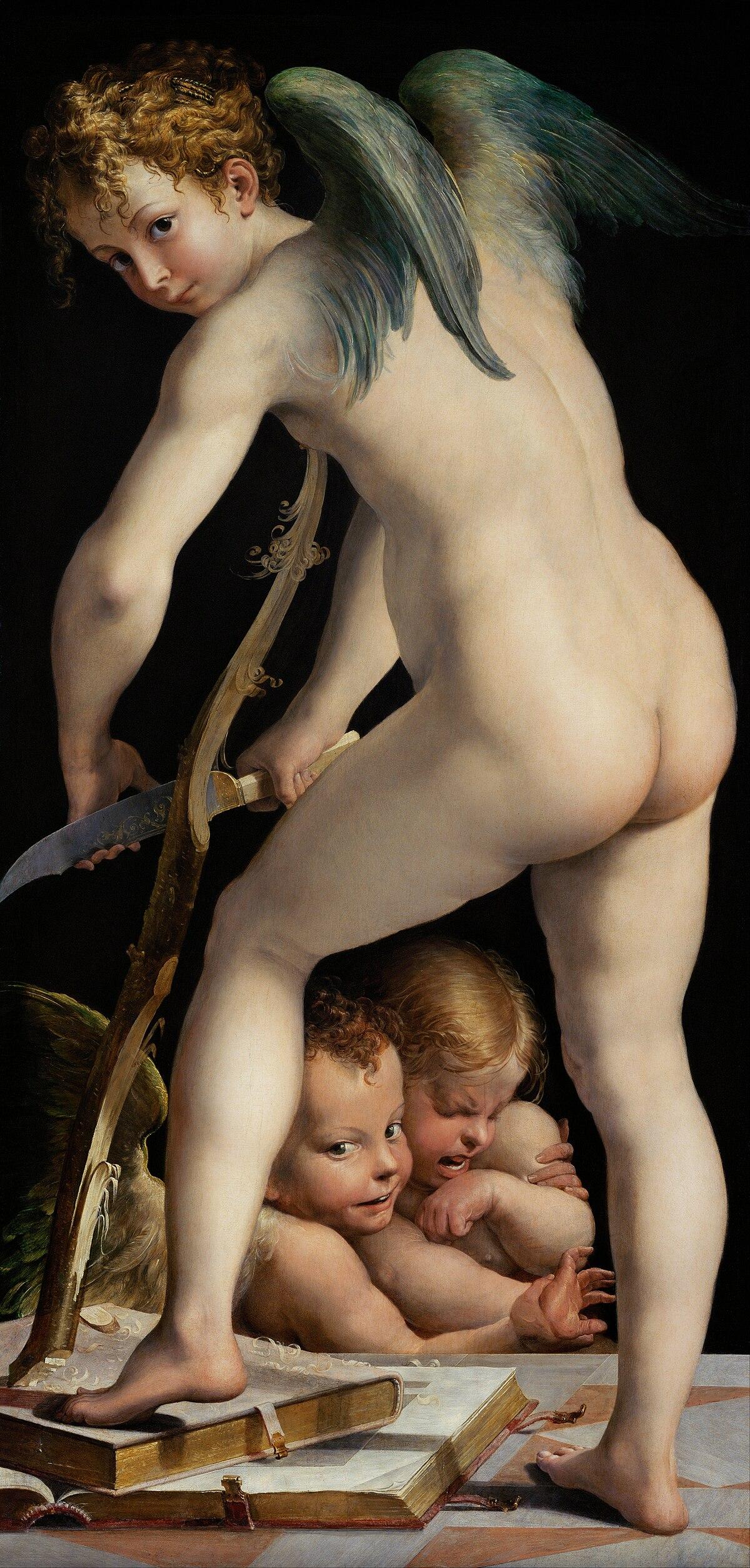
Amor Carving His Bow
by Parmigianino
StyleMannerism
Artwork Details
Cite or Embed This Work
APA · MLA · Chicago1-click academic citation and embeddable “On View” museum badge for articles, syllabi, and research.
Parmigianino completed this elegant Cupid between 1533 and 1535 for his friend and patron Francesco Baiardo in Parma. The work shows a nude Cupid carving his bow, a subject drawn from classical literature. Giorgio Vasari recorded the commission as "Cupido che fabbrica di sua mano un arco." The oil on panel measures 135.5 by 65 centimeters.
The painting's provenance reads like a spy novel. After Baiardo's death, it passed to Marcantonio Cavalca, then to Antonio Pérez, secretary of state to Philip II of Spain. When Pérez fell from royal favor in 1579, he tried selling to Emperor Rudolf II's envoy. The Spanish crown blocked the sale until 1603, when it finally reached Prague along with two Correggio paintings.
The work transferred to Vienna's Schatzkammer in 1631 and now hangs at the Kunsthistorisches Museum. Artists frequently copied it, including Joseph Heintz the Elder and Rubens, whose versions are at Munich's Alte Pinakothek. A preparatory drawing for Cupid's head is in the Louvre.
More by Parmigianino
View all →
Also at Kunsthistorisches Museum
View all →C
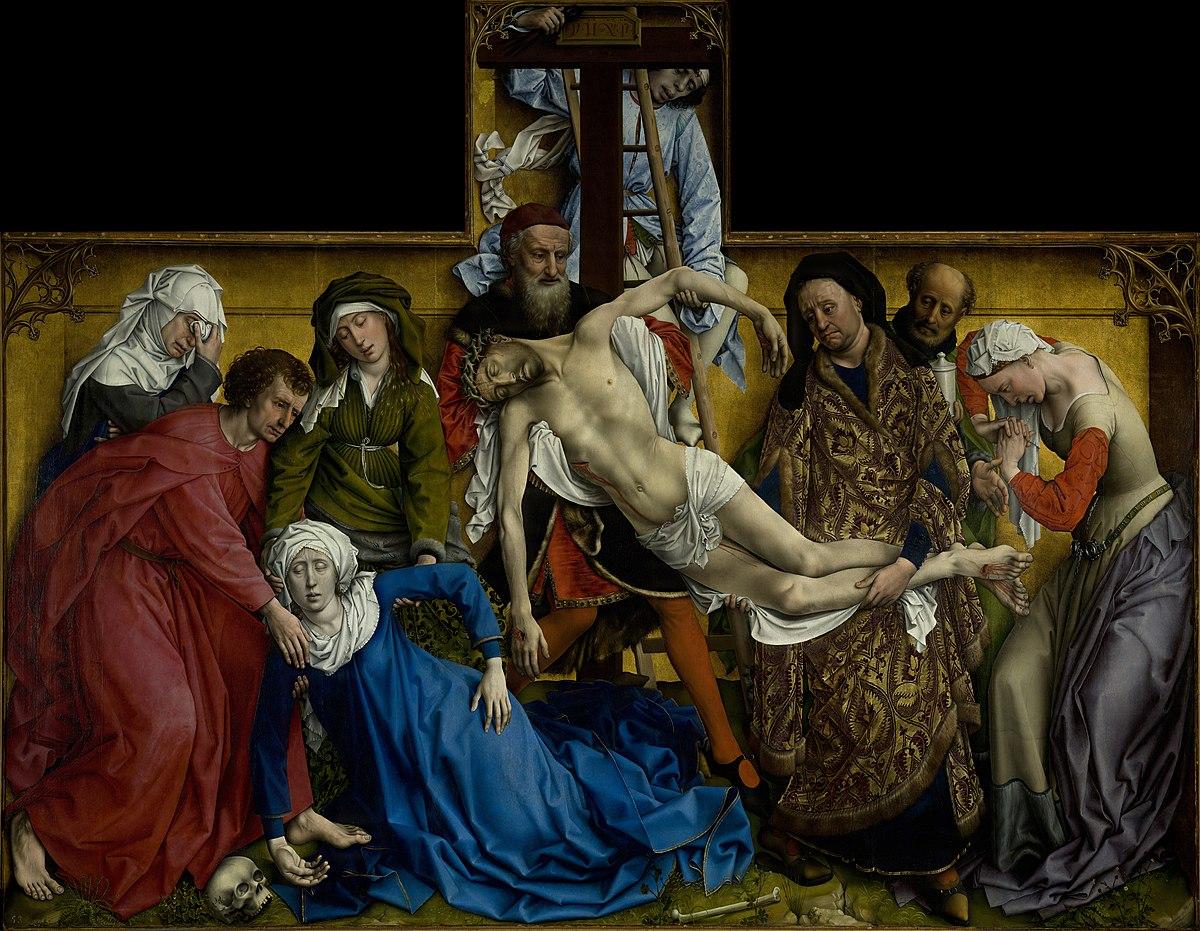
Crucifixion
Rogier van der Weyden
Kunsthistorisches Museum, Vienna
P
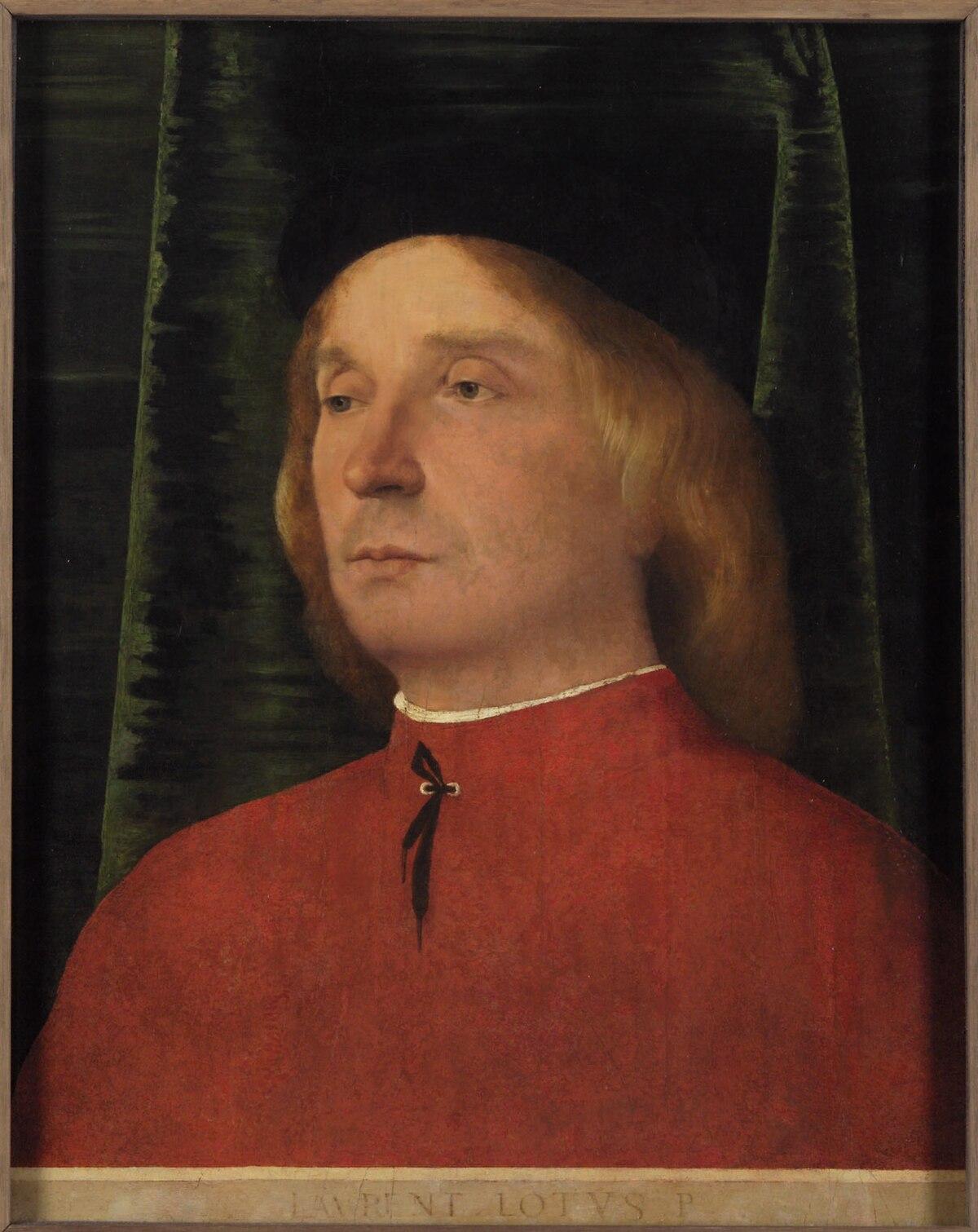
Portrait of a young man in red garment
Lorenzo Lotto
Kunsthistorisches Museum, Vienna
S
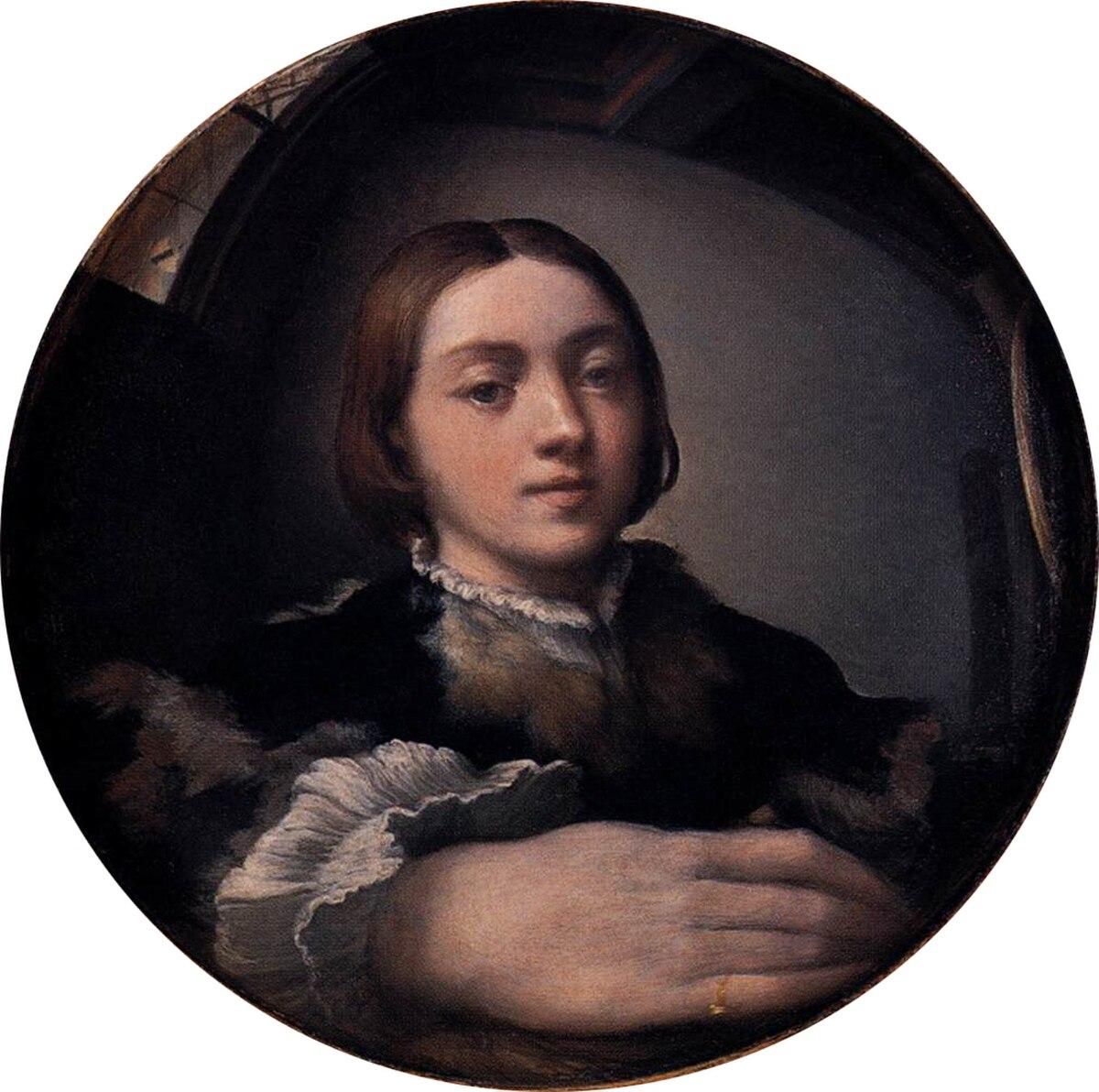
Self-portrait in a Convex Mirror
Parmigianino
Kunsthistorisches Museum, Vienna
C
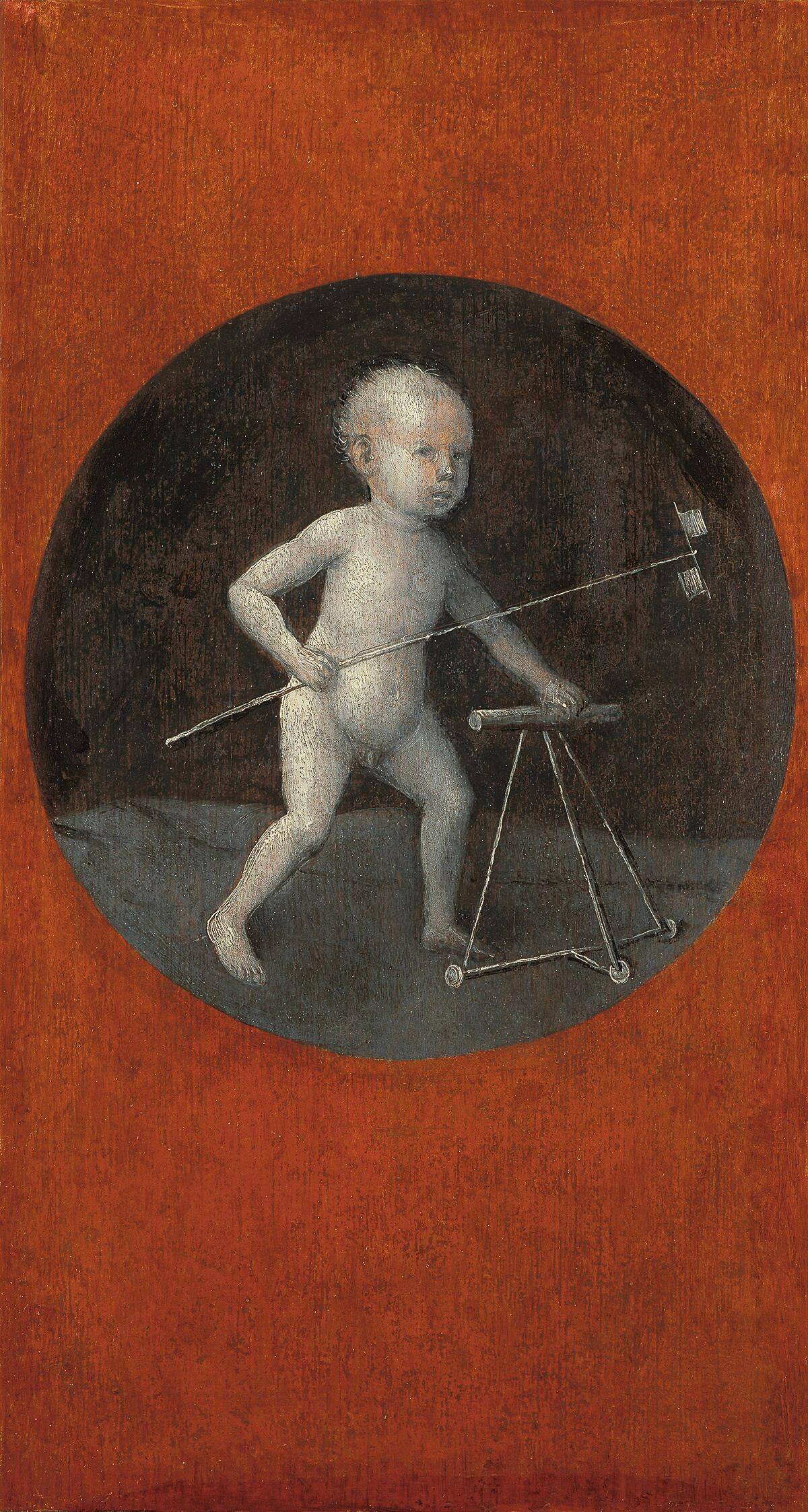
Christ Child with a Walking Frame
Hieronymus Bosch
Kunsthistorisches Museum, Vienna
Related Works
Works that share an artist, movement, museum, genre, palette or theme with Amor Carving His Bow.
- Same artist
- Same movement
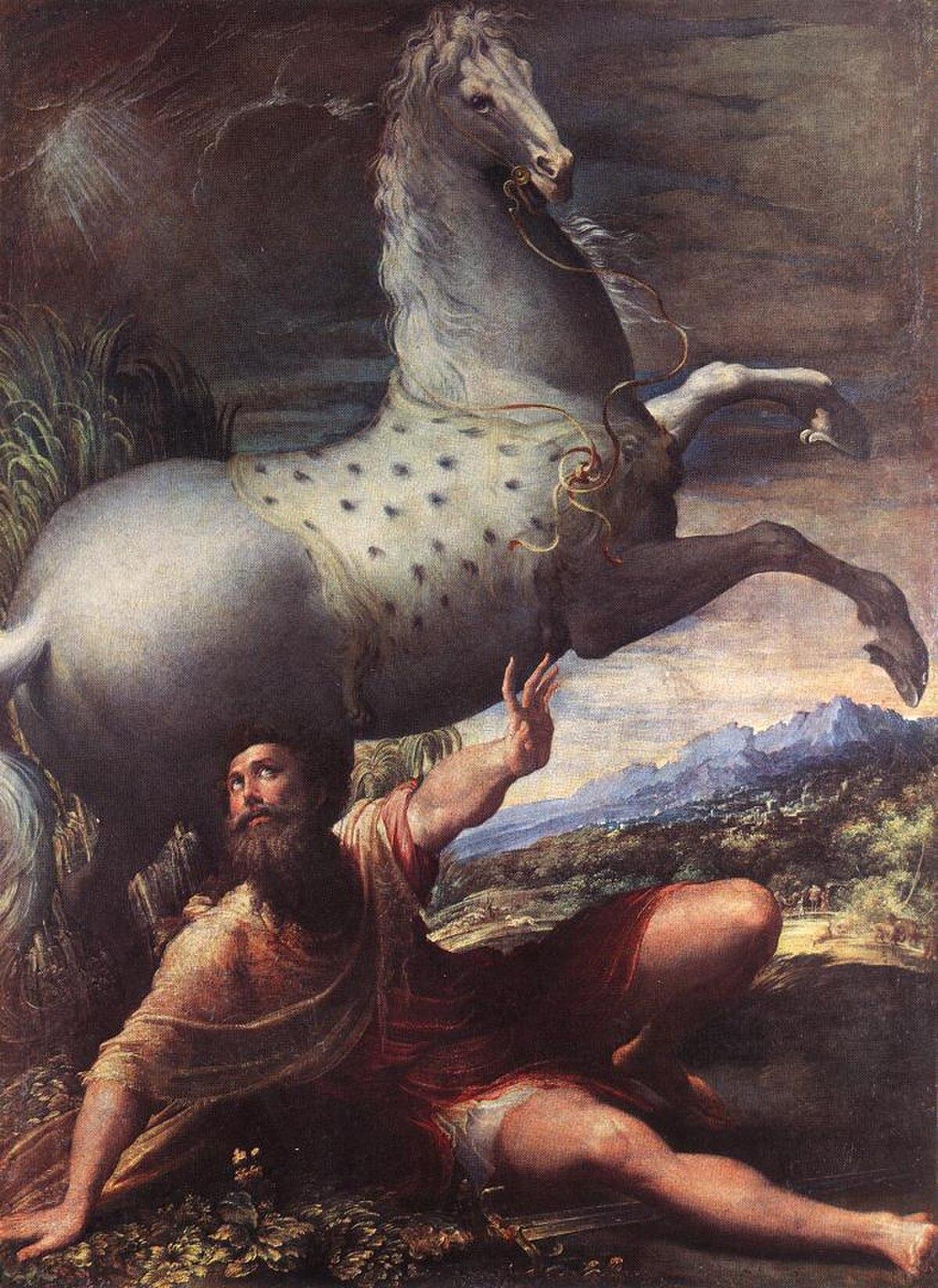
The Conversion Of St Paul
Parmigianino

- Same artist
- Same movement
Antea
Parmigianino, 1535
- Same artist
- Same movement
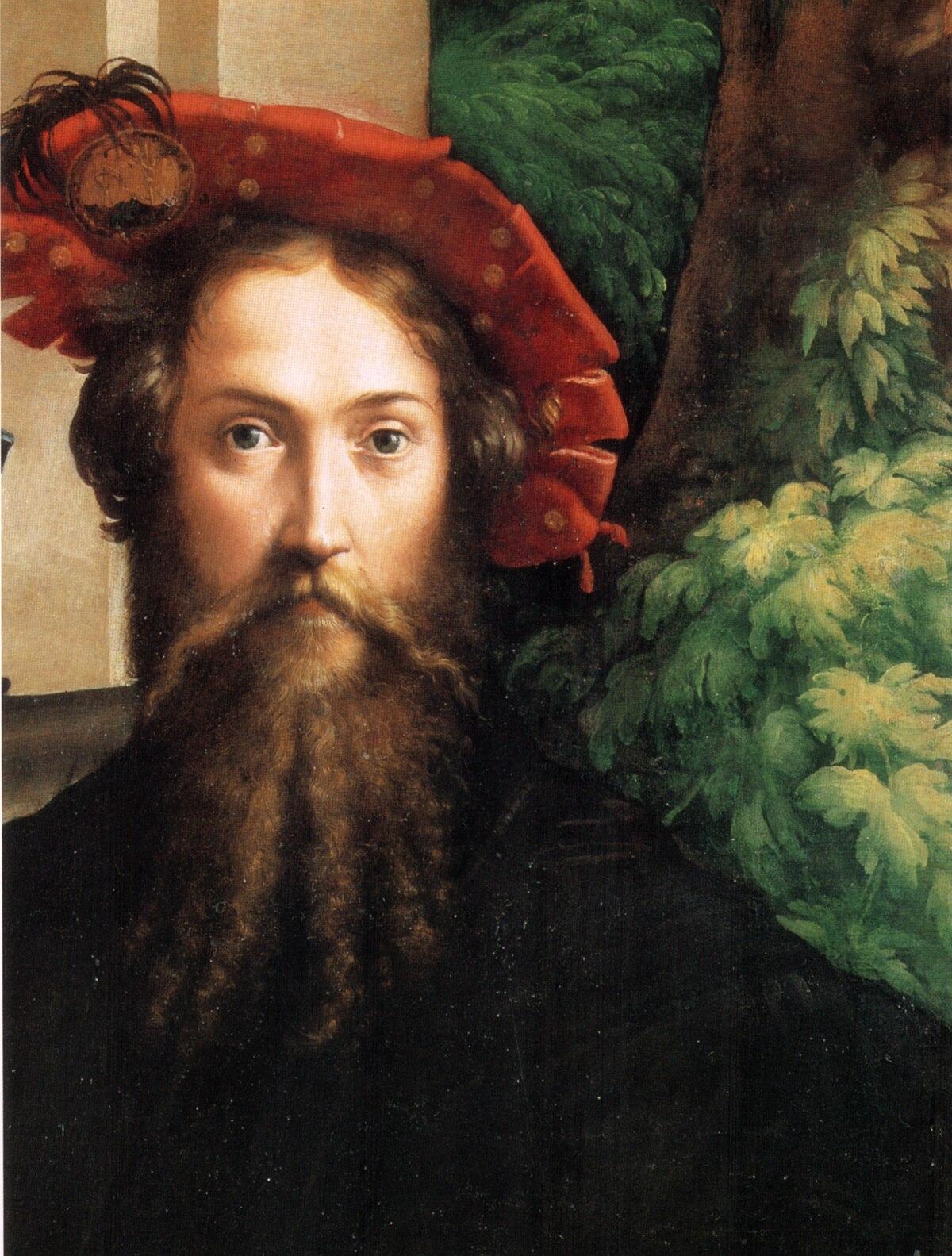
Portrait of Gian Galeazzo Sanvitale
Parmigianino
- Same movement
- Same museum
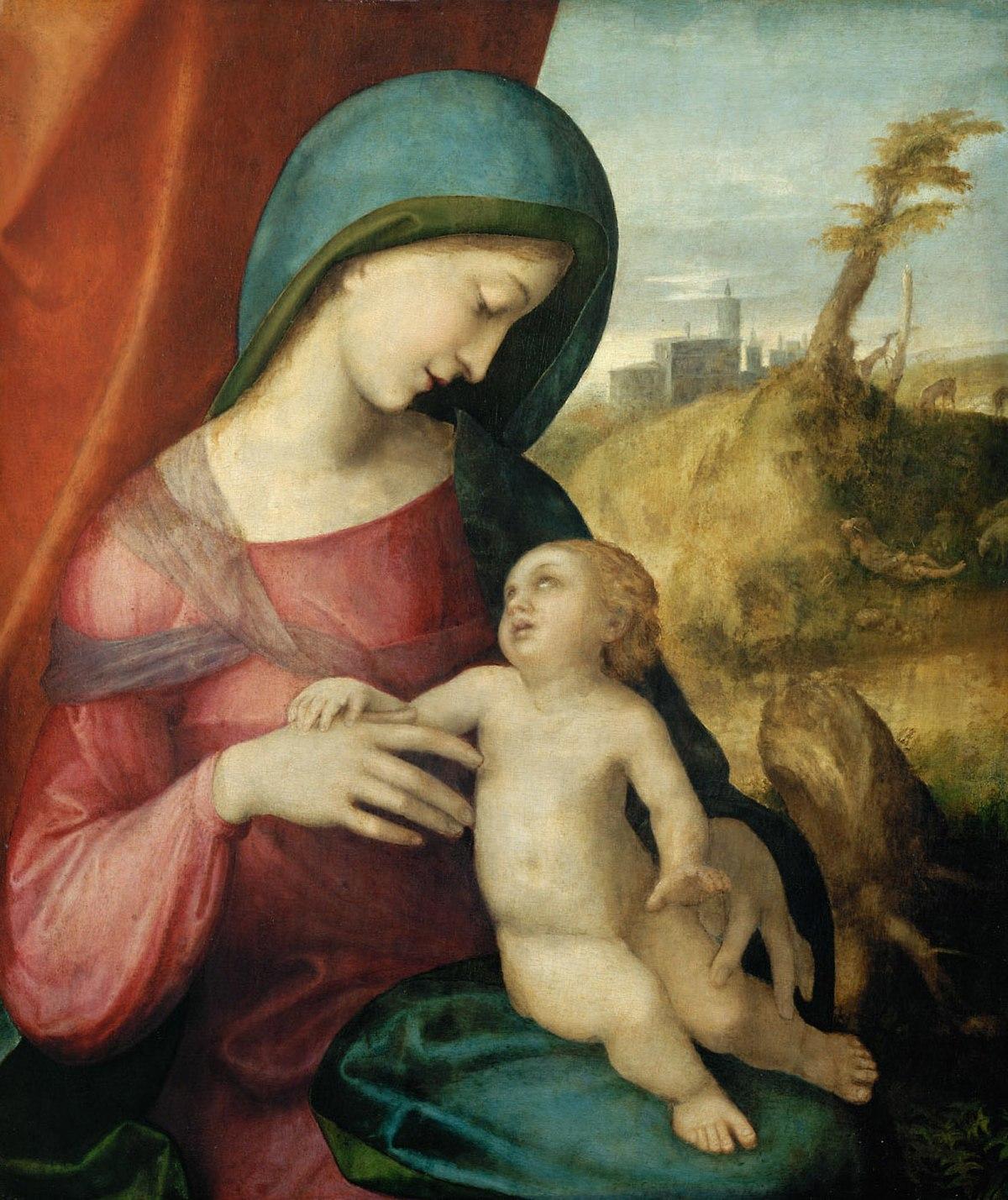
Madonna and Child
Correggio
- Same movement
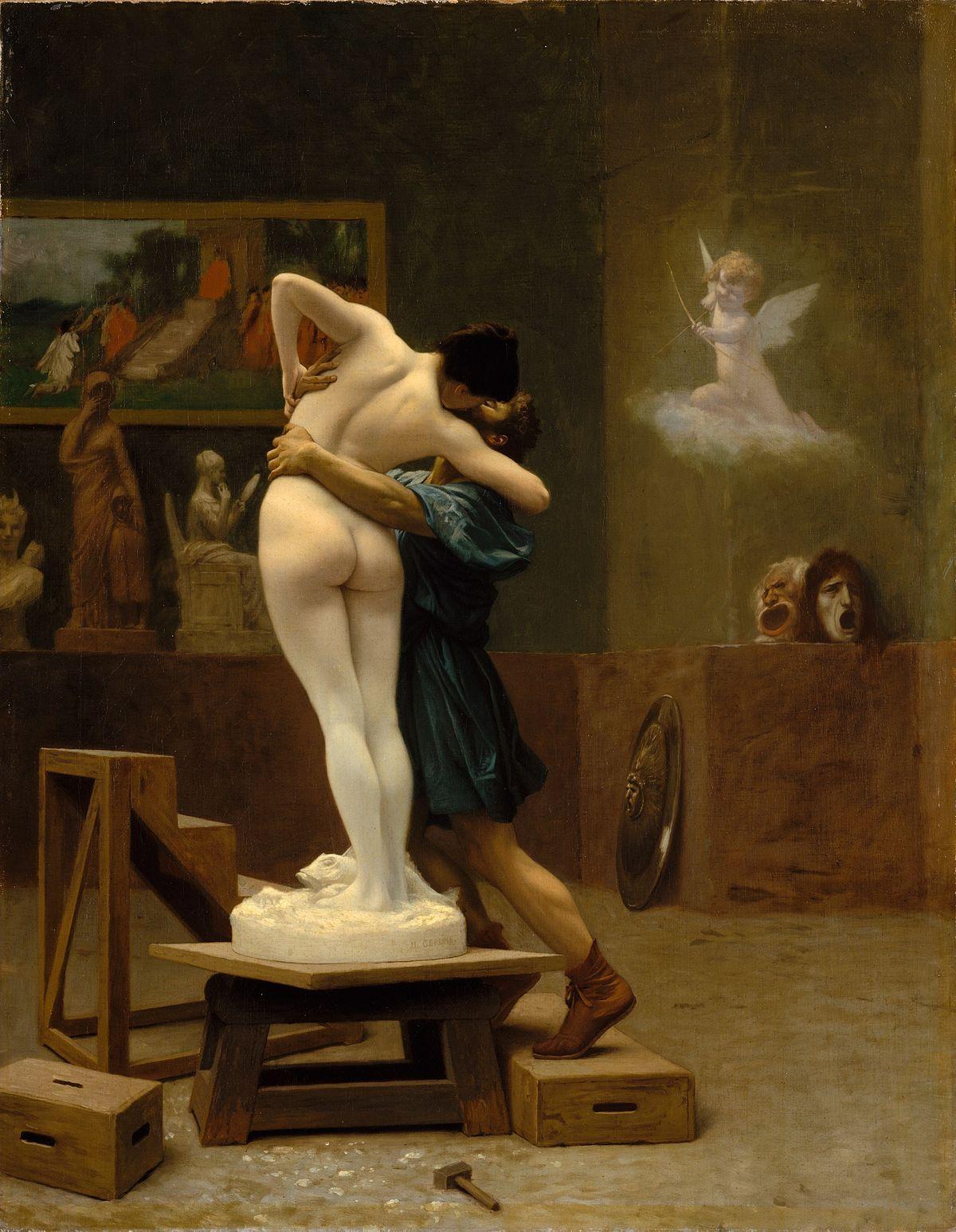
Galatea and Pygmalion
Bronzino
- Same movement
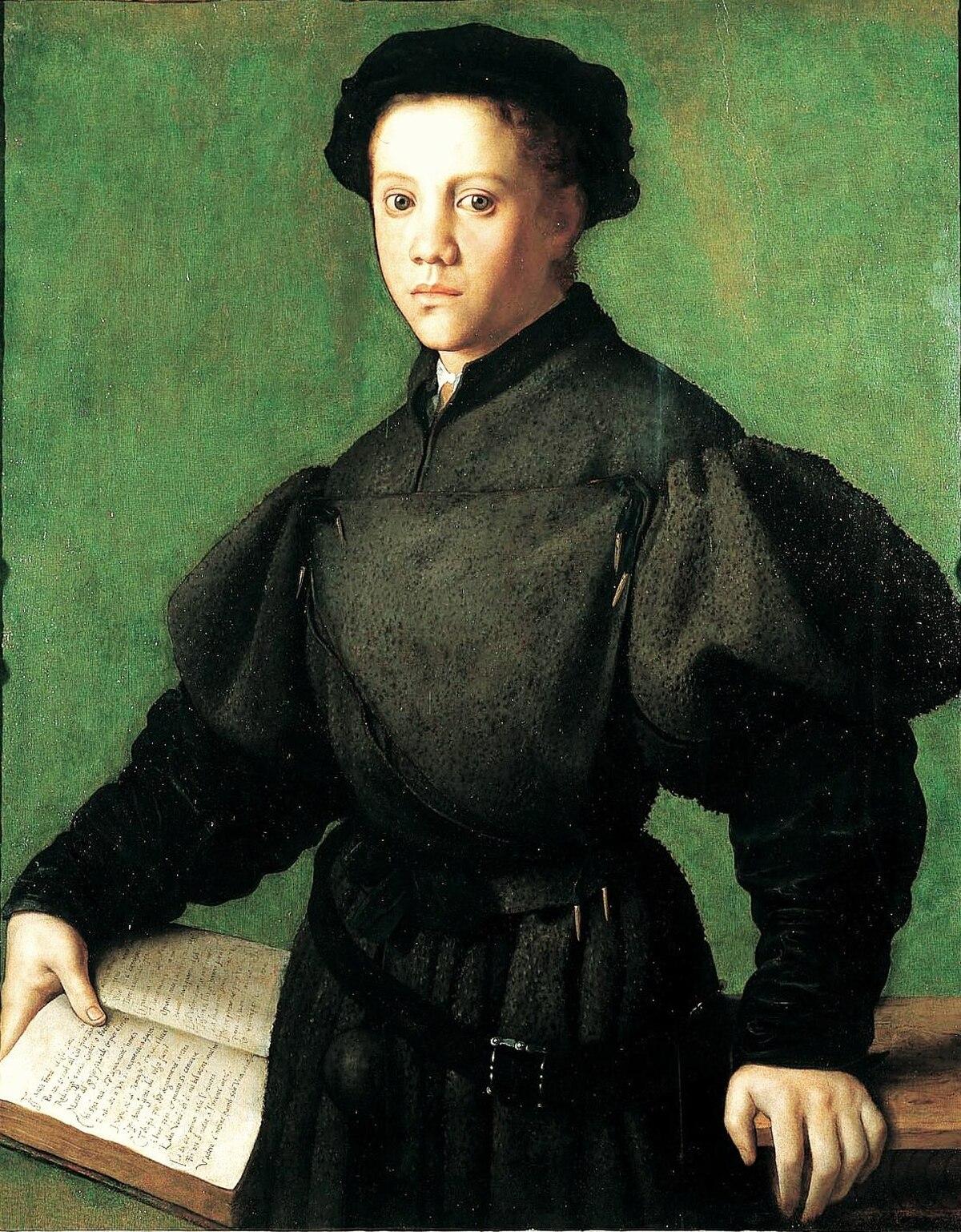
Portrait of Lorenzo Lenzi
Bronzino
- Same movement
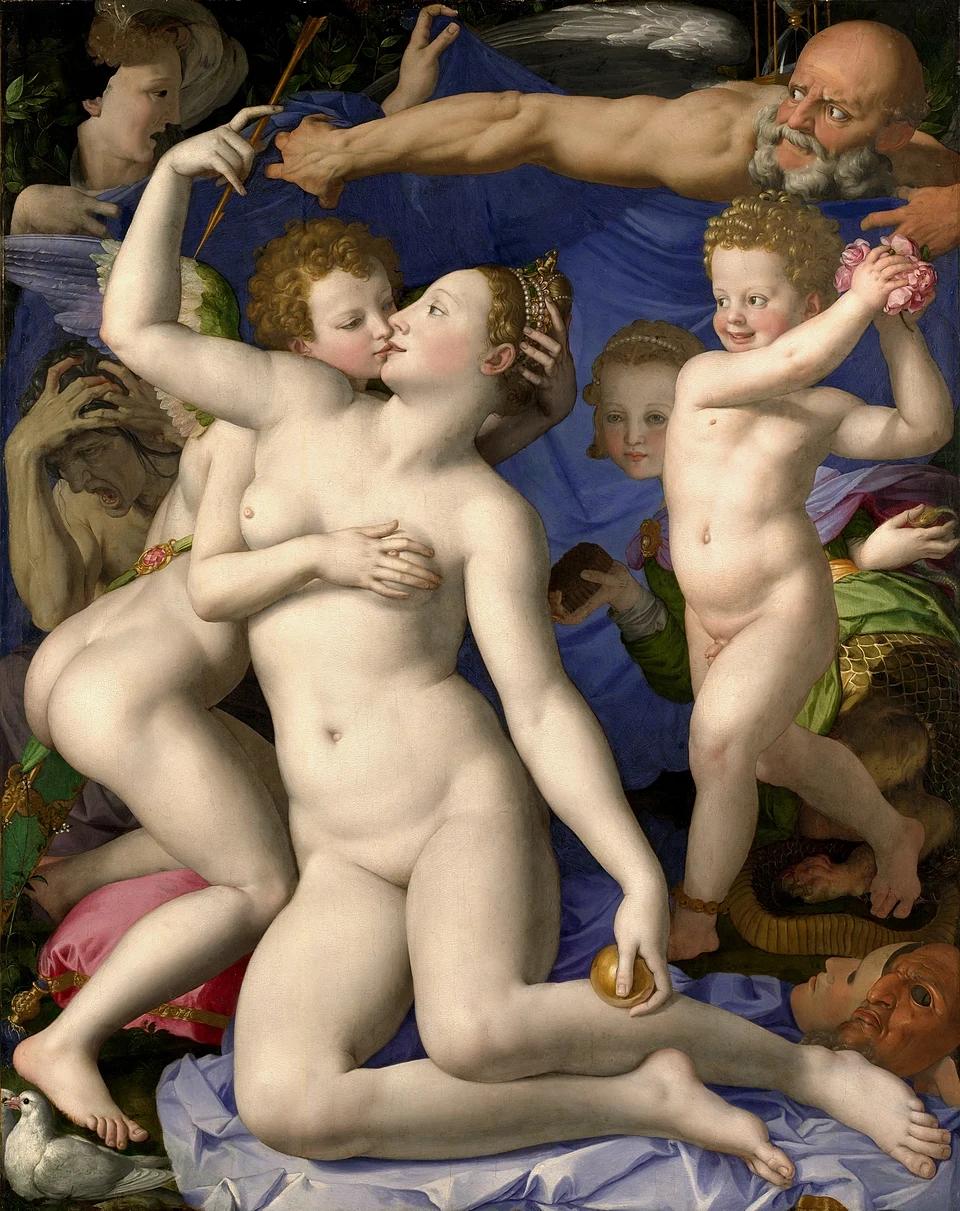
Venus, Cupid, Folly and Time
Bronzino, 1545
- Same movement
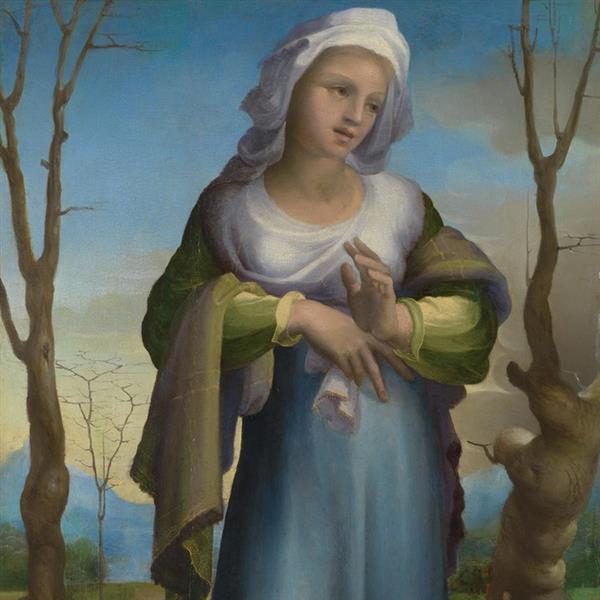
Marcia
Domenico Beccafumi
- Same movement
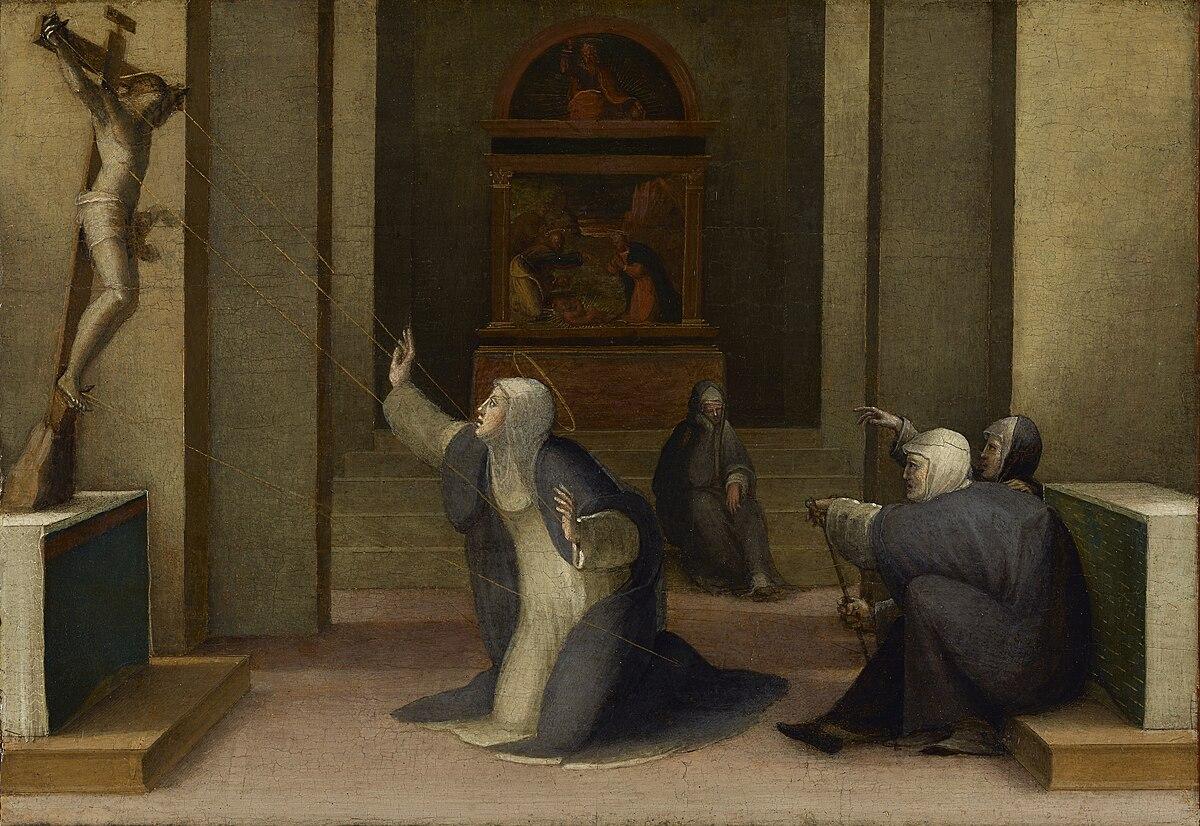
Saint Catherine of Siena Receiving the Stigmata
Domenico Beccafumi
- Same movement
The Fall of the Rebel Angels
Domenico Beccafumi, 1528
- Same movement
Putto With Hunting Trophy
Correggio
- Same movement
Diana
Correggio
About Amor Carving His Bow
The painting hangs at the Kunsthistorisches Museum in Vienna, Austria. It arrived via Prague after a complex provenance. Parmigianino painted this elegant Cupid between 1533 and 1535 for his friend and patron Francesco Baiardo in Parma.
Francesco Baiardo, a friend and patron of Parmigianino, commissioned it in Parma between 1533 and 1535 You can see it at Kunsthistorisches Museum.
The oil on panel measures 135.5 by 65 centimeters (about 53 by 26 inches). It depicts Cupid carving his bow You can see it at Kunsthistorisches Museum.
Yes, Joseph Heintz the Elder and Rubens both made copies, now at Munich's Alte Pinakothek. A preparatory drawing is in the Louvre.
Own Art Like This
Luxury wall art with the same mood and energy. Gallery-quality canvas, no museum crowds.
Browse Collection