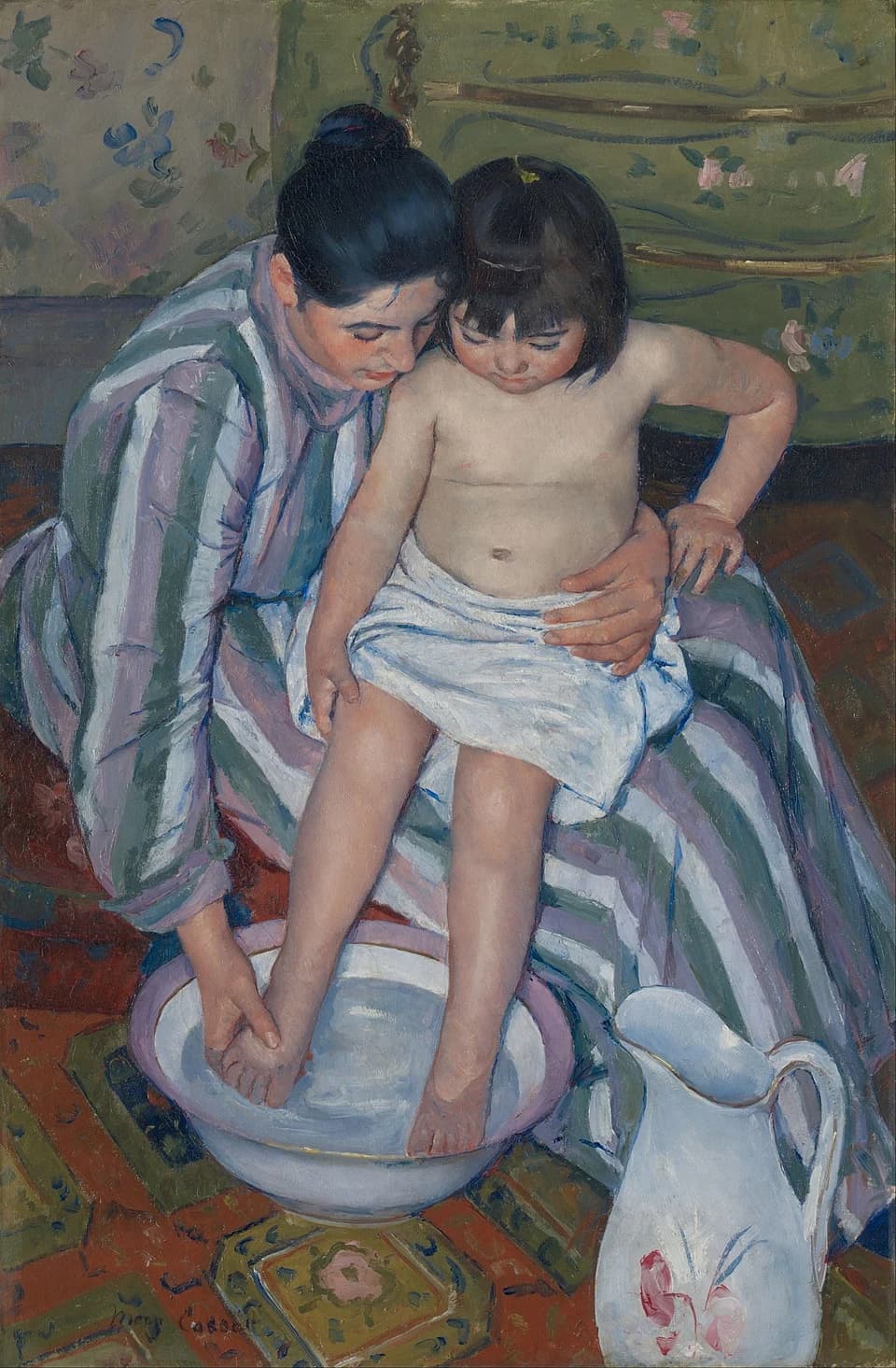
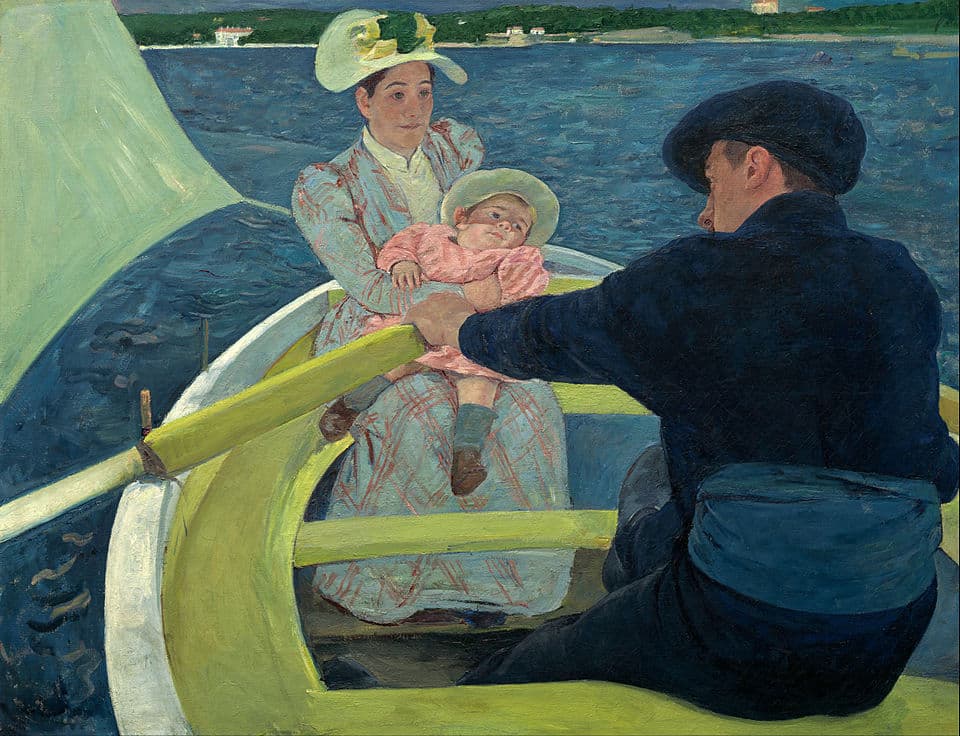
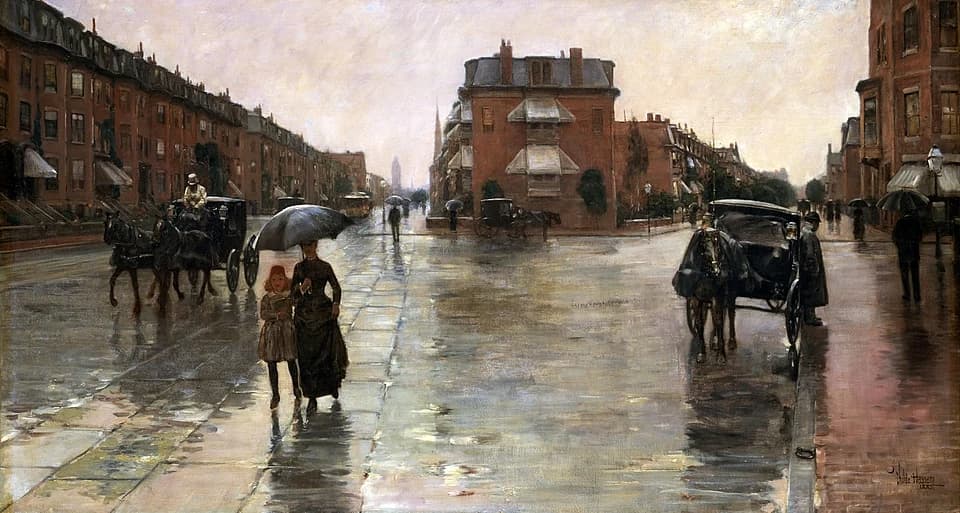
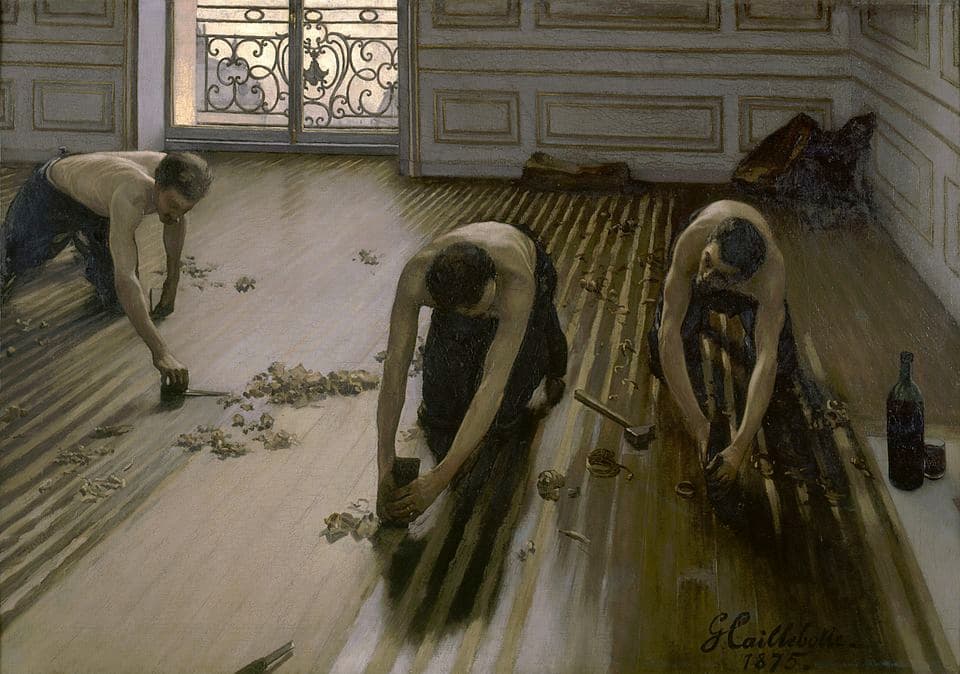
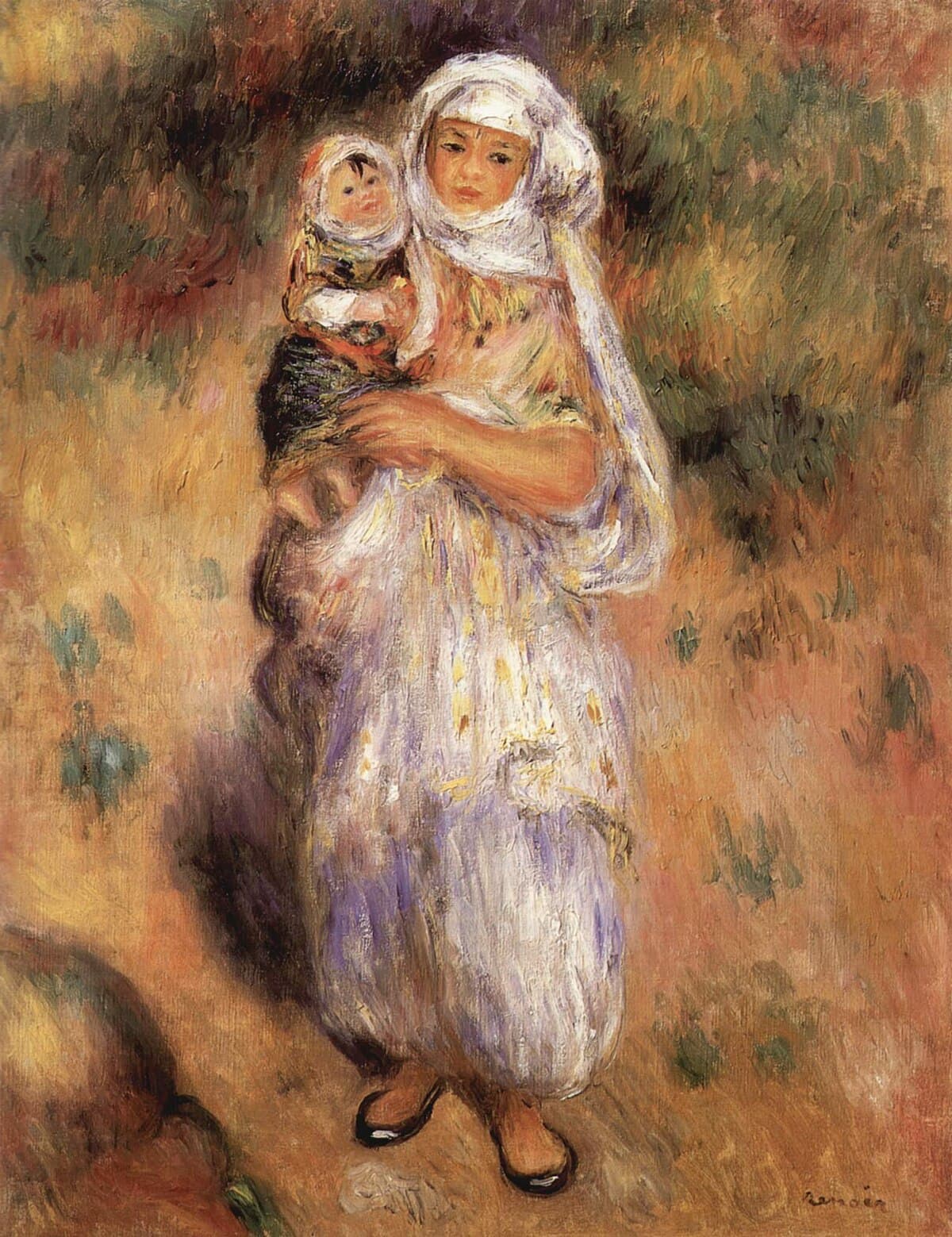
This work by
Pierre-Auguste Renoir exemplifies the
Impressionism movement, which transformed the artistic landscape of its era. As a French artist, Pierre-Auguste Renoir brought unique cultural perspectives to their work.
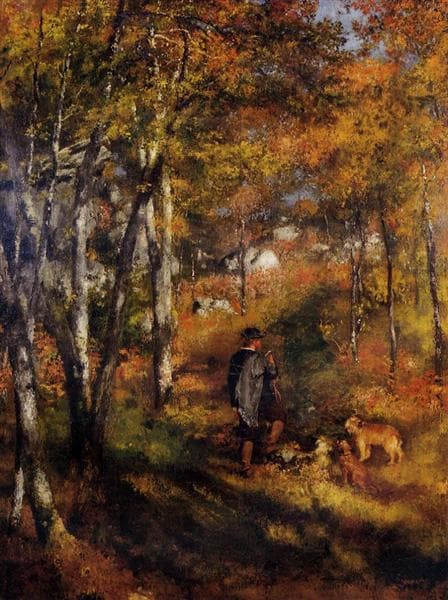
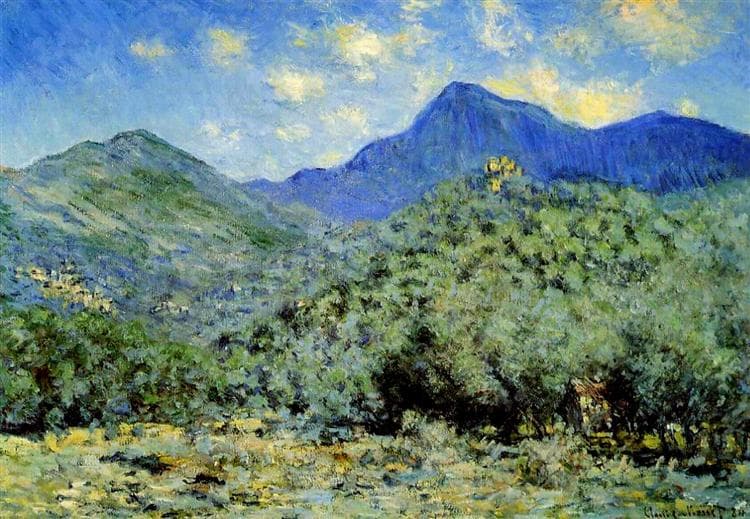
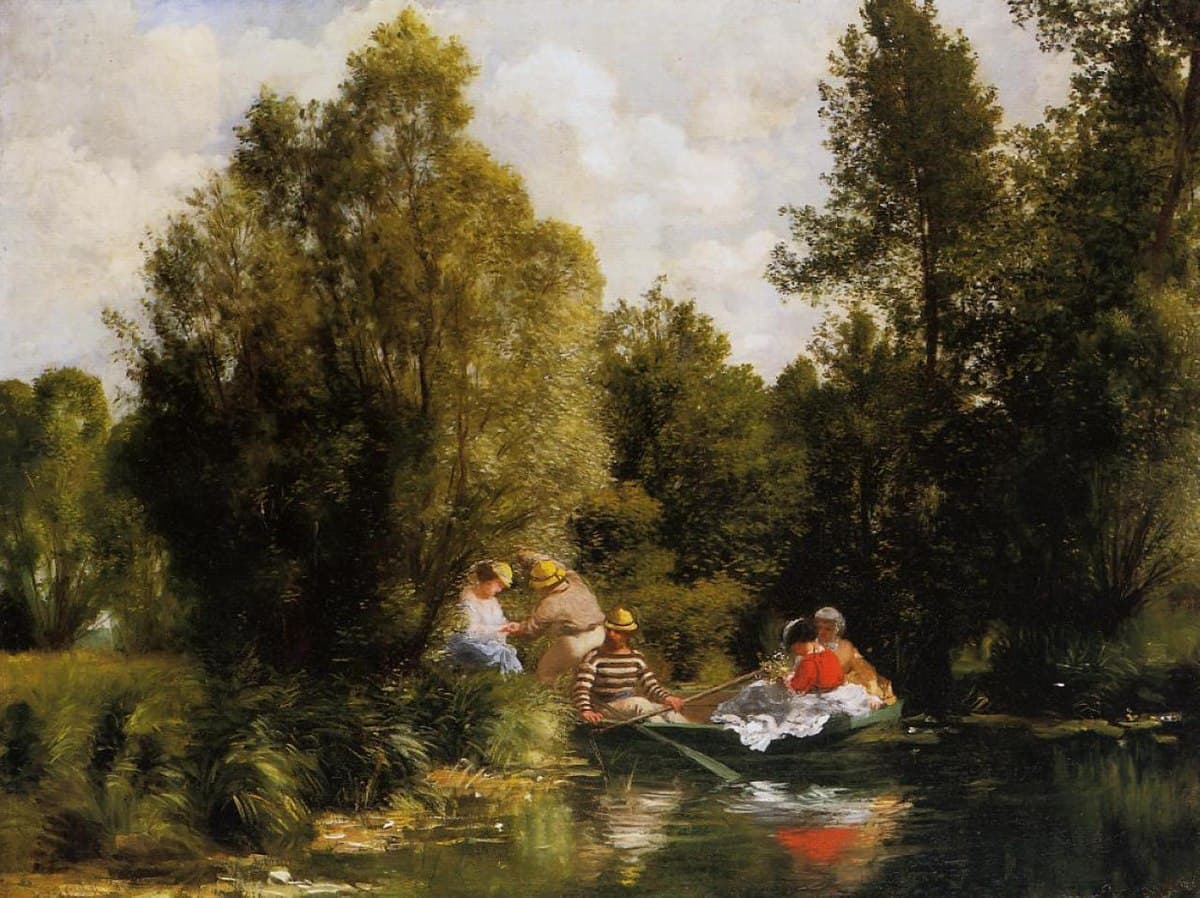
The landscape composition captures both the physical character of the location and an atmospheric mood. Pierre-Auguste Renoir demonstrates a sensitivity to natural light and the subtle variations of sky, land, and vegetation. The work invites viewers to experience a sense of place and moment.
Today, this painting resides in the permanent collection of
Museu de Arte Assis Chateaubriand (MAC), Campina Grande in Brazil, where visitors can experience its presence firsthand. Seeing the work in person reveals details of brushwork, scale, and color that reproductions cannot fully convey. The museum's collection provides important context for understanding this piece alongside other significant works from the same period and artistic tradition. For collectors and art enthusiasts inspired to bring similar aesthetics into their own spaces,
landscape paintings offers high-quality contemporary interpretations of this enduring artistic tradition.
Pierre-Auguste Renoir (1841-1919) was a French artist associated with Impressionism. The artist's body of work demonstrates consistent themes and evolving technique across their career.