Wikimedia Commons • Public Domain
Wikimedia Commons • Public Domain
1-click academic citation and embeddable “On View” museum badge for articles, syllabi, and research.
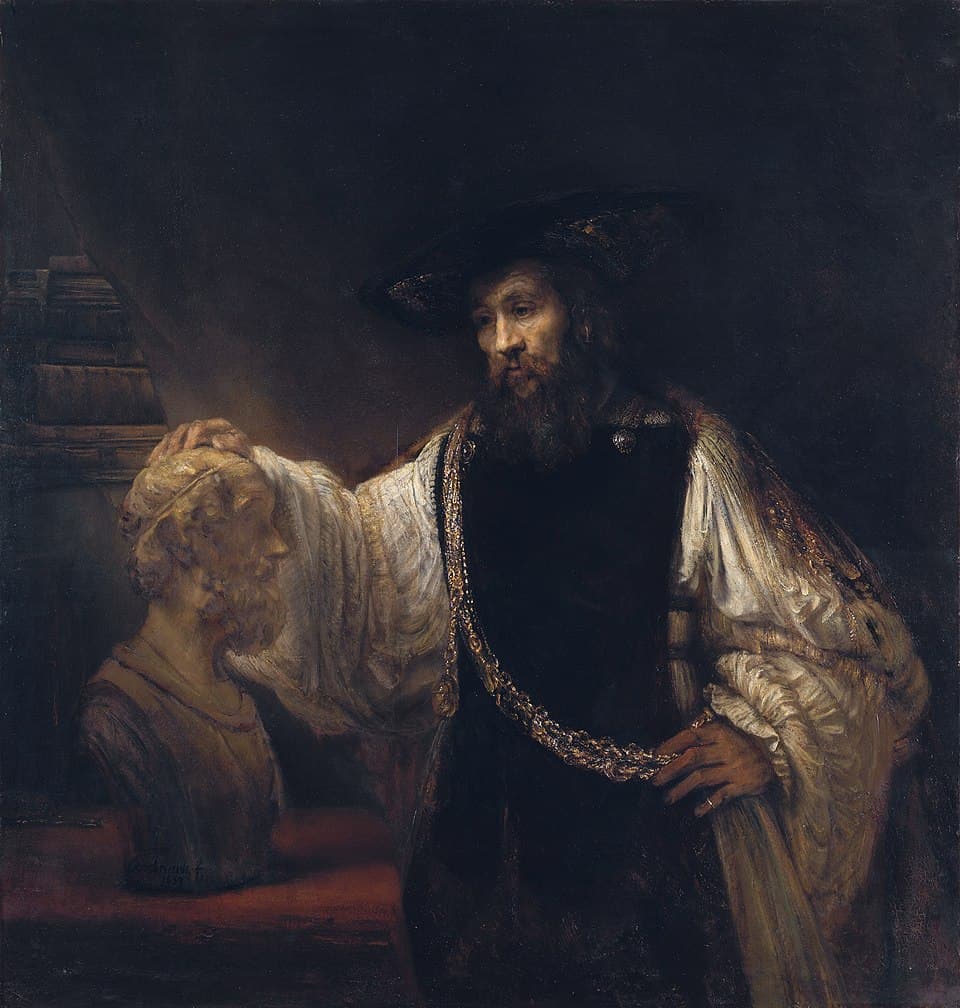
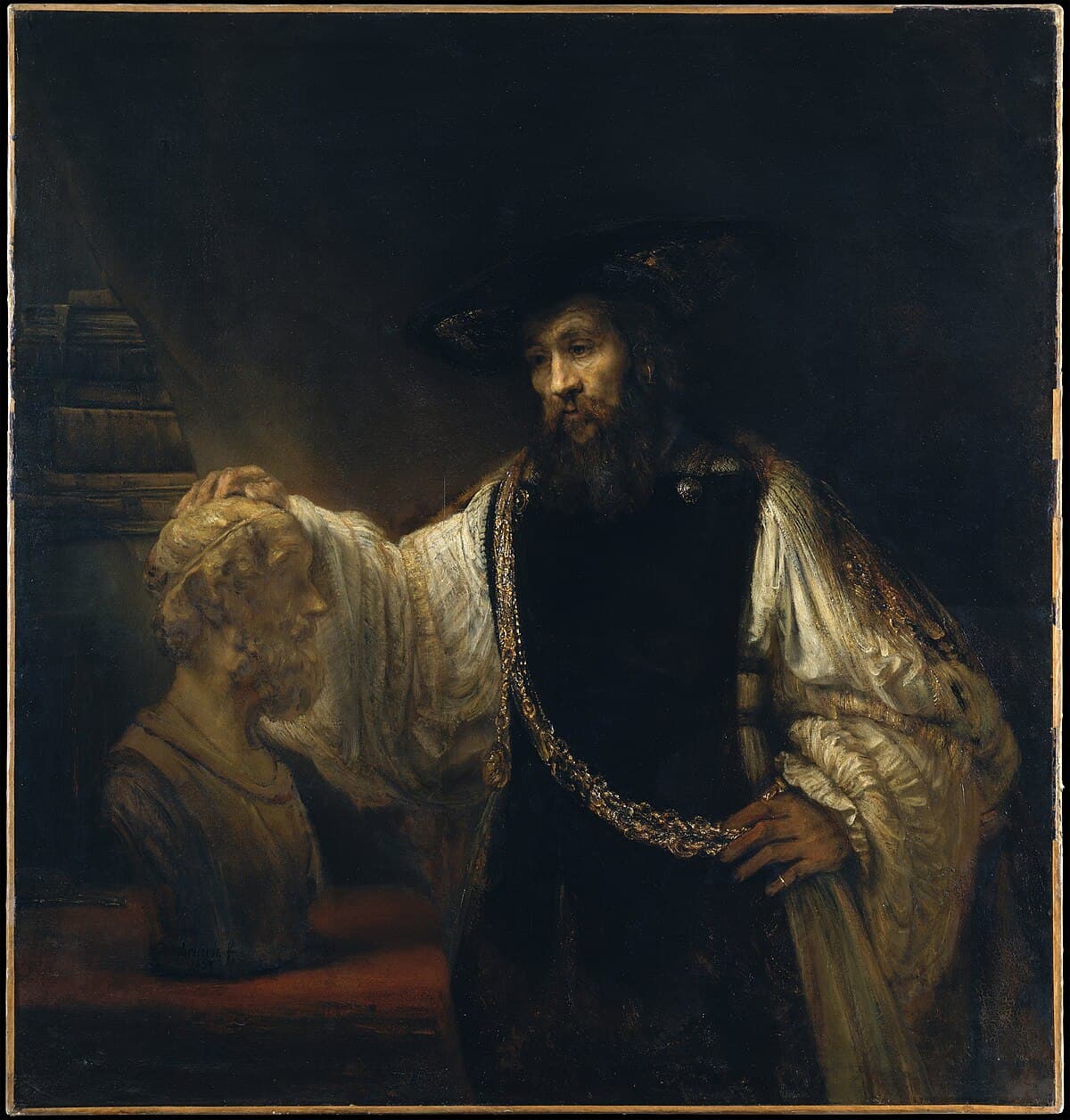
Dutch artist Rembrandt painted this Aristotle with a Bust of Homer in 1653 for the Sicilian nobleman Antonio Ruffo. The commission didn't specify a subject, leading to centuries of debate about who the richly dressed figure represents. Julius Held argued convincingly in 1969 that it's Aristotle, based on the long hair, fancy clothing, and connection to Homer.
Aristotle rests one hand on a sculpted head of the blind poet Homer while wearing a gold chain bearing a medallion of Alexander the Great, whom Aristotle tutored. The composition suggests meditation on fame, wealth, and creative legacy. The philosopher seems to weigh material success against Homer's timeless artistic achievement.
The painting measures 143.5 by 136.5 centimeters and hangs at The Metropolitan Museum of Art in New York. In 1961, the Met purchased it for $2.3 million, then the highest price ever paid for a painting at auction. Rembrandt later painted Homer and Alexander for the same patron.

David Roentgen, 1776
The Metropolitan Museum of Art, New York
Ancient Greek (Unknown), -500
The Metropolitan Museum of Art, New York
Ancient Greek (Unknown), -390
The Metropolitan Museum of Art, New York
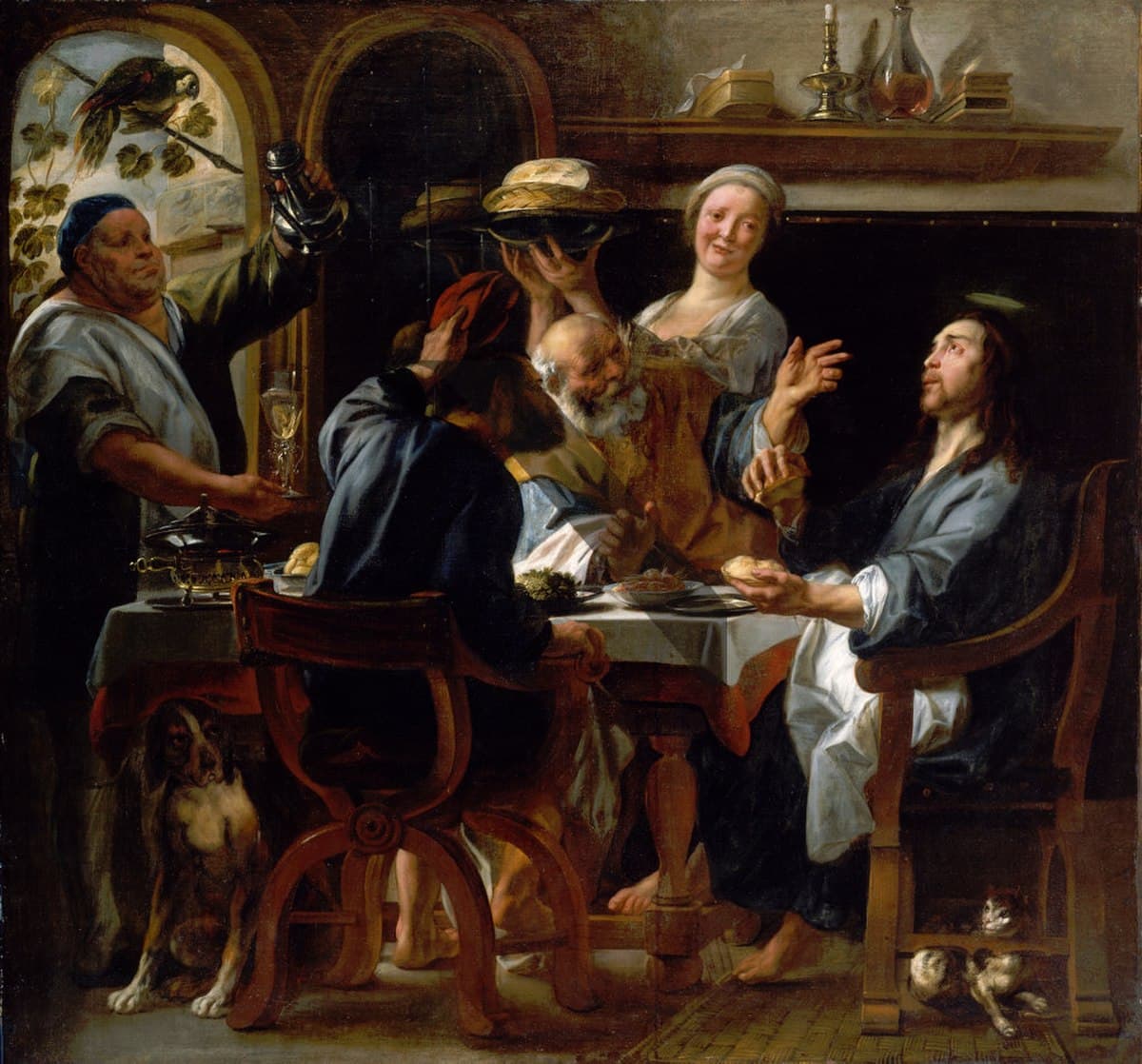
Diego Velázquez
The Metropolitan Museum of Art, New York
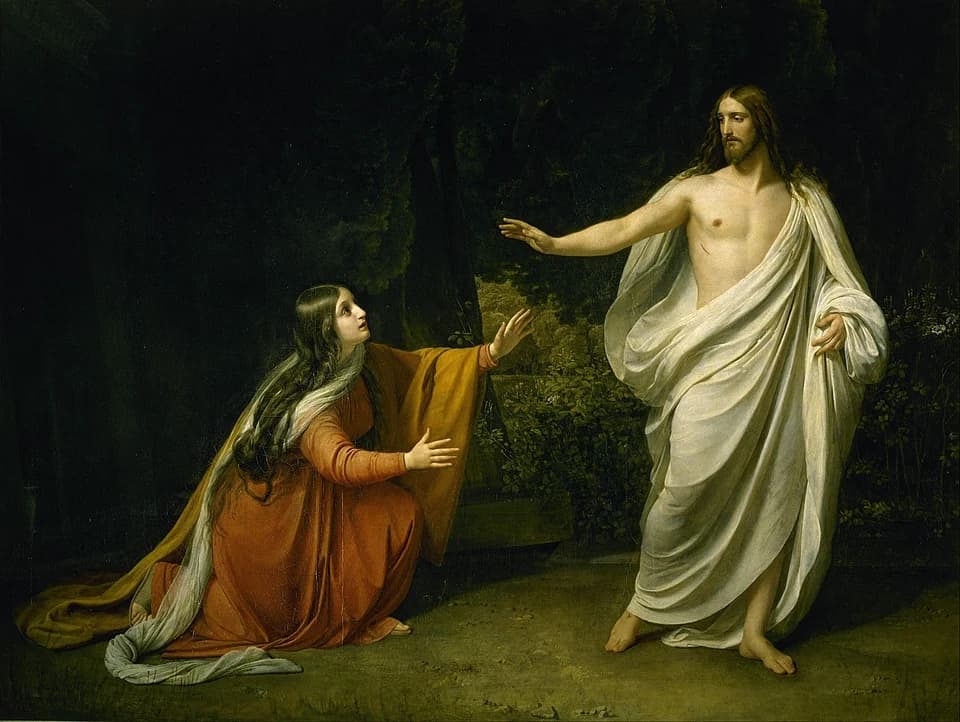
Works that share an artist, movement, museum, genre, palette or theme with Aristotle with a Bust of Homer (Aristotle Contemplating a Bust of Homer).
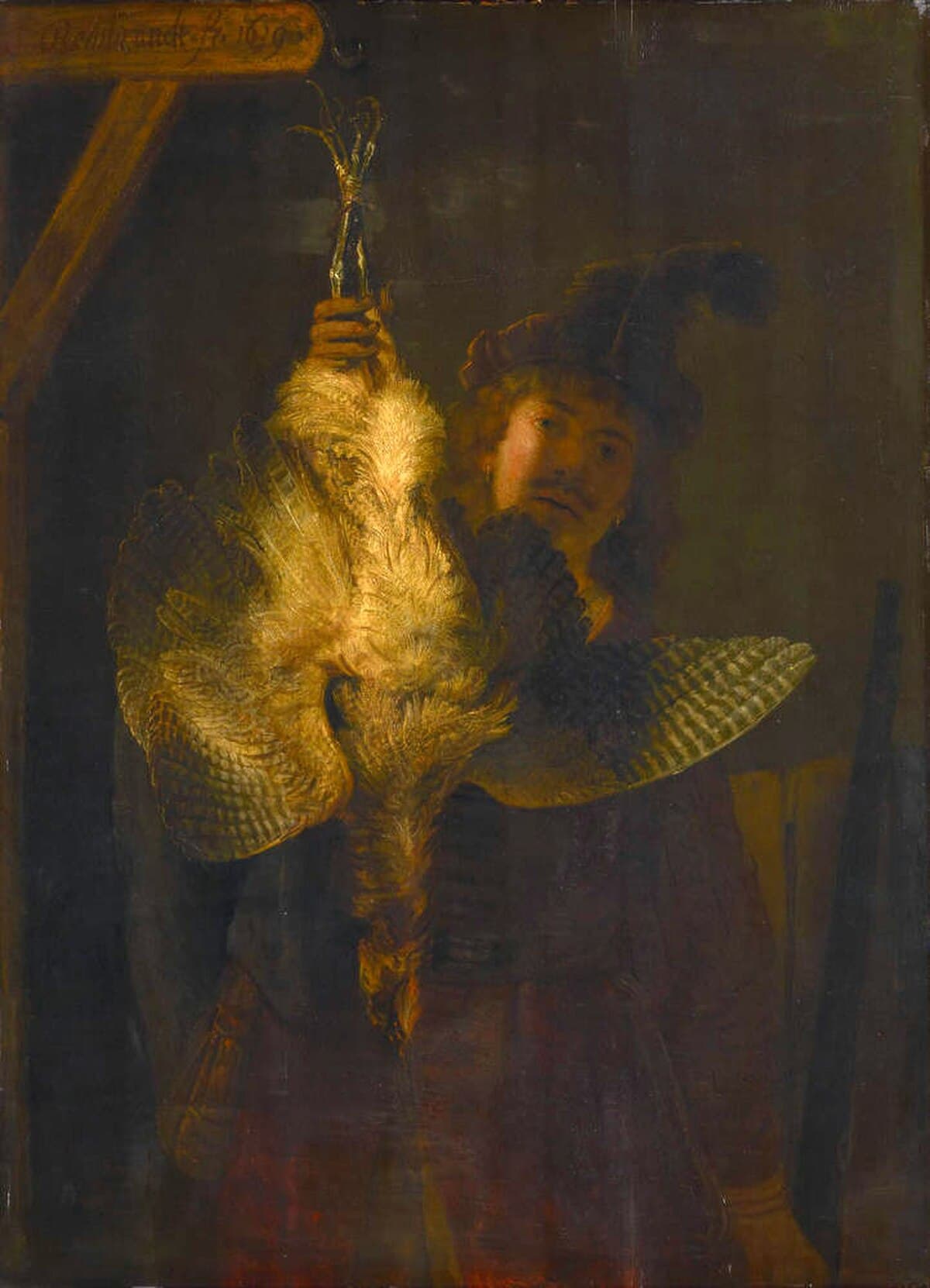
Rembrandt van Rijn
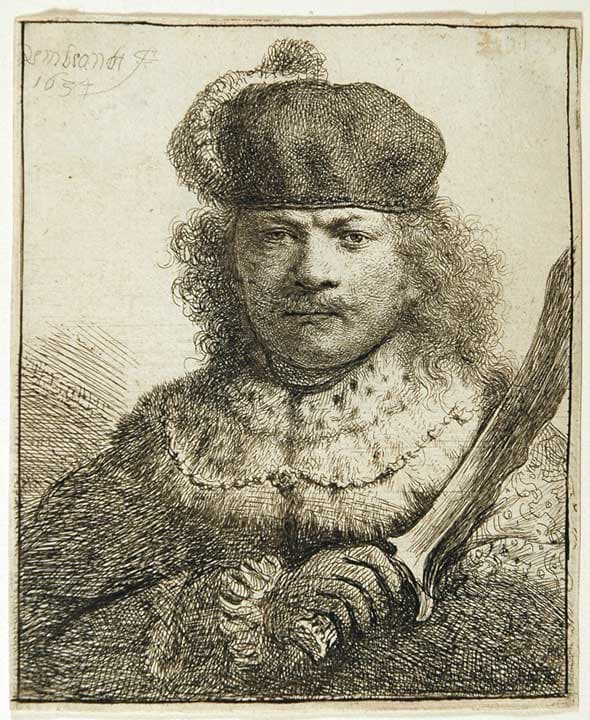
Rembrandt van Rijn, 1660
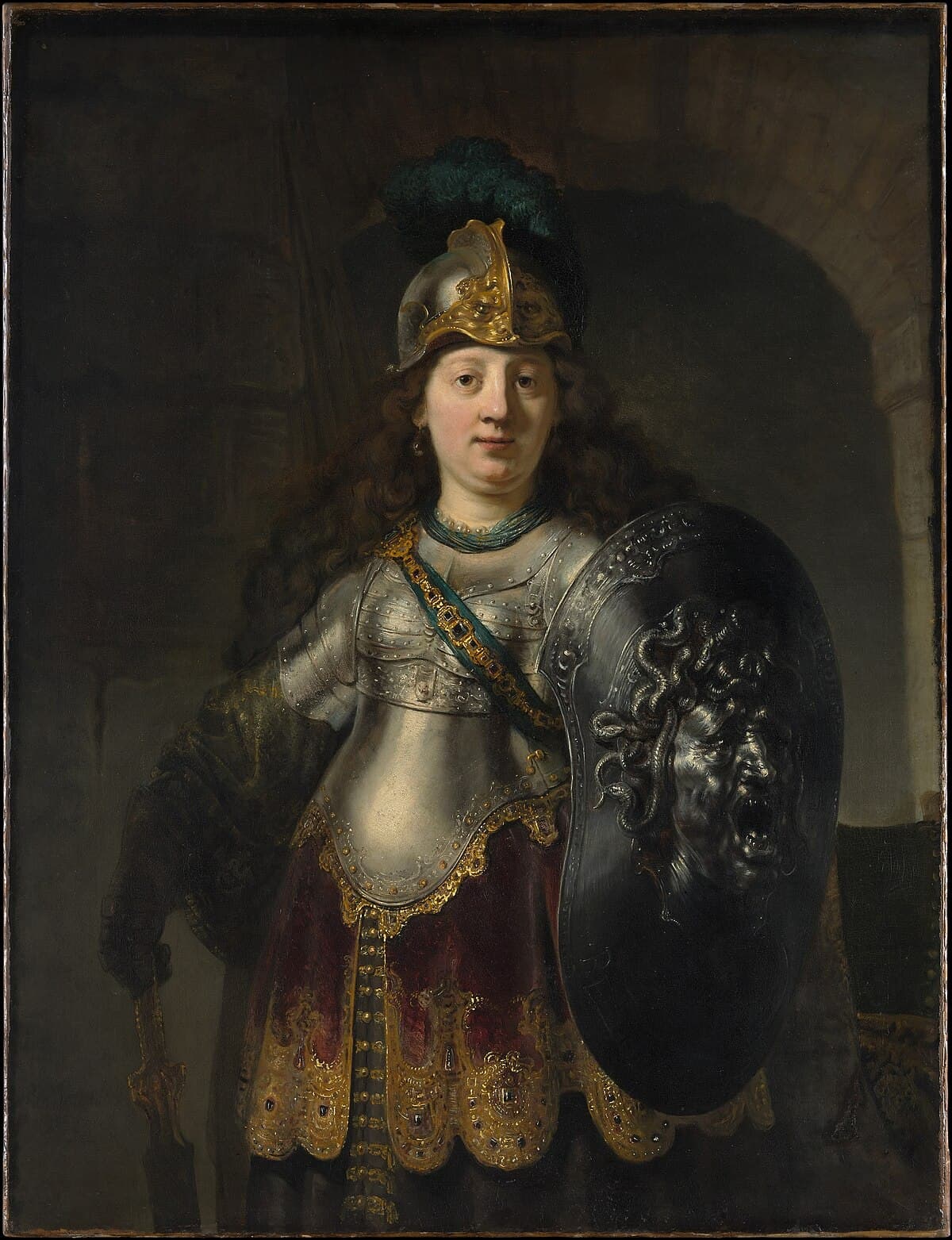
Rembrandt van Rijn, 1642
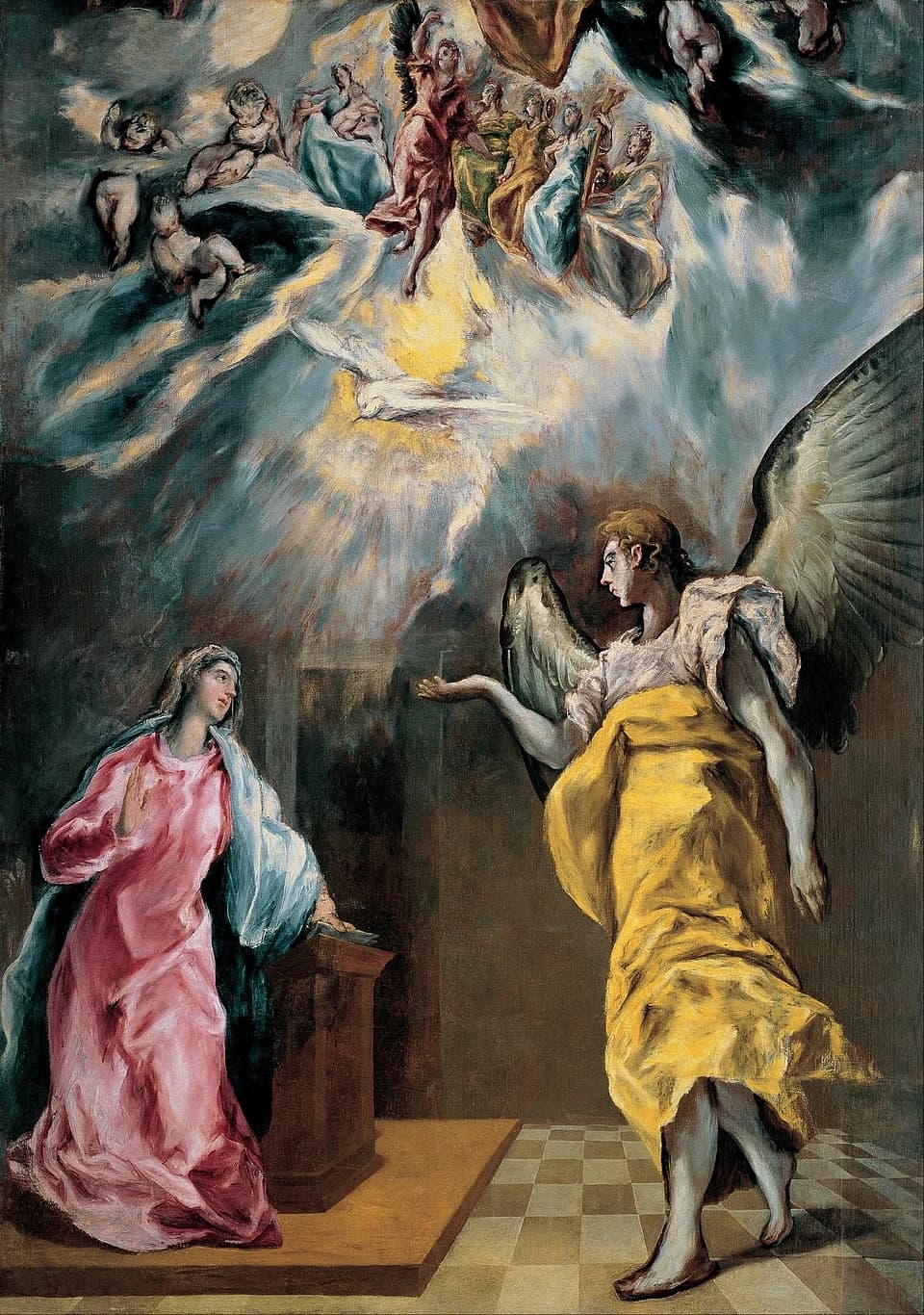
El Greco, 1600
Georges de La Tour, 1640
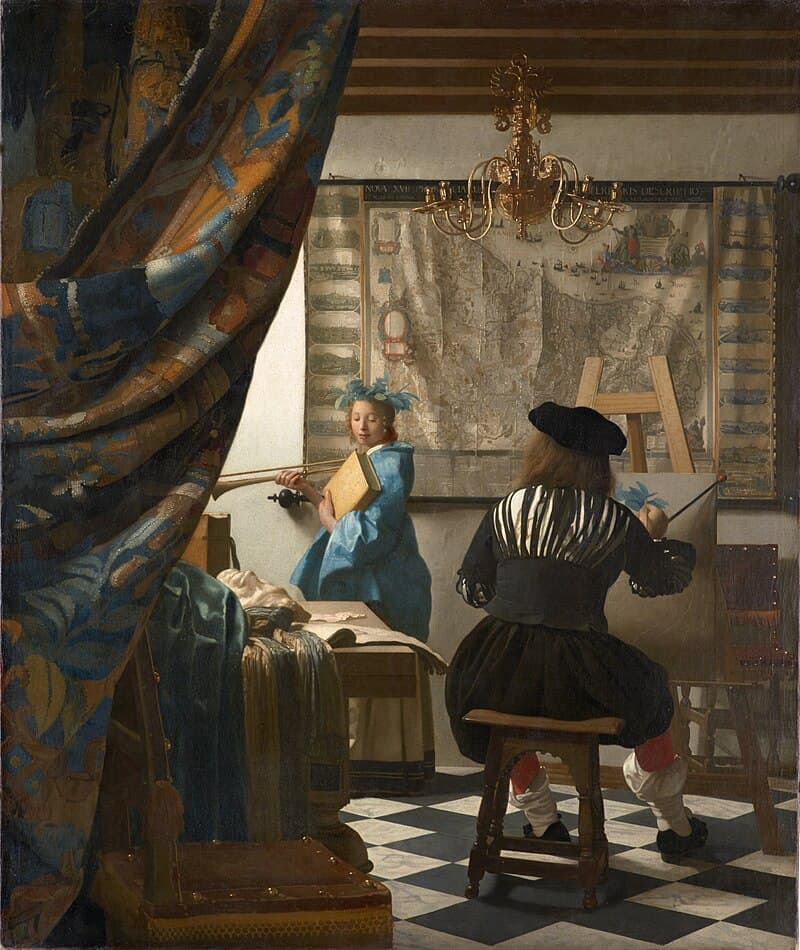
Johannes Vermeer, 1666
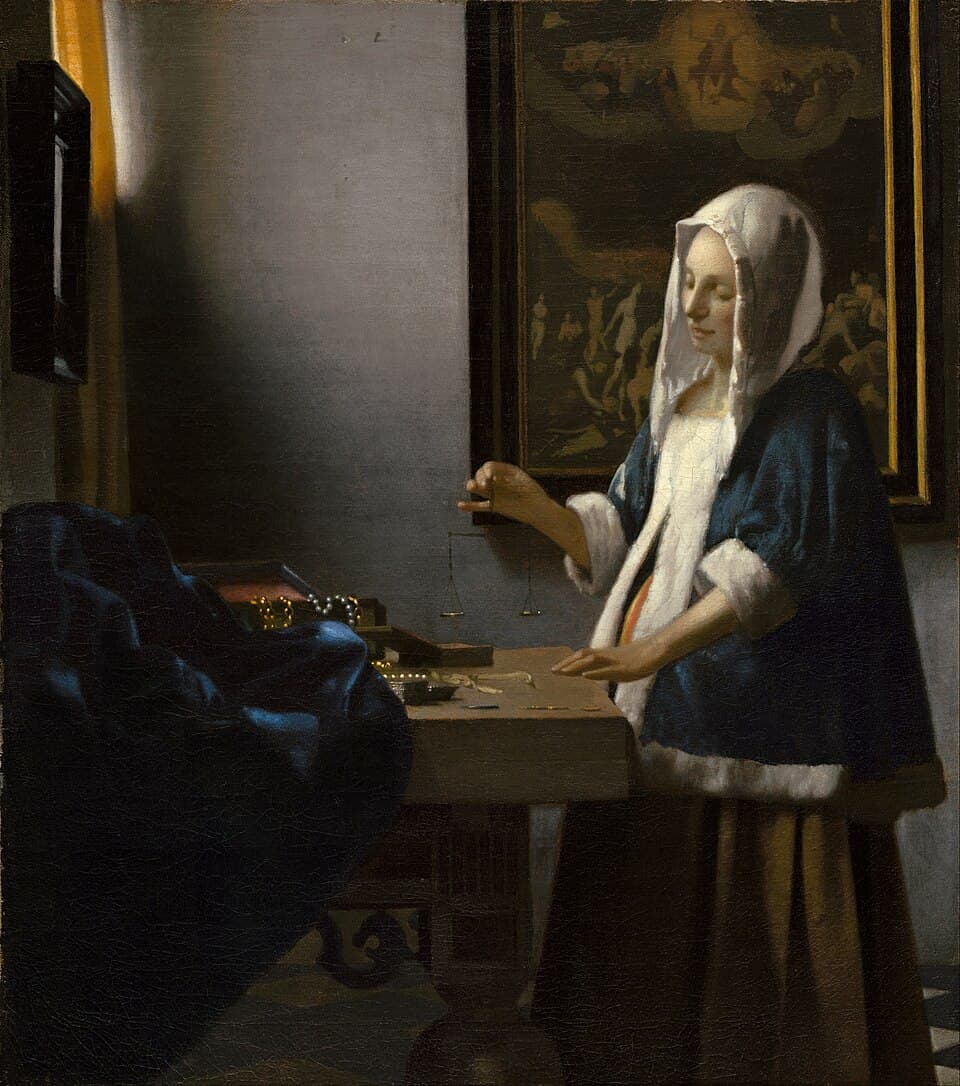
Johannes Vermeer, 1664
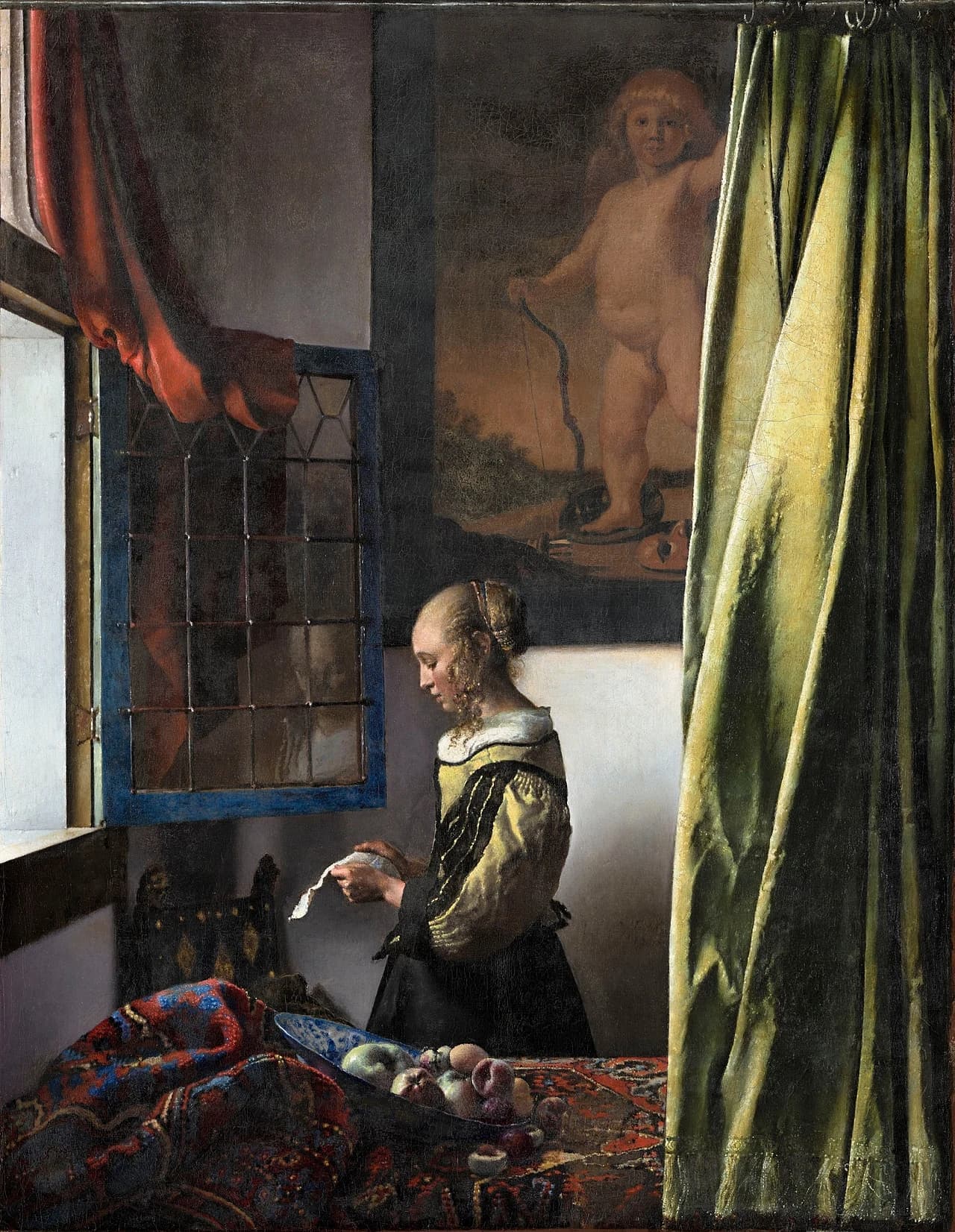
Johannes Vermeer, 1663
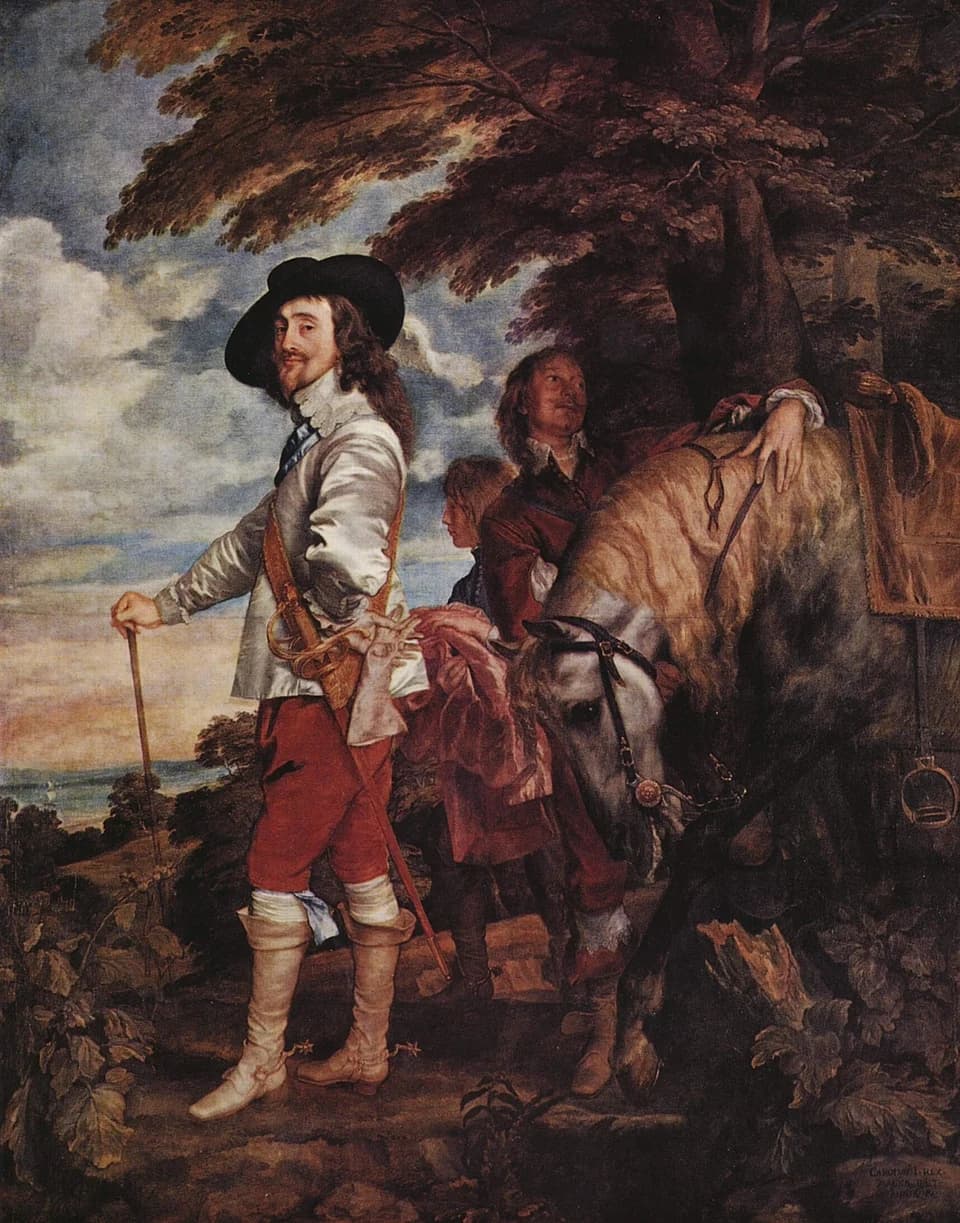
Anthony van Dyck, 1635
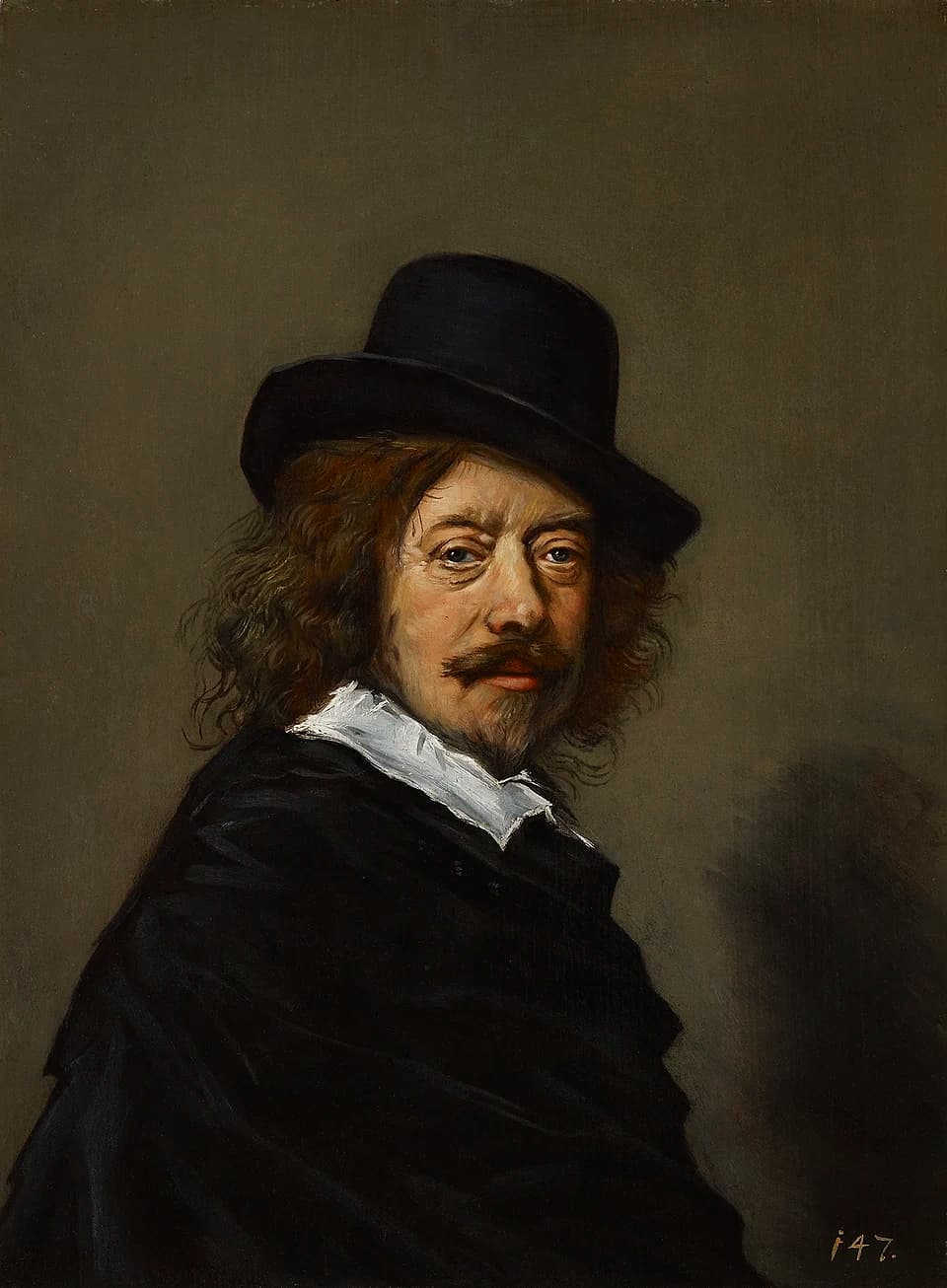
Frans Hals, 1624
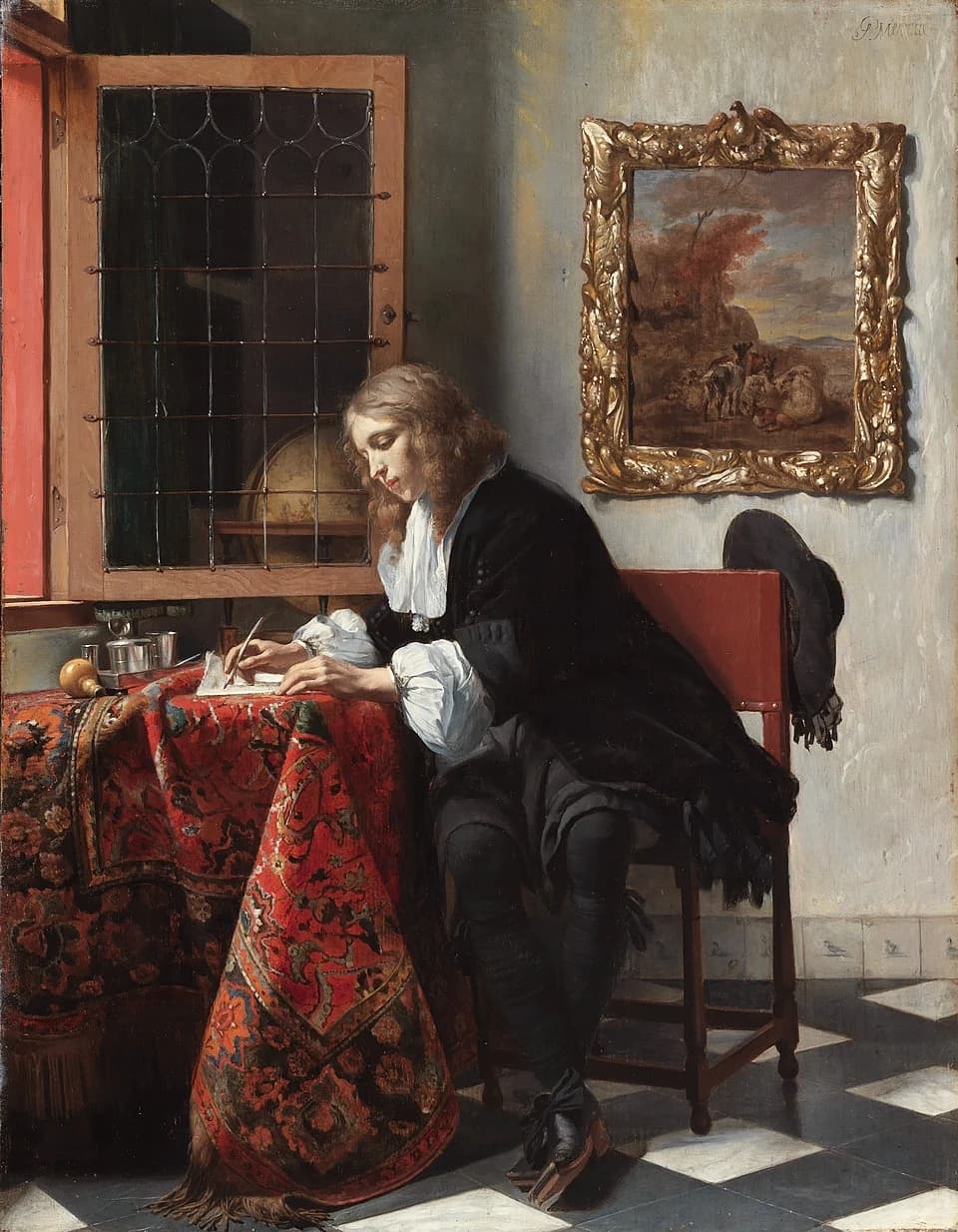
Gabriel Metsu, 1665
El Greco, 1614
Luxury wall art with the same mood and energy. Gallery-quality canvas, no museum crowds.
Browse Collection