Wikimedia Commons • Public Domain
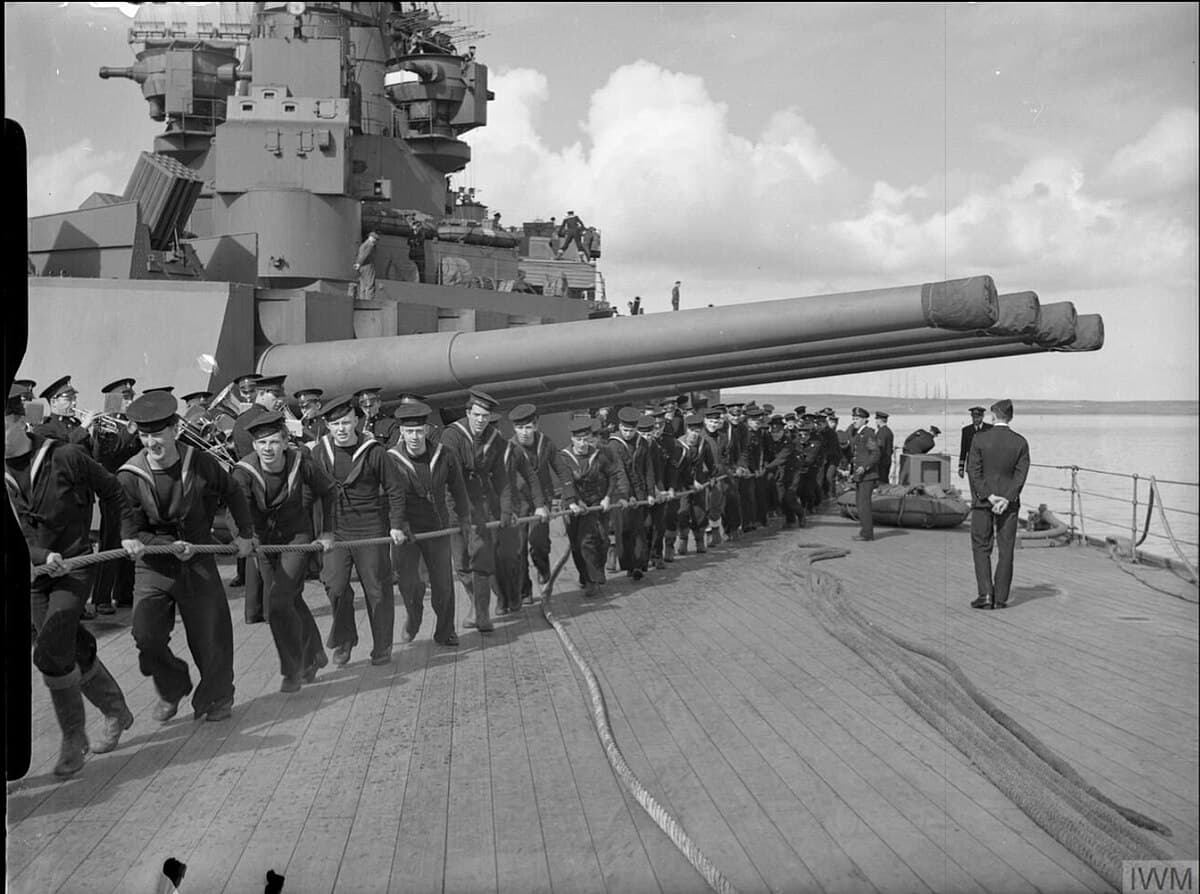
Man Pulling a Rope
Artwork Details
Rembrandt drew this dynamic figure study around 1627-28, early in his career when he was still working in Leiden. A young man leans forward, his body tensed with effort as he pulls on a rope. The composition captures physical exertion through pose and gesture alone.
The Baroque style shows in the dramatic movement and the focus on a single figure engaged in vigorous action. Rembrandt built the form through individual strokes that suggest muscle and strain without laboring over anatomical detail. This economy of means was characteristic of his drawing practice, where he could capture a complete figure in minutes.
The work belongs to the Staatliche Graphische Sammlung (State Graphic Collection) in Munich. It dates from the same period as Rembrandt's early self-portraits and biblical scenes, when he was establishing himself as an artist to watch. Figure studies like this one helped him develop the command of the human body that would distinguish his later paintings. The drawing is sometimes titled "Young Man Pulling a Rope."