Wikimedia Commons • Public Domain
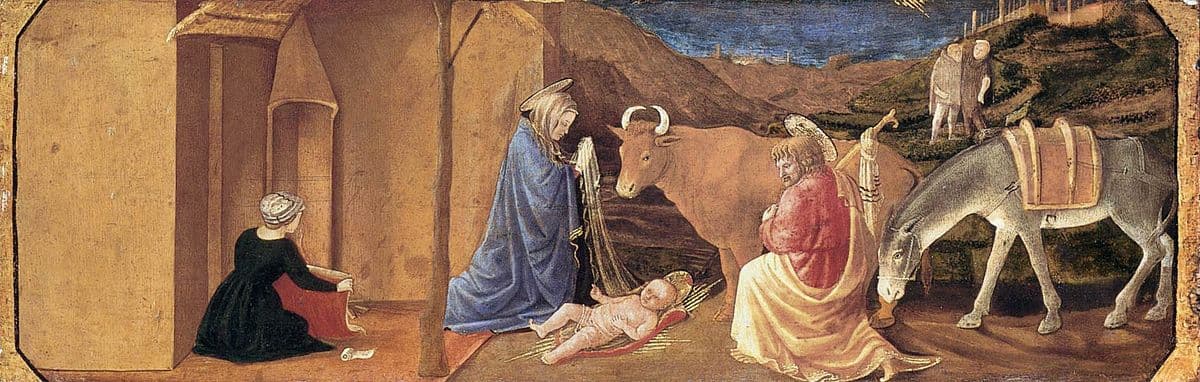
Nativity
Artwork Details
Rembrandt van Rijn spent considerable time creating art representing the life of Christ, particularly the Nativity and associated events. He realized these subjects in many different styles and methods throughout his career. His approach to religious subjects combined deep spiritual feeling with technical mastery of light and shadow.
Rembrandt's religious works stand apart from those of his contemporaries in their psychological depth and human warmth. Rather than emphasizing divine majesty, he portrayed sacred figures as humble, relatable people. His use of chiaroscuro, the dramatic contrast between light and dark, gave his religious scenes powerful emotional impact.
This Nativity hangs at the State Hermitage Museum in Saint Petersburg, Russia. The Hermitage holds an important collection of Rembrandt's work, including "The Return of the Prodigal Son," one of his last and most moving paintings. These religious works demonstrate why Rembrandt remains considered one of history's greatest visual artists.