Wikimedia Commons • Public Domain
Wikimedia Commons • Public Domain
1-click academic citation and embeddable “On View” museum badge for articles, syllabi, and research.
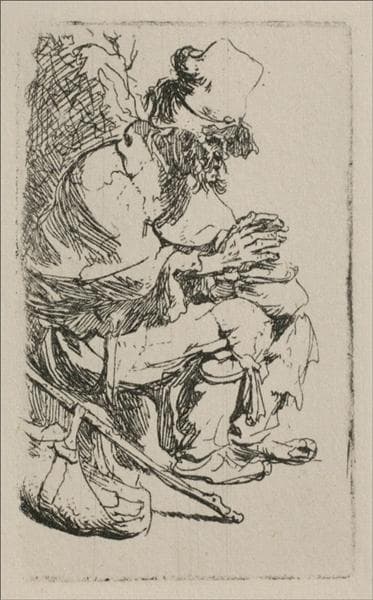
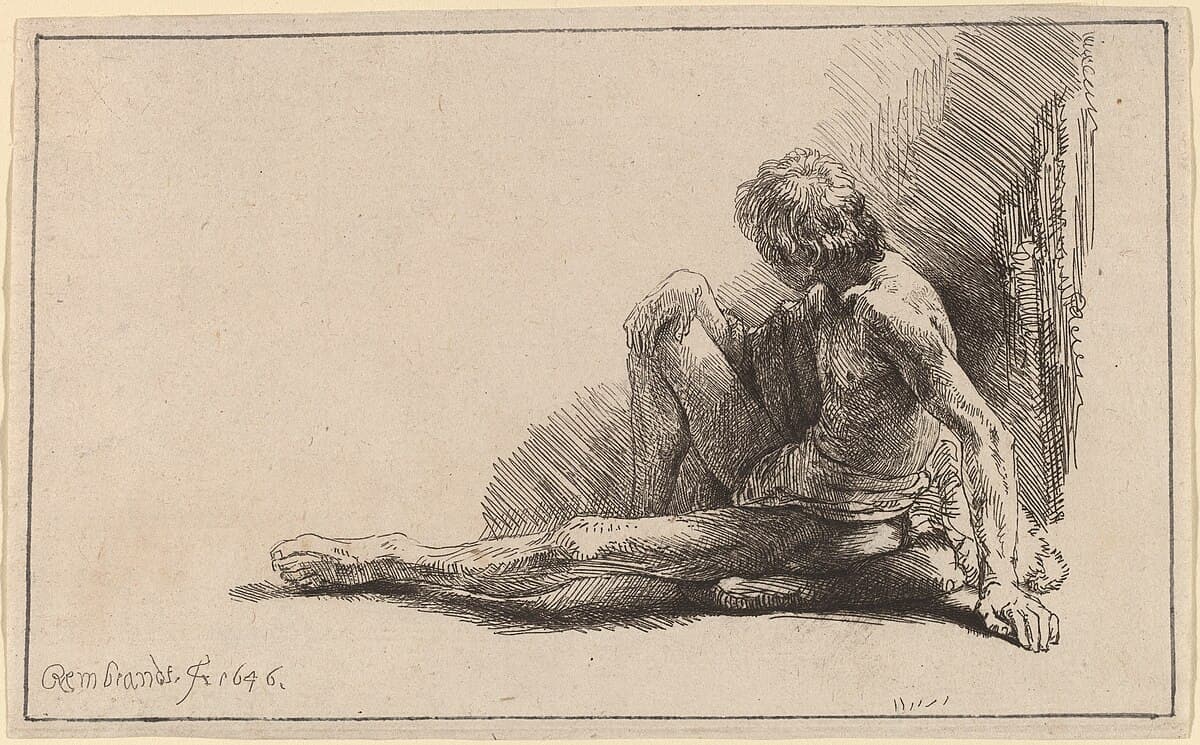
This painting by Rembrandt van Rijn etching in 1646, depicting a nude man seated on the ground with one leg extended, viewed from behind. The work measures approximately 10 x 17 cm and demonstrates Rembrandt's mastery of the etching technique. Fine lines build up tone and texture, capturing the play of light across the figure's back.
Rembrandt produced numerous etchings throughout his career, and many survive in multiple impressions across major collections. This particular print exists at the Art Institute of Chicago, the Victoria and Albert Museum, Yale University Art Gallery, the Morgan Library, and the National Gallery of Art in Washington.
The composition shows Rembrandt's interest in studying the human form from unusual angles. Rather than an idealized classical pose, he chose a casual seated position that emphasizes the model's weight and presence. The print once bore a forged signature of Pieter de Hooch, a reminder of how sought-after Rembrandt's work became even during his lifetime.

Lorado Taft, 1901
Art Institute of Chicago, Chicago

, 201
Art Institute of Chicago, Chicago

Ancient Egyptian (Unknown), 401
Art Institute of Chicago, Chicago

Jean-Baptiste Carpeaux, 1865
Art Institute of Chicago, Chicago
Works that share an artist, movement, museum, genre, palette or theme with Nude man seated on the ground with one leg extended.
Rembrandt van Rijn
Rembrandt van Rijn
Rembrandt van Rijn
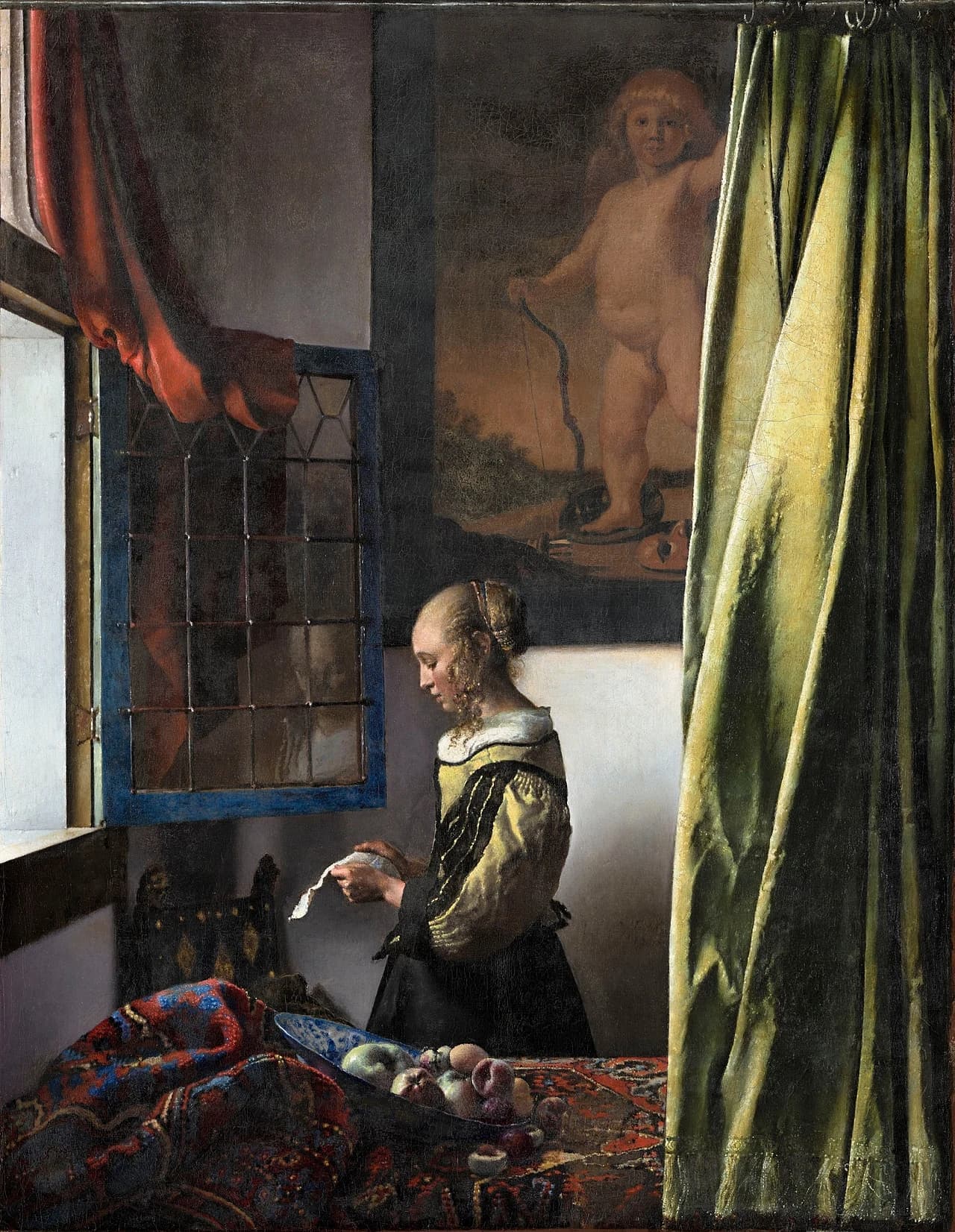
Johannes Vermeer, 1663

Pieter de Hooch, 1658
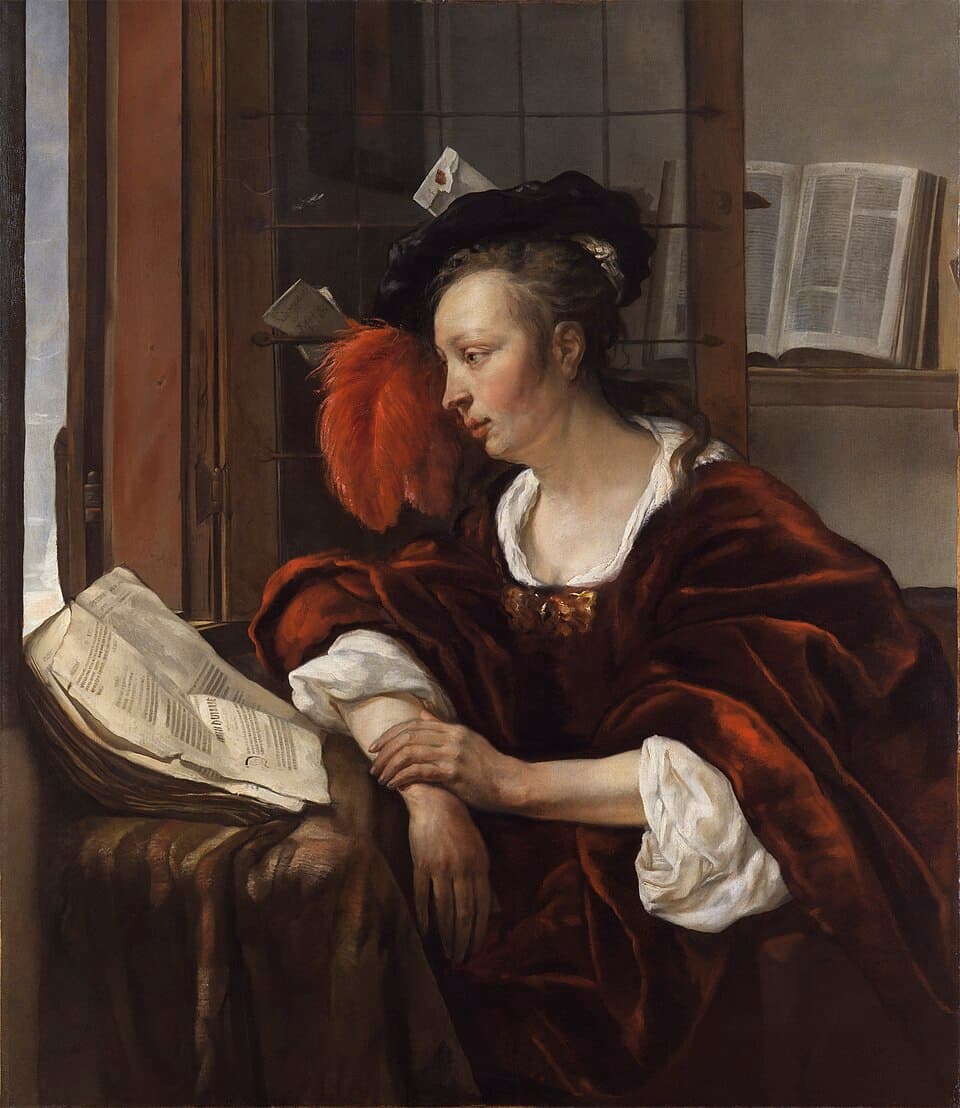
Gabriel Metsu, 1665

Johannes Vermeer, 1666
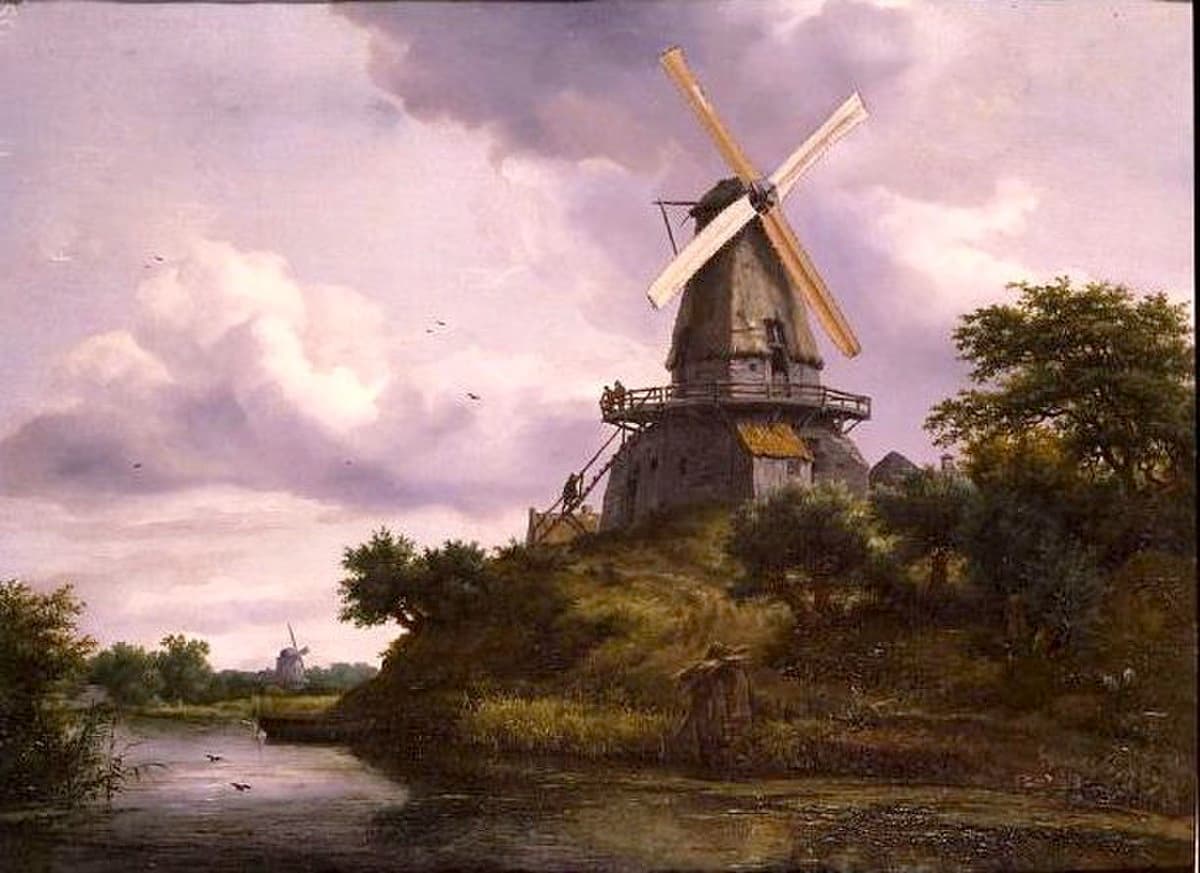
Jacob van Ruisdael, 1670
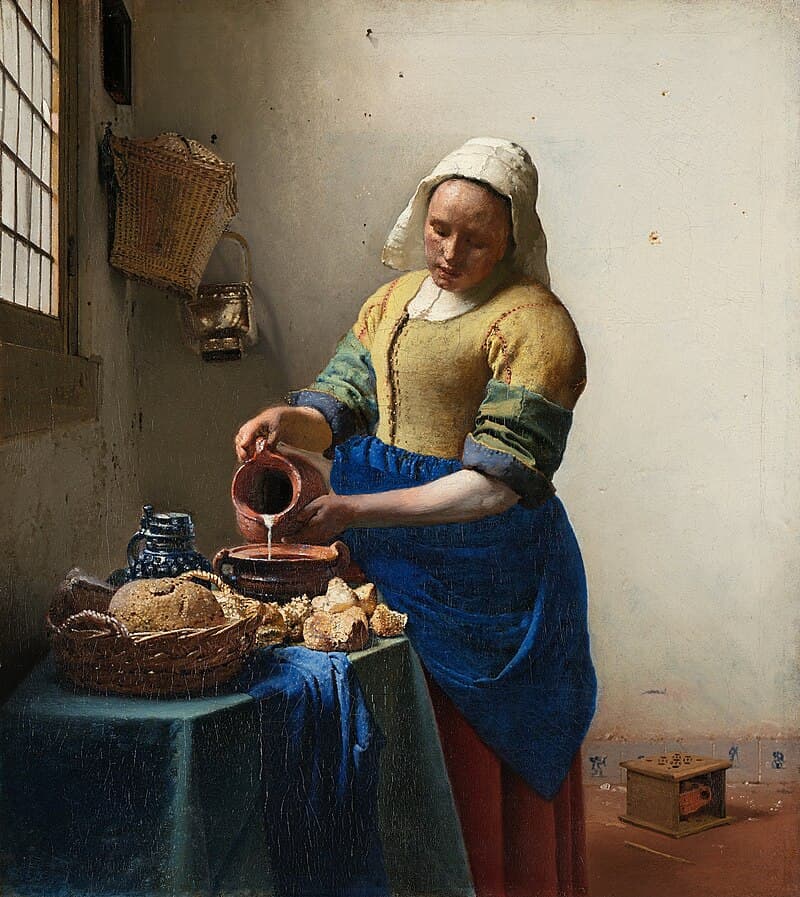
Johannes Vermeer, 1658
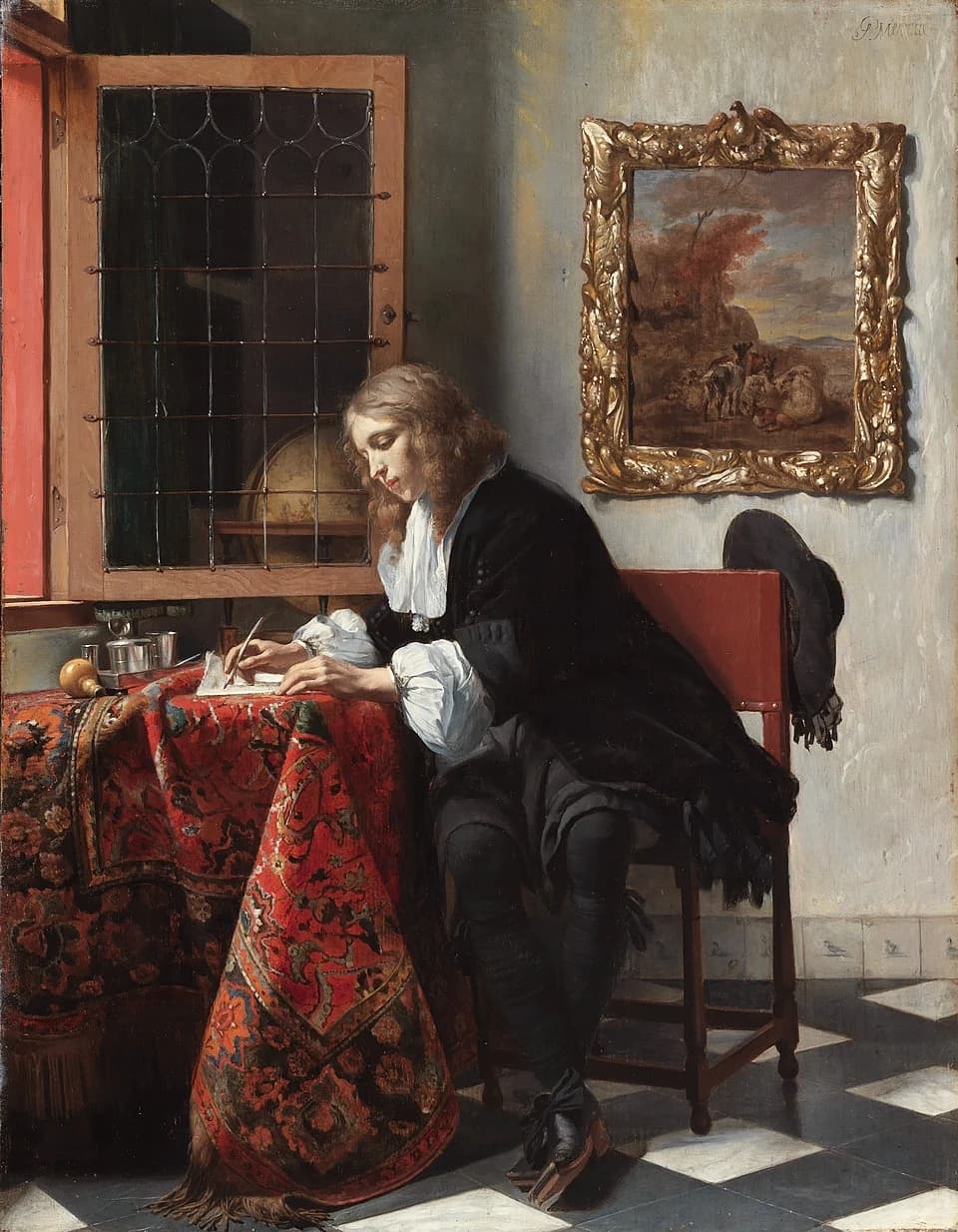
Gabriel Metsu, 1665
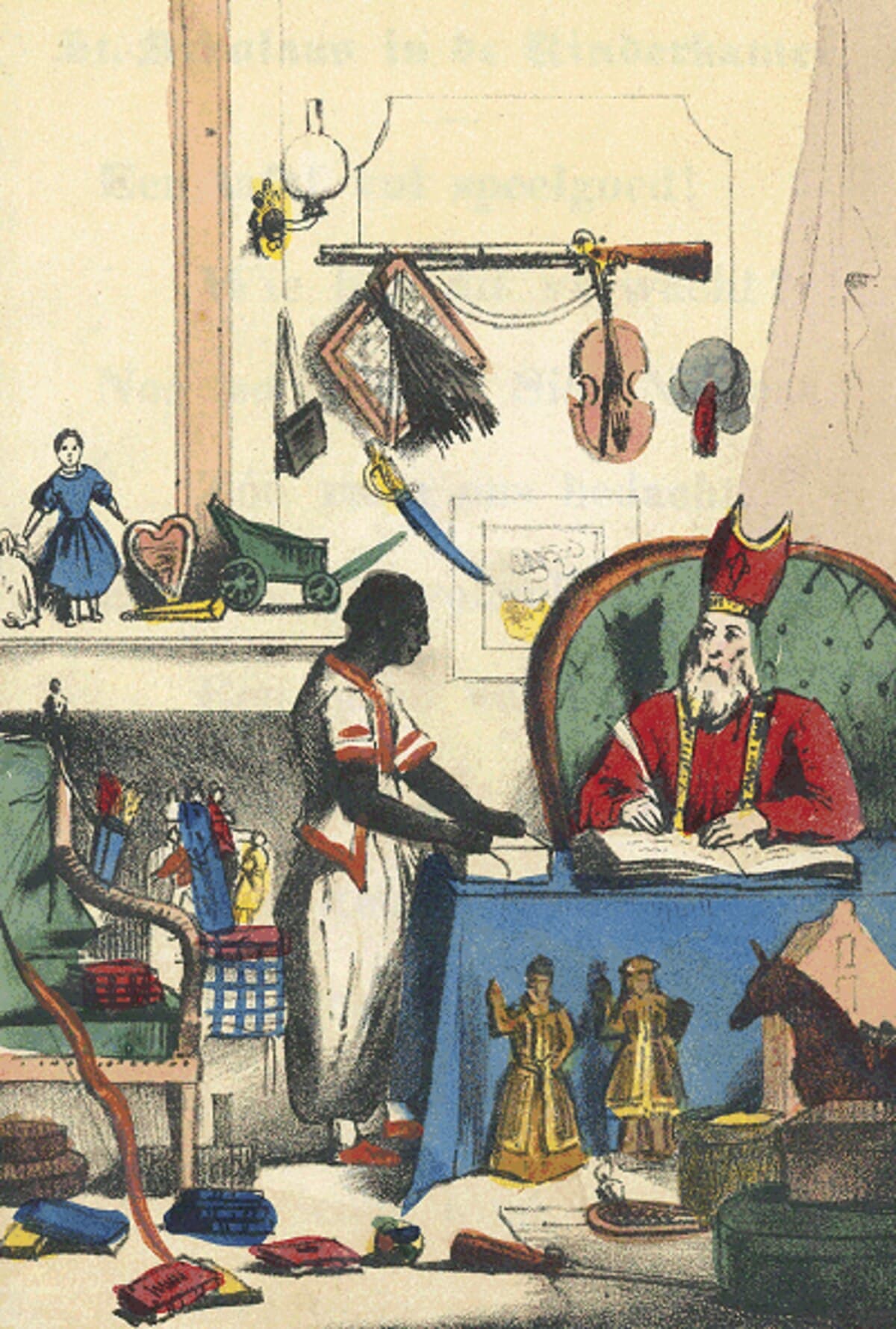
Jan Steen, 1665
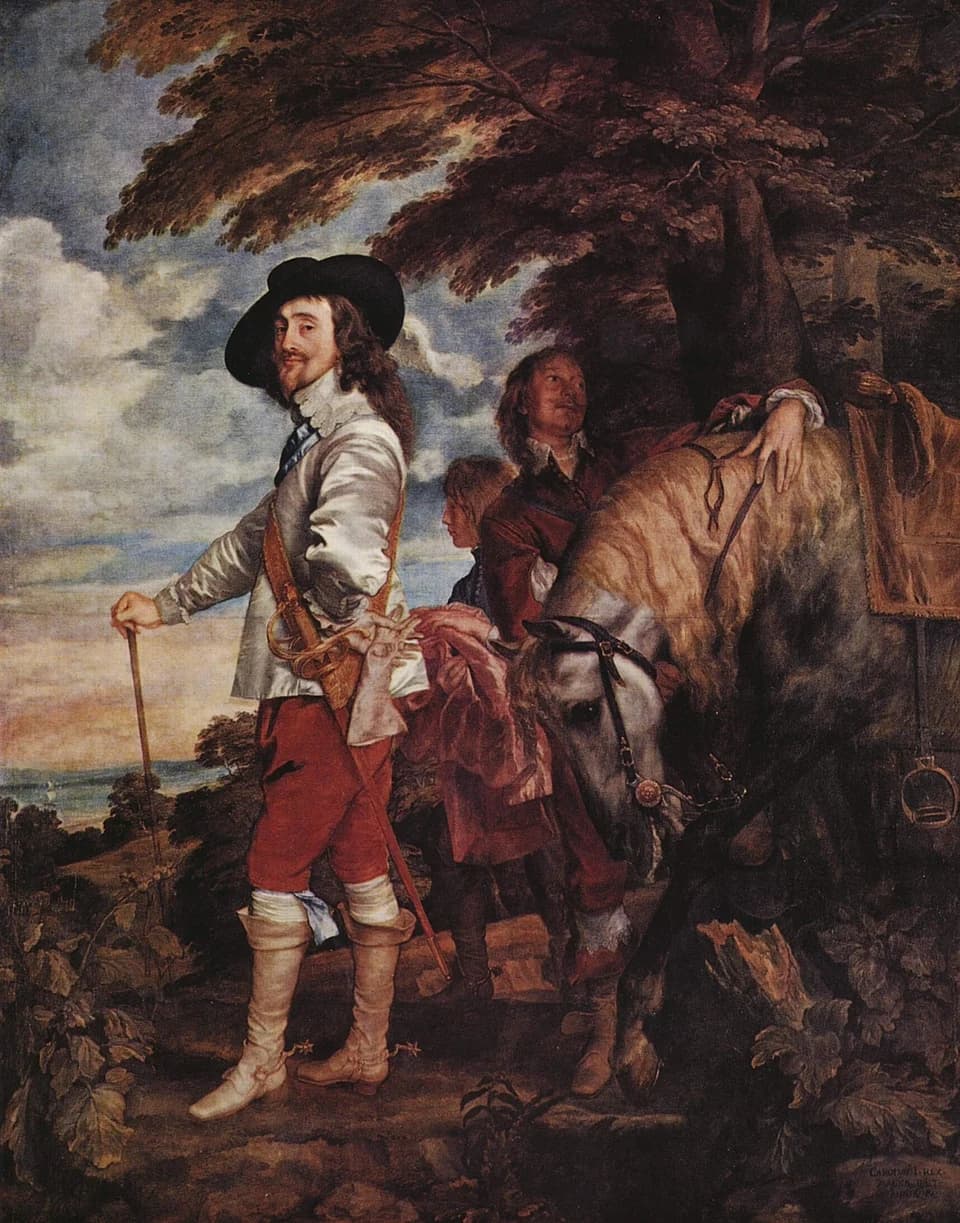
Anthony van Dyck, 1635
Luxury wall art with the same mood and energy. Gallery-quality canvas, no museum crowds.
Browse Collection