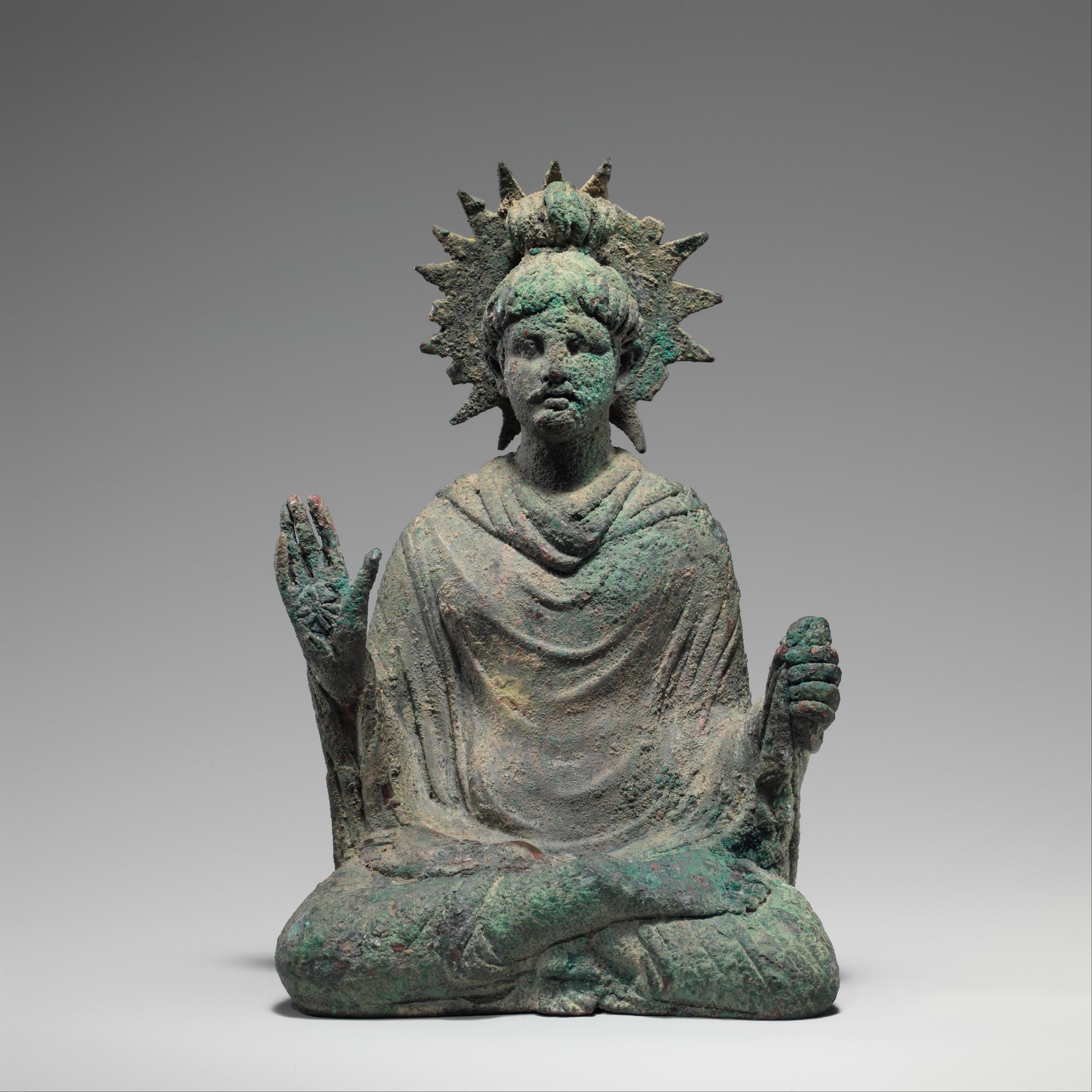
Seated Buddha from Gandhara
by Ancient Japanese (Unknown), 200
Artwork Details
Details
- Year
- 200
- Medium
- Gray schist
- Size
- 95 cm (37 in) tall
Cite or Embed This Work
APA · MLA · Chicago1-click academic citation and embeddable “On View” museum badge for articles, syllabi, and research.
Japanese This seated Buddha from the Gandhara region (modern Pakistan/Afghanistan) dates to approximately 200 CE. The figure displays the characteristic blend of Greco-Roman and Indian artistic traditions that defined Gandharan Buddhist art. It is displayed at the British Museum.
The Buddha sits in meditation with a serene expression, his robes carved with naturalistic folds influenced by Hellenistic sculpture. Gandhara was a crossroads of cultures following Alexander the Great's conquests, and this fusion style profoundly influenced how the Buddha would be depicted across Asia. The wavy hair, noble features, and heavy draped robes show clear Classical influence.
More by Ancient Japanese (Unknown)
View all →Sculpture
L
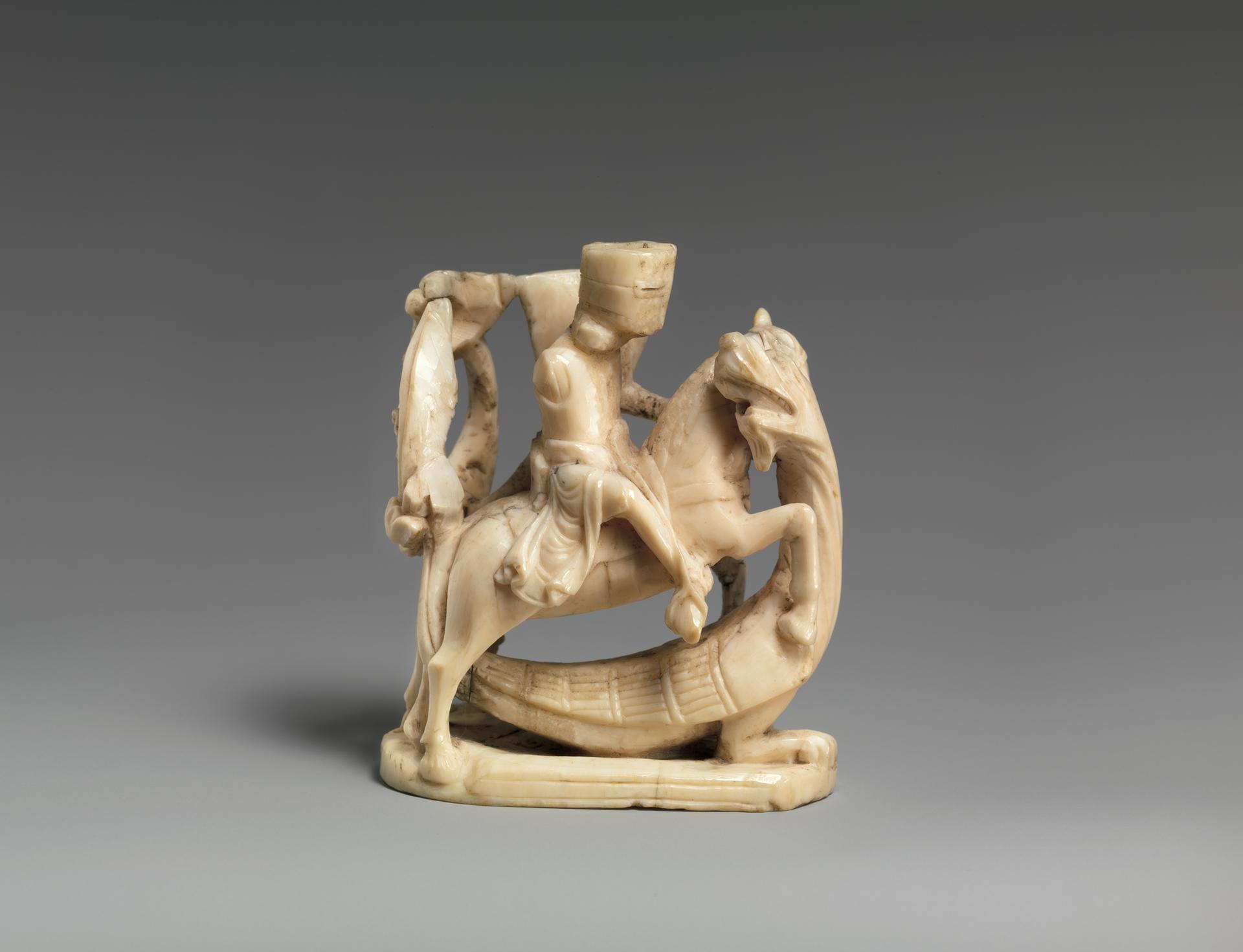
Lewis Chessmen
Ancient Japanese (Unknown), 1150
British Library, London, London
W
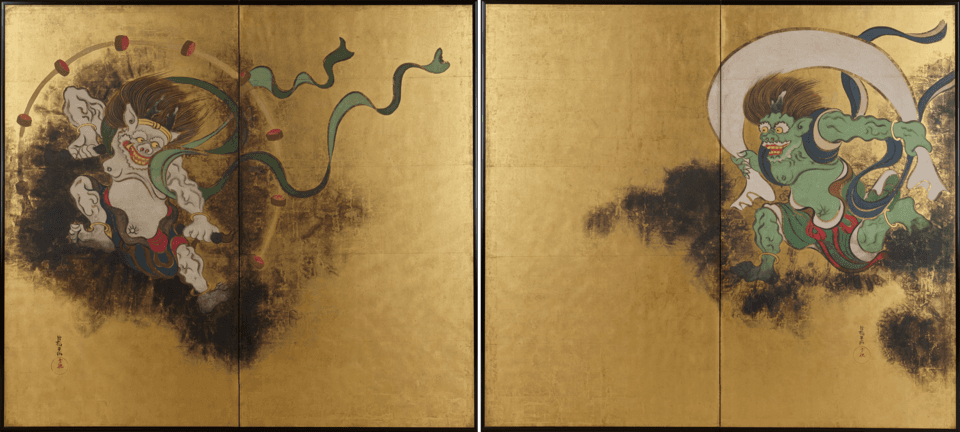
Wind God and Thunder God Screens
Ancient Japanese (Unknown), 1640
Kyoto National Museum, Kyoto
Sculpture
G
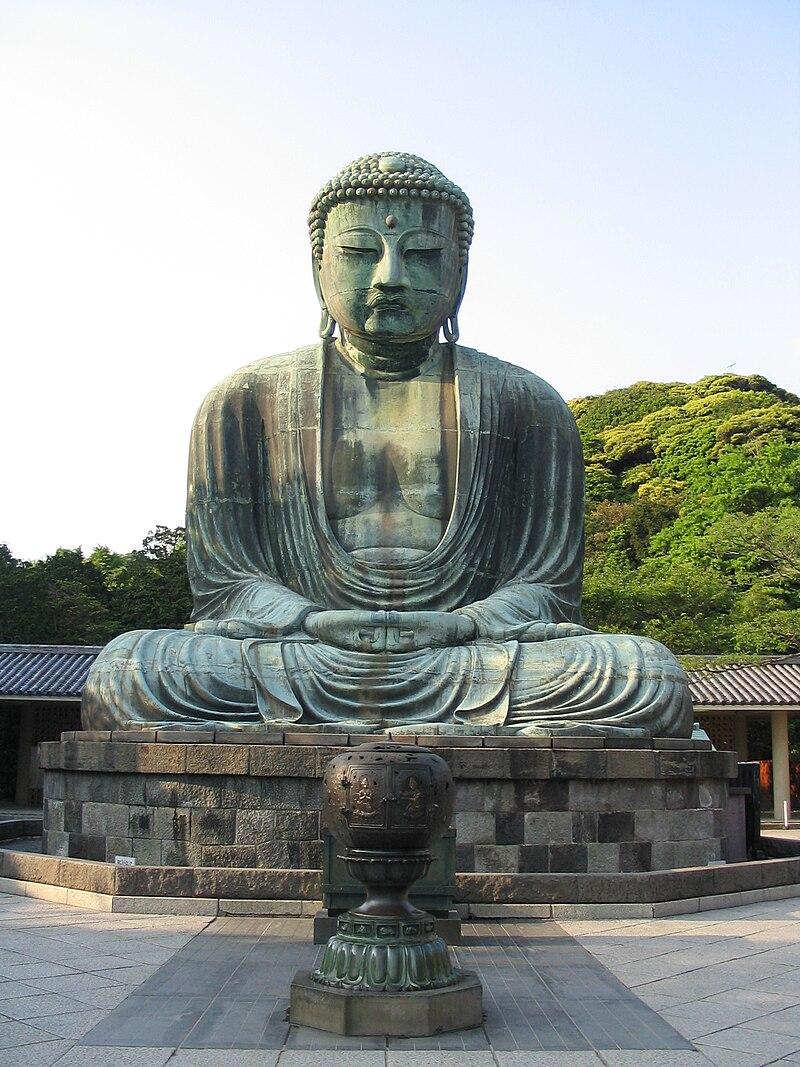
Great Buddha of Kamakura
Ancient Japanese (Unknown), 1252
Kōtoku-in Temple, Kamakura
Sculpture
G
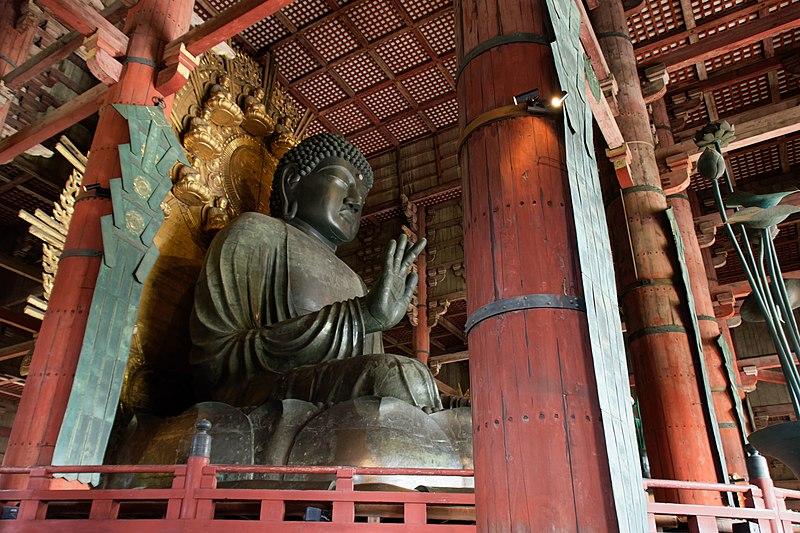
Great Buddha of Nara (Daibutsu)
Ancient Japanese (Unknown), 752
Tōdai-ji Temple, Nara
Also at British Museum
View all →Sculpture
S
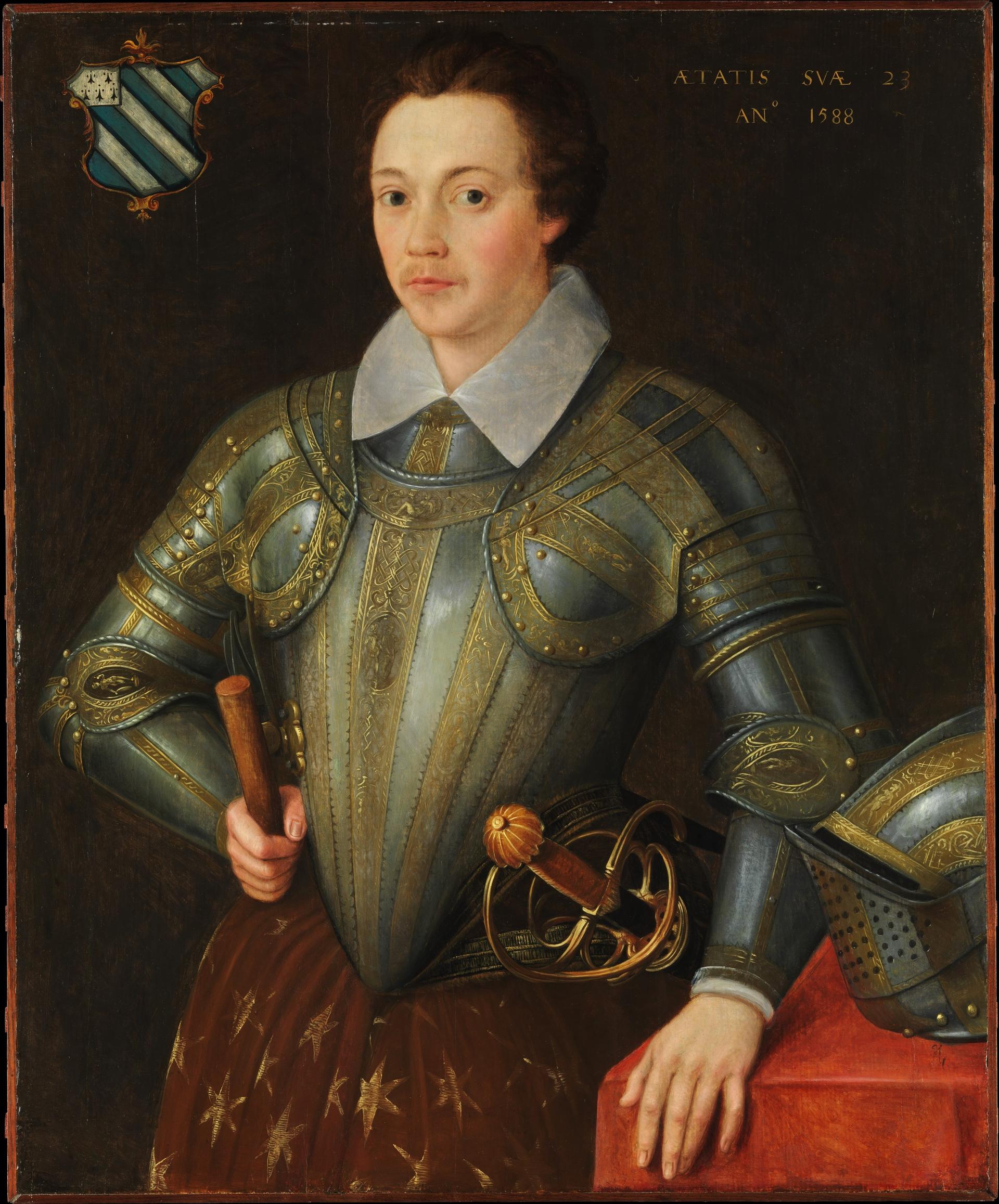
Sutton Hoo Helmet
Ancient Celtic (Unknown), 625
British Museum, London
S
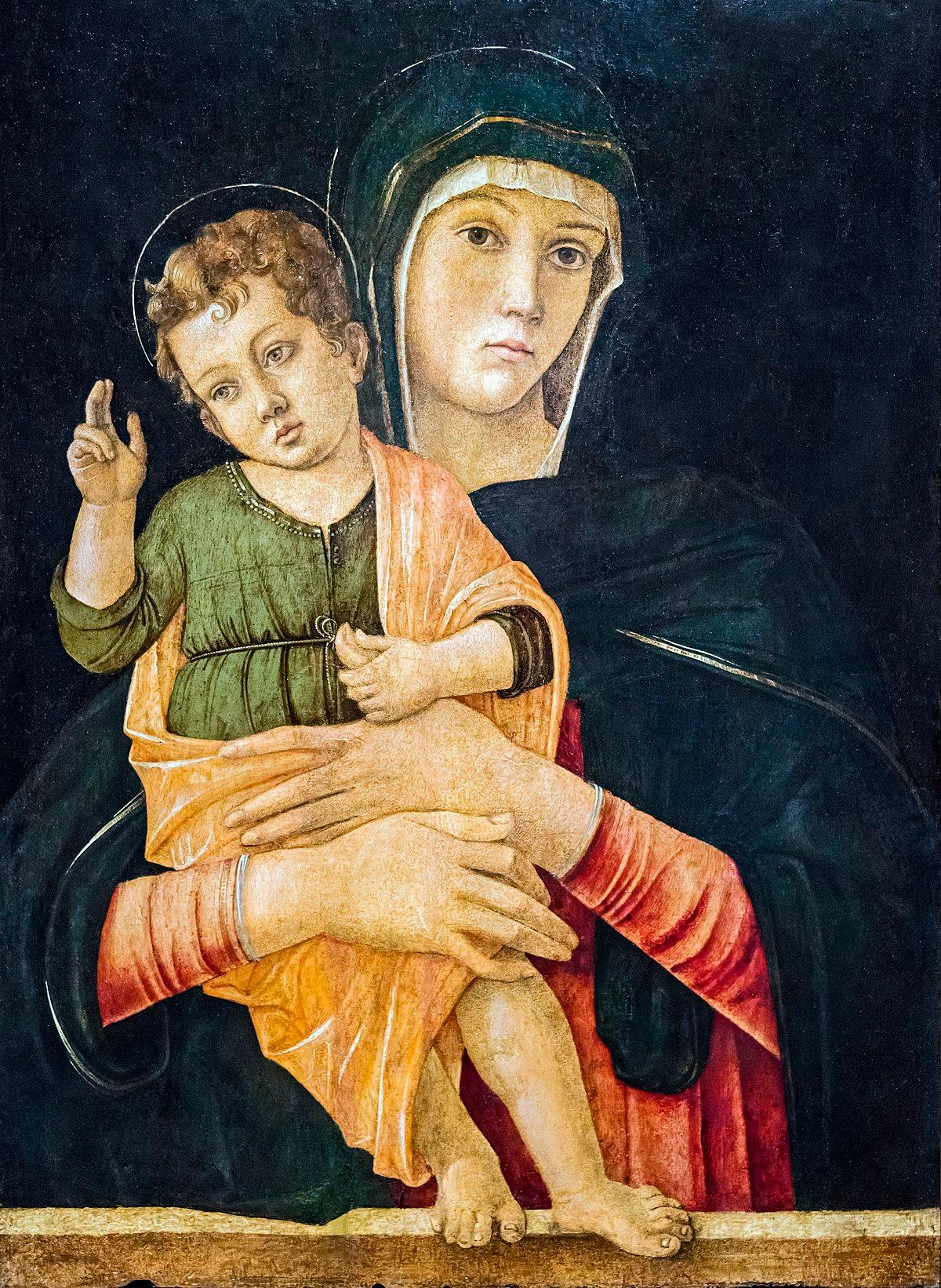
Study of the Madonna and Child with a Cat
Leonardo da Vinci
British Museum, London
E
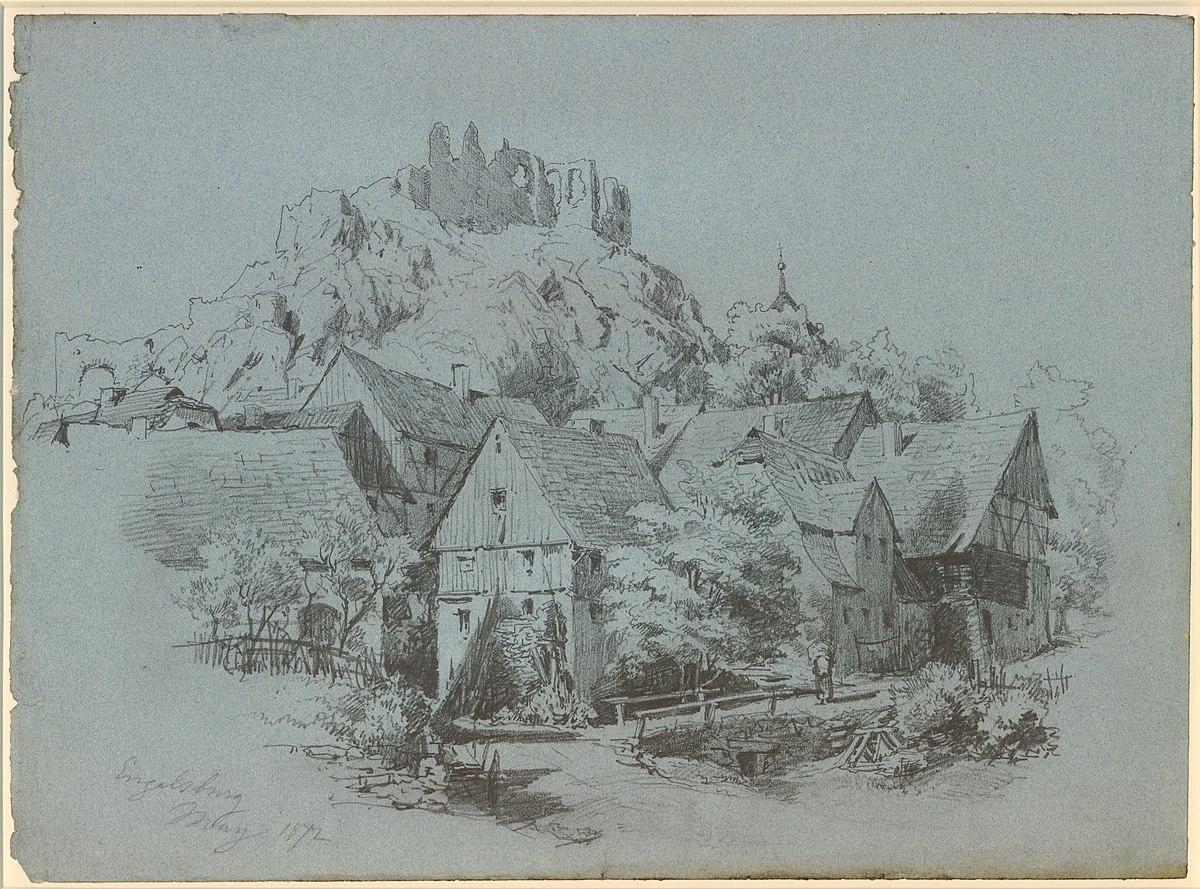
Engelsburg
John Singer Sargent
British Museum, London
Sculpture
M
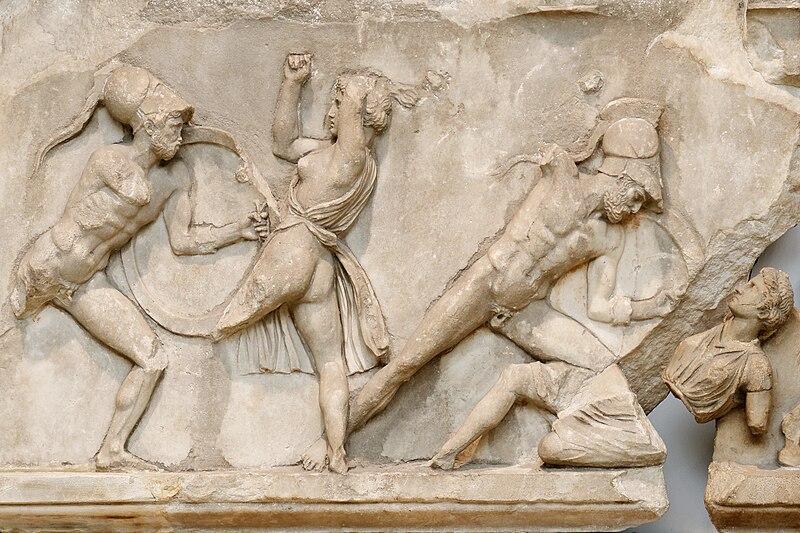
Mausoleum at Halicarnassus Sculptures
Ancient Greek (Unknown), -350
British Museum, London
Related Works
Works that share an artist, movement, museum, genre, palette or theme with Seated Buddha from Gandhara.
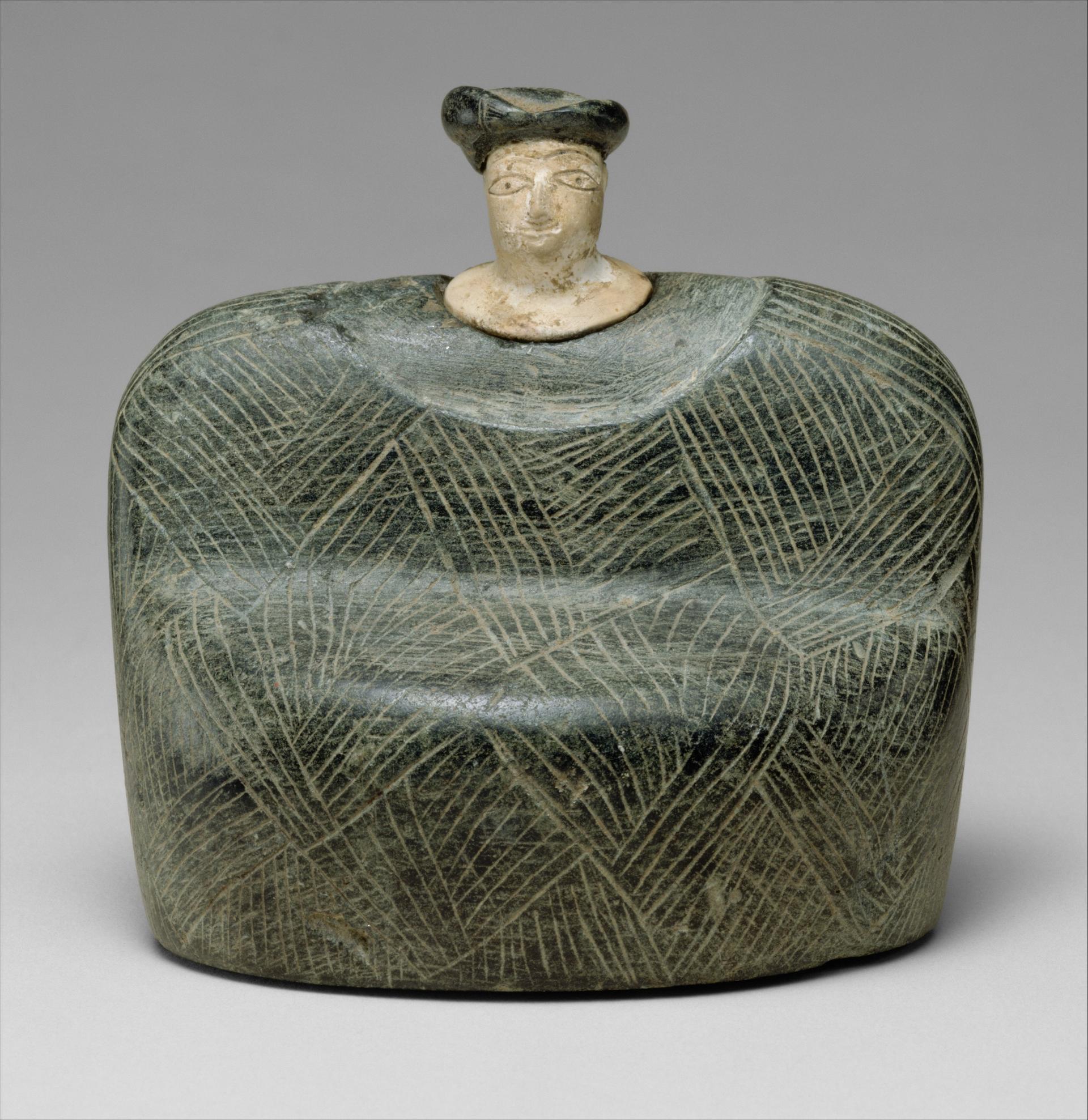
- Same museum
Oxus Treasure
Ancient Persian (Unknown), -500
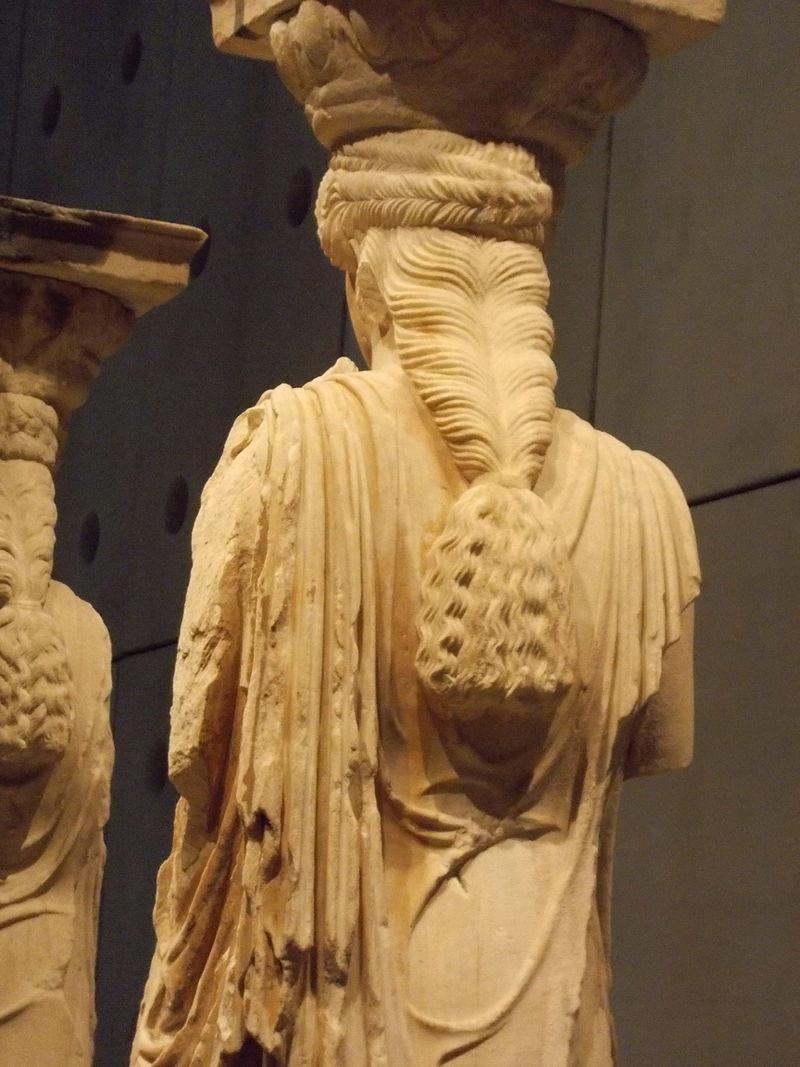
- Same museum
Caryatid from the Erechtheion
Ancient Greek (Unknown), -420
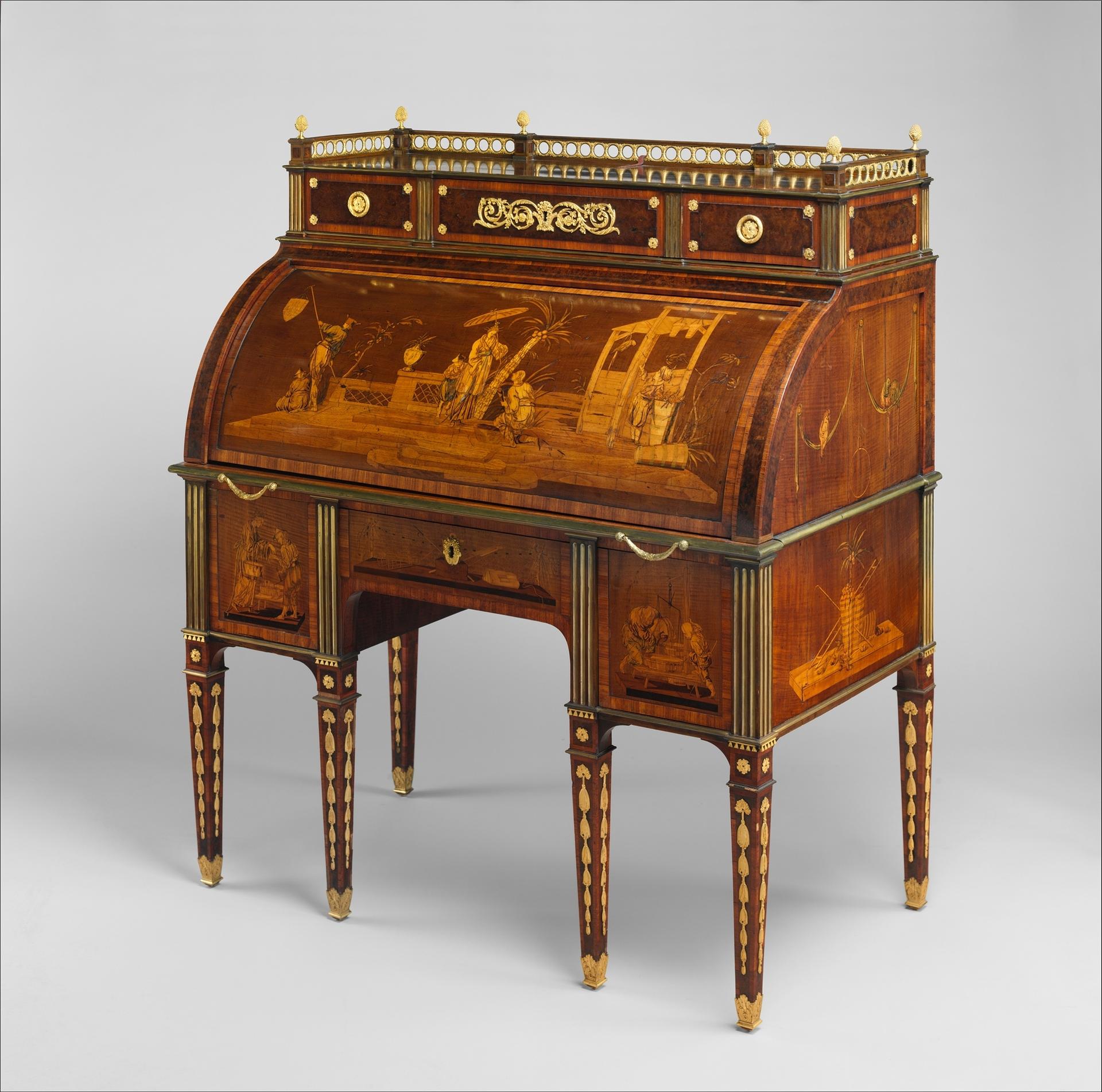
- Same museum
Mold Gold Cape
Ancient Celtic (Unknown), -1900
- Same museum
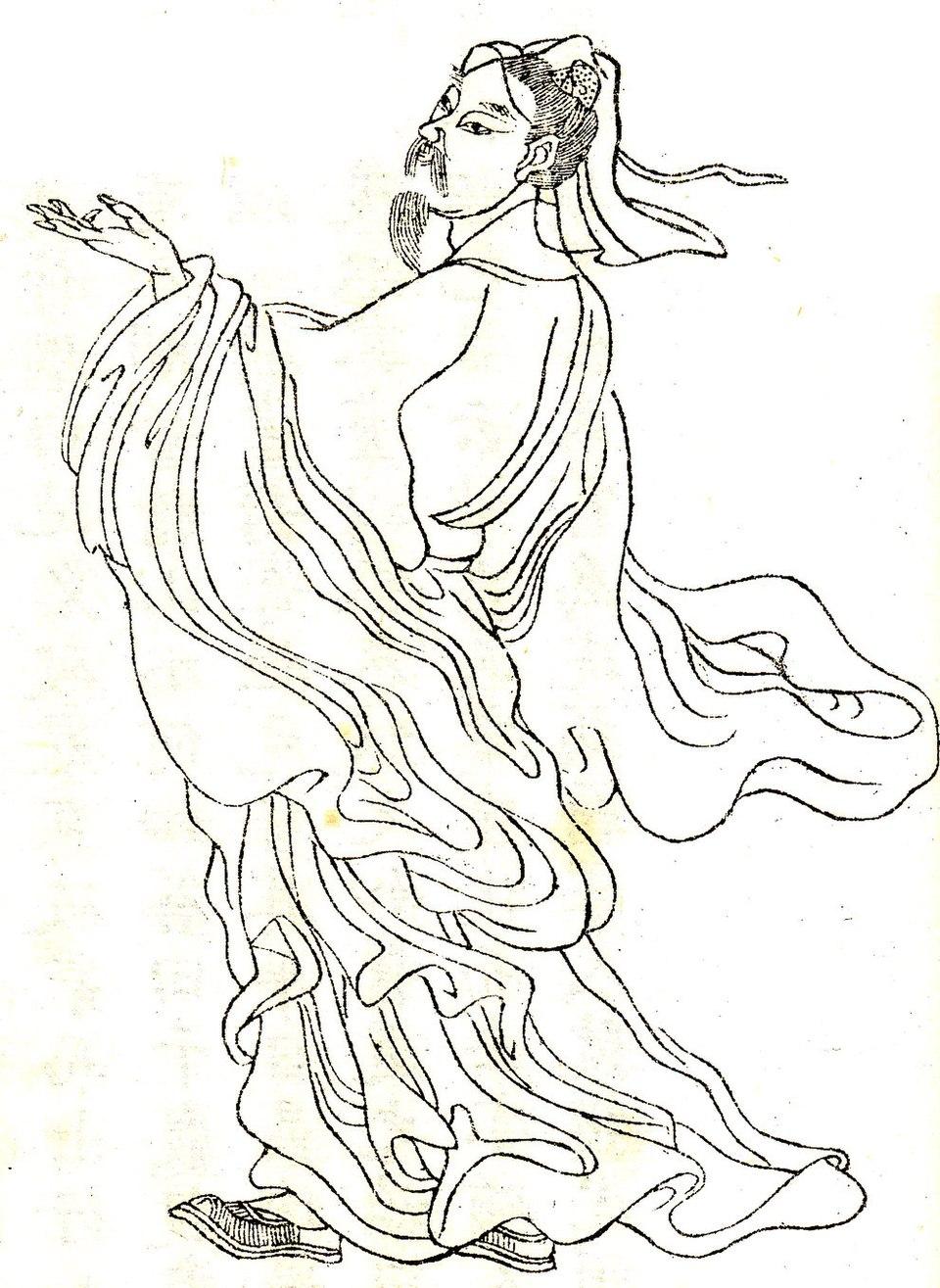
Admonitions Scroll (Gu Kaizhi)
Ancient Chinese (Unknown), 380
- Same museum
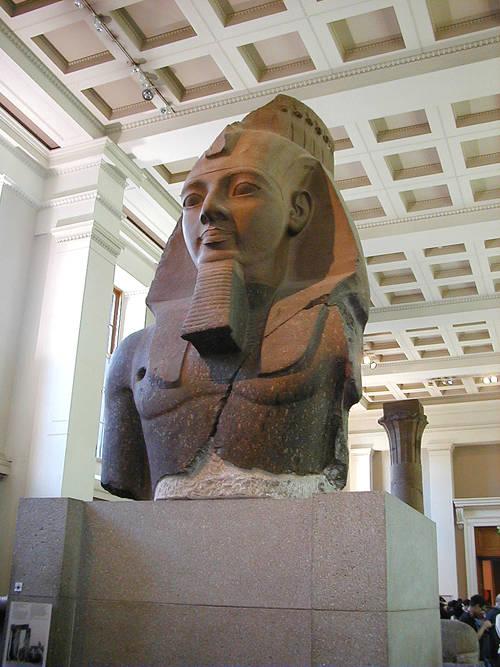
Colossal Bust of Ramesses II (The Younger Memnon)
Ancient Egyptian (Unknown), -1250
- Same museum
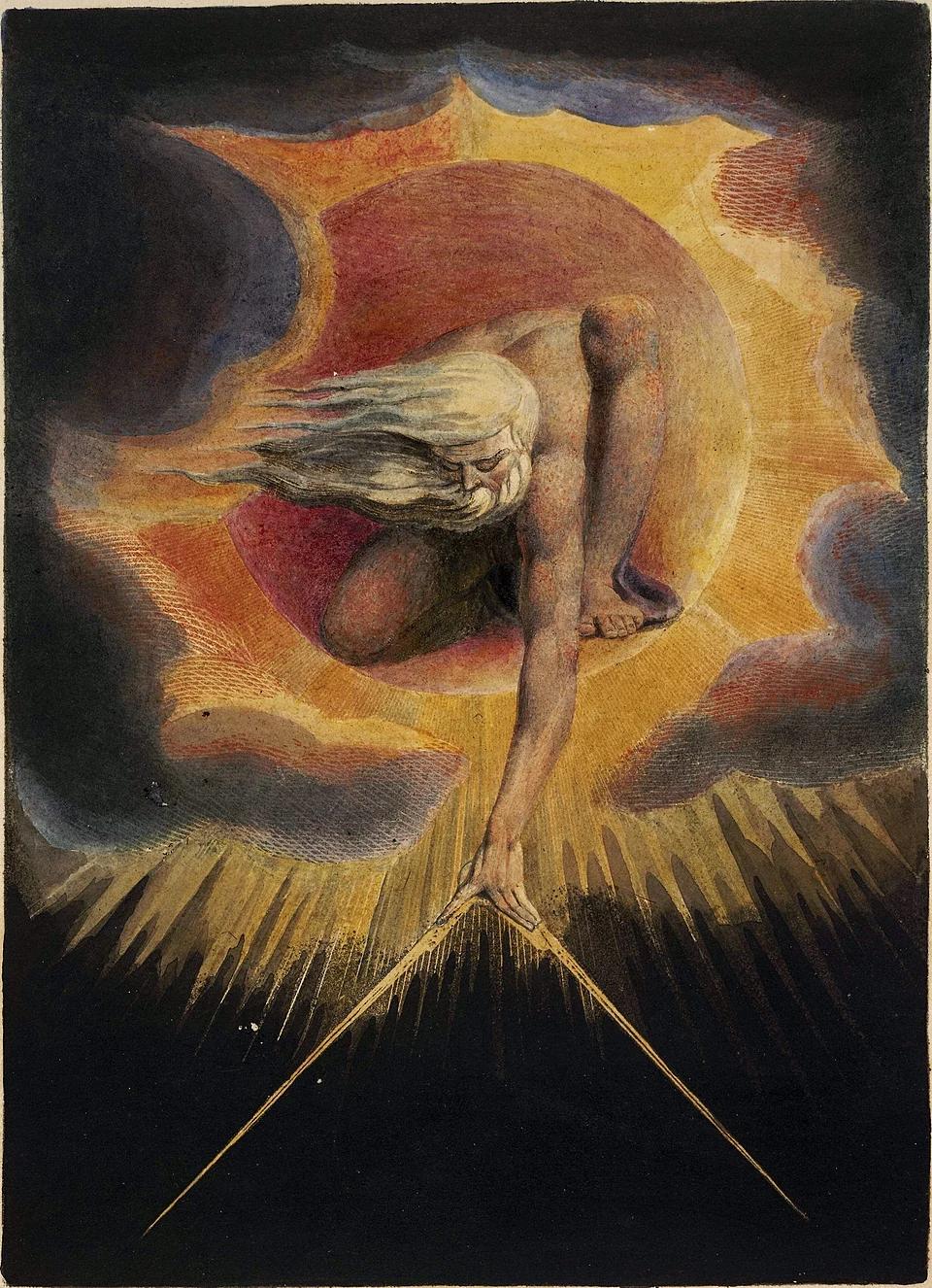
The Ancient of Days
William Blake, 1794
- Same museum
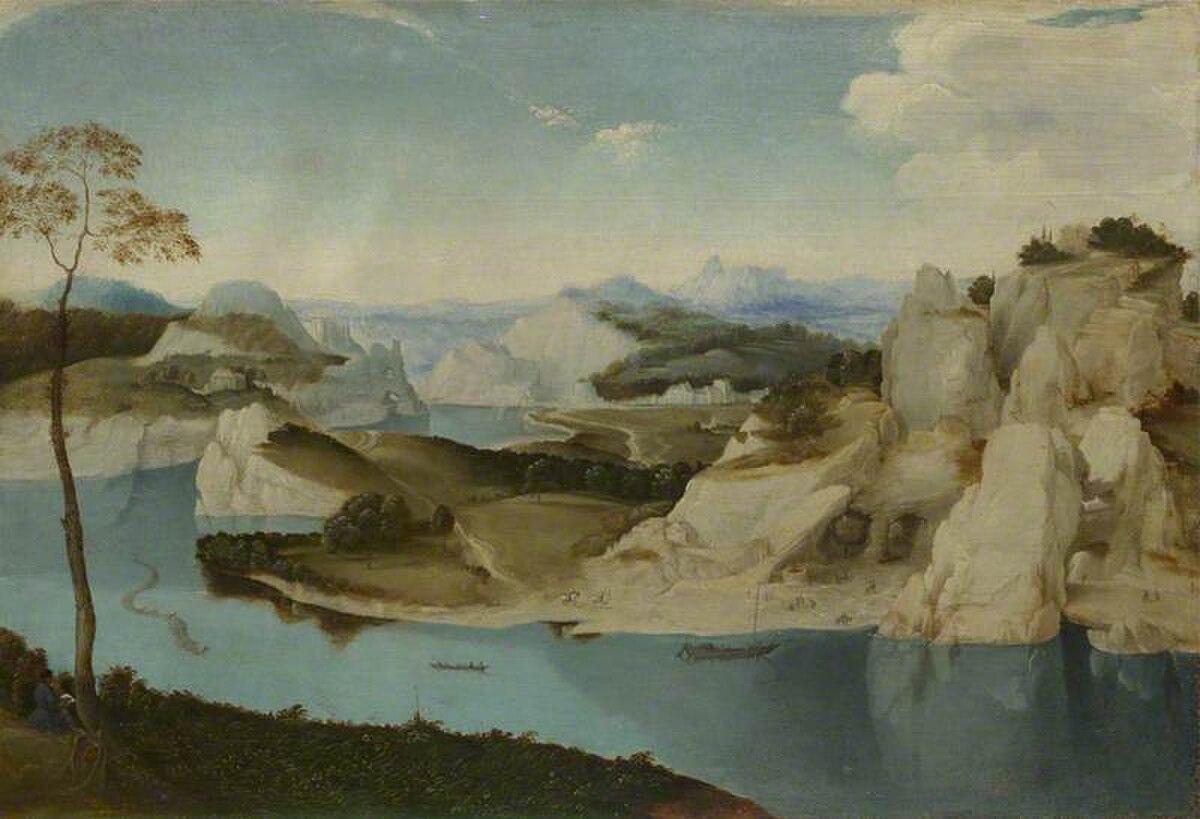
Mountain landscape with a river
Pieter Bruegel the Elder
- Same museum
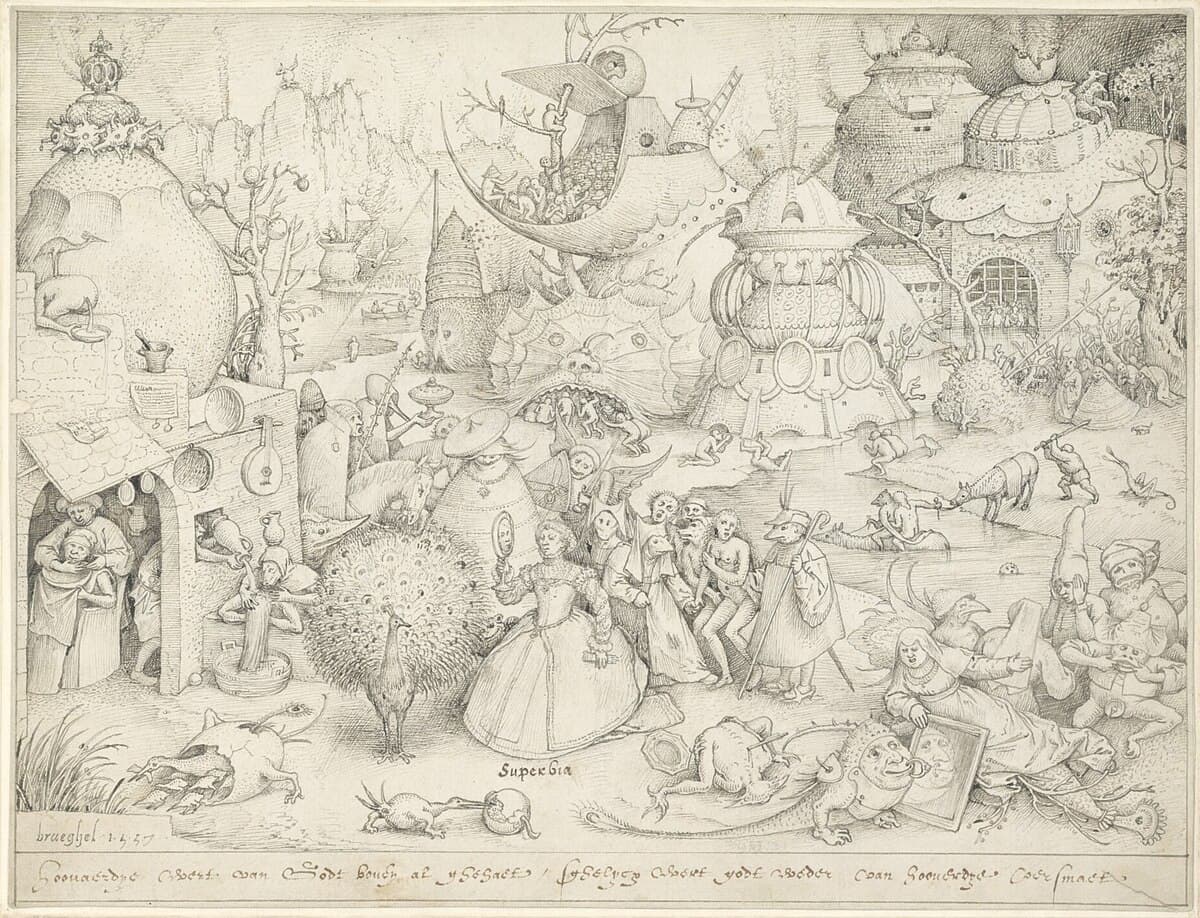
Pride
Pieter Bruegel the Elder
About Seated Buddha from Gandhara
This Gandharan Buddha is displayed at the British Museum in London in their Asian galleries.
Gandharan art blends Greco-Roman and Indian traditions. The realistic drapery and Classical features reflect Hellenistic influence following Alexander's conquests in the region.
This sculpture dates to approximately 200 CE, during the Kushan period when the Gandhara region was a major center of Buddhist art and culture.
Own Art Like This
Luxury wall art with the same mood and energy. Gallery-quality canvas, no museum crowds.
Browse Collection