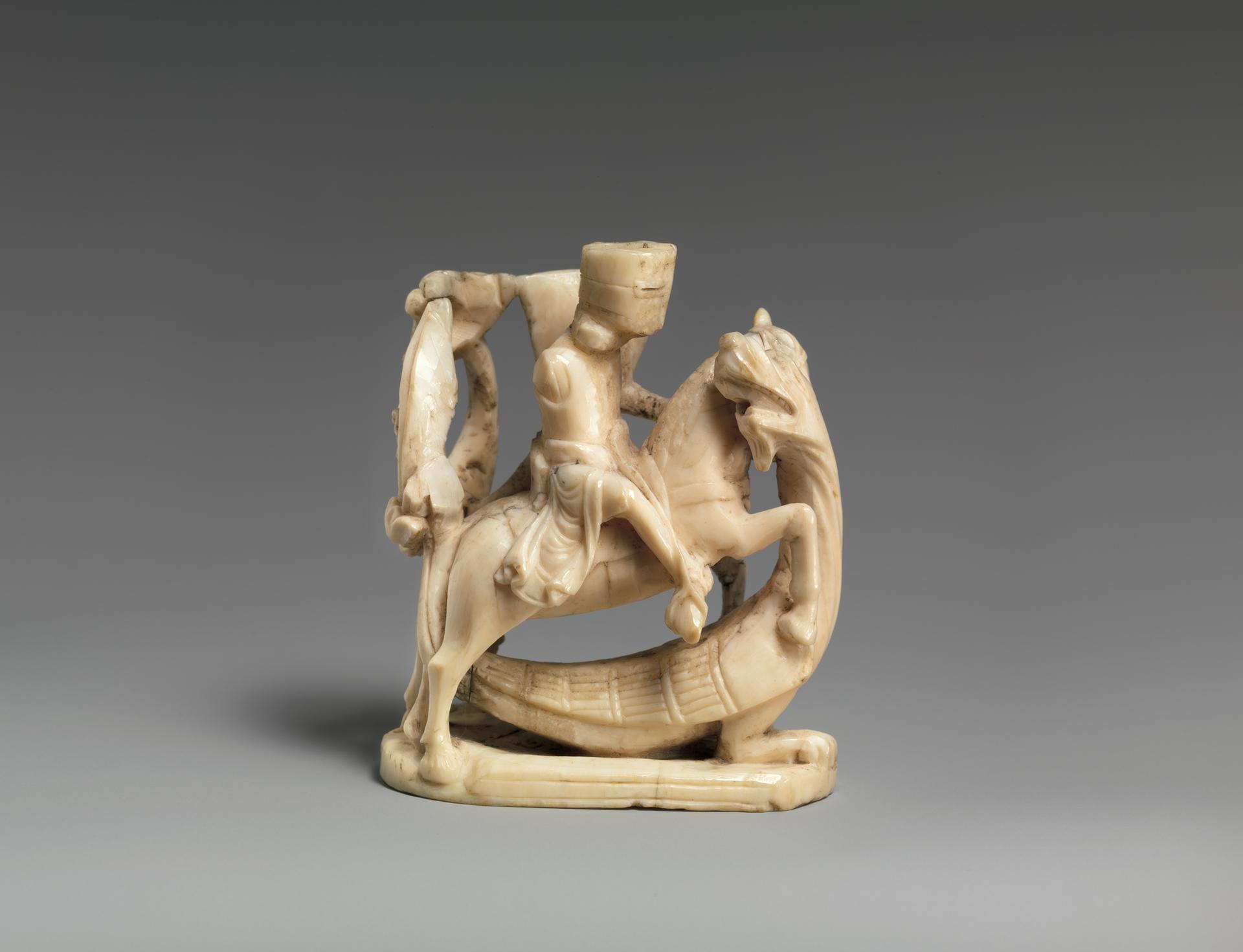
Lewis Chessmen
by Ancient Japanese (Unknown), 1150
Artwork Details
Details
- Year
- 1150
- Medium
- Walrus ivory, whale tooth
- Size
- Largest pieces 10.2 cm (4 in) tall
Cite or Embed This Work
APA · MLA · Chicago1-click academic citation and embeddable “On View” museum badge for articles, syllabi, and research.
Japanese The Lewis Chessmen are 93 gaming pieces carved from walrus ivory and whale tooth around 1150-1200 CE. Discovered in 1831 on the Isle of Lewis in Scotland's Outer Hebrides, they're the most famous medieval chess pieces in the world. The pieces include kings, queens, bishops, knights, warders (rooks), and pawns.
Each figure has distinct personality. Kings sit contemplatively. Queens rest their faces on their hands, looking worried. Warders bite their shields in berserker fury. The pieces were probably made in Trondheim, Norway, when the Hebrides belonged to the Norwegian crown. They may have been a merchant's stock, hidden or lost during travel. The British Museum holds 82 pieces while the National Museum of Scotland has 11.
More by Ancient Japanese (Unknown)
View all →W
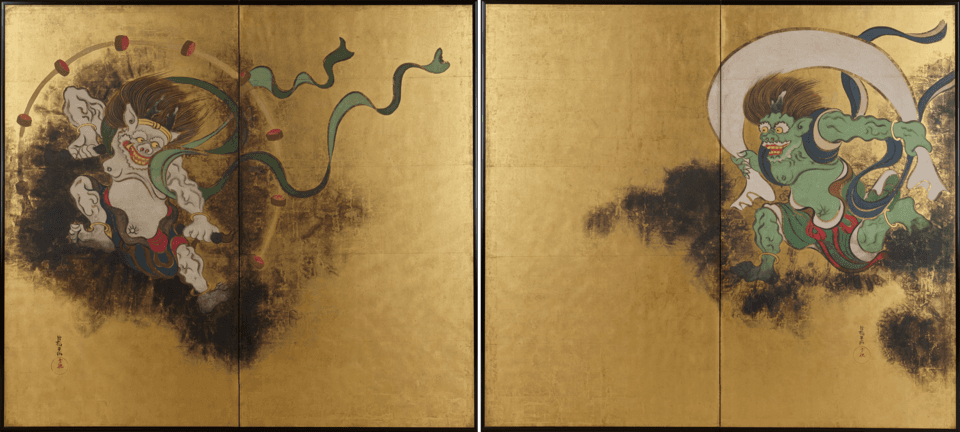
Wind God and Thunder God Screens
Ancient Japanese (Unknown), 1640
Kyoto National Museum, Kyoto
Sculpture
S
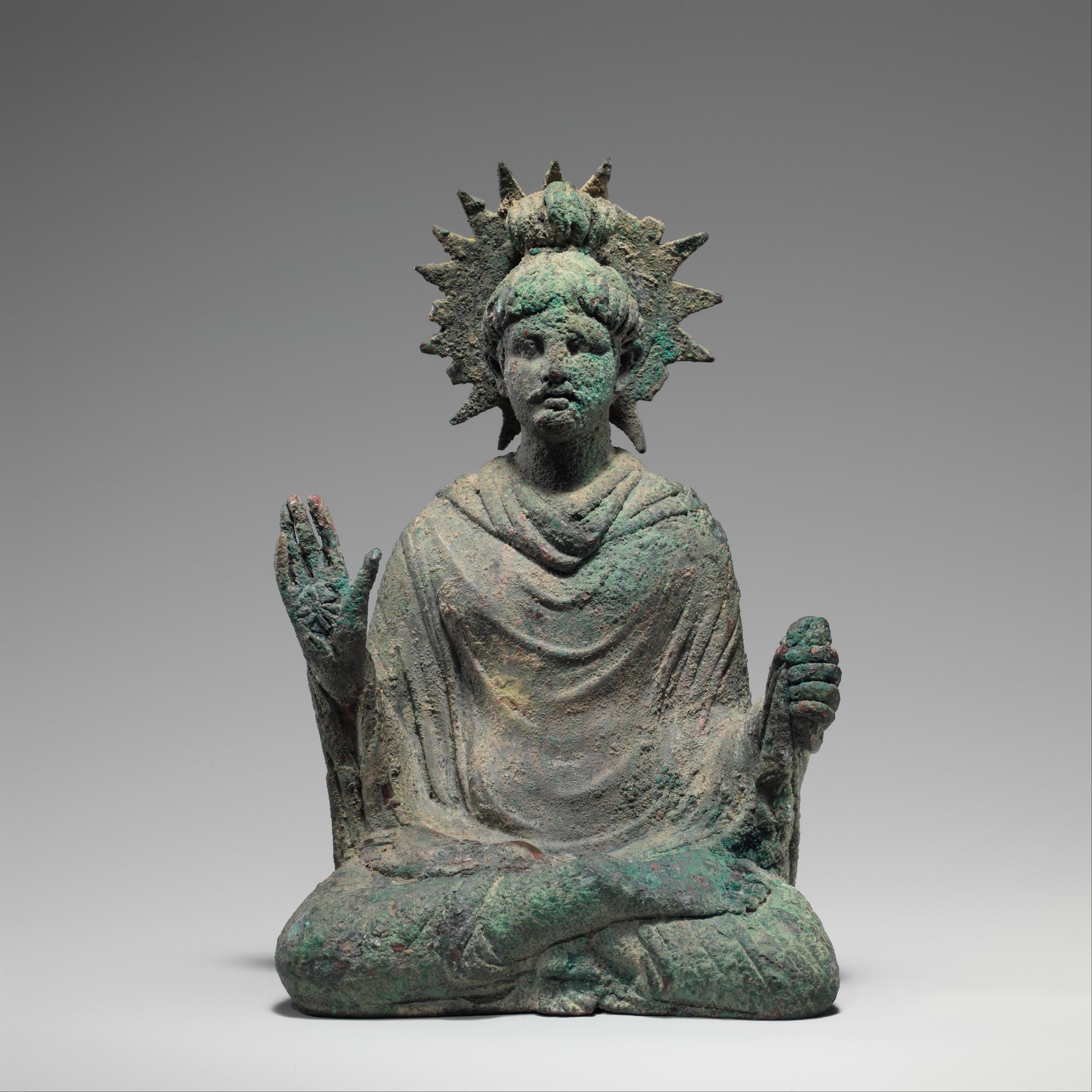
Seated Buddha from Gandhara
Ancient Japanese (Unknown), 200
British Museum, London
Sculpture
G
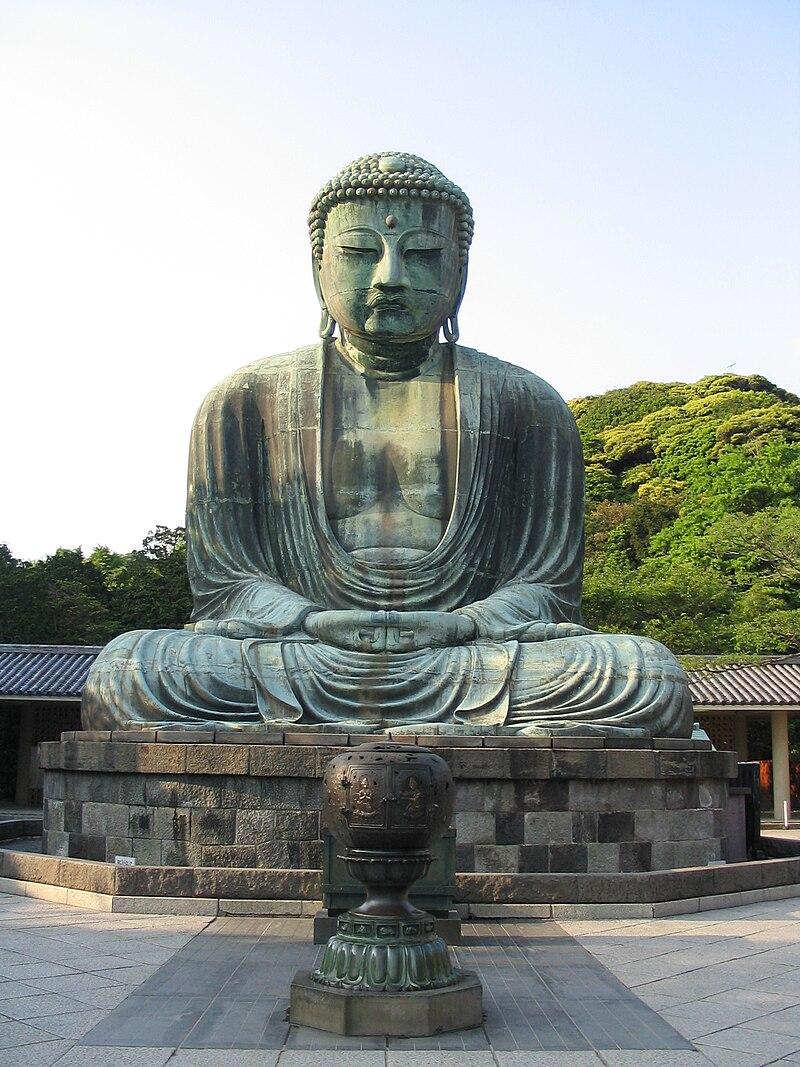
Great Buddha of Kamakura
Ancient Japanese (Unknown), 1252
Kōtoku-in Temple, Kamakura
Sculpture
G
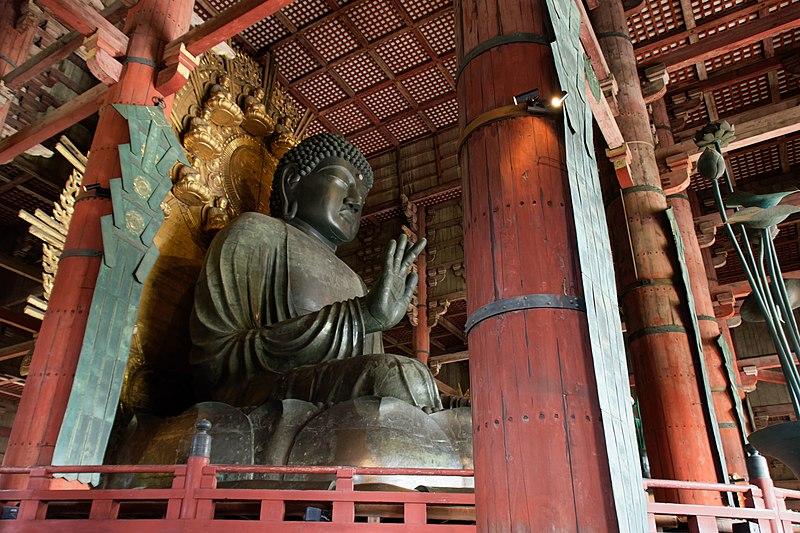
Great Buddha of Nara (Daibutsu)
Ancient Japanese (Unknown), 752
Tōdai-ji Temple, Nara
Also at British Library, London
View all →Sculpture
R

Rosetta Stone
Ancient Egyptian (Unknown), -196
British Library, London, London
Drawing
H

Head of a Muse
Raphael, 1510
British Library, London, London
Sculpture
C
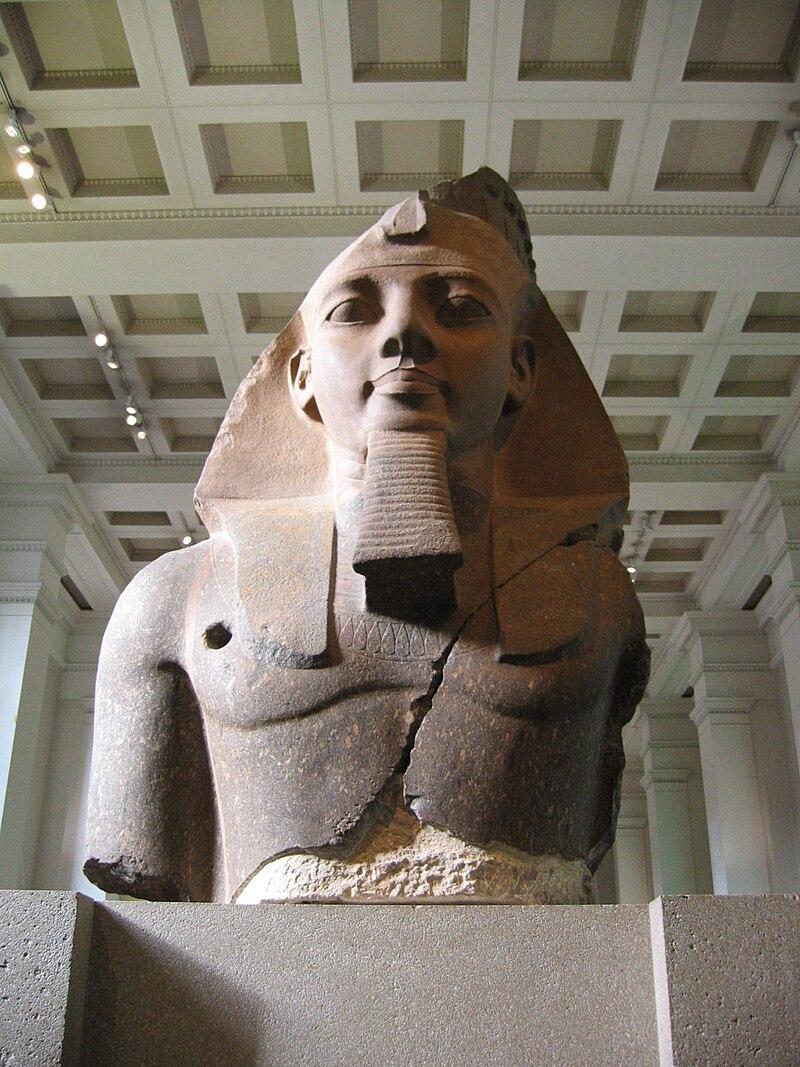
Colossal Bust of Ramesses II
Ancient Egyptian (Unknown), -1250
British Library, London, London
Sculpture
A
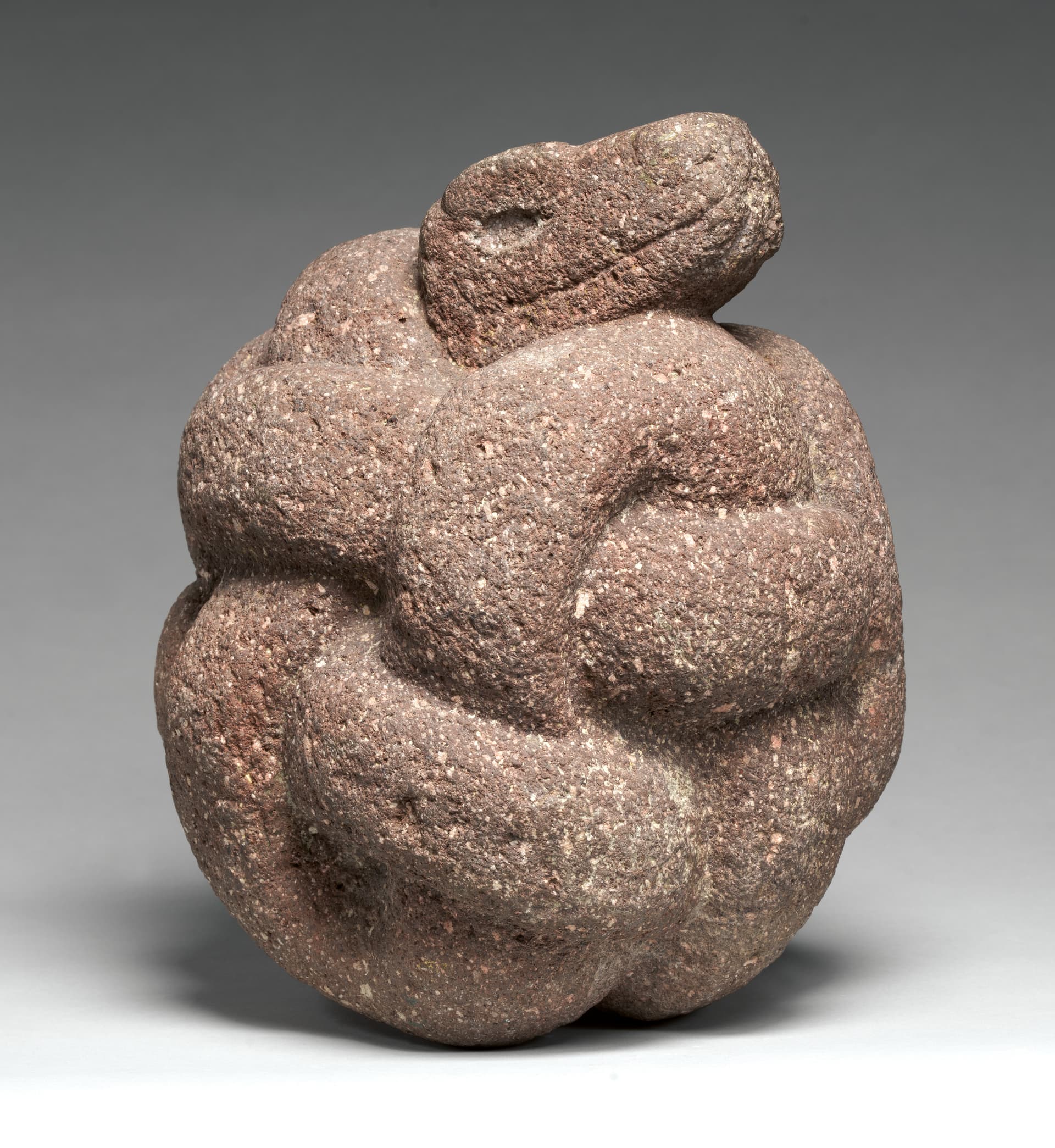
Aztec Double-Headed Serpent
Ancient Aztec (Unknown), 1480
British Library, London, London
Related Works
Works that share an artist, movement, museum, genre, palette or theme with Lewis Chessmen.
- Same museum
Benin Bronze Plaque: Warriors
Ancient Benin (Unknown), 1550
- Same museum
Ife Bronze Head
Ancient Ife (Unknown), 1300
- Same museum
Benin Bronze Leopard
Ancient Benin (Unknown), 1600
- Same museum
Benin Bronze Head of a Queen Mother
Ancient Benin (Unknown), 1500

- Same museum
Taharqa Sphinx
Ancient Egyptian (Unknown), -680
- Same museum
Yaxchilán Lintel 24
Ancient Maya (Unknown), 725
- Same museum
Rhinoceros
Albrecht Dürer, 1515
- Same museum
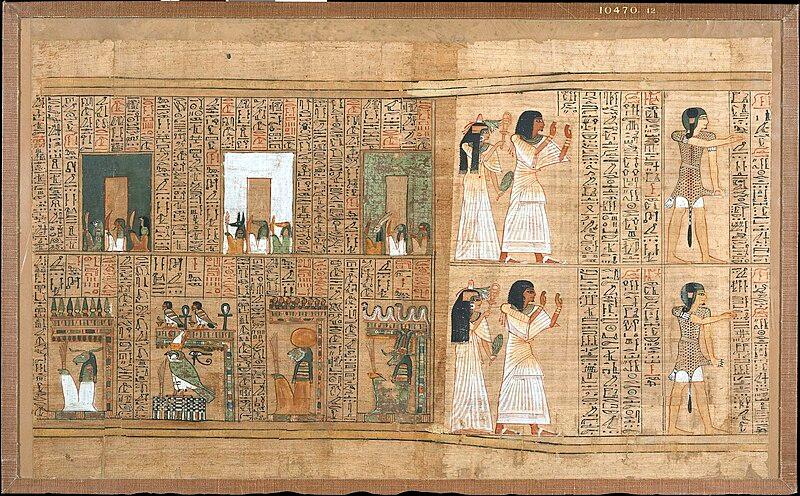
Papyrus of Ani (Book of the Dead)
Ancient Egyptian (Unknown), -1250
- Same museum
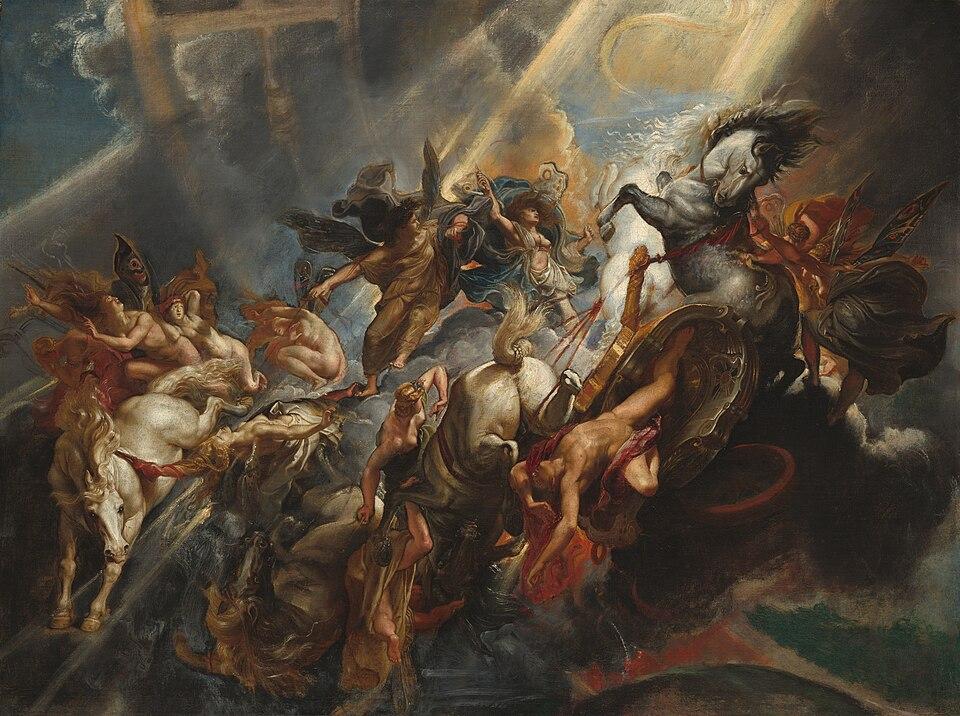
The Fall of Phaeton
Michelangelo, 1533
About Lewis Chessmen
The chessmen were discovered in 1831 on the Isle of Lewis in Scotland's Outer Hebrides. Exactly where and how they were found remains disputed. They may have been buried in a sand dune.
The pieces were likely carved in Trondheim, Norway around 1150-1200 CE. At that time, the Hebrides were part of the Kingdom of Norway, explaining why Norwegian-style pieces ended up in Scotland.
The queens rest their cheeks on their hands, a medieval gesture of distress or contemplation. Some suggest they're concerned about the battle ahead. Others see it as simple aristocratic elegance.
Own Art Like This
Luxury wall art with the same mood and energy. Gallery-quality canvas, no museum crowds.
Browse Collection