Wikimedia Commons • Public Domain
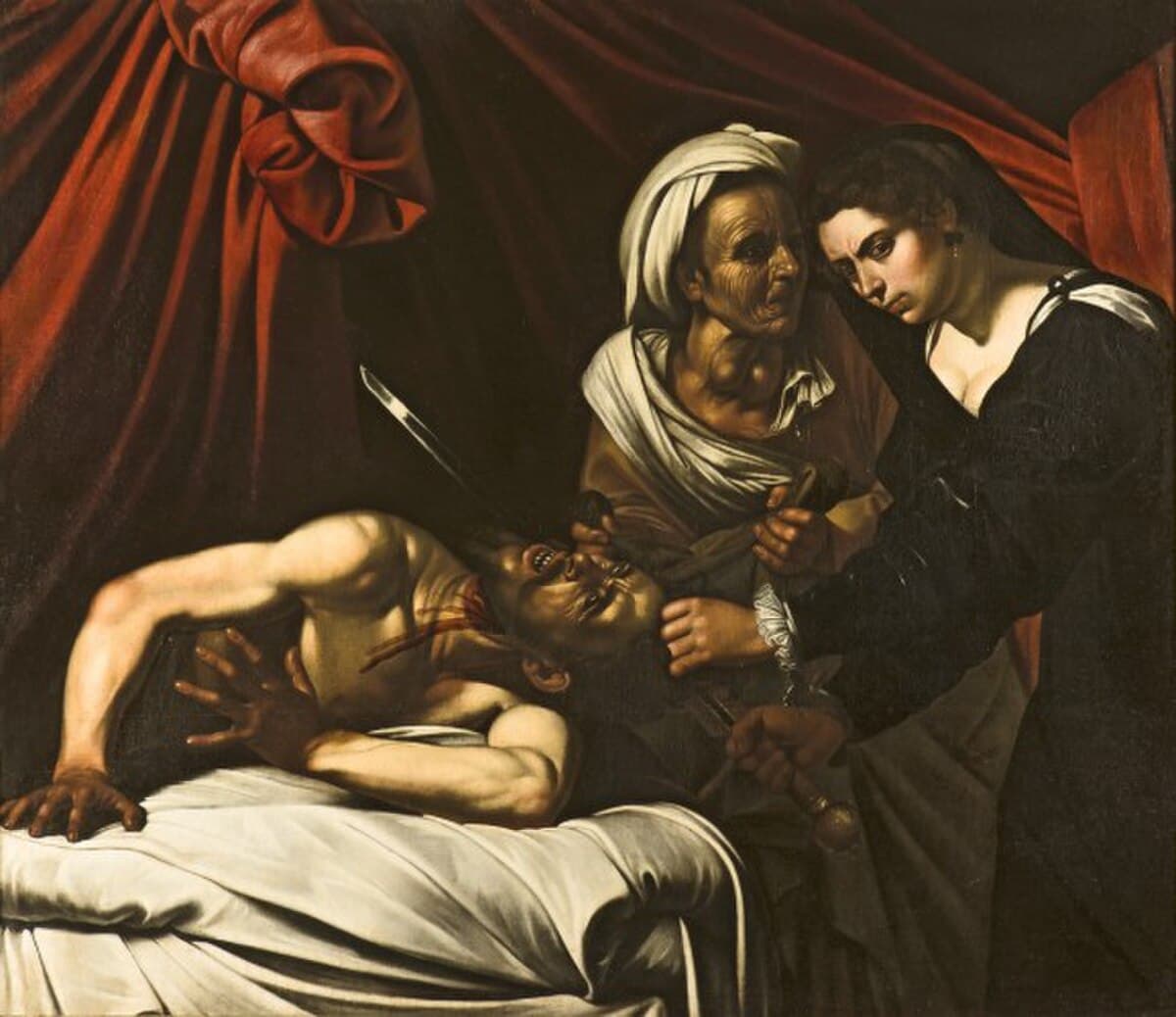
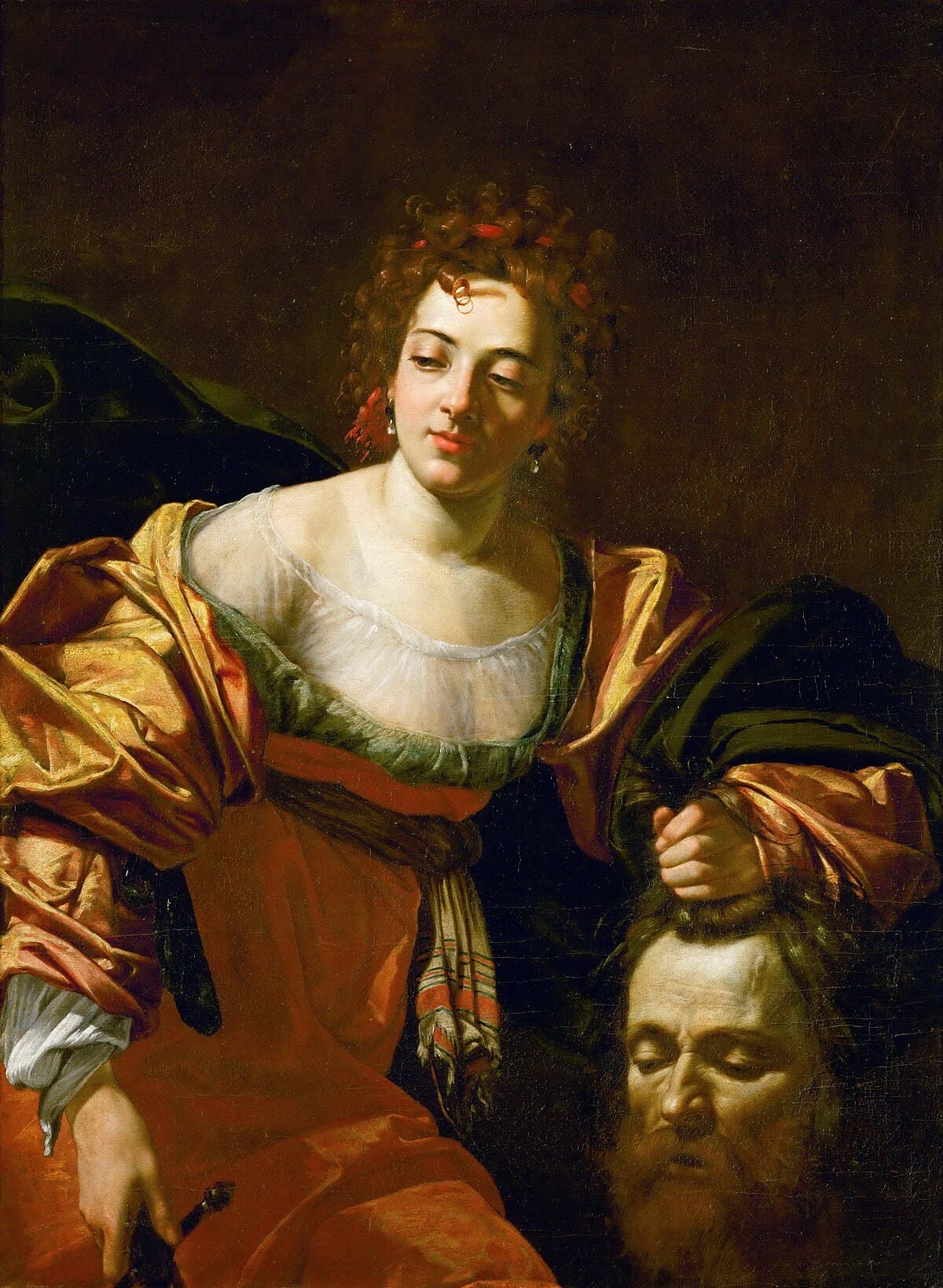
Judith with the Head of Holophernes
by Simon Vouet
Artwork Details
Cite or Embed This Work
APA · MLA · Chicago1-click academic citation and embeddable “On View” museum badge for articles, syllabi, and research.
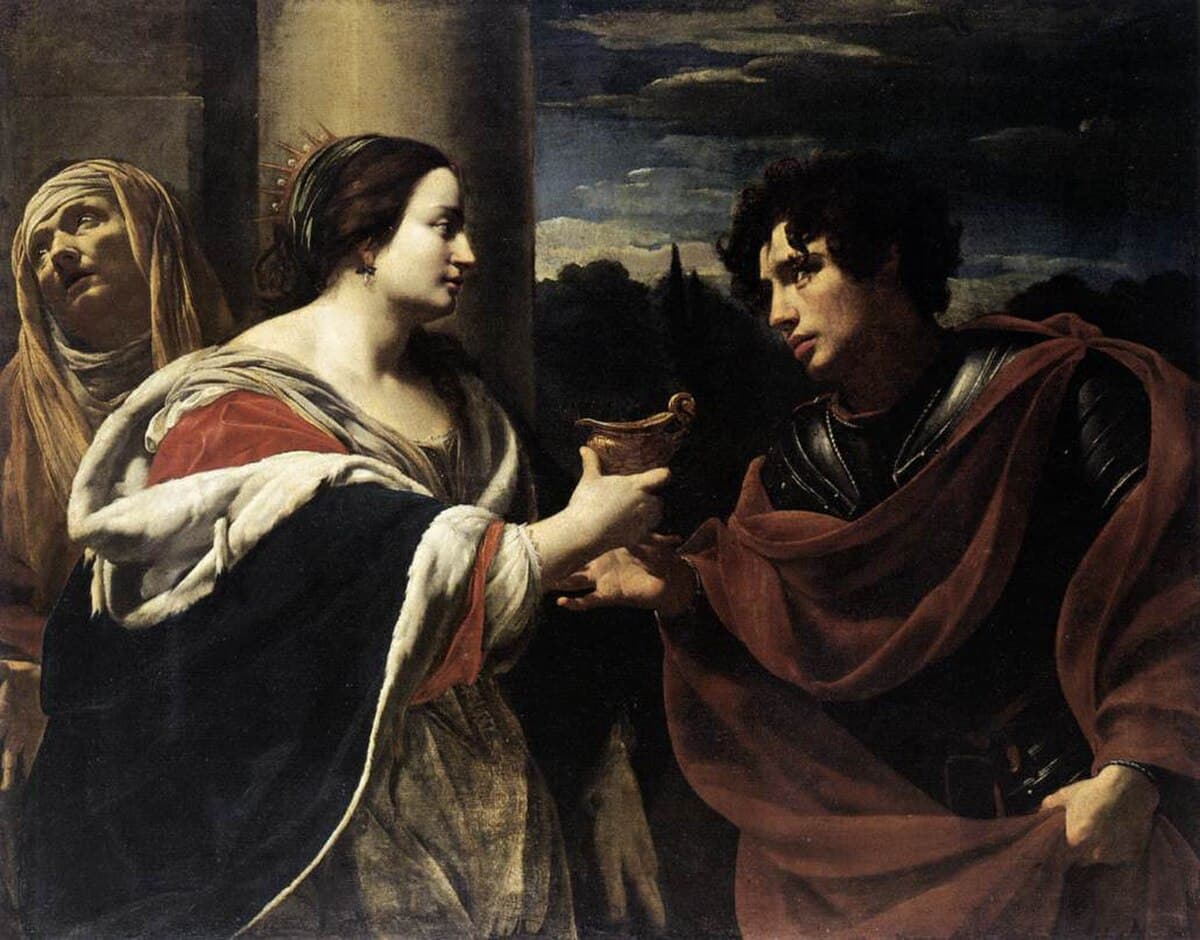
French artist Simon Vouet painted this powerful depiction of Judith around 1625, during his extended stay in Italy. The painting shows the Jewish heroine holding the severed head of the Assyrian general Holofernes, whom she had seduced and beheaded to save her people. Judith became a popular subject for Baroque artists, symbolizing female heroism and divine intervention.
Vouet spent over a decade in Italy, mostly in Rome, where he absorbed the innovations of Caravaggio along with influences from Veronese, Carracci, and Guercino. His Judith demonstrates the dramatic lighting and emotional intensity of the Italian Baroque. The painting measures 97 by 73.5 cm and is executed in oil on canvas with characteristic rich colors and confident brushwork.
In 1627, King Louis XIII called Vouet back to Paris to be his court painter. He became instrumental in introducing the Italian Baroque style to France, refining Caravaggio's innovations into what would become the French school of painting. This Judith is held at the Alte Pinakothek in Munich.