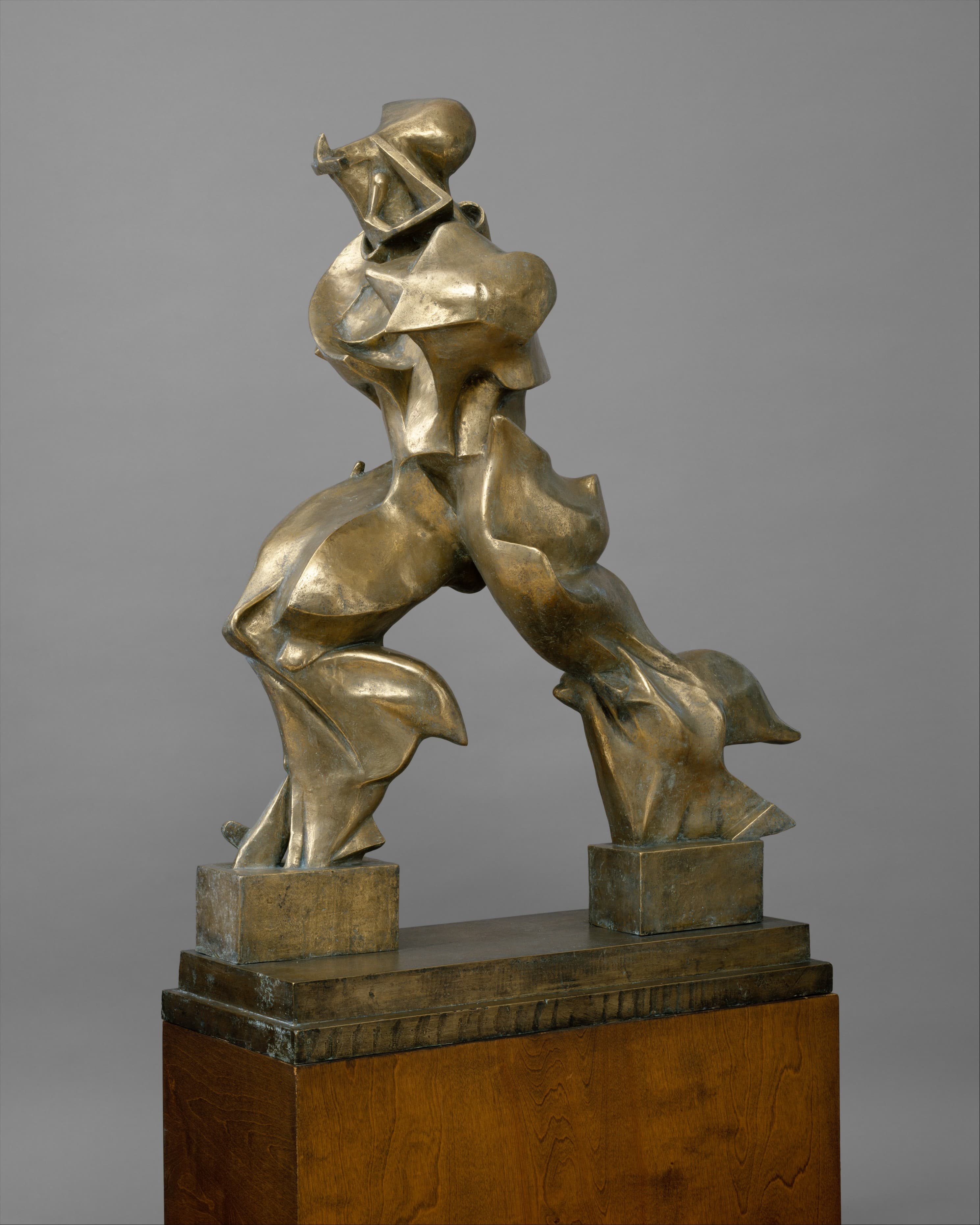
Unique Forms of Continuity in Space
by Umberto Boccioni, 1913
by Umberto Boccioni, 1913
1-click academic citation and embeddable “On View” museum badge for articles, syllabi, and research.
Italian artist Umberto Boccioni created this Unique Forms of Continuity in Space in 1913, the work of Futurist sculpture. The striding figure appears to merge with the air it displaces, muscular forms flowing backward like flames. Boccioni sought to capture speed, force, and the interpenetration of body and environment.
The Futurists worshipped modernity, machines, and motion. Boccioni wrote that sculpture should "abolish the finite line and the closed statue" and instead show objects interacting with their surroundings. This figure achieves that goal: we see not a man walking but the act of walking itself, force made visible in bronze.
The original plaster was cast in bronze only after Boccioni's death in 1916 at age 33. The Museum of Modern Art in New York owns a cast, as does the Tate Modern in London. The image appears on the Italian 20-cent euro coin, a fitting tribute to an artist who celebrated speed and believed Italy must embrace the future. His sculpture captured that future in permanent form.
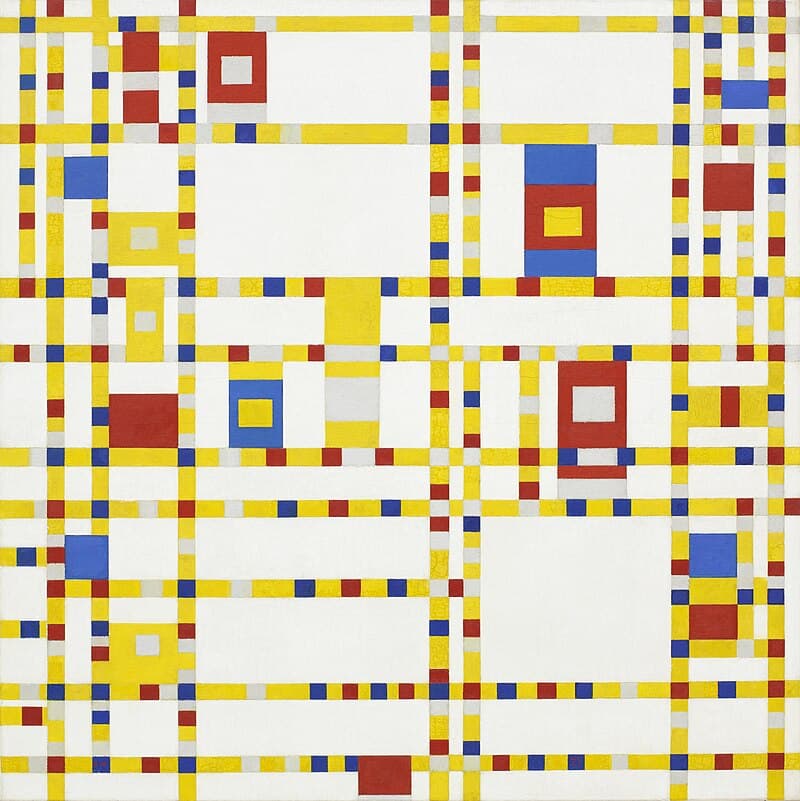
Piet Mondrian, 1943
Museum of Modern Art (MoMA), New York
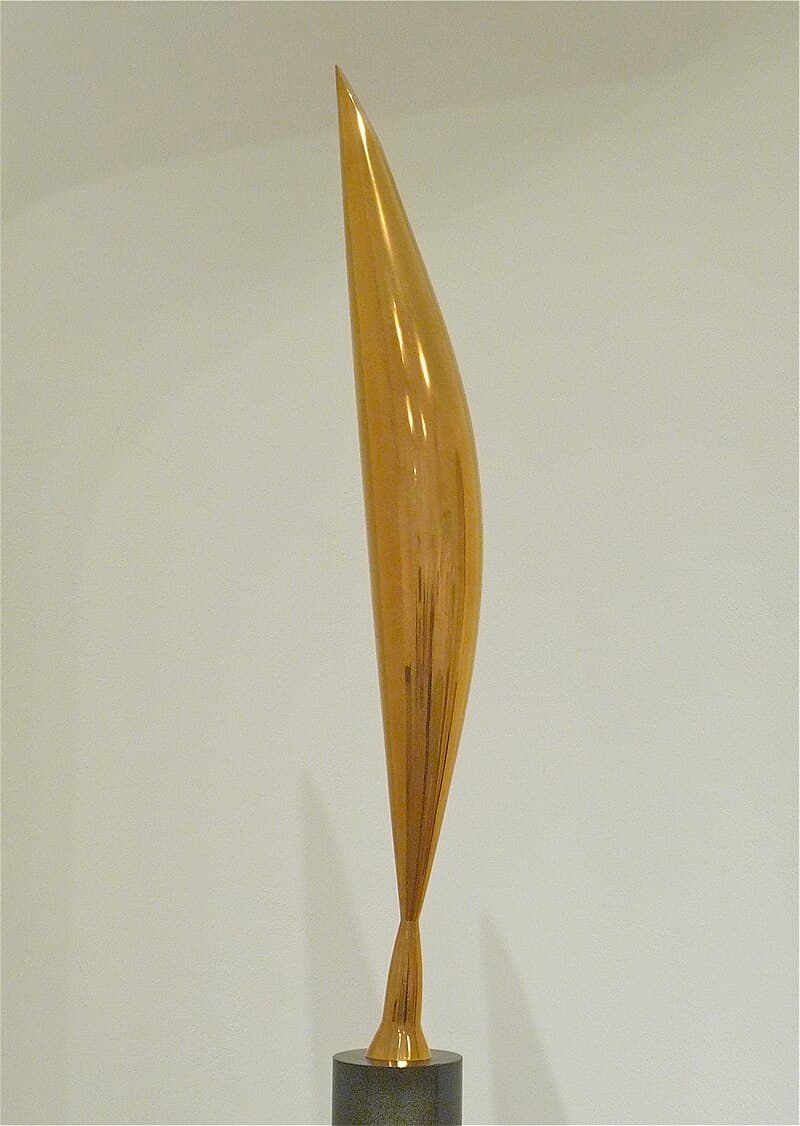
Constantin Brâncuși, 1923
Museum of Modern Art (MoMA), New York
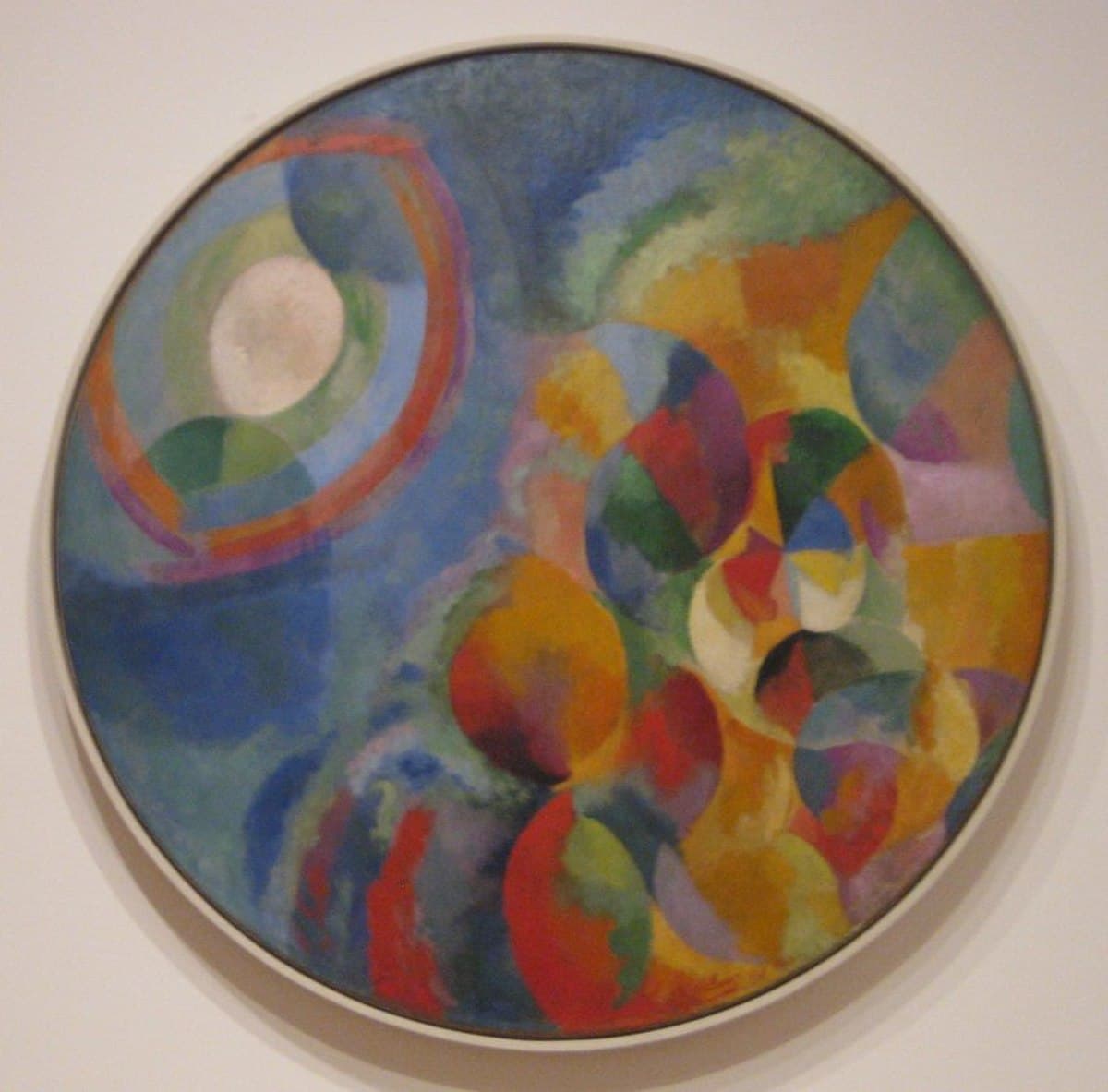
Robert Delaunay
Museum of Modern Art (MoMA), New York
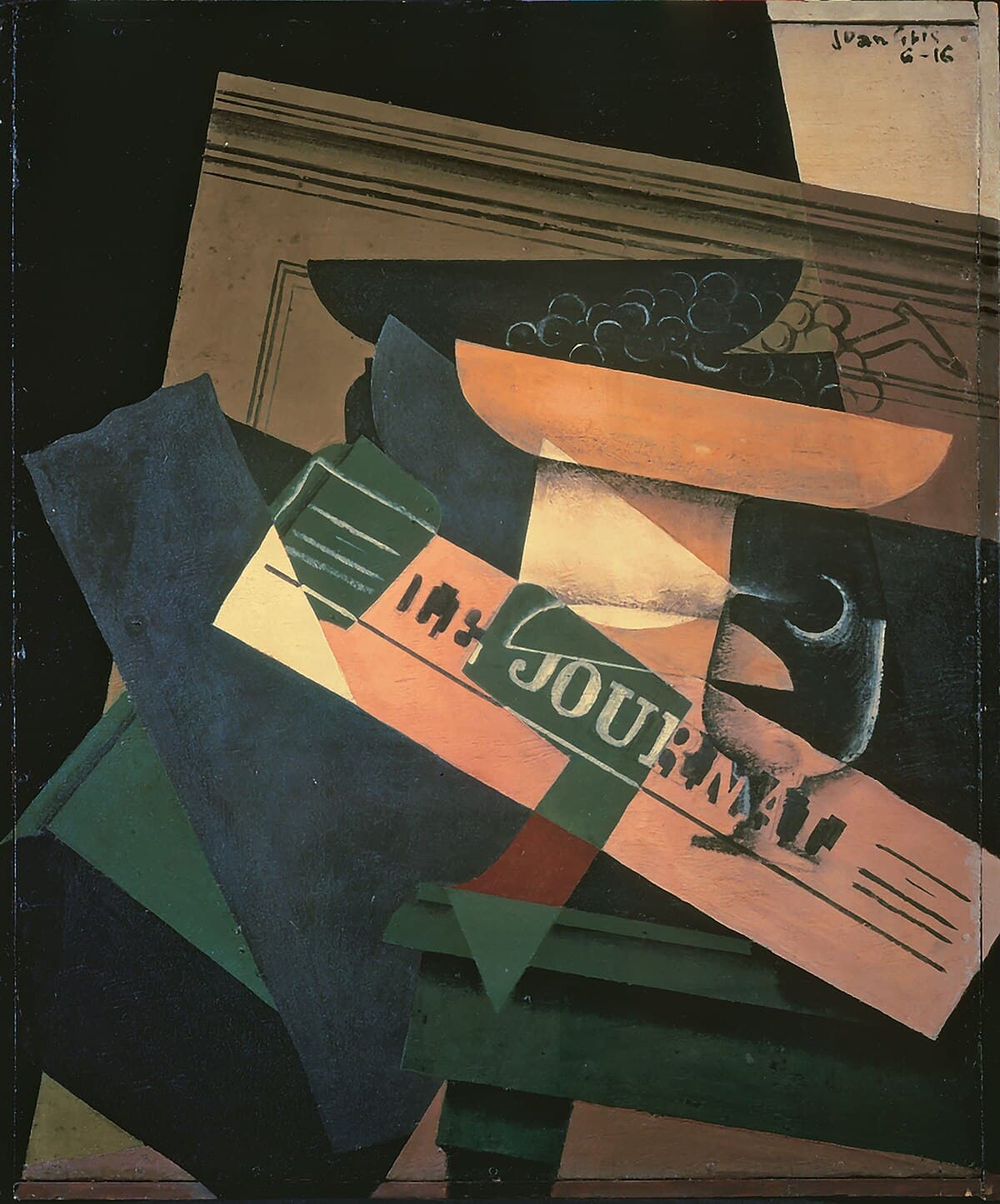
Juan Gris
Museum of Modern Art (MoMA), New York
Works that share an artist, movement, museum, genre, palette or theme with Unique Forms of Continuity in Space.

Umberto Boccioni, 1913
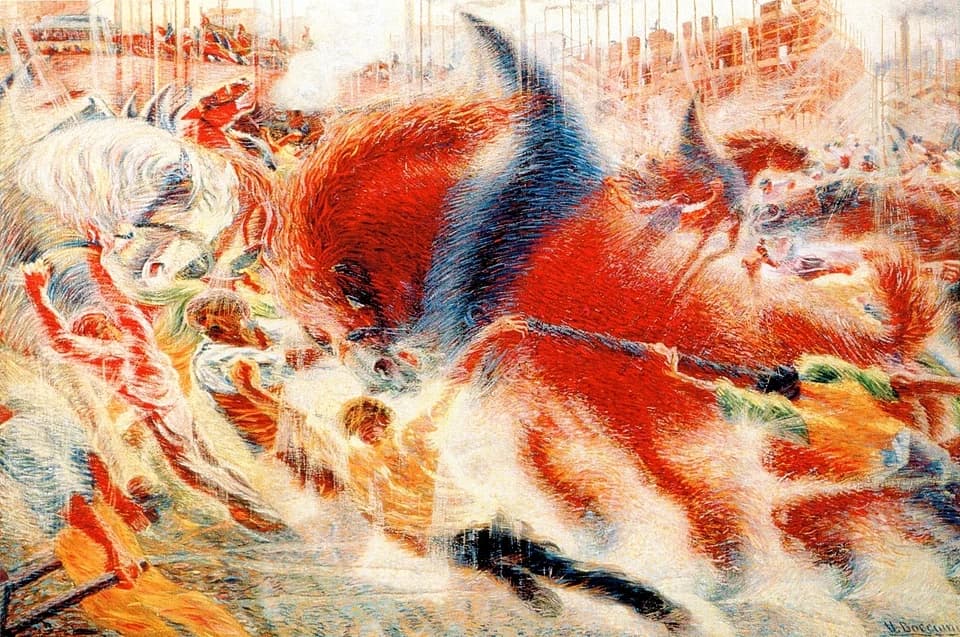
Umberto Boccioni, 1910
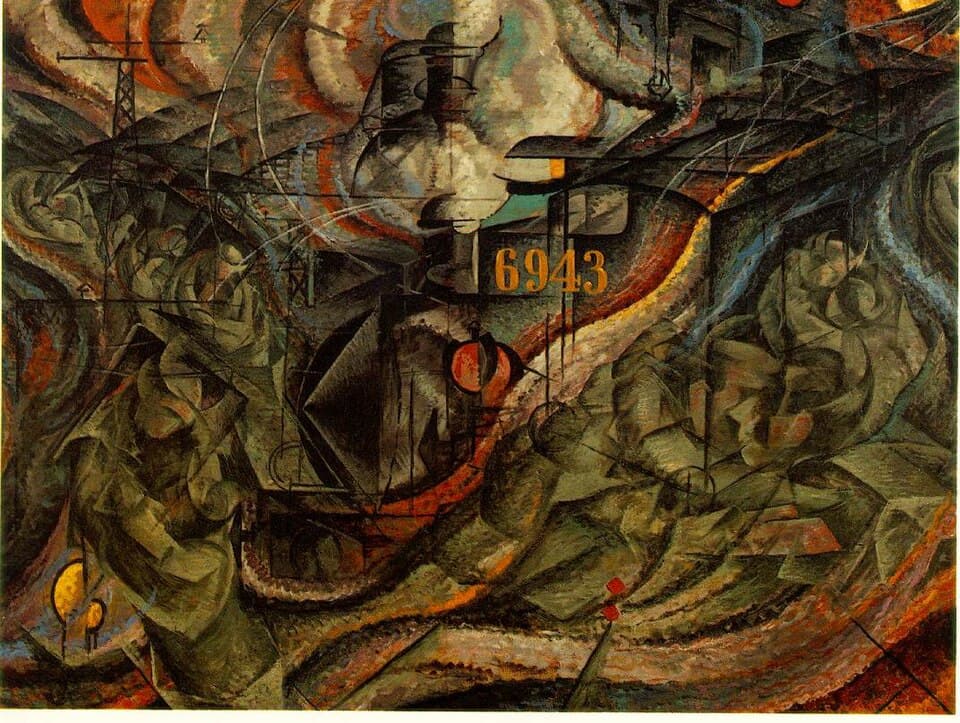
Umberto Boccioni, 1911

Alberto Giacometti, 1947

Fernand Léger, 1913
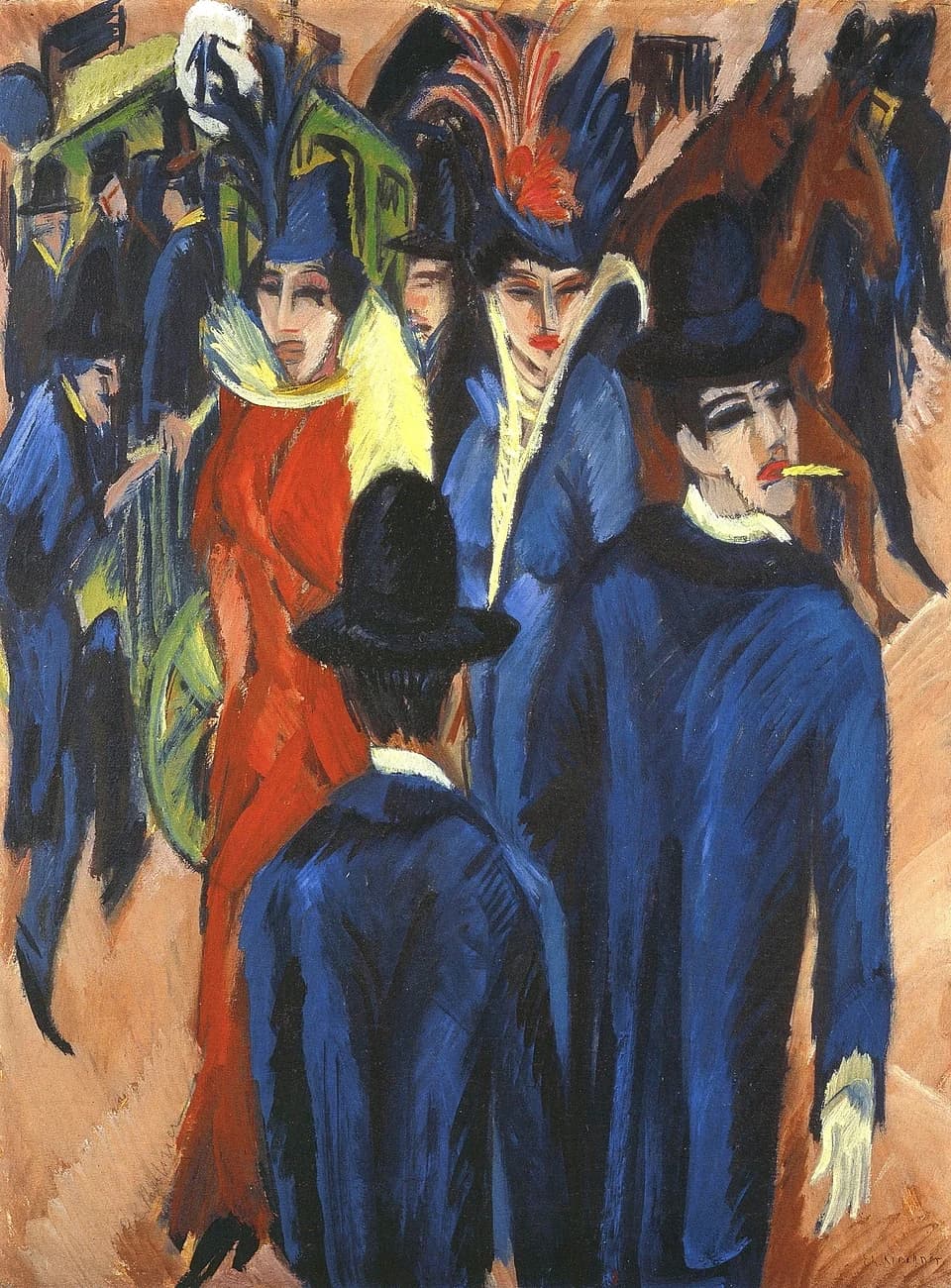
Ernst Ludwig Kirchner, 1913
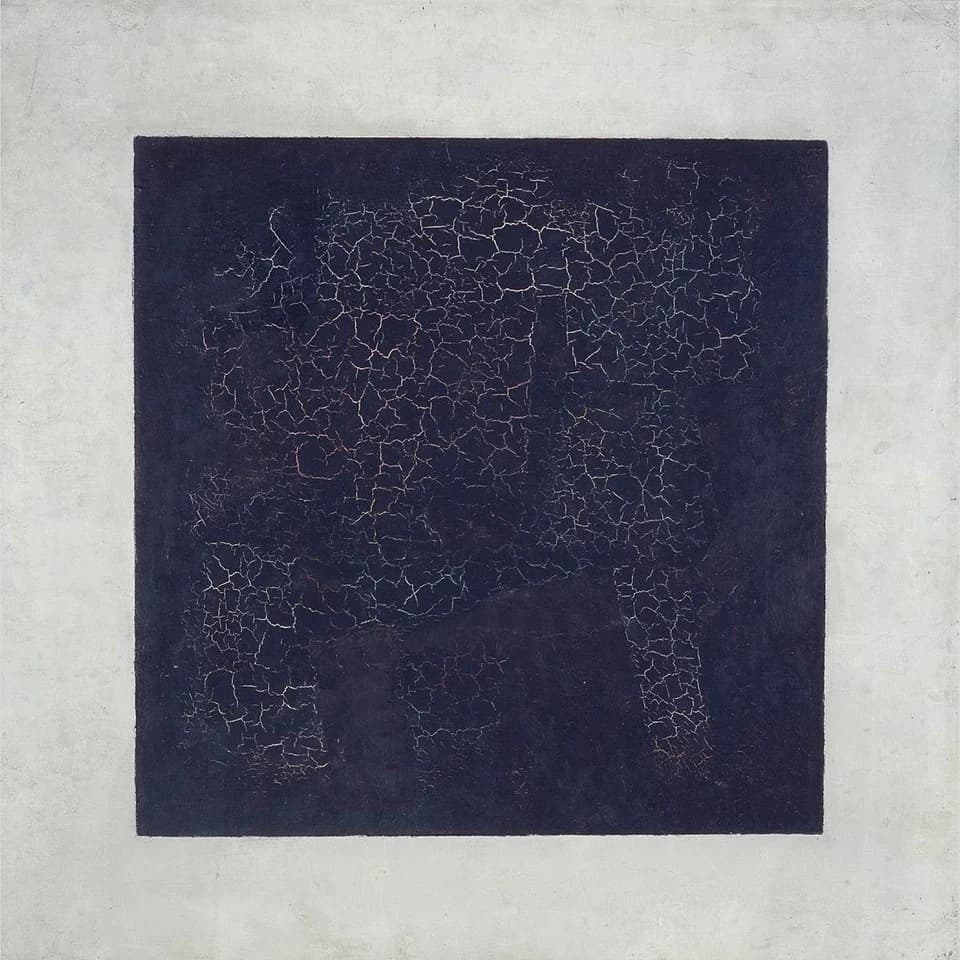
Kazimir Malevich, 1916
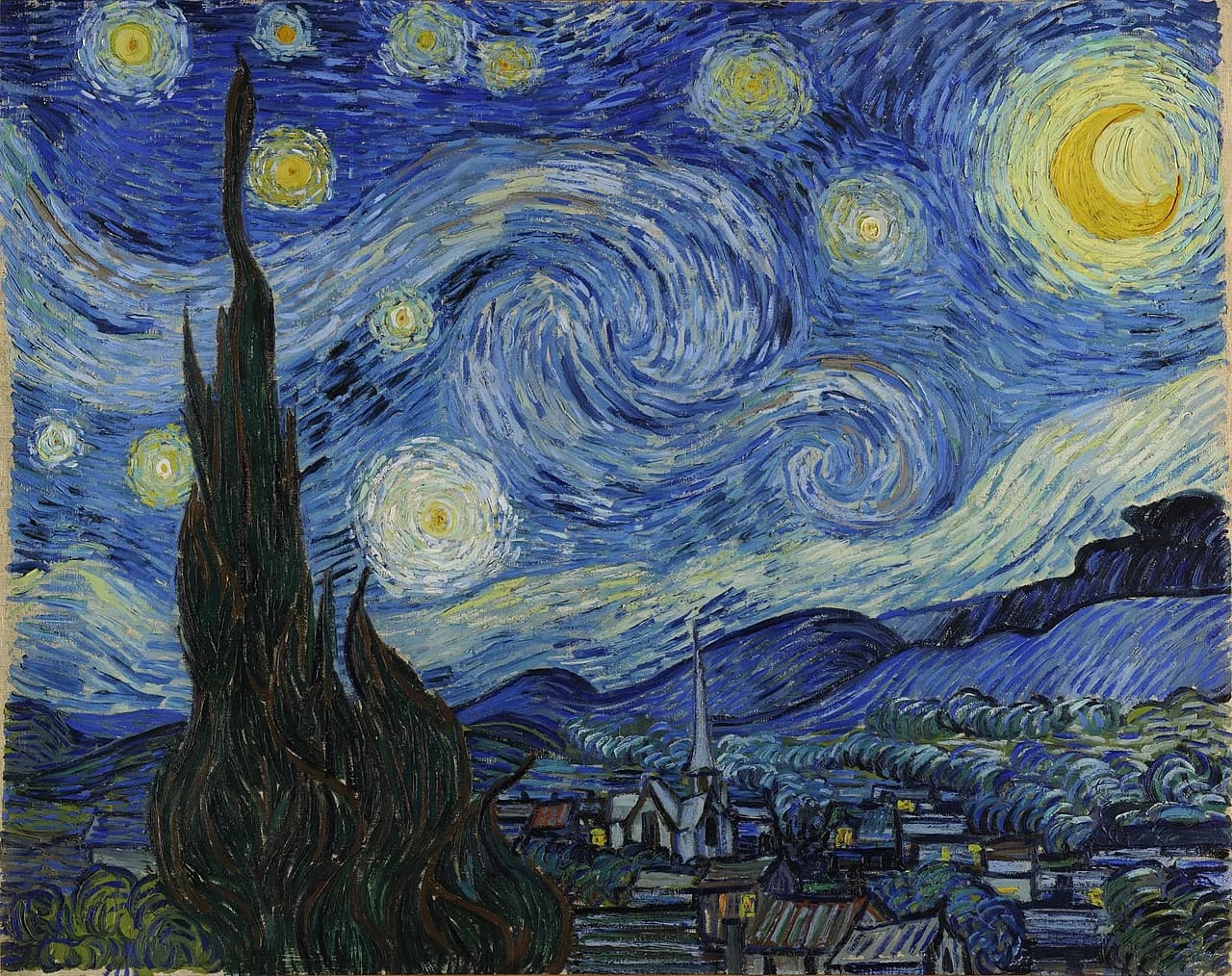
Vincent van Gogh, 1889

Claude Monet, 1906
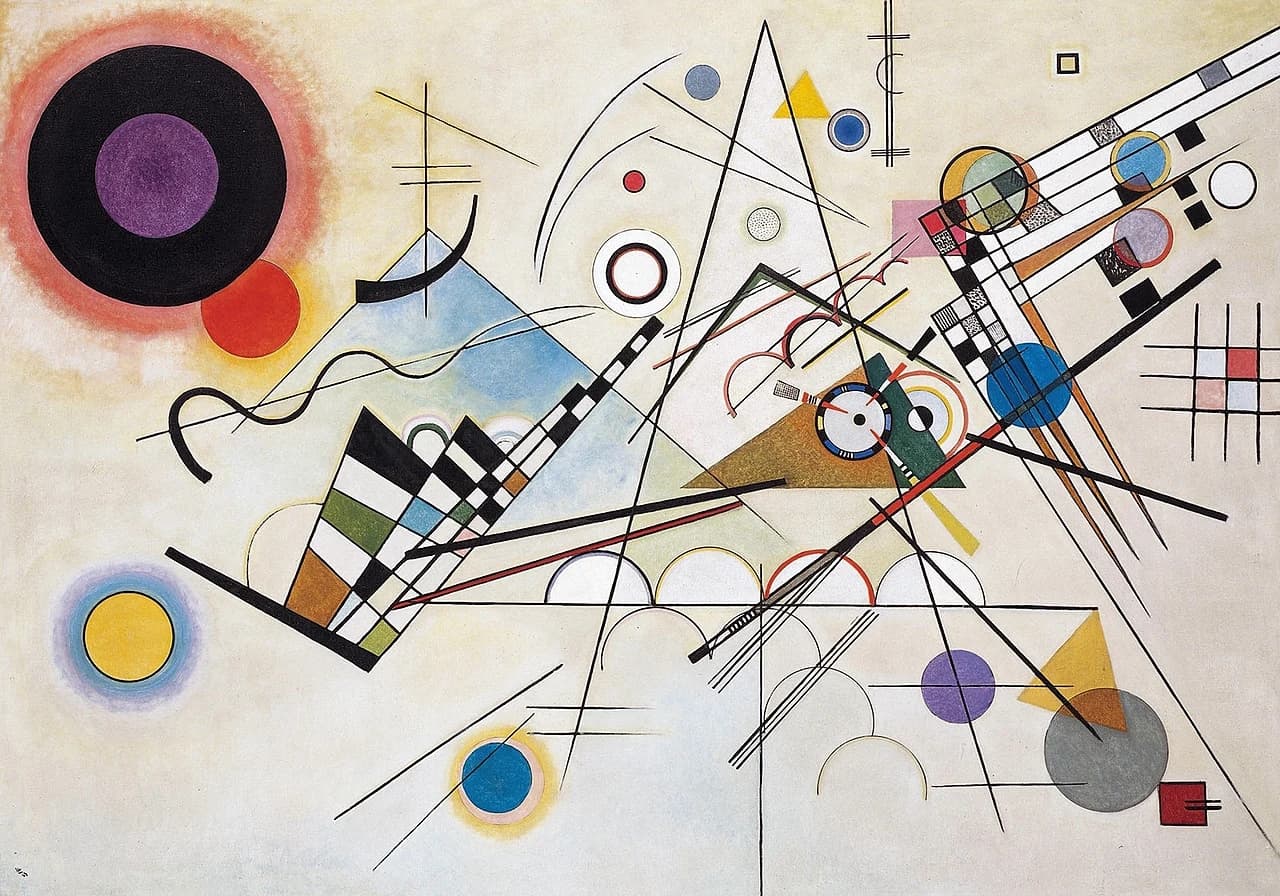
Wassily Kandinsky, 1923
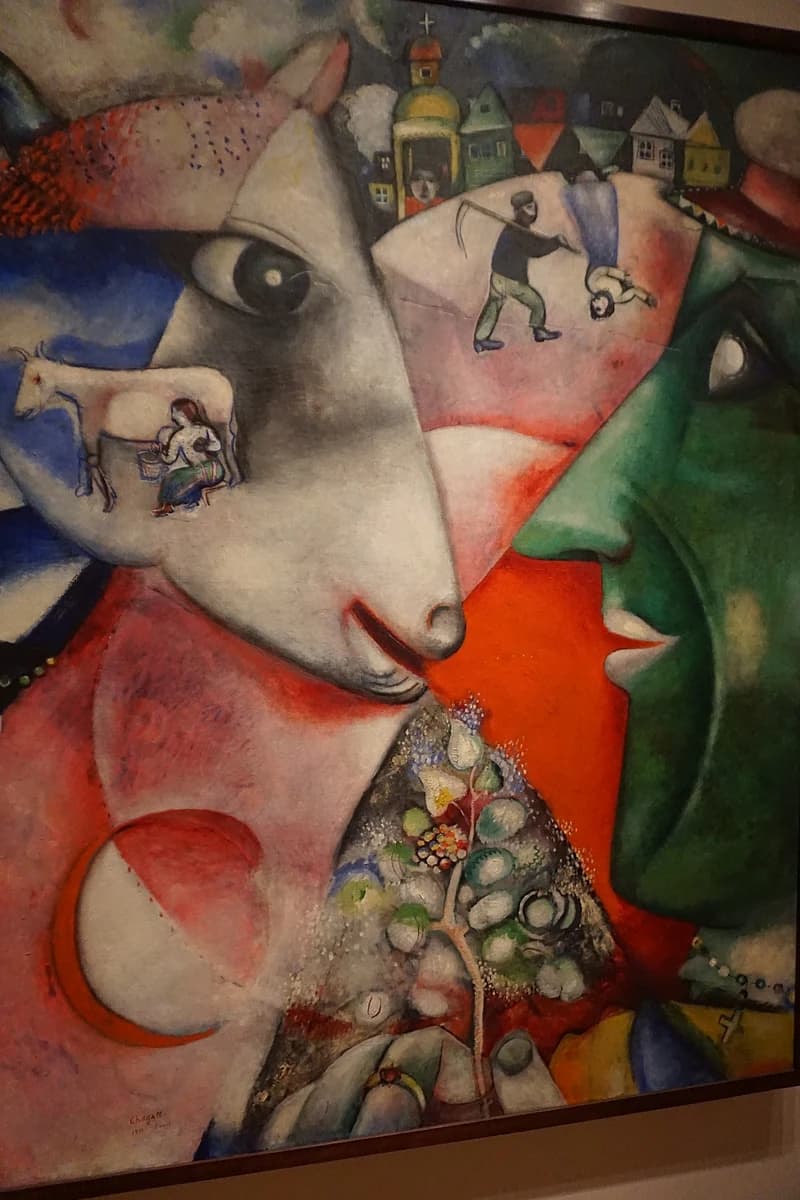
Marc Chagall, 1911

Vincent van Gogh, 1889
Luxury wall art with the same mood and energy. Gallery-quality canvas, no museum crowds.
Browse Collection