Dutch·1566–1651
No Portrait Available
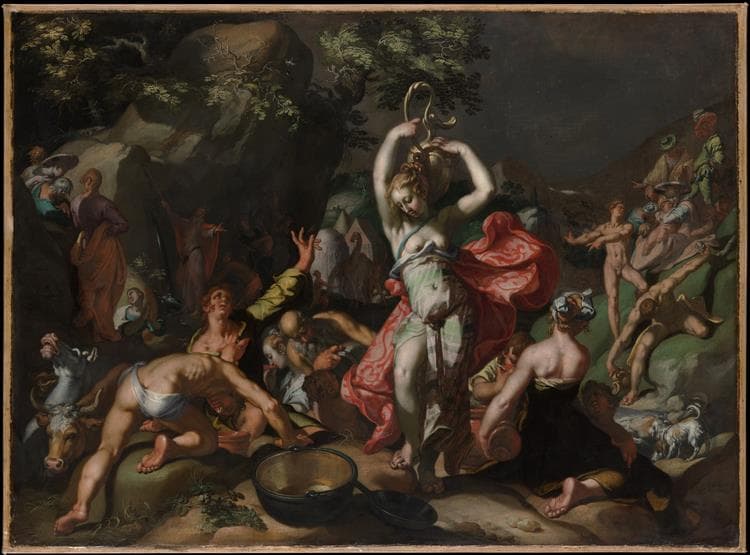
Abraham Bloemaert (1566–1651) shaped Dutch painting for nearly a century. Born in Gorinchem, he trained in Utrecht and Paris before returning to establish one of the most influential workshops in the Netherlands. He co-founded the Utrecht Guild of Saint Luke in 1611 and trained most of the Utrecht Caravaggisti, including Gerrit van Honthorst and Hendrick ter Brugghen.
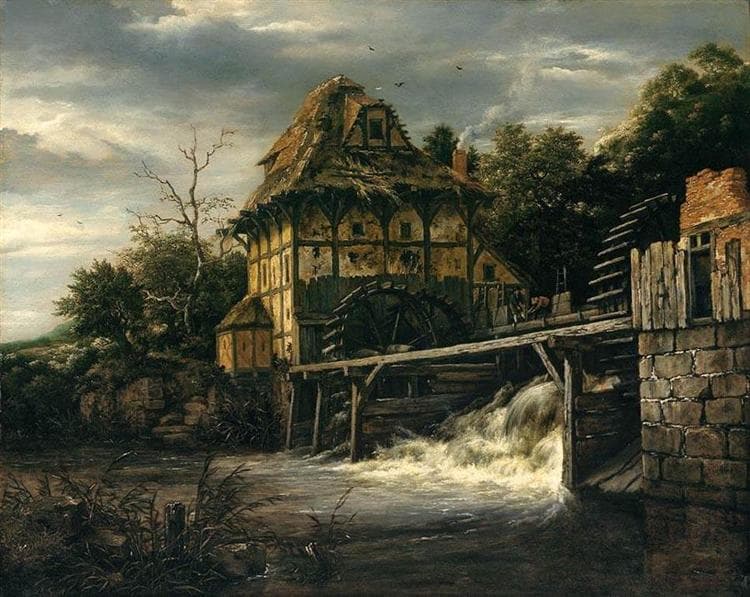
Bloemaert's style evolved dramatically over his long career. He began as a leading Dutch Mannerist, creating elongated figures and complex compositions. Around 1610, he shifted toward classicism. In the 1620s, he absorbed influences from Caravaggio's dramatic lighting, which his students had brought back from Rome. His subjects ranged from religious scenes to pastoral landscapes with ruined cottages.
He was remarkably prolific, producing roughly 200 paintings, 1,700 drawings, and 600 prints. Peter Paul Rubens visited his studio, as did Elizabeth Stuart, the Winter Queen. Many commissions came from Utrecht's clandestine Catholic churches during the Protestant era. He married twice and fathered fourteen children with his second wife. Four of his sons became respected painters or engravers themselves. Bloemaert died in Utrecht at eighty-four, having worked continuously for over six decades. His paintings can be found at the Rijksmuseum, the Louvre, and the National Gallery in London.
Primary Genres
Notable Works by Abraham Bloemaert
2 paintings catalogued with museum locations
Museums with Abraham Bloemaert's Work
2 museums display Bloemaert's works. Click any museum to see visiting info and the specific works they hold.
Related Artists
Other Baroque artists you might like
About Abraham Bloemaert
His work is displayed at the Rijksmuseum in Amsterdam, the Louvre in Paris, and the National Gallery in London. The Centraal Museum in Utrecht, his home city, holds an important collection reflecting his dominance of local artistic life for over fifty years.
He trained most of the Utrecht Caravaggisti, the Dutch followers of Caravaggio who spread dramatic lighting across Northern Europe. His students included Gerrit van Honthorst, Hendrick ter Brugghen, Jan van Bijlert, and Jan Both. His four sons, Hendrick, Frederick, Cornelis, and Adriaan, also became accomplished painters or engravers under his instruction.
Bloemaert was extraordinarily prolific, creating approximately 200 paintings, 1,700 drawings, and 600 prints over his career. His drawing manual became widely influential across Europe. Many paintings were commissioned by Utrecht's clandestine Catholic churches, as the city maintained a strong Catholic presence despite Protestant rule.
He co-founded the Utrecht Guild of Saint Luke in 1611 alongside Joachim Wtewael and Paulus Moreelse, becoming its dean in 1618. His teaching workshop was among the most influential in the Netherlands, shaping generations of Dutch painters and spreading Italian influences throughout the region.
Love Abraham Bloemaert's Style?
Explore art inspired by Baroque.
Browse Collection