Diego Velázquez
Spanish·1599–1660
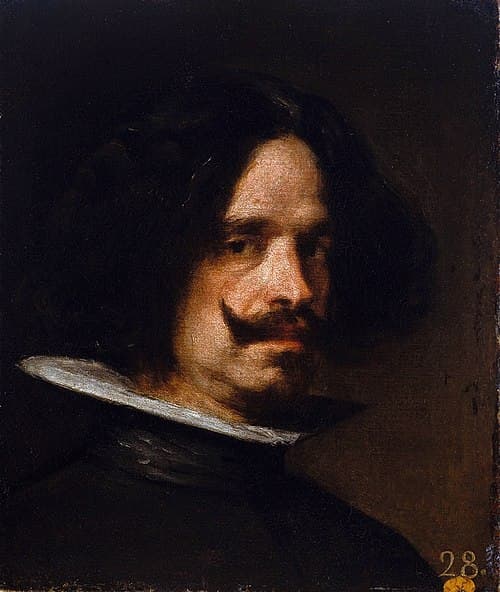
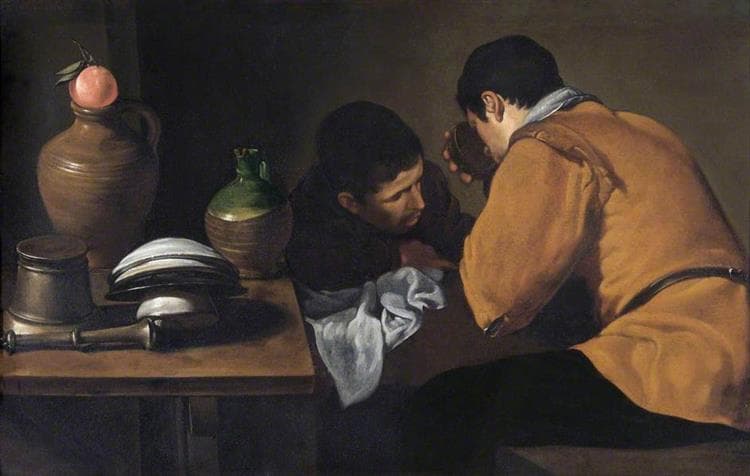
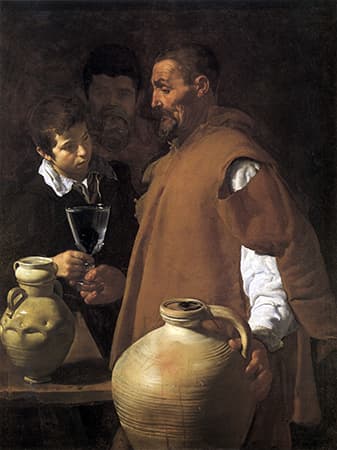
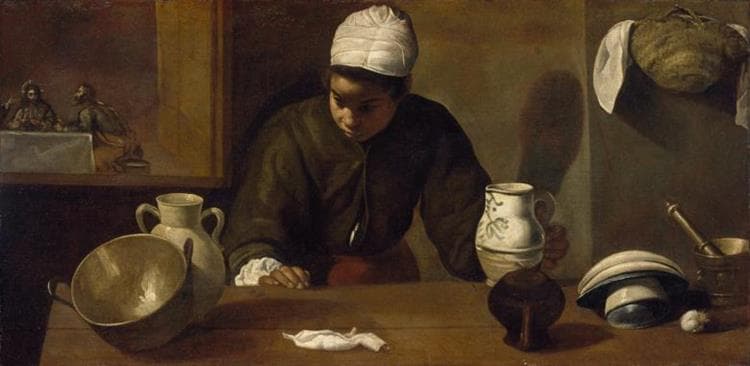
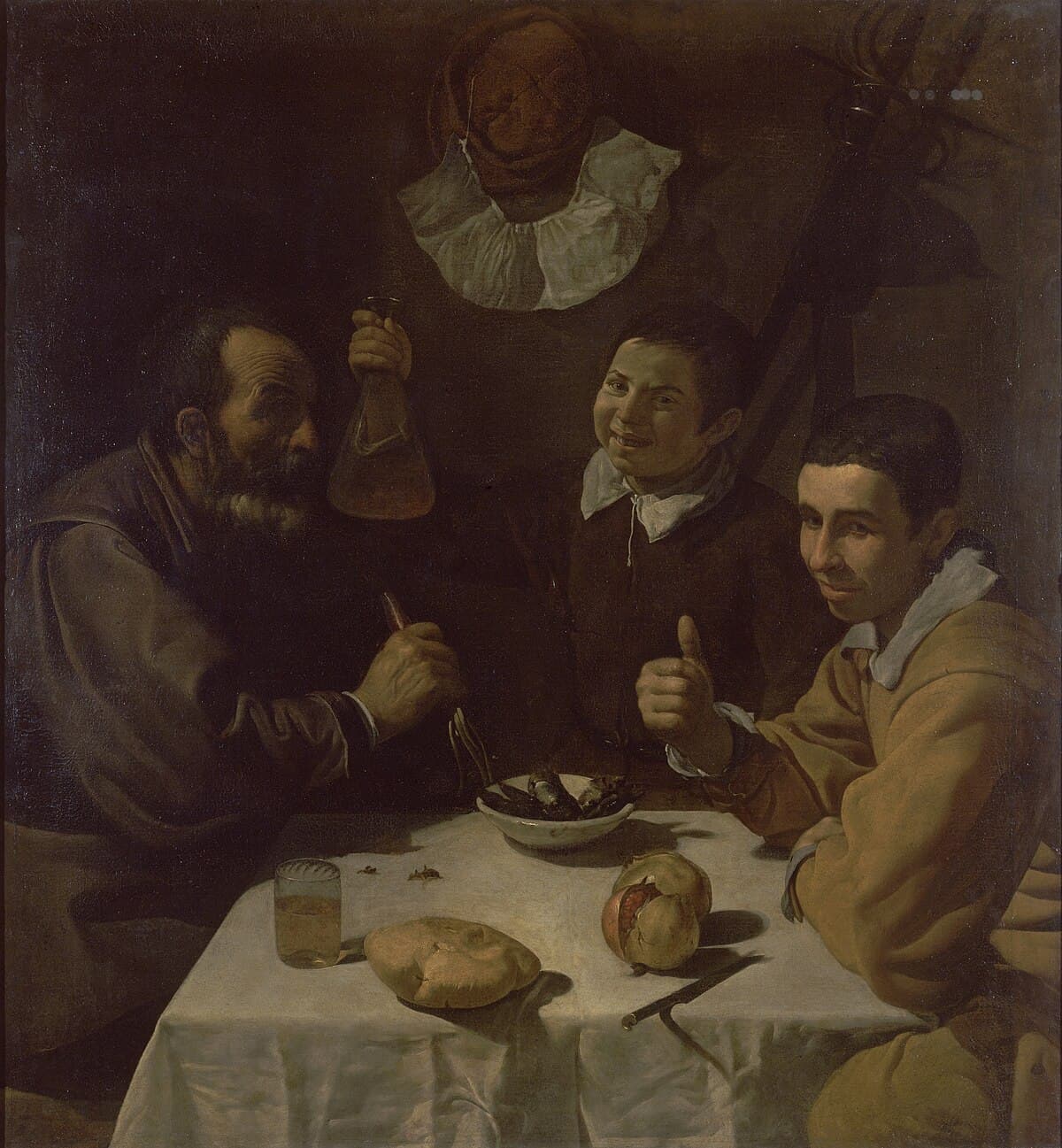
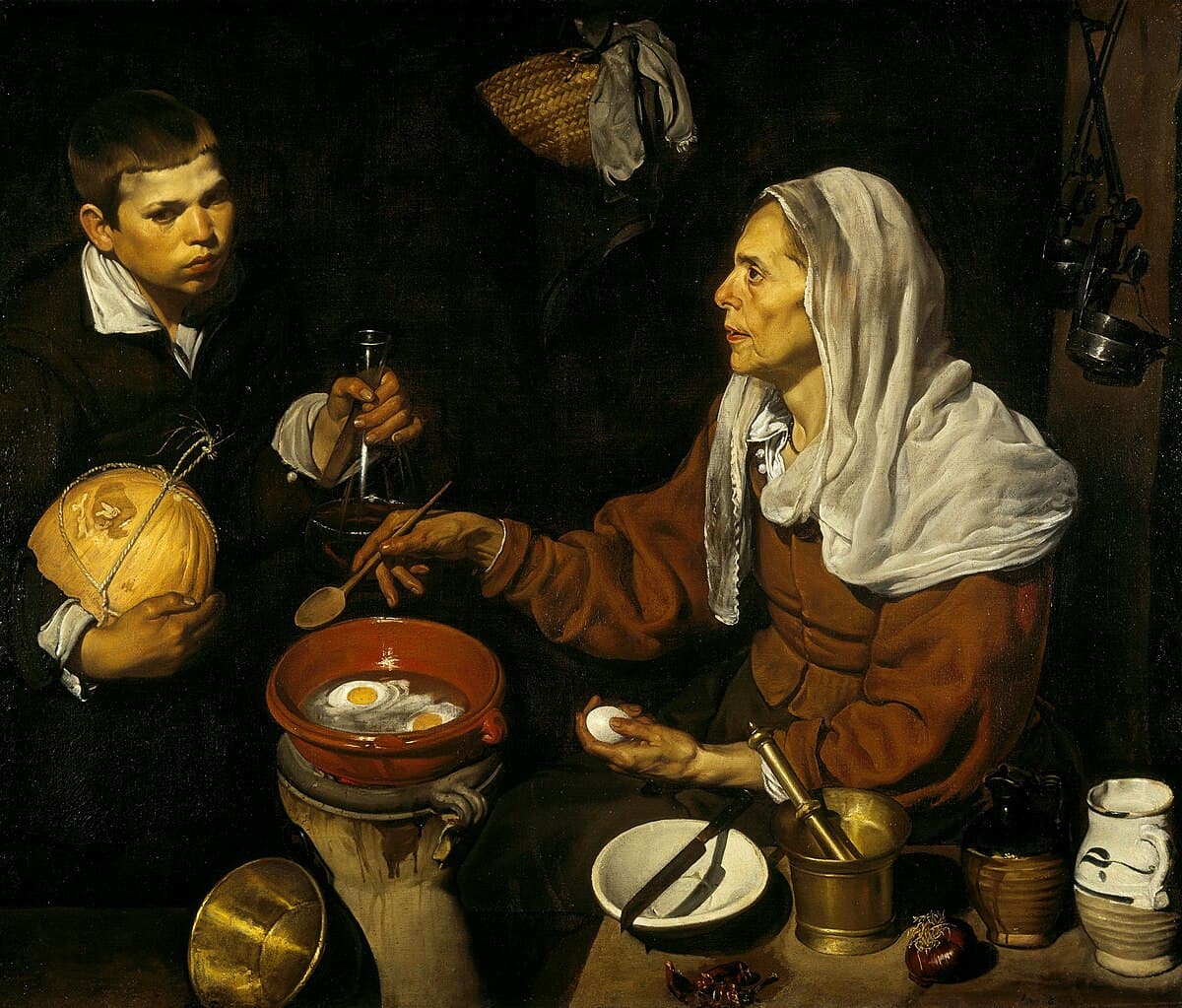
Diego Velázquez was baptized in Seville on June 6, 1599, and trained for six years under the painter and scholar Francisco Pacheco, whose academy exposed him to more than brushwork, including classical literature, proportion, and perspective theory. He married Pacheco's daughter Juana in 1618 and, still in his teens, was already painting the kitchen scenes known as bodegones. The Waterseller of Seville (about 1620), with its careful still life of clay jars and stark, Caravaggio-like lighting, shows the naturalism that set him apart from other young Seville painters almost immediately.
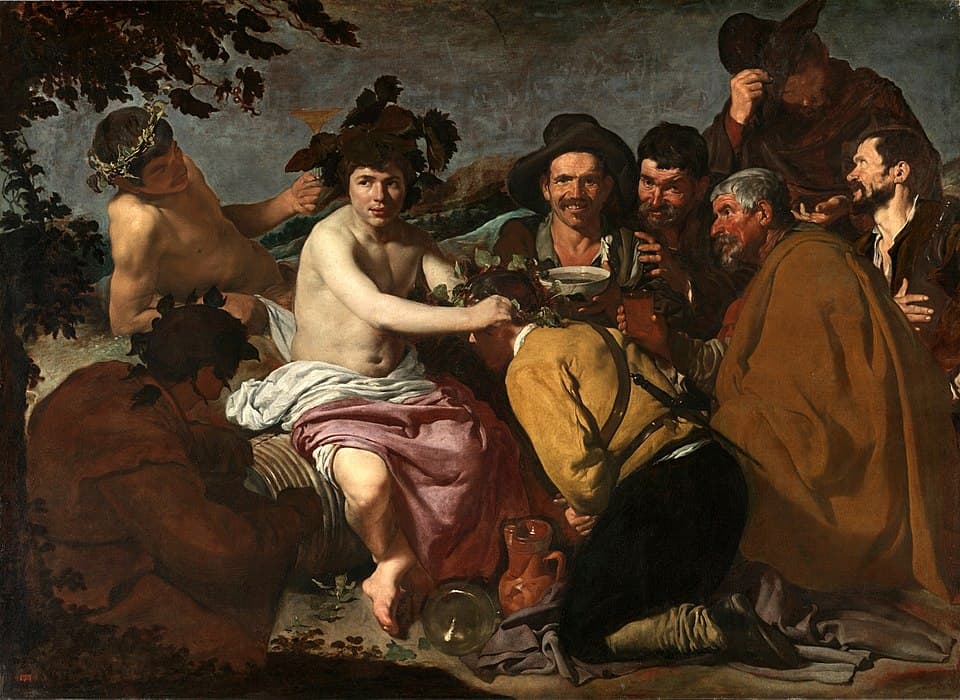
A trip to Madrid in 1622 led to a royal commission the following year, and King Philip IV liked the resulting portrait enough to make Velázquez his court painter on the spot, with a promise that no other artist would paint the king's likeness again. The Triumph of Bacchus (1629), known popularly as Los Borrachos, was his first mythological subject and marked a shift from portraiture toward more ambitious compositions, part of the Spanish Baroque at its height.
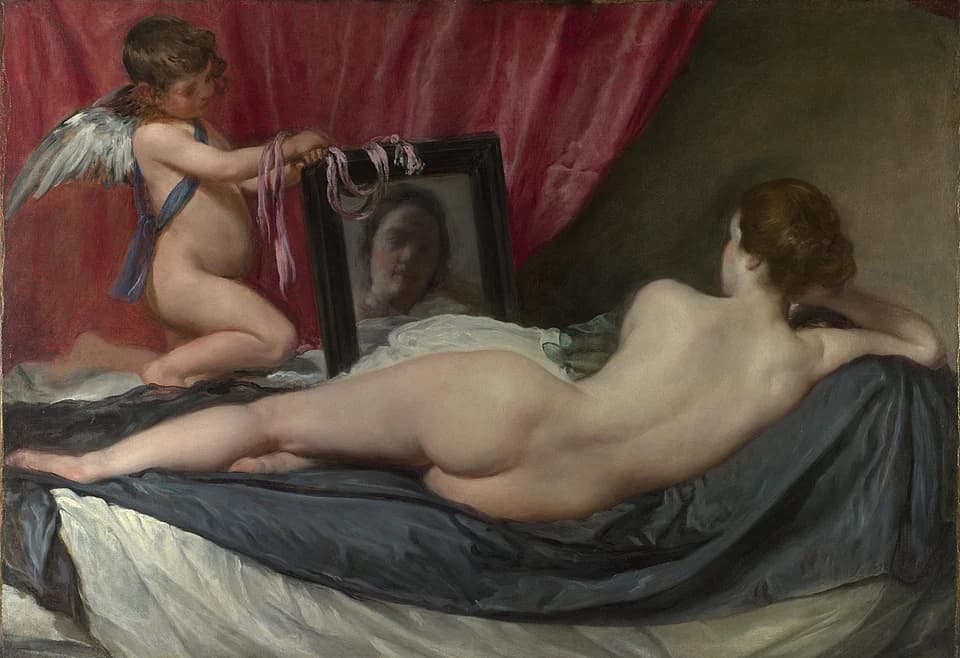
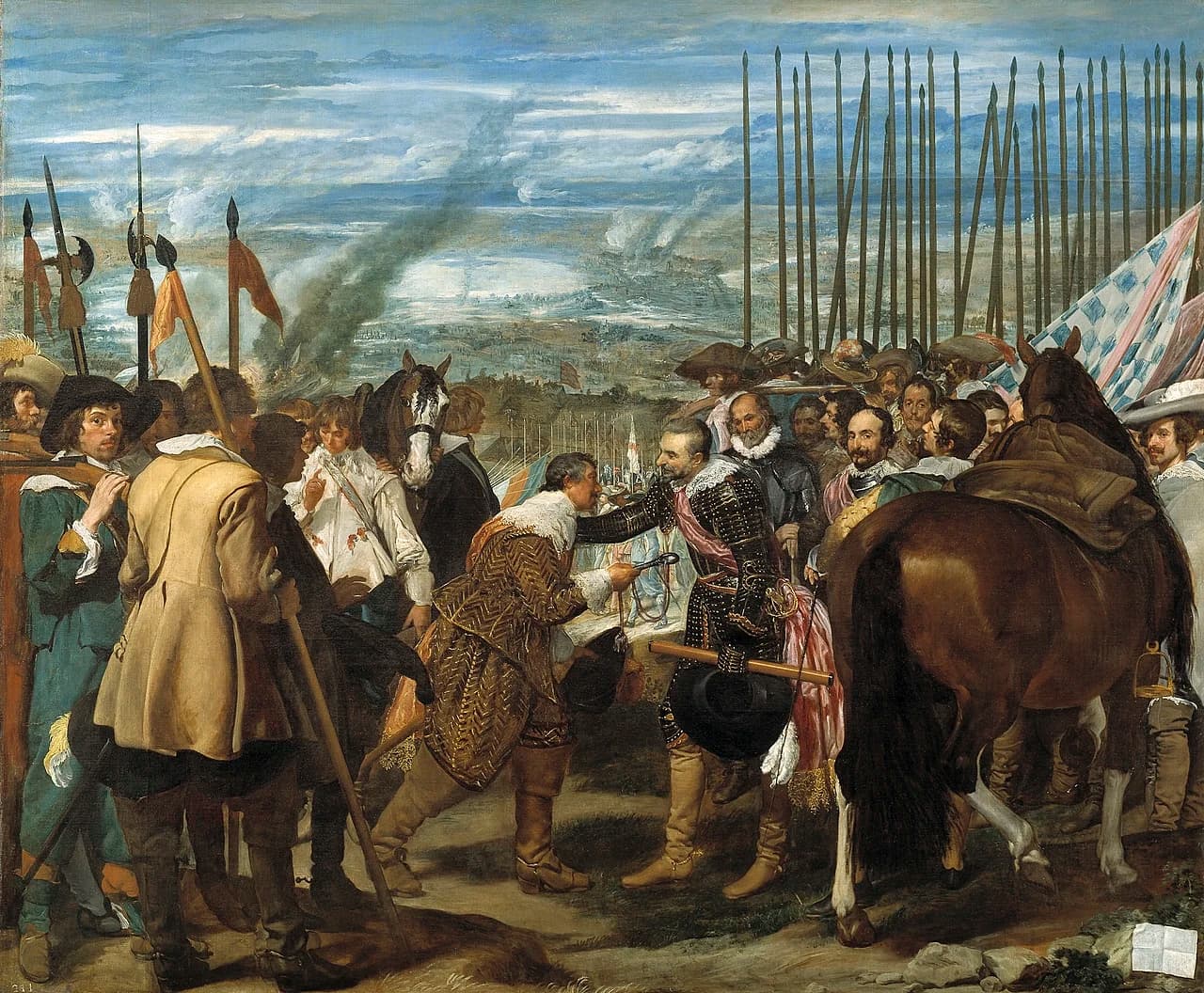
Velázquez traveled to Italy for the first time in 1629, studying Venetian color and light for a year and a half before returning to Madrid with a looser, more luminous technique. Over the next two decades he painted royal portraits, equestrian scenes for the Buen Retiro palace, and The Surrender of Breda (1635), a battlefield scene notable for treating the defeated Dutch commander with the same dignity as the victorious Spanish general. He also painted the court's dwarfs and jesters with unusual sympathy, and produced The Rokeby Venus, the only surviving female nude from his hand, a subject the Spanish Inquisition rarely tolerated but overlooked given his standing at court.
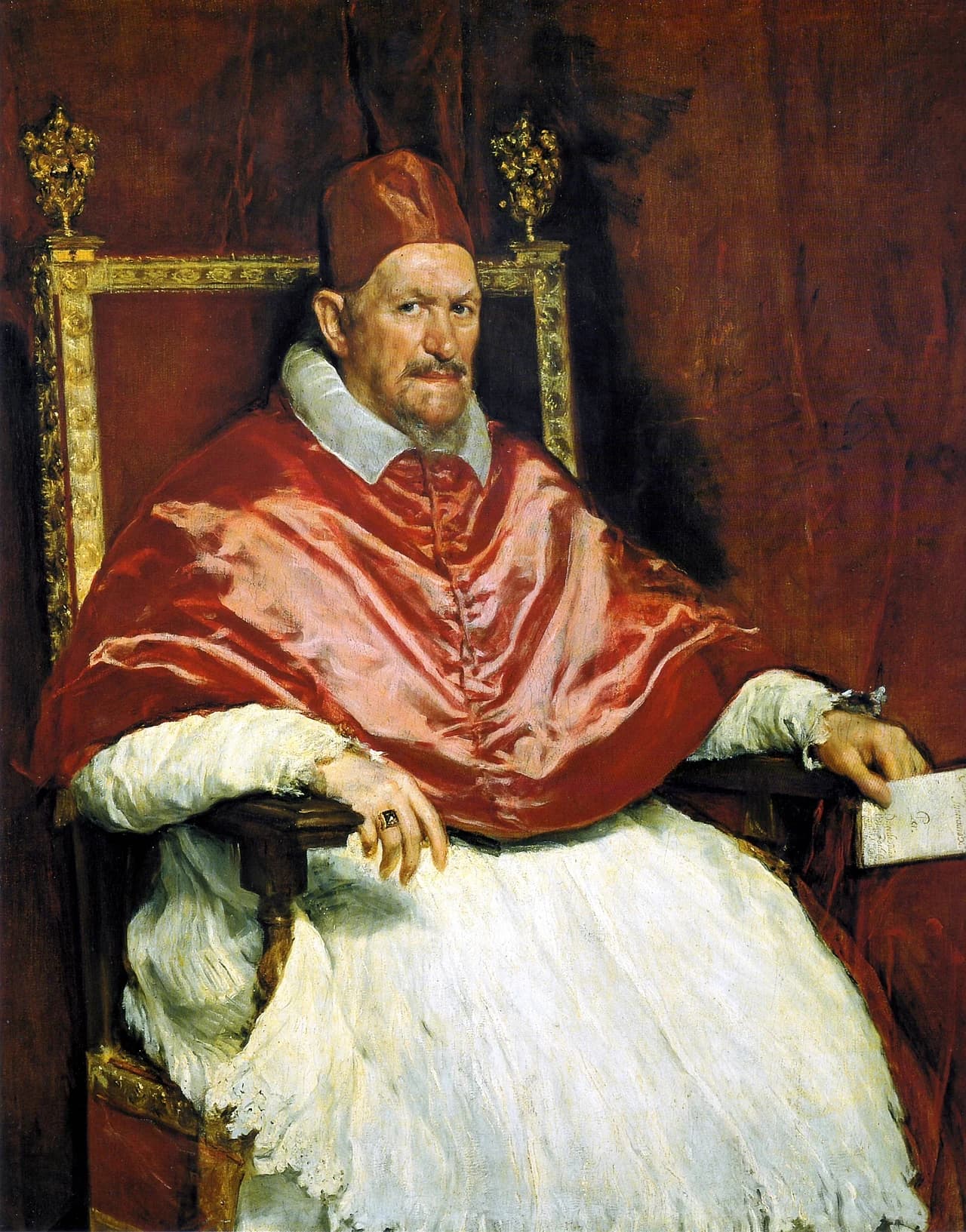
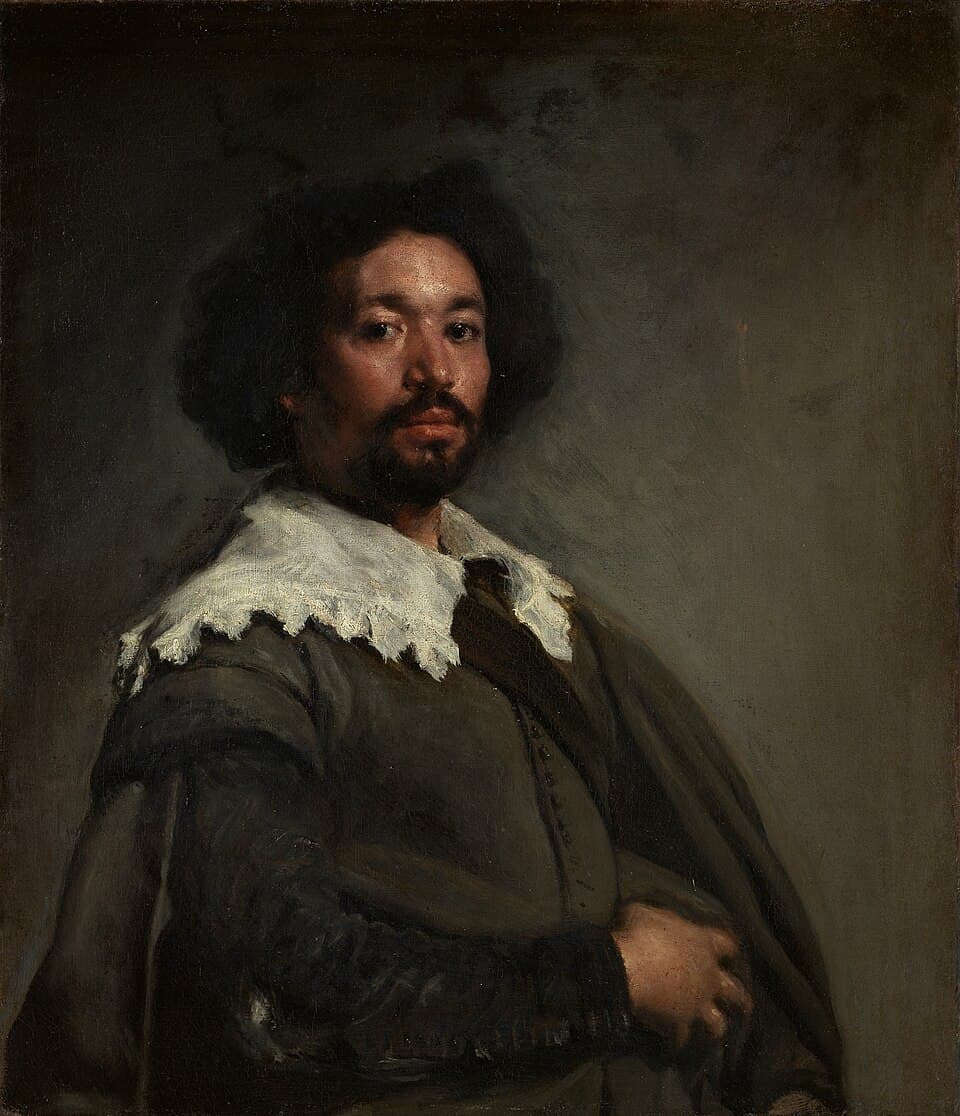
A second Italian trip in 1649 brought Velázquez to Rome with his assistant Juan de Pareja, an enslaved man he had trained as a painter. There he completed Portrait of Innocent X, a picture so unflinching the pope reportedly called it "too truthful," and painted Juan de Pareja, whose quality won Velázquez election to Rome's Accademia di San Luca. He freed Pareja that November, before returning to Spain.
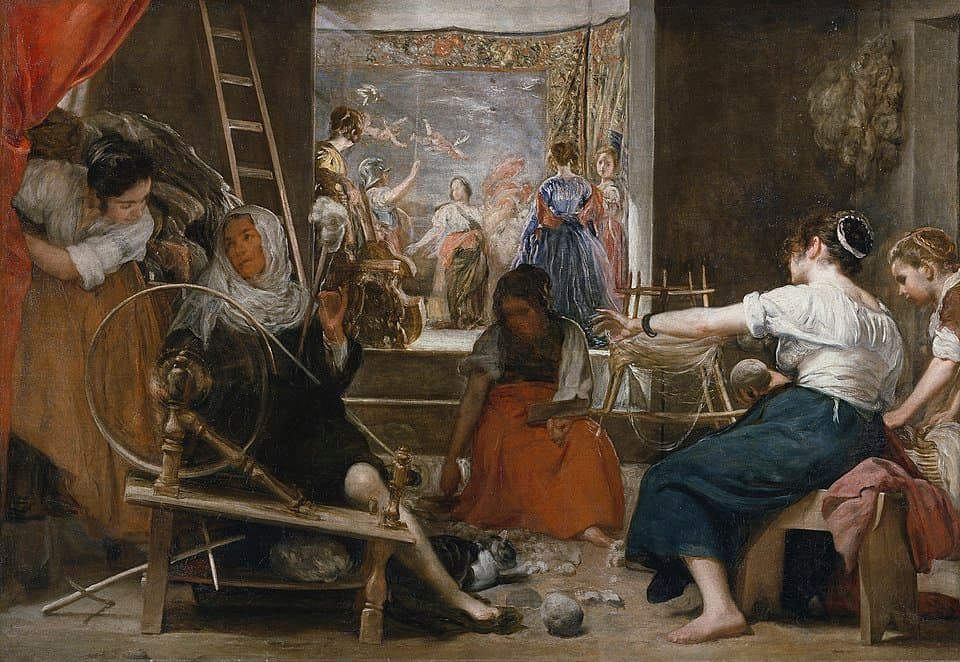
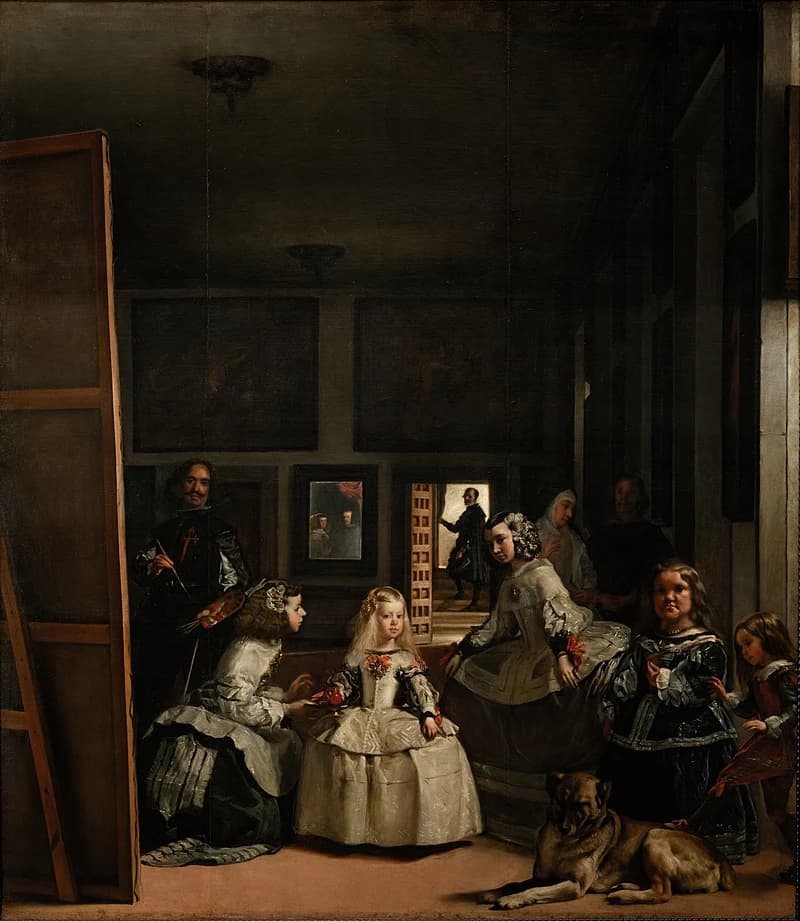
Back in Madrid, Velázquez took on the demanding court post of aposentador mayor, overseeing the royal household's living quarters, and continued painting between administrative duties. Las Meninas (1656), his best-known work, places the young Infanta Margaret Theresa, her attendants, two dwarfs, and Velázquez himself, brush in hand, inside a single ambiguous room, painting a scene whose subject remains debated centuries later. He followed it with The Spinners in 1657, a weaving workshop scene built around the myth of Arachne. In 1659, three years after finishing Las Meninas, Velázquez was finally knighted into the Order of Santiago, a cross from which appears painted onto his own chest in that picture.
Velázquez fell ill with fever after organizing ceremonies for a Franco-Spanish peace treaty in June 1660 and died in Madrid on August 6 of that year, at 61. His wife Juana died within the week and was buried beside him; the church holding their remains was later destroyed, leaving his exact burial site unknown. Most of his surviving work, including Las Meninas, remains at the Museo del Prado in Madrid, while the Metropolitan Museum of Art holds the Juan de Pareja portrait and the National Gallery in London owns the Rokeby Venus.