Asher Brown Durand
American·1796–1886
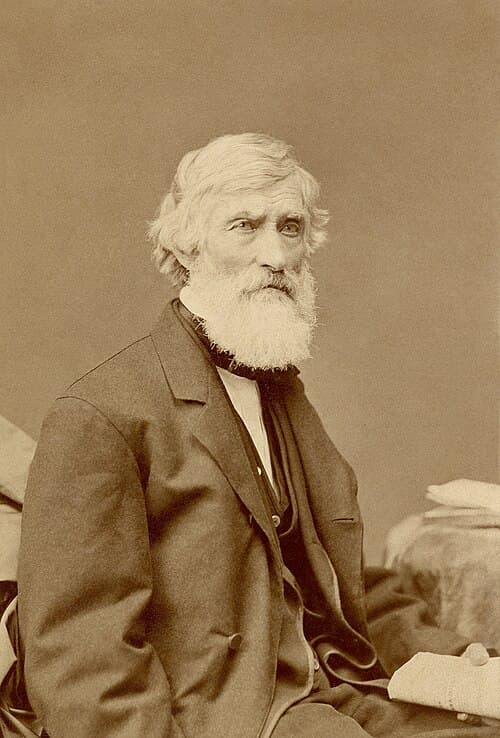
Asher Brown Durand (1796–1886) began as America's finest engraver and became the dean of American landscape painting. Born in New Jersey to a watchmaker, he apprenticed with engraver Peter Maverick and gained national fame in 1823 for his engraving of John Trumbull's Declaration of Independence. His banknote engravings were used for America's first postage stamps in 1847.
Around 1830, patron Luman Reed encouraged Durand to switch from engraving to oil painting. In 1837, he sketched with Thomas Cole in the Adirondacks and soon devoted himself entirely to landscapes. He became a central figure in the Hudson River School, painting the Catskills, Adirondacks, and White Mountains with careful attention to trees, rocks, and foliage. He was among the earliest Americans to paint directly from nature outdoors.
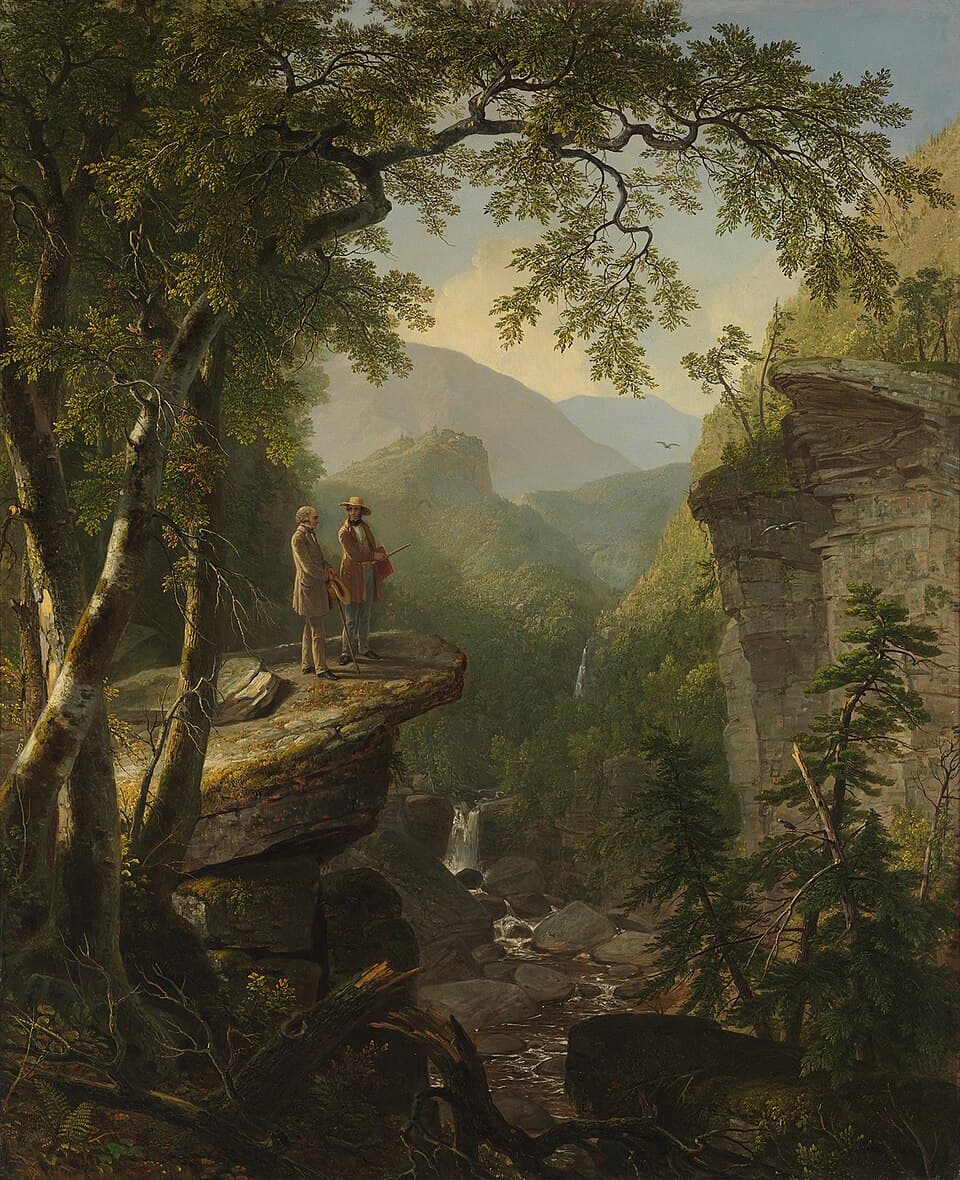
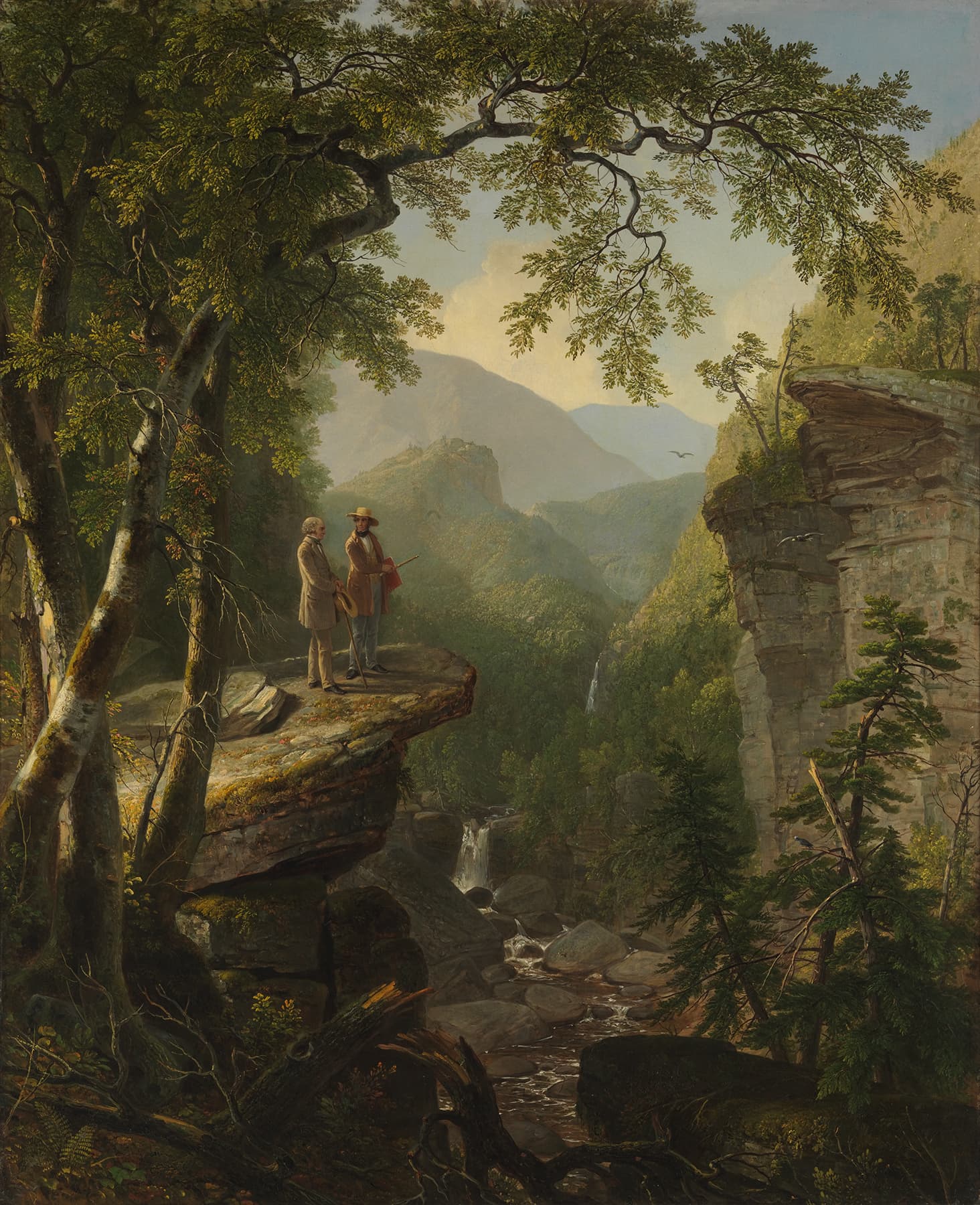
His most famous work, Kindred Spirits (1849), shows Cole and poet William Cullen Bryant in a Catskills gorge. Painted as a memorial after Cole's death, it sold for $35 million in 2005. Durand helped organize the National Academy of Design in 1825 and served as its president from 1845 to 1861. He formally retired in 1869 and died in his hometown at ninety. His work hangs in the Metropolitan Museum of Art, the National Gallery of Art, and the Smithsonian.
Notable Works by Asher Brown Durand
3 paintings catalogued with museum locations
Museums with Asher Brown Durand's Work
3 museums display Durand's works. Click any museum to see visiting info and the specific works they hold.

About Asher Brown Durand
Durand was a leading figure of the Hudson River School, America's first major artistic movement celebrating the national landscape. After Thomas Cole's death in 1848, Durand became the acknowledged dean of American landscape painters, championing detailed naturalism and painting directly from nature outdoors.
His work is displayed at the Metropolitan Museum of Art in New York, the National Gallery of Art in Washington, and the Smithsonian American Art Museum. Kindred Spirits now hangs at Crystal Bridges Museum of American Art in Arkansas after its 2005 sale.
Kindred Spirits (1849) depicts fellow artist Thomas Cole and poet William Cullen Bryant standing together in the Catskill Mountains, painted as a memorial tribute after Cole's death. It sold for $35 million in 2005, a record for Hudson River School paintings, when the New York Public Library controversially sold it to Alice Walton.
He was America's premier engraver before turning to painting in his forties. His 1823 engraving of the Declaration of Independence (after John Trumbull's painting) established his reputation as the finest engraver in the United States. His banknote designs even appeared on America's first postage stamps in 1847.
Durand lived to be ninety years old (1796-1886), working actively until retirement in 1869. He served as president of the National Academy of Design for sixteen years, from 1845 to 1861. His essays in The Crayon magazine articulated the spiritual philosophy underlying Hudson River School landscapes.
Love Asher Brown Durand's Style?
Explore art inspired by their style.
Browse Collection