August Macke
German·1887–1914
No Portrait Available
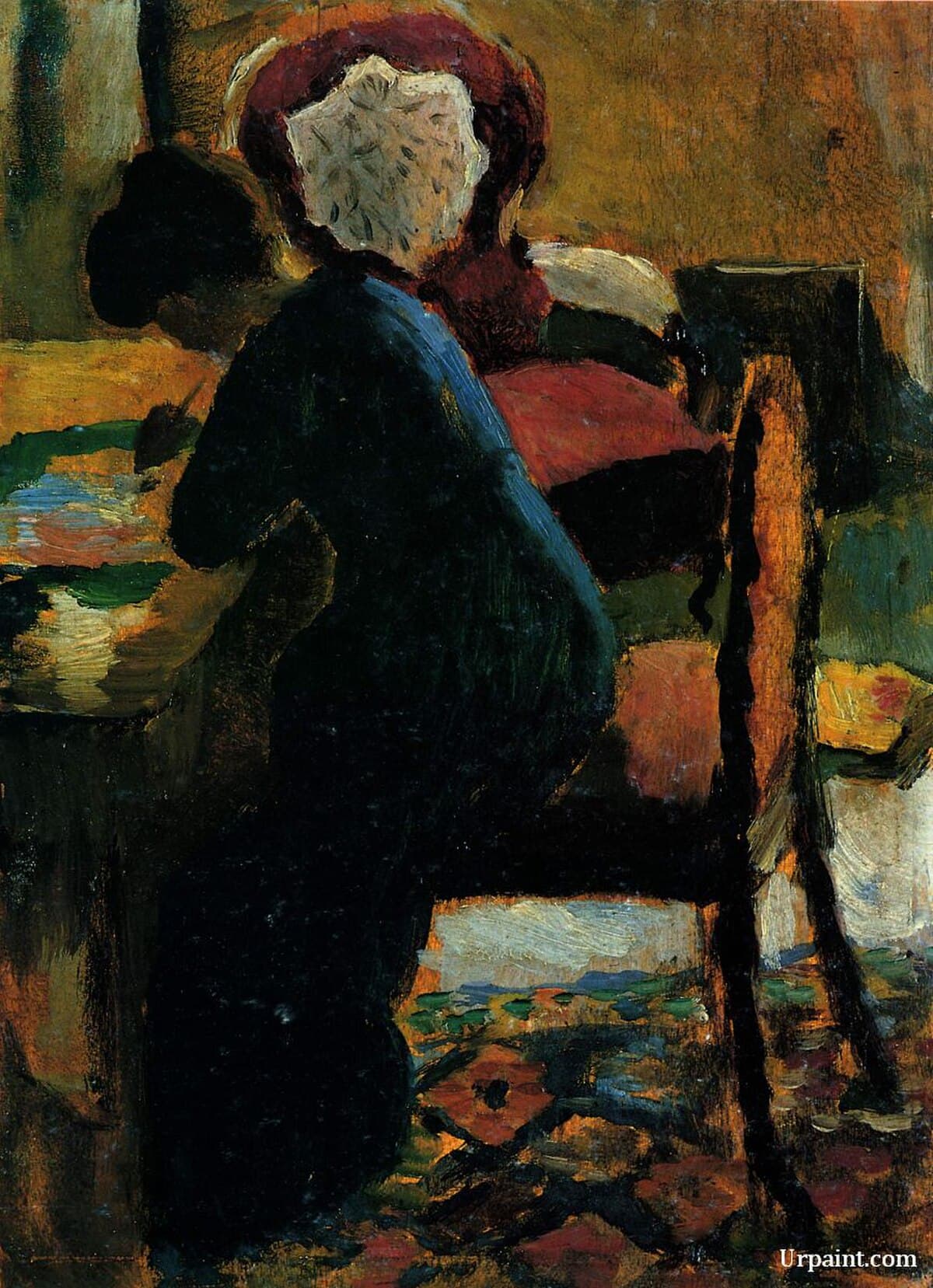
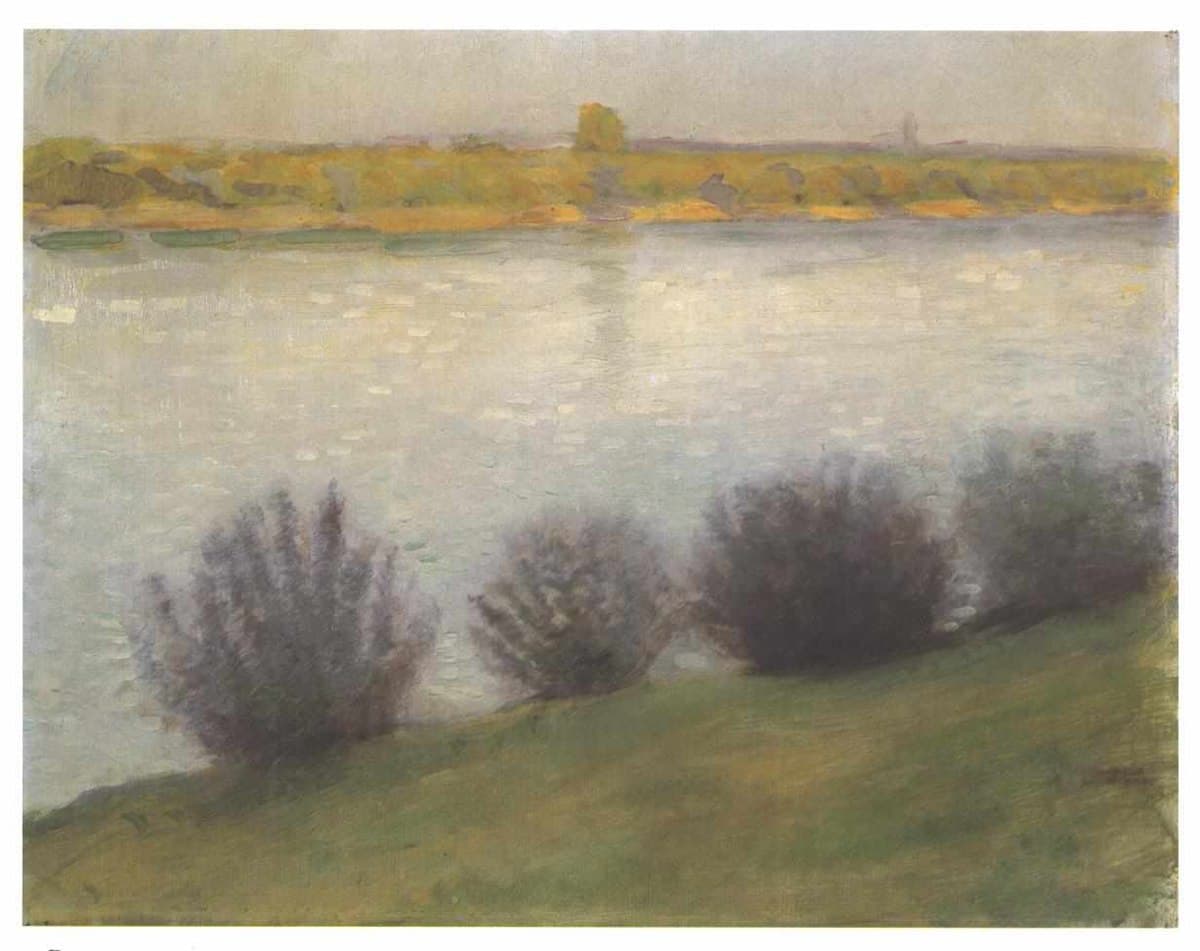
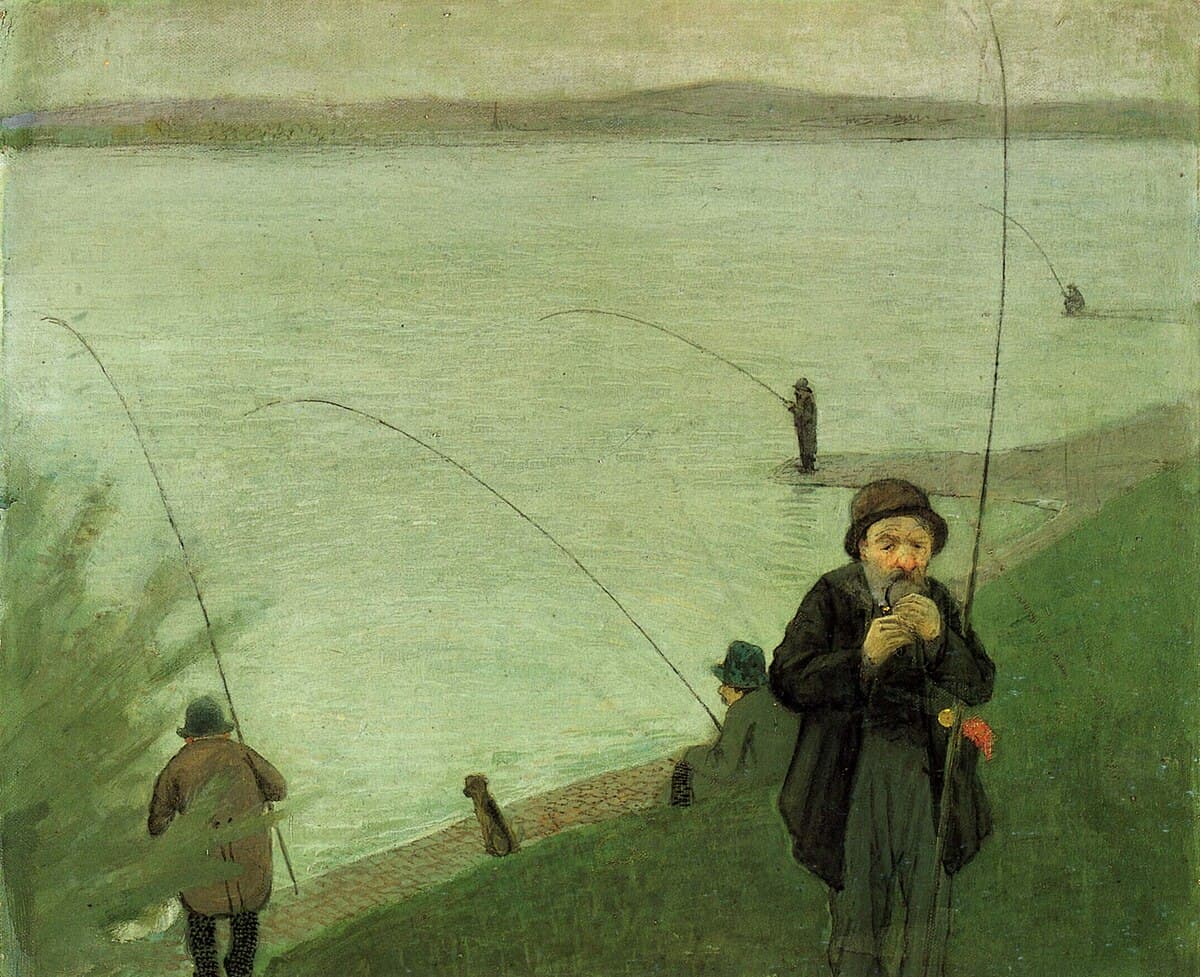
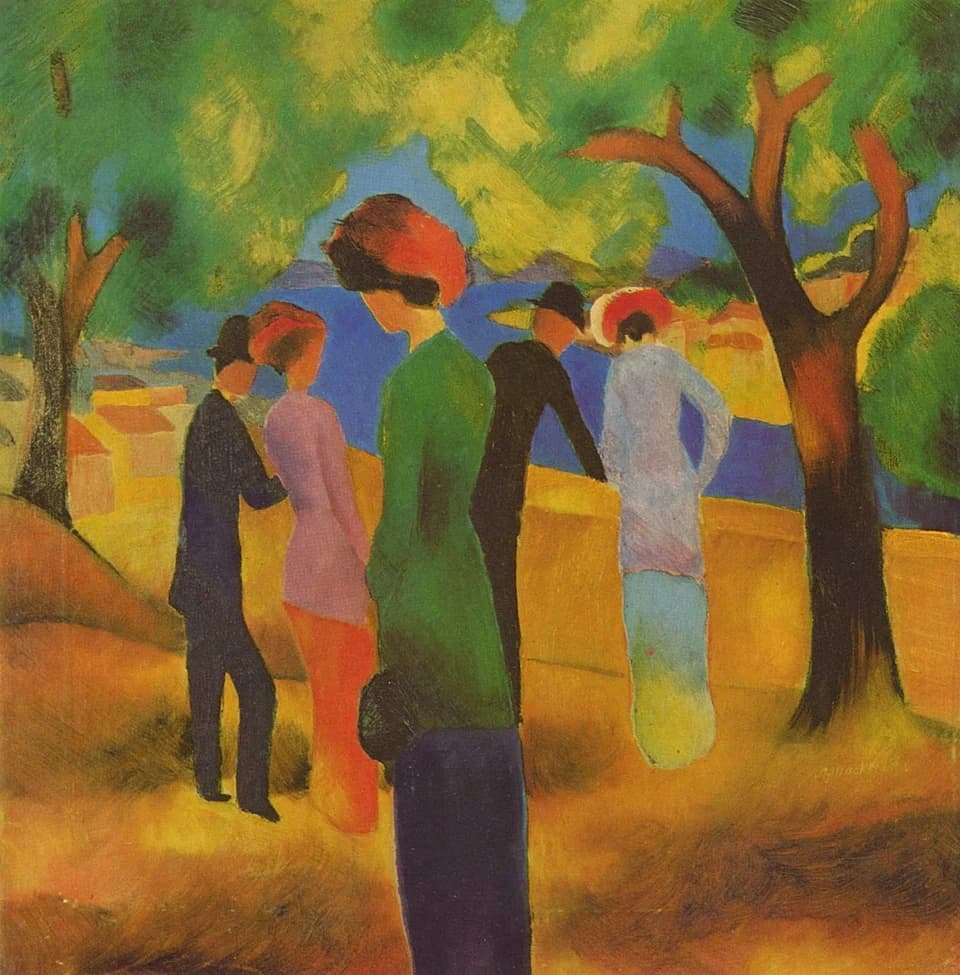
August Macke (1887–1914) made color sing. Born in Meschede, Germany, he grew up in Cologne and Bonn, where he befriended Elisabeth Gerhardt, whom he later married. At seventeen, he enrolled at the Düsseldorf Academy. By nineteen, he was in Paris, discovering Impressionism. By twenty-two, he'd absorbed Matisse and the Fauves. By twenty-four, he was a founding member of Der Blaue Reiter.
Der Blaue Reiter (The Blue Rider), founded in Munich by Wassily Kandinsky and Franz Marc, became one of the most influential groups in modern art. Macke joined in 1911, bringing his own approach. While Marc painted mystical animals and Kandinsky moved toward abstraction, Macke painted people: women in hat shops, couples strolling through parks, children at play. His colors were bright, his subjects cheerful, his touch lighter than his colleagues'.
In 1912, he met Robert Delaunay in Paris. Delaunay's Orphism, with its prismatic colors and fractured light, pushed Macke further. Then came Tunisia. In April 1914, Macke traveled there with Paul Klee and Louis Moilliet. The North African light transformed his work. He produced some forty watercolors in two weeks, luminous images that rank among his finest. Five months later, he was dead. Killed in September 1914 at Perthes-lès-Hurlus in Champagne, France, in the second month of World War I. He was twenty-seven. His last painting, Farewell, shows dark figures at a train station. His work is at the Museum of Modern Art, the Lenbachhaus in Munich, and the August-Macke-Haus in Bonn, his former home.