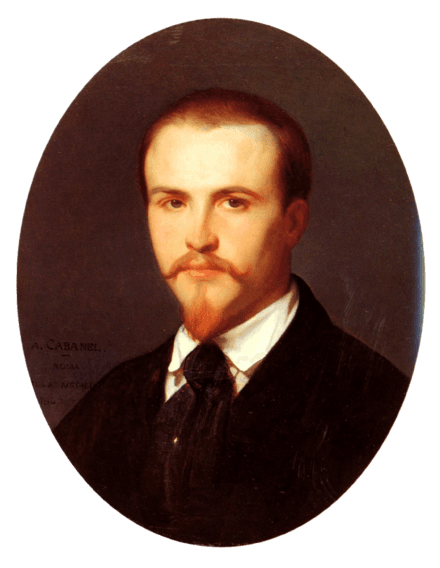
Hans Makart
Austrian·1840–1884

Austrian Academic painter Hans Makart (1840-1884) dominated Vienna's cultural scene so completely that an entire decorative style bears his name. Born in Salzburg, he trained at the Vienna Academy before studying with Karl Theodor von Piloty at the Munich Academy from 1860 to 1865. His breakthrough came with The Plague in Florence (1868), a monumental painting that caught Emperor Franz Joseph I's attention and led to an imperial invitation to Vienna in 1869. Dubbed "the magician of colours," Makart painted in brilliant hues and fluid shapes, prioritizing aesthetic impact over historical accuracy.
The "Makartstil" influenced everything from interior design to fashion, featuring rich reds, deep golds, peacock feathers, and theatrical abundance. His studio became a famous social gathering place, decorated like an exotic palace. In 1879, Makart single-handedly designed the costumes, floats, and staging for a silver wedding anniversary parade honoring Emperor Franz Joseph and Empress Elisabeth, a spectacle that gave Viennese citizens their own chance to dress in historical costume. He received commissions for frescoes at Empress Elisabeth's bedroom in Hermesvilla and lunettes for the Kunsthistorisches Museum. His influence extended to a young Gustav Klimt, whose early historicist style drew directly from Makart's example. The Belvedere Museum in Vienna holds his Venice Pays Homage to Caterina Cornaro, while Salzburg's Makartplatz commemorates its native son. Makart died at 44, but his vision of decorative grandeur shaped the Ringstrasse era.
Notable Works by Hans Makart
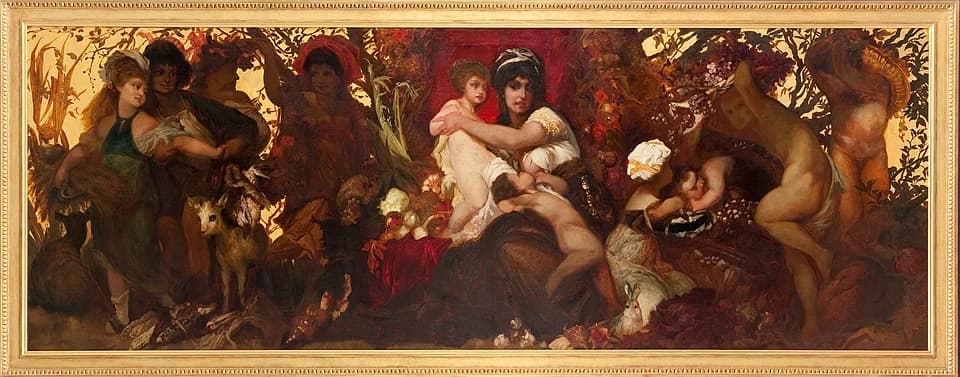
1 painting catalogued with museum locations
Museums with Hans Makart's Work
1 museum displays Makart's works. Click any museum to see visiting info and the specific works they hold.
Related Artists
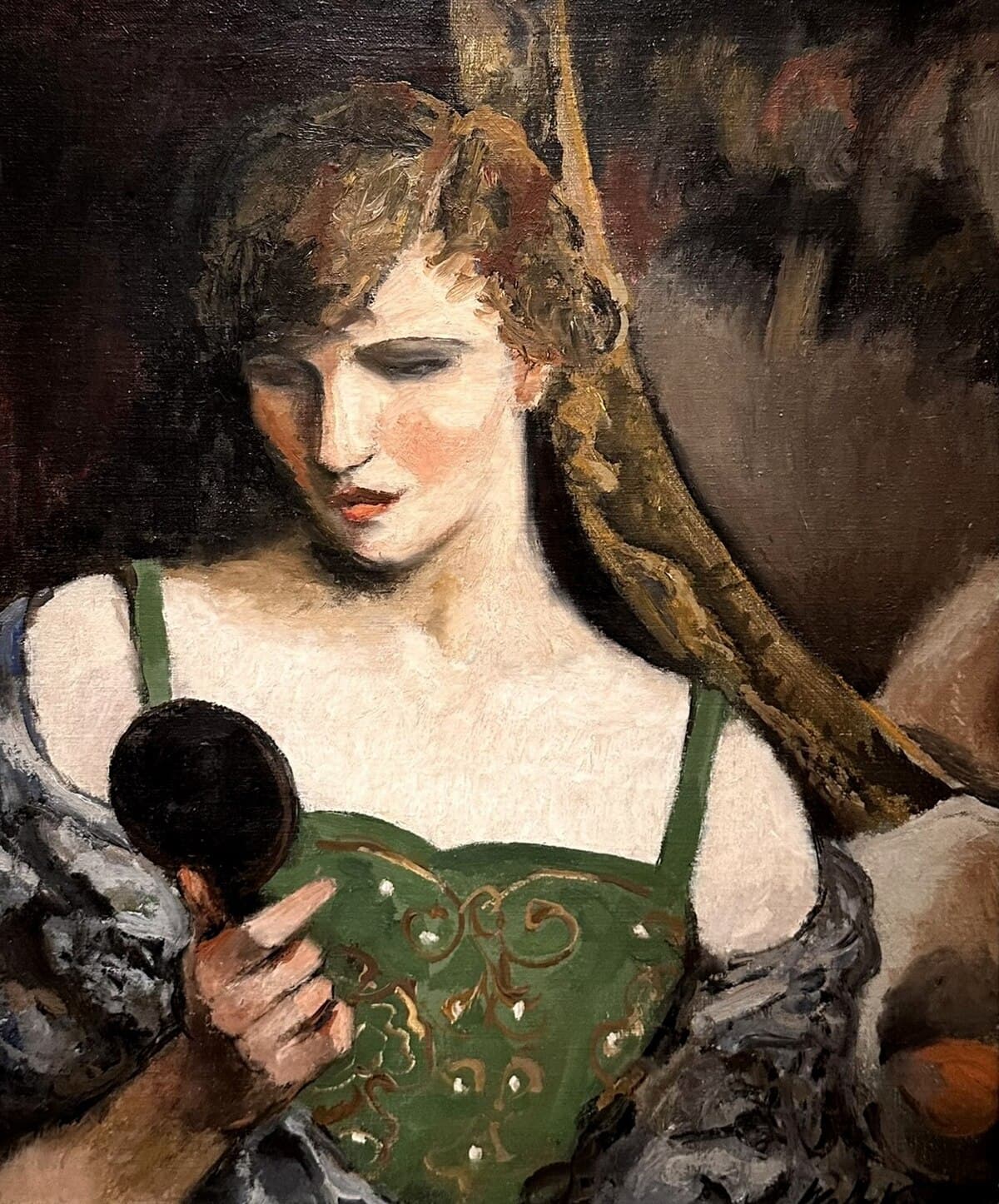
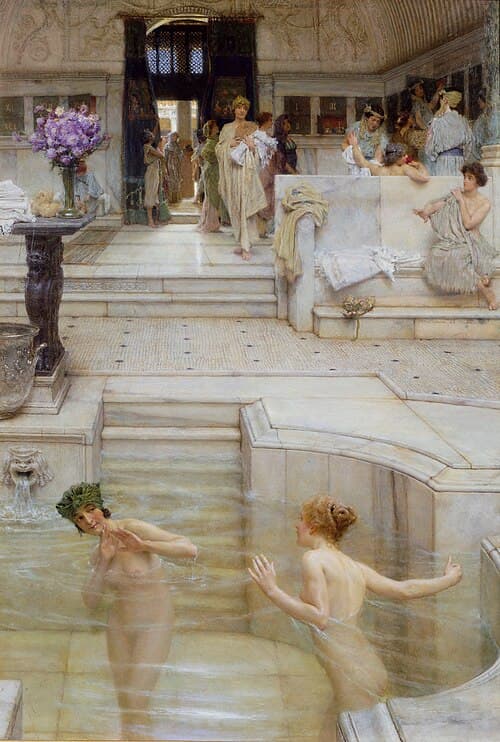
Other Academic Art artists you might like
About Hans Makart
Makart belonged to Academic Art and Viennese historicism, the dominant style during the Ringstrasse era of imperial Vienna. He became the acknowledged leader of Vienna's artistic scene in the 1870s, decorating public buildings and creating sumptuous large-scale historical paintings that defined the city's cultural identity.
Major works are at the Belvedere Museum in Vienna, which holds several of his monumental canvases. The Museum Georg Schäfer in Schweinfurt displays The Plague in Florence. His decorative work can still be seen in Vienna's Kunsthistorisches Museum, where he painted ceiling panels.
The Makartstil was a decorative style named after Makart that dominated Viennese interiors from the 1870s to 1880s. It featured rich, saturated colors, exotic objects, peacock feathers, dried flowers, and theatrical abundance. The term characterized an entire era of Viennese aesthetic culture unlike anything seen before or since.
Gustav Klimt idolized Makart and his early historicist paintings show direct influence from the older master. Makart's emphasis on color, sensuality, and decorative effects helped establish the foundation for the Vienna Secession movement. His prioritization of aesthetics over subject matter anticipated Art Nouveau principles.
Emperor Franz Joseph I invited Makart to Vienna in 1869, where he became an artistic celebrity with almost cult-like status. He received commissions for the Kunsthistorisches Museum decorations and single-handedly designed the 1879 imperial silver wedding parade, creating costumes, scenic settings, and triumphal cars.
Love Hans Makart's Style?
Explore art inspired by Academic Art.
Browse Collection