Jan Davidsz. de Heem
Dutch·1606–1684
No Portrait Available
Jan Davidsz. de Heem (1606–1684) mastered the art of opulent abundance. Born in Utrecht to a Catholic family, he trained with his father and later studied with Balthasar van der Ast. In 1635, he moved to Antwerp and joined the Guild of Saint Luke, becoming a citizen in 1637. He spent most of his productive life between Antwerp and Utrecht, moving between the two depending on circumstances.
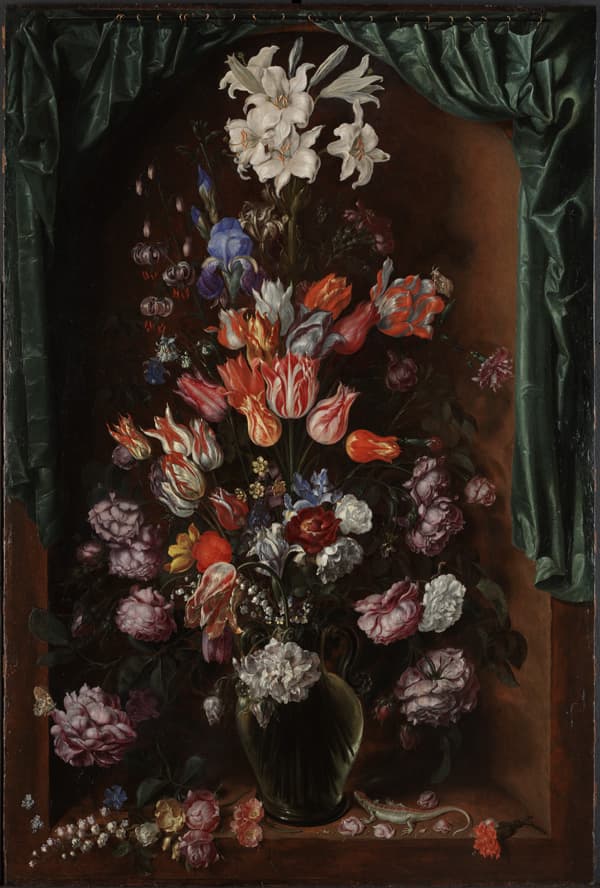
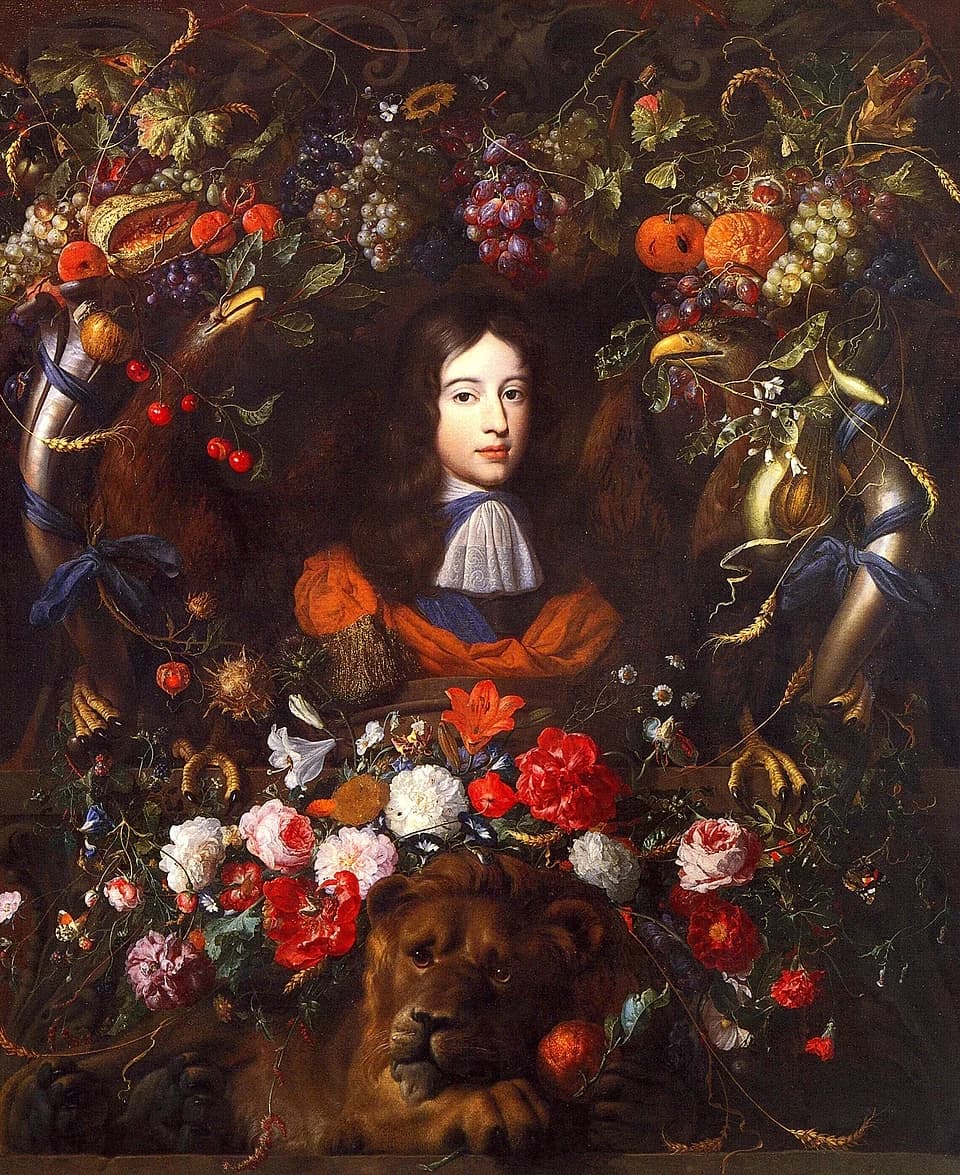
De Heem's still lifes bridge Dutch and Flemish traditions. His early works in Leiden show the restrained style of Haarlem painters like Pieter Claesz. After moving to Antwerp, his paintings became splendid Flemish Baroque celebrations: sumptuous arrangements of exotic fruits, silver vessels, half-peeled lemons, and flowers in crystal vases. Gold and silver gleam with a realism that made contemporaries marvel.
Yet these feasts carry moral weight. A snake coiled beneath flowers, a skull among blossoms, a crucifix in a wreath: his paintings whisper about the vanity of earthly possessions and the transience of beauty. He was the most celebrated still life painter of his era. He married twice and trained several apprentices, including his sons Cornelis and Jan, who continued his style. De Heem died in Antwerp in 1684. His work hangs at the Rijksmuseum, the Louvre, and the National Gallery.
Primary Genres
Notable Works by Jan Davidsz. de Heem
2 paintings catalogued with museum locations
Museums with Jan Davidsz. de Heem's Work
2 museums display Heem's works. Click any museum to see visiting info and the specific works they hold.
Related Artists
Other Baroque artists you might like
About Jan Davidsz. de Heem
De Heem was renowned for opulent still lifes: lavish arrangements of fruits, flowers, silver vessels, lobsters, oysters, and luxury objects. He combined the restrained Dutch tradition with Flemish exuberance after moving to Antwerp. His compositions often contained hidden moral symbolism reminding viewers of life's transience.
His work is displayed at the Rijksmuseum in Amsterdam, the Louvre in Paris, and the National Gallery in London. The Mauritshuis in The Hague and the Alte Pinakothek in Munich also hold significant examples of his elaborate still life paintings.
De Heem worked in the Baroque style, uniquely bridging the Dutch Golden Age tradition of Utrecht with the opulence of Flemish painting. He moved to Antwerp around 1636, reportedly because 'there one could have rare fruits of all kinds, large plums, peaches, cherries, oranges, lemons, grapes, and others.'
De Heem included skulls, hourglasses, snakes, and wilting flowers amid apparent abundance to remind viewers of mortality and the vanity of earthly possessions. Even the most sumptuous feast would rot. These memento mori elements gave his decorative works a moral dimension that resonated with Protestant and Catholic audiences alike.
He was celebrated for his incredibly realistic depiction of gold and silver vessels, with reflections and textures that contemporaries found astonishing. His ability to render metallic surfaces, dewdrops on fruit, and translucent grapes was unmatched. He trained his son Cornelis, who continued the family tradition of virtuoso still life painting.
Love Jan Davidsz. de Heem's Style?
Explore art inspired by Baroque.
Browse Collection