Richard Dadd
British·1817–1886
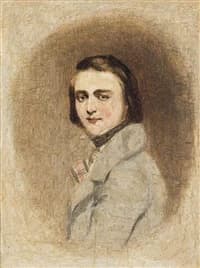
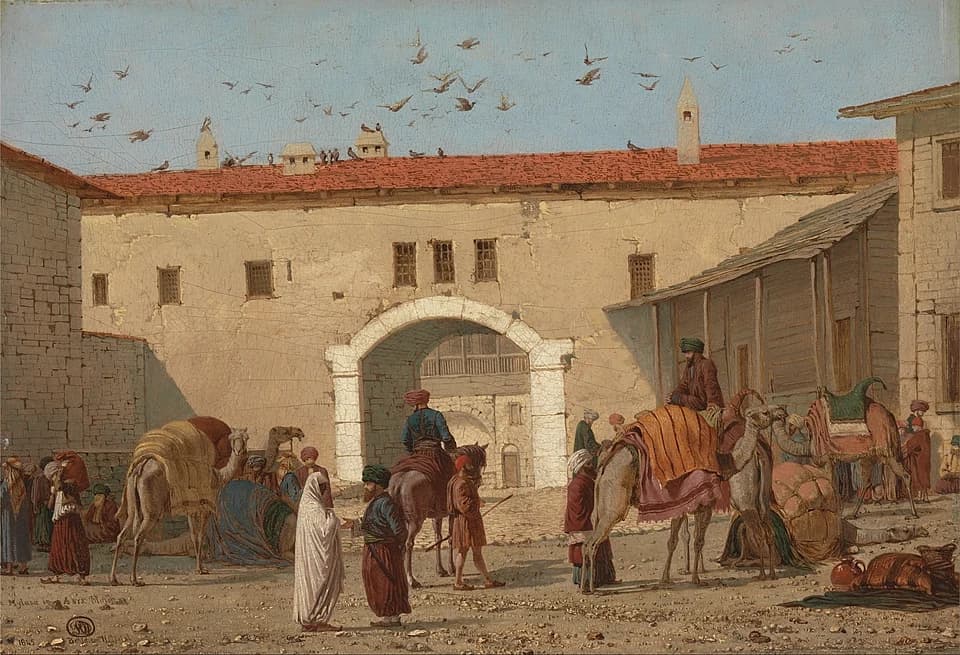
English Victorian Romantic painter Richard Dadd (1817-1886) created obsessively detailed fairy paintings during forty-two years of confinement in psychiatric hospitals after killing his father. Born in Chatham, Kent, Dadd showed early talent and entered the Royal Academy Schools at seventeen, winning the medal for life drawing in 1840. He co-founded The Clique, an avant-garde group preferring genre painting to academic art, and was considered its leading talent. In 1842, he joined an expedition through the Mediterranean and Middle East as official artist, but the journey triggered a mental breakdown. After seeing impressions of the Egyptian god Osiris in Cairo, Dadd became paranoid, believing himself tasked with fighting the devil.
In August 1843, convinced his father was the devil in disguise, Dadd stabbed him to death and fled to France, where he was captured after attempting to kill another traveler. He spent the rest of his life in Bethlem (Bedlam) and later Broadmoor psychiatric hospitals, probably suffering from paranoid schizophrenia. Remarkably, doctors encouraged his painting, even helping him obtain supplies. His asylum works, including The Fairy Feller's Master-Stroke (1855-1864) at Tate Britain, display extraordinary miniaturist detail and hallucinatory intensity. This painting inspired Freddie Mercury's Queen song of the same name. Dadd's fairy subjects connect to Victorian literary fascination with nature spirits while his technique anticipates Outsider Art. The Bethlem Royal Hospital Museum holds substantial works, and his 1846 portrait of Dr. Alexander Morison hangs in the Scottish National Portrait Gallery.
Notable Works by Richard Dadd
1 painting catalogued with museum locations
Museums with Richard Dadd's Work
1 museum displays Dadd's works. Click any museum to see visiting info and the specific works they hold.
Related Artists
Other Romanticism artists you might like
About Richard Dadd
Dadd is linked to Victorian Romanticism and the fairy painting tradition popular in 19th-century Britain. His obsessively detailed work also anticipates Outsider Art, given that his most celebrated paintings were created during 42 years of confinement in psychiatric hospitals. He showed prodigious talent as a Royal Academy student before his breakdown.
Tate Britain holds The Fairy Feller's Master-Stroke, his most famous work. The Bethlem Museum of the Mind at the former Bethlem Royal Hospital displays a substantial collection of his asylum work. The Ashmolean Museum in Oxford and the Fitzwilliam Museum in Cambridge also hold major paintings.
Dadd worked on this fantastical fairy painting from 1855 to 1864 while confined in Bethlem hospital. Its obsessive, microscopic detail shows fairies, gnomes, and fantastical figures crowded in dense foliage, watching a woodsman prepare to split a hazelnut for Queen Mab's carriage. Freddie Mercury wrote a song about it after seeing it at the Tate.
In August 1843, Dadd killed his father with a knife, believing him to be the devil in disguise. He had developed paranoid delusions during an 1842-43 expedition through Egypt and the Middle East. He spent the remaining 42 years of his life in Bethlem and then Broadmoor hospitals, painting constantly throughout.
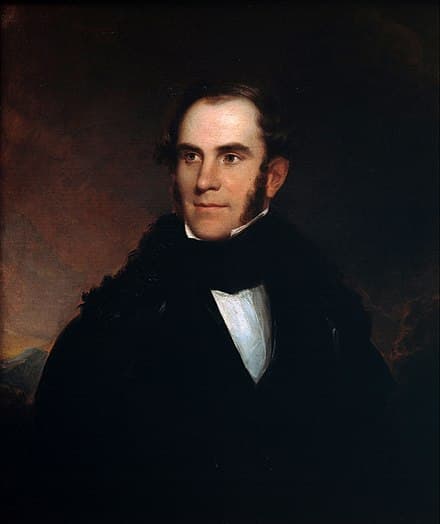
Scholars believe Dadd suffered from paranoid schizophrenia, possibly triggered by sunstroke and exhaustion during an 1842-43 expedition through Egypt with his patron Sir Thomas Phillips. The condition may have been hereditary: two of his siblings also experienced mental illness. By the time he returned to London, delusions of Egyptian god Osiris controlling him had taken hold.
Love Richard Dadd's Style?
Explore art inspired by Romanticism.
Browse Collection