Rogier van der Weyden
Flemish·1400–1464
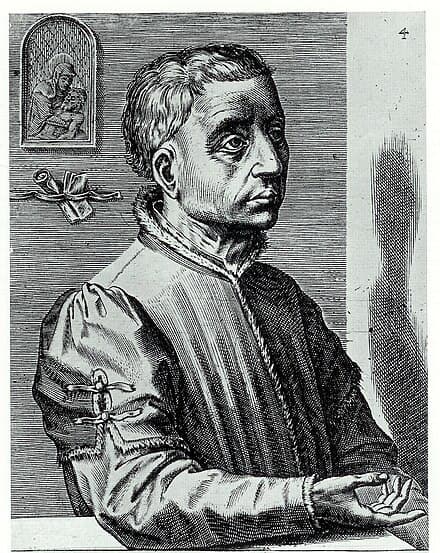
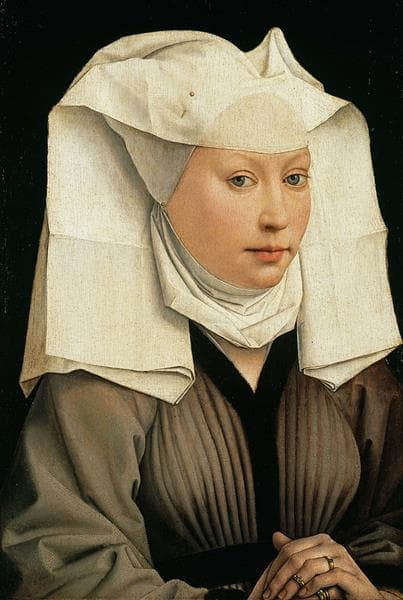
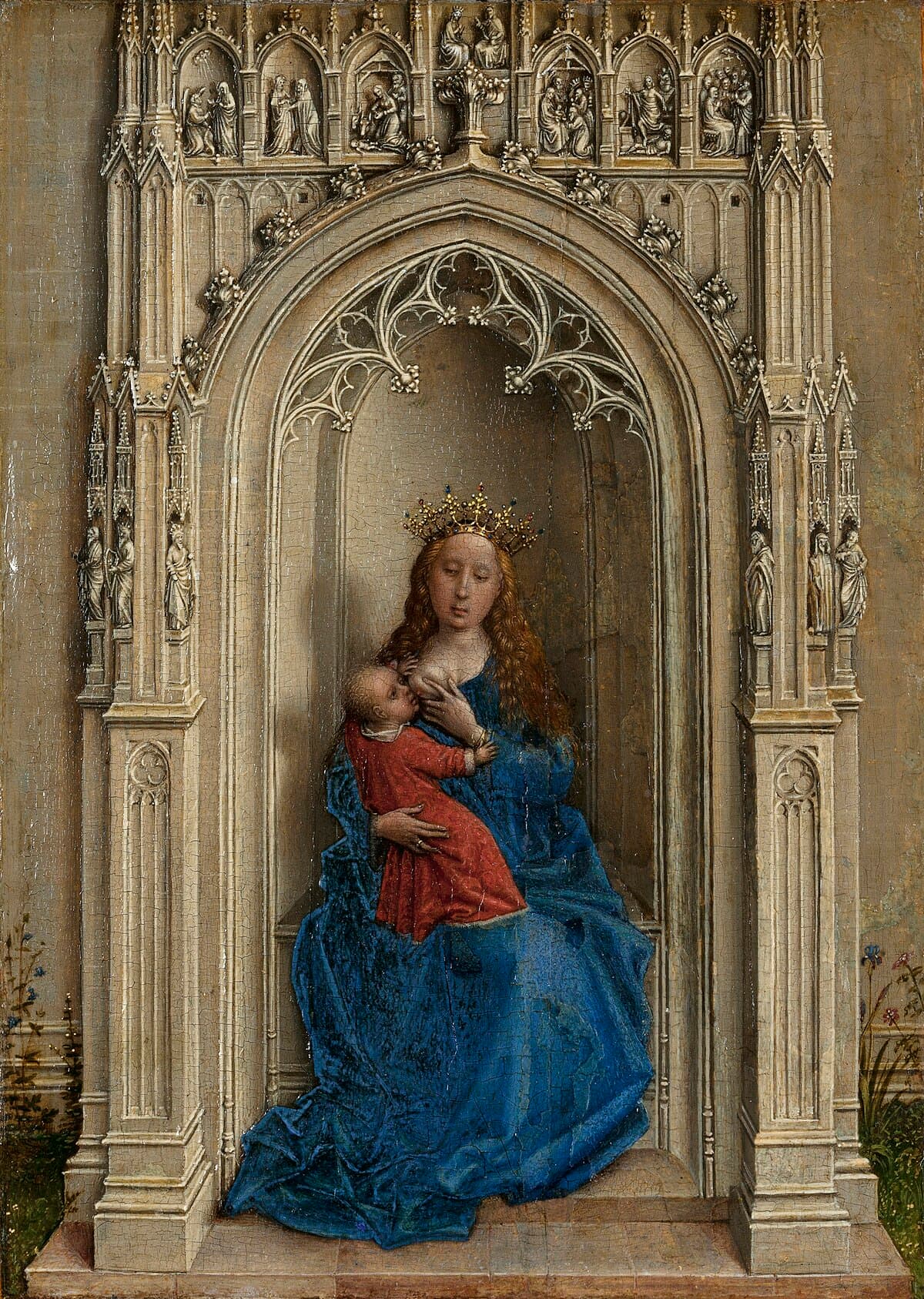
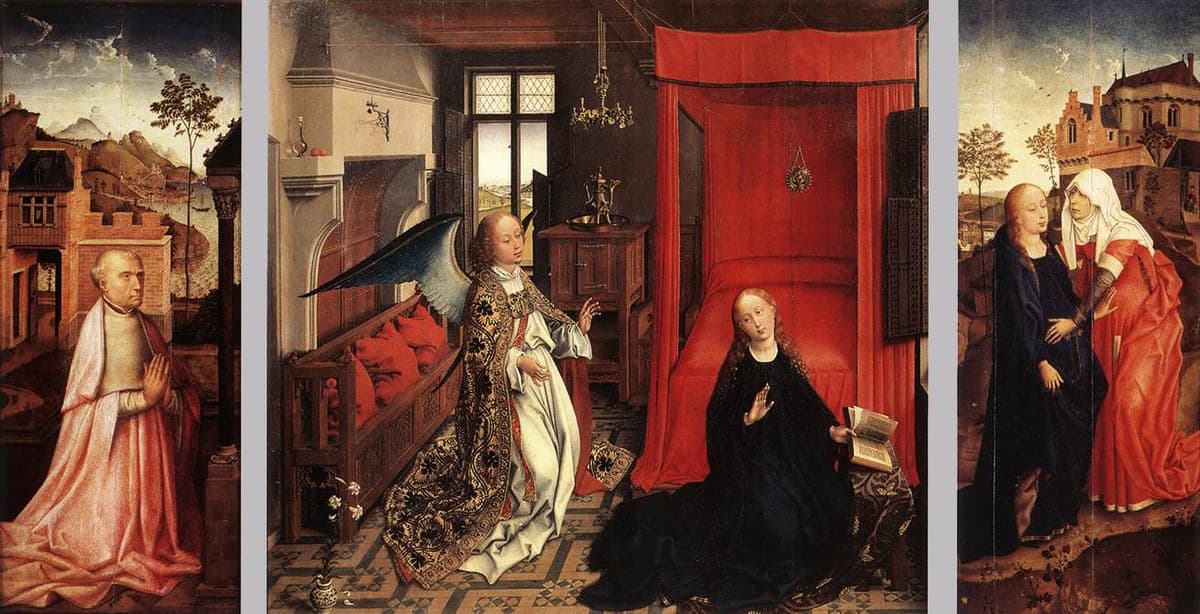
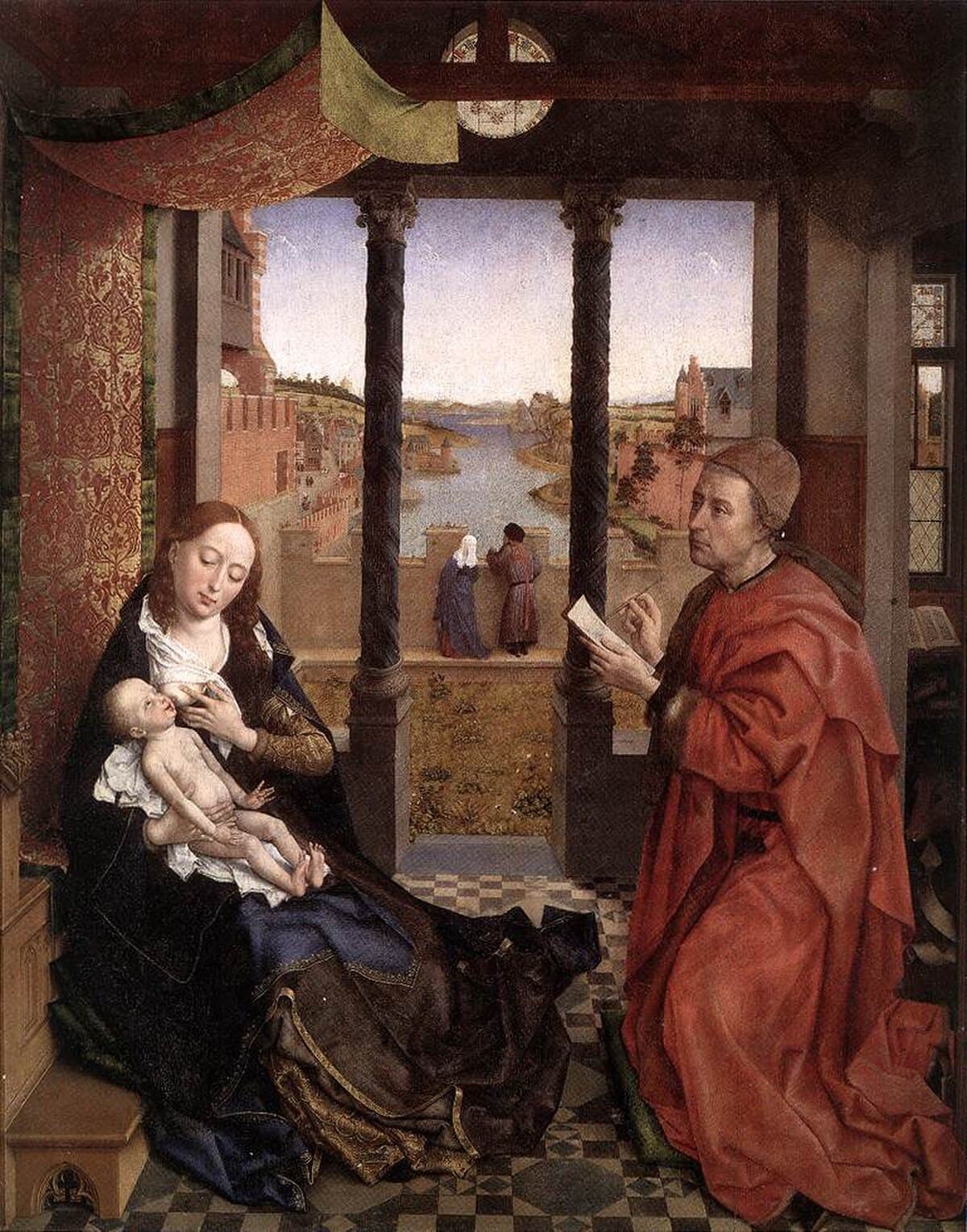
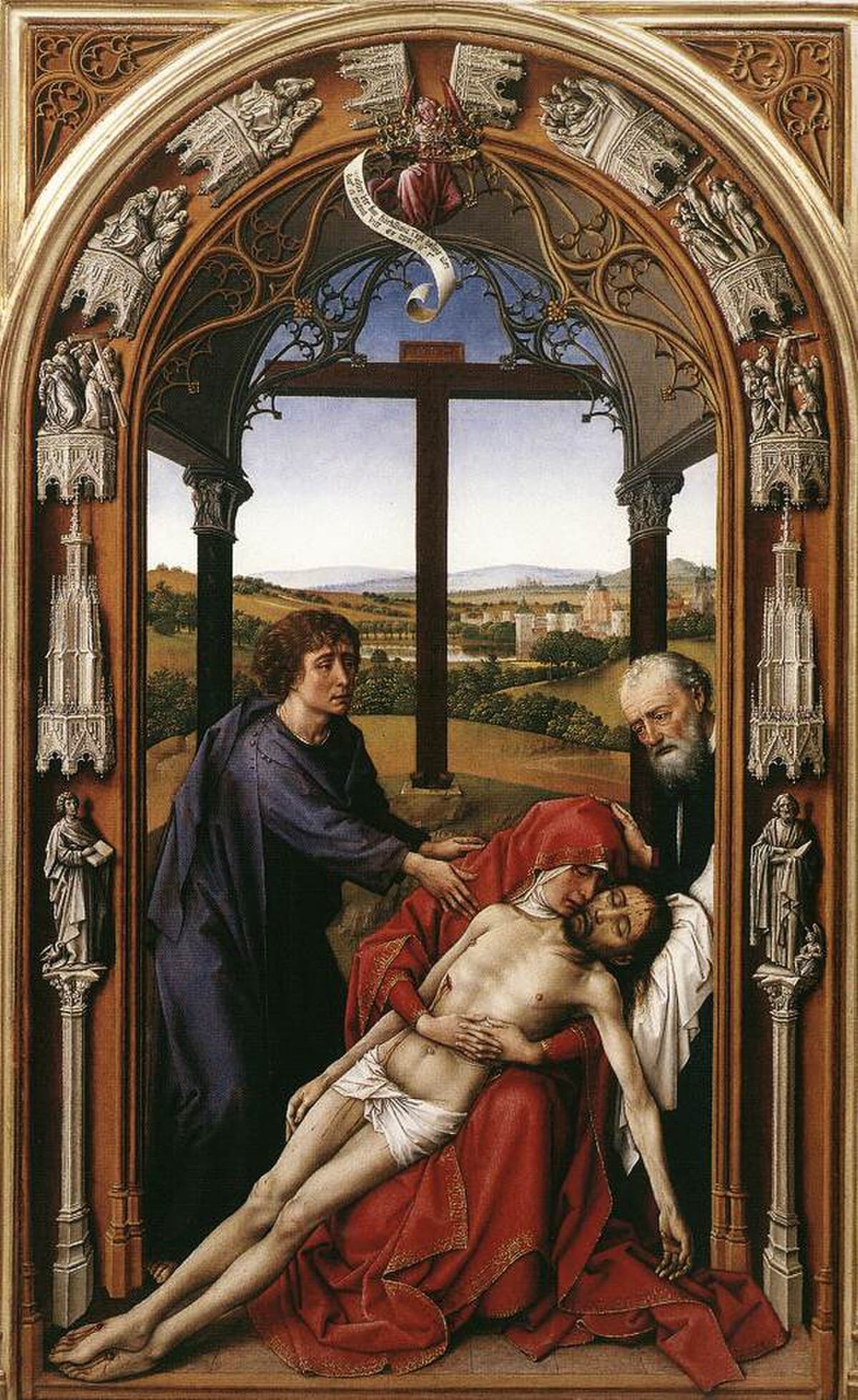
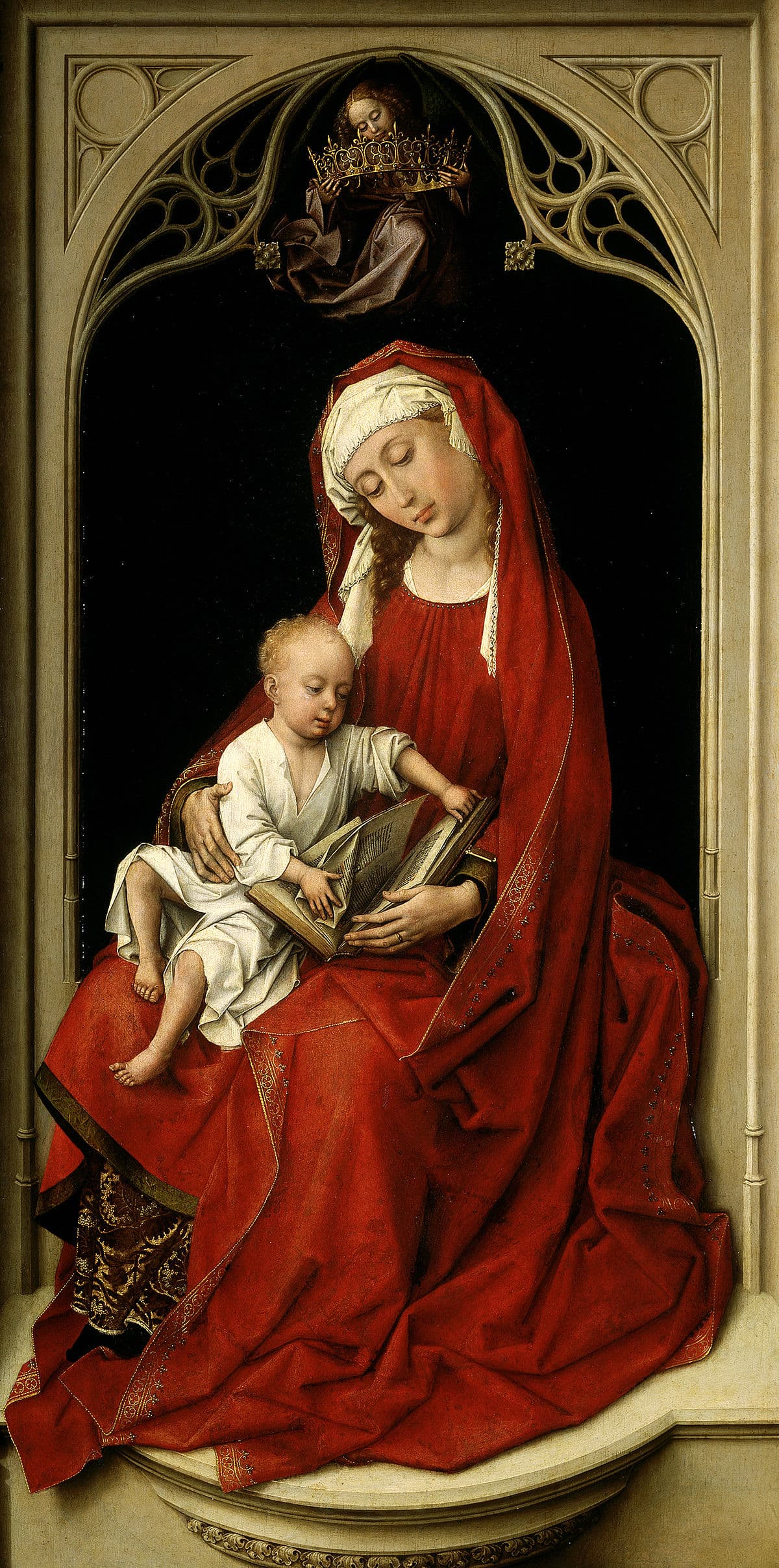
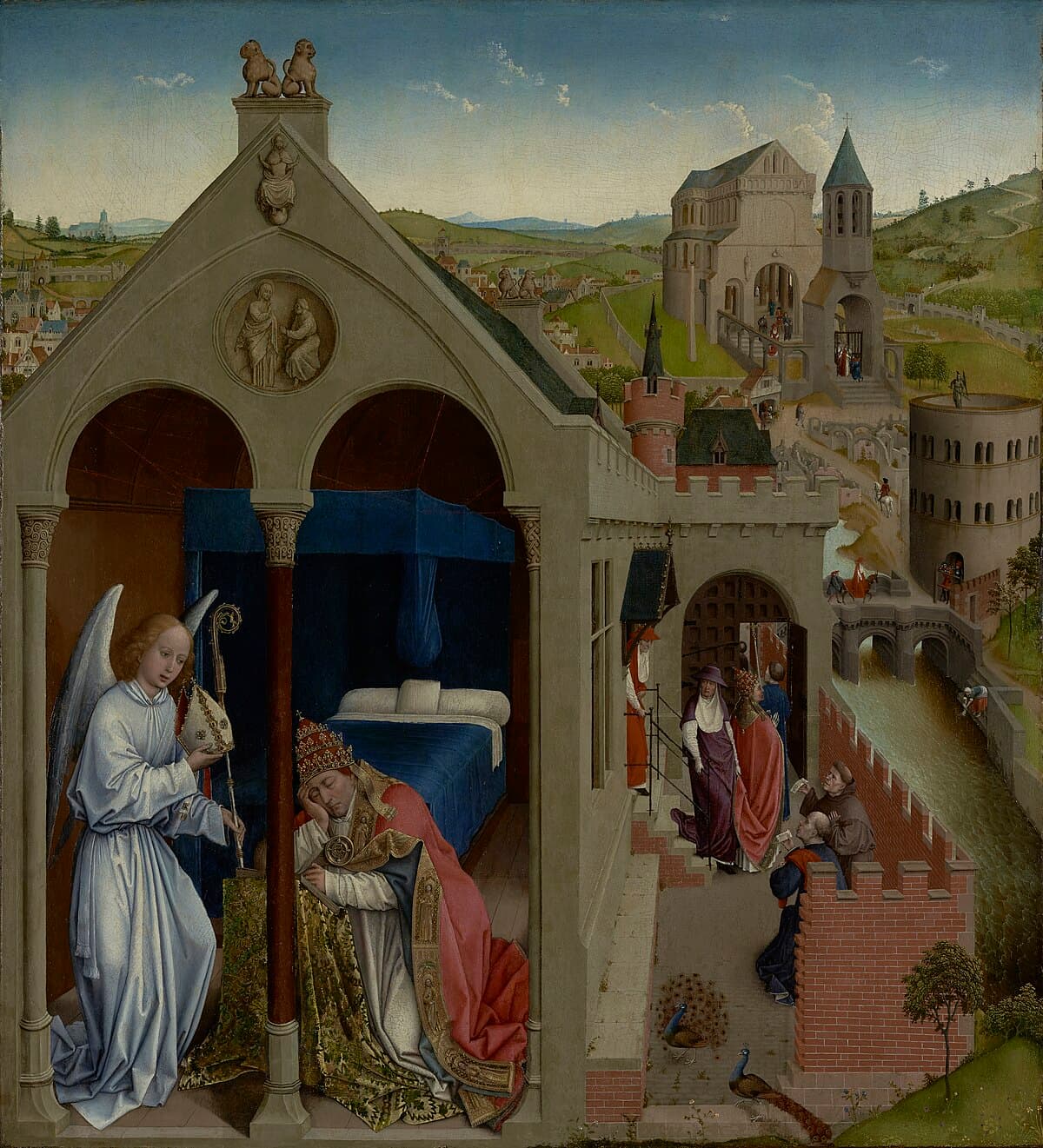
Northern Renaissance painter Rogier van der Weyden (c. 1400-1464) was, with Jan van Eyck, the most influential northern European artist of his time. Born Rogier de le Pasture in Tournai (now Belgium), he apprenticed under Robert Campin beginning in 1427 and became a master in 1432. Moving to Brussels in 1435, he adopted the Flemish version of his name and became official painter to the city. He was celebrated for the naturalism of his detail and his expressive pathos.
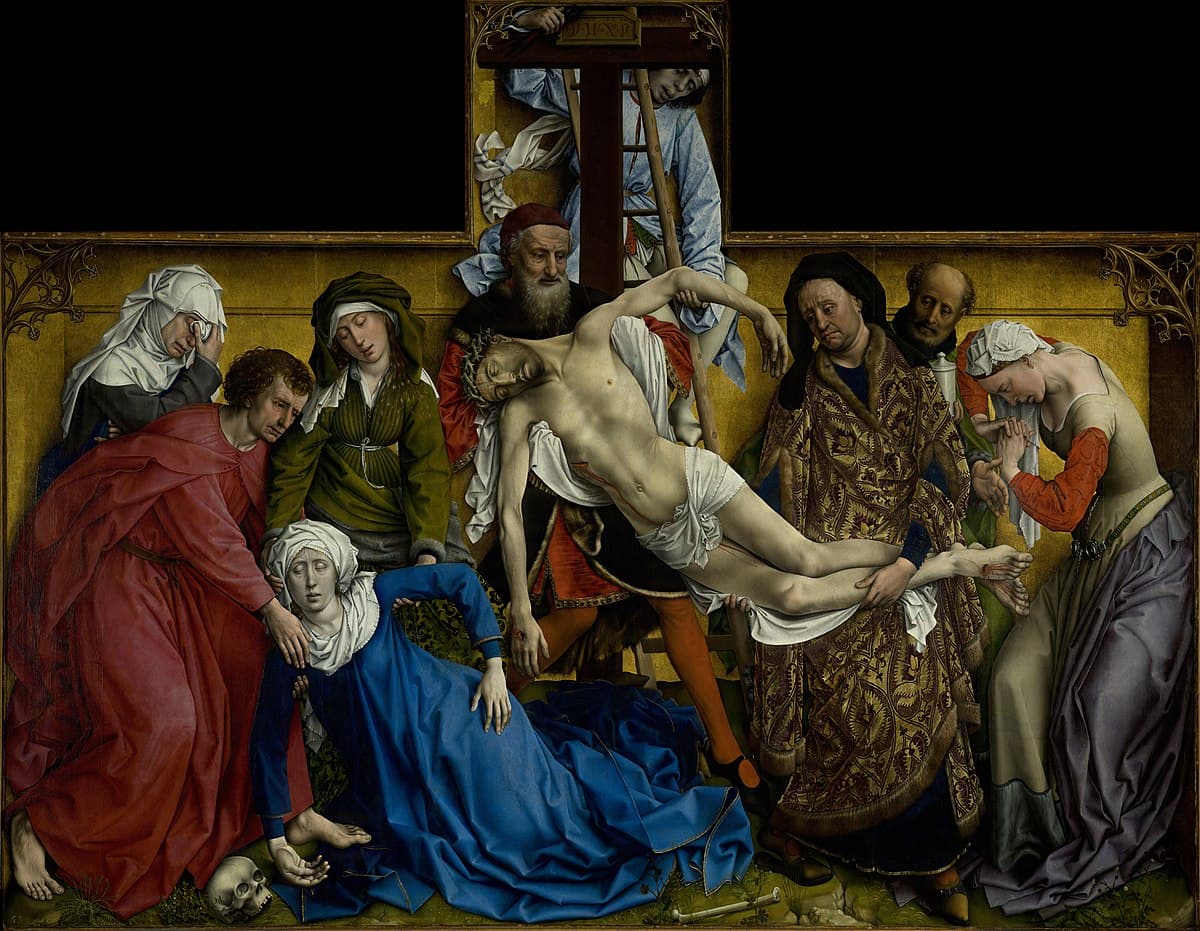
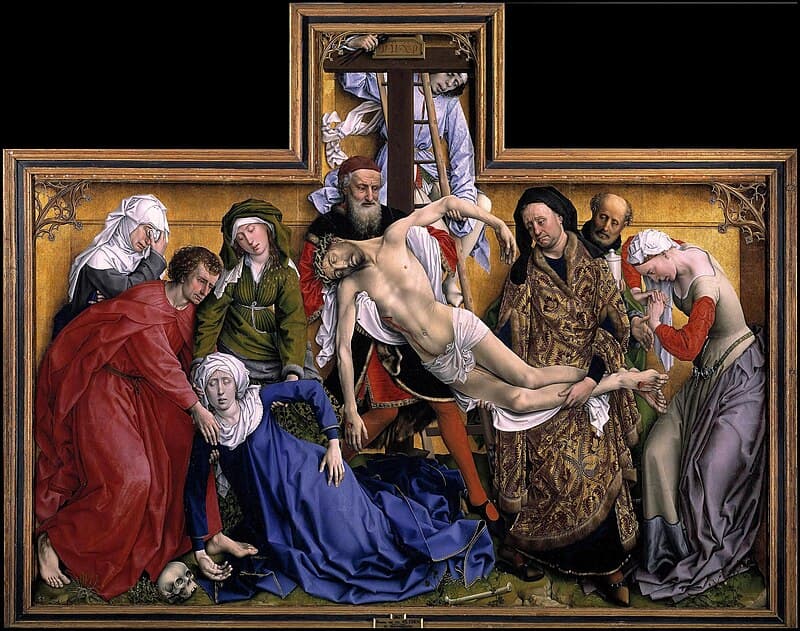
His masterpiece The Descent from the Cross (c. 1435) at the Museo del Prado was commissioned by the Crossbowmen's Guild of Leuven. The painting achieves emotional intensity unprecedented in Flemish art, with figures arranged like polychromed sculptures against a gold background. It was copied more than any other Flemish painting of its era. Rogier's ability to represent intense emotions became his signature contribution to European art. Every major Flemish painter of the next generation depended on his formulations: Petrus Christus, Dieric Bouts, Hugo van der Goes, and Hans Memling. His works also hang at the National Gallery in London and the Alte Pinakothek in Munich.
Notable Works by Rogier van der Weyden
10 paintings catalogued with museum locations